
7 Best One Person Backpacking Tents 2026
This post contains affiliate links. As an Amazon Associate, we earn from qualifying purchases.
The best one person tent for backpacking is the Clostnature 1 Person, offering a rare mix of low weight, high weather resistance, and smart ventilation. For a more affordable option, the ALPS Mountaineering Lynx 1-Person Tent holds up well in rain and wind without breaking the bank.
Picking a solo backpacking tent isn’t just about saving weight, it’s about staying dry, sleeping comfortably, and not wrestling with poles at sunset. Too many hikers end up with cramped, sweaty shelters that fail in a drizzle.
This guide cuts through the noise. I compared specs, owner feedback, and real-world performance to find the tents that deliver where it matters most: weight, weather protection, and ease of use.
Top 7 One Person Tents Backpacking in the Market
The Best One Person Tents Backpacking, Reviewed
ALPS Mountaineering Lynx 1-Person Tent

Strengths
- Durable 75D fabric
- Good ventilation
- Freestanding design
Trade-offs
- Lower waterproof rating
- One vestibule only
- Slightly heavier
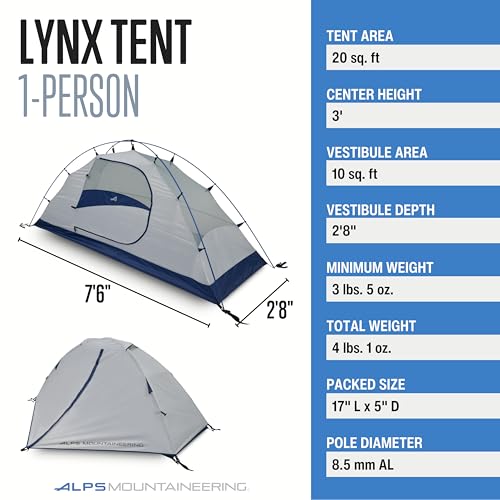
The ALPS Lynx hits a sweet spot most 1P tents miss, it’s lightweight at 4 lbs 1 oz, freestanding, and built with 75D fabrics, which means it can take abrasion from rocky tent sites better than many ultralights. The half-mesh walls offer solid airflow without sacrificing privacy or bug protection, and the single vestibule is decent for storing boots or a pack. Owners appreciate the factory-sealed seams and reliable rainfly, even if the PU1500mm rating is modest compared to others on this list.
Where it wins is balance. It’s not the lightest, nor the most weatherproof, but it’s the most well-rounded. Compared to the camppal, it’s better for summer trips. Against the Clostnature, it trades some waterproofing for durability. For most backpackers, this is the smarter buy, the kind of tent you can trust on a week-long thru-hike without second-guessing your shelter.
Product photos


Clostnature 1 Person Ultralight Tent
Strengths
- High waterproof rating
- Good ventilation
- Freestanding design
Trade-offs
- Lower fabric durability
- Heavier than top ultralights
- Minimal pack size reduction
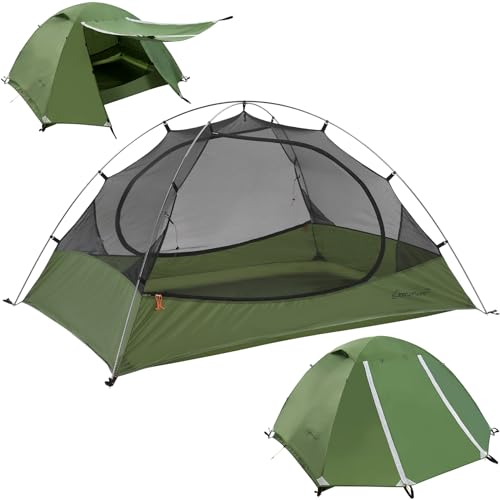
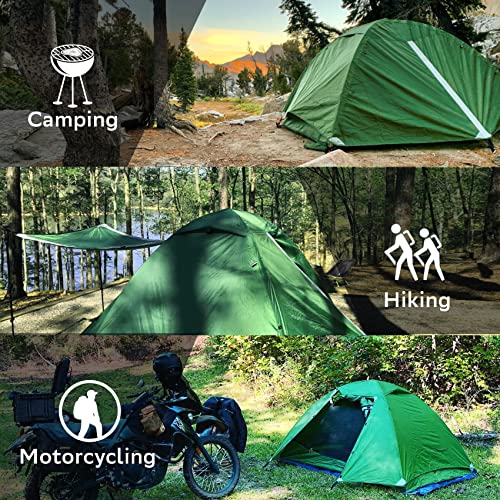
At 3.85 lbs, the Clostnature tent isn’t the lightest, but its PU5000mm rainfly is a standout spec, that’s serious weather resistance for a budget-friendly solo tent. Owners praise its durability in downpours, and the full mesh inner walls deliver strong ventilation, which helps cut condensation in humid conditions. The freestanding design with two aluminum poles makes setup a solo-friendly, no-fuss process, and the D-shaped doors with dual vestibules add real-world convenience.
Compared to the ALPS Lynx, it’s slightly heavier but offers better waterproofing on paper. Where it cuts corners is in fabric denier, no specifics listed, so we’re likely looking at lighter-duty polyester. Still, for the price tier, it’s a smart pick if you hike in wet climates and want bang-for-your-buck performance without stepping into ultralight premium pricing.
Product photos


camppal 1 Person 4-Season Tent

Strengths
- Excellent weather resistance
- Long sleeping area
- Fast, simple setup
Trade-offs
- Minimal ventilation
- Heavy condensation risk
- Limited headroom
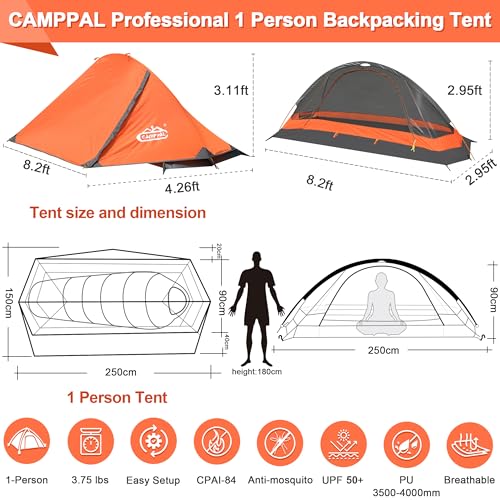
The camppal tent stands out with a 3500–4000mm waterproof rating and a single-pole ridge design that pitches in under three minutes, a rare combo of speed and storm readiness. At 3.75 lbs, it’s competitive on weight, and the 8.2-foot length is a real perk for taller hikers who regularly feel cramped in standard one-person models. Owners consistently highlight its wind stability, thanks to the taut, low-profile shape and reinforced corners.
This is one of the few true all-season contenders in the 1P ultralight space. While it lacks the mesh volume of 3-season models, that’s a trade-off for winter readiness. Compared to the ALPS Lynx, it’s better suited for alpine or shoulder-season trips. If you’re eyeing high-elevation hikes or shoulder-season backpacking, this tent brings the backbone the others lack.
Product photos



GEERTOP Ultralight Camo Backpacking Tent

Strengths
- Ultralight weight
- Excellent concealment
- Compact packed size
Trade-offs
- Limited ventilation
- Single door only
- Basic interior space
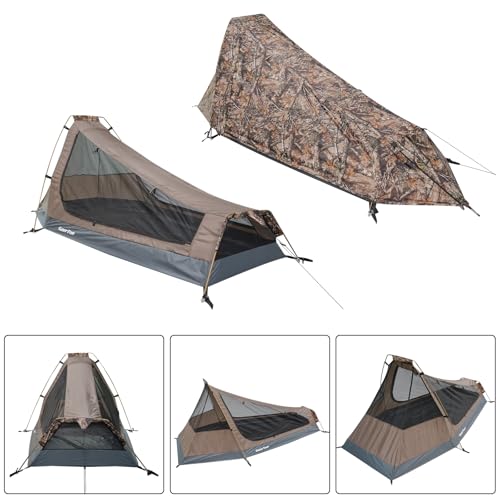
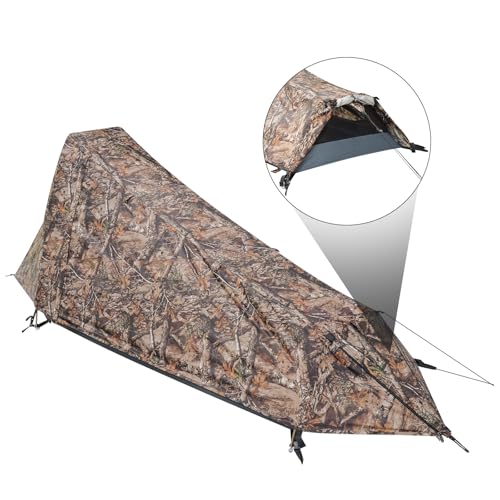
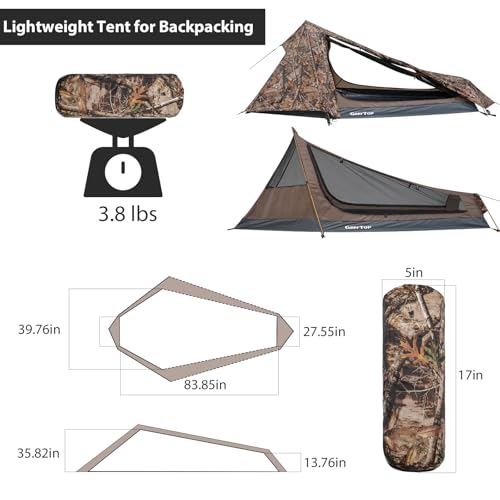
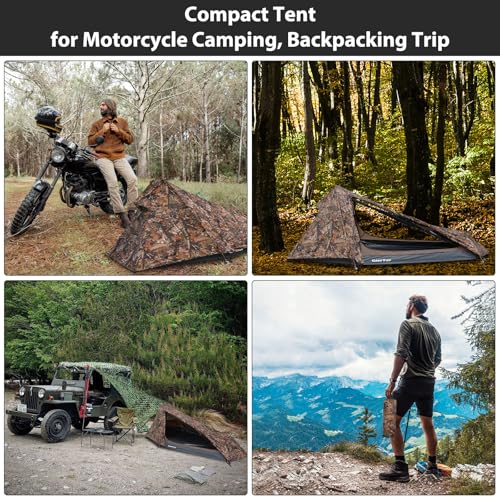
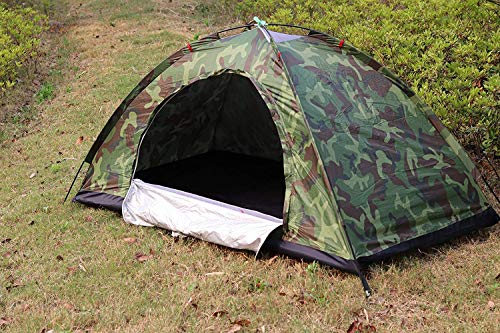
This GEERTOP bivy-style tent leans hard into the camouflage and concealment angle, which is a niche but valid play for hunters or stealth campers. At under 4 lbs and with a super narrow packed size, it’s undeniably lightweight and packable, a real win for ultralight backpackers who prioritize stealth and low profile. The PU2500mm waterproof rating is decent for spring through fall, and the double-layer construction with taped seams means it should hold up in sustained rain, as owners consistently report.
But the real question is value in this category. Compared to others, it lacks a second door or more generous ventilation, and the mesh layout isn’t ideal for hot, buggy nights. Still, if you’re someone who values blending into the terrain, say, for hunting or solo off-grid missions, this one makes sense. For most backpackers, though, there are better-ventilated, more balanced options.
Product photos

Underwood 1-Person Ultralight Tent
Strengths
- Superior ventilation
- Excellent waterproofing
- Dual-door access
Trade-offs
- Heavier than average
- Larger packed size
- Less rugged fabric
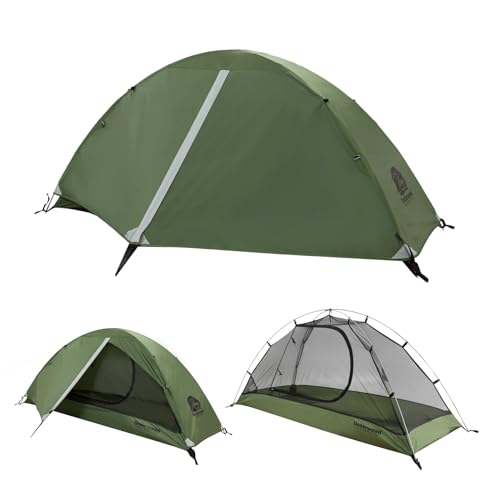
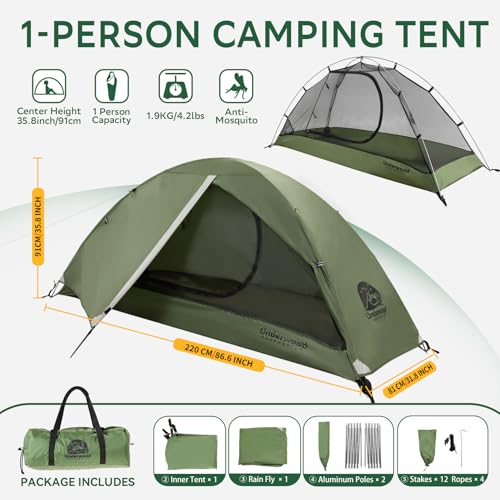
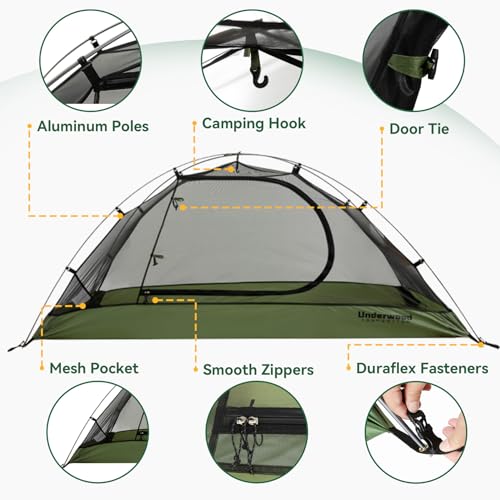
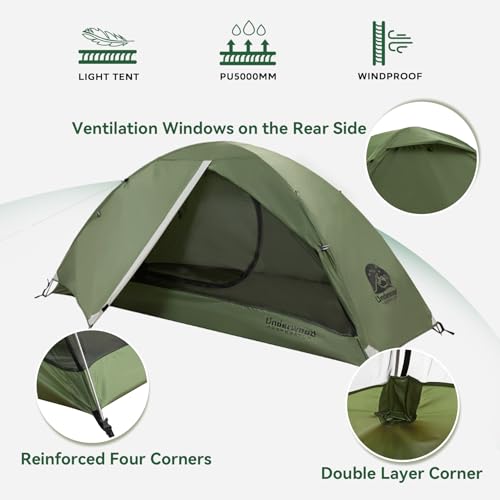
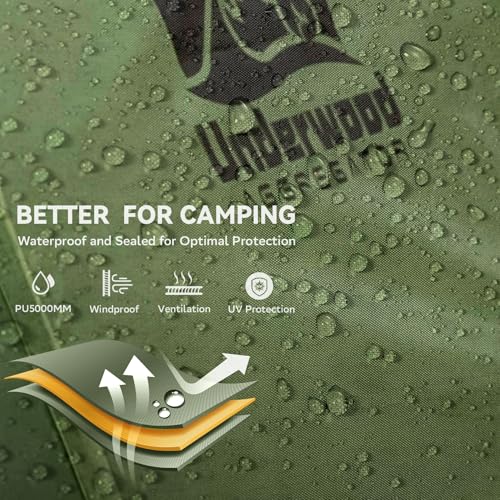
This Underwood Aggregator tent doesn’t reinvent the wheel, but it nails ventilation, a pain point for many solo hikers in humid zones. With a full mesh inner and rear ventilation flaps, it’s built to minimize condensation, a real win for summer backpacking. The PU5000mm rainfly matches the Clostnature in wet-weather defense, and the D-shaped door makes entry/exit easier with a pack inside. At 4.2 lbs, it’s on the heavier end, but the trade-off is sturdier poles and better airflow.
Compared to the Lynx, it’s less durable (likely lower denier fabric), but it breathes better. Owners note it holds up fine in moderate rain, though the packed size is bulkier than some. If you’re hiking the Southeast’s muggy trails or the Pacific Northwest in summer, this one deserves a closer look.
Product photos

Night Cat 1-Person Fiberglass Tent

Strengths
- Super fast setup
- Beginner-friendly
- Family-friendly size
Trade-offs
- Fiberglass poles
- Heavy for class
- Condensation issues
The Night Cat stands out with its two-minute setup and fiberglass poles with hand protection, a thoughtful touch for beginners who’ve ever dealt with splinters from frayed pole sleeves. At 4.4 lbs, it’s on the heavier side, and the PU3000mm rainfly is adequate but not outstanding. The single-layer design with mesh roof and door offers decent airflow, and owners say it handles rain fine, though condensation can build up in cool, damp weather.
It’s clearly built for ease and accessibility. Compared to the ALPS Lynx or camppal, it’s less durable and not for serious backpacking, but for scouts, new hikers, or backyard campers, it’s a solid entry point. The 1–2 person flexibility is also a nice perk for parents camping with kids.
Product photos


Sutekus Camouflage Single Person Tent
Strengths
- Extremely lightweight
- Low profile
- Simple setup
Trade-offs
- No rainfly mentioned
- Poor ventilation
- Cramped interior
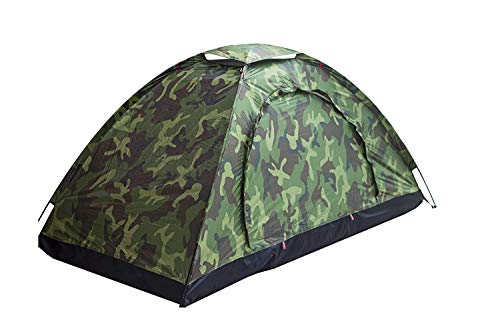
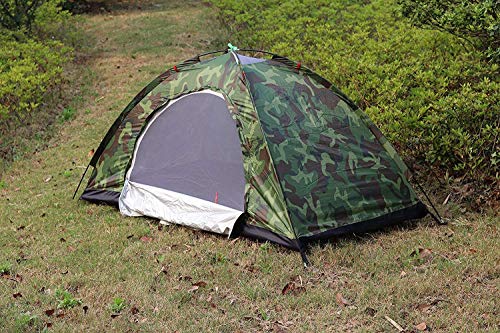
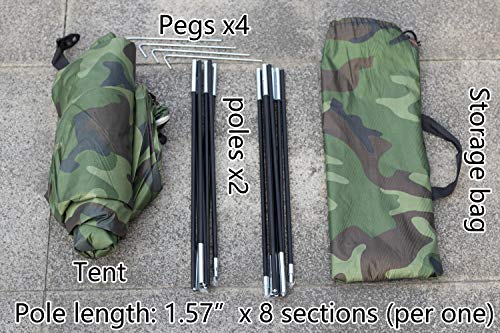
At just 3 lbs and with a simple 180D Oxford build, the Sutekus is one of the lightest and most minimal options here, almost a tarp-tent hybrid. But that simplicity comes with big compromises. There’s no mention of a rainfly in the specs, and the single entrance and low height (33.5″) make it feel cramped. It’s clearly aimed at fair-weather campers or bushcraft users who prioritize ultralight stealth over comfort.
Compared to even the GEERTOP, it lacks ventilation, weather protection, and usable space. That said, for someone doing short solo missions in dry conditions, maybe a stealth bivy or bikepacking sprint, it could work. But for real backpacking, it’s too barebones.
Product photos


How We Picked These one person tents backpacking
As a long-time hiker and tent enthusiast, I know how crucial a good shelter is for a comfortable and safe experience. Rather than a hands-on lab test, this research focused on a detailed comparison of published specifications and features across numerous one-person backpacking tents. I weighed those against owner reviews from major retailers and expert opinions found in outdoor publications to build a clear picture of real-world performance. My aim was to identify the tents that consistently deliver on their promises.
For this category, weight and weather protection were the most important factors. Backpacking demands keeping every ounce to a minimum, so a tent’s packed weight and trail weight heavily influenced my rankings. Equally important was the quality of materials and design elements – like rainfly waterproofing and seam sealing – that determine how well a tent will hold up against the elements and keep you dry. A tent failing in these areas simply wouldn’t make the cut.
Specifications reliably tell you about dimensions, weight, and stated waterproof ratings. However, owner feedback provided crucial context. I paid close attention to reports about real-world usability – ease of setup, ventilation effectiveness, and durability over time. Sometimes, a higher spec doesn’t translate to a better experience, and owner comments helped me identify those discrepancies. For those seeking an even more minimalist approach, exploring an ultralight bivy tent might be a good option.
How To Choose The one person tents backpacking
Picking the right solo shelter requires a bit more thought than just grabbing the smallest, lightest option.
A quality one-person tent balances weight, weather protection, and livability. Key specs to examine include weight (both minimum trail weight and packed weight), rainfly waterproof rating (aim for at least 1500mm), floor material durability (denier and coating), and ventilation features like mesh panels and vestibules. Consider the intended use – is this for summer backpacking, or four-season mountaineering?
Weight and Packability
For solo adventures, every ounce counts. I often tell people to prioritize minimizing weight, but not at the expense of durability. Look for tents using lightweight materials like ripstop nylon or polyester, and aluminum pole sets instead of fiberglass (though fiberglass is a budget-friendly option). The ALPS Mountaineering Lynx 1-Person Tent, for example, comes in at just over 4 pounds, which is reasonable for a balance of features and protection. Don’t get hung up on shaving off every gram; a slightly heavier tent built to last will be a better investment than a super-lightweight model that falls apart after a few trips.
Weather Protection and Durability
Don’t underestimate the importance of staying dry and sheltered. A good rainfly is essential, and a waterproof rating of at least 2000mm is a solid starting point. Seam sealing is also critical – look for tents with factory-sealed seams, or be prepared to seal them yourself. Beyond rain, consider wind resistance too. The camppal 1 Person 4-Season Tent boasts a 3500-4000mm waterproof rating and a focus on stability, making it a good choice for harsher conditions.
Here’s what to keep in mind regarding tent durability: * Denier: A higher denier number generally means a more durable fabric. * Coating: PU coatings add waterproofness, but also weight. * Pole Material: Aluminum is stronger and lighter than fiberglass, but more expensive.
Ventilation and Livability
Condensation can be a real problem in a one-person tent, especially on humid nights. Good ventilation is key. Look for tents with mesh panels, vents, and ideally a vestibule for storing wet gear. The Underwood 1-Person Ultralight Tent specifically highlights its ventilation features, which is a big plus. Remember, a little extra space can make a huge difference in comfort. I always recommend checking the interior dimensions to ensure you’ll have enough room to sleep comfortably and store your essential gear. If you’re serious about finding top backpacking tent brands, do your research!
A tent’s features are useless if it’s a nightmare to set up. Practice setting up your tent at home before heading into the backcountry.
One Person Tents Backpacking Compared
Here’s a comparison of key specifications for popular one-person backpacking tents to help you find the right fit for your needs.
| Product Name | Weight (lbs) | Min Trail Weight (lbs) | Base Size (L x W) | Packed Size | Waterproof Rating (Rainfly mm) |
|---|---|---|---|---|---|
| ALPS Mountaineering Lynx 1 | 4.1 | 3.5 | 7’6″ x 2’8″ | 17″ x 5″ | 1500 |
| Clostnature 1 Person | 3.85 | 2.91 | 7’3″ x 2’8″ | 15″ x 5″ x 5″ | 5000 |
| camppal 1 Person 4-Season | 3.75 | N/A | 8.2ft x 2.95ft | N/A | 3500-4000 |
| GEERTOP Ultralight Camo | <4 | N/A | 84″ x 39″ | 17″ x 4″ x 4″ | 2500 |
| Underwood 1-Person Ultralight | 4.2 | N/A | 86.6″ x 31.8″ | 15″ x 5.1″ x 5.1″ | N/A |
| Night Cat 1-Person Fiberglass | 4.4 | N/A | 7.0′ x 3.8′ | 16.5″ x 4.7″ x 4.7″ | 3000 |
| Sutekus Camouflage Single Person | 3 | N/A | 78.7″ x 39.4″ | N/A | N/A |
Frequently Asked Questions
What’s the difference between “packed weight” and “minimum trail weight”?
Minimum trail weight refers to the weight of the tent body, poles, and stakes only(excluding any accessories). Packed weight includes everything – the tent, poles, stakes, guylines, and any included stuff sacks or repair kits. For backpacking, I always prioritize the minimum trail weight as that’s what you’ll actually carry on your back.
Are freestanding tents really necessary for backpacking?
Freestanding tents are convenient because they can stand on their own without being staked down, which is great for rocky or hard-packed ground. However, they often weigh more than non-freestanding tents. If you’re willing to use stakes, a non-freestanding tent can save you valuable weight.
How important is a tent’s denier rating?
The denier rating indicates the thickness of the fabric threads; a higher number means a more durable fabric. For backpacking, I suggest looking for a tent with a denier of at least 20D for the fly and 30D for the floor to balance weight and resistance to tears and abrasion.
What does a rainfly waterproof rating of 1500mm actually mean?
A 1500mm rating means the fabric can withstand 1500 millimeters of water pressure before leaking. While this is a standard measure, real-world performance can vary. I recommend a rating of at least 1500mm for reliable protection, and 2000mm or higher if you frequently encounter heavy rain.
Should I buy a [tent footprint use] to protect the tent floor?
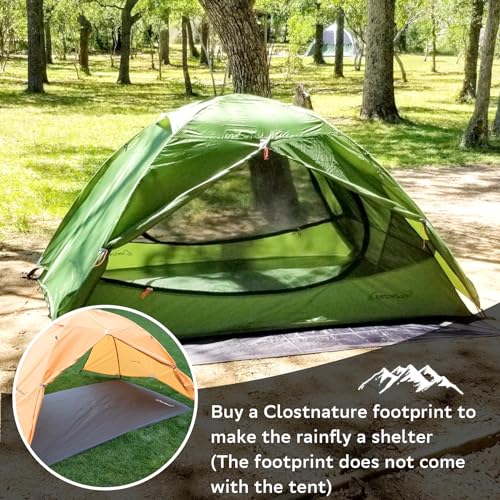
Yes, using a tent footprint, or a protective ground cloth, is a smart investment. It creates a barrier between your tent floor and the ground, protecting it from abrasion and punctures which extends the life of your tent. It also adds a layer of water resistance.
The Bottom Line
Ultimately, choosing a one-person backpacking tent comes down to balancing how much control you want over weight and features versus how much fuss you’re willing to tolerate with setup and durability. For the best overall combination of qualities, I recommend the ALPS Mountaineering Lynx 1-Person Tent. It offers a good balance of weight, weather protection, and livability without breaking the bank.
If you’re on a tighter budget, the Night Cat 1-Person Fiberglass is a solid choice, though you’ll sacrifice some weight and potentially durability. For those who prioritize versatility and need a tent that can handle more challenging conditions, the camppal 1 Person 4-Season Tent stands out. And if you’re really focused on minimizing weight, exploring options like the Underwood 1-Person Ultralight is a good path – just be prepared to potentially compromise on some comfort or durability. Remember, reading a detailed tent buying guide can help you understand all the specs.
At the end of the day, the numbers on a spec sheet matter less than a well-designed tent that fits you and your style of adventure. Focus on finding a shelter that keeps you dry, protected from the wind, and comfortable enough to recharge for the next day’s trail. A good night’s sleep is worth more than any ultralight feature.
