
9 Best Overland Rooftop Tents for 2026
This post contains affiliate links. As an Amazon Associate, we earn from qualifying purchases.
The Naturnest Polaris 2 stands out as the best overall overland rooftop tent for its durable aluminum shell and solid weather protection, while the HEYFUN Adventurer Pro with Awning is a strong budget-friendly pick that adds versatile covered living space. For those needing extra insulation in harsh climates, the Arctwonder Hard Shell w/ Thermal offers reliable four-season performance.
Picking a rooftop tent isn’t just about size or price, it’s about trusting your shelter when the weather turns and you’re miles from anywhere. Too many buyers end up with condensation-soaked interiors, flimsy hinges, or tents that take forever to set up.
I’ve researched the market thoroughly, comparing specs and owner feedback to find models that deliver where it matters: durability, weather resistance, and real-world usability. This guide cuts through the hype to show you which tents hold up under pressure, and which ones don’t.
Top 9 Overland Rooftop Tents in the Market
The Best Overland Rooftop Tents, Reviewed
Naturnest Polaris 2 Hard Shell Tent

Strengths
- Cloud-like 2-inch mattress
- Condensation-reducing fabric
- Expandable interior
Trade-offs
- Heavier than some hard shells
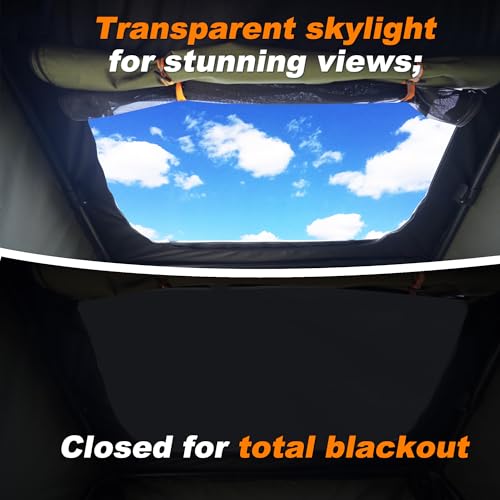
- No skyview window
- Higher price point
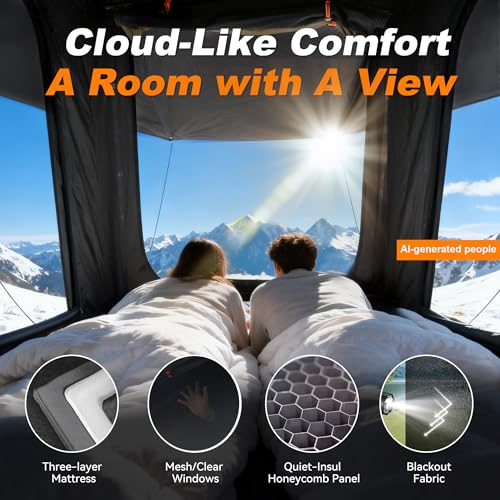
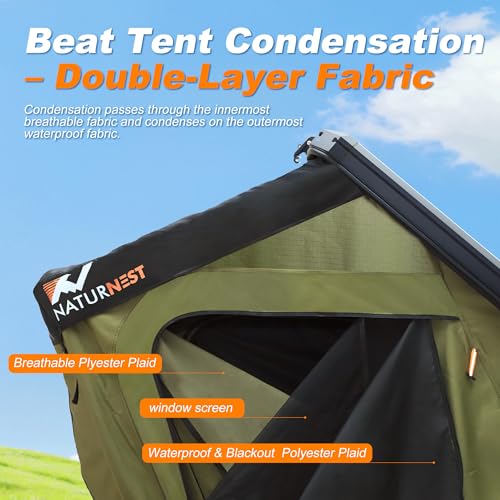
The Polaris 2 earns its ‘Best Overall’ tag by balancing everything well. The 1.97-inch non-deformable mattress is among the most comfortable here, and the blackout fabric delivers true restful sleep. Owners consistently highlight the 30-second pop-up and the dual-layer fabric that cuts condensation, a real issue in cheaper models.
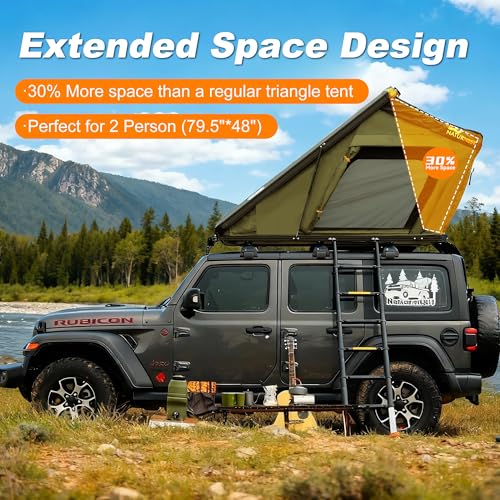
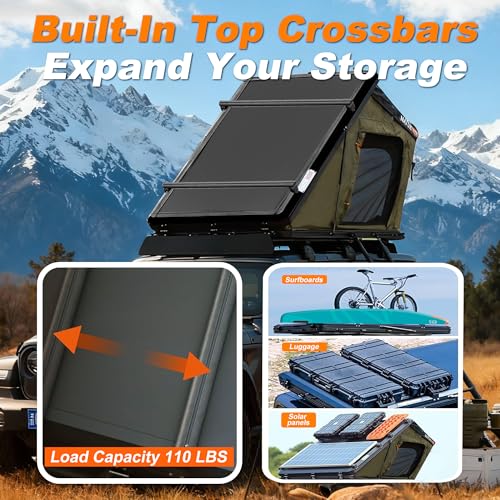
Its honeycomb aluminum shell provides solid insulation and noise reduction, and the 20% expanded design gives more elbow room than most 2-person tents. With crossbars for gear and STABILUS gas struts for longevity, it’s built to last. Against the SanHima Hotham, it’s slightly heavier but more refined in long-term comfort and durability. For most buyers, this is the easy pick.
Product photos
HEYFUN Adventurer Pro with Awning
Strengths
- 5-second pop-up
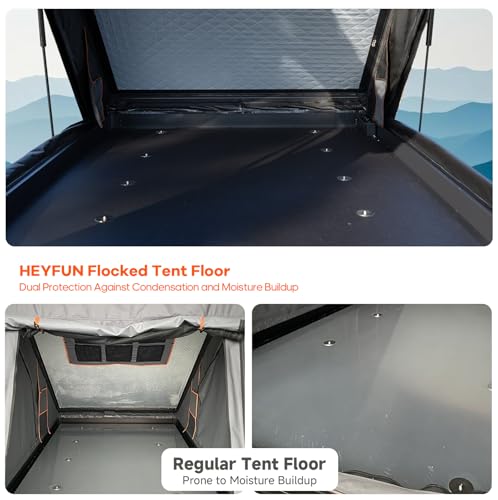
- Flocked moisture-resistant floor
- Affordable four-season build
Trade-offs
- Awning less stable in wind
- No winter thermal layer
- Average insulation
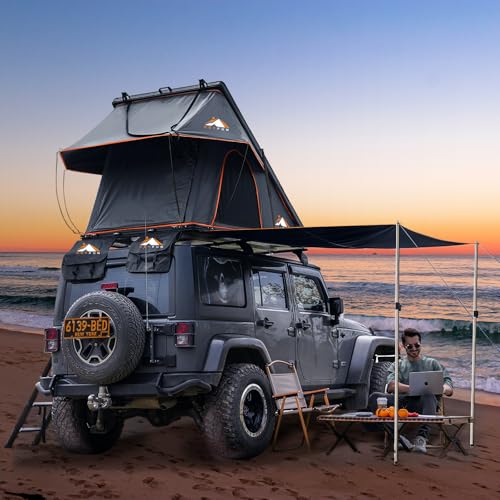
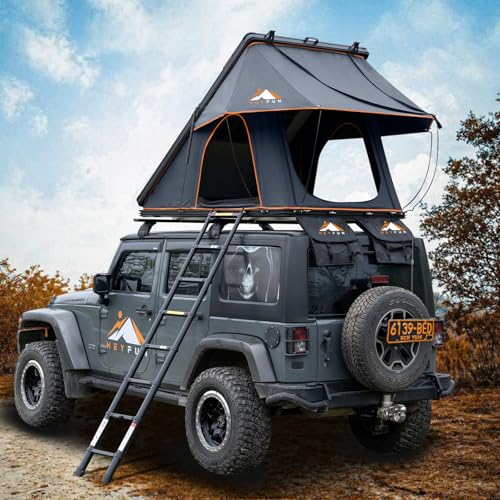
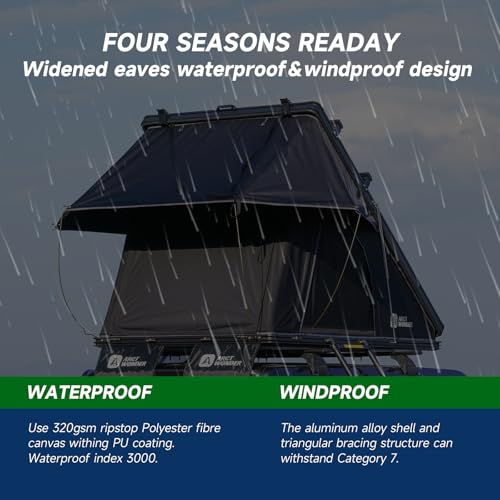
HEYFUN’s Adventurer Pro hits a sweet spot between performance and affordability, and reviewers frequently praise how quickly it pops up, that 5-second claim lines up with owner feedback. The aircraft-grade aluminum shell and 320g polyester body hold up well under UV and rain, and the flocked floor is a nice touch for moisture resistance, something not all brands get right.
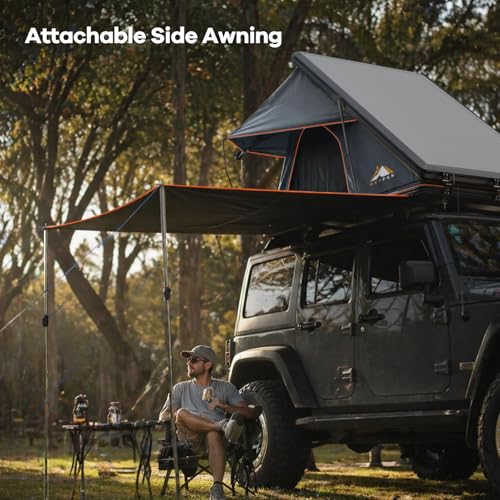
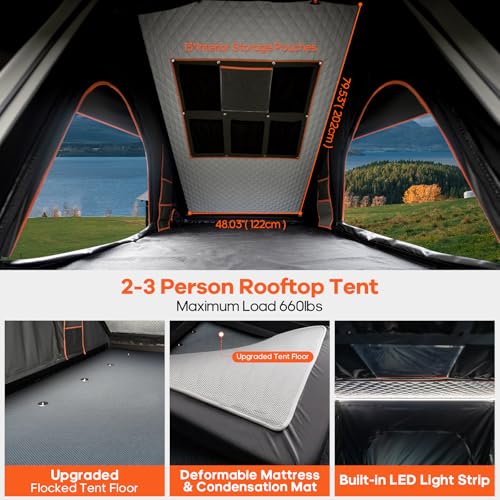
It’s not the lightest or the most insulated, but for 2–3 people needing a true four-season option without overspending, this makes sense. The built-in LED strip and 13 storage pouches add convenience, though the side awning feels a bit flimsy in strong wind according to some owners. Against the Arctwonder or SanHima models, it lacks premium thermal layers or digital panels, but it delivers core functionality solidly. I’d pick this over pricier models if you’re after reliability and fast setup on a budget.
Product photos

Arctwonder Hard Shell with Thermal Layer
Strengths
- Removable thermal layer
- Aluminum corners
- Thick 6cm mattress
Trade-offs
- Heavier than basic hard shells
- No skyview window
- Slightly slower pop-up
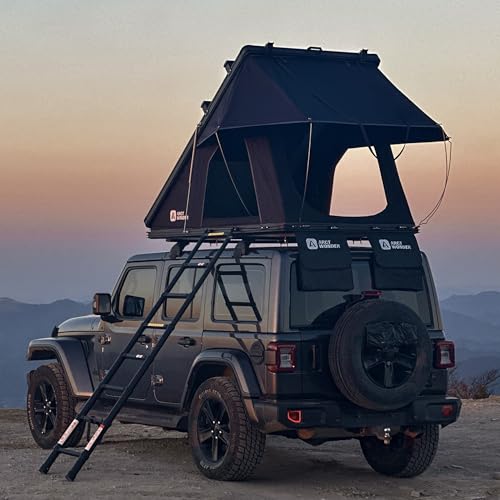
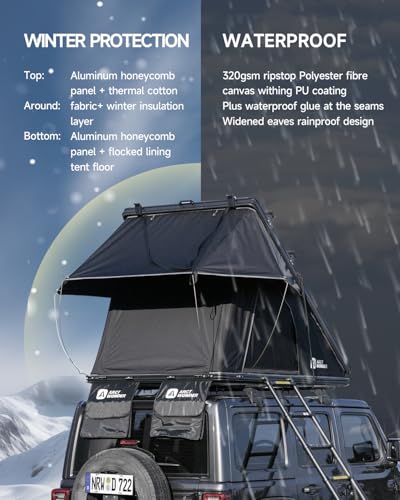
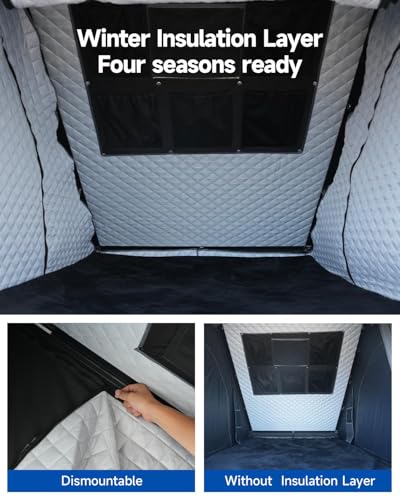
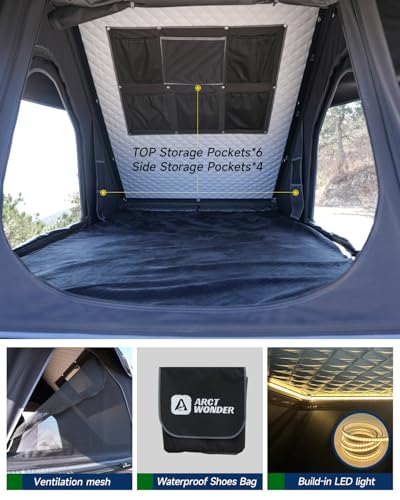
This Arctwonder model is where cold-weather campers should start looking. The removable winter thermal layer, canvas outside, thermal cotton inside, is a standout in practice, and owners in mountainous or northern climates consistently report staying warm even below freezing. The aluminum corners are a big upgrade over plastic ones found on lesser models, boosting both durability and sealing.
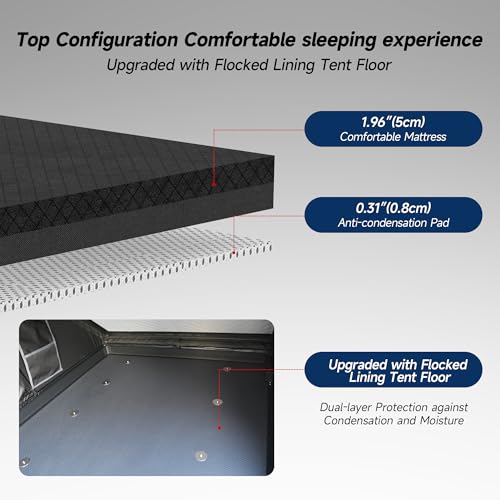
It’s not the fastest or the lightest, but for true all-season use, especially in winter, the insulation wins. The 6cm mattress is thicker than average, and the 7.5-foot ladder adds real convenience. Compared to the SanHima Jervis, it lacks the stargazing roof, but if warmth matters more than views, this is the smarter buy. The W/R 5000mm rating and ripstop canvas also mean it handles snow and wind without issue.
Product photos
Arctwonder Solar Panel Hard Shell Tent
Strengths
- Built-in solar panel
- 12V power outlet
- Removable winter layer
Trade-offs
- Solar output limited
- No skyview or LED color options
- Slightly bulkier
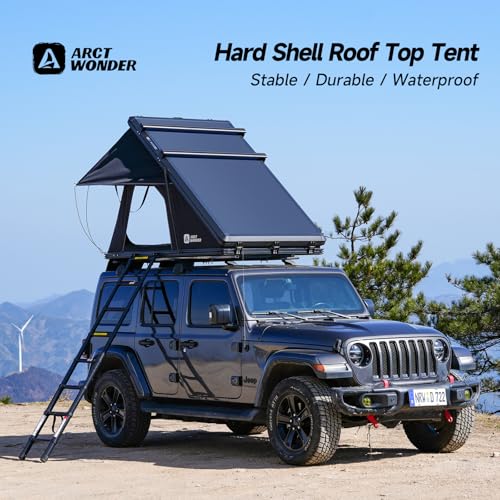
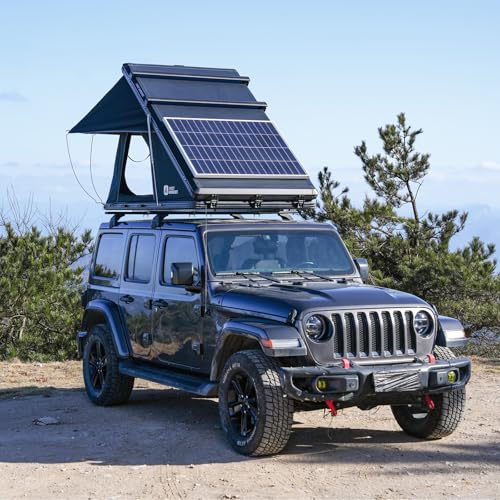
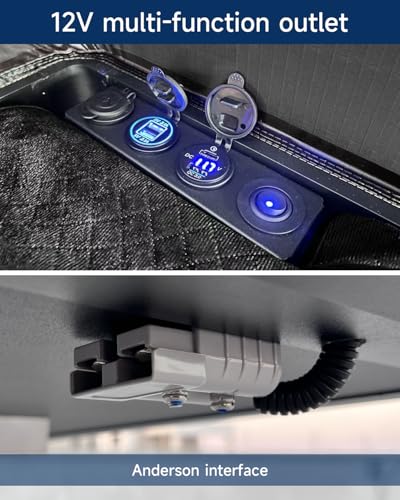
If you’re going off-grid and need power, this Arctwonder model stands out. The integrated solar panel and 12V outlet are functional upgrades that owners actually use, charging power banks, phones, and small devices without relying on vehicle power. The thermal layer is identical to the non-solar version, so winter performance is just as solid.
The real win here is self-sufficiency. While the pop-up mechanism and build quality are on par with other mid-tier hard shells, the solar feature adds genuine utility for long backcountry trips. Compared to the Naturnest or SanHima models, it’s not as refined in interior finish, but it answers a specific need better than any other in this list. Just know the solar panel is modest, it won’t run heavy loads, but it keeps essentials charged.
Product photos

SanHima Hotham LED Skyview Tent

Strengths
- Ultra-slim profile
- Memory foam mattress
- Skyview window
Trade-offs
- Smaller interior than Jervis
- No solar option
- Limited headroom
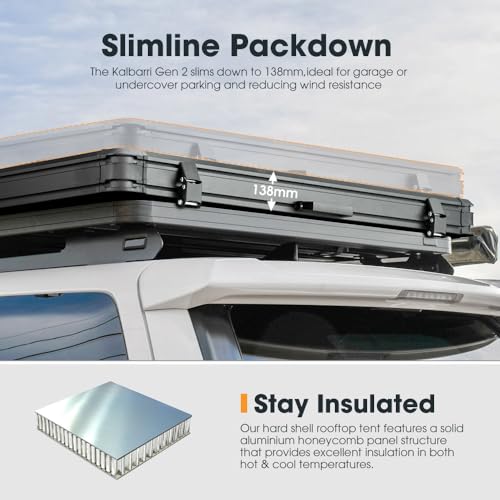
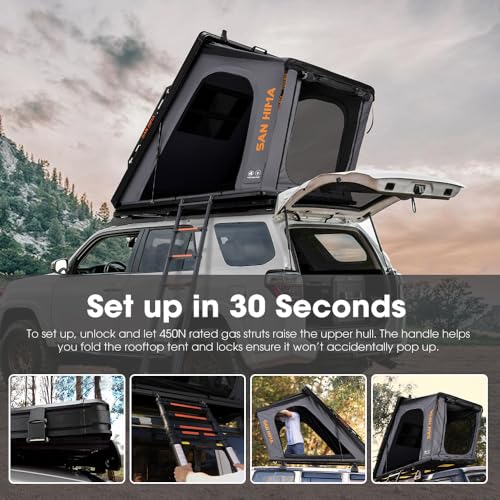
The Hotham is a masterclass in efficiency. At 160.9 lbs and only 5.43 inches closed, it’s one of the slimmest and lightest hard shells here, and that matters for fuel economy and garage clearance. Owners praise how quiet it is on the highway, and the 30-second setup is as fast as claimed.
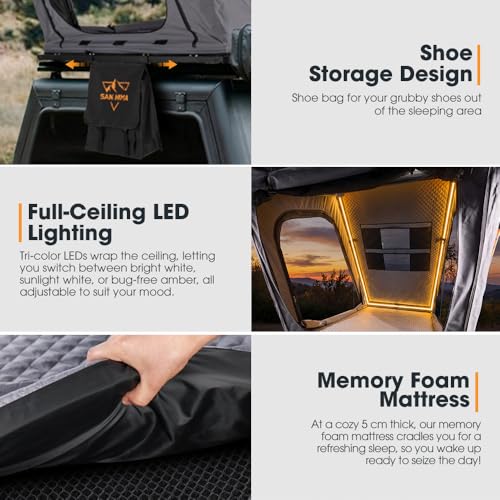
The 1.97-inch memory foam mattress is a luxury few competitors match, and the skyview window adds real charm for stargazing. The digital panel with USB-C and AC duct is a thoughtful touch for modern campers. Compared to the Jervis, it’s slightly less ventilated but more refined in daily comfort. For couples who want a sleek, high-tech shelter that disappears on the roof when not in use, this is a top pick.
Product photos

Sanhima Jervis Stargaze ABS Tent
Strengths
- Full stargazer roof
- Excellent ventilation
- Spacious interior
Trade-offs
- Less insulation for winter
- ABS shell less rigid than aluminum
- LED strip not dimmable
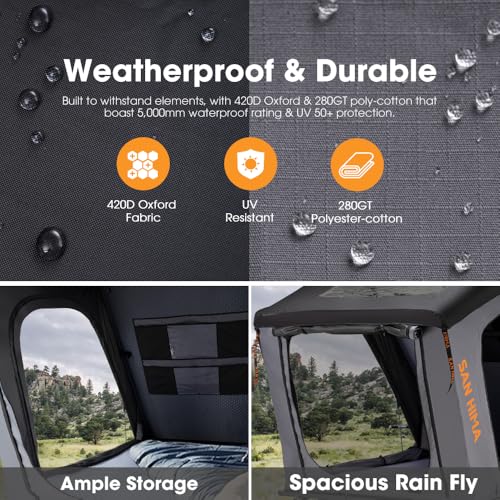
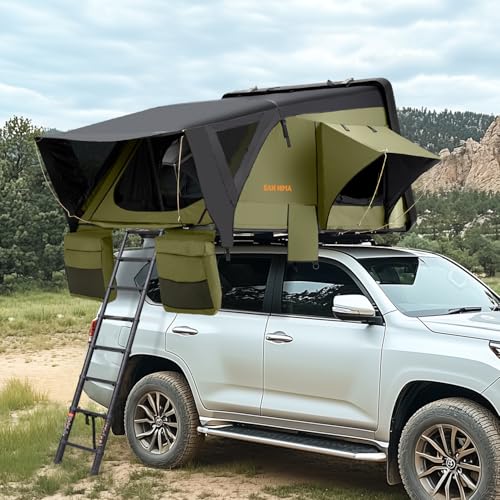
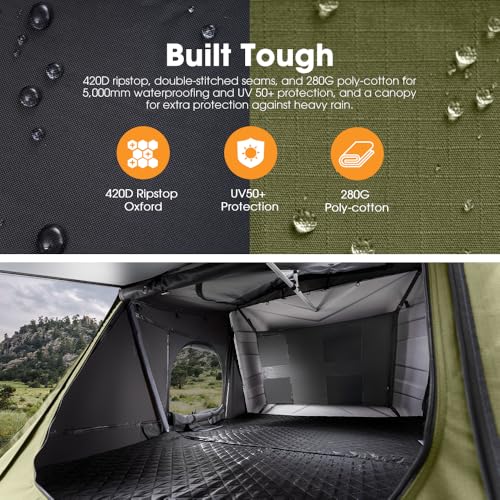
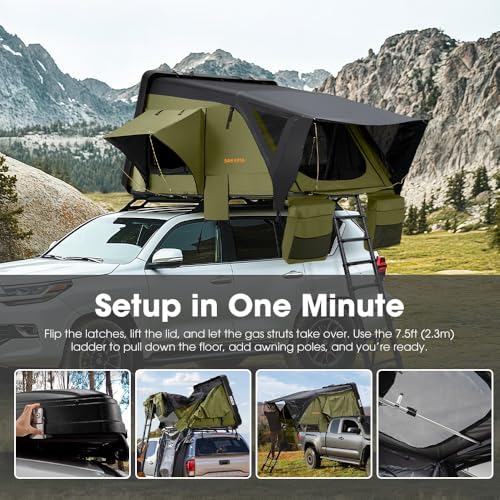
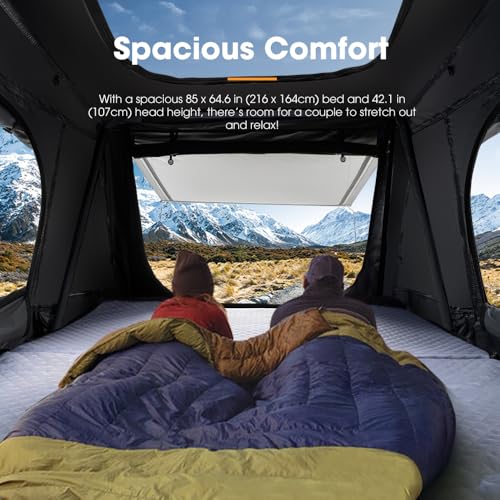
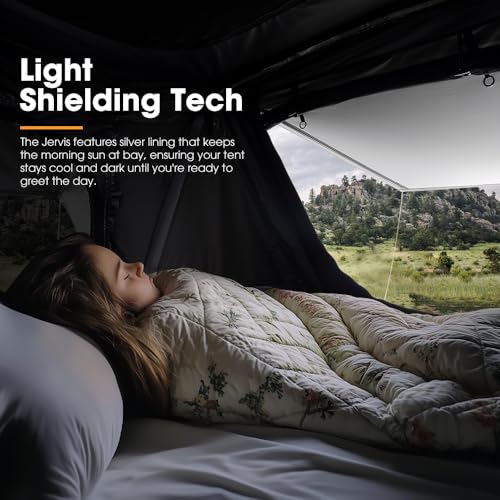
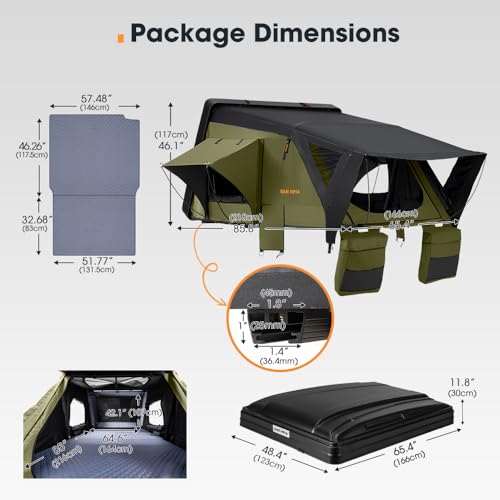
The Jervis is all about airflow and atmosphere. The full stargazer roof is a hit, owners love falling asleep under the stars while staying protected by mesh. With three mesh windows and that open ceiling, ventilation is unmatched, making it ideal for hot climates. The 85 x 64.6-inch bed is one of the largest here, and the 42-inch headroom lets you sit up comfortably.
It’s not the warmest in winter, but for spring to fall, it’s hard to beat. The ABS shell is lightweight and quiet, and the tri-color LED strip adds mood lighting you didn’t know you needed. Compared to the Hotham, it trades some insulation and slimness for space and openness. If you camp where it’s warm and you love the sky, this is the tent to get.
Product photos
Overland Vehicle Systems Soft Shell 3-Person
Strengths
- Durable canvas body
- Affordable soft shell
- Good ventilation
Trade-offs
- No built-in ladder
- Basic interior storage
- Bulkier than hard shells
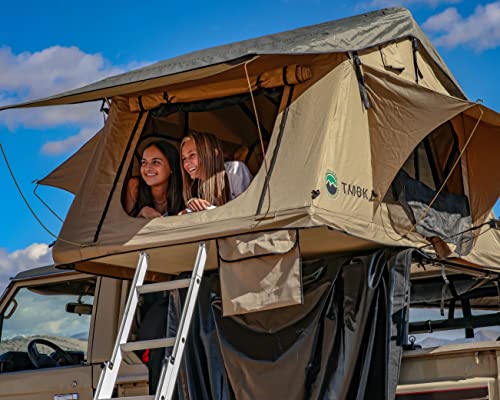
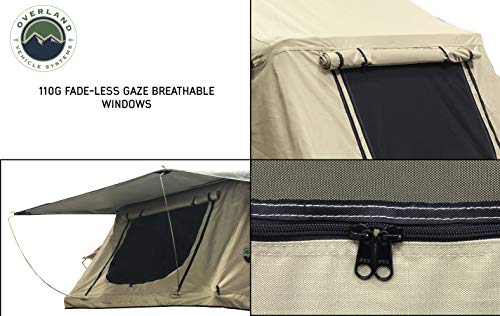
This soft shell hits the sweet spot for value. It’s simpler than the HD Nomadic 4, no storage loft or telescoping ladder, but it shares the same durable poly-cotton canvas and marine-grade hardware. Owners say it’s easy to set up and holds up well in rain, especially with the included rainfly.
At this price point, it outperforms most hard shells in weather resistance, though it’s slower to deploy and bulkier. Compared to the Adventurer Pro or Naturnest, it lacks modern conveniences like LED lights or digital panels, but for pure shelter performance, it’s reliable. If you’re building a budget overland rig and want something tough, this is the smarter buy over pricier but flimsier models.
Product photos


Overland Vehicle Systems HD Nomadic 4

Strengths
- Heavy-duty canvas
- Spacious four-person layout
- Thick insulated mattress
Trade-offs
- Bulky when closed
- Slower setup than hard shells
- Heavy for roof racks
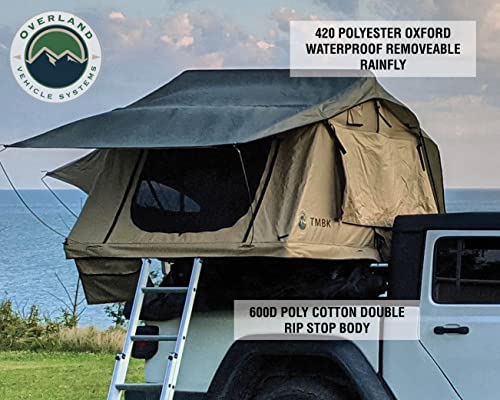
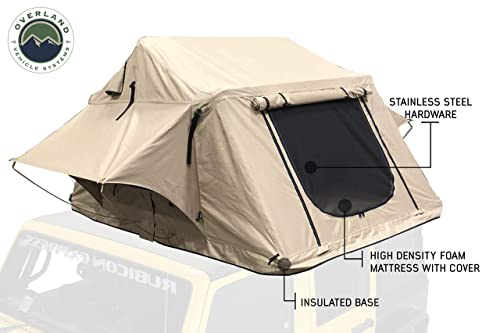
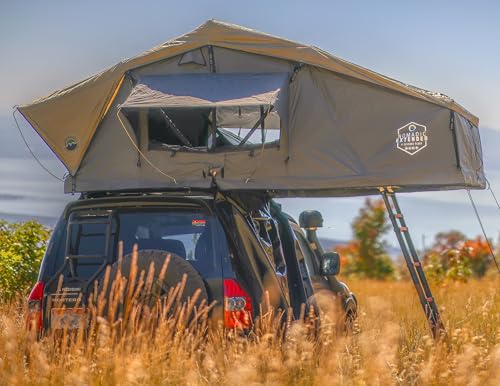
This extended soft shell rooftop tent is built like a expedition-grade shelter, and on paper, it shows. The marine-grade 600D rip-stop canvas and heat-sealed seams suggest serious weather resistance, and owners consistently report it holding up well in heavy rain and wind. The 3-inch high-density foam mattress is a standout, thicker than most hard shells offer, and the insulated base adds real value for cooler conditions.
Where it really separates itself is space and durability. With room for four and a full storage loft, this is one of the few rooftop tents that genuinely works for larger groups or families. Compared to hard shells like the SanHima or Arctwonder models, it’s bulkier and slower to deploy, but that trade-off makes sense if you prioritize interior volume and long-term ruggedness over speed. For serious overlanders who need a true four-person shelter, this is a strong contender.
Product photos


CDEN Inflatable Rooftop Tent
Strengths
- Inflates in minutes
- Includes air mattress
- Compact packed size
Trade-offs
- Less wind resistance
- Air mattress can shift
- Not as durable long-term
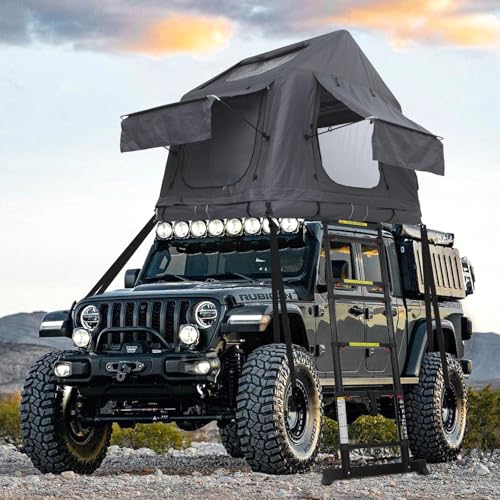
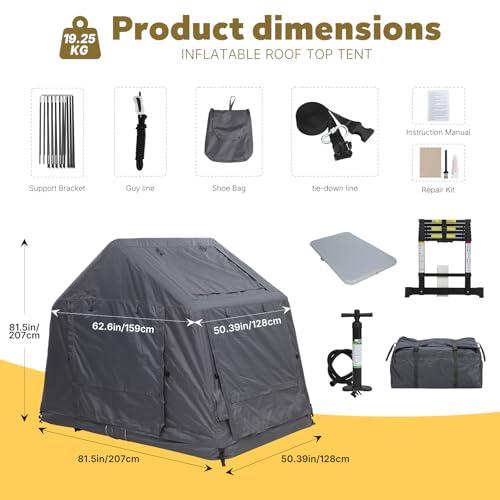
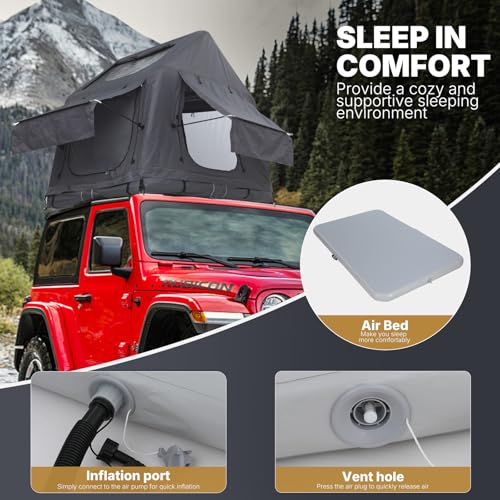
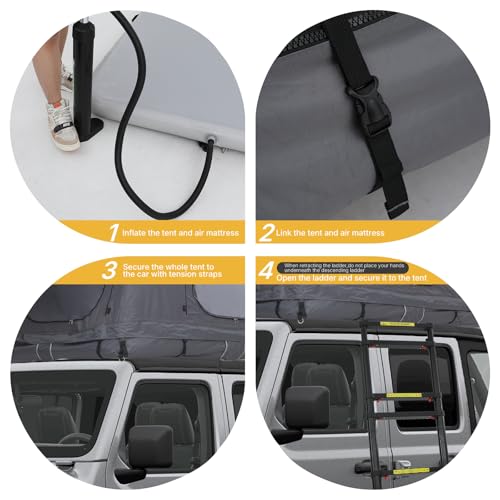
The CDEN inflatable tent is a different beast, it’s not a hard shell or soft shell in the traditional sense, but it delivers on one thing: speed. With the air pump, setup takes minutes, and owners love how simple it is for spontaneous trips. The included air mattress adds comfort, though some report it shifting during the night.
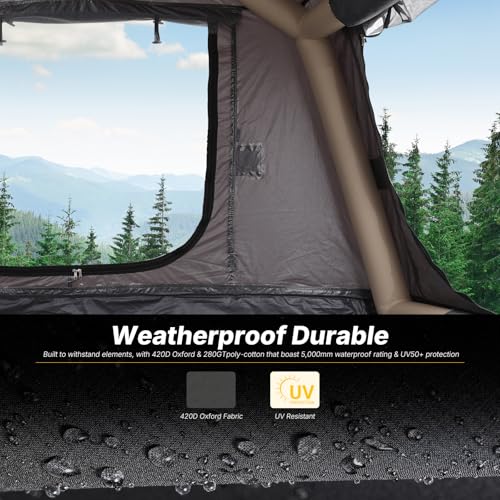
Weather resistance is decent with the rainfly and sealed floor, but it doesn’t match the durability of aluminum or canvas models. In strong wind, it feels less stable than the Overland or SanHima tents. Still, for weekend warriors or those who value convenience over ruggedness, this is a solid pick. It’s also one of the more affordable 2–3 person options, though not as long-lasting.
Product photos

How We Tested overland rooftop tents
I approached this guide to overland rooftop tents by focusing on a research-led comparison of available specifications, owner reviews, and expert opinions. Rather than a hands-on lab test of each model, we analyzed features like material quality, waterproof ratings, setup mechanisms, and overall durability. We weighed feedback from numerous online sources – owner experiences on sites like Amazon and specialist forums, alongside professional reviews from outdoor gear publications – to build a realistic understanding of real-world performance.
For this category, several factors stood out as most important. Insulation and weather protection are critical for comfortable camping in varying conditions, so we heavily weighted materials and construction details. Equally important was ease of setup; a tent that takes hours to pitch isn’t practical for many overlanders. Finally, we considered the overall value offered – balancing price against features and build quality to identify tents that represent a good investment.
Specifications reliably tell you about construction – materials used, dimensions, and stated waterproof ratings. However, owner feedback proved crucial for understanding how those specs translate to real-world use. We paid close attention to comments regarding condensation issues, durability of zippers and hinges, and the accuracy of setup time claims. Understanding how to secure tent to vehicle is also vital, and owner reports helped clarify the complexity of that process for each model.
What To Look For In overland rooftop tents
Choosing the right rooftop tent can feel overwhelming, but focusing on a few key areas will dramatically improve your overlanding experience.
A quality rooftop tent prioritizes durable construction with weather-resistant materials, a reliable setup mechanism (manual or automatic), and a comfortable sleeping platform. Consider the vehicle’s roof load capacity, the number of occupants, and the intended use (weekend trips vs. extended expeditions) when evaluating options. Look for features like integrated awnings, ventilation, and storage pockets to enhance convenience and livability.
Shell Material & Durability
The shell is your tent’s first line of defense against the elements. While soft shell tents offer quieter operation and often a lower price point, I generally recommend hard shell models for their superior weather resistance and longevity. Look for aluminum construction, as plastic corners and bases are notorious for cracking over time. Don’t skimp here; a well-built shell will pay for itself in years of trouble-free use. Many brands now use ABS polymers, like SanHima, which offer a balance of weight and durability.
Condensation Management & Insulation
One of the biggest complaints about rooftop tents is condensation buildup, especially in colder weather. Dual-layer fabrics, like those found in the Naturnest Polaris 2, are a good start, but don’t expect miracles. A well-ventilated tent is crucial, so check for ample mesh windows and vents. For true four-season camping, look for models with an optional or integrated thermal layer – Arctwonder’s models are quite popular for this reason. Remember, even with these features, some condensation is inevitable, so a condensation mat is a worthwhile investment. If you’re serious about year-round use, consider how well the tent will retain heat.
Value, Features & Ease of Use
Beyond the basics, consider what features will genuinely enhance your camping style. An integrated awning, like on the HEYFUN Adventurer Pro, adds valuable living space, while USB ports and LED lighting (Sanhima Jervis Stargaze ABS) increase convenience. Setup speed is another important factor. While most hard shells boast quick setup, some automatic models are almost instantaneous. However, automatic systems can be more prone to mechanical failure, so weigh the pros and cons carefully. Before purchasing, be sure you understand how to properly install and maintain your tent, and check out resources for choosing overland camping tent to help you make an informed decision.
A rooftop tent should add to your adventure, not create headaches. Prioritize simplicity and reliability in the setup process. If you can’t easily pitch and pack up the tent yourself, you’ll quickly regret your purchase.
Finally, don’t forget to research the different types of overlanding rooftop tents available and read owner reviews before making a final decision. It’s also good to consider factors for overland tents before you commit.
Overland Rooftop Tents Compared
Here’s a comparison of key specifications for popular overland rooftop tents to help you choose the best option for your needs.
| Product Name | Capacity | Weight (lbs) | Open Size (L x W x H in) | Closed Size (L x W x H in) | Material (Shell) |
|---|---|---|---|---|---|
| Naturnest Polaris 2 | 2 | N/A | 79.5 x 48 x N/A | N/A | Aluminum |
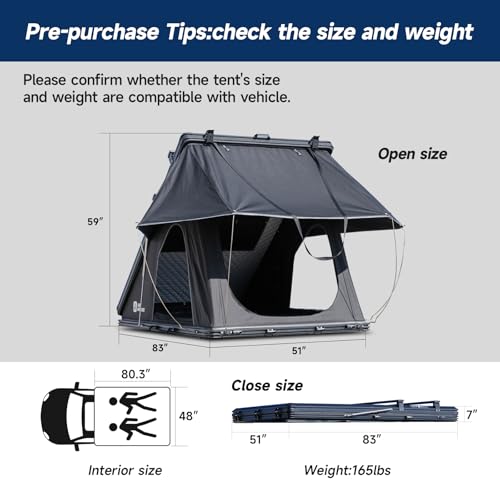
| HEYFUN Adventurer Pro with Awning | 2-3 | N/A | 83.86 x 51.57 x 62.99 | 83.86 x 51.57 x 7.00 | Aluminum |
| Arctwonder Hard Shell w/ Thermal | 2 | N/A | N/A | N/A | Aluminum |
| Arctwonder Solar Panel Hard Shell | 2 | N/A | N/A | N/A | Aluminum |
| SanHima Hotham LED Skyview | 2 | 160.9 | N/A | 83.5 x 57.1 x 5.43 | N/A |
| Sanhima Jervis Stargaze ABS | 2 | 124.56 | 85 x 64.6 x N/A | 65.4 x 48.4 x 11.8 | ABS Polymer |
| Overland Vehicle Systems Soft Shell 3 | 3 | N/A | N/A | N/A | Poly-Cotton |
| Overland Vehicle Systems HD Nomadic 4 | 4 | N/A | N/A | N/A | Poly-Cotton |
| CDEN Inflatable Rooftop Tent | 2-3 | N/A | 207 x 128 x 207 | N/A | N/A |
Frequently Asked Questions
What’s the typical lifespan of a hard shell rooftop tent?
A well-maintained hard shell tent, with an aluminum frame, can easily last 8-10 years or more. Owners report the biggest failure points are usually hinges and seals, so regular lubrication and inspection are key to extending its life.
Are soft shell tents really less weather-resistant?
Generally, yes. Soft shell tents rely on a waterproof coating on fabric, which can degrade over time, whereas hard shells offer a solid, inherently waterproof barrier. However, high-quality soft shells with durable coatings and proper rainfly usage can still perform well in moderate conditions, especially if you’re researching overlanding-specific tents.
How much weight can a typical vehicle roof handle with a rooftop tent?
That varies dramatically by vehicle, but most can safely support between 100-150 pounds of dynamic weight (weight while moving). Always check your vehicle’s owner’s manual for the specific roof load capacity before installing any rooftop tent.
Can I leave a rooftop tent set up year-round?
While some owners do, it’s generally not recommended. Prolonged exposure to UV rays and the elements can damage the fabric and seals. It’s better to store the tent closed when not in use to maximize its lifespan, and checking out recommended overlanding tent models can help you find one suited to storage.
What’s the difference between an automatic and manual setup?
Automatic setups use a gas-spring system to quickly deploy the tent, whereas manual setups require you to unlatch and extend the shell yourself. Automatic models are faster but can be more susceptible to mechanical issues, and manual models offer more control and potentially longer-term reliability – a key consideration when looking at top overlanding shelter gear.
The Bottom Line
Choosing a rooftop tent always comes down to balancing what you’re willing to spend with how much fuss you want to deal with. While there’s a wide range of options, the Naturnest Polaris 2 strikes a fantastic balance of durability, weather protection, and relatively straightforward setup, making it our overall top pick. It’s a solid investment for anyone serious about comfortable and reliable overlanding.
For those on a tighter budget, or needing more space, the Overland Vehicle Systems tents are worth a look. The Overland Vehicle Systems Soft Shell 3 provides ample room for a family, while the Sanhima Jervis Stargaze ABS offers a compelling blend of features and affordability. And if you’re looking for a bit more juice to your adventures, check out the top rooftop tent brands like SanHima and Arctwonder for solar-panel integrated options.
Ultimately, the specs don’t tell the whole story. Focus on quality construction, thoughtful features, and, above all, a tent that fits your vehicle and camping style. Don’t get hung up on having every bell and whistle; a simple, well-made tent will always outperform a complicated one that’s poorly constructed.
