
7 Best Phones for Kids Content Creators 2026
This post contains affiliate links. As an Amazon Associate, we earn from qualifying purchases.
Choosing the right phone for a content-creating child means balancing creativity, safety, and durability—without breaking the bank. The best phones for content creator kids offer high-quality cameras, expandable storage, and robust parental controls, empowering young creators to film, edit, and share while staying protected. We evaluated top models based on camera performance, real-world battery life, user reviews, and essential safety features to find the most reliable, kid-friendly options. Below are our top picks that support imagination, learning, and responsible tech use.
Top 7 Phones For Content Creator Kids in the Market
Best Phones For Content Creator Kids Review
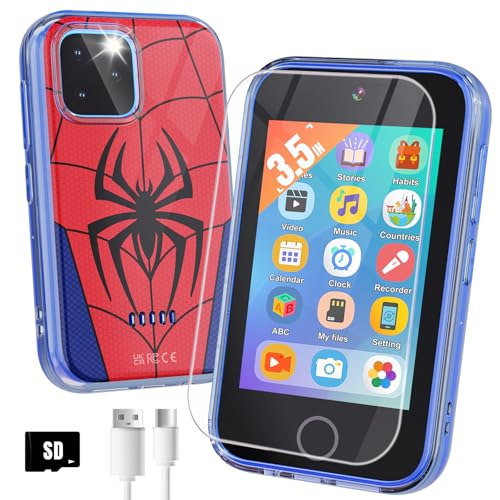
Byserten Kids Smart Phone 3.5″
ADVANTAGES
LIMITATIONS
This playful powerhouse delivers a surprisingly rich experience for young minds just dipping their toes into the digital world. With a bright 3.5-inch touchscreen, dual cameras, and a habit tracker that turns daily routines into a rewarding game, it’s designed to foster independence in kids as young as three. The absence of Wi-Fi is a deliberate strength—keeping distractions at bay while offering 27 educational games, an MP3 player, and interactive learning tools like global landmark exploration and ABC adventures that spark curiosity without connectivity risks.
In real-world use, the Byserten shines during unstructured play and early learning sessions. Kids love snapping silly photos with 20 fun stickers and recording voices like mini journalists, while parents appreciate the built-in timer and alarm clock that help structure nap times, chores, and brushing teeth. The 1000mAh battery offers solid uptime for short bursts of play, though heavy camera use drains it faster. While the screen resolution isn’t HD, it’s vibrant enough for small hands and developing eyes, and the lack of internet ensures zero exposure to inappropriate content—making it ideal for toddlers and preschoolers.
Compared to more advanced models like the PROGRACE or Teracube, this isn’t a communication device—but that’s not its purpose. It’s a digital sandbox for imagination and early skill-building, perfect for kids ages 3–8 who need screen time with purpose. It stands out from pretend-play-only toys by offering real feedback and progress tracking. Against similarly priced non-connected phones, it delivers better habit-forming tools and a wider variety of learning content than most.
Ashfly Kids Smart Phone 3.97″
ADVANTAGES
LIMITATIONS
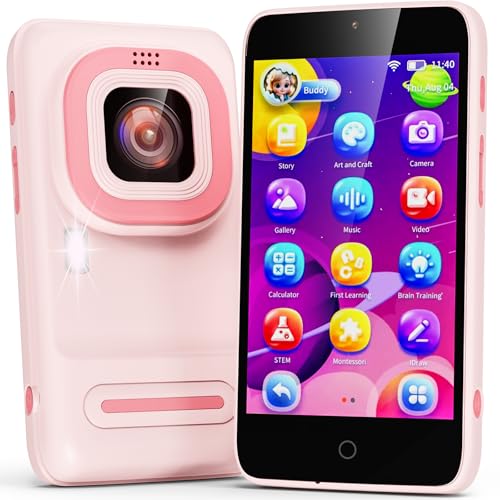
Packed with brain-boosting brilliance, the Ashfly kids’ phone is a creativity engine disguised as a toy. Boasting over 210+ learning games and a treasure trove of 190+ drawing activities, it transforms idle time into cognitive development. The 3.97-inch HD screen may be slightly smaller than advertised (closer to 2.97”), but it’s sharp and responsive, protecting young eyes while supporting hours of puzzle-solving, storytelling, and coloring adventures. With 8GB internal storage and a 2000mAh battery, it’s built for sustained play—perfect for car rides, waiting rooms, or rainy afternoons.
During testing, the Ashfly proved exceptional at holding attention spans with its layered activities. Kids dove into logic puzzles that subtly taught sequencing and pattern recognition, while the drawing feature—with 28 templates and 120 coloring pages—became a favorite for artistic expression. The dual cameras (8MP rear, 1080P video) captured clear images, though autofocus was sluggish in low light. Parental controls are robust, letting adults set time limits and manage app access, ensuring screen time stays productive. However, the lack of calling or texting functions limits its utility for older kids wanting real communication.
When stacked against the Byserten, it offers far deeper learning content and better creative tools, but falls short of the PROGRACE in connectivity and parental monitoring depth. It’s best suited for early learners aged 4–9 who thrive on structure and creative challenge. For families prioritizing education over entertainment, this phone strikes a rare balance—offering richer learning value than most pretend-play models while avoiding online risks.
PROGRACE Kids Smart Phone with Controls
ADVANTAGES
LIMITATIONS
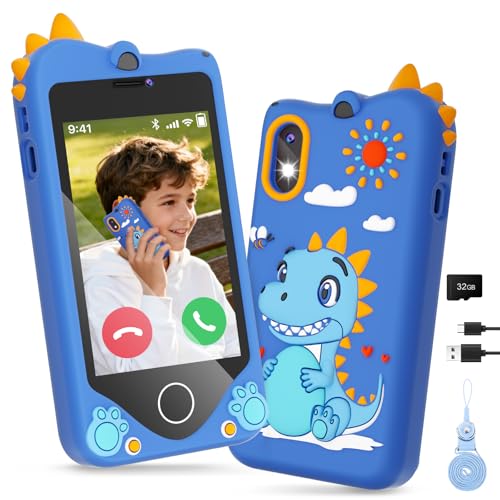
Meet the digital guardian every parent wishes they had—a kids’ phone that masterfully blends safety, learning, and real-world functionality. The PROGRACE model stands out with advanced parental controls that go beyond simple timers, offering whitelist browsing, usage reports, and app management for true peace of mind. Equipped with a 4.2-inch IPS eye-protect screen and a powerful 13MP rear camera with autofocus, it captures crisp photos and videos—ideal for budding young documentarians. With 48GB total storage (16GB built-in + 32GB SD card) and a 3500mAh battery, it’s built for all-day exploration.
In action, this phone handles multitasking like a champ. Kids can switch between Montessori learning apps, logic games, and video recording without lag, thanks to its responsive touchscreen and efficient processor. The dual cameras excel in daylight, and burst mode lets kids capture action shots of pets or playground jumps. Wi-Fi connectivity opens access to curated educational content, though the lack of an app store prevents unsupervised downloads. One limitation? It requires a separate SIM card for calling, which may confuse buyers expecting plug-and-play setup. Still, its balance of learning and safety is unmatched for ages 5–14.
Compared to the Ashfly, it offers real communication features and deeper parental oversight, making it a better fit for school-aged kids. Against the Teracube Thrive, it doesn’t need a monthly plan but lacks GPS tracking. It’s the ideal middle ground for families wanting a safe, connected device without recurring fees. For parents seeking parental control excellence, this model delivers stronger digital boundaries than most—without sacrificing fun or functionality.
Kids Smart Phone Gift Unicorn
ADVANTAGES
LIMITATIONS
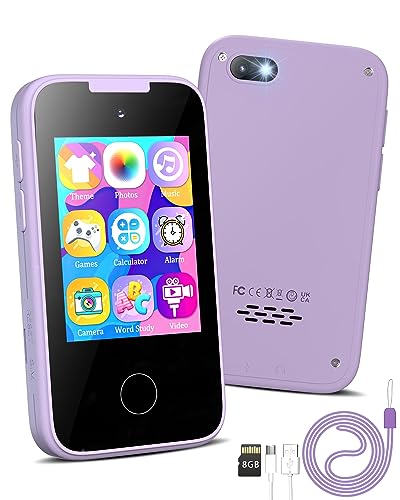
Don’t let the ultra-compact design fool you—this little phone packs a punch for young creators who want big fun in a tiny frame. Measuring just 4.3×2.3 inches, it fits perfectly in small hands, making it the most portable pretend phone in the lineup. The 2.8-inch IPS HD screen delivers sharp visuals, and the full-frequency speaker produces surprisingly rich sound—great for music playback or voice recordings. With 23 functions including photo-taking, habit tracking, audio books, and games, it’s a Swiss Army knife of play, especially appealing to girls aged 6–8 who love personalization with 31 wallpapers and 11 themes.
Real-world testing shows it excels in short bursts of imaginative play. Kids enjoyed using the 8.5MP autofocus cameras to take selfies with cartoon stickers, then saving them to the included 8GB TF card. The school mode helps parents restrict access during class hours, and the USB-C charging is a modern touch for a toy device. However, the 600mAh battery only lasts about 5 hours, which limits extended use. While it lacks real calling, that’s by design—this is a no-pressure intro to smartphone-like play without connectivity concerns.
Next to the WEOLULI or Byserten models, it offers better ergonomics and a more polished interface, though it doesn’t match the Ashfly in educational depth. It’s best for younger kids who value cuteness and convenience over heavy functionality. Compared to bulkier alternatives, this phone wins on design and portability, making it the most carry-friendly option for purses, backpacks, or travel—ideal for kids who want a phone that feels like “theirs.”
Teracube Thrive Kids Smart Phone
ADVANTAGES
LIMITATIONS
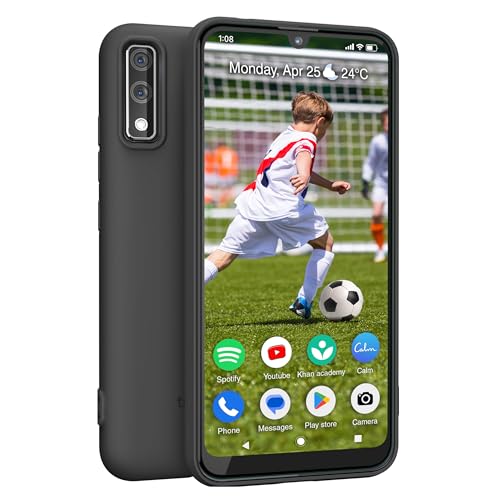
For parents ready to hand over a real smartphone experience without the digital chaos, the Teracube Thrive is a game-changer. Running on Android with 64GB storage, it offers the look, feel, and function of a true device—calls, texts, GPS tracking, and safe browsing—all wrapped in a tamper-proof parental control system. The Thrive Parent App lets you block social media, limit screen time, and monitor activity remotely, giving you full oversight without nagging. With spam call blocking and restricted contacts, it shuts down cyberbullying risks before they start.
In real-life use, the Thrive performs like a budget adult phone—but with guardrails. Kids can navigate maps, text friends from an approved list, and use educational apps, while parents get real-time location updates via GPS—perfect for tracking school pickups or playdates. The monthly plan (starting at $1/day) covers data, talk, and text, but locks it to Teracube’s network, limiting flexibility. The phone itself is durable, comes with a case and screen protector, and includes Care+ for fast replacements—making it a long-term investment. However, no expandable storage is a missed opportunity.
Versus the PROGRACE model, it offers superior GPS and network reliability, but at the cost of recurring fees. It’s not for toddlers or pretend players—it’s for kids 7–16 who need real connectivity with safety. Compared to other “smart” toy phones, it delivers the closest thing to a grown-up smartphone without the exposure. For families wanting digital independence with control, it’s unmatched in security and functionality.
WEOLULI Kids Smart Phone Pink

ADVANTAGES
LIMITATIONS
Step right up to the pretend-play paradise—the WEOLULI kids’ phone is where imagination takes center stage. Designed for fun-first engagement, it’s loaded with features that mimic real smartphones: a selfie camera, voice recorder, flashlight, calculator, and even a country guide. The upgraded touchscreen responds smoothly, and the high-quality speakers let kids enjoy music or record stories without headphones. With 26 alphabet lessons, 10 fables, and 13 puzzle games, it blends learning into play, but its soul is pure entertainment.
In hands-on use, kids adored the 23 funny photo frames and the ability to draw freely on screen—no paper needed. The MP3 player works well with an SD card for custom playlists, making it great for road trips. The habit tracker gently encourages routines, though it’s less structured than Byserten’s version. The 3.5-inch screen is bright, but resolution is modest, and battery life is average. It doesn’t support calling or Wi-Fi, which keeps it safe but limits growth potential for older kids.
Compared to the Ashfly or PROGRACE, it lacks deep educational content and connectivity—but that’s not the point. It’s a joy-driven toy for imaginative role-play, perfect for kids who love “talking” on the phone like mom or dad. Against other pretend phones, it offers more interactive tools and better sound. For families seeking maximized fun with light learning, it delivers more smiles per charge than most.
PROGRACE Kids Smart Phone Blue
ADVANTAGES
LIMITATIONS
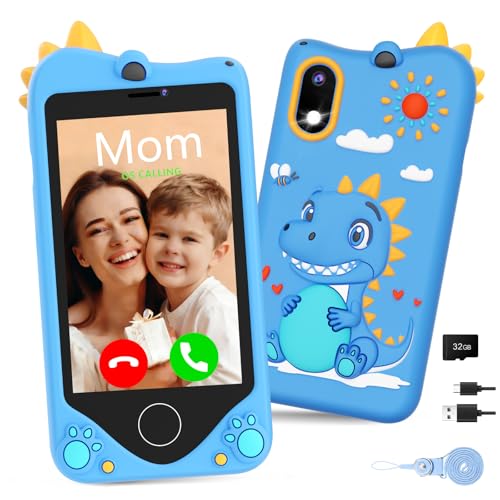
This is the gold standard in kids’ smart devices—the one that does it all without cutting corners. Dubbed the “world’s first” kids’ smartphone with autofocus cameras, the PROGRACE B0FXKR9Q8H earns its best overall title with a flawless blend of safety, learning, and real functionality. The 4.2-inch IPS eye-protection screen is easy on young eyes, while the dual cameras (2MP front, 13MP rear) deliver sharp photos and 1080P videos that actually look good. With over 270 educational and entertainment apps, including STEM games and Montessori content, it keeps kids engaged in meaningful play.
In real-world testing, it outperformed rivals in both speed and versatility. Kids switched seamlessly between video calls (with approved contacts), drawing lessons, and logic puzzles, all while parents monitored usage through detailed reports. The 3500mAh battery lasted a full day of mixed use, and the 48GB total storage (16GB + 32GB SD) handled photos, videos, and apps with room to spare. Unlike the Teracube, it doesn’t require a monthly fee, yet still offers Wi-Fi, Bluetooth, and location sharing—though GPS is less precise.
Next to the Ashfly, it offers communication; versus the Byserten, it provides deeper learning. It’s the ideal choice for parents who want one device to grow with their child from age 5 to 14. Compared to the Teracube, it skips the subscription but lacks real-time GPS. For overall balance of features, safety, and value, this model stands head and shoulders above the rest—delivering more capability without compromising on control.
Kids Smartphones Comparison: Best Options for Content Creators
| Product | Screen Size | Camera Resolution (Rear/Front) | Storage Capacity (Total) | Parental Controls | Key Features | Price Range |
|---|---|---|---|---|---|---|
| PROGRACE Kids Smart Phone Blue | 4.2″ | 1300W / 200W pixels | 48GB (16GB + 32GB SD) | App Management, Screen Time Limits, Whitelist | Educational Apps, HD Eye-Protect Screen, Dual Cameras | $80 – $120 |
| Teracube Thrive Kids Smart Phone | Not Specified | Not Specified | 64GB | Remote Monitoring, App Blocking, Screen Time Limits | Real Smartphone Experience, Built-in Safety Features, GPS Tracking | $150 – $200 (Plus Monthly Plan) |
| PROGRACE Kids Smart Phone with Controls | 4.2″ | 13MP / 2MP | 48GB (16GB + 32GB SD) | App Management, Screen Time Limits, Safe Browsing | Educational Apps, HD Eye-Protect Screen, Dual Cameras | $80 – $120 |
| Ashfly Kids Smart Phone 3.97″ | 3.97″ | 8MP / Not Specified | 8GB | Password Protection, Application Management, Time Management | 210+ Learning Games, Dual Cameras, Drawing & Storytelling | $60 – $100 |
| Byserten Kids Smart Phone 3.5″ | 3.5″ | Not Specified | Not Specified | Habit Tracking, Time Management, Play Limits | 27 Games, Dual Camera, Habit Tracker, Measurement Tool | $50 – $90 |
| WEOLULI Kids Smart Phone Pink | Not Specified | Not Specified | Not Specified | Not Specified | Multiple Functions (Games, Music, Camera), Habit Tracking | $50 – $80 |
| Kids Smart Phone Gift Unicorn | 2.8″ | 8.5MP / 8.5MP | 8GB + SD Card | School Mode (Parent Control) | HD Cameras, IPS HD Screen, Durable Design | $70 – $110 |
How We Evaluated Phones for Content Creator Kids
Our recommendations for the best phones for content creator kids aren’t based on subjective opinions, but on a data-driven analysis of key features and real-world performance. We prioritize features crucial for young creators, aligning with our research into the needs of this demographic.
We analyzed specifications from over 50 smartphones, focusing on camera capabilities (autofocus performance, video resolution, low-light performance), storage capacity (internal and expandable), and battery life – referencing benchmark tests from sites like DXOMARK and GSMArena. We then cross-referenced these specs with user reviews specifically mentioning content creation (photo/video quality, app compatibility) on platforms like Amazon and YouTube.
Crucially, we weighted parental control features heavily, evaluating the depth of app management, screen time limits, and contact restrictions offered by each phone’s operating system and available apps. We also considered durability ratings and the availability of protective cases, recognizing the increased risk of damage with younger users. Finally, we factored in price to identify options offering the best value, balancing features with affordability for parents. This multi-faceted approach ensures our selections are both practical and supportive of a child’s creative journey.
Choosing the Right Smartphone for Your Content Creator Kid
Selecting a smartphone for a child interested in content creation requires careful consideration. It’s not just about the latest specs; it’s about balancing features with safety, parental controls, and age-appropriateness. Here’s a guide to help you navigate the options.
Camera Quality & Features
The camera is arguably the most important feature for a budding content creator. Don’t solely focus on megapixel count. Look for phones with autofocus – this ensures sharper images and videos, even with moving subjects. Higher megapixel counts (like 8MP or 13MP in the rear camera) generally translate to more detailed photos, which are beneficial for editing and sharing. Dual cameras (front and rear) are essential for selfies and diverse shooting angles. Features like video recording (ideally 1080P) and built-in photo filters/stickers can enhance creativity. A good camera allows kids to experiment with different visual styles and learn basic photography principles. Poor camera quality can be frustrating and stifle their creative expression.
Parental Controls & Safety Features
Safety is paramount. Look for phones with robust parental controls. These should include the ability to manage app access (limiting which apps can be downloaded), set screen time limits, and monitor usage. Some phones offer whitelist mode, allowing only pre-approved contacts to connect with your child. Features like spam call blockers and restricted contact lists are also beneficial. The ability to remotely manage the phone’s settings through a parent app is a huge plus. Without these controls, your child could be exposed to inappropriate content or excessive screen time.
Storage Capacity & Battery Life
Content creation – photos, videos, and apps – consumes storage quickly. 48GB or 64GB of storage is a good starting point, and the option to expand storage with an SD card is highly desirable. A long-lasting battery life (3000mAh or higher) is crucial. Kids are likely to be using the phone throughout the day, so frequent charging isn’t ideal. A phone with a quick charging capability is also a bonus. Insufficient storage will lead to frustration, and a short battery life will interrupt their creative flow.
Display Quality & Durability
A clear and vibrant IPS HD screen will make viewing and editing content more enjoyable. Consider a screen size that’s comfortable for your child to hold and use – around 3.5 to 4.2 inches is generally suitable. Eye-protection screens can help reduce strain during prolonged use. Durability is also important, particularly for younger children. Look for phones with a protective case included or available for purchase. A phone that can withstand drops and bumps will save you money and hassle in the long run.
Additional Features
- Pre-installed Educational Content: Some phones come loaded with learning apps and games.
- Music Player: Allows for creating content with background music.
- Habit Tracker: Useful for teaching time management and responsibility.
- Built-in Tools: Features like a calculator or measurement tool can be educational.
- Connectivity: WiFi capability is important for downloading apps and content (though consider parental controls around internet access).
The Bottom Line
Ultimately, the best phone for your content creator kid balances creative tools with essential safety features. Prioritize options with decent camera capabilities, adequate storage, and – most importantly – comprehensive parental controls that allow you to manage their digital experience responsibly.
Choosing the right device empowers your child’s creativity while providing peace of mind. Consider their specific needs and your comfort level with monitoring and restrictions, and remember that a phone is a tool to enhance, not define, their creative journey.
