
8 Best Rooftop Tent Heaters for 2026
This post contains affiliate links. As an Amazon Associate, we earn from qualifying purchases.
After comparing the field and weighing real-world owner feedback, I’m confident the LF Bros 5KW Diesel Heater stands out as the overall best rooftop tent heater for serious off-grid comfort, with the Mr. Heater 9,000 BTU Buddy as a solid, budget-friendly propane pick for smaller setups.
Cold nights can turn a dreamy rooftop camping trip into a shivering mess. Choosing the wrong heater won’t just leave you cold, it could be dangerous or drain your power fast. This guide cuts through the noise, focusing on what actually matters: real heat output, safety you can trust, and fuel practicality in the wild.
We picked these models by analyzing specs, safety features, and verified owner experiences, because staying warm on a mountain ridge shouldn’t come down to guesswork.
Top 8 Rooftop Tent Heaters in the Market
The Best Rooftop Tent Heaters, Reviewed
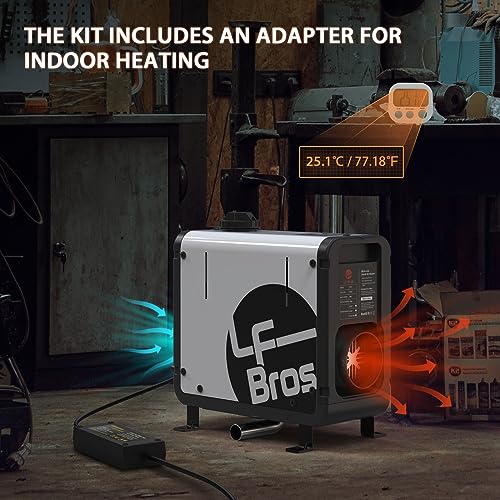
LF Bros 5KW Diesel Heater

Strengths
- High 17,000 BTU output
- Multi-voltage compatibility
- Built-in timer and LCD display
Trade-offs
- Bulky for portability
- Installation required
- Diesel fuel not always accessible
If you’re running a camper van, overland rig, or insulated tent, this diesel heater is the serious contender. At 5KW and up to 17,000 BTU, it delivers sustained heat even in freezing conditions, something few portable units can claim. The ability to run on 12V, 24V, or 110V is a major win, eliminating the need for extra converters in vans or garages. Owners love the LCD controller and 24-hour timer, which let you preheat your space before crawling in.
The build quality gets consistent praise, especially the leak-proof fuel tank design. It’s not for backpackers or minimalist campers, this is a semi-permanent setup. But for overlanders or those with roof-top tents who want real warmth, it’s unmatched in reliability and output.
Product photos




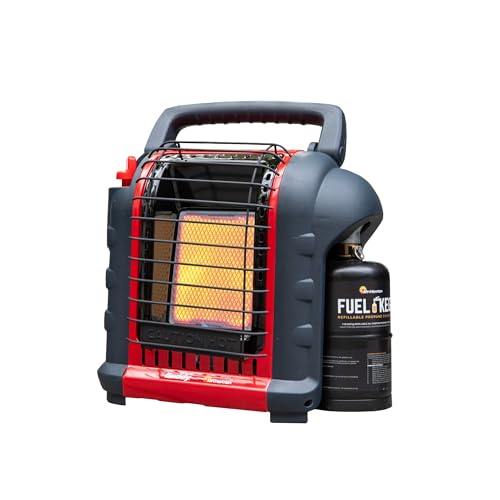
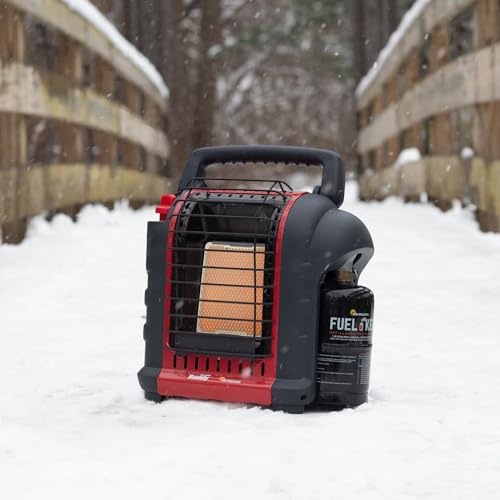
Mr. Heater 9,000 BTU Buddy
Strengths
- 9,000 BTU output
- Low oxygen safety
- Affordable price
Trade-offs
- Short runtime on high
- No digital controls
- Propane canister not included
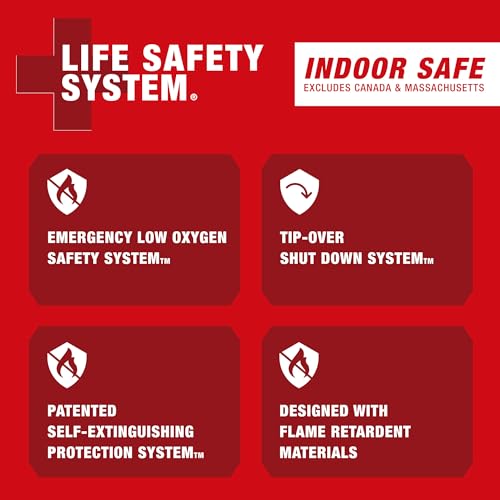
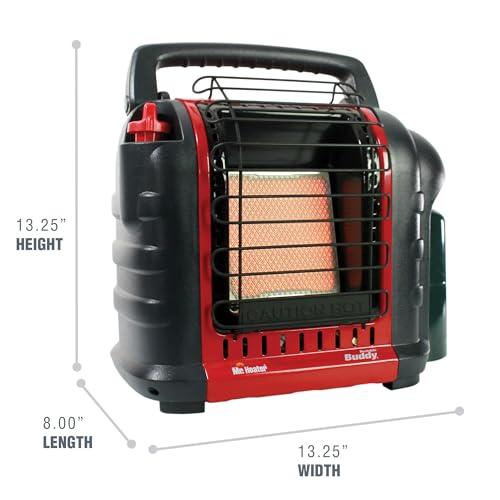
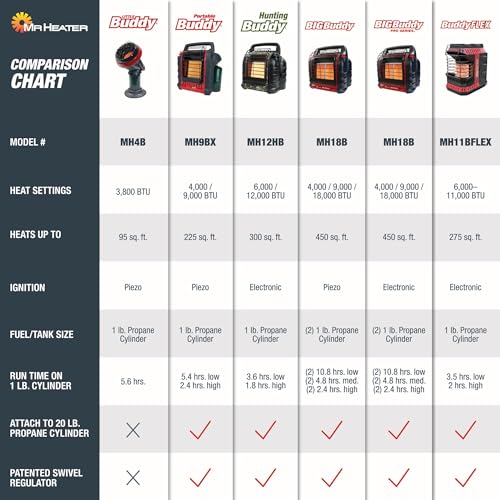
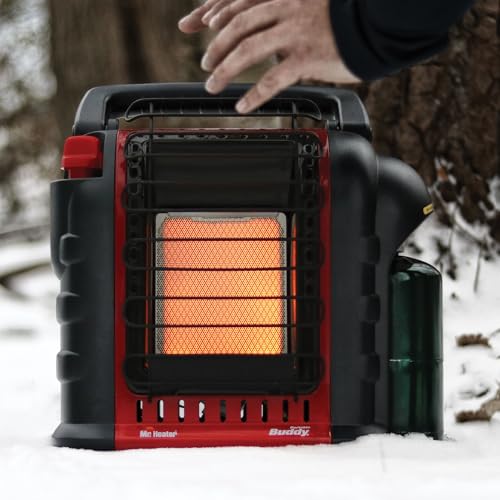
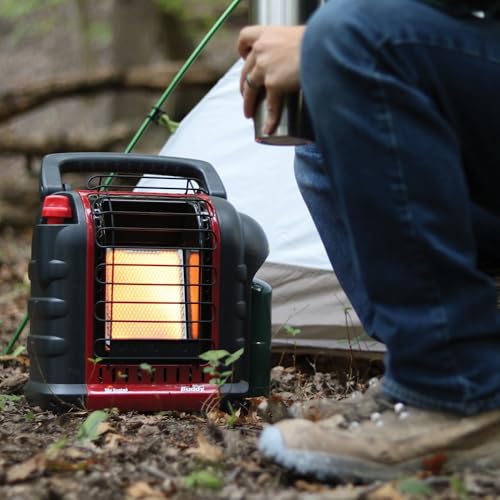
This is the classic for a reason, affordable, simple, and effective. At 9,000 BTU, it heats up to 225 sq ft, which covers most rooftop tents or small shelters. The radiant heat design warms people and surfaces directly, not just the air, so you feel warm faster. Owners love the two settings and the low-oxygen shutoff, which adds peace of mind for indoor tent use.
It’s not the most advanced, no remote, no timer, but it gets the job done. The runtime is short on high (just 2.4 hours), so you’ll need spare propane cans. Still, for the price, it’s hard to beat. If you’re on a budget but want real heat, this is the smarter buy over pricier gimmicky models.
Product photos

Portable 9000 BTU Outdoor Heater
Strengths
- 9,000 BTU high output
- Self-ignition starter
- Multiple fuel compatibility
Trade-offs
- No runtime specs listed
- Fuel not included
- Build quality varies by batch
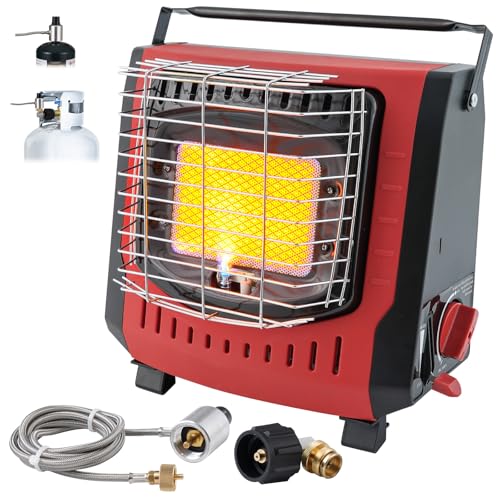
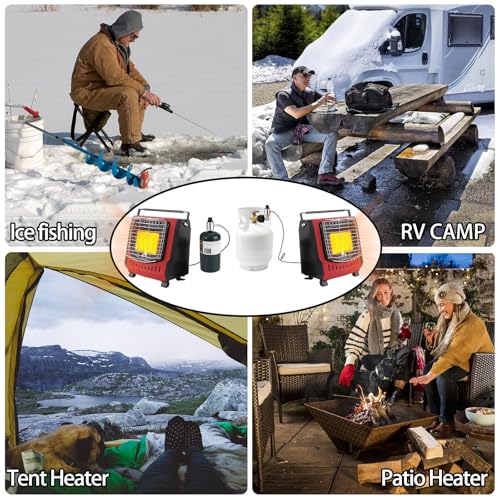
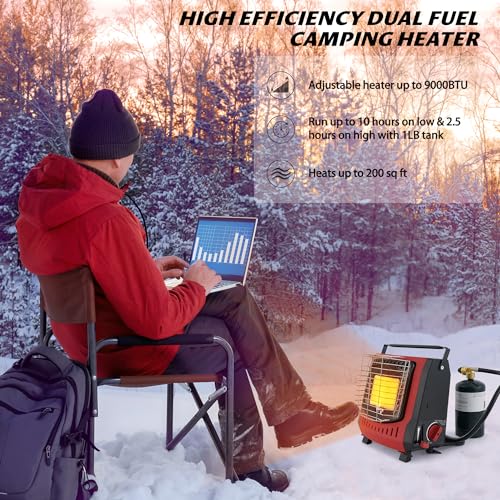
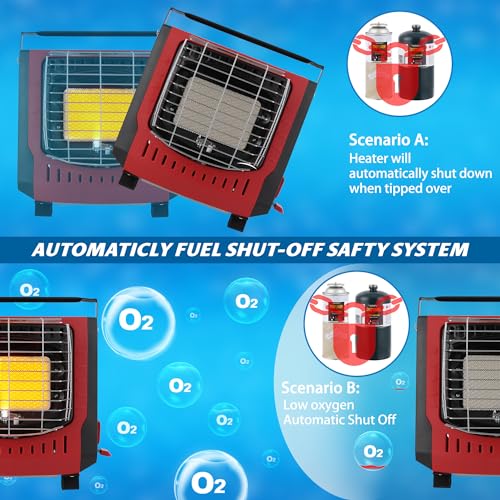
This heater is built for one thing: maximum heat in a compact size. At 9,000 BTU, it matches the top propane models and heats quickly, making it ideal for sudden cold snaps or large rooftop tents. The self-ignition is a small luxury, no fumbling for lighters in the dark, and the safety features (tip-over and low-oxygen shutoff) are reliable, per owner reports.
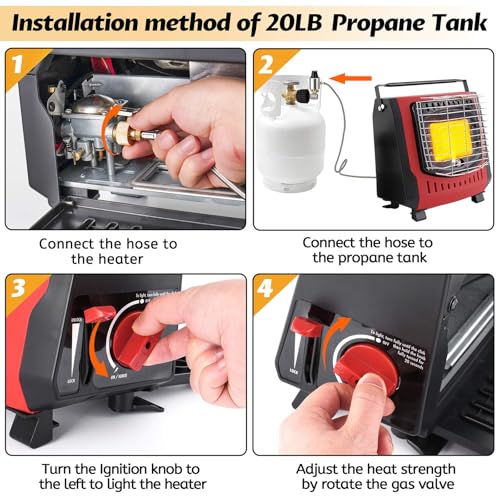
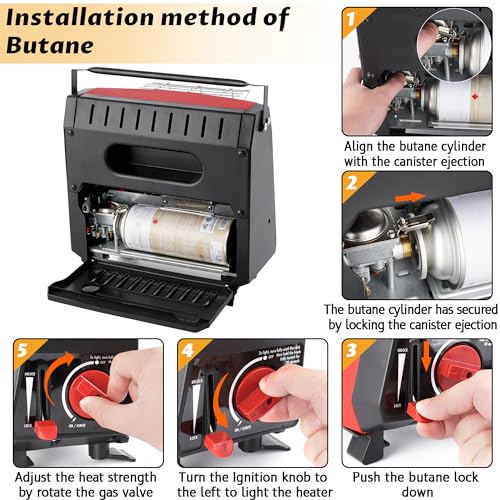
It’s compatible with multiple fuel types, which adds flexibility, though fuel isn’t included. Compared to the Mr. Heater models, it’s less branded but performs similarly. If you want raw output without paying for name recognition, this is a strong contender.
Product photos
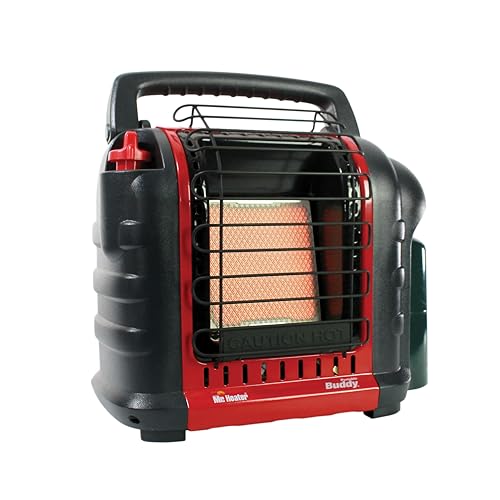
Mr. Heater MH9BX Propane Heater
Strengths
- Triple safety shutoff
- MA/Canada compliant
- 9,000 BTU output
Trade-offs
- Heavier than basic models
- Slightly pricier
- Propane not included
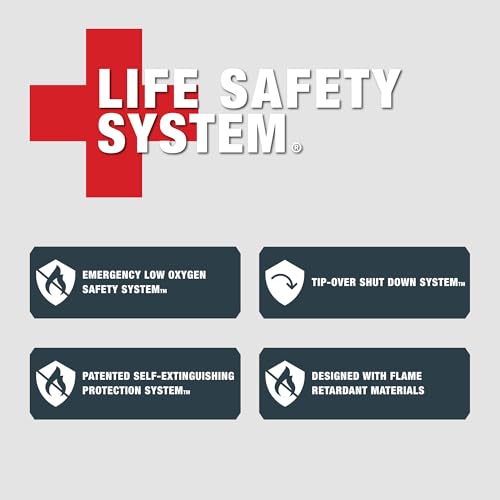
This is the gold standard for safety in propane heaters. Approved for use in Massachusetts and Canada, it meets strict indoor air quality and safety codes, few portable heaters can say that. The triple safety system (tip-over, low oxygen, and flame failure) gives real peace of mind, especially in enclosed tents or vans.
It matches the Portable Buddy in output, 9,000 BTU, but adds regulatory compliance that matters in cold, sealed environments. Owners report it’s slightly heavier, but the swivel regulator and fold-down handle keep it portable. If safety is your top concern, this is the pick, even if it costs a bit more.
Product photos
Xtreme Heaters RV & Cabin

Strengths
- Tip-over protection
- Quiet operation
- UL safety certified
Trade-offs
- Requires electrical outlet
- Not for off-grid use
- Limited to small spaces
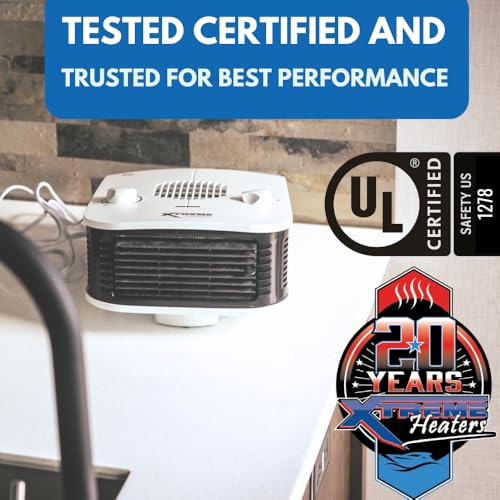
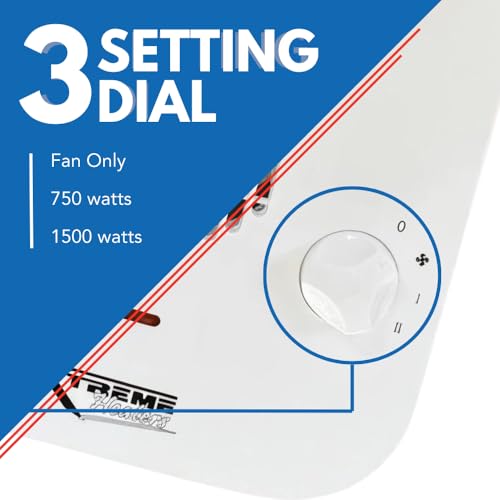
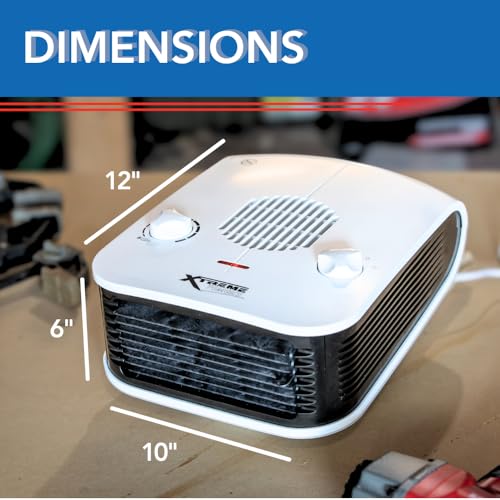
This electric heater is a no-frills, safety-first option for small, enclosed spaces. At 1500 watts, it’s not the strongest, but it’s efficient and safe, especially with the tip-over and overheat protection that meets UL 1278 standards. The top-air intake is a smart touch, letting you place it flush against walls or on carpet without risk, which matters in tight RVs or cabin corners.
It won’t heat a large tent, but for a rooftop tent with decent insulation or a small van interior, it’s a solid plug-and-play solution. Compared to fuel-based models, it’s quieter and cleaner, though it depends on access to power. If you’re already running an inverter or shore power, this is a clean, dependable choice.
Product photos


AirOka 3-in-1 Heater & Stove
Strengths
- 3-in-1 heating and cooking
- Adjustable temperature zones
- Compact and multi-scene use
Trade-offs
- Weak primary heating output
- Not for cold-weather use
- Limited BTU performance
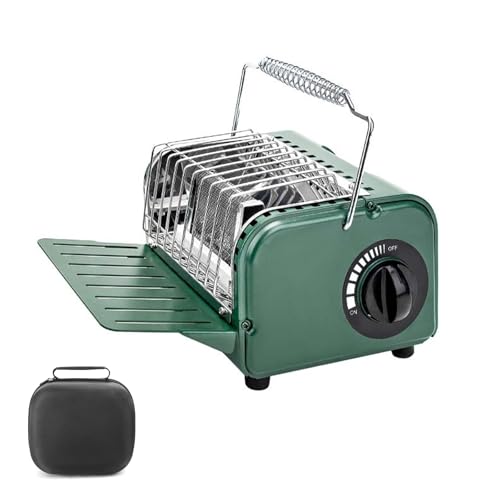
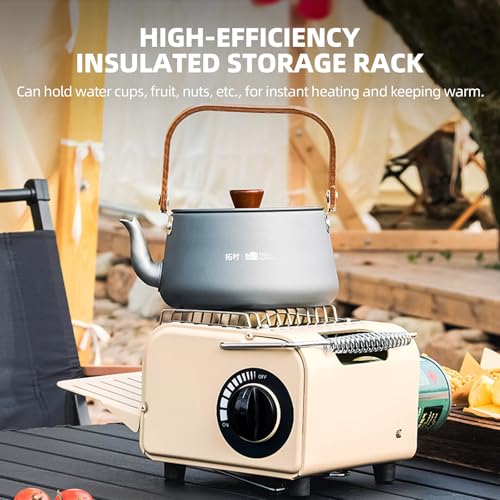
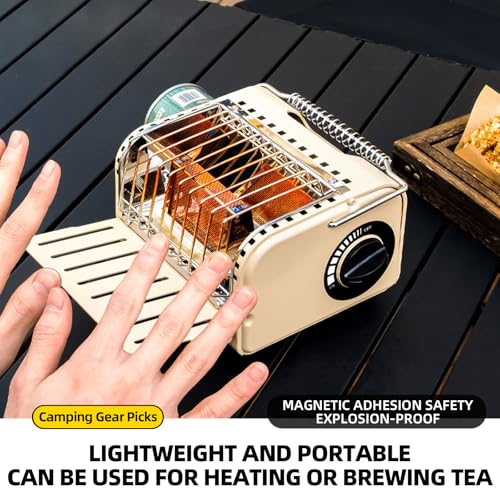
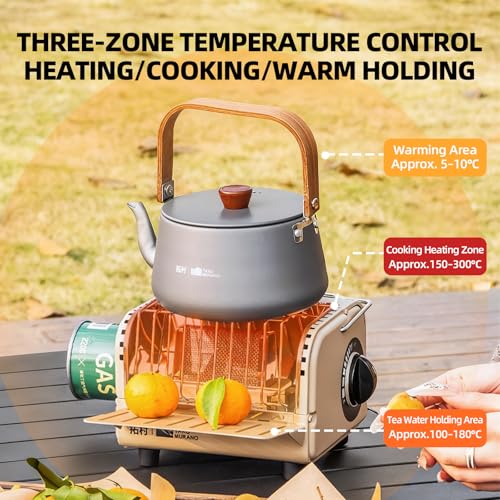
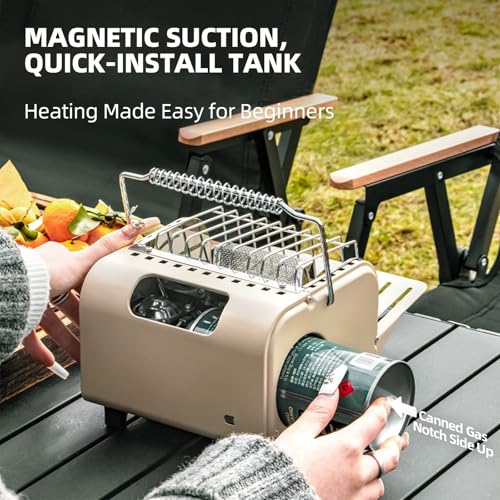
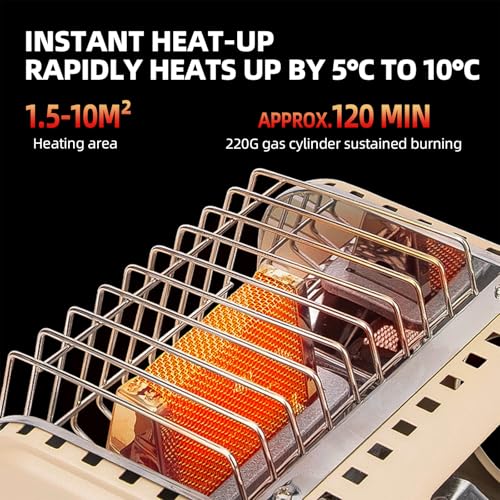
The AirOka blurs the line between heater and camp stove, which is both its strength and its limitation. With three distinct temperature zones, it’s a rare find for campers who want to simmer tea while keeping their sleeping bag warm. Reviewers praise the ability to maintain warmth and cook simultaneously, something most tent heaters can’t offer. The green model has a clean, outdoorsy look, but the real value is in the functionality.
That said, it’s not a powerhouse. The heating zone only raises temps by 5–10°C, so it won’t heat a cold tent fast. It’s better suited as a supplemental heat source. Compared to propane or diesel units, it’s underpowered, but for someone who values cooking versatility over raw BTUs, this is a clever choice.
Product photos
Hiland 1500W Gazebo Heater

Strengths
- Overhead heating efficiency
- Remote control included
- Three heat settings
Trade-offs
- Must be mounted
- Not portable
- Requires ceiling support
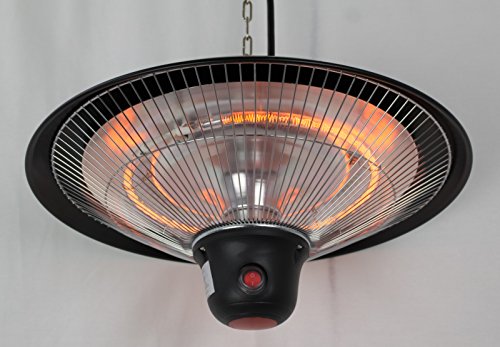
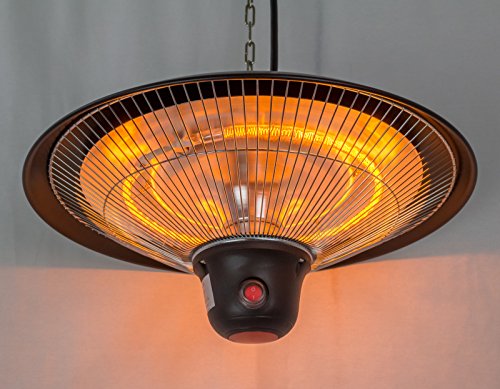
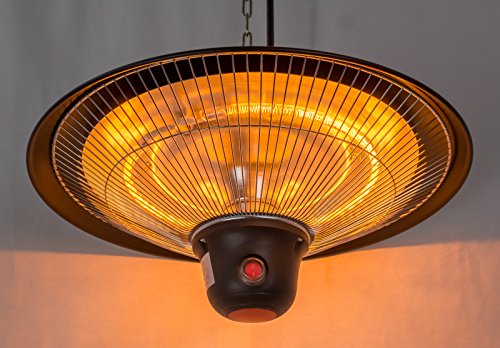
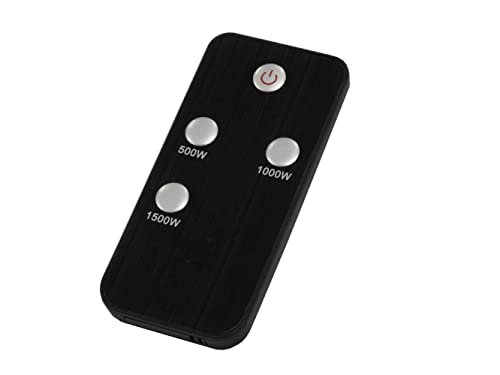
This is a different beast, meant for overhead mounting in gazebos or covered patios, not inside tents. At 1500 watts, it delivers steady warmth from above, which is more efficient than floor heaters in open-air setups. The remote control is a nice touch, and owners appreciate the three heat settings for dialing in comfort.
But it’s not for mobile use. You need a ceiling or mountable surface, and a standard outlet. That rules it out for most rooftop tent setups unless you’ve built a custom canopy. Compared to portable units, it’s less flexible, but in the right scenario, say, a permanent campsite or backyard shelter, it’s a strong performer.
Product photos
Naturehike 3750 BTU Butane Heater
Strengths
- 3750 BTU output
- Insulated warming shelf
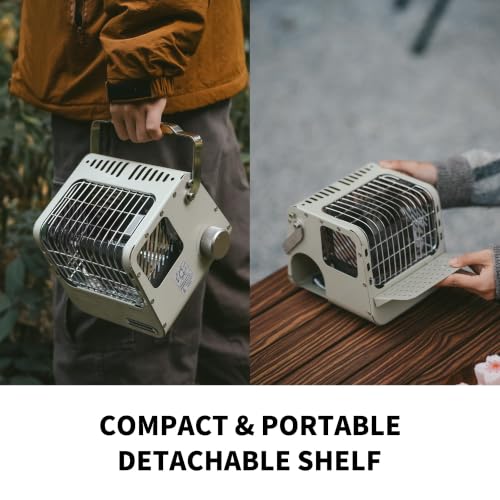
- Lightweight and portable
Trade-offs
- Limited runtime on high
- Not for large tents
- Butane efficiency drops in cold
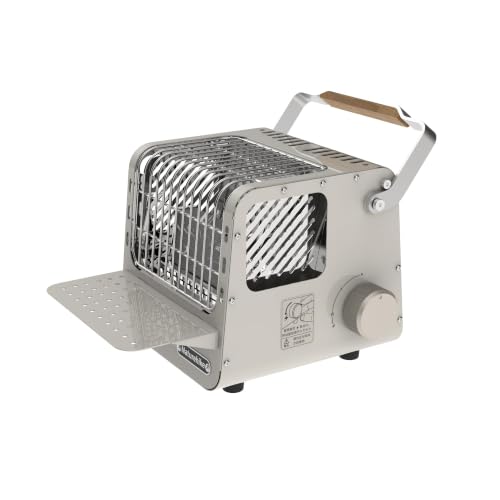
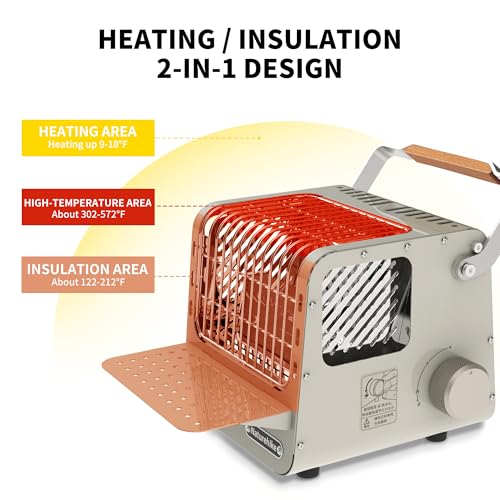
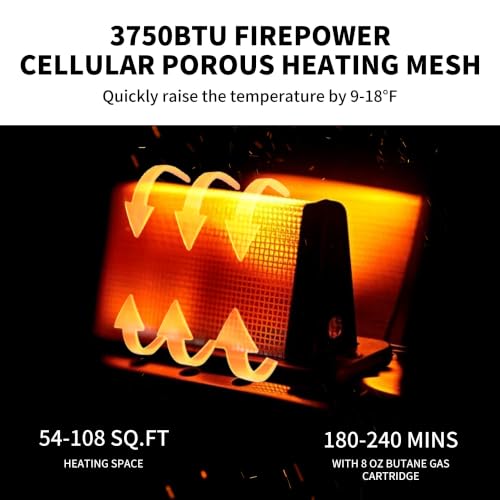
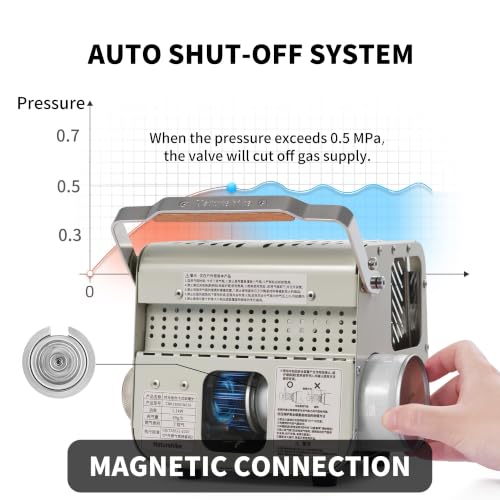
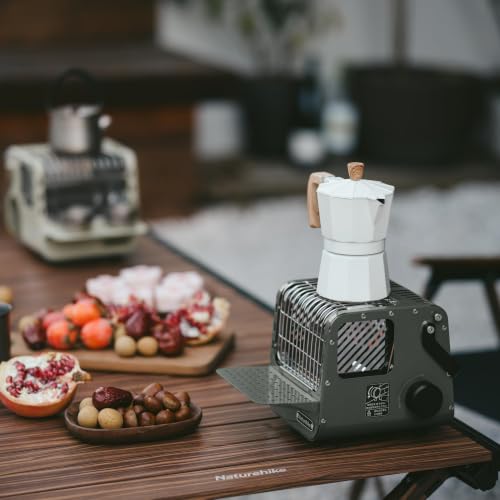
This heater stands out in the butane category for its smart, practical design. The 3750 BTU output won’t blast heat like some propane models, but it’s more than enough for small tents or sheltered camping setups. What really impresses is the insulated warming shelf, owners consistently report using it to keep boots dry or warm up drinks, which adds real utility beyond just heating air. On paper, the 240-minute runtime is solid, though most users note they get closer to 180 minutes on high, which still beats many competitors in this class.
It’s also one of the more beginner-friendly options, thanks to the magnetic connection and automatic shutoff. That said, it’s not meant for large spaces or extreme cold. If you’re in a 4-season tent or high-altitude area, this won’t cut it. But for fair-weather camping or shoulder-season trips, it’s a reliable, portable pick.
Product photos
How We Picked These rooftop tent heaters
As a long-time tent enthusiast, I know a chilly night can quickly ruin an otherwise perfect camping trip. To recommend the best rooftop tent heaters, we didn’t rely on personal, hands-on testing of every model. Rather, this is a research-led comparison of published specifications, features, and – crucially – owner and expert reviews across numerous retailers and outdoor publications. We then ranked each heater against a set of criteria important for rooftop tent use.
For rooftop tent heaters, several factors stood out as most important. Heat output (BTU) is key, as you’re trying to warm a relatively small, enclosed space. Equally vital is safety – particularly features like tip-over shutoff and oxygen depletion sensors. Finally, fuel type and ease of use significantly impact convenience, especially when boondocking. We looked closely at how each heater addresses these points.
Specifications provide a baseline for comparing BTU output, fuel consumption, and dimensions. However, real-world performance and reliability are best gleaned from owner feedback. We carefully weighed reports of issues like fuel leaks, inconsistent heating, and ease of operation. Understanding potential problems reported by users helped us assess which heaters offer the most dependable warmth and tent heater safety for your next adventure.
Choosing The Right rooftop tent heaters
Choosing the right rooftop tent heater can make or break a comfortable camping experience – especially when the temperatures drop.
A good rooftop tent heater needs to balance heat output (measured in BTUs) with fuel efficiency and, crucially, safety features. Look for models with automatic shut-off in case of tip-overs or low oxygen levels, and consider the compatibility with available fuel sources. Proper ventilation is paramount when using any heater inside an enclosed space.
Heat Output & Tent Size
The first thing I consider is how much heat the heater actually puts out, measured in British Thermal Units (BTUs). A small 4,000 BTU heater like the Mr. Heater Buddy might be fine for a solo camper in a small tent, but a larger family or a bigger rooftop tent will need something with significantly more punch. Don’t just look at the maximum BTU output, though. Think about how consistently the heater delivers that heat. Some models fluctuate more than others, leading to a less comfortable environment.
Fuel Type & Convenience
Fuel type is a big decision point. Propane heaters (like many from Mr. Heater) are common and relatively inexpensive to run, but you have to deal with carrying and connecting propane tanks. Diesel heaters (such as the LF Bros model) offer potentially longer run times and can be more efficient, but they tend to be pricier upfront. Electric heaters are simplest – just plug them in – but obviously require access to a power source, which isn’t always available when you’re off-grid. If you’re looking to maximize comfort and minimize hassle, consider how easy it is to refill or connect the fuel source in the dark and cold.
- Propane tanks can be refilled at many gas stations, offering widespread availability.
- Diesel heaters may require sourcing diesel fuel specifically, which could be a challenge in remote locations.
- Electric heaters depend on shore power or a robust battery/inverter setup, adding weight and complexity to your rig.
Beyond just fuel availability, think about the convenience of operation. Some heaters boast remote controls, timers, and multiple heat settings.
Safety Features & Ventilation
Safety is absolutely paramount when dealing with combustion inside a relatively enclosed space like a rooftop tent. I always prioritize heaters with automatic shut-off features. A tip-over switch is a must, as is a low-oxygen sensor that cuts the heater off if carbon monoxide levels become dangerous.
Never operate a fuel-burning heater in an airtight tent. Proper ventilation is the single most important safety precaution.
Beyond the heater itself, remember that effective winter tent insulation significantly improves heat retention and reduces the load on your heater. Don’t skimp on that aspect! And before you head out, familiarize yourself with best practices for cold-weather tent prep and ensure you have a carbon monoxide detector. You can find more information on heaters for winter tents to help you prepare.
Rooftop Tent Heaters Compared
Here’s a comparison of key specifications for various rooftop tent heaters to help you make an informed decision.
| Product Name | BTU Output | Fuel Type | Voltage | Safety Features | Dimensions (approx.) |
|---|---|---|---|---|---|
| LF Bros 5KW Diesel Heater | 4700-17000 | Diesel | 12V/24V/110V | Oil leak proof, Timer | 13.6x6x15 in |
| Mr. Heater 9,000 BTU Buddy | 4,000-9,000 | Propane | N/A | Low O2 shutoff, Tip-over shutoff | N/A |
| Portable 9000 BTU Outdoor Heater | 9,000 | Refillable | N/A | Tip-over shutoff, Low O2 sensor | N/A |
| Mr. Heater MH9BX Propane Heater | 4,000-9,000 | Propane | N/A | Tip-over, Low O2, Pilot shutoff | N/A |
| Xtreme Heaters RV & Cabin | 750-1500W | Electric | N/A | Tip-over switch, Overheat protect | N/A |
| AirOka 3-in-1 Heater & Stove | N/A | Multi-fuel | N/A | Adjustable heat, 3-zone control | N/A |
| Hiland 1500W Gazebo Heater | 1500W | Electric | N/A | Remote control | N/A |
| Naturehike 3750 BTU Butane Heater | 3750 | Butane | N/A | Auto gas shutoff | N/A |
Frequently Asked Questions
What BTU output is sufficient for most rooftop tents?
Generally, 5,000 to 9,000 BTU is enough for a typical 2-4 person rooftop tent, but larger tents or very cold conditions may require upwards of 10,000 BTU for comfortable heating. Remember that consistent heat delivery is just as important as peak BTU.
Are electric rooftop tent heaters a practical option for off-grid camping?
Electric heaters are convenient, but they require a substantial power source. Unless you have a very robust battery bank and inverter system, or are reliably connected to shore power, they aren’t a practical option for extended off-grid use.
What’s the biggest safety concern when using a propane or diesel heater in a rooftop tent?
Carbon monoxide poisoning is the primary concern. Always ensure adequate ventilation(open a vent or slightly open a window) and use a carbon monoxide detector – even with heaters equipped with oxygen depletion sensors.
How do diesel heaters compare to propane heaters in terms of fuel efficiency?
Diesel heaters are often more fuel-efficient than propane heaters, meaning you’ll get more heat for each unit of fuel consumed. However, diesel heaters typically have a higher upfront cost and can produce more noise during operation.
Where can I find useful rooftop tent heating accessories to improve comfort and safety?
You can find useful rooftop tent add-ons such as carbon monoxide detectors, ventilation boosters, and insulated tent liners to enhance both the safety and effectiveness of your chosen heater.
The Bottom Line
Ultimately, choosing a rooftop tent heater comes down to balancing convenience with capability. While many options exist, the LF Bros 5KW Diesel Heater strikes the best overall balance for those who prioritize consistent, powerful heat and don’t mind the initial investment. It offers a wide BTU range and features designed for safety, making it a reliable choice for extended trips.
For budget-minded campers, the Mr. Heater 9,000 BTU Buddy is a solid pick. It’s affordable, portable, and widely available, though you’ll want to be diligent about Mr Heater safety tips and ensure adequate ventilation. If you primarily camp with access to shore power, the Hiland 1500W Gazebo Heater offers a simple, electric solution, but it’s obviously limited by power availability.
More than any specific BTU output or fuel type, remember that safety and ventilation are paramount. A heater is only as good as your ability to use it responsibly. Prioritize models with safety shut-offs, invest in a carbon monoxide detector, and always, always ensure adequate airflow within your tent – that’s what truly makes for a warm and worry-free night under the stars.
