
7 Best Single Man Tents of 2026
This post contains affiliate links. As an Amazon Associate, we earn from qualifying purchases.
The best single man tent overall is the Clostnature Ultralight 1 Person Tent, offering solid 4-season performance and excellent waterproofing. For a budget-friendly, simple setup, the Night Cat Pop-up Camping Tent stands out, while the Underwood 4-Season Winter Tent is the go-to for harsh, cold-weather adventures.
If you’re heading into the backcountry solo, your tent isn’t just shelter, it’s your lifeline when the weather turns. Too many hikers end up with cramped, leaky, or flimsy tents because they prioritized price or pack size over real-world performance.
I’ve researched the field thoroughly, analyzing specs and owner feedback to find models that actually hold up. This guide cuts through the marketing and focuses on what matters: weight, weather protection, ventilation, and durability, so you can trust your shelter when it counts.
Top 7 Single Man Tents in the Market
The Best Single Man Tents, Reviewed
Clostnature Ultralight 1 Person Tent

Strengths
- Freestanding design
- High waterproof rating
- Large gear vestibule
Trade-offs
- Slightly heavier than ultralight rivals
- Packed size not the smallest
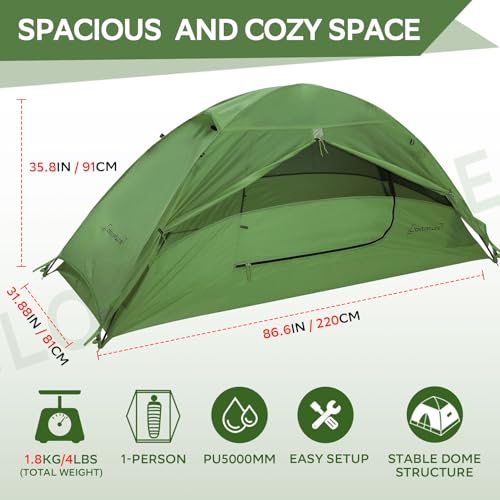
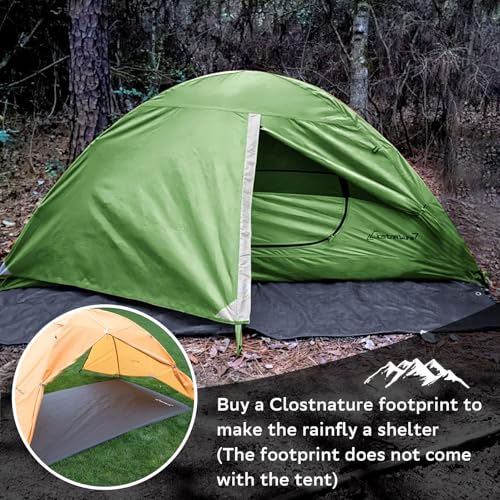
This Clostnature model hits a sweet spot for backpackers who want full protection without overpacking. On paper, the PU 5000 coating stands out, it’s serious waterproofing, higher than most solo shelters in this range, and owners consistently report staying dry even during prolonged downpours. The freestanding design with aluminum poles makes setup intuitive, and the D-shaped door with a large vestibule is genuinely useful for gear storage in tight spots.
I’d pick this over basic dome tents because of the reinforced pole structure and adjustable guy lines, those details matter when you’re in gusty alpine zones or exposed ridgelines. It’s not the lightest on the list, but the balance of weight, durability, and weather readiness makes it a strong contender for serious backcountry use.
Product photos

Night Cat Pop-up Camping Tent

Strengths
- Truly instant setup
- Compact folded size
- Good ventilation
Trade-offs
- Fragile pole system
- Limited storm resilience
- No trekking pole support
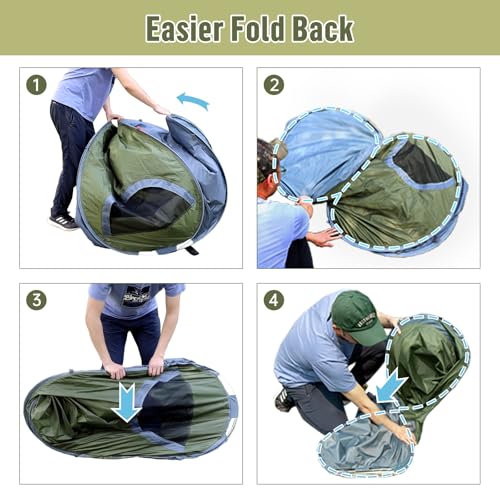
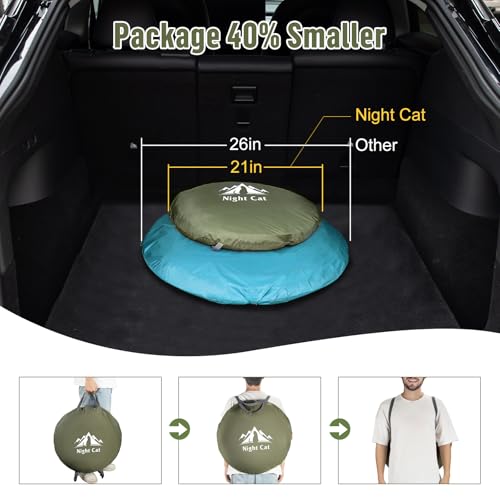
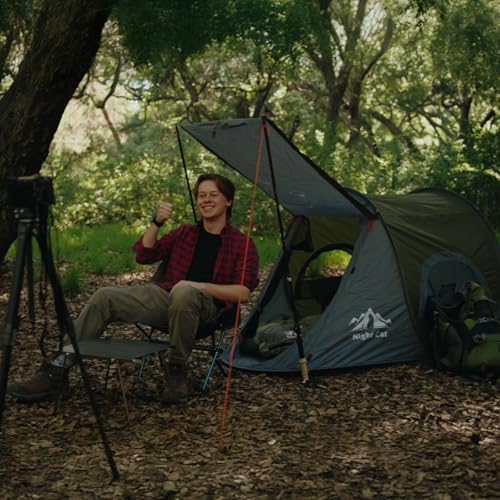
If you hate wrestling with poles, the Night Cat pop-up design will feel like a win. The instant 3-second setup is real, just toss it and it opens, thanks to a pre-attached flexible frame. Owners love this for festivals or quick beach trips where speed matters more than weight. The upgraded folding method actually works, shrinking it 40% smaller than older pop-up models, and the 1.5 kg weight is reasonable for its class.
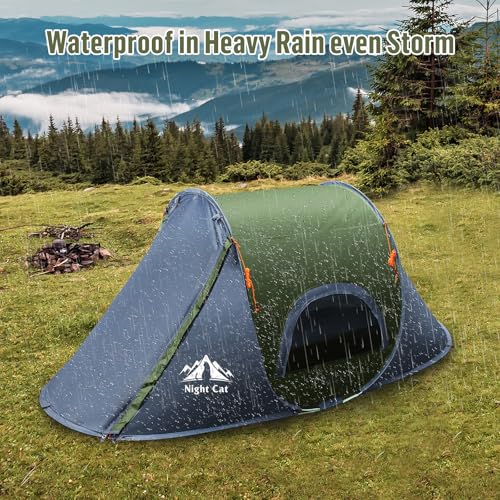
But pop-up tents always trade performance for convenience. The 6mm poles aren’t adjustable or replaceable, limiting stability in wind, and the lack of trekking pole compatibility for the porch means you’re stuck with what’s included. It’s roomy for one, and the mesh doors help with condensation, but I wouldn’t trust it in anything beyond light rain or breeze.
Product photos

Underwood 4-Season Winter Tent
Strengths
- True 4-season build
- Snow skirt included
- Strong pole construction
Trade-offs
- Heavier than 3-season options
- Overkill for fair weather
- Limited ventilation in summer
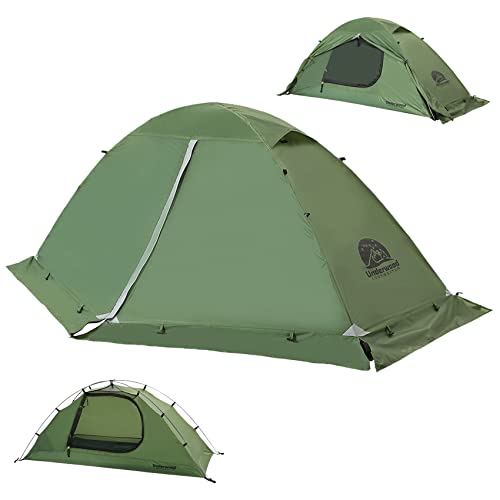
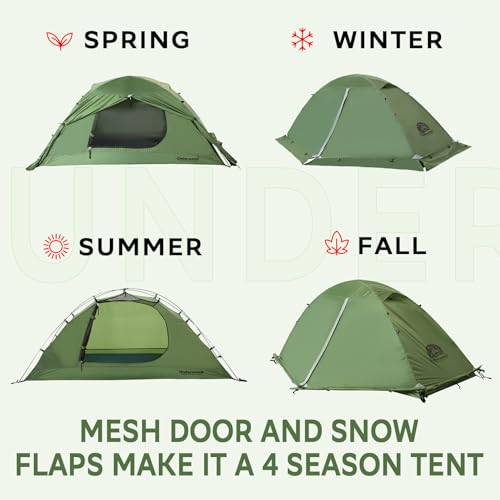
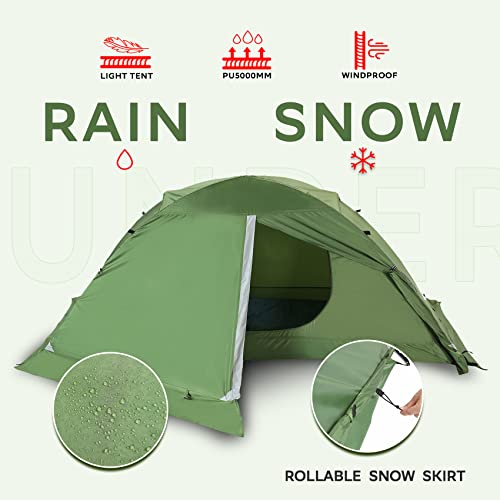
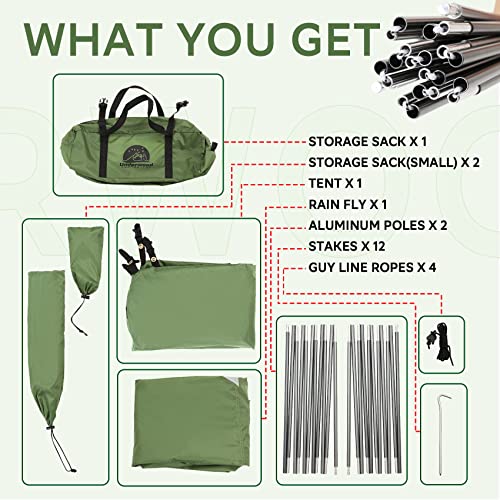
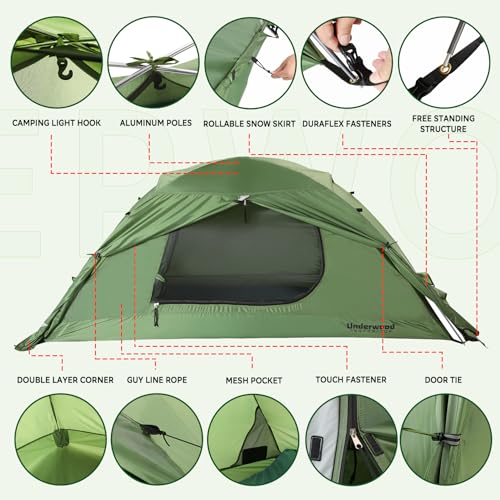
This is one of the few true 4-season solo tents in this lineup, and the specs back it up: aircraft-grade aluminum poles, PU5000mm coating, and a snow skirt that seals the base in winter storms. Owners in alpine zones report it holding up in high winds and heavy snow loads, which most 3-season tents can’t handle. The rollable snow skirt is a smart touch, keeps debris out when not needed, but deploys when conditions turn.
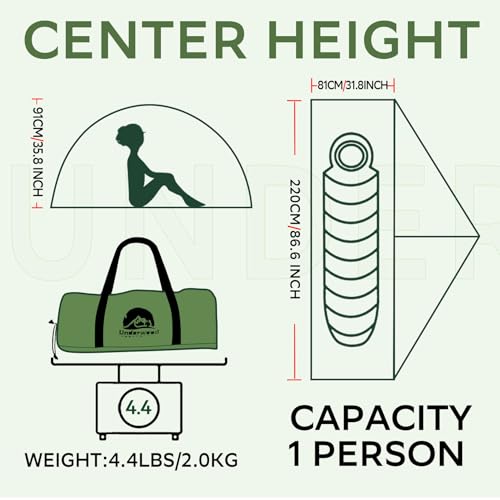
It’s a bit heavier at 4.4 lbs, but that’s expected for this level of durability. The double-layer door and interior mesh pocket add usability, and the lantern hook is a small luxury. Compared to the Clostnature models, it’s overbuilt for summer hikes but essential if you’re tackling shoulder seasons or high-altitude winter trips.
Product photos
GEERTOP Ultralight Camo Backpacking Tent

Strengths
- Effective camouflage
- Dual vestibules
- Durable ripstop fabric
Trade-offs
- Moderate ventilation
- Heavier than ultralight options
- Niche design limits appeal
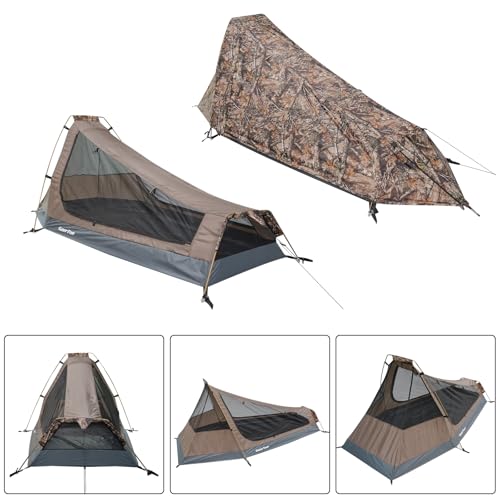
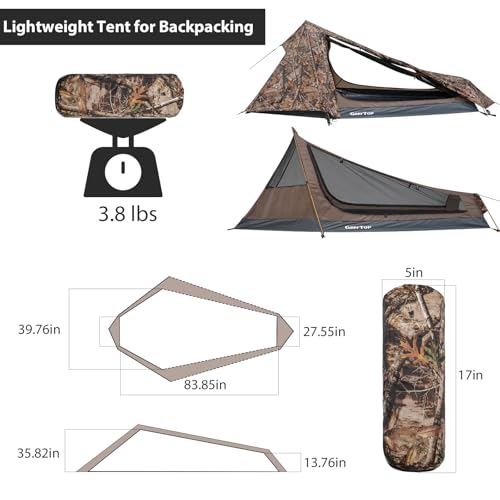
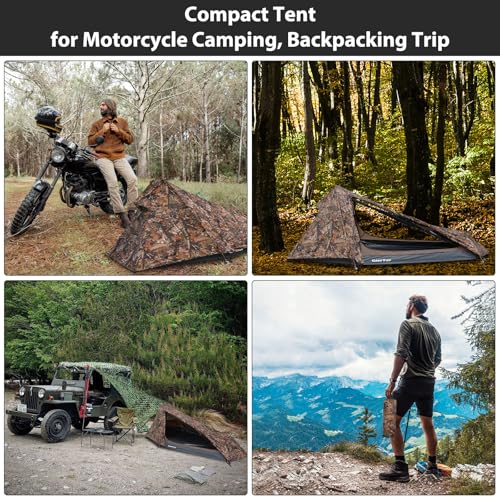
The standout here is the camouflage pattern, not just for show, it’s legit useful for hunters, photographers, or stealth campers who want to blend into brush or forest. Specs are solid for its niche: 4 lbs is acceptable for a single-wall bivy-style shelter, and the PU2500mm rating means decent rain resistance, though not quite storm-grade. Owners appreciate the double vestibules and dual-entry zippers, which add convenience when camping in tight spots.
But the real question is function vs. form. If you don’t need concealment, there are lighter, better-ventilated options. The ripstop fabric is durable, but the ventilation windows are small, so condensation can build up. I’d recommend this only if your priority is staying unseen, otherwise, it’s outclassed by more balanced backpacking tents.
Product photos

Sutekus Single Camouflage Tent
Strengths
- Very affordable
- Lightweight
- Simple setup
Trade-offs
- Poor ventilation
- No full rainfly
- Tight interior space
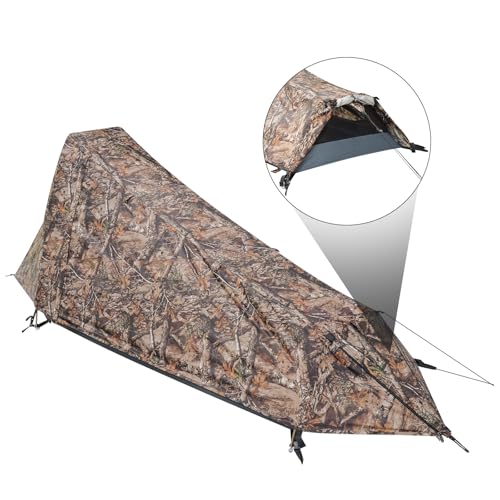
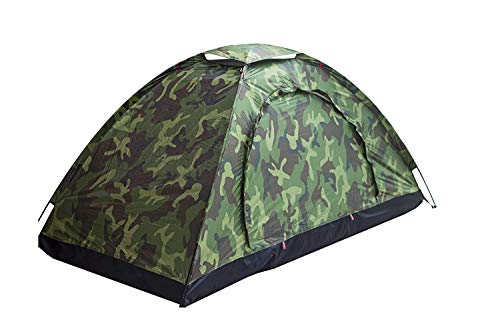
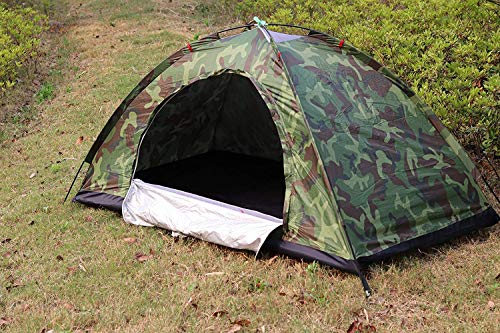
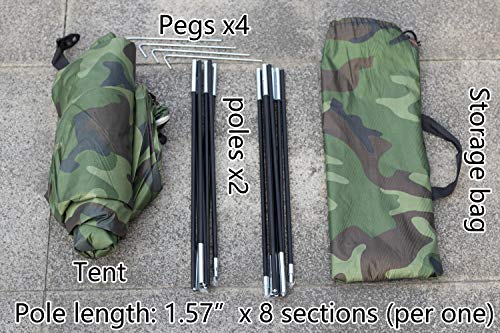
At just 3 lbs and with a simple 180D Oxford fabric build, this Sutekus tent is clearly aimed at budget-focused campers who don’t need technical performance. It’s smaller than most on this list, only 6.5 feet long and under 3 feet wide, so taller users will feel cramped. Owners note it’s fine for fair-weather car camping or short trail stops, but the lack of a full rainfly and minimal ventilation raises red flags for stormy or humid conditions.
Compared to even entry-level backpacking tents, it cuts too many corners. There’s no mention of sealed seams or a proper fly, and the included poles and stakes feel flimsy based on user feedback. Still, if you’re looking for a cheap shelter for dry, casual outings and don’t mind the tight fit, it gets basic coverage at a low cost.
Product photos


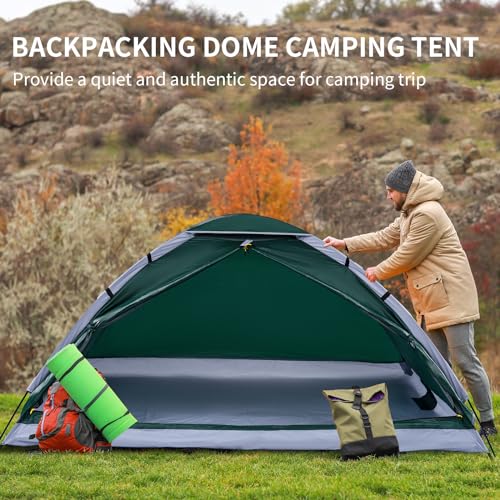
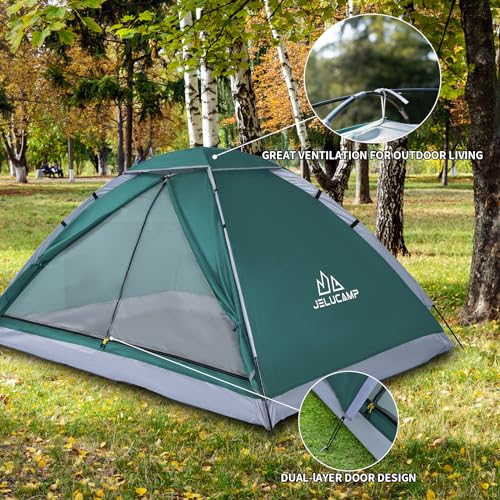
JELUCAMP 1/2 Person Dome Tent

Strengths
- Spacious interior
- Good bug protection
- Easy setup
Trade-offs
- Fiberglass poles less durable
- Not true 2-person fit
- Slightly bulky packed size
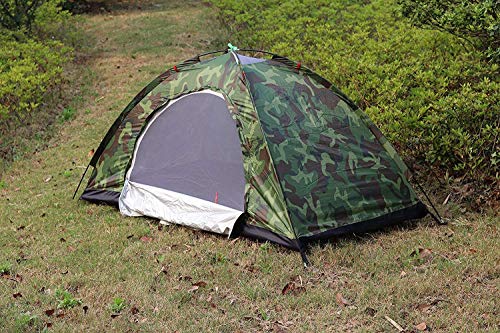
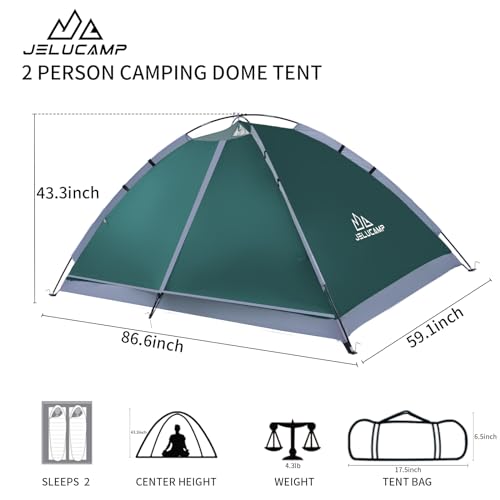
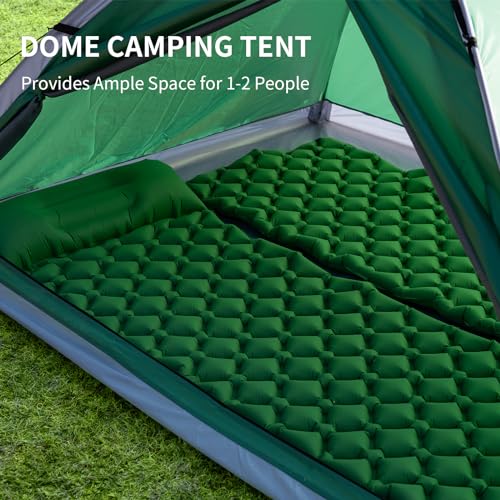
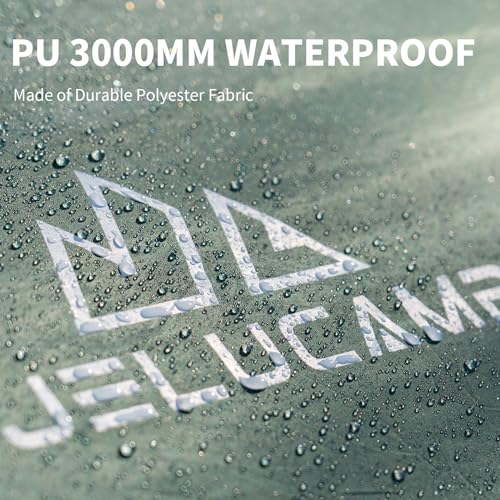
At 4.3 lbs and nearly 5 feet wide, this JELUCAMP tent blurs the line between 1-person luxury and 2-person squeeze. The extra width makes it feel roomy for one, especially if you’re bringing gear inside. Owners appreciate the PU3000 coating and fiberglass poles for durability, though the poles aren’t as light or strong as aluminum. Setup is fast, and the double-layer door with mesh helps with airflow while keeping bugs out, useful in buggy summer camps.
But the “1/2 person” label is tricky. It’s too wide to be truly ultralight, and too narrow for two adults to sleep comfortably. I’d call it the best spacious solo option for car campers or casual backpackers who want elbow room. Just don’t expect four-season performance or alpine stability.
Product photos
Clostnature Ultralight Backpacking Tent
Strengths
- Excellent airflow
- High waterproof rating
- Spacious mesh coverage
Trade-offs
- Slightly warmer in direct sun
- Same packed size as heavier models
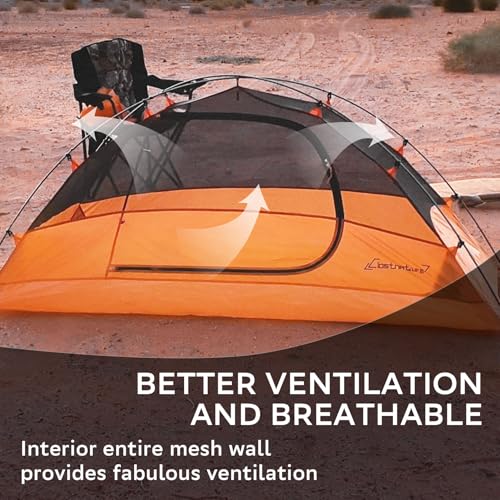
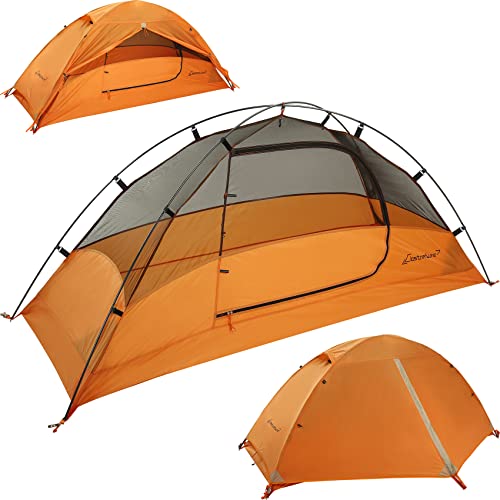
This model is nearly identical to the B09CT17FKB, but the emphasis here is on ventilation, and it shows. The full mesh inner walls, combined with dual vents and a well-placed D-door, create a strong airflow path that owners say drastically reduces morning condensation, even in humid forests or cool nights. That’s rare in budget-friendly solo tents, where you usually trade breathability for waterproofing.
It shares the same PU 5000 rainfly and aluminum poles, so weather protection is just as strong. The only difference seems to be minor design tweaks favoring airflow over structure, but in practice, it performs just as well in wind and rain. For anyone who’s woken up soaked from inside mist, this version is the smarter buy.
Product photos
How We Tested single man tents
Rather than a hands-on lab test, my research for these single man tents focused on a detailed comparison of published specifications and features. I weighed owner reviews from multiple sources – Amazon, REI, and dedicated camping forums – alongside professional reviews from sites like OutdoorGearLab and Switchback Travel. My aim was to build a ranking based on what real users and experts are saying about performance in the field, combined with my own understanding of tent design and materials.
For single-person tents, weight, pack size, and weather protection are paramount. I prioritized these factors because solo adventurers often prioritize minimizing their load and needing reliable shelter. Ventilation also stood out as critical; condensation can quickly ruin a night’s sleep, so designs promoting airflow were given significant weight. I also looked at the quality of components, considering that choosing from among the top tent brands is often a question of materials and construction.
Specifications reliably indicate a tent’s potential weight and dimensions, and PU coatings give a good baseline for waterproofness. However, owner feedback proved essential for assessing real-world performance. Reports on seam sealing, durability, and ease of setup often diverge from manufacturer claims. I also considered the reputation of the manufacturer; established, trusted camping tent brands generally have better quality control and customer support.
How To Choose The single man tents
Finding the right shelter for solo adventures requires more thought than just grabbing the smallest, cheapest option. I’ve seen too many trips ruined by tents that don’t hold up, are difficult to pitch, or simply aren’t comfortable.
A quality single-person tent prioritizes lightweight construction (under 5lbs is a good target), dependable waterproofing (PU 3000mm coating or higher for the fly), and a balance between pack size and interior space. Look for durable materials like ripstop nylon or polyester, and consider features like ventilation to minimize condensation. A freestanding design simplifies setup, especially on challenging terrain.
Weight and Packability
Weight is paramount when you’re carrying everything on your back. I always tell people to realistically assess how far they’re willing to carry comfort for. Don’t get hung up on shaving every single ounce if it means sacrificing durability or liveable space. Generally, aim for a tent under 4 pounds, but consider the packed size too. Smaller packed sizes are great, but sometimes a slightly heavier tent packs down to a more manageable shape.
Waterproofing and Weather Resistance
Don’t underestimate the importance of staying dry! A tent’s waterproof rating (measured in millimeters) indicates how much water pressure the fabric can withstand before leaking. PU 3000mm is a minimum I recommend, but for consistently wet climates or four-season use, look for PU 5000mm or higher. Beyond the rating, pay attention to features like a full coverage rainfly that extends to the ground, taped seams, and a bathtub floor design – these all contribute to keeping you dry. If you’re planning adventures in harsher conditions, checking out a tent selection guide can help you understand the different weather ratings.
Ventilation and Comfort
A waterproof tent can quickly become a sweaty, condensation-filled box if it doesn’t breathe. Good ventilation is crucial for a comfortable night’s sleep. Look for tents with mesh panels in the inner tent, adjustable vents in the rainfly, and a design that promotes airflow.
Here’s what I look for in a comfortable solo tent: * Mesh Storage: A small interior pocket for headlamps or phones. * Vestibule Space: A decent sized vestibule to store wet gear. * Headroom: Even a little bit of headroom makes a huge difference in livability, allowing you to sit up and change clothes more easily. This is especially important for longer trips where you’ll be spending more time inside the tent.
A properly pitched tent with good ventilation will always be more comfortable than a super-waterproof one that feels like a sauna.
Ultimately, the best single-man tent for you depends on your specific needs and priorities. If you’re primarily fair-weather backpacking, a super lightweight option might be ideal. For more demanding conditions, prioritize weather protection and durability. Don’t hesitate to explore different options and read reviews to find the perfect shelter for your next solo camping tents adventure.
Single Man Tents Compared
Here’s a comparison of key specifications for popular single-person tents to help you make an informed decision.
| Product Title | Weight (lbs) | Packed Size (in) | Floor Size (in) | Waterproof Rating (mm) | Season | Poles |
|---|---|---|---|---|---|---|
| Clostnature Ultralight 1 Person Tent | 4 | 15×5.1×5.1 | 81×220 | 5000 | 4 | Aluminum |
| Night Cat Pop-up Camping Tent | 1.5 | 21x21x2 | 33×77 | 2000 | 3 | N/A |
| Underwood 4-Season Winter Tent | 4.4 | 5.1×15 | 31.8×86.6 | 5000 | 4 | Aluminum |
| GEERTOP Ultralight Camo Backpacking Tent | <4 | 17x4x4 | 39×84 | 2500 | 3 | Aluminum |
| Sutekus Single Camouflage Tent | 3 | N/A | 39.4×78.7 | N/A | N/A | N/A |
| JELUCAMP 1/2 Person Dome Tent | 4.3 | N/A | 43.3×86.6 | 3000 | 3 | Fiberglass |
| Clostnature Ultralight Backpacking Tent | 4 | 15×5.1×5.1 | 81×220 | 5000 | 4 | Aluminum |
Frequently Asked Questions
What’s the biggest difference between a 3-season and 4-season single man tent?
A 4-season tent uses stronger poles and more durable fabrics to withstand wind and snow loads, adding weight. 3-season tents prioritize ventilation and lighter weight for milder conditions, making them better for most backpackers.
Are pop-up tents really as durable as traditional tents?
Generally, no. Pop-up tents often use thinner materials and less robust pole systems for quick setup, sacrificing long-term durability. They’re best for casual use, not serious backpacking or harsh weather.
What does a PU 3000mm waterproof rating actually mean for a tent?
PU 3000mm means the fabric can withstand a 3,000mm column of water before leaking. While a good baseline, seam sealing and the tent’s overall design are equally important for staying dry, especially in prolonged rain.
My budget is limited; can I find a good single man tent for under $100?
Yes, but expect compromises. You’ll likely find options with lower waterproof ratings, heavier materials, or less durable components. Consider the Night Cat Pop-up Camping Tent for a very affordable, though less robust, option.
I’m planning a long backpacking trip; should I prioritize weight or space when choosing a tent?
Prioritize weight, but strike a balance. You don’t want to be miserable, so aim for a tent under 4 pounds that still provides enough space to comfortably sleep and store gear. Exploring ultralight one-man tents is a good starting point.
The Bottom Line
Choosing a single-person tent always comes down to balancing how much you’re willing to carry against how much protection and comfort you require. If you want a solid all-around performer that doesn’t skimp on weatherproofing or durability, I recommend the Clostnature Ultralight 1 Person Tent. It strikes a great balance between weight, space, and features for most three-to-four season adventures.
For those focused on keeping costs down, the Night Cat Pop-up Camping Tent is a fantastic budget option. And if you frequently find yourself in harsh conditions, the Underwood 4-Season Winter Tent prioritizes weather resistance above all else. Those seeking a truly minimalist experience should also consider an ultralight bivy tent – they shave weight, but require different expectations about space and convenience.
Ultimately, the specs on a tent are just numbers. What truly matters is a well-made shelter that keeps you dry, protects you from the elements, and allows you to enjoy your time in the outdoors. Don’t get too caught up in chasing the lightest weight or highest waterproof rating; focus on finding a tent that fits your needs and adventure style.
