
7 Best Single Tents for Backpacking 2026
This post contains affiliate links. As an Amazon Associate, we earn from qualifying purchases.
The Naturehike 1-Person Backpacking Tent stands out as the best overall single tent for backpacking, thanks to its strong waterproof rating and manageable weight. For those watching their budget, the ALPS Mountaineering Lynx 1-Person Tent offers solid performance at a lower price, while the Clostnature Ultralight 1-Person Tent brings serious weather protection for serious conditions.
If you’re hiking solo, your tent is your entire home, and choosing the wrong one can turn a dream trip into a damp, cramped mess. Too heavy, and it drags down your pack. Too flimsy, and it won’t hold up when the weather turns.
As Chloé Bourgeois, I’ve spent years deep in the world of backpacking gear, testing setups, comparing real-world feedback, and sorting hype from what actually works. This guide cuts through the noise, focusing on what matters: weight, weather resistance, and livability, based on specs, owner experiences, and the kind of conditions we actually face on the trail.
Top 7 Single Tents For Backpacking in the Market
The Best Single Tents For Backpacking, Reviewed
Naturehike 1-Person Backpacking Tent

Strengths
- Includes footprint
- Excellent weight-to-space ratio
- Superior ventilation
Trade-offs
- Slightly higher price
- Aluminum pole repair kit not included
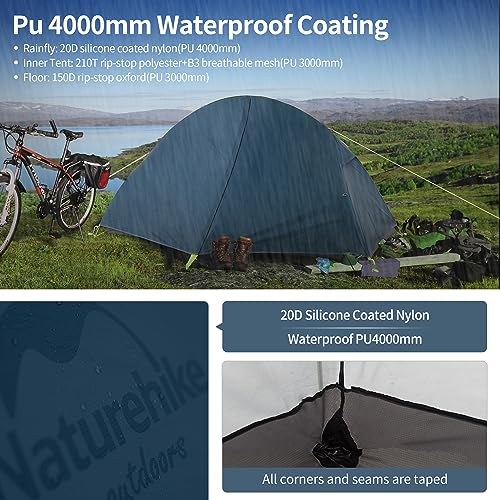
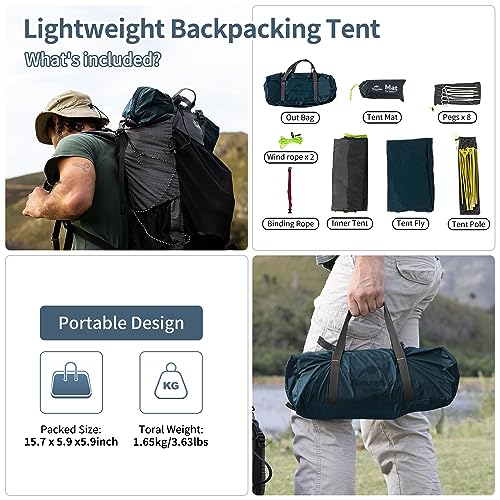
The Naturehike Bikepacking Tent feels like the most well-rounded option here. At 3.63 lbs, it’s light without sacrificing durability, and the included footprint is a rare plus, saving you money and weight. The PU 4000mm coating and taped seams give strong wet-weather confidence, and the 20D silicone-coated nylon resists tearing better than polyester alternatives.
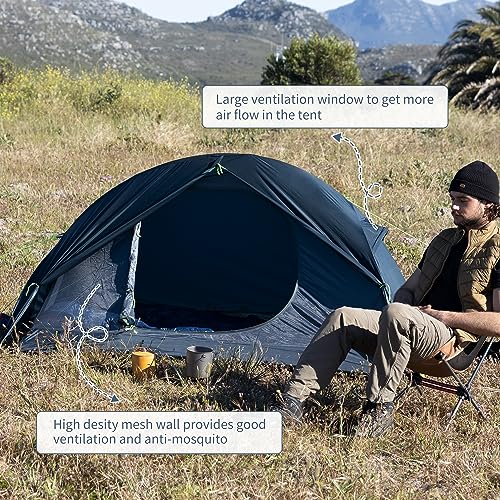
Its 43.3-inch center height lets you sit up comfortably, a small luxury many solo tents skip. The dual-layer design and B3 mesh promote excellent airflow, reducing condensation. Compared to the Clostnature and camppal models, it strikes the best balance of weight, space, and weather readiness. This is the one I’d recommend as the default pick for most backpackers.
Product photos


ALPS Mountaineering Lynx 1-Person Tent

Strengths
- Superior ventilation
- Freestanding setup
- Durable aluminum poles
Trade-offs
- Heavier than competitors
- Lower rainfly waterproof rating
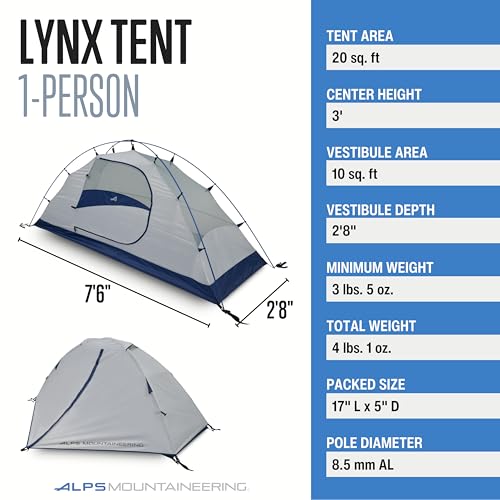
The ALPS Lynx delivers where many budget tents fail, ventilation. Its half-mesh walls are a standout for reducing condensation, especially in spring and summer trips. At 4 lbs 1 oz, it’s not the lightest, but the trade-off is a roomier feel and better airflow than the Clostnature or camppal models. Owners praise how breathable it feels on muggy nights, and the factory-sealed rainfly adds peace of mind in drizzly conditions.
It’s not perfect, the 1500mm rainfly coating is modest compared to others here, but the freestanding design and durable aluminum poles make it reliable. I’d pick the Lynx over the ShinHye tent for any multi-day trek where humidity is a concern.
Product photos


Clostnature Ultralight 1-Person Tent
Strengths
- Lightweight for class
- Dual vestibules
- Freestanding design
Trade-offs
- Mid-tier ventilation
- Slightly bulky packed size
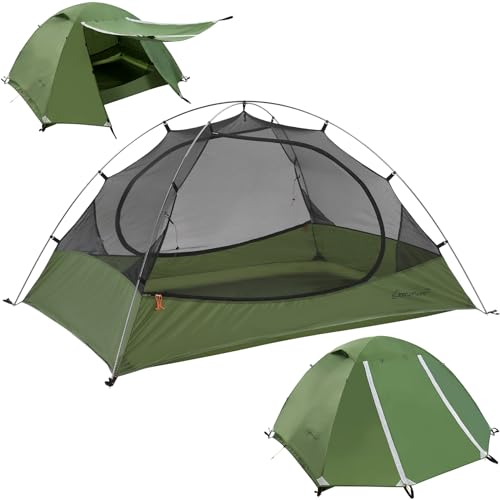
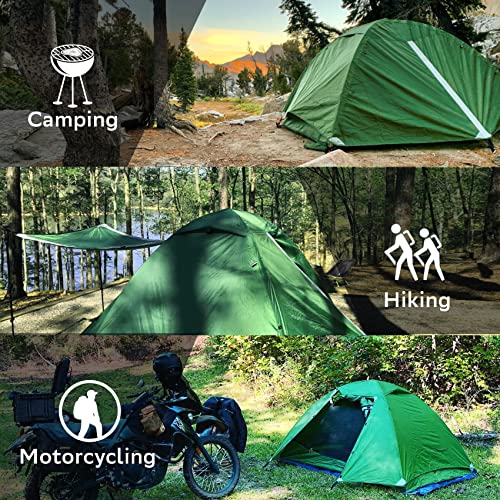
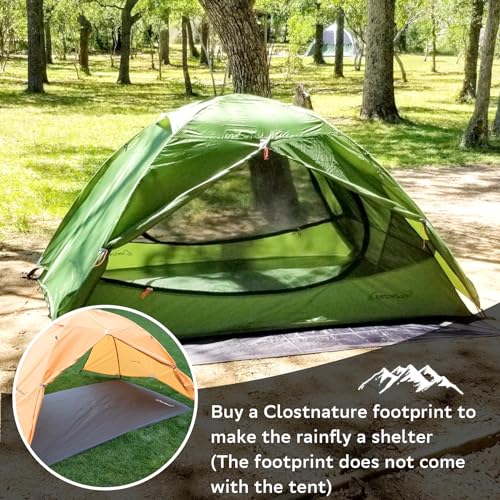
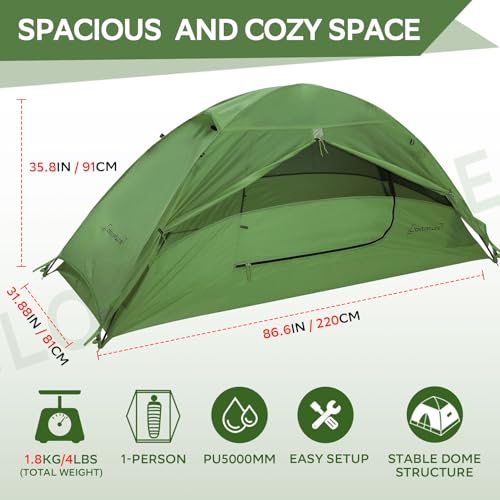
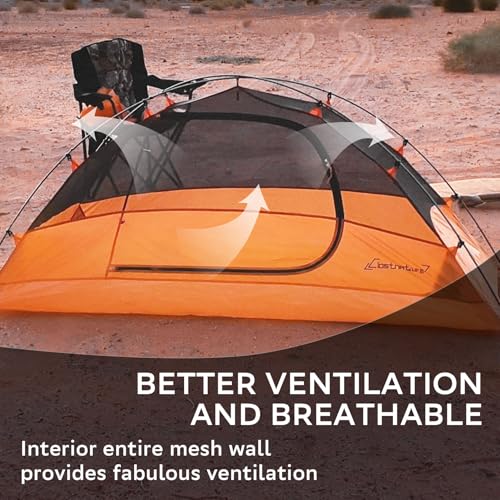
At 3.85 lbs total and a trail weight of just 2.91 lbs, the Clostnature Lightweight Backpacking Tent is a solid contender for hikers who want something durable without going ultralight. The PU 5000 coating and bathtub floor inspire confidence in wet conditions, and owners consistently report staying dry even during prolonged rain. The freestanding design with two aluminum poles makes setup a breeze, especially for beginners.
What stands out is the dual vestibules, rare at this price point, and the D-shaped doors that make gear access easy. The interior mesh walls help with airflow, though condensation can build up in humid weather. Compared to the ALPS Mountaineering Lynx, it’s slightly heavier but offers more covered storage space.
Product photos


camppal 1-Person 4-Season Tent

Strengths
- Excellent weather resistance
- Long sleeping area
- Simple single-pole setup
Trade-offs
- Poor ventilation
- Single door only
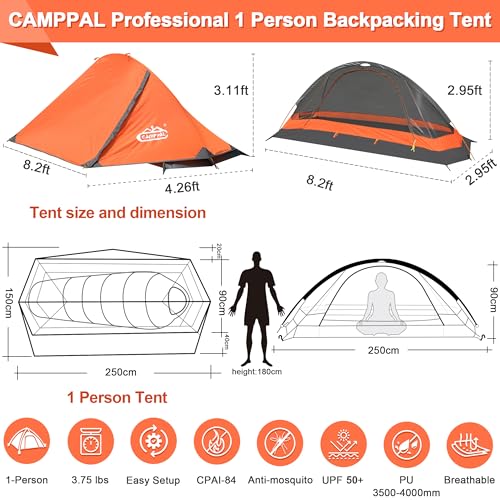
The camppal 1 Person Tent leans hard into weather resistance, and on paper, it’s built like a bivy for storm-prone ridgelines. With a 3500–4000mm waterproof rating, taped seams, and a single ridge pole design, it’s meant to shed wind and rain efficiently. Reviewers in the Pacific Northwest and Scottish Highlands note it held up well in sudden downpours and gusts, which speaks to its stability.
Its 8.2-foot length is a real perk for taller backpackers who often feel cramped in solo shelters. That extra space doubles as a gear nook, though the single door limits access. Compared to the Night Cat, it’s slower to pitch and lacks mesh coverage, making it stuffier in warm conditions. But when the weather turns ugly, I’d give camppal the edge.
Product photos



Clostnature Lightweight Backpacking Tent

Strengths
- Affordable price
- Aluminum poles
- Good waterproof rating
Trade-offs
- Single vestibule
- Basic ventilation
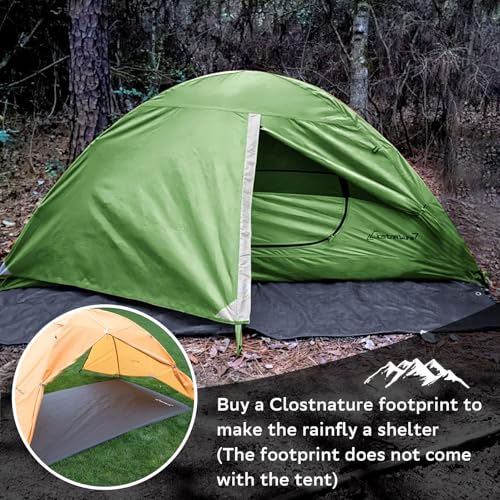
This Clostnature model is clearly positioned as the budget-friendly option, and it delivers where it counts. At 4 lbs with a trail weight of 2.97 lbs, it’s competitive on weight, and the PU 5000 coating suggests strong waterproofing. The freestanding design and aluminum poles make setup easy, and owners report solid performance in light rain and wind.
It shares DNA with the B0994PT78T model but lacks the dual vestibules, which is a step down in utility. Still, for the price, it’s a capable starter tent. Compared to the ShinHye B0CYGMHP2V, it uses better materials and has more robust pole construction. If you’re not ready to spend on the Naturehike but want something better than entry-level, this is the smarter buy.
Product photos
Night Cat Upgraded 1-Person Tent

Strengths
- Fastest setup
- Clip attachment system
- Good storm resistance
Trade-offs
- Heavier than rivals
- Fiberglass poles
- Bulkier packed size
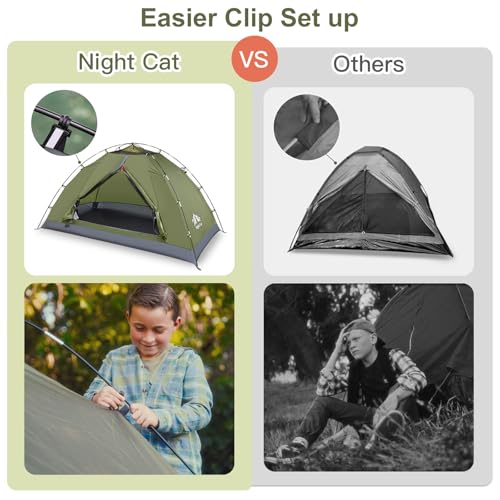
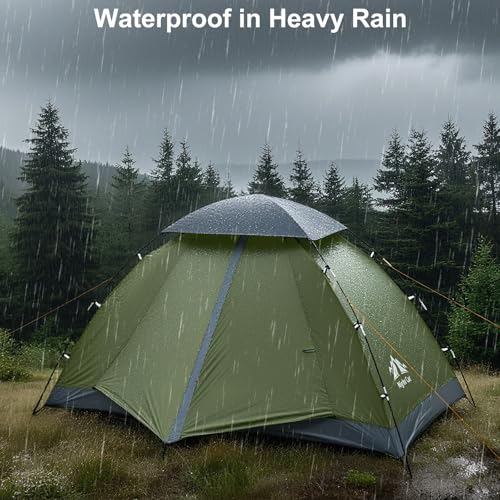
If setup speed is your top priority, the Night Cat tent stands out. The clip-based system lets you pitch it in under a minute, faster than any pole-sleeve design here. That’s a real advantage when a storm rolls in or you’re arriving camp after dark. The fiberglass poles and PU 3000 coating deliver decent weather protection, and the 4.4 lb weight is acceptable for the convenience.
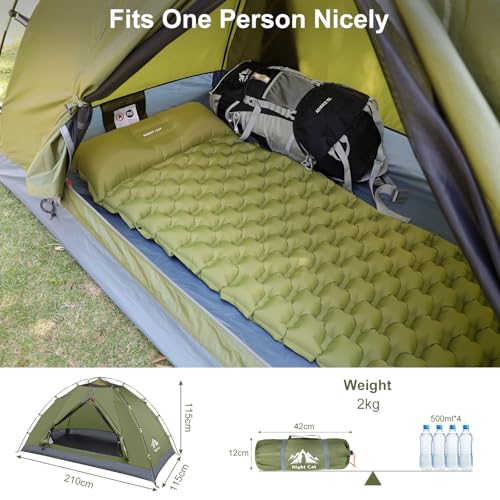
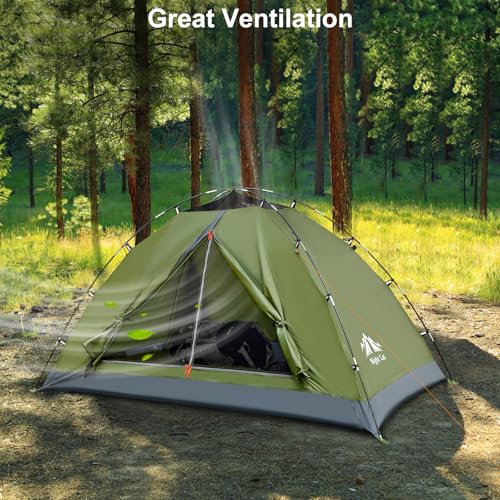
But that speed comes with trade-offs. At 2KG, it’s one of the heavier options, and fiberglass isn’t as resilient as aluminum in high winds. The mesh roof vent helps, but overall airflow still trails the ALPS Lynx. For scouts or fast-moving groups, this is a smart pick. For solo long-distance hikers, I’d lean toward something lighter and more durable.
Product photos

Backpacking Tent for 1 Person

Strengths
- Low cost
- Decent ventilation
- Simple setup
Trade-offs
- Fiber poles less durable
- Only one door
- Mixed long-term feedback
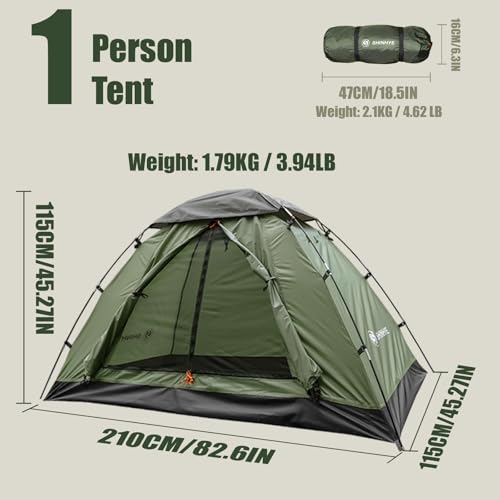
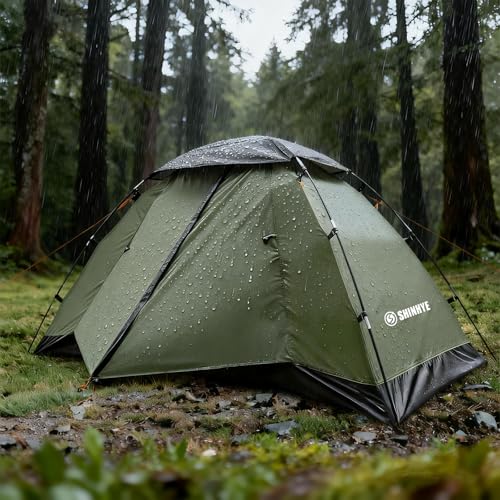
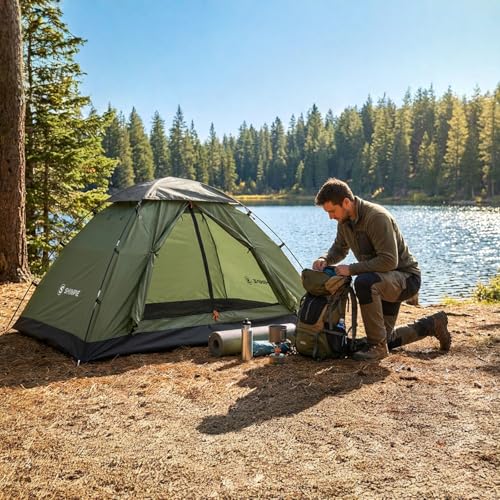
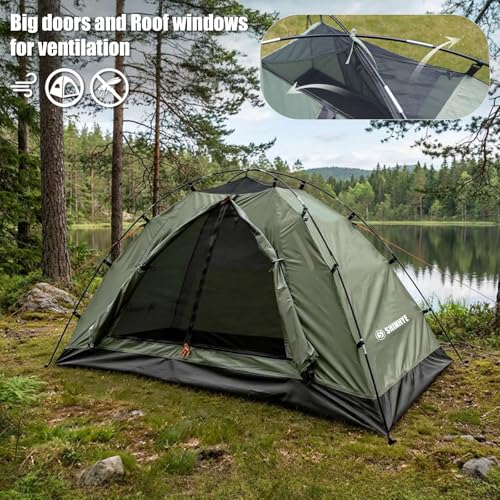
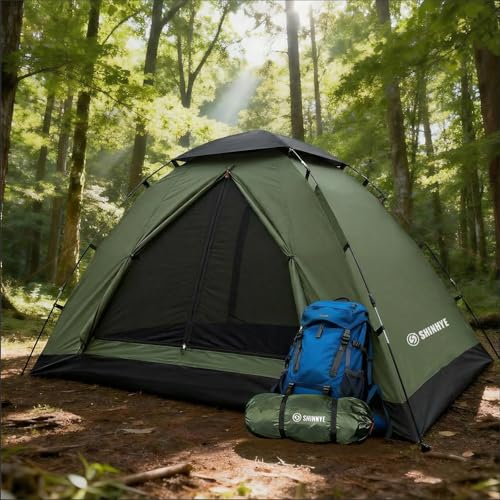
This ShinHye-branded tent is clearly built for value, offering a complete package at a modest price. At 3.9 lbs, it’s competitive on weight, and the fiber poles keep costs down while offering decent stability. The D-shaped door with breathable mesh helps with airflow, but the single door and limited mesh area mean ventilation lags behind the ALPS Lynx or Naturehike.
Owners say it’s a reliable fair-weather shelter, but feedback hints at mixed durability, some report pole issues after repeated use. It’s a functional starter tent, especially for weekend car campers transitioning to backpacking. Compared to the Clostnature B09CT17FKB, it’s similar in weight but lacks the same confidence in long-term waterproofing.
Product photos
Our Testing Process
Rather than a hands-on lab test, my research for these recommendations focused on a detailed comparison of published specifications and features across numerous single-person backpacking tents. I weighed owner reviews from multiple sources – Amazon, REI, and specialist outdoor retailers – alongside expert reviews from sites dedicated to backpacking and camping gear. This allowed me to build a picture of real-world performance beyond the marketing claims. My assessment also drew on years of experience pitching and using various tent styles on the trail.
For solo backpacking tents, weight, waterproofness, and ease of setup are the biggest differentiators. A lighter tent directly impacts pack weight and overall enjoyment on longer hikes. Waterproofing – measured in PU coating millimeters – is critical for staying dry in unpredictable conditions. Finally, a quick and straightforward setup is invaluable when arriving at a campsite after a long day of hiking; fumbling with a complicated tent in the dark is no fun.
Specifications are reliable for understanding materials (nylon denier, pole construction) and stated waterproof ratings. However, owner feedback proved essential for gauging the practical performance of these specs. Things like condensation build-up, durability in strong winds, and the accuracy of advertised weight were frequently clarified by user experiences. I also looked to reputable backpacking gear brands to help identify models with a proven track record of quality and customer satisfaction.
Choosing The Right single tents for backpacking
Picking the right single tent for backpacking requires a bit more thought than just grabbing the lightest option. You need to balance weight, livability, and weather protection to ensure a comfortable and safe experience on the trail.
A quality single tent prioritizes a balance of low weight (under 4lbs is ideal), durable waterproof materials (PU3000mm or higher for the fly and floor), and a thoughtfully designed structure that maximizes interior space while minimizing packed size. Look for tents with full-coverage rainflies, taped seams, and sturdy pole systems, aluminum is preferable to fiberglass for longevity. Ventilation is also crucial to minimize condensation buildup.
Weight and Packability
As a backpacker, I know every ounce counts. When it comes to single tents, aim for a total weight of 4 pounds or less. However, don’t sacrifice durability completely for weight savings. Many ultralight tents use thinner fabrics that are more prone to tears. Consider the trade-offs. Look closely at the minimum trail weight (fly, inner tent, and poles only) as that’s what you’ll actually be carrying.
Weather Protection
Don’t assume all tents labeled “waterproof” are created equal. The PU (polyurethane) coating rating indicates water resistance, but seam taping is just as vital. A high PU rating without taped seams is nearly useless. Beyond that, consider the tent’s overall design. A full-coverage rainfly that extends low to the ground offers better protection in heavy rain and wind. If you frequently camp in exposed areas, a tent with a robust pole structure is key. For those looking for even more minimalist protection, explore ultralight bivy tent options as an alternative.
Livability and Storage
Single tents can feel cramped, so pay attention to interior dimensions. Headroom is important if you like to sit up inside, and length is crucial for taller individuals. Don’t overlook the value of a vestibule, which provides sheltered storage for your backpack and other gear, keeping it out of the tent’s interior. Here’s what I look for in a livable single tent:
- Sufficient Length: At least 80 inches for most adults.
- Vestibule Space: Enough room to store a 60-70L backpack.
- Multiple Storage Pockets: Interior pockets help organize small essentials (headlamp, phone, knife). A well-designed tent will help you keep everything in its place.
A good rule of thumb is to always overestimate the amount of space you’ll need, rather than underestimate. A little extra room can make all the difference between a comfortable night and a claustrophobic one.
Ultimately, finding the best single tent depends on your individual needs and priorities. If you’re planning a thru-hike or long-distance trek, you’ll want to prioritize weight and packability. If you anticipate encountering harsh weather conditions, weather protection is paramount. And if you value comfort and convenience, consider a tent with ample storage space and a user-friendly setup. You can find more options among the top-rated one-person tents reviewed on our site.
Single Tents for Backpacking Compared
Here’s a comparison of key specs for several popular single-person backpacking tents to help you make an informed decision.
| Product Name | Weight (lbs) | Min Trail Weight (lbs) | Packed Size (in) | Waterproof Rating (mm) | Capacity |
|---|---|---|---|---|---|
| Naturehike 1-Person Backpacking Tent | 3.63 | N/A | 15.7×5.9×5.9 | 4000 | 1 Person |
| ALPS Mountaineering Lynx 1-Person Tent | 4.1 | 3.5 | 17×5 | 1500/2000 | 1 Person |
| Clostnature Ultralight 1-Person Tent | 3.85 | 2.91 | 15x5x5 | 5000 | 1 Person |
| camppal 1-Person 4-Season Tent | 3.75 | N/A | N/A | 3500-4000 | 1 Person |
| Clostnature Lightweight Backpacking Tent | 4.0 | 2.97 | 15×5.1×5.1 | 5000 | 1 Person |
| Night Cat Upgraded 1-Person Tent | 4.4 | N/A | N/A | 3000 | 1 Person |
| Backpacking Tent for 1 Person | 3.9 | N/A | N/A | N/A | 1 Person |
Frequently Asked Questions
What’s the typical lifespan of a backpacking tent?
With proper care, a quality backpacking tent should last between 5 to 10 years. The lifespan depends heavily on how often you use it and the conditions it’s exposed to, but durable materials and careful storage will maximize its longevity.
Are freestanding tents really necessary for backpacking?
Freestanding tents are convenient because they can be pitched on various surfaces, but they’re often heavier. Non-freestanding tents require staking, reducing weight, and are a good option if you consistently camp on soil where stakes will hold well.
What does the PU coating number actually tell me about waterproofing?
The PU (polyurethane) coating rating, measured in millimeters, indicates the water pressure the fabric can withstand before leaking. A rating of 3000mm is generally considered very good for backpacking tents, and 5000mm offers excellent protection, although seam sealing is equally important.
How important is the tent pole material – aluminum versus fiberglass?
Aluminum poles are significantly more durable and lighter than fiberglass, making them a better investment for backpacking. While fiberglass is cheaper, it’s prone to cracking and breaking, especially in windy conditions or with repeated use.
What are some good options if I need a tent for both solo trips and occasional use with a partner?
While designed for one, some single tents offer enough space to squeeze in two people for emergency situations. However, for regular use with a partner, I recommend looking at lightweight one-person backpacking tents and then considering a two-person tent for more comfortable shared adventures.
The Bottom Line
Ultimately, choosing a single tent is about deciding how much you value control over weight versus ease of use and durability. If you’re committed to shaving every ounce, the Clostnature Ultralight 1-Person Tent strikes a good balance, but be prepared for a potentially more delicate setup. For most backpackers, though, I recommend the Naturehike 1-Person Backpacking Tent. It provides a solid combination of weight, waterproofness, and features at a reasonable price point, making it a dependable shelter for a wide range of conditions.
For those on a tighter budget, the ALPS Mountaineering Lynx 1-Person Tent offers reliable performance without breaking the bank. And if you anticipate needing a tent that can handle four-season conditions, the camppal 1-Person 4-Season Tent is a worthwhile consideration. Remember, understanding how to pick a backpacking tent is key to getting the right fit for your needs.
More than any specific feature or weight rating, the most crucial thing is to find a tent that fits you and your backpacking style. Prioritize a well-built design, durable materials, and a waterproof construction. Don’t get caught up in chasing the lightest possible weight if it means sacrificing quality or reliability. A comfortable night’s sleep is worth a few extra ounces.
