
8 Best Small Tents of 2026
This post contains affiliate links. As an Amazon Associate, we earn from qualifying purchases.
The best small tent overall is the Night Cat 1-2 Person Backpacking Tent, thanks to its strong 3000mm waterproof rating, reliable construction, and reasonable weight. For a quick and simple setup, the Night Cat 1-Person Pop-Up Tent stands out as a solid budget pick. If you need something ultra-fast and fuss-free, the Night Cat 2-Person Pop-Up Tent offers real convenience for casual use.
When you’re out on the trail or packing tight for a weekend, a small tent has to earn its place. It needs to be light enough to carry, tough enough to trust in a downpour, and simple enough to pitch when you’re tired and the light’s fading. Too many cut corners on waterproofing or durability just to hit a low price.
This guide cuts through the noise. I looked at specs, owner feedback, and real-world performance to find small tents that actually hold up. You’ll see what makes each model work, or not, based on what matters most: weight, weather resistance, and how easy it is to get it up and running when it counts.
Top 8 Small Tents in the Market
The Best Small Tents, Reviewed
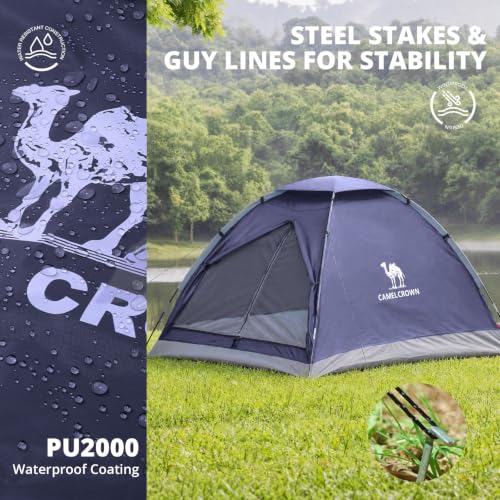
CAMEL CROWN 2-Person Dome Tent
Strengths
- Lightweight
- Spacious dome design
- Quick setup
Trade-offs
- Limited weather resilience
- Flimsy stakes
- Not true 4-season
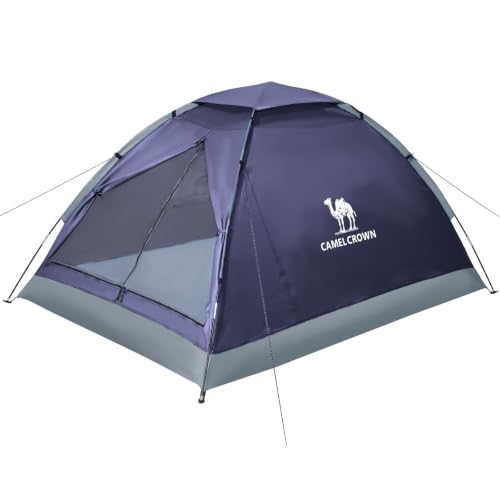
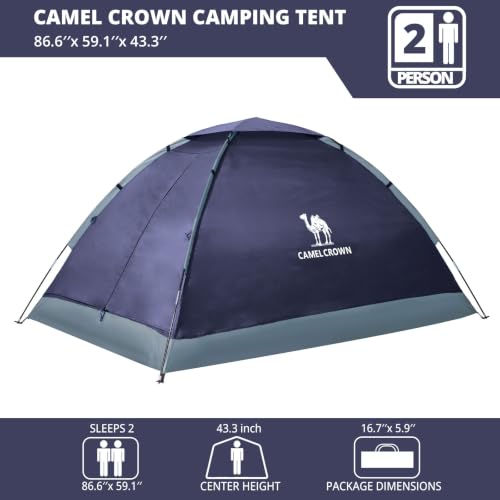
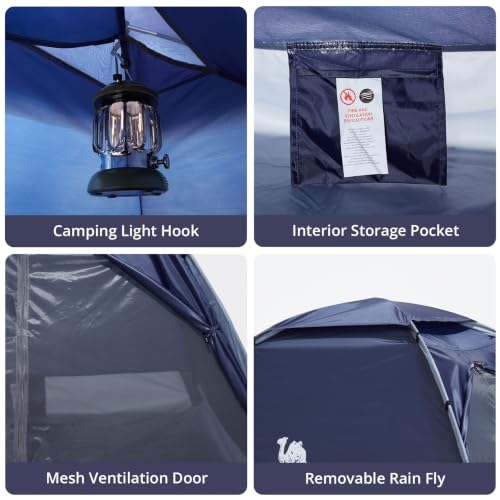
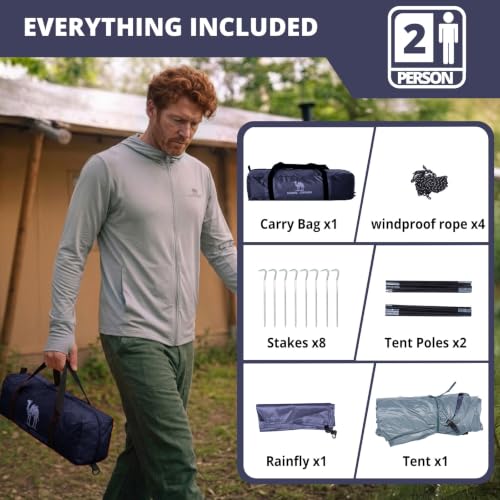
On paper, this tent looks like a solid contender for backpackers who want something lightweight and roomy without breaking the bank. At 2.5 lbs, it’s impressively light for a 2-person model, and the dome shape does give you decent headroom. Owners consistently report that setup is quick, and the included stakes help secure it in mild conditions.
The claimed 4-season use raises an eyebrow though. While the waterproofing holds up in light storms, real-world feedback suggests it’s best treated as a 3-season tent, wind resistance is average, and the poles aren’t robust enough for heavy snow or sustained high winds. Still, for fair-weather hiking or car camping, it covers the basics well.
Product photos

Night Cat 1-Person Pop-Up Tent

Strengths
- Ultra-lightweight
- Compact pack size
- Quick setup
Trade-offs
- Tight fit for tall users
- No built-in porch poles
- Limited interior space
At just 1.5 kg, this is one of the lightest pop-up options here, ideal if you’re trying to shave every ounce from your pack. The 3-second setup is reliable, and the smaller packed size makes it easy to sling into a backpack or even a large daybag. For solo hikers or bikepackers, that kind of convenience matters.
It’s not the most spacious at 7.7 feet long, but it fits a twin air mattress and leaves room for gear. The 2000mm waterproofing is adequate for most conditions, and the porch option with trekking poles adds versatility. Compared to the 2-person Night Cat pop-up, this one trades space for portability, my pick if you’re truly going light.
Product photos

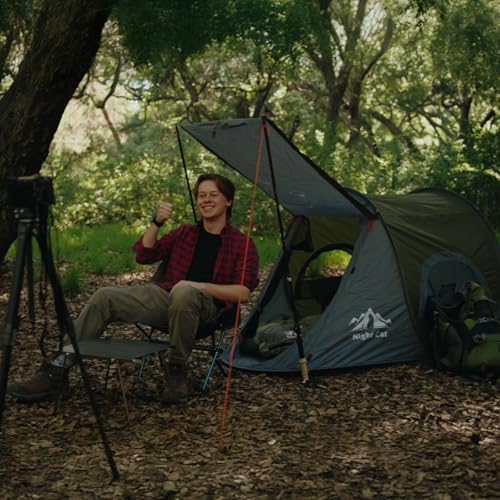
Night Cat 1-2 Person Backpacking Tent

Strengths
- Excellent waterproofing
- Hand-protected poles
- Quick setup
Trade-offs
- Heavier than ultralight tents
- Basic ventilation
- Single-wall design
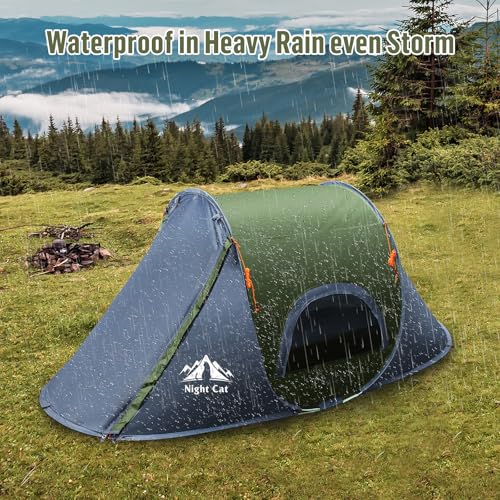
At 4.4 lbs, this isn’t the lightest solo tent, but for the price, it offers surprising durability. The 3000mm waterproof coating is a standout, stronger than many tents in this range, and the taped seams add real rain protection. Owners appreciate the hand-protected fiberglass poles, which reduce the risk of splinters during setup, a small but smart detail.
It’s basic, with a single mesh door and roof vent, but airflow is decent for a single-wall design. Setup takes 1–2 minutes with pre-attached poles. Compared to pricier ultralight models, this one is heavier but far more budget-friendly. If you’re outfitting a scout group or just starting out, it’s a no-brainer.
Product photos


JELUCAMP 1/2 Person Dome Tent

Strengths
- Superior ventilation
- Double-layer doors
- Durable waterproofing
Trade-offs
- Heavier than expected
- Fiberglass poles
- Basic design
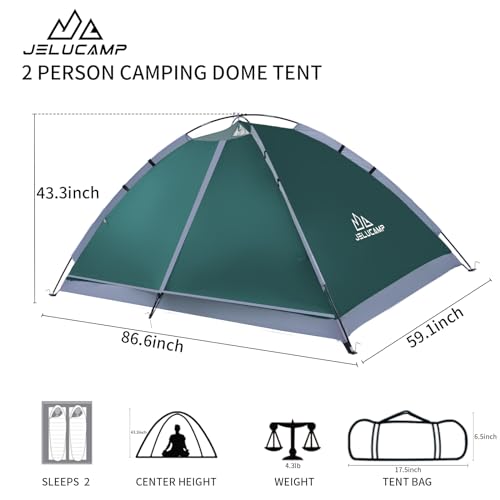
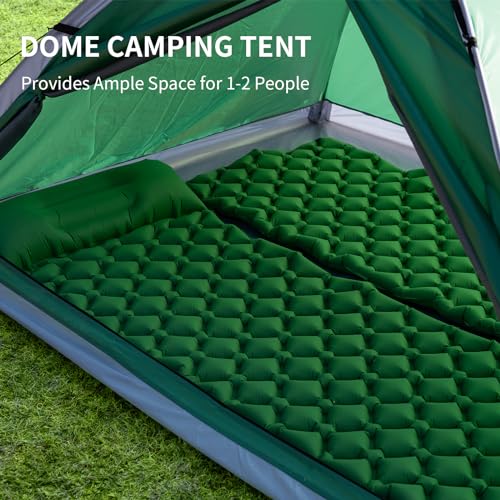
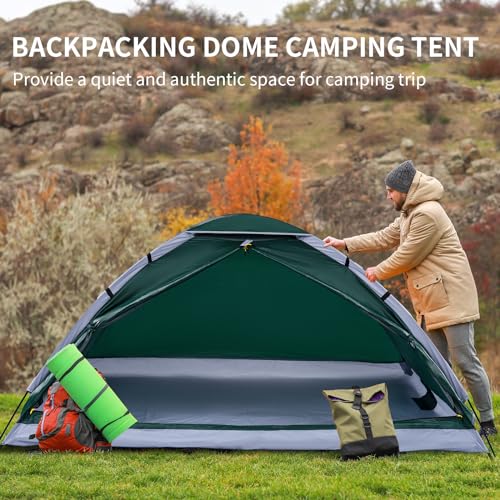
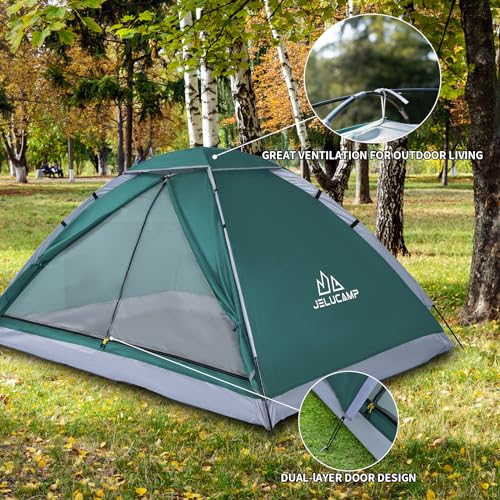
Ventilation is where this JELUCAMP tent shines. The double-layer door with mesh and outer fabric gives you full control over airflow while keeping bugs out, a feature often missing in budget tents. Owners consistently praise how well it breathes, even on warm, humid nights when condensation usually becomes a problem.
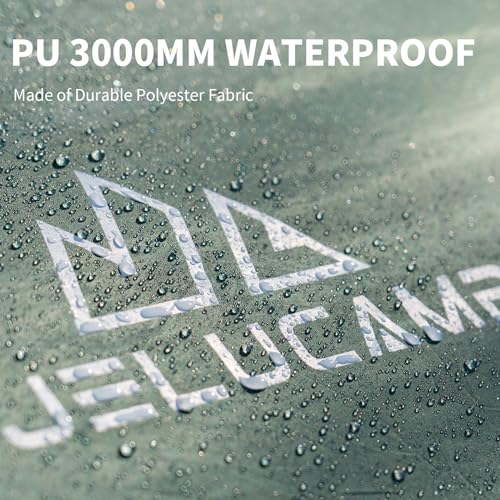
At 4.3 lbs, it’s not ultralight, but the 7.9mm fiberglass poles add sturdiness, and the PU3000 coating means it handles rain well. Setup is straightforward, and the included bag makes packing easier. Compared to the Night Cat single-person model, this one offers better airflow and a roomier feel, though it’s slightly heavier.
Product photos
Forceatt 2-Person Aluminum Pole Tent

Strengths
- High waterproof rating
- Aluminum poles
- Excellent ventilation
Trade-offs
- Heavier than ultralight options
- Slightly bulkier pack size
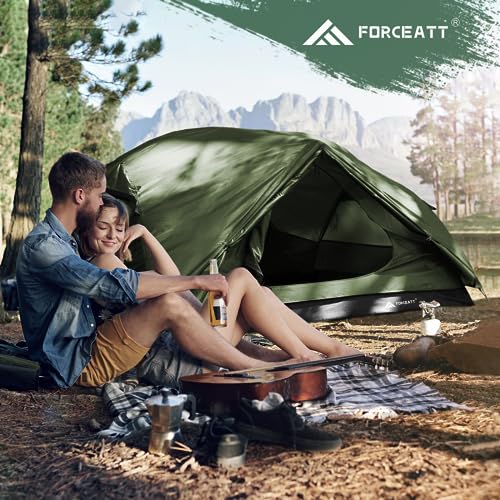
If you’re serious about all-season performance, this Forceatt tent stands out with its 3000mm waterproof rating and welded floor design, two specs that matter when rain turns into a downpour. The 7001-series aluminum poles are a big upgrade over fiberglass, giving it better stability in wind, and owners praise how well it handles shoulder-season storms.
The dual D-shaped doors and vestibules are a standout for gear storage and ventilation, especially when paired with the ceiling vents and micro-mesh panels. It’s not the lightest at 5.5 lbs, but that’s the trade-off for durability. Compared to the CAMEL CROWN, this one feels built for real trail conditions, not just fair-weather hikes.
Product photos


Night Cat 2-Person Pop-Up Tent
Strengths
- Instant setup
- Compact packed size
- Spacious interior
Trade-offs
- Fiberglass poles less durable
- Condensation in humidity
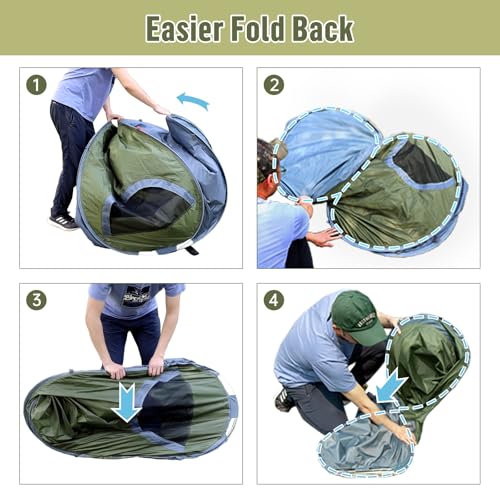
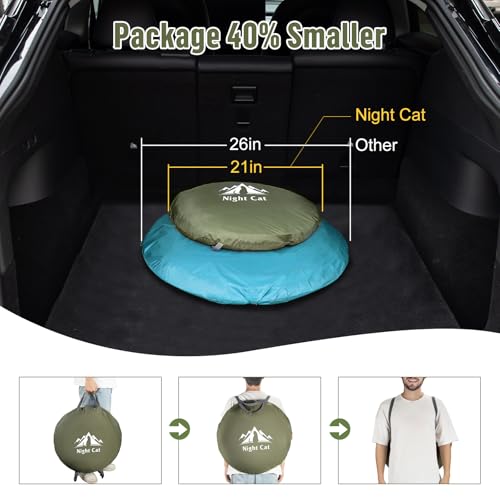
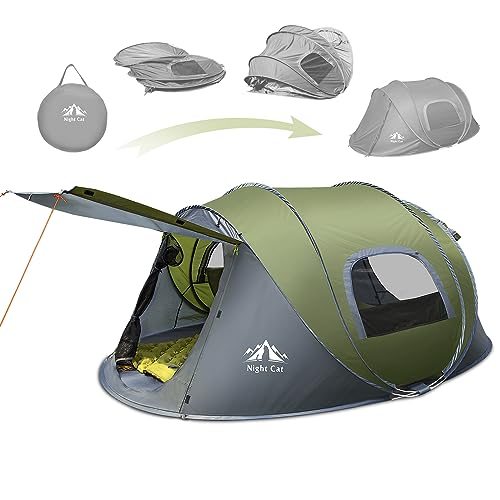
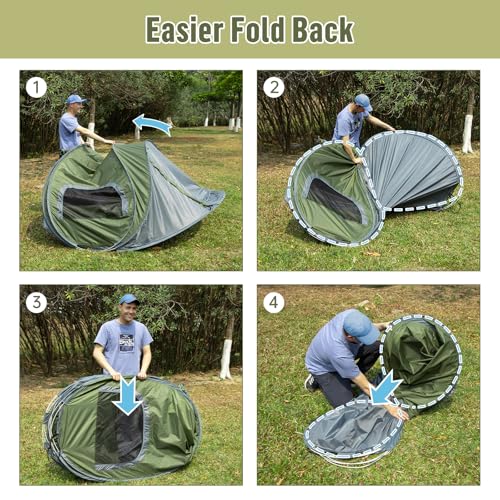
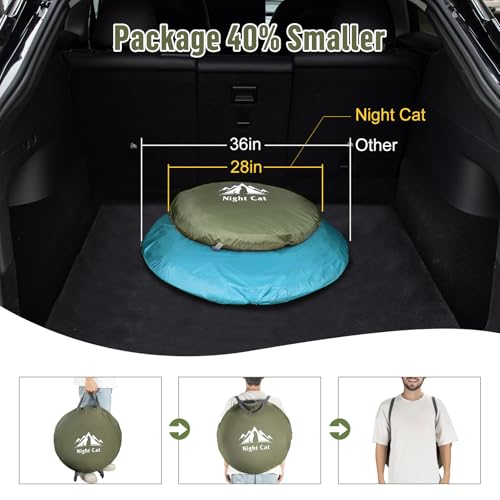
If setup speed is your top concern, this Night Cat model delivers. The instant pop-up mechanism works in about 3 seconds, just toss it and spread the poles. That’s a real advantage when you’re arriving at camp tired or in the dark. And unlike older pop-up designs, the fold-back method is improved, shrinking the packed size by 40%.
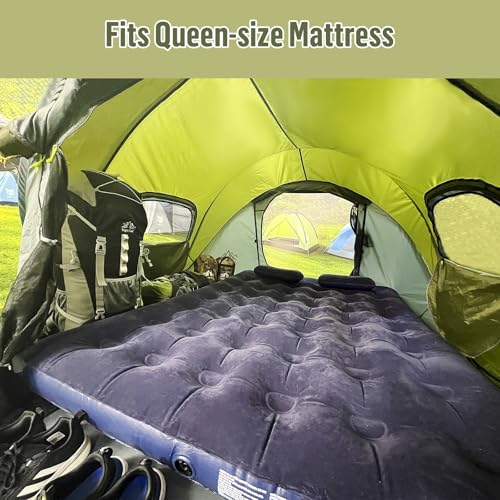
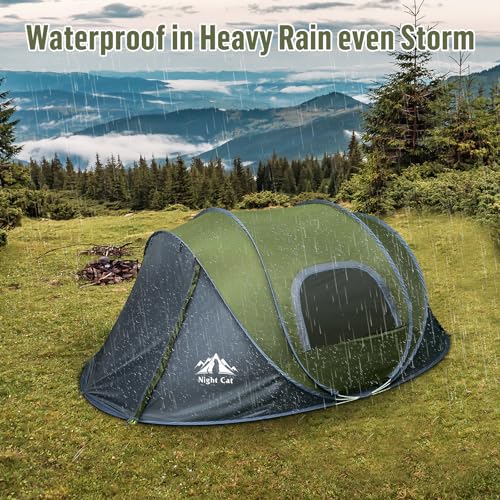
It’s roomy for two, fitting a queen air mattress with gear space to spare, and the 2000mm PU coating keeps you dry in most rain. Ventilation is solid with two doors and windows, though condensation can build up in humid conditions. Compared to the Forceatt, it’s easier to pitch but less durable in high winds. Still, for car camping or festivals, it’s hard to beat the convenience.
Product photos
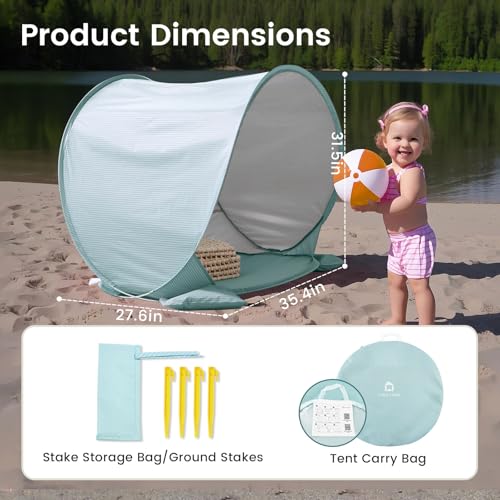
Tiny Land Baby Beach Pop-Up Tent

Strengths
- Instant pop-up
- Sand pockets for stability
- Compact and portable
Trade-offs
- Not for weather protection
- No floor
- Limited space
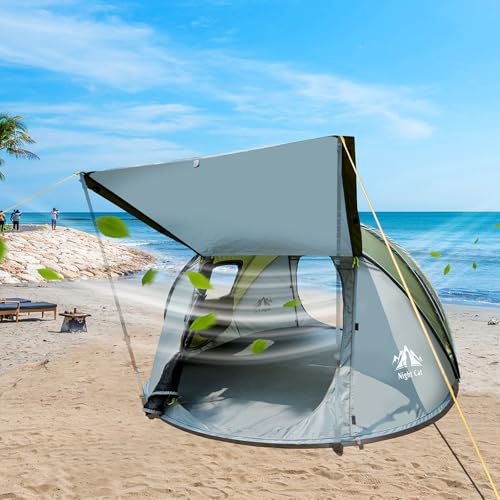
This isn’t a hiking tent, but for protecting infants at the beach, it hits the essentials. The pop-up design works instantly, which is a godsend when you’re juggling baby gear and sunscreen. What I like most is the three built-in sand pockets, owners say they make a huge difference in keeping the tent anchored on breezy days, far better than flimsy stakes alone.
It’s not waterproof or meant for sleeping, but it doesn’t need to be. The rear zippered window adds ventilation control, and the fabric offers solid sun shade. For quick park trips or beach naps, it’s a practical, no-fuss shelter. Compared to larger family beach tents, this one is simpler but more focused on infant comfort.
Product photos

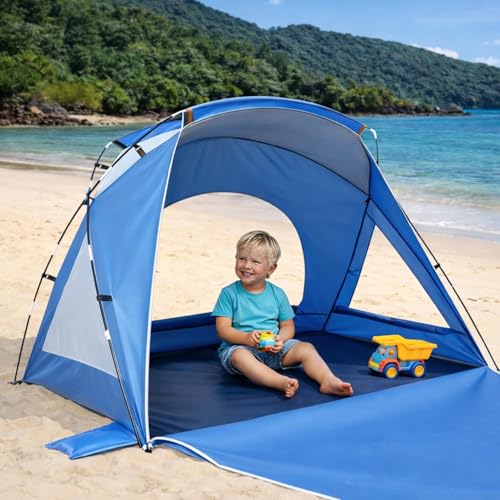
Beach Tent with UPF 50+ Protection
Strengths
- UPF 50+ silver coating
- Excellent ventilation
- Stable crossed-pole frame
Trade-offs
- Bulkier when packed
- Not freestanding without stakes
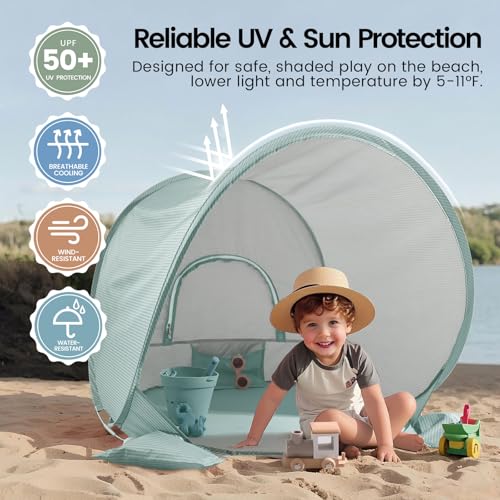
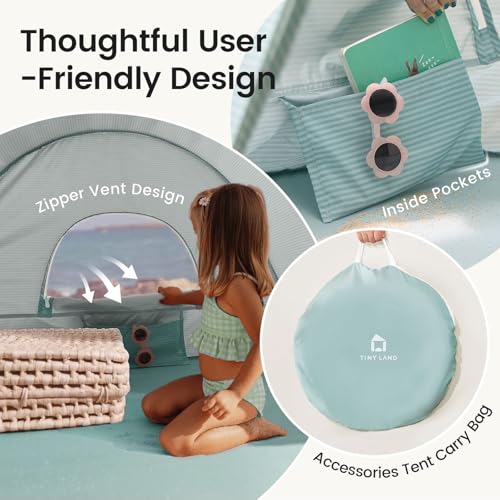
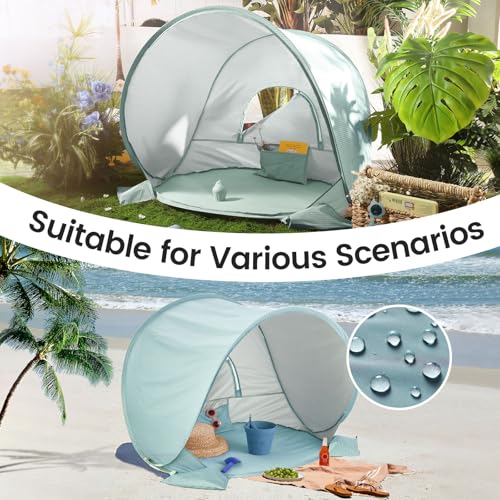
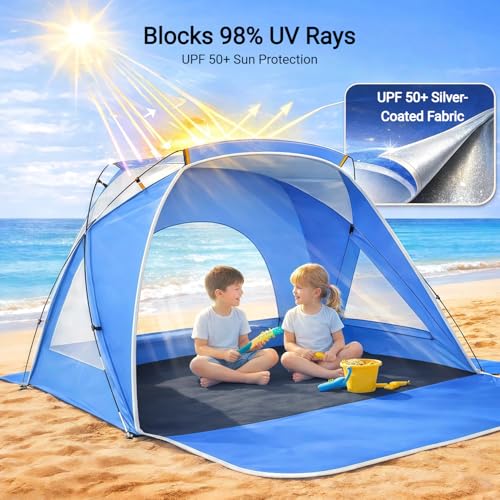
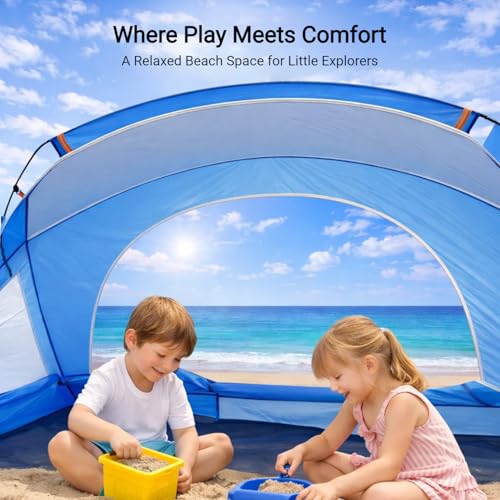
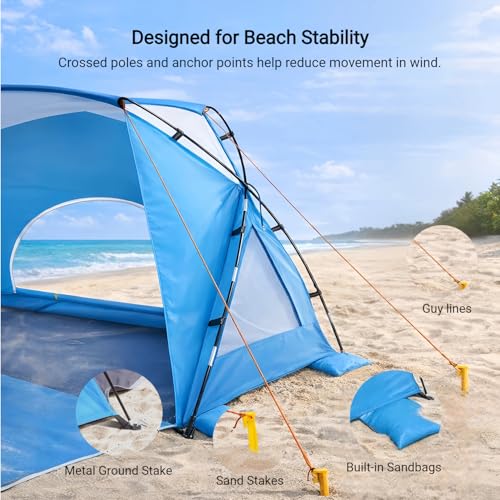
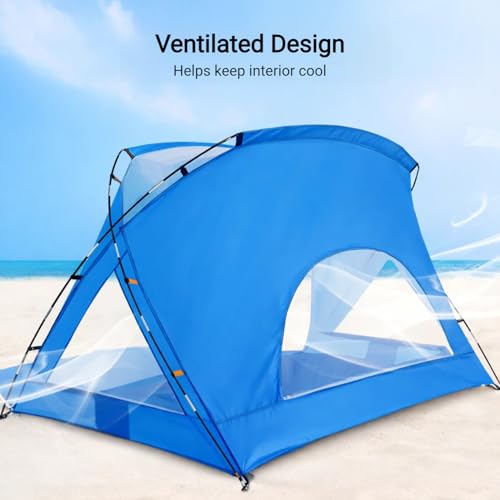
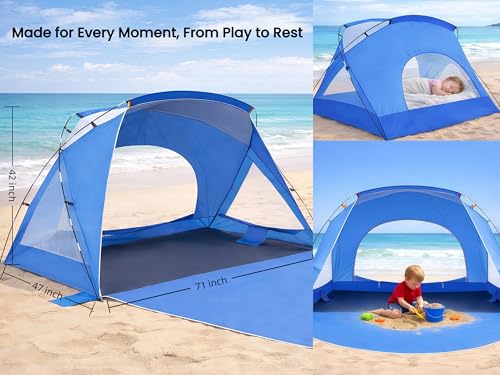
When UV protection is the top priority, this beach shelter stands out with its silver-coated UPF 50+ fabric, blocking up to 98% of UV rays is no small feat. The cross-pole design gives it better headroom than most pop-up models, and the large mesh panels keep airflow strong even on hot days.
Owners consistently note how stable it feels with the included sand and grass stakes, and the water-resistant floor handles light splashes or damp sand. It’s not a tent for sleeping, but as a daytime family shade zone, it outperforms many competitors. Compared to the Tiny Land model, this is the better choice if you’re with multiple kids or want space to lounge.
Product photos
How We Evaluated small tents
My approach to evaluating small tents centered on a detailed comparison of published specifications and features, combined with careful consideration of owner reviews and insights from reputable outdoor gear experts. Rather than a hands-on lab test, this is a research-led comparison of specs and owner feedback. I weighed the information to identify tents that consistently performed well across a range of criteria, focusing on those that best balance portability, weather protection, and ease of use.
For small tents, weight and pack size are paramount, alongside reliable weather protection. I gave significant weight to waterproof ratings (PU coating in mm) and tent weight, as these directly impact usability on backpacking trips or when space is limited. Equally important was assessing user reports regarding real-world performance in wet conditions – how well the tents actually hold up to rain, and how easy they are to pitch and pack away. A reliable lightweight pup tent needs to balance these demands.
Specifications reliably indicate a tent’s potential for weather resistance and its basic dimensions. However, owner feedback proved invaluable for understanding real-world durability, ventilation effectiveness, and the accuracy of advertised features. I looked for patterns in reviews – recurring complaints about condensation, pole failures, or difficult setup – to identify potential weaknesses. Reputation among experienced campers also played a role, informing my assessment of overall quality and value.
Choosing The Right small tents
Picking the right small tent can feel overwhelming, but focusing on a few key areas will quickly narrow down your choices.
A good small tent balances weight, weather protection, and livability. Prioritize waterproof ratings (at least 2000mm for the rainfly), durable materials like polyester or nylon taffeta, and a design that suits your intended use – backpacking demands a lighter weight than car camping, for example. Check seam sealing and pole strength too; these details often separate a reliable tent from a disappointing one.
Size and Occupancy
Don’t automatically assume a “2-person” tent comfortably fits two adults. Manufacturers often overestimate capacity. I’ve found that for true comfort, especially on longer trips, size up. A 2-person tent is often ideal for one person and gear, or a cozy fit for a couple who don’t mind close quarters. Consider your sleeping arrangements as well. If you use bulky sleeping bags or prefer extra space to move, a larger tent is a must.
Waterproofing and Materials
Waterproofing is where corners are frequently cut, so pay close attention. Look for a rainfly with a PU (polyurethane) coating of at least 2000mm, and ideally 3000mm or higher for reliable protection in heavier rain. The floor should also be waterproof, often with a higher PU coating. Beyond the numbers, check if the seams are sealed – taped seams prevent water from leaking through the stitching. Polyester is generally more UV-resistant and affordable, while nylon offers a better strength-to-weight ratio, making it popular for lightweight one-person backpacking tents.
Setup and Portability
Ease of setup can be a major factor, especially if you’re new to camping or anticipate arriving at your campsite after dark. Some tents, like pop-ups, offer incredibly quick instant setup tents – though they often compromise on weight and durability. Here’s what to consider:
- Pole Design: Simple sleeve designs are generally more durable, while clip-on systems are faster to set up.
- Weight: For backpacking, every ounce counts. Look for tents under 3 pounds if possible.
- Packed Size: A compact packed size is crucial for fitting the tent into your backpack or car.
A tent should be easy to pitch, even in less-than-ideal conditions. If it takes more than 10 minutes to set up, or the instructions are confusing, it’s probably not the right tent for you.
Small Tents Compared
Here’s a comparison of specifications for several small tents to help you choose the right one for your needs.
| Product Name | Capacity | Weight (lbs) | Waterproof (mm) | Setup Time | Pole Material |
|---|---|---|---|---|---|
| CAMEL CROWN 2-Person Dome Tent | 2 | 2.5 | N/A | Quick | N/A |
| Night Cat 1-Person Pop-Up Tent | 1 | 1.5 | 2000 | 3 sec | Fiberglass |
| Night Cat 1-2 Person Backpacking Tent | 1-2 | 4.4 | 3000 | 1-2 min | Fiberglass |
| JELUCAMP 1/2 Person Dome Tent | 1/2 | 4.3 | 3000 | Few min | Fiberglass |
| Forceatt 2-Person Aluminum Pole Tent | 2 | 5.5 | 3000 | 3 min | Aluminum |
| Night Cat 2-Person Pop-Up Tent | 2-4 | 3.0 | 2000 | 3 sec | Fiberglass |
| Tiny Land Baby Beach Pop-Up Tent | N/A | N/A | N/A | Instant | N/A |
| Beach Tent with UPF 50+ Protection | N/A | N/A | N/A | Quick | Fiberglass |
Frequently Asked Questions
What waterproof rating is truly sufficient for a small tent?
A rating of 2000mm is a minimum for adequate protection, but 3000mm or higher is preferable, especially if you anticipate consistently wet conditions or plan to camp at higher elevations. Remember that the quality of seam sealing is just as important as the PU coating number.
Are pop-up tents durable enough for regular use?
While incredibly convenient, pop-up tents generally sacrifice durability for speed and ease of setup. They often use less robust poles (typically fiberglass) and thinner fabrics, making them less suitable for harsh weather or frequent backpacking trips.
How does pole material affect a small tent’s performance?
Aluminum poles offer the best strength-to-weight ratio and are more durable than fiberglass, but they come at a higher cost. Fiberglass poles are more affordable and suitable for casual camping, but are heavier and more prone to breakage.
What’s the best way to prevent condensation inside my tent?
Good ventilation is key. Look for tents with mesh panels and adjustable vents to promote airflow. Also, avoid blocking vents with gear and consider using a footprint to minimize ground moisture. Check out compact solo camping tents for options with good airflow.
Is a footprint necessary for a small tent?
A footprint isn’t strictly required, but I recommend it. It adds a layer of protection to the tent floor, extending its lifespan and providing extra waterproofing against abrasion and punctures. It’s a small investment that can save you from costly repairs or replacements.
The Bottom Line
Buying a small tent often comes down to balancing how much you’re willing to carry against how much space and weather protection you require. For the best all-around performance, I recommend the Forceatt 2-Person Aluminum Pole Tent. It offers a good blend of durability, weather resistance, and a manageable weight, making it suitable for a wide range of camping trips.
If budget is your primary concern, the CAMEL CROWN 2-Person Dome Tent is a solid choice. For those prioritizing instant setup and ease of use, the Night Cat 2-Person Pop-Up Tent delivers on convenience, though you’ll sacrifice some weight and potentially some weather protection. Remember, a little research into how to select a tent goes a long way.
Ultimately, the specifications are less important than understanding your own needs. Focus on waterproof ratings, durable materials, and a design that fits your typical camping style. Don’t get caught up in chasing the lightest weight if you primarily car camp, or skimp on waterproofing if you frequently encounter unpredictable weather.
