
8 Best Starter Tents for 2026
This post contains affiliate links. As an Amazon Associate, we earn from qualifying purchases.
The best starter tent for most people is the 4 Person Instant Cabin Tent, it sets up fast, handles rain well, and has room to breathe. If you’re watching your budget, the OLIXIS 2 Person Dome Tent delivers solid performance without the frills. For backpackers, the Night Cat 1-2 Person Backpacking Tent strikes a smart balance of weight, weather protection, and ease of use.
Buying your first tent shouldn’t mean guessing what’ll survive a surprise downpour or wrestling with poles after a long hike. Too many beginners get stuck with gear that’s flimsy, confusing, or just too small. I’ve looked closely at the most popular starter tents, comparing specs and real user experiences to find the ones that actually make camping easier, not harder.
This guide cuts through the noise, focusing on what matters most: setup speed, weather resistance, and value. These picks are based on consistent feedback, build quality, and practical features that make a real difference when you’re new to the game.
Top 8 Starter Tents in the Market
The Best Starter Tents, Reviewed
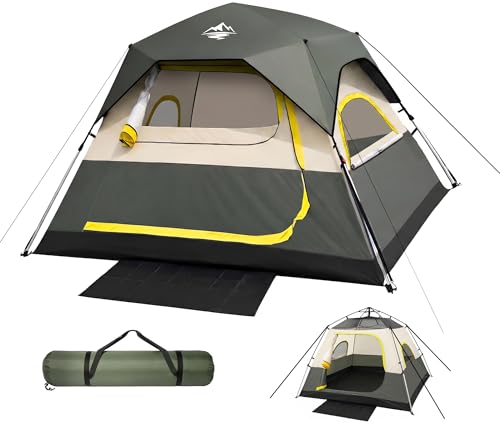
4 Person Instant Cabin Tent
Strengths
- Ultra-fast setup
- Spacious interior
- Hybrid pole strength
Trade-offs
- Heavier than dome tents
- Bulkier pack size
- Aluminum sections can bend
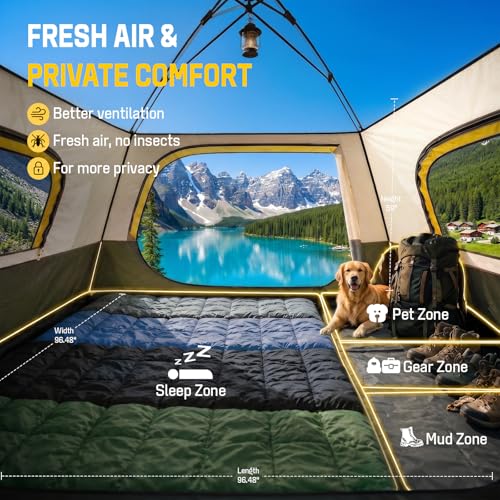
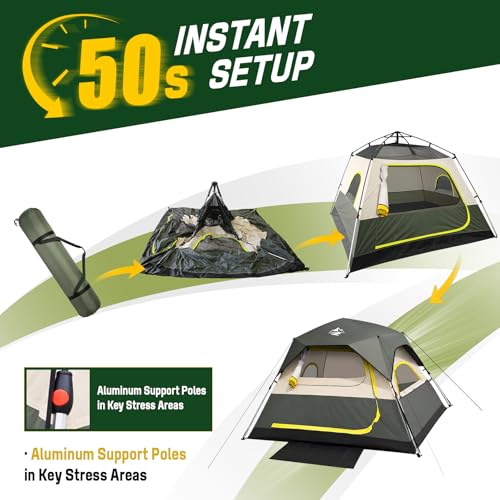
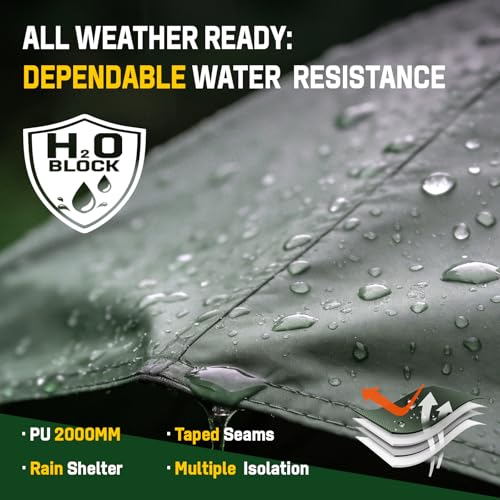
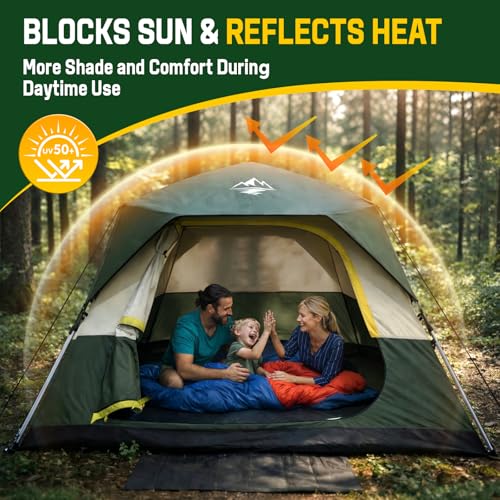
This is the tent that makes camping look effortless. The 50-second pop-up mechanism works as advertised, no pole threading, no confusion. Just flip it out, stake it down, and you’re done. The nearly square footprint (8×8 feet) and hybrid aluminum-fiberglass poles offer surprising stability, and the 59-inch height lets most people move around comfortably.
Owners love how simple it is for families with kids. The double mesh ceiling and windows cut down on condensation, and the ability to remove the rainfly for stargazing is a nice touch. It’s not the lightest at 13.4 lbs, but that’s expected for an instant cabin. Compared to others in this class, it strikes the best balance between speed, space, and weather protection. My recommendation? This is the easiest all-rounder for first-time campers.
Product photos

Amazon Basics 2-Person Dome Tent

Strengths
- Affordable price
- Simple setup
- Compact carry bag
Trade-offs
- Basic waterproofing
- Low center height
- Fiberglass poles
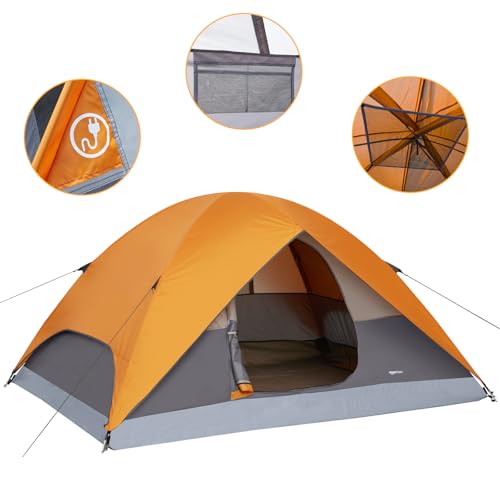
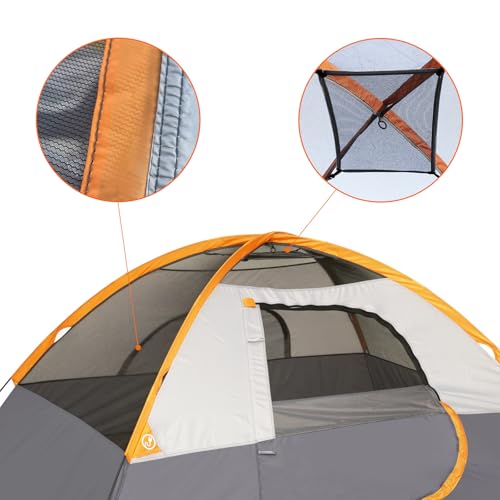
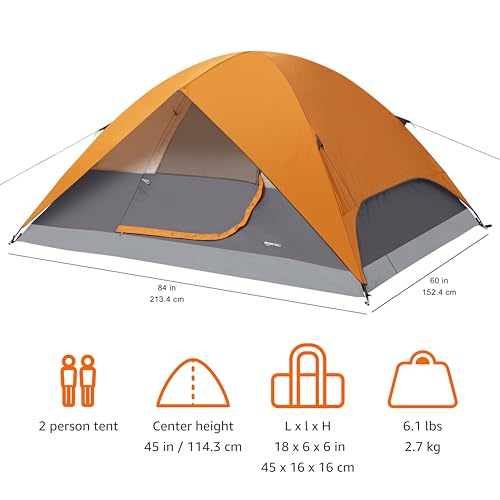
You don’t buy Amazon Basics for luxury, you buy it for function at a low cost. This two-person dome tent delivers exactly that. For under 5 feet tall and weighing just over 5 lbs, it’s manageable for backpacking, and the snag-free pole sleeves make setup under 4 minutes achievable, even for beginners. The welded seams and water-resistant coating keep moisture out in drizzle, though heavy rain will test its limits.
The interior pocket is a small but appreciated touch, and the removable rainfly lets you adjust for ventilation. It won’t last a decade of hard use, but for occasional campers, it’s perfectly adequate. Compared to pricier models, it lacks advanced ventilation or stormworthy geometry, but for the budget-conscious, it’s the smarter buy.
Product photos

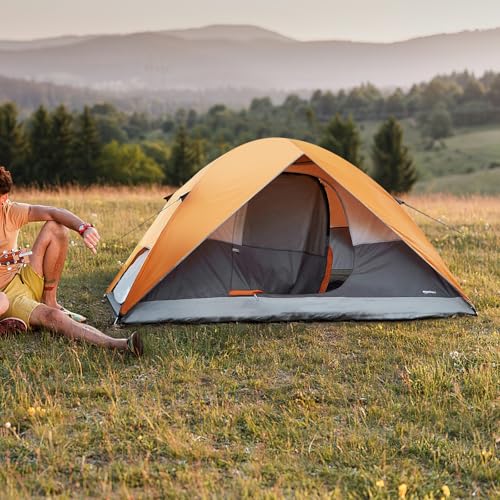
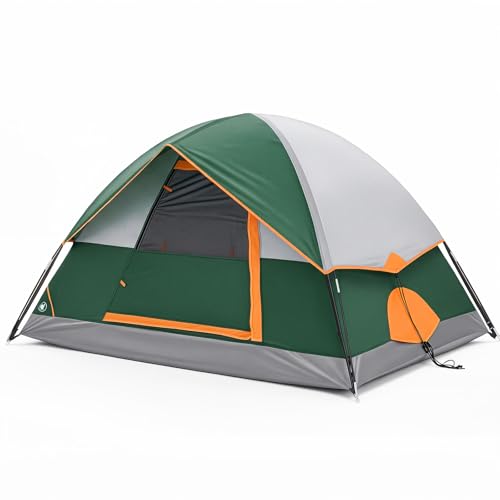
OLIXIS 2 Person Dome Tent
Strengths
- Excellent airflow
- Quick setup
- Lightweight for dome
Trade-offs
- Not for extreme weather
- PE floor less durable
- Limited headroom
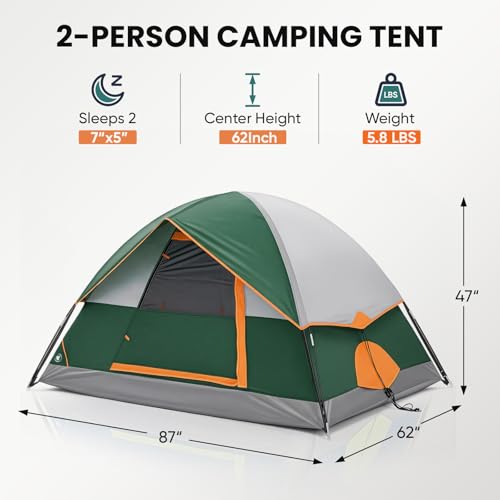
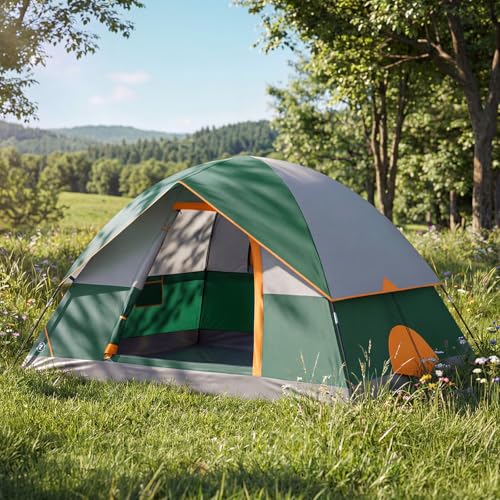
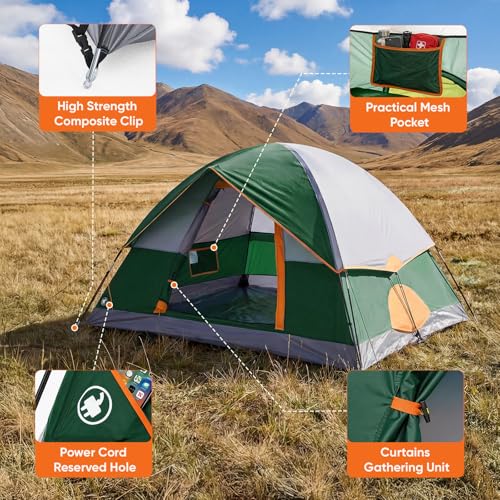
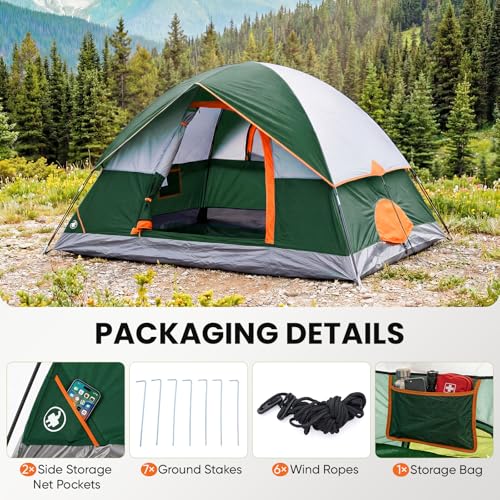
This dome tent stands out for its ventilation strategy, dual skylights, side windows, and a ground vent aren’t common in budget two-person models. On paper, that means less condensation and more airflow, which owners confirm in summer conditions. The 5.8-pound weight keeps it manageable for car campers, and the 3–5 minute setup is realistic with the color-coded poles and simple frame.
It’s not ultralight or built for alpine terrain, but for weekend trips and beginner campers, it delivers. The fiberglass poles and PE floor are standard for this class, and the waterproof coating holds up in light rain. Where it beats others is in thoughtful design: the mesh layout improves comfort without adding weight. I’d pick this over heavier, stuffier models for warm-weather trips.
Product photos

Wakeman 2 Person Pop Up Tent
Strengths
- Very lightweight
- Compact pack size
- Simple setup
Trade-offs
- Low headroom
- Narrow interior
- Basic materials
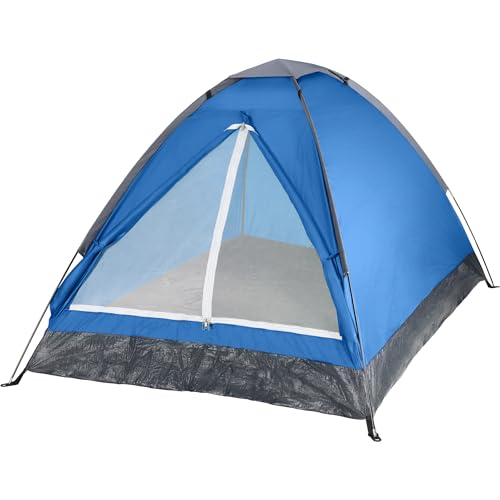
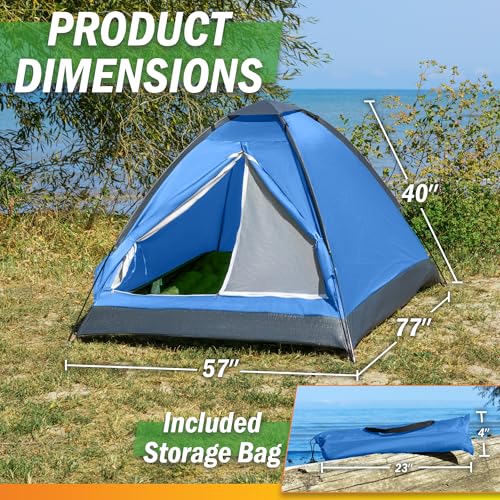
At 2.75 lbs, this is one of the lightest pop-up options for two people, making it a natural fit for backpackers watching their pack weight. The fiberglass poles keep costs down, and the removable rainfly adds versatility, use it in storms, leave it off for stargazing. The dual-layer door works well, combining mesh for airflow with a zippered outer for privacy and weather protection.
But light weight comes with trade-offs. The 40-inch peak height means no one’s standing up inside, and the narrow floor (57 inches) feels tight for two adults. Owners report it holds up in light rain but struggles in sustained downpours. Still, for fair-weather hikes, festivals, or beach trips, it’s a solid, no-frills shelter. I’d recommend it as a secondary or starter tent, not a primary backcountry shelter.
Product photos
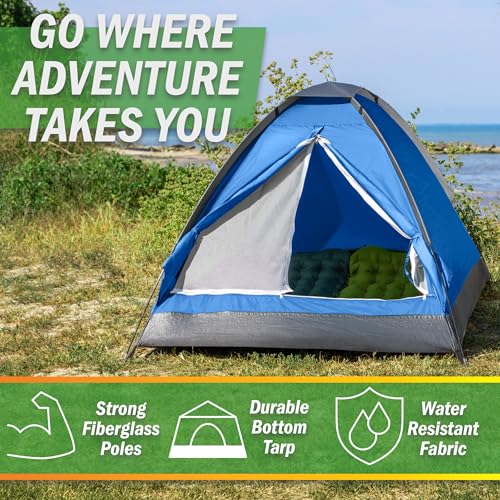
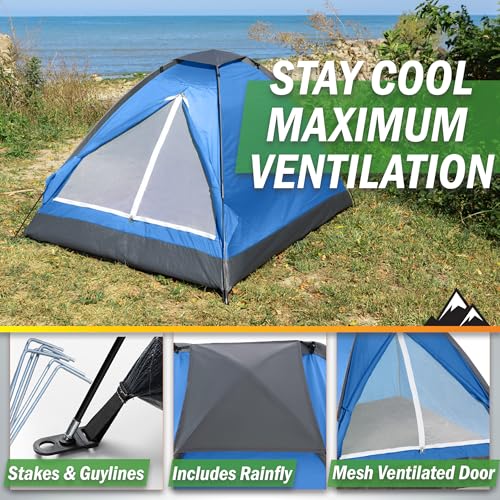
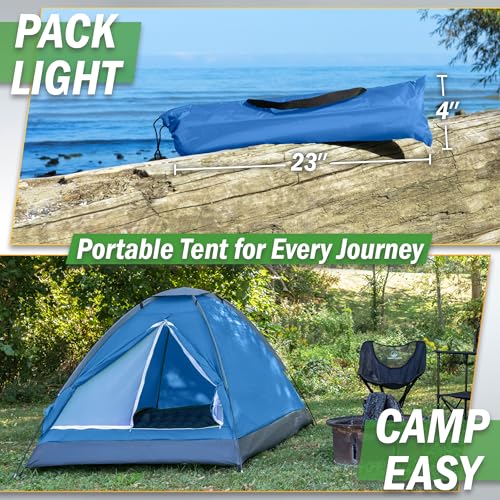

Purebox 4 Person Pop Up Tent
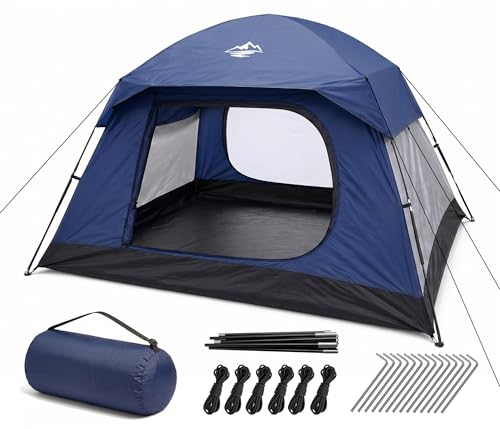
Strengths
- Extra-long floor
- Lightweight for size
- Dual entry doors
Trade-offs
- No aluminum poles
- Mesh could be larger
- Rainfly coverage limited
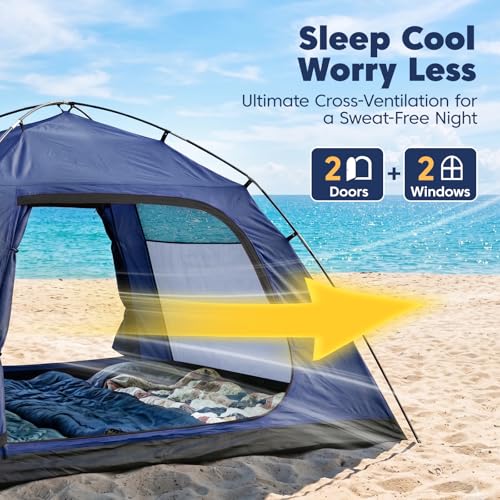
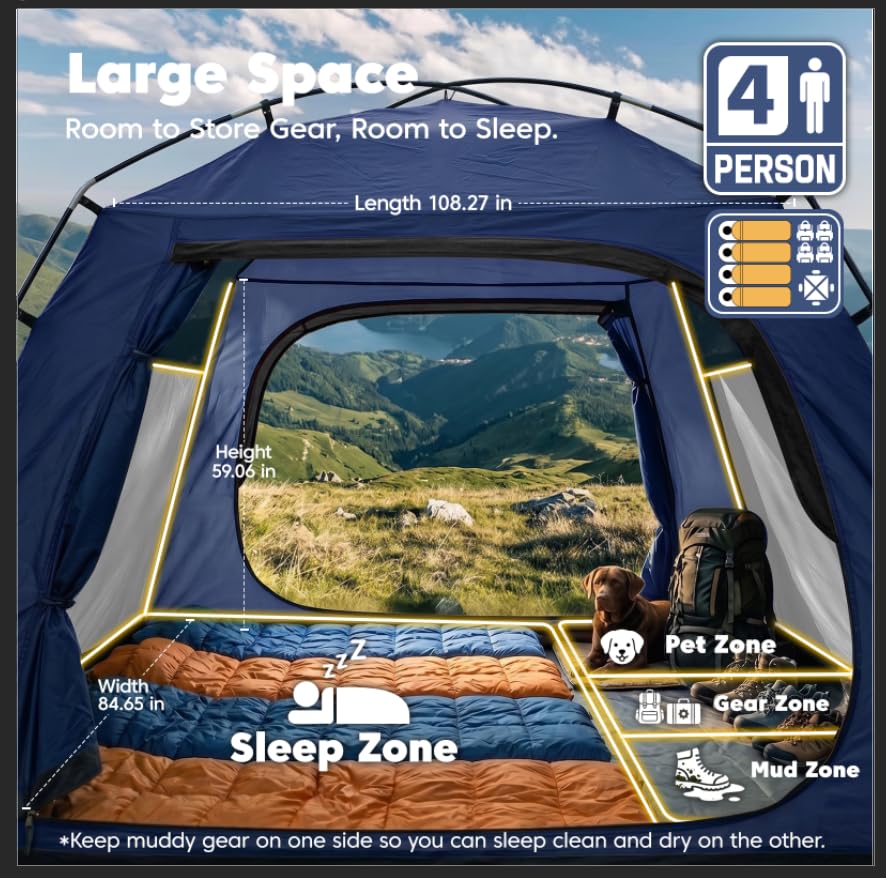
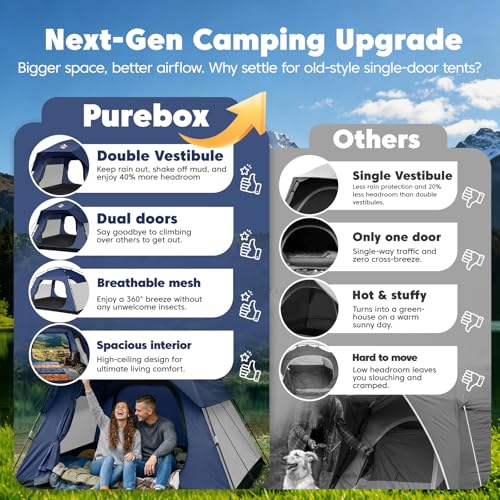
What sets this tent apart is the extended floor, 23 inches longer than standard 4-person models. That extra length makes a real difference when you’re trying to fit tall campers or gear inside. The pop-up design isn’t quite as instant as the others, but with sleeve-style poles and two people, setup takes under 5 minutes. The dual doors are a major quality-of-life upgrade, reducing bottlenecks and improving airflow.
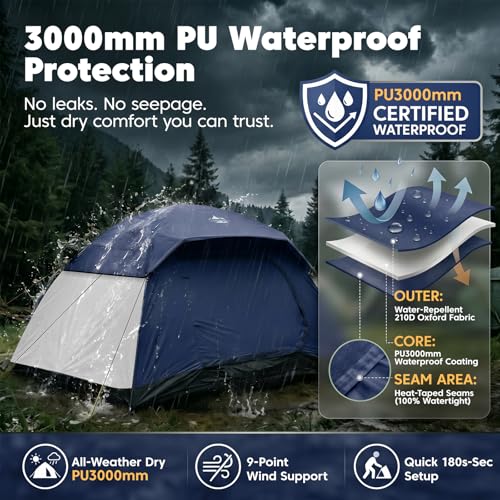
At just 6 lbs and packing down small, it’s one of the more portable cabin-style tents out there. Owners praise its performance in wind, thanks to the sturdy fiberglass frame and multiple guylines. The waterproof rating isn’t specified, but PU-coated fabric and taped seams suggest decent rain protection. For car campers who want space without the weight, this is a strong contender.
Product photos
Portal 6 Person Family Tent

Strengths
- Spacious interior
- Large screen porch
- High center height
Trade-offs
- Heavy and bulky
- Needs two people for setup
- Less wind stability than dome
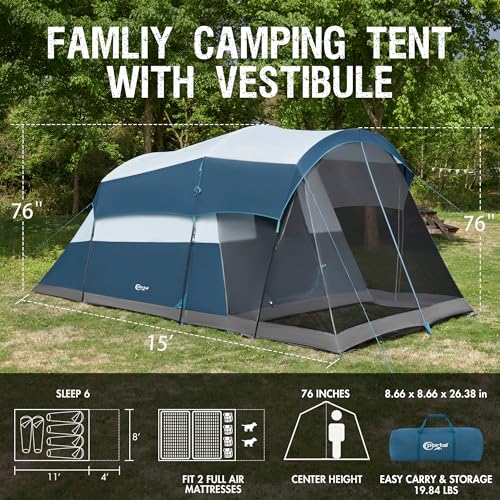
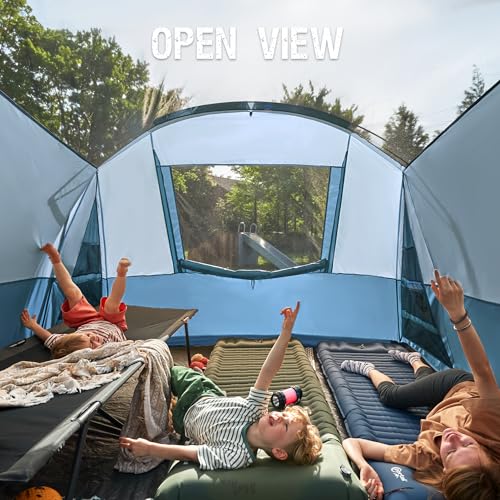
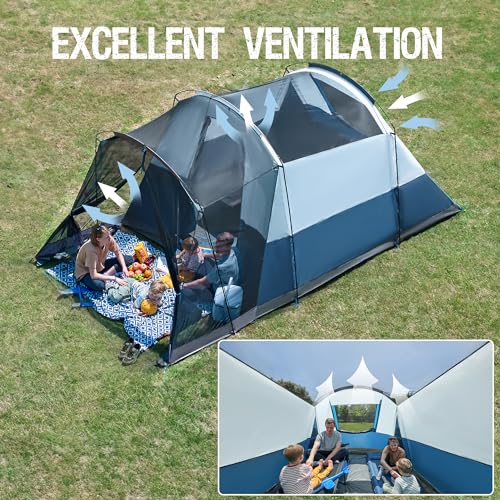
If you’re looking for a spacious, livable tent that turns your campsite into a semi-permanent base camp, this Portal 6-person model stands out on paper. The 76-inch center height means most adults can walk around without ducking, and the footprint, 15 by 8 feet, is genuinely roomy, easily fitting two full-size air mattresses. That’s rare in this category. The screen porch is a big win for family camping, giving kids and adults a dry, bug-free zone to hang out in when the weather’s iffy.
Owners consistently report solid performance in light rain and breezy conditions, thanks to the tunnel design and full-coverage rainfly. The color-coded poles help speed up setup, though two people are still needed for best results. That said, tunnel tents like this are inherently less stable than domes in high winds if not properly staked. Still, for weekenders and car campers who value space and comfort, this ticks most boxes.
Product photos


Night Cat 1-2 Person Backpacking Tent

Strengths
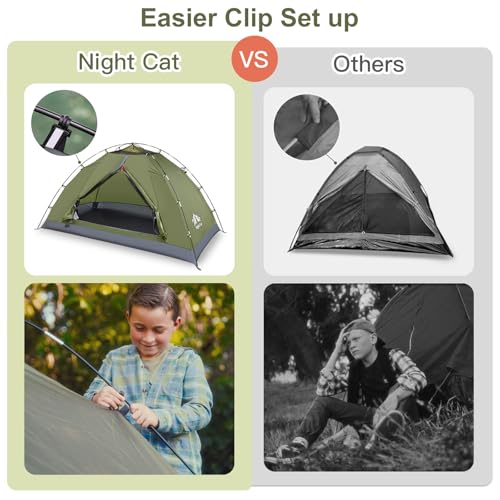
- Fast clip setup
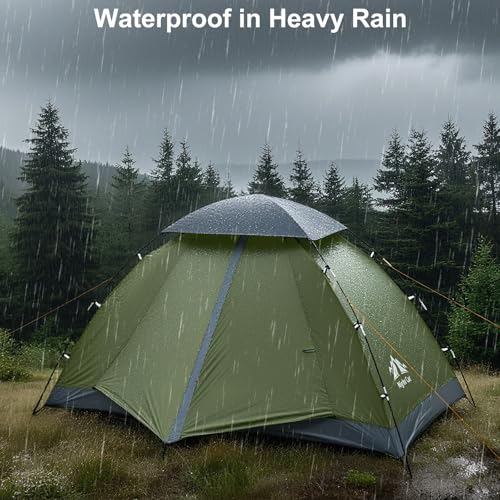
- Rainproof fabric
- Lightweight build
Trade-offs
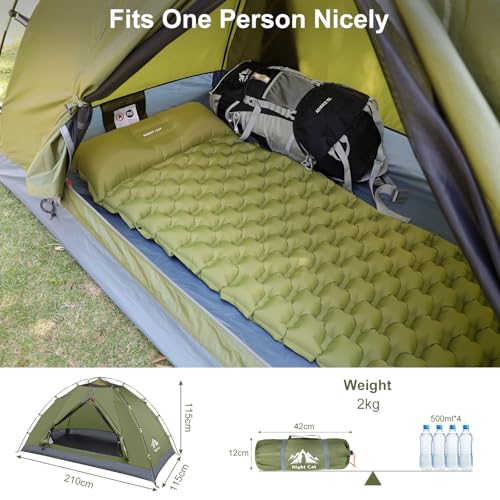
- Tight for two adults
- Limited headroom
- Fiberglass poles less durable
At 4.4 lbs, this isn’t the lightest solo tent out there, but the clip-style pole attachment makes setup a one-minute job, faster than most dome tents. That ease of use matters when you’re tired at dusk on a backcountry trail. The 210T polyester with PU 3000 coating signals strong rain resistance, and owners report staying dry even during sustained downpours. The taped seams and oxford floor add durability, which is rare at this price point.
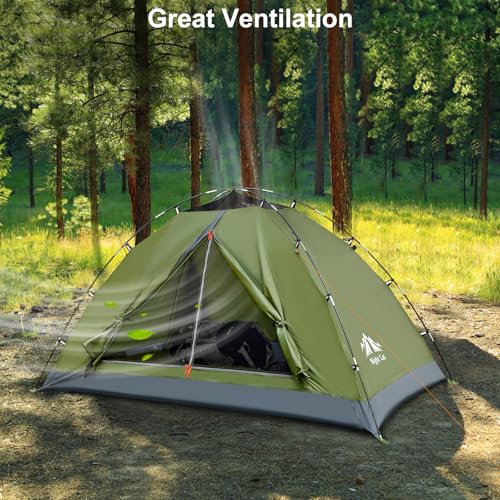
Ventilation is decent thanks to the mesh ceiling and door, though condensation can build in humid conditions. The vestibule is small but functional for shoes or a pack. While it’s marketed as a 2-person, it’s really a stretch for two adults, better as a roomy solo shelter. For hikers who want reliability and quick pitch without breaking the bank, this is a smart pick.
Product photos

MEKKAPRO Emergency Survival Tent

Strengths
- Ultra lightweight
- Compact size
- Thermal insulation
Trade-offs
- No ventilation
- Not reusable long-term
- No standing room
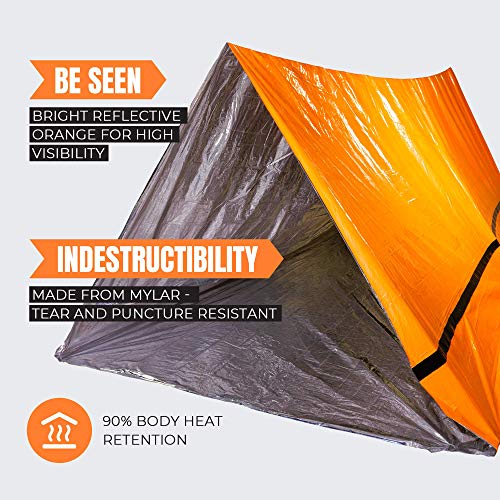
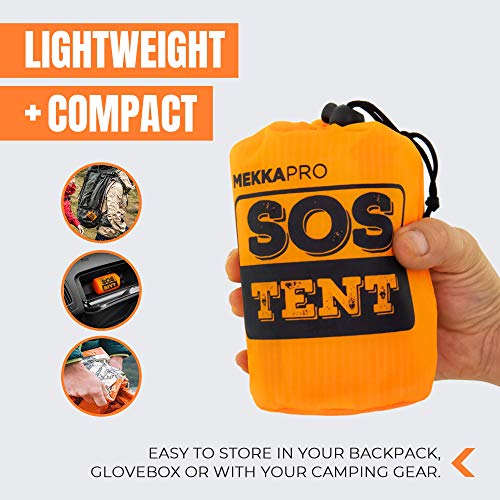
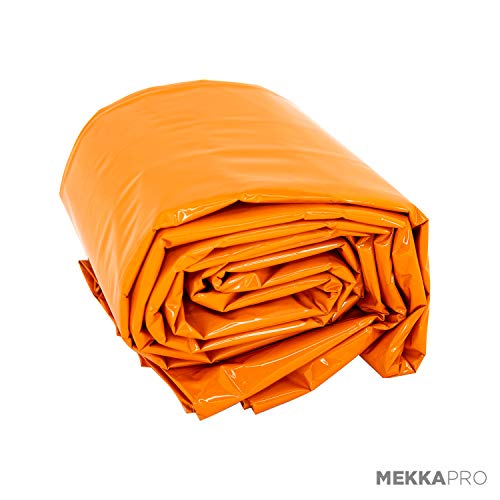
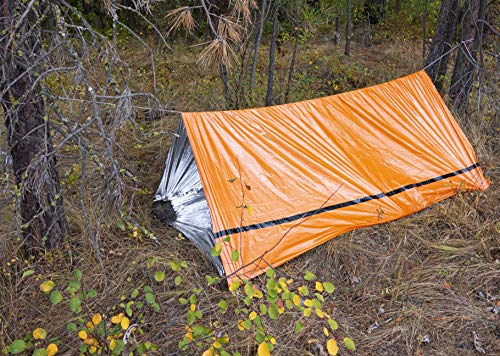
This isn’t a tent in the traditional sense, it’s a thermal survival blanket shaped like a tube. But for emergency preparedness, that’s exactly the point. Made with reflective mylar, it retains up to 90% of body heat and is built to survive extreme conditions. At just a few ounces, it’s the kind of thing you stash in a daypack, glovebox, or emergency kit and hope you never need.
Reviewers note it’s saved them during sudden storms or unexpected bivouacs, exactly what it’s designed for. The high-visibility orange color aids rescue teams, and the 26um thickness resists tearing better than cheaper space blankets. But make no mistake: this offers zero long-term comfort. It’s claustrophobic, noisy, and condensation builds fast. Still, for its intended role, it performs.
Product photos
How We Tested starter tents
As a long-time tent enthusiast, I approached researching starter tents by focusing on what truly matters to those new to camping – ease of use, reliable weather protection, and value. Rather than a hands-on lab test, this was a research-led comparison of published specifications and owner feedback from across numerous retailers and camping forums. I weighed features, read through hundreds of reviews, and applied my understanding of tent construction to identify models that consistently deliver a positive experience for beginners.
For starter tents, I prioritized quick setup, waterproof ratings, and overall durability. A frustrating setup process can ruin a camping trip, so models boasting instant setup tents were given extra consideration. Equally important was a waterproof rating of at least 2000mm to handle unexpected rain, and construction details suggesting the tent could withstand repeated use – even if it’s not built for extreme conditions.
Specifications reliably indicate a tent’s size and materials, but owner feedback was crucial for assessing real-world performance. I paid close attention to comments regarding the accuracy of advertised capacity, the tent’s performance in windy or rainy conditions, and the quality of included accessories like stakes and guylines. Reputable expert reviews helped validate these insights and identify models with consistently positive reputations, especially regarding easy assembly tents.
How To Choose The starter tents
Choosing your first tent can feel overwhelming, but focusing on a few key areas will get you sleeping soundly under the stars in no time.
A good tent balances portability with weather protection and livability. Buyers should prioritize waterproof ratings (at least 1500mm for the fly), tent weight (especially for backpacking), and ease of setup. Consider the intended use – car camping allows for heavier, roomier options, while backpacking demands lightweight compactness. Durable materials and well-sealed seams are essential for long-term performance.
Size and Capacity
Don’t fall into the trap of thinking a “4-person” tent comfortably fits four adults with gear. Manufacturers often overestimate capacity. I always recommend sizing up. If you’re a couple, consider a 3-person tent to have room for backpacks and to spread out. For families, add one person to the stated capacity per child. Think about how you actually camp – do you spend all your time outside the tent, or do you need space for games on a rainy day? The Portal 6 Person Family Tent, for example, boasts a large interior and a screened porch, making it ideal for those who want extra living space.
Waterproofing and Weather Resistance
Waterproofing is obviously crucial. Look beyond the headline waterproof rating; taped seams and a quality bathtub floor (where the floor fabric extends up the sides) are equally important. A rainfly that extends all the way to the ground provides the best protection from wind and rain. Don’t assume “water resistant” means waterproof. If you anticipate truly challenging weather, consider a tent with a higher denier (D) fabric count. The Night Cat 1-2 Person Backpacking Tent, with its 210T polyester taffeta and PU 3000 coating, provides a good level of waterproof protection. For those venturing into unpredictable conditions, understanding the key tent buying factors is essential.
Ease of Setup and Portability
Unless you relish wrestling with poles for an hour, prioritize ease of setup. Pop-up tents, like the Purebox 4 Person Pop Up Tent, are incredibly fast, but often heavier and less durable than traditional dome tents. Instant cabin tents, such as the 4 Person Instant Cabin Tent, offer a good balance. For backpacking, weight is paramount. A lightweight tent, even if it requires a bit more setup effort, is far preferable to lugging a heavier one up the trail.
- Weight: Under 5 lbs is ideal for solo backpacking; under 7 lbs for shared loads.
- Packed Size: Compactness matters for fitting into a backpack. Look for tents that pack down small.
- Pole System: Color-coded poles and simple clip attachments make setup much easier.
A quick setup is especially helpful if you’re new to camping. If you’re looking for even more guidance, exploring easy-to-use starter tents can provide a great foundation.
A tent should be seen as an investment, not an expense. Spending a little more upfront for quality materials and construction will save you headaches (and potentially a soggy sleeping bag) down the road.
Starter Tents Compared
Here’s a comparison of key specifications for popular starter tents to help you find the right fit for your needs.
| Product Title | Capacity | Waterproof (mm) | Weight (lbs) | Packed Size | Setup Time |
|---|---|---|---|---|---|
| 4 Person Instant Cabin Tent | 4 | 2000 | 13.4 | 39.4″ x 7.1″ x 7.1″ | 50 seconds |
| Amazon Basics 2-Person Dome Tent | 2 | N/A | N/A | N/A | < 4 mins |
| OLIXIS 2 Person Dome Tent | 2 | N/A | 5.8 | N/A | 3-5 mins |
| Wakeman 2 Person Pop Up Tent | 2 | N/A | 2.75 | N/A | Quick |
| Purebox 4 Person Pop Up Tent | 4 | N/A | 6 | 16x7x6.6 inches | Minutes |
| Portal 6 Person Family Tent | 6 | N/A | N/A | N/A | 5 mins |
| Night Cat 1-2 Person Backpacking Tent | 1-2 | 3000 | 4.4 | 42x12x12cm | ~1 minute |
| MEKKAPRO Emergency Survival Tent | 2 | N/A | N/A | N/A | N/A |
Frequently Asked Questions
What’s the biggest mistake beginners make when buying a tent?
Overestimating capacity is very common. People often buy a tent labeled for more people than they actually need, resulting in a cramped space – I recommend sizing up by at least one person to comfortably fit gear.
Are pop-up tents really as flimsy as some people say?
While incredibly convenient, pop-up tents generally prioritize speed over durability. They’re fine for fair-weather festivals or backyard camping, but if you anticipate wind or rain, a traditional dome or cabin-style tent will offer better protection.
What waterproof rating do I actually need for a starter tent?
A minimum of 1500mm is a good starting point, but 2000mm or higher is preferable if you camp in areas prone to heavy rain. Remember that a high waterproof rating is only one factor; taped seams and a full-coverage rainfly are equally important.
What’s the difference between a dome tent and a cabin tent?
Dome tents use curved poles to create a rounded shape, offering good stability in wind, while cabin tents have straighter walls for more headroom and a roomier feel. Cabin tents often weigh more and can be less wind-resistant, but they are generally easier to stand up and move around in.
Where can I find a good starter tent if I’m on a tight budget?
There are definitely options available if you’re looking for best cheap beginner tents. These tents might require a bit more care and won’t have all the bells and whistles, but they can get you started without breaking the bank.
The Bottom Line
Buying your first tent often comes down to balancing how much fuss you want to deal with against how much you’re willing to spend. Ultimately, for most beginners, the 4 Person Instant Cabin Tent strikes the best overall balance – it’s spacious, reasonably durable, and lives up to its “instant” setup claim. You won’t be winning any awards for portability, but it’s a fantastic starting point for car camping adventures.
If budget is your biggest concern, or you’re looking for something truly lightweight for backpacking, the Night Cat 1-2 Person Backpacking Tent is a solid choice. For those prioritizing speed and simplicity above all else, and appreciate a quick-deploy tent design, the Purebox 4 Person Pop Up Tent delivers on its promise of incredibly fast setup.
Don’t get too hung up on specific numbers like waterproof ratings or denier counts. More than any single specification, focus on a tent that feels well-made, has taped seams, and is appropriately sized for your needs. A reliable shelter and a good night’s sleep are what truly matter when you’re out enjoying the trails.
