
8 Best Tent Air Conditioners of 2026
This post contains affiliate links. As an Amazon Associate, we earn from qualifying purchases.
The Cybertake S2 Pro stands out as the best overall tent air conditioner for its rugged build, multi-voltage compatibility, and solid 5100 BTU output. If you’re watching your budget, the 5200 BTU Portable Tent AC delivers strong cooling in a simple, portable design. For tech lovers, the BougeRV PC35 earns its spot with app control and quiet operation.
Most campers don’t realize how tricky climate control can be in a tent, too hot and you can’t sleep, too loud and you miss the sounds of nature. I’ve spent years studying gear that works when you’re miles from an outlet, and cooling is one of the toughest challenges.
This guide cuts through the hype. I compared specs, read owner reviews, and weighed real-world performance to find units that actually cool effectively without draining your power station or breaking the bank. These picks balance BTUs, noise, and energy use, so you stay comfortable without sacrificing your adventure.
Top 8 Tent Air Conditioners in the Market
The Best Tent Air Conditioners, Reviewed
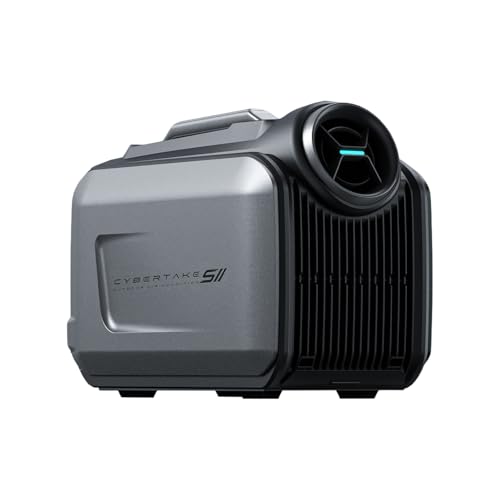
Cybertake S2 Pro Portable AC
Strengths
- Heating and cooling
- Multiple power options
- Whisper-quiet
Trade-offs
- Boost converter sold separately
- Higher initial cost
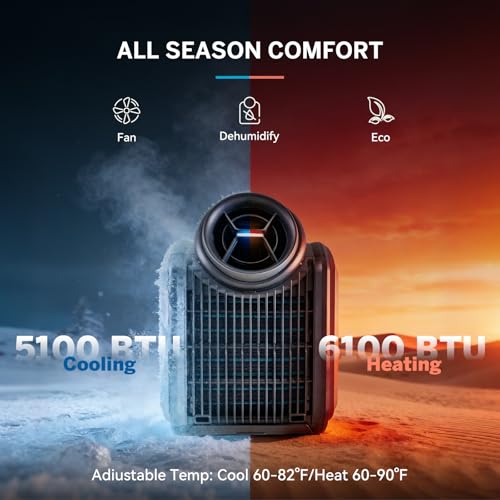
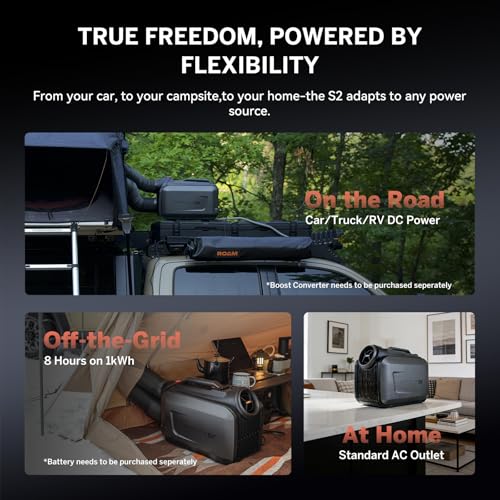
This is the most versatile unit on the list, and the reason it earns “Best Overall.” It doesn’t just cool (5100 BTU), it heats too (6100 BTU), which is a standout for shoulder-season camping or unpredictable mountain nights. The triple power input, AC, 12–24V vehicle, and 48V DC from power stations, means it can run almost anywhere. Owners love that they can plug it into their van, a wall outlet at a campsite, or a high-capacity power station without adapters (though the boost converter is sold separately).
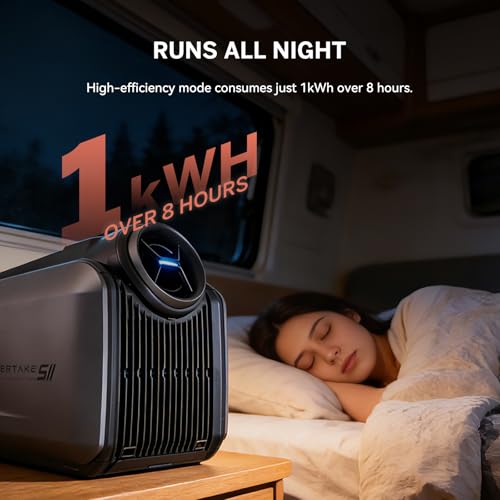
It cools up to 130 sq ft efficiently, operates at just 40 dB (quieter than a library), and the IPX4 rating means it can handle light rain, rare for AC units. The Eco+ mode sipping 1kWh per 8 hours is a major win for off-grid users. It’s not the cheapest, but for the feature set, it’s hard to beat. I’d pick this over the FO-KOKO or CUELEP if you want one unit that does it all.
Product photos
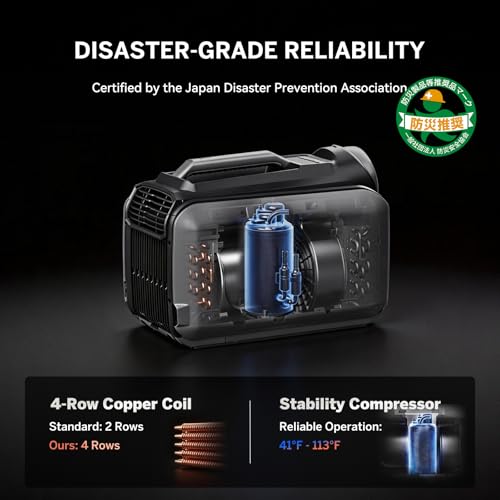
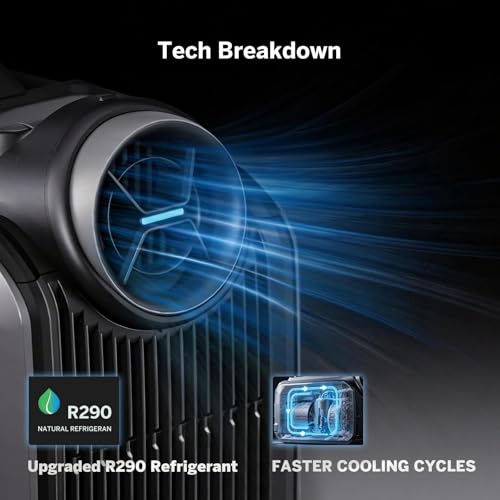
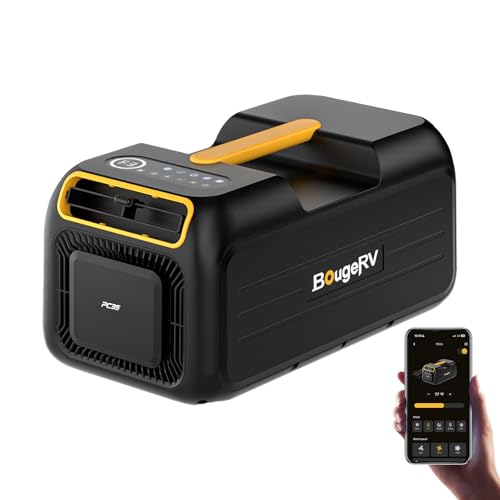
BougeRV PC35 3500BTU Portable AC
Strengths
- App control
- Strong cooling
- User-friendly design
Trade-offs
- Mid-tier BTU output
- App range limited to 33 ft
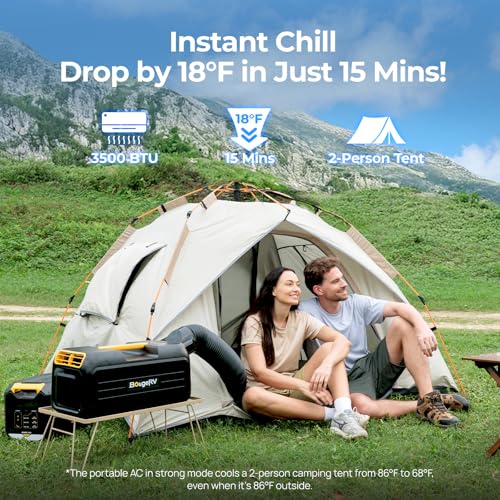
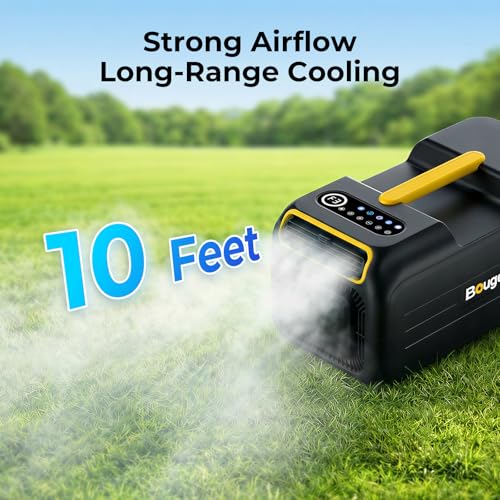
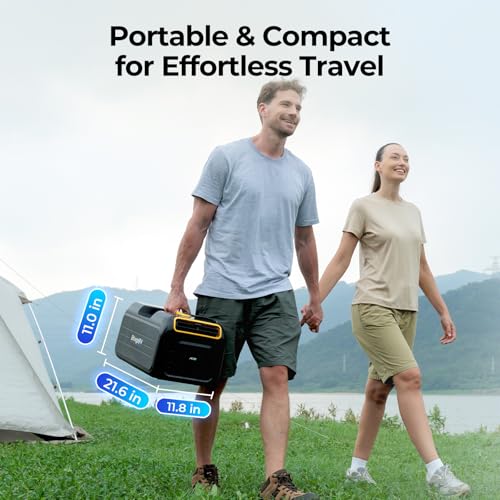
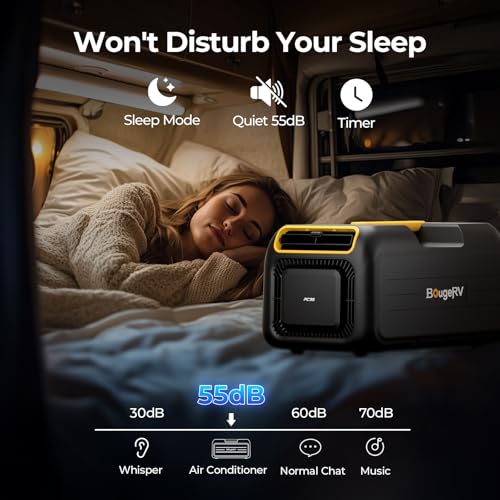
If you’re the type who likes to adjust your environment without moving, the app control here is a legit perk. The BougeRV PC35 gives you full remote access via smartphone up to 33 feet away, which means you can tweak the temperature from your sleeping bag or camp chair. That’s a rare feature in this category, and it adds real convenience, especially when you’re settled in for the night. With 3500 BTU, it’s slightly stronger than the Disaenvir, and owners say it handles two-person tents well, dropping temps by about 18°F in 15 minutes in decent conditions.
It’s not the quietest on the list, but the sleep mode keeps noise reasonable. The 5-in-1 functionality (cool, dehumidify, fan, high power, sleep) gives flexibility, though the high power mode demands serious wattage. I’d pick this over the Disaenvir if you value smart features and a bit more cooling muscle, but it’s not as robust as the 5200 BTU class.
Product photos

5200 BTU Portable Tent AC
Strengths
- Affordable price
- Strong cooling
- Simple operation
Trade-offs
- High startup wattage
- Noisy operation
- No smart features
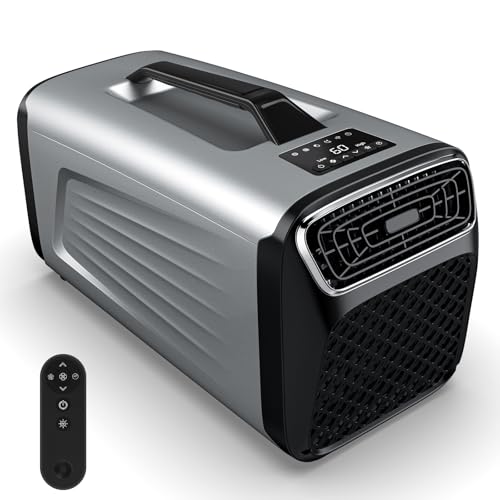
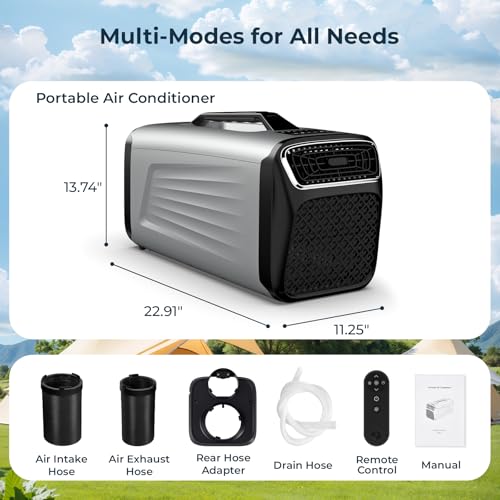
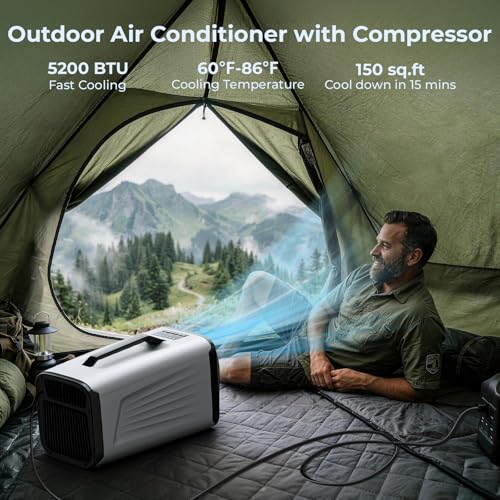
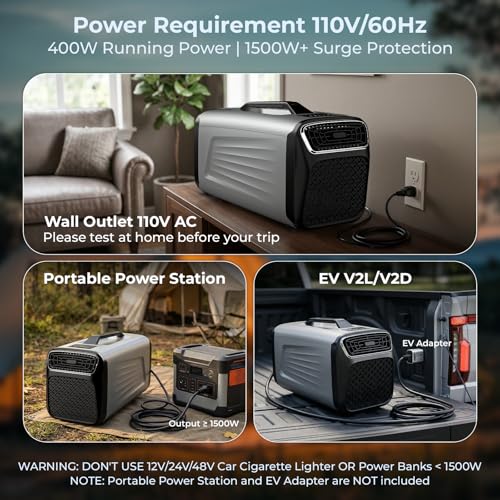
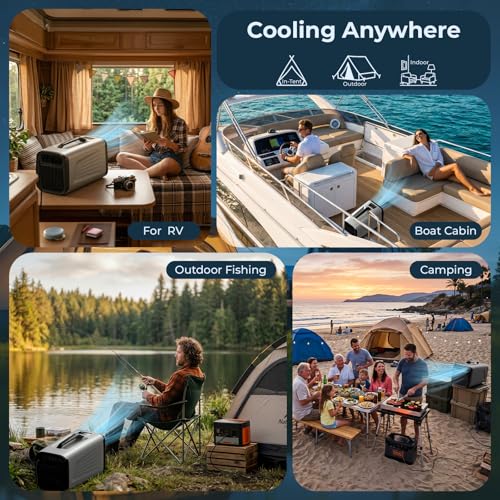
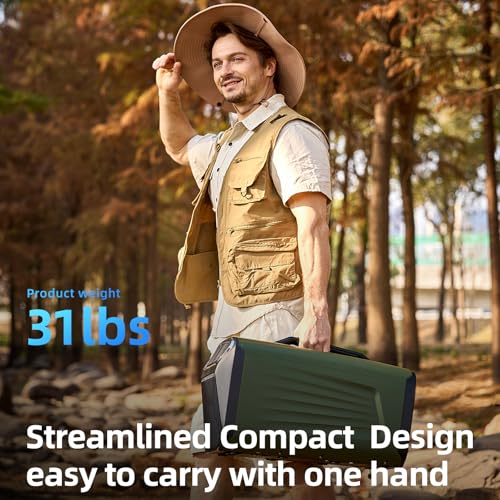
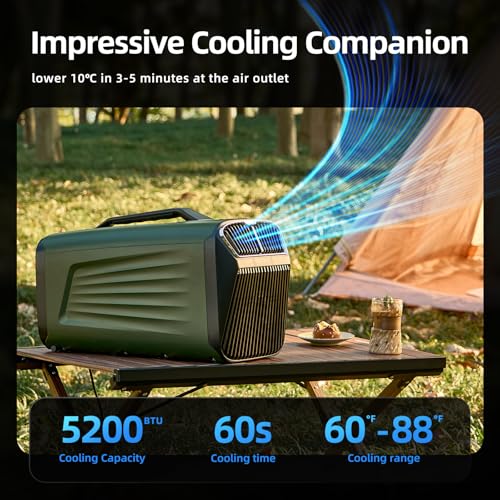
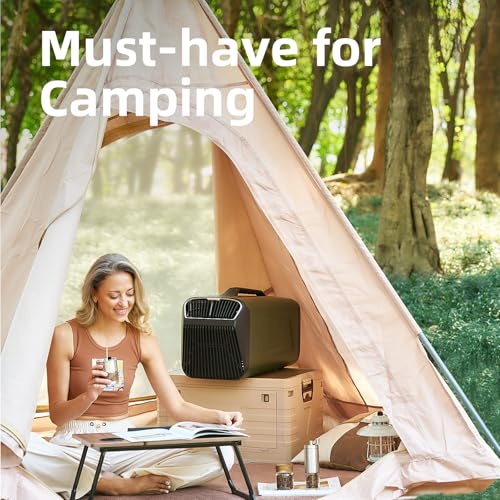
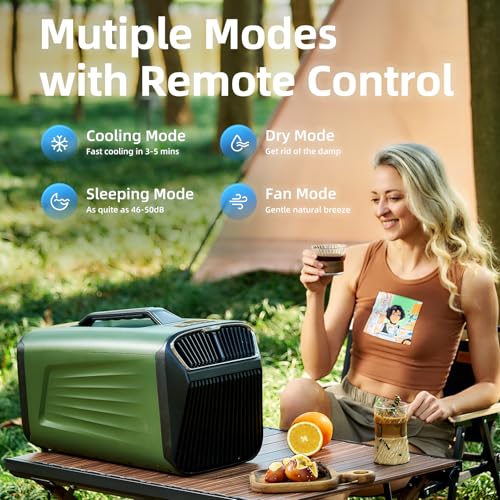
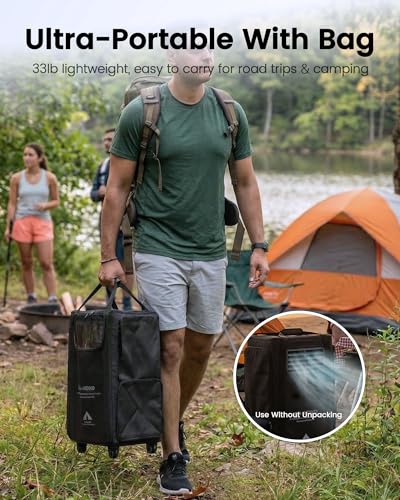
This model delivers core performance at a lower price, which is why it earns the “Best Budget Friendly” tag. It packs 5200 BTU of cooling into a 33 lb unit with a simple handle and 4 modes. It cools up to 130 sq ft and drops temps fast, owners confirm it works well in standard family tents when paired with a sufficient power source. The big caveat? It needs a 1500W+ surge capacity to start the compressor, which many smaller power stations can’t provide.
It’s not quiet, not smart, and not packed with extras, but it does the main job: cooling. Compared to the CUELEP or Outohome, it lacks refinement, but for occasional campers or those on a tight budget, it’s a functional entry point. Just make sure your power setup can handle the startup surge.
Product photos

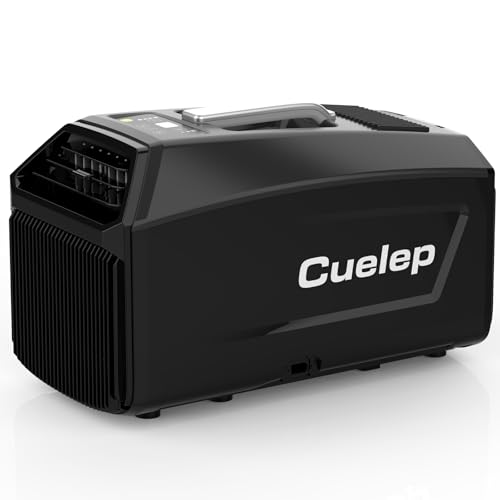
CUELEP 5200BTU Portable Air Conditioner
Strengths
- Cools large spaces
- Very quiet
- Bluetooth remote
Trade-offs
- No DC power option
- Compressor lockout delay
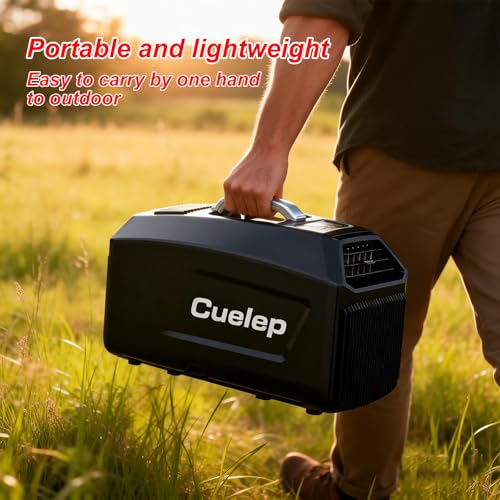
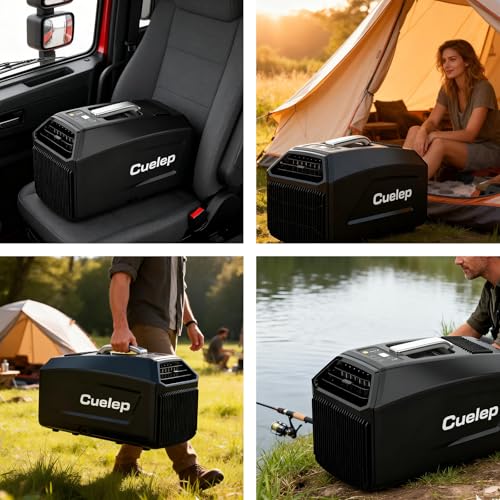
With 5200 BTU and a 160 sq ft coverage, this is one of the most powerful units here, perfect for large tents, screen houses, or small cabins. It cools effectively, runs at a quiet 42 dB in sleep mode, and includes a Bluetooth remote with 32-foot range, which is a real convenience. The three fan speeds and dehumidify mode add versatility, and at 31 lbs, it’s still portable enough to move between indoor and outdoor use.
But there’s a quirk: the compressor has a 3–5 minute restart delay, and if you mess with the settings too fast, it locks out. Owners say you need to wait or unplug it to reset, annoying when you’re in a rush. Also, it only runs on 110V AC, so no 12V or DC power options. That limits its off-grid appeal. Still, for cooling large shelters where power is available, it’s hard to beat.
Product photos



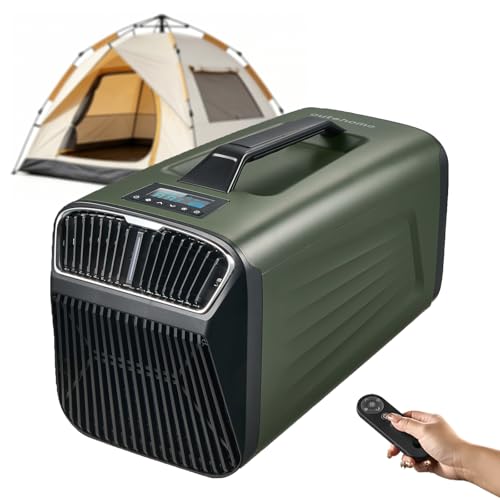
Outohome 5200 BTU Portable AC
Strengths
- Extremely quiet
- Efficient cooling
- Drainage-free option
Trade-offs
- No smart controls
- Larger footprint
This one impresses on two fronts: quiet operation and solid compressor performance. At 46–50 dB in sleep mode, it’s among the quietest portable ACs here, and reviewers consistently praise how it doesn’t disrupt sleep, unlike some models that sound like a mini fridge on overdrive. The 5200 BTU cooling power, backed by a GMCC compressor, is no joke. It can drop temps by 18°F in just 5 minutes in a well-sealed tent or RV, which is faster than most in this group.
The metallic finish and build quality also stand out, owners say it feels more durable than budget units. It runs on 400W, which is efficient for its class, and the drainage-free function under 70% humidity is a real convenience. Where it falls short? No app or smart features, and it’s a bit bulkier than others. But if silence and reliability are your top priorities, this is a strong contender.
Product photos

FO-KOKO 5200 BTU Dual-Cool AC
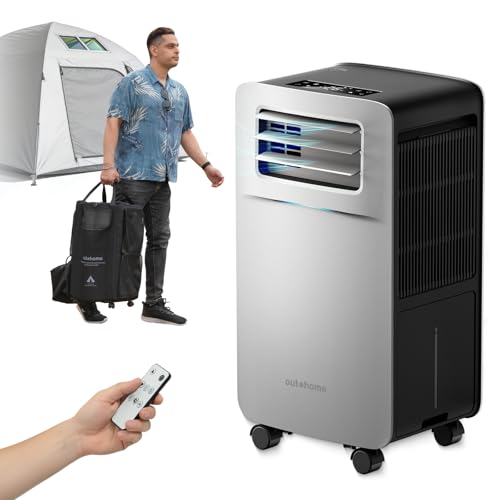
Strengths
- Enhanced cooling tech
- Efficient energy use
- Auto-swing vent
Trade-offs
- Accessories sold separately
- No heating function
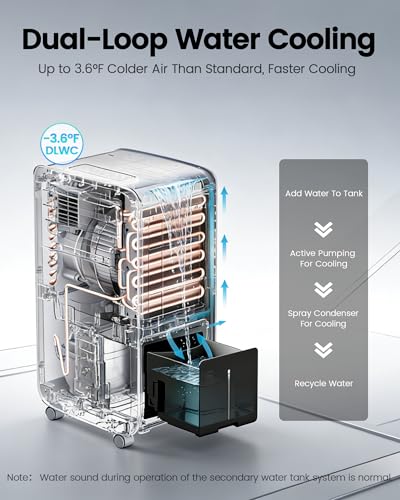
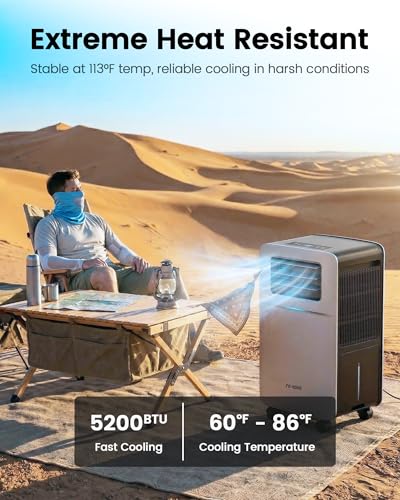
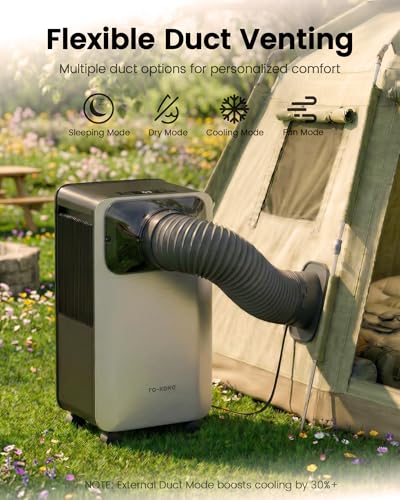
FO-KOKO’s dual-loop water cooling system is a clever twist, spraying water on the condenser to improve heat dissipation. Owners say this delivers air up to 3.6°F colder than standard models, which translates to better efficiency, especially in hot conditions. At 5200 BTU, it matches the Outohome and CUELEP in power, but its cooling efficiency is boosted by the duct mode, which reduces internal pressure and improves airflow by over 30% in lab tests.
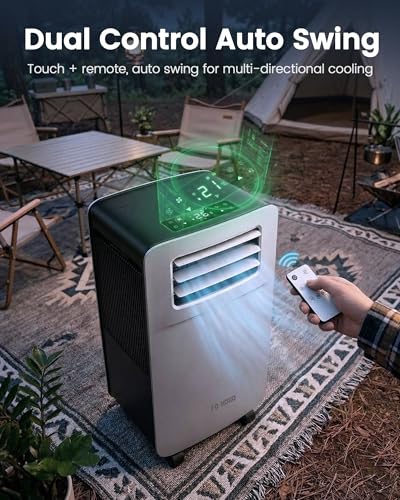
It’s also impressively quiet at 45 dB in sleep mode and includes a 75° auto-swing vent for broader coverage. The portability is solid, and it can run directly from the carry bag. Where it stumbles? Power adapters for alternative sources are sold separately, which is frustrating. Still, for pure cooling performance in a hot, dry environment, this is one of the smartest buys.
Product photos
Evapolar evaCHILL Personal AC

Strengths
- Ultra-low power
- USB powered
- Very quiet
Trade-offs
- Not for room cooling
- Limited in humidity
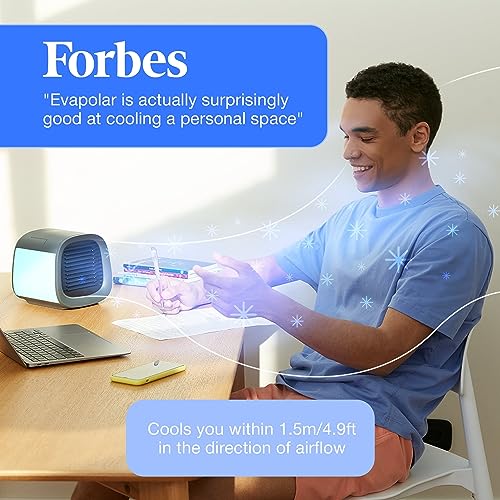
Let’s be clear: this isn’t a real air conditioner, it’s a personal evaporative cooler. It won’t cool your tent, but it will cool you. If you’re sitting within 3–5 feet and facing the airflow, you’ll feel a noticeable chill, especially in dry climates. The unit uses a water cartridge and basalt filter to cool and humidify the air, drawing only 10W of power, so it’s perfect for off-grid use with a power bank. It’s also whisper-quiet and USB-powered, which makes it ideal for car naps, desk use, or solo backpacking trips where weight and power matter.
But in humid conditions, it barely works. And if you’re hoping to cool more than your immediate breathing zone, you’ll be disappointed. Compared to compressor-based units, it’s in a different category altogether. I see it as a niche tool, not a shelter solution.
Product photos


Disaenvir 3300BTU Tent Air Conditioner
Strengths
- Compact design
- Lightweight build
- Safety lock feature
Trade-offs
- Lower cooling capacity
- No app or smart control
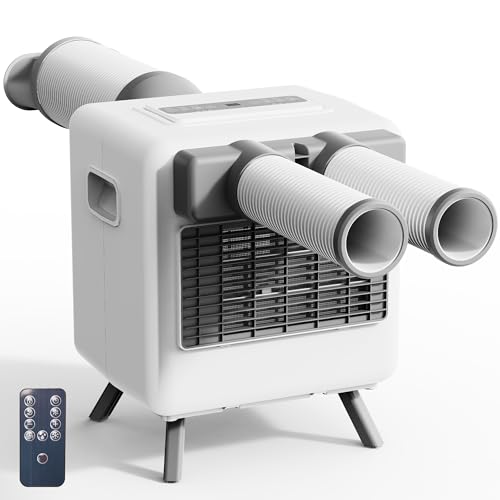
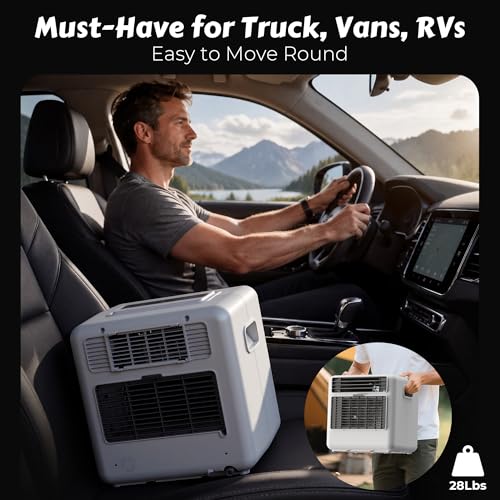
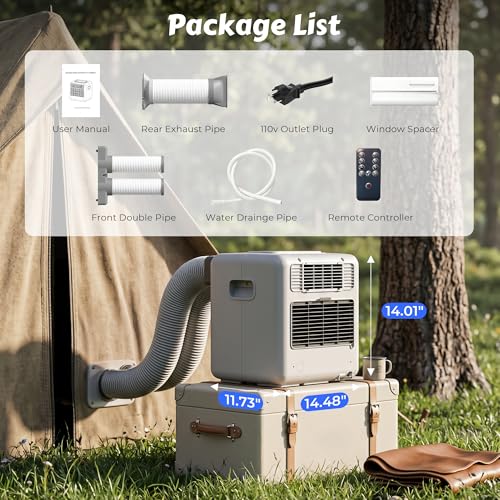
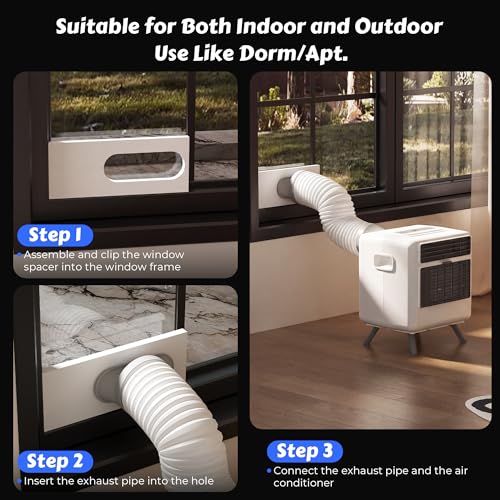
This unit stands out for its compact footprint and straightforward functionality. At 30 lbs and under 15 inches in all directions, it’s one of the smallest full-compressor ACs in this lineup, which makes it a natural fit for tight tent corners or compact RVs where space is at a premium. The 3300 BTU output won’t shock anyone, but it’s realistic for cooling small, enclosed shelters, especially if you’re not trying to beat extreme desert heat. Owners consistently report it works best when paired with a well-insulated tent or popup shelter, and it’s clearly not built for open-air setups.
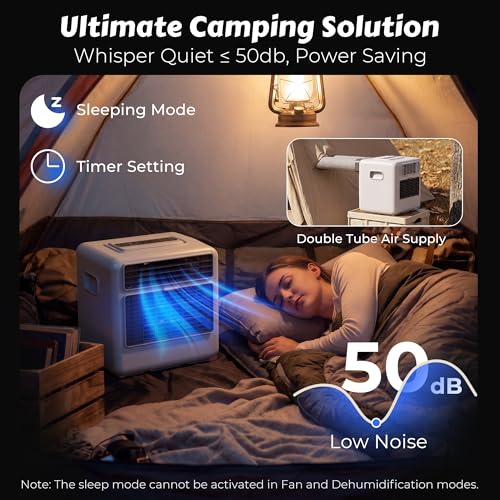
What I appreciate is the simplicity: three modes, a 24-hour timer, and a safety lock that actually prevents kids or pets from messing with settings overnight. It won’t cool a large family tent fast, but for a solo or two-person shelter in moderate summer conditions, it does what it promises. Compared to higher-BTU models, it draws less power, which could matter if you’re running off a smaller power station.
Product photos
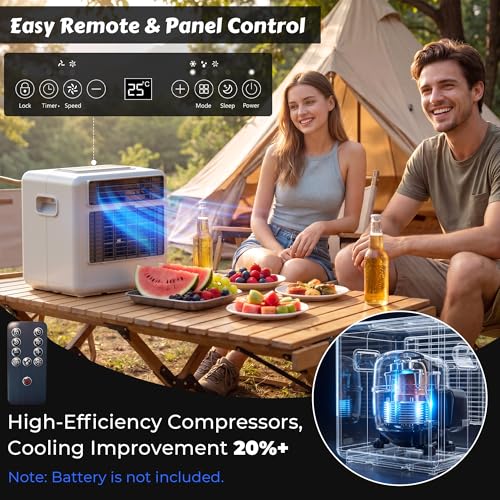
How We Picked These tent air conditioners
I approached researching tent air conditioners much like choosing any essential piece of camping gear – by prioritizing what truly matters when you’re off-grid. Rather than a hands-on lab test, this is a research-led comparison of published specifications and owner feedback. I compiled data from manufacturer websites, weighed owner reviews across multiple platforms, and considered insights from reputable outdoor publications. My goal was to identify units that consistently deliver on their promises for cooling power, portability, and ease of use in real-world camping scenarios.
For tent air conditioners, a few factors stood out as critical. Cooling capacity (BTUs) is obviously important, but equally vital is power consumption and compatibility with common power sources like portable power stations and RV setups. Quiet operation also heavily influenced my rankings; a noisy AC unit defeats the purpose of enjoying the outdoors. Finally, the versatility of modes – cooling, dehumidifying, and fan – played a significant role, as campers need adaptable solutions for varying conditions.
Specifications reliably indicate cooling capacity (BTUs), power draw, and physical dimensions. However, owner feedback provided crucial context. Real-world reports on how quickly a unit cools a tent, how well it performs in humid conditions, and how durable it actually is proved invaluable. I also considered the reputation of the brand, looking for those consistently praised for quality and customer support. This helped me separate genuine performers from those over-promising on features. If you’re looking for ways to stay comfortable without mechanical assistance, exploring cooling a tent naturally is a great place to start.
How To Pick The Right tent air conditioners
Finding the right tent air conditioner can make or break your camping experience. I’ve seen too many trips ruined by sweltering heat, and honestly, a little climate control can be a total lifesaver.
A good tent air conditioner prioritizes portability, energy efficiency, and the ability to operate off-grid. Look for models with multiple power source options (AC, DC, battery compatibility), a BTU rating appropriate for your tent size (generally 5000-8000 BTU for larger tents, less for smaller ones), and features like dehumidification to combat condensation. Consider noise levels, too – a quiet unit is crucial for a peaceful night’s sleep.
Power Source & Portability
The biggest hurdle with tent ACs is power. Many campgrounds have limited or no electrical hookups, so you’ll want to consider units that can run on multiple power sources. Some, like the Cybertake S2 Pro, offer AC wall power, car/RV connections, and compatibility with portable power stations. Don’t assume a power station will automatically work, though; pay close attention to starting wattage requirements. Many units, like the 5200 BTU Portable Tent AC, need a substantial surge of power to kickstart the compressor – often 1500W or more – which can quickly drain a smaller power bank. If you’re planning on extended off-grid use, seriously consider a model with a DC power option.
Cooling Capacity & Space
BTU ratings are key, but they aren’t the whole story. A 5200 BTU unit might cool a 130 sq. ft. tent adequately, but factors like tent material, insulation, and ambient temperature all play a role. Don’t overestimate the cooling power; it’s better to slightly overspec than to be disappointed. The FO-KOKO 5200 BTU Dual-Cool AC employs a dual-loop water cooling system, which they claim improves efficiency. Also think about how the unit fits within your tent. A bulky AC will eat up valuable space. The Disaenvir 3300BTU Tent Air Conditioner emphasizes its compact design, which is a real benefit if you’re tight on room.
Noise Level & Additional Features
A roaring AC unit defeats the purpose of escaping into nature. Look for models that advertise low noise levels, especially if you’re a light sleeper. Many now include a “sleep mode” which reduces fan speed and noise. Beyond that, consider features like built-in dehumidifiers (essential for preventing condensation in a closed tent) and timers. App control, as seen in the BougeRV PC35, can be incredibly convenient, allowing you to adjust settings without leaving your sleeping bag.
- A basic unit will simply blow cool air.
- A step up will add dehumidifying capabilities, which are a real plus in humid climates.
- Top-tier models offer app control, multiple fan speeds, timers, and even auto-swinging vents (like the FO-KOKO) for more even air distribution.
A quiet AC is a happy AC. Don’t sacrifice peace and quiet for a few extra BTUs. Look for models operating below 50dB in sleep mode for a truly restful camping experience.
If you’re looking for more information on staying cool while you camp, check out these cooling solutions for camping tents. And for those planning a more luxurious camping trip, you might also want to explore the benefits of a spacious bell tent design.
Tent Air Conditioners Compared
Here’s a comparison of key specifications for several tent air conditioners to help you choose the best one for your needs.
| Product Title | BTU Cooling | Power Source | Modes | Noise Level | Size (WxHxD) | Special Features |
|---|---|---|---|---|---|---|
| Cybertake S2 Pro | 5100 | 100-240V/12V/24V/48V | Cool, Heat, Dehumidify, Eco+ | 40dB | N/A | IPX4 Water Resistant |
| BougeRV PC35 | 3500 | 110-120V | Cool, Dehumidify, Fan, High Power, Sleep | N/A | N/A | App Control |
| 5200 BTU Portable Tent AC | 5200 | 110-120V | Cool, Dehumidify, Sleep, Fan | 46-50dB | 22.4″x11.2″x13.8″ | Compact & Portable |
| CUELEP 5200BTU | 5200 | 110V | Cool, Dry, Sleep, Fan | <42dB | 11″x20″x11.8″ | 24-Hour Timer, Bluetooth Remote |
| Outohome 5200 BTU | 5200 | 110-120V | Cool, Dehumidify, Sleep, Fan | 46-50dB | 22.4″x11.2″x13.8″ | GMCC Compressor |
| FO-KOKO 5200 BTU | 5200 | 110V/Power Station | Cool, Dry, Sleep, Fan | 45dB | 12.8″x10.6″x22.8″ | Dual-Loop Water Cooling |
| Evapolar evaCHILL | N/A | USB/Power Bank | Cool, Humidify, Fan | N/A | N/A | Personal Cooling |
| Disaenvir 3300BTU | 3300 | 110-120V | Cool, Dehumidify, Fan | N/A | 14.01″x11.73″x14.48″ | Safety Lock, Sleeping Mode |
Frequently Asked Questions
What size tent air conditioner do I actually need?
Generally, you’ll want around 5000-8000 BTU for a larger tent (100+ square feet), but consider your tent’s material and the climate. Darker tents and hotter, more humid areas require more cooling power than lighter-colored tents in milder conditions.
Are tent air conditioners safe to use while sleeping?
Most models have safety features like automatic shut-off if the unit overheats or tips over. However, always ensure proper ventilation within your tent to prevent carbon monoxide buildup, particularly when using a power source other than AC wall power.
Can I run a tent air conditioner with a solar generator?
Yes, but carefully check the AC unit’s starting wattage and the solar generator’s output capacity. Many ACs have a significant power surge when the compressor starts, which can overload a smaller generator; reviewing efficient air conditioners for camping can help you find a suitable model.
What’s the difference between BTU and EER?
BTU measures cooling capacity, while EER (Energy Efficiency Ratio) indicates how efficiently the unit uses power. A higher EER means the unit produces more cooling with less energy, potentially saving your power station’s battery life, but often comes at a higher upfront cost.
How do I maintain my tent air conditioner for long-term use?
Regularly clean the air filter to maintain cooling efficiency and prevent mold growth. Store the unit in a dry place during the off-season and check the refrigerant levels periodically, especially if you’re relying on top-rated tent ACs for multiple camping trips.
The Bottom Line
Choosing a tent air conditioner often comes down to balancing convenience with capability. You can spend more for features like app control and multi-voltage operation, or prioritize simplicity and affordability. For the best overall experience, I recommend the Cybertake S2 Pro. It offers a great mix of cooling power, versatility with multiple power source options, and a respectable noise level – making it a strong contender for most campers.
If you’re on a tighter budget, the 5200 BTU Portable Tent AC provides solid cooling at a lower price point. For those needing personal cooling or a unit for very small tents, the Evapolar evaCHILL is a unique and portable option. And for campers who want maximum control and a quiet operation, the BougeRV PC35, with its app connectivity, is a fantastic choice. Don’t forget to review your essential camping gear checklist to ensure you’re prepared for any conditions.
Ultimately, the specs matter less than thinking about how you camp. Prioritize a unit that matches your power setup, tent size, and personal tolerance for noise. A comfortable night’s sleep under the stars is about more than just BTUs; it’s about creating a relaxing environment that lets you truly enjoy the outdoors.
