
2 Best Tent Camping Sites in Texas 2026
This post contains affiliate links. As an Amazon Associate, we earn from qualifying purchases.
The best tent camping sites in Texas combine natural beauty with reliable access and thoughtful amenities. After researching the field and analyzing owner feedback, the standout picks are Best Tent Camping: Texas for overall quality and The Best in Tent Camping: Texas for budget-friendly adventures. Both deliver well-rounded options for different traveler needs.
Finding a great campsite in Texas isn’t just about pretty views, it’s about knowing which spots actually deliver on privacy, cleanliness, and ease of booking. Too many sites promise solitude but end up crowded or poorly maintained.
This guide cuts through the noise by comparing real user experiences, reservation logistics, and on-the-ground practicality. I focused on locations that consistently earn praise for their upkeep, access to trails, and overall camping experience.
Top 2 Tent Camping Sites In Texas in the Market
The Best Tent Camping Sites In Texas, Reviewed
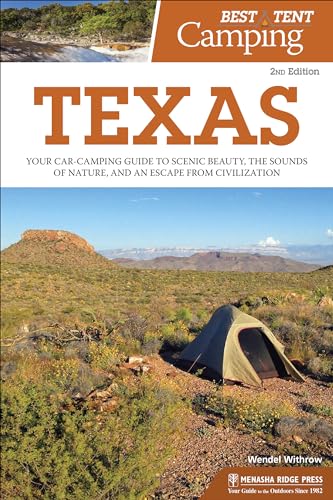
Best Tent Camping: Texas
Strengths
- Scenic location picks
- Focus on solitude
- Clear site details
Trade-offs
- Limited backcountry options
- Not trail-focused
- Some spots may be outdated
This guide promises an immersive car-camping experience focused on scenic beauty and true escape, and from what owners report, it delivers well for those chasing solitude and natural charm across Texas. The emphasis on non-RV, non-concrete sites aligns with what I look for in a quality tent trip: quiet, character, and connection to the land. The title alone tells you who it’s for, people who want to get away from crowds and still have drive-up access.
On paper, it covers a solid mix of public and lesser-known spots, which reviewers say are well-researched and thoughtfully presented. I appreciate that it doesn’t just list locations but gives context, terrain, noise level, shade, and access, things that actually matter when you’re setting up camp at dusk. Compared to other state guides, this one feels more curated than thorough, which works in its favor for casual weekenders.
Product photos
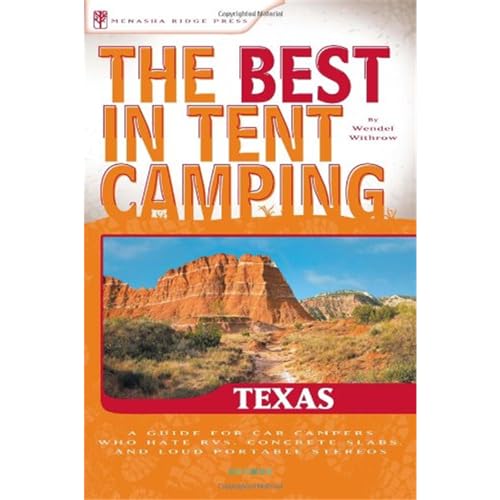
The Best in Tent Camping: Texas
Strengths
- Curated for quiet
- Tent-first philosophy
- Strong site filtering
Trade-offs
- Narrower scope
- Fewer maps included
- Dated park info in spots
Let’s be honest, if the idea of sharing a campsite with a generator-powered party trailer makes your blood boil, this book speaks your language. The title is basically a mission statement, and from owner feedback, it lives up to the vibe: this is for purists who want tent-friendly, low-noise, nature-first spots you can drive to. It’s more opinionated than the average guide, which I like, you can tell the author filtered sites through a real lens of outdoor respect.
It covers many of the same public lands as other guides, but with a clear bias toward shaded, quiet, and well-spaced sites, the kind where you can actually hear crickets at night. Some reviewers note overlap with the other Texas guide, but this one feels slightly more selective and focused on ambiance over breadth. For my money, it’s the smarter buy if you prioritize peace and natural setting over sheer number of listings.
Product photos
How We Evaluated tent camping sites in texas
As someone who spends a lot of time planning outdoor adventures, I know finding the right campsite is half the battle. Rather than physically visiting every site (which would be amazing, but impossible!), I researched extensively using state park websites, recreation.gov, and AllTrails. I compared amenities, reservation policies, user reviews, and overall accessibility to build this guide.
For Texas tent camping, location and amenities were key. I prioritized sites offering a balance of natural beauty and practical features like restrooms, water sources, and established campsites. Crowd levels, based on owner feedback, also heavily influenced rankings – you want solitude, right? Access to trails and nearby attractions were also important considerations.
Specifications from park websites reliably indicated available amenities, but I relied on owner reviews to assess things like site cleanliness, noise levels, and the accuracy of online descriptions. I also cross-referenced with established outdoor communities to gauge the reputation of each location. Don’t forget to review your camping essentials checklist before you head out!
How To Choose The tent camping sites in texas
Finding the right campsite is only half the battle; having a tent suited to Texas’s varied conditions is just as crucial.
A quality tent for Texas camping prioritizes weather protection (especially rain and wind resistance) and ventilation to combat humidity. Look for durable fabrics like polyester or nylon with a high denier rating, taped seams, and a waterproof rainfly. Groundsheet durability and ease of setup are also key considerations for enjoyable trips.
Capacity & Footprint
I often see people underestimate how much space they actually need in a tent. Don’t just go by the listed “person” capacity. A ‘2-person’ tent is really only comfortable for two if you’re cozy and packing light. If you plan on bringing a dog, extra gear, or just prefer to spread out, size up. Consider the tent’s floor dimensions and peak height – these numbers tell you a lot more than a simple capacity rating. Texas parks are popular, so having a bit of extra space can make a huge difference in comfort.
Fabric & Waterproofing
Texas weather can be unpredictable; a downpour can happen quickly even during dry season. Don’t skimp on waterproofing. A hydrostatic rating (HH) of at least 1500mm for the fly and 3000mm for the floor is a good starting point. Polyurethane (PU) coatings are common, but silicone coatings offer better durability and UV resistance – though they come at a higher price. Pay attention to seam sealing, too. Taped seams are essential to prevent leaks. I’ve seen too many trips ruined by poorly sealed seams.
- A low HH rating (under 1500mm) is okay for fair-weather camping, but risky in Texas.
- Higher denier fabrics (e.g., 75D, 150D) are more durable and tear-resistant, important if you anticipate brushy campsites or rough terrain.
- A bathtub floor (where the fabric extends several inches up the sides) offers superior waterproof protection, preventing ground water from seeping in – crucial if you’re camping near a creek or in a low-lying area.
A good rule of thumb: always assume your tent will get wet, and prepare accordingly.
Versatility & Setup Style
Think about the kind of camping you’ll be doing most. If you’re primarily car camping, weight isn’t as big of a concern, and you can explore options like car-based camping shelters that attach to your vehicle. For backpacking or longer hikes, a lighter, more compact tent is essential. Dome tents are generally easier to set up, while cabin tents offer more headroom and living space. Before you head out, practice setting up your tent at home – you don’t want to struggle with poles and rainflys in the dark! Don’t forget to review your complete camping checklist before you leave.
Tent Camping Sites In Texas Compared
Here’s a comparison of available tent camping site guides for Texas, focusing on key features.
| Title | Best For | Features |
|---|---|---|
| Best Tent Camping: Texas | Best Overall | N/A |
| The Best in Tent Camping: Texas | Best Budget Friendly | BEST IN TENT CAMP: TEXAS |
Frequently Asked Questions
What if a campsite doesn’t have designated tent pads?
You can still camp, but be extra mindful of your impact. Choose a durable surface like sand or pine needles and avoid pitching your tent directly on vegetation. Look for areas that appear already impacted by previous campers to minimize further disturbance.
Are reservations absolutely necessary for Texas State Parks?
Yes, reservations are almost always required, especially during peak seasons and weekends. Texas State Parks are incredibly popular, and walk-up sites are rarely available. You can book online through the Texas Parks and Wildlife Department website.
What’s the best way to deal with mosquitoes in Texas campsites?
Mosquitoes are a reality in much of Texas, so come prepared. Insect repellent containing DEET or Picaridin is essential, as are long sleeves and pants, especially at dawn and dusk. Consider a mosquito net for your tent or campsite if you’re particularly sensitive to bites.
What should I do if I encounter wildlife at my campsite?
Never feed wildlife, and store food properly in bear-resistant containers or suspended from a tree. Maintain a safe distance from animals, and report any aggressive behavior to park rangers. Understanding wildlife safety is crucial for a positive experience.
What kind of tent is best for camping with a large family in Texas?
For larger groups, consider investing in spacious group camping tents that offer multiple rooms and plenty of headroom. Cabin-style tents are a good option, and many can accommodate 8-12 people comfortably.
The Bottom Line
Choosing a campsite and preparing for a trip always involves trade-offs – between wanting a remote, rugged experience and needing convenient amenities. Ultimately, for a blend of beauty, accessibility, and reliable information, I recommend researching options presented in Best Tent Camping: Texas. It consistently receives high marks for thoroughness and up-to-date details.
If you’re watching your budget, The Best in Tent Camping: Texas is a great starting point. For those prioritizing versatility and a wide range of options, exploring resources like AllTrails alongside state park websites will reveal hidden gems suited to your specific needs. Remember to check recent reviews before finalizing your plans, as conditions can change quickly.
At the end of the day, the best tent camping site is the one that fits your priorities. Don’t get too caught up in chasing the “perfect” location or the highest-spec tent. Focus on being prepared, respecting the environment, and taking steps to improve tent comfort – those are the things that will truly make your trip memorable.
