
8 Best Tents for Festivals 2026
This post contains affiliate links. As an Amazon Associate, we earn from qualifying purchases.
The UNP 10-Person Family Festival Tent is the best overall for groups and space, the EVER ADVANCED 6-Person Instant Tent is our top budget pick for quick setup, and the Aoxun Inflatable Family Camping Tent offers the most versatility for comfort and weather resistance.
Festivals are unpredictable, muddy fields, sudden downpours, and tight schedules mean your tent needs to be fast to pitch, tough enough to last, and livable when the weather turns. Most people underestimate how much space and durability matter until they’re stuck in a cramped, leaking shelter.
This guide cuts through the noise by focusing on real-world performance. I compared specs, analyzed owner feedback, and prioritized tents that deliver on quick setup, weather protection, and room to breathe, because a good festival tent shouldn’t just survive the weekend, it should make it better.
Top 8 Tent Festivals in the Market
The Best Tent Festivals, Reviewed
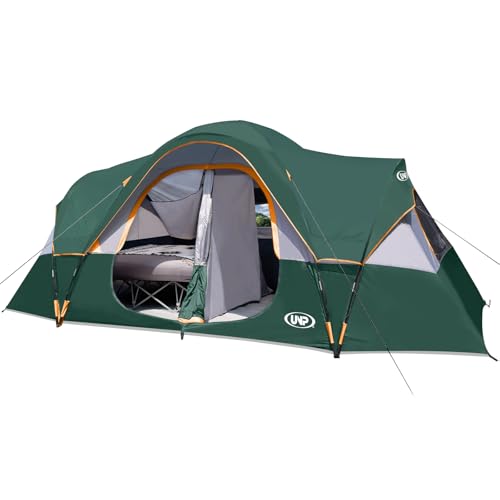
UNP 10-Person Family Festival Tent
Strengths
- Spacious 10-person layout
- Great airflow
- Privacy divider
Trade-offs
- Heavy for transport
- Rainfly could be thicker
- Bulkier packed size
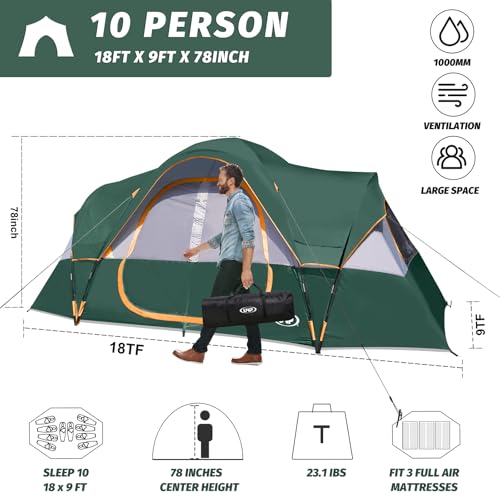
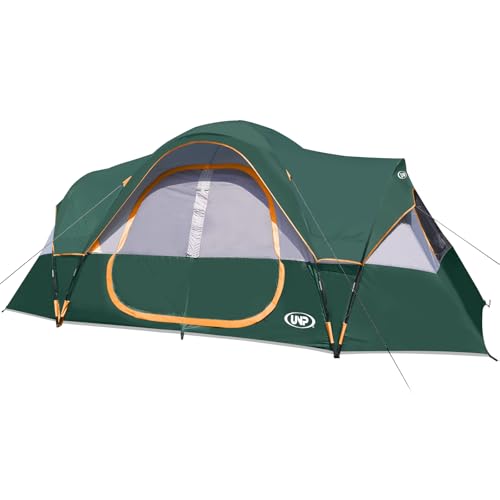
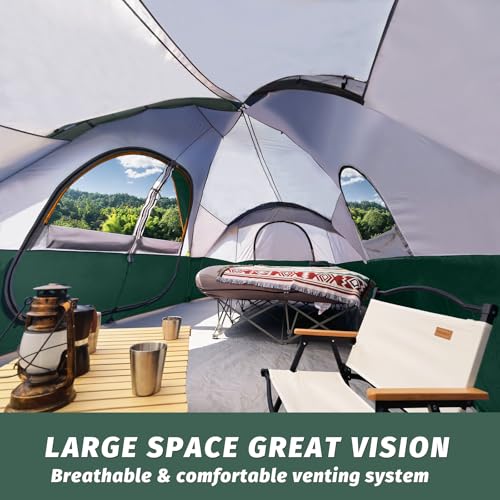
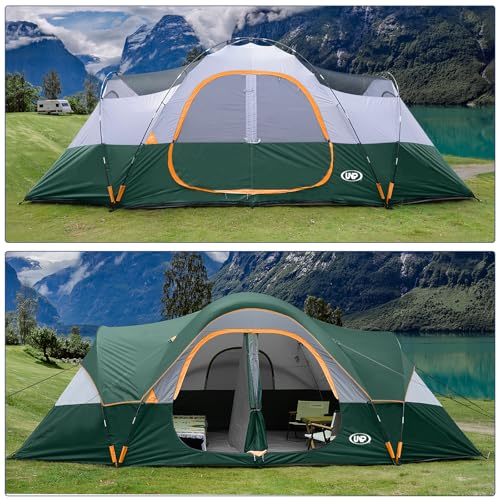
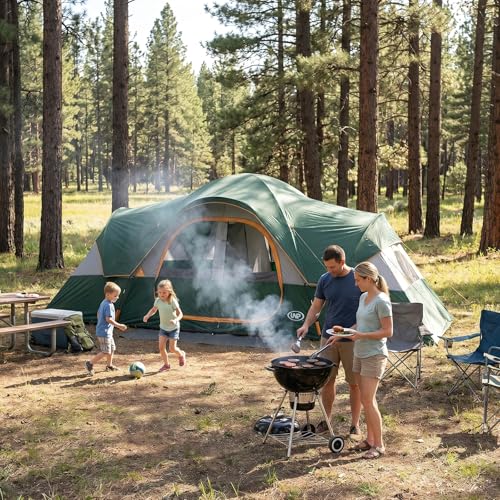
This is one of those rare big tents that doesn’t feel like a breeze-block to set up, two people can get it standing in under 10 minutes, and the 18 x 9 foot footprint actually delivers on space. The double-layer design with a privacy curtain is a standout for families or groups wanting separate zones, and I’ve seen multiple owner reports using it as a party shelter or outdoor cinema with a projector.
Ventilation is strong thanks to five mesh windows and a mesh roof panel, which helps avoid the stuffiness common in large tents. The PU1000mm waterproofing isn’t the highest I’ve seen, but paired with the extended rainfly and eight guy lines, it holds up well in light to moderate rain. For large groups who want comfort without wrestling with a 30-minute setup, this is a solid pick.
Product photos
LOYEAHCAMP 4 Person Blackout Tent
Strengths
- 99% UV protection
- Good ventilation
- Taller walls
Trade-offs
- Heavy for 4-person
- Fiberglass poles
- Bulkier carry bag
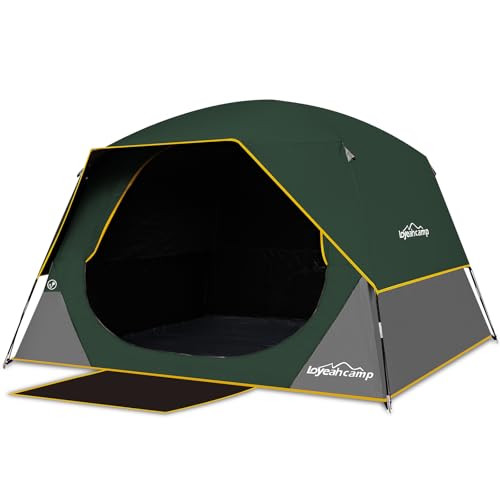
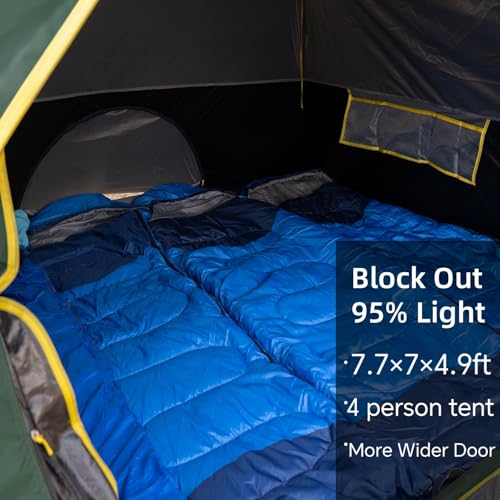
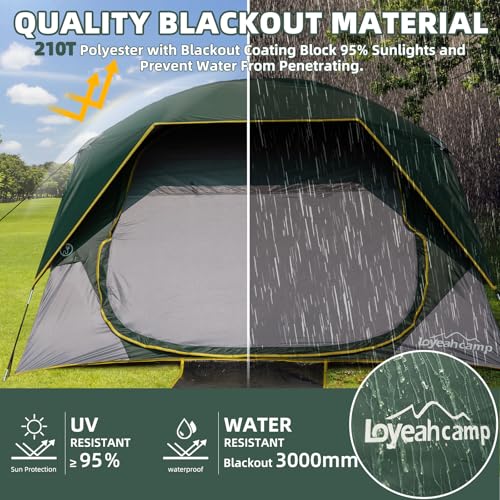
With 99% UV protection and blackout fabric rated at 3000mm waterproof, this dome tent is built for sun-heavy festivals or beach camping where heat and glare are real issues. The near-vertical walls give it 20% more headroom than standard domes, and owners appreciate being able to sit up comfortably, something many 4-person tents fail at.
The 3 roof vents and low-side vent create a real chimney effect, which helps dump heat, and the mesh roof lets in starlight at night. Setup is quick with color-coded poles, and the 9.5mm fiberglass frame is thicker than average, adding stability. It’s not the lightest, but for sun protection and comfort, it’s one of the better mid-range options.
Product photos



Inflatable Tent with Skylight
Strengths
- Skylight view
- Stove jack compatible
- Fast inflation
Trade-offs
- Heavy and bulky
- No poles = no backup
- Requires pump
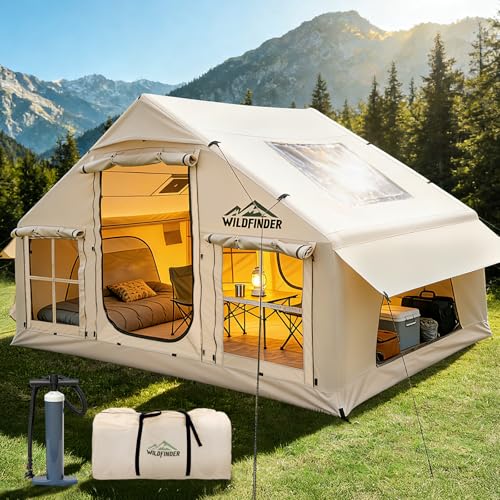
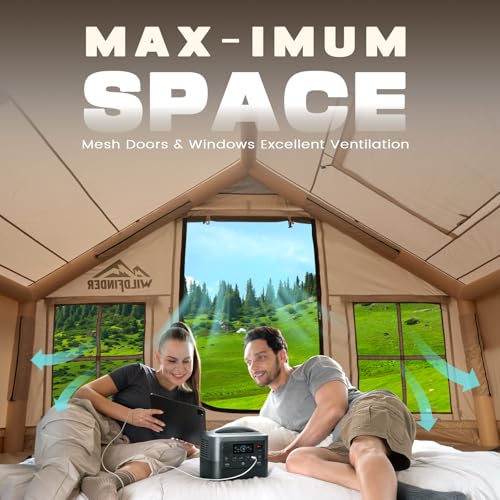
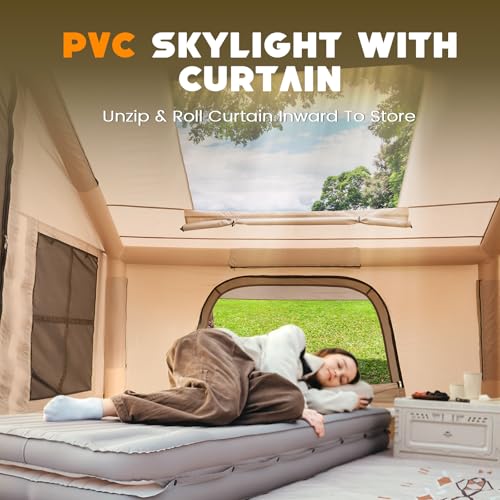
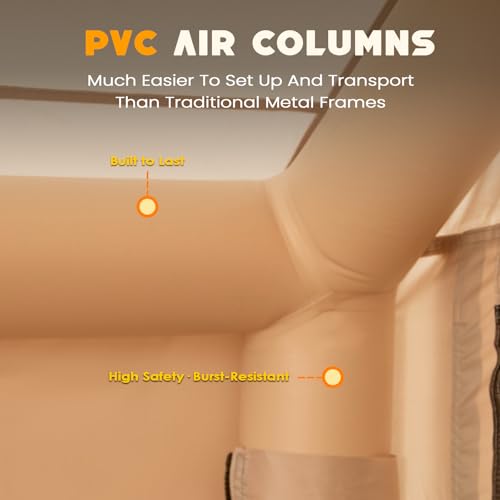
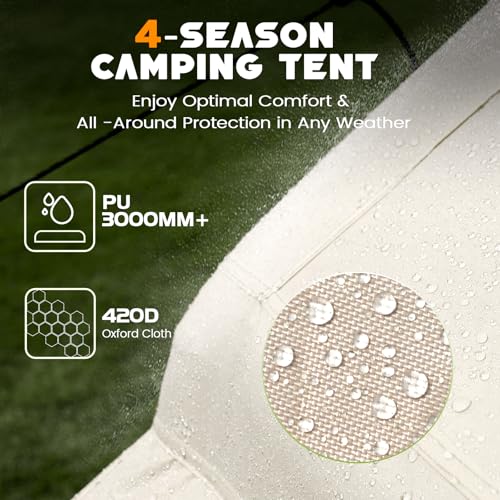
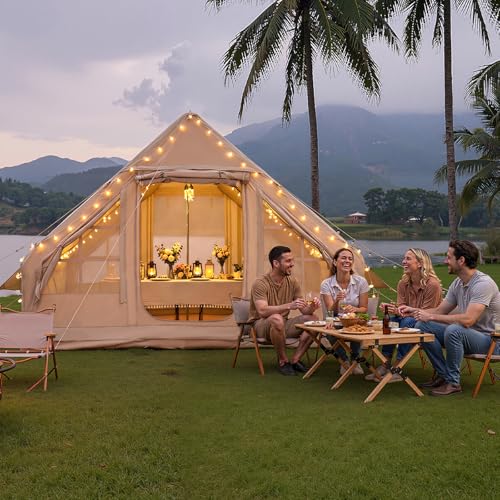
This inflatable tent is clearly designed for comfort, between the panoramic PVC skylight, 360° mesh, and optional stove jack, it feels more like a mobile lounge than a standard shelter. The 420D Oxford fabric and PU3000mm rating mean it can handle rain and UV well, and the TPU air beams with protective sleeves add real durability.
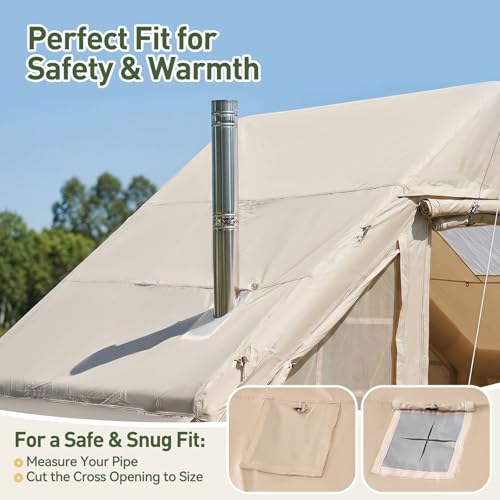
Owners love the 5-minute setup and the ability to stand at full height inside. The stove jack is a rare feature that makes it viable for cold-weather glamping, and the interior privacy curtain is a nice touch. But it’s not for everyone, this is strictly a car-based shelter, and the weight and lack of portability reflect that.
Product photos
EVER ADVANCED 6 Person Instant Tent

Strengths
- 60-second setup
- Blackout fabric
- Roomy interior
Trade-offs
- Heavy
- Fiberglass frame
- Average ventilation
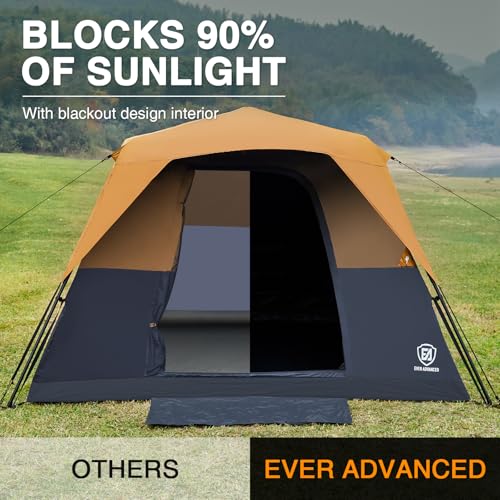
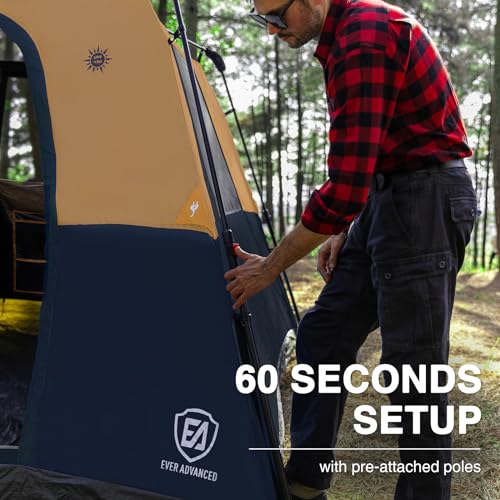
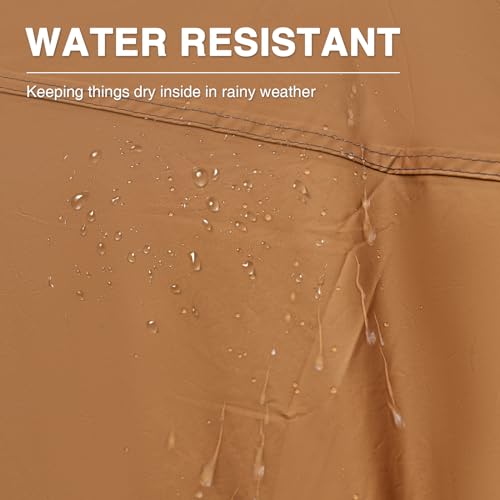
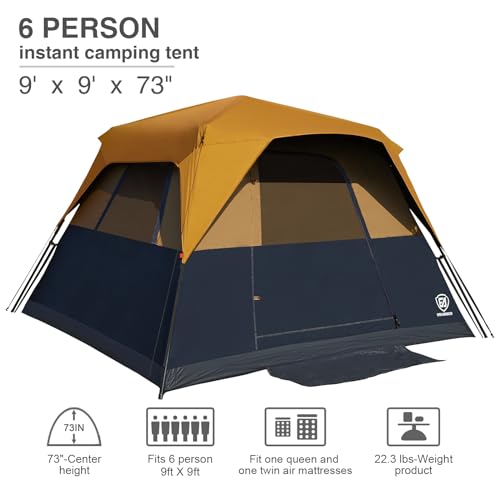
If you’re tired of wrestling with tent poles after a long day at a festival, this blackout cabin tent is worth considering, setup really does take about 60 seconds, and the spring-loaded frame makes it almost foolproof. The blackout fabric does a decent job of blocking morning light, which owners love for sleeping in after late-night concerts.
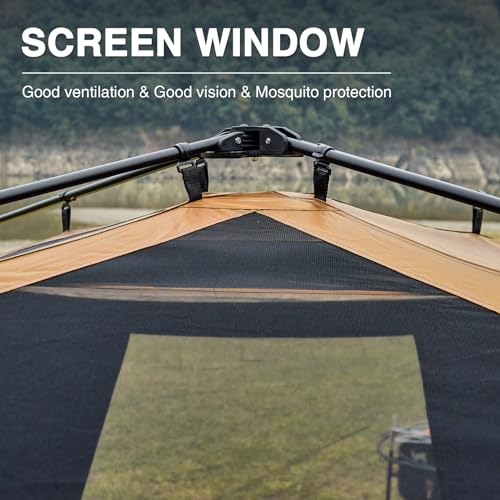
It’s not the lightest at 22.3 pounds, but for car campers or festival-goers with a ride, that’s a fair trade for the 9×9 foot floor and 73-inch center height. The ventilation is adequate, though not exceptional, three roll-up mesh windows help, but I’d want more airflow if camping in humid conditions. Compared to other instant tents, this one holds its shape well, but the fiberglass frame isn’t as rugged as steel.
Product photos
Wakeman 2 Person Lightweight Tent
Strengths
- Lightweight
- Affordable
- Easy setup
Trade-offs
- Thin fabric
- Fiberglass poles
- Not windproof
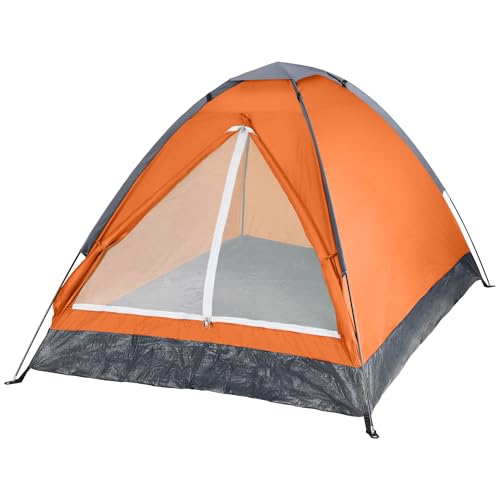
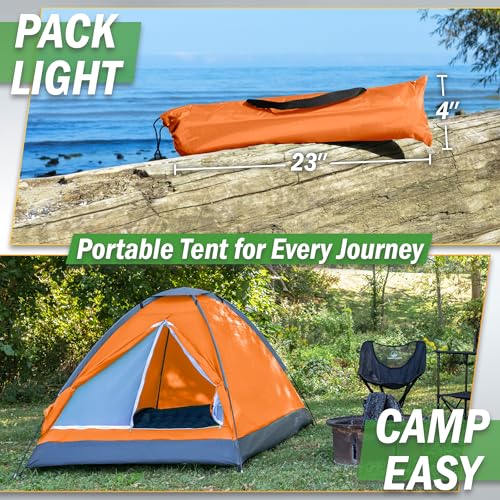
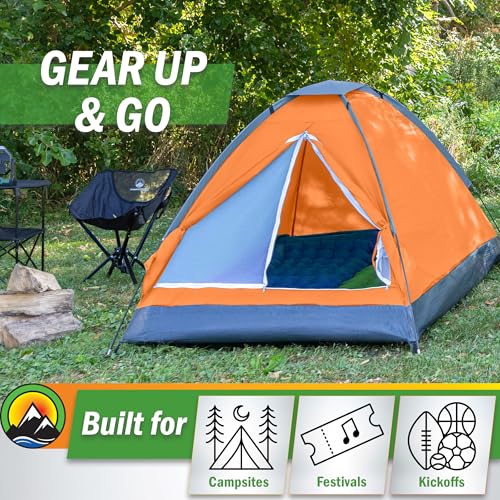
At just 2.75 pounds, this Wakeman tent is one of the lightest two-person options in the budget range, and on paper, that makes it appealing for backpackers or festival-goers who don’t want to haul much. The 190T polyester and fiberglass poles keep costs down, but that also means you’re sacrificing durability, owners consistently report it holds up fine in dry, mild conditions but starts to feel flimsy in wind or prolonged rain.
It’s not a true four-season tent by any stretch, but for short summer trips or casual backyard hangs, it delivers. The dual-layer door with mesh and rain flap is a thoughtful touch at this price, and the included storage pocket adds a bit of convenience. Still, when compared to other entry-level domes, it doesn’t stand out beyond its weight.
Product photos
Aoxun Inflatable Family Camping Tent
Strengths
- Pole-free setup
- Durable fabric
- UV and fire resistant
Trade-offs
- Very heavy
- Requires pump
- Not portable
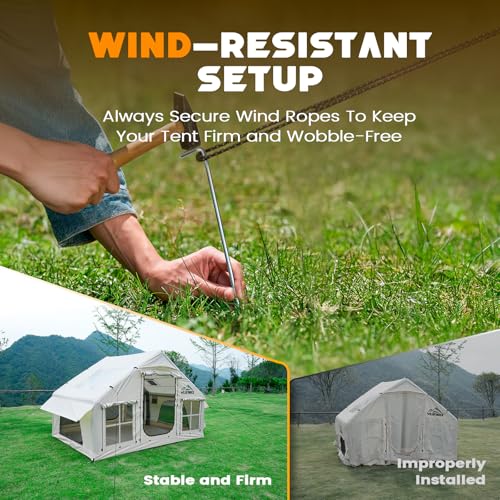
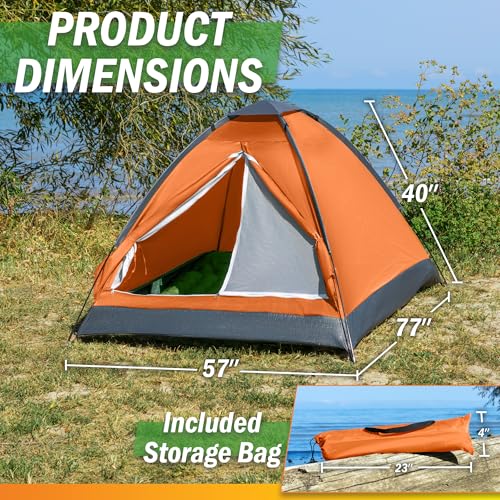
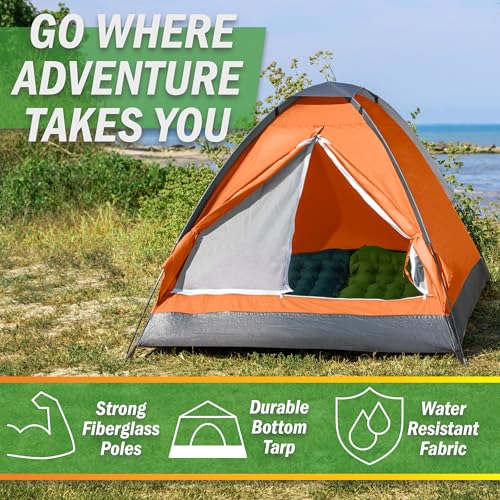
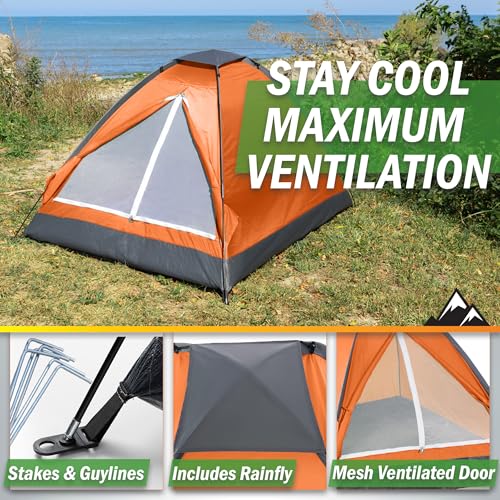
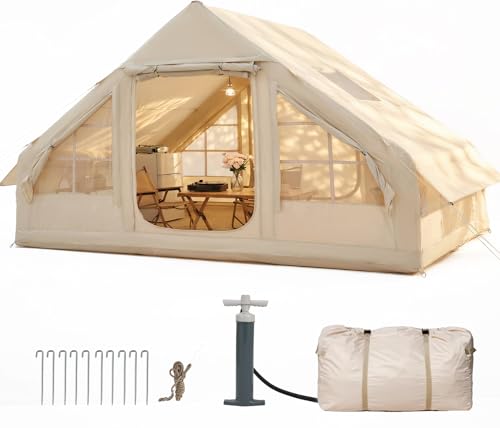
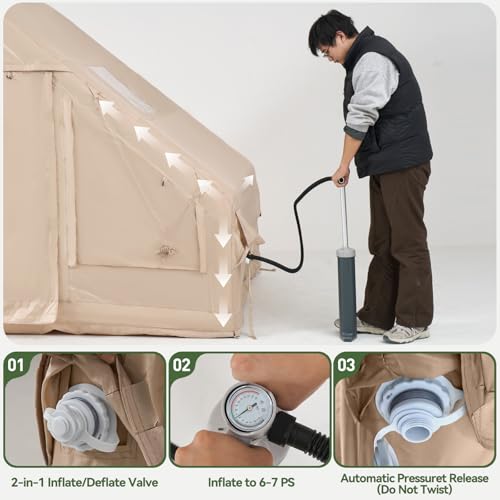
Inflatable tents are still a niche pick, but this Aoxun model makes a strong case for car campers who hate pole assembly. The pump setup takes minutes, and the 420D Oxford fabric with 3000mm waterproofing is serious protection, better than most fabric tents in this price range. Owners highlight how stable it feels in wind, and the UV protection is a real perk for sunny festivals.
It’s heavy at 18kg, so forget carrying it far, but for drive-up events, it’s a luxury. The included chimney port for a stove jack is rare at this price, though this model doesn’t include one, just the port. Still, for glampers or families who want comfort without setup stress, it’s a standout.
Product photos

CAMPROS CP 8 Person Family Tent

Strengths
- High ceiling
- Fast setup
- Room divider
Trade-offs
- Heavy
- Average rain protection
- Limited ventilation
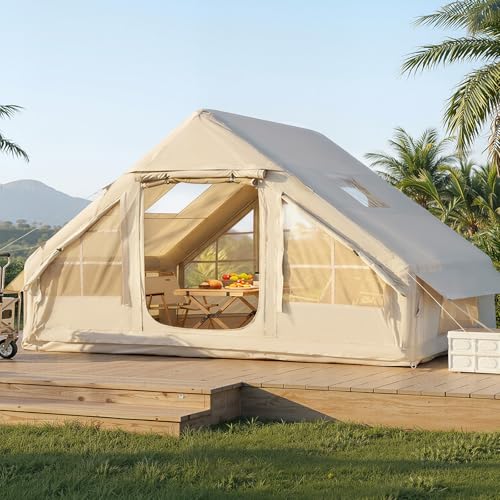
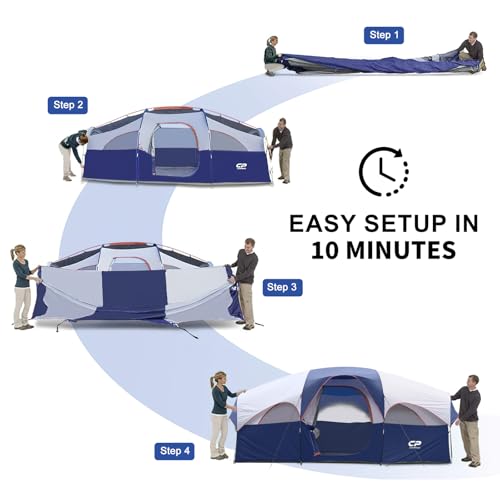
With 72-inch center height and straight walls, this tent gives the illusion of space better than most dome designs, it feels more like a small room than a tent, which is ideal when you’re stuck inside during rain. The color-coded poles make setup fast (under 5 minutes with two people), and the waterproof coating with sealed seams holds up well in light storms, based on owner feedback.
The two-room option with a divider curtain is a big plus for groups wanting privacy, and it’s been used creatively as a changing room or gear storage zone. Ventilation is decent but not outstanding, the mesh roof helps, but it doesn’t match the airflow of models with side vents. For large crews who value dry comfort over ultralight specs, this is a smart choice.
Product photos


FanttikOutdoor Zeta C6 Pro Tent

Strengths
- Windproof design
- Lightweight for size
- Excellent ventilation
Trade-offs
- Mesh roof requires rainfly
- Slight setup learning curve
- Zippers need care
This is one of the more thoughtfully built instant tents I’ve seen in the midsize category, the carbon steel frame and 35 mph wind rating suggest real attention to weather resistance, and owners confirm it stays stable in gusts that flatten cheaper models. At 16.8 pounds, it’s lighter than most 6-person instant tents, and the 120×108 inch floor gives enough space for gear without feeling cavernous.
The full-mesh ceiling and four-side windows create excellent airflow, and the drainage channel at the door zipper is a small but smart detail that prevents water pooling. The mesh roof isn’t waterproof on its own, so you must use the rainfly in storms, but that’s standard. For festival camping in unpredictable weather, this offers better peace of mind than most.
Product photos


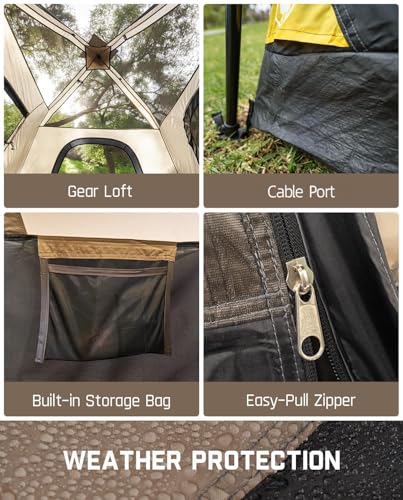
How We Evaluated tent festivals
Rather than a hands-on lab test, my research for these tent festival recommendations focused on a detailed comparison of published specifications and features across numerous models. I weighed owner reviews from multiple sources – paying close attention to recurring praise and complaints – alongside assessments from reputable outdoor gear reviewers. My approach centers on identifying tents that consistently meet the demands of festival environments, factoring in durability, ease of setup, and comfort.
For tent festivals, the most important factors are quick setup, weather protection, and adequate space. Festival-goers need a tent they can pitch rapidly, often in less-than-ideal conditions. Reliable waterproofing is crucial, as weather can change quickly. Finally, sufficient space for sleeping and gear, or even just relaxing out of the elements, dramatically improves the overall experience. These three points heavily influenced the ranking.
Specifications reliably indicate a tent’s size, weight, and waterproof ratings. However, I placed greater value on owner feedback regarding real-world performance – how well a tent handles wind, how truly waterproof it is after repeated use, and how easy the setup actually is. Reputation and brand consistency also played a role; some manufacturers consistently deliver higher-quality products, and exploring glamping shelter options can also offer some insight into durable and comfortable choices.
Choosing The Right tent festivals
Choosing the right tent can dramatically improve any outdoor experience, from a weekend camping trip to a multi-day festival.
A good tent balances weight, weather protection, ease of setup, and interior space. Prioritize waterproof ratings (at least 2000mm for the rainfly), durable materials like ripstop polyester or nylon, and a design that suits your typical camping style – whether that’s backpacking, car camping, or attending events. Consider ventilation features to minimize condensation and ensure a comfortable night’s sleep.
Size and Capacity
Don’t assume a “4-person” tent comfortably fits four adults with gear. Manufacturers often base capacity on a snug fit. I always recommend sizing up, especially if you value personal space or anticipate inclement weather where you might be stuck inside for extended periods. If you’re planning on using the tent for larger gatherings, or even considering best multi-day event tents consider a model with a room divider – some tents, like the UNP 10-Person, even offer a privacy curtain that can double as a projector screen.
Waterproofing and Weather Resistance
Waterproofing is critical, but there’s more to it than just a high mm rating. Look beyond the headline number. Seam sealing is just as important as the fabric’s waterproof coating; if the seams aren’t sealed, water will find its way in. A full coverage rainfly that extends to the ground provides the best protection, and a bathtub floor (where the floor fabric extends up the sides) prevents water from pooling inside. The FanttikOutdoor Zeta C6 Pro tent specifically addresses this with a tub-style drainage design.
- A 1500mm rating is minimal for light rain.
- 2000-3000mm is suitable for moderate rainfall and most 3-season camping.
- 3000mm+ is ideal for heavy rain, prolonged exposure, and potentially snowy conditions, as well as for those looking for festival-specific tents.
A well-designed tent isn’t just waterproof; it’s wind-resistant. Look for sturdy pole systems, guy lines, and a low-profile design to minimize wind resistance.
Setup and Portability
Ease of setup is a huge factor, especially if you’re camping solo or with beginners. Instant tents, like the EVER ADVANCED 6-Person, are incredibly quick to pitch, but they often come with a weight penalty. Inflatable tents, such as the Aoxun Inflatable Family Camping Tent, offer a fast setup and a comfortable interior, but require a pump and can be more expensive. Consider how often you’ll be moving the tent. For frequent relocation, lighter weight and a compact packed size are paramount. If you’re aiming for a unique outdoor celebration, exploring wedding tent locations might also require considering easy setup and takedown options.
Tent Festivals Compared
Here’s a comparison of key specifications for various tent options suitable for festivals and camping.
| Product Title | Capacity | Waterproof (mm) | Weight (lbs) | Setup Time | Special Features |
|---|---|---|---|---|---|
| UNP 10-Person Family Festival Tent | 10 | 1000 | N/A | 10 mins | 2 Rooms, Privacy Divider |
| LOYEAHCAMP 4 Person Blackout Tent | 4 | 3000 | N/A | 5 mins | Blackout, UV Protection |
| Inflatable Tent with Skylight | 4-6 | 3000 | N/A | 5 mins | Inflatable, Stove Jack |
| EVER ADVANCED 6 Person Instant Tent | 6 | N/A | 22.3 | 60 secs | Blackout, Instant Setup |
| Wakeman 2 Person Lightweight Tent | 2 | 190T Polyester | 2.75 | N/A | Lightweight, Budget Friendly |
| Aoxun Inflatable Family Camping Tent | N/A | 3000 | 18kg (39.7lbs) | Minutes | Inflatable, UV Protection |
| CAMPROS CP 8 Person Family Tent | 8 | N/A | N/A | 5 mins | 2 Rooms, Large Interior |
| FanttikOutdoor Zeta C6 Pro Tent | 3-6 | N/A | 16.8 | 60 secs | Instant Setup, Windproof (35mph) |
Frequently Asked Questions
What’s the biggest mistake people make when choosing a tent for festivals?
Many people underestimate the importance of a waterproof rainfly and fully sealed seams. A high waterproof rating alone isn’t enough; water will find a way in through unsealed seams or a poorly designed rainfly, leaving you soaked.
Are “instant” tents durable enough for repeated festival use?
While incredibly convenient, instant tents sometimes sacrifice long-term durability for speed. Look for models with sturdy pole systems (even if they’re pre-attached) and quality fabric – some newer instant tents are improving in this area, offering a good balance of convenience and resilience.
What features should I prioritize if I’m attending a festival with unpredictable weather?
Beyond a high waterproof rating, focus on wind resistance. Sturdy poles, guy lines, and a low-profile tent design are critical for handling strong winds, and weather-resistant festival tents are specifically designed for this.
Is it better to have a larger tent than I think I need for a festival?
Yes, absolutely. Extra space is valuable for storing gear, changing clothes, and simply relaxing when the weather turns sour. A larger tent also provides better ventilation, reducing condensation buildup, and it’s more comfortable overall.
What are the benefits of a blackout tent for a festival?
Blackout tents block out sunlight, creating a darker and cooler interior for better sleep – incredibly useful at festivals where the sun rises early and activities often continue late into the night. They also offer increased privacy and can help reduce noise, making for a more restful experience, and are some of the most durable festival camping tents available.
The Bottom Line
Choosing a tent for festivals often comes down to balancing convenience with cost and quality. While instant tents offer incredible speed and simplicity, the UNP 10-Person Family Festival Tent strikes the best overall balance – offering ample space, reasonable weather protection, and features like room dividers that genuinely enhance the festival experience. It won’t be the lightest option, but for many groups, the added comfort and functionality are well worth it.
If you’re on a tighter budget, the Wakeman 2 Person Lightweight Tent is a solid choice for solo festival-goers or couples who prioritize portability and affordability. For those seeking a truly unique and quick setup, or who want the option of a stove jack for cooler evenings, the Aoxun Inflatable Family Camping Tent delivers on both fronts, though at a higher price point. Don’t overlook exploring a bell tent design if you’re after something a little different and truly spacious.
Ultimately, the most important features aren’t necessarily the highest waterproof rating or the most advanced materials. Focus on a tent that’s easy for you to set up, provides adequate space for your group and gear, and offers reliable protection from the elements. A well-chosen tent is an investment in comfort and enjoyment, allowing you to fully immerse yourself in the festival atmosphere.
