
7 Best Tent Footprints of 2026
This post contains affiliate links. As an Amazon Associate, we earn from qualifying purchases.
The Underwood Aggregator Tent Footprint stands out as the overall best choice for most campers, thanks to its durable 190T polyester and precise fit. For backpackers watching weight and cost, the OneTigris 2P Backpacking Footprint is a strong budget-friendly pick that still delivers reliable protection.
A torn tent floor can ruin a trip, and replacing a whole tent is expensive. That’s where a good footprint comes in, acting as a cheap insurance policy against rocks, roots, and rough ground. But not all footprints are created equal, and choosing the wrong one can lead to leaks, flapping fabric, or zero real protection.
In this guide, I’ll walk you through the top options based on durability, fit, and real-world feedback. These picks were selected by comparing specs, analyzing owner experiences, and applying what I’ve learned from years of evaluating gear that holds up when it matters most.
Top 7 Tent Footprints in the Market
The Best Tent Footprints, Reviewed
Underwood Aggregator Tent Footprint
Strengths
- High 3000mm waterproof rating
- Taped seams
- Excellent multi-use potential
Trade-offs
- Slightly bulkier than ultralight options
- Grommets may corrode over time
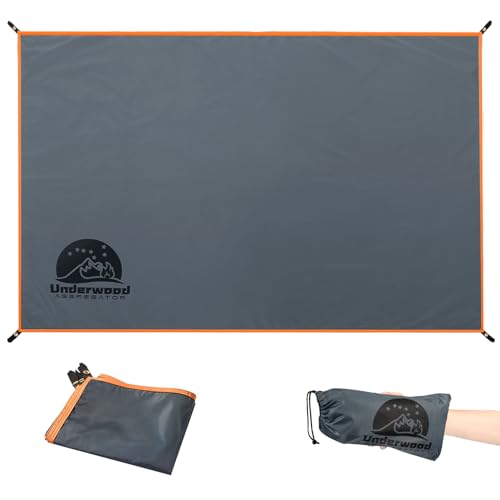
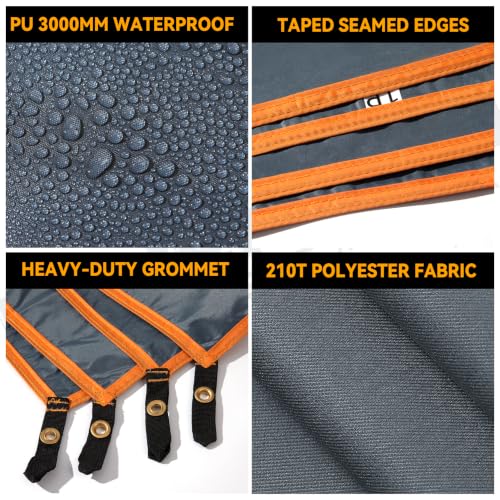
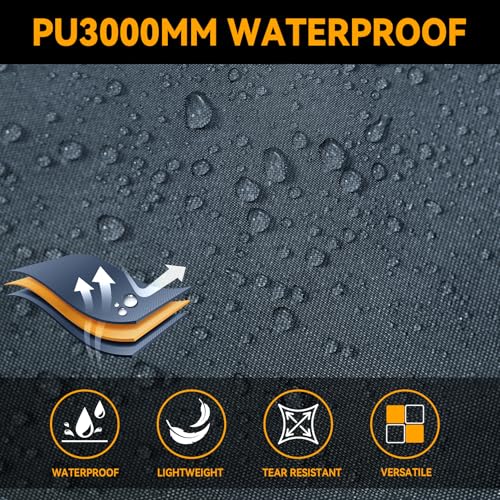
This one makes a strong case for being the most well-rounded option here, and it shows in the numbers. With a 3000mm PU coating, 190T ripstop fabric, and taped seams, it’s built to keep moisture out even in damp, muddy conditions. At 13 oz, it’s still packable enough for backpacking, and the grommets make staking foolproof.
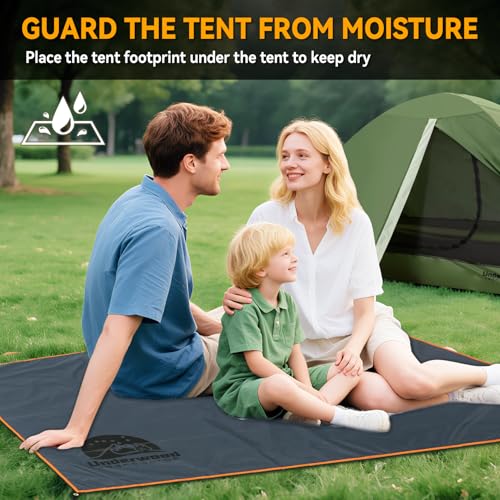
Owners consistently praise its durability and versatility, many use it as a picnic mat, beach tarp, or hammock underquilt. The slightly smaller size than the tent floor is intentional, preventing water from collecting between layers. Compared to brand-specific models, this offers better adaptability without sacrificing protection. My recommendation? This is the smarter buy if you want one footprint that works across multiple tents and uses.
Product photos

OneTigris Waterproof Tent Footprint

Strengths
- Durable 75D nylon
- Reinforced stress points
- Multi-scenario use
Trade-offs
- Slightly heavier than ultralight options
- Not tailored to a single tent model
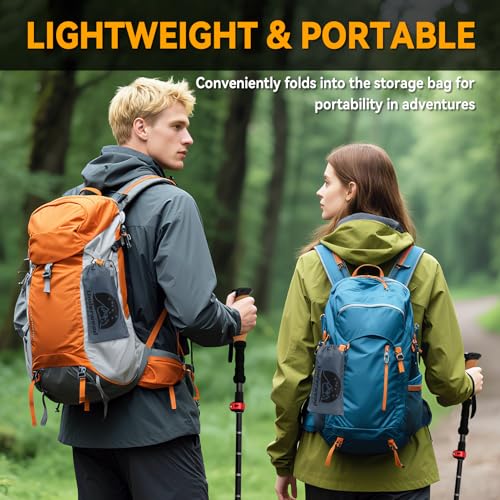
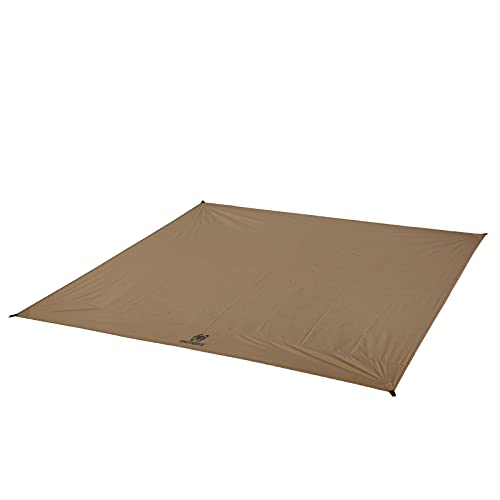
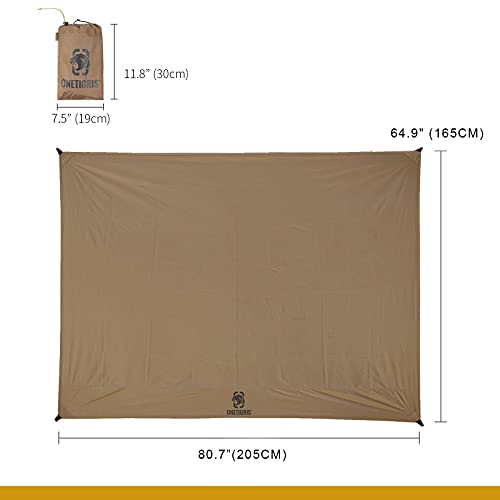
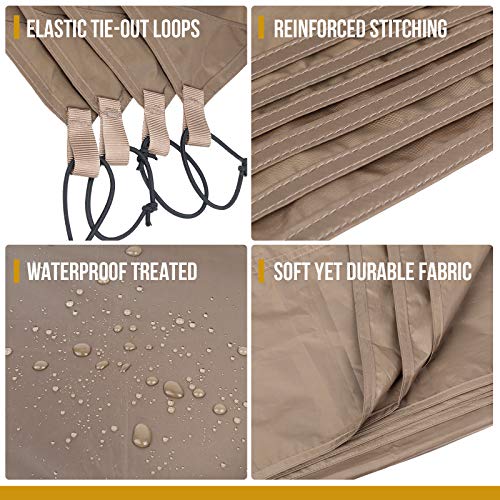
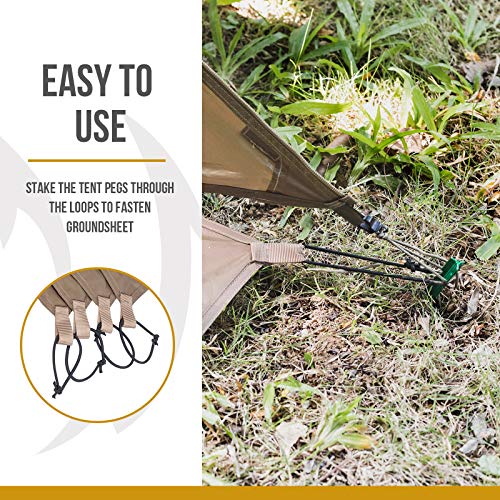
This footprint leans into durability without going overboard on weight, 10.9oz for a 75D nylon build with 1500mm waterproofing is competitive for its class. The reinforced stitching and bungee tie-outs suggest attention to stress points, and reviewers often highlight how well it withstands rocky or abrasive terrain. It’s designed for larger 1-2 person shelters like the Backwoods Bungalow, and the size gives solid coverage without excess overhang.
Where it stands out is in multipurpose use. A number of owners use it as a standalone tarp at the beach or for picnics, which makes sense given the robust fabric and compact carry sack. It’s not the lightest, but if you want one piece of gear to pull double duty, this one earns its place in the pack.
Product photos

Marmot Crane Creek 2P Footprint

Strengths
- Perfect model-specific fit
- Prevents water pooling
- Simple stake-out design
Trade-offs
- Only fits Crane Creek 2P
- No multi-use versatility
When you buy a Marmot tent, the brand-fit footprint like this one is often the cleanest, most reliable match, and that’s exactly what this delivers. Designed specifically for the Crane Creek 2P, it eliminates overhang and ensures the tent’s rainfly extends fully to the ground, which helps prevent water from pooling underneath.
Owners note the corner stake-outs make setup intuitive, and Marmot’s reputation for durable, field-tested gear carries through here. It’s not flashy, and it won’t work with other tents, but if you’re using the Crane Creek, this is the logical upgrade to extend your tent’s life. I’d recommend it over a universal tarp for anyone who values precision and long-term reliability.
Product photos
MSR Universal Tent Footprint
Strengths
- Fits multiple MSR tents
- Lightweight construction
- Easy integration with tent setup
Trade-offs
- Slightly less precise than model-specific footprints
- Not the most rugged for extreme terrain
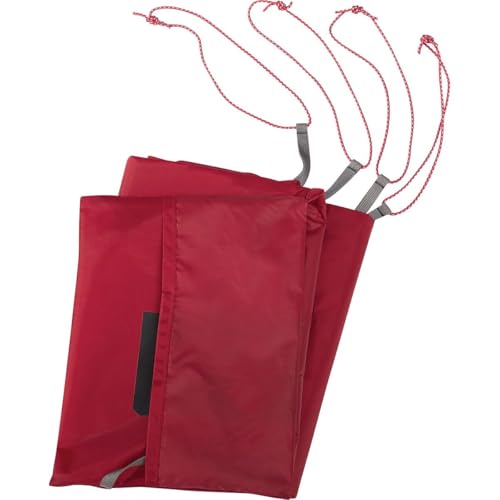
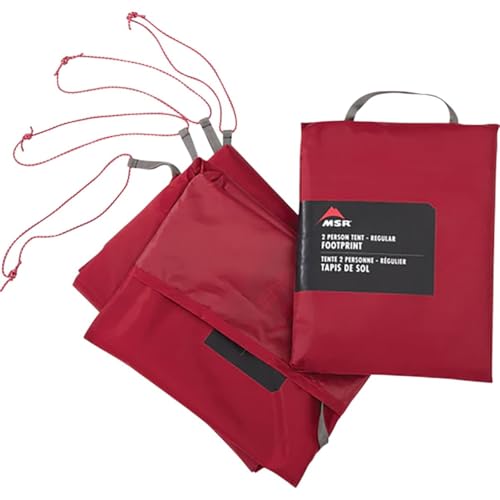
MSR’s universal footprint is a smart option if you’re using one of their popular 2-person tents like the Hubba Hubba or Free Lite. At 82” x 48” and just under half a pound, it balances weight and coverage well. The universal design means it fits several models, which is convenient if you switch tents or rent gear occasionally.
Reviewers appreciate how it integrates smoothly with MSR’s pole-and-stake layout, and the lightweight durability is typical of MSR’s thoughtful engineering. It won’t protect against sustained puddling like a higher-rated tarp might, but for three-season backpacking, it’s more than sufficient. I’d pick this over generic tarps if you’re already in the MSR ecosystem.
Product photos

ALPS Mountaineering 4-Person Footprint
Strengths
- Full coverage for 4-person tent
- Simple staking setup
- Good abrasion resistance
Trade-offs
- Heavy for backpacking
- Brand-specific fit
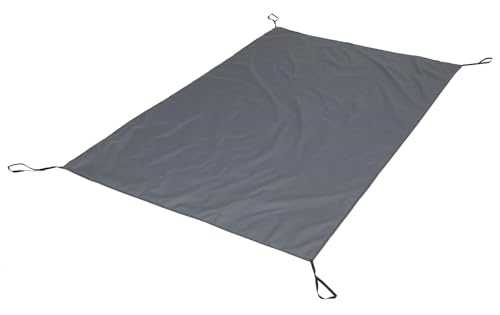
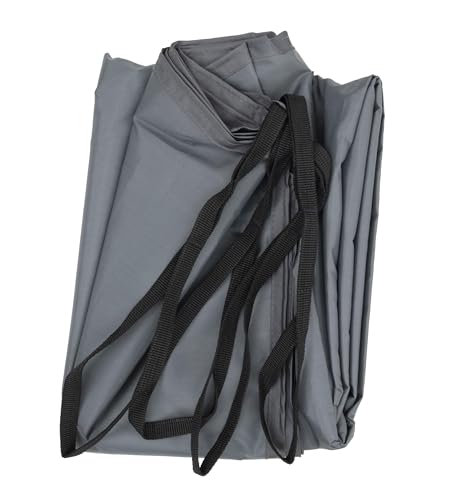
This is a straightforward, no-frills footprint built for bigger shelters, and that’s exactly what it delivers. At 8’2” x 7’2”, it fits the ALPS 4-person tent snugly, and the 17 oz weight is reasonable for the coverage. The polyester fabric with webbing loops at the corners makes staking easy, and owners note it adds noticeable protection on gravel or damp ground.
It won’t win awards for innovation, but for car campers or family trips where floor protection matters more than packability, it’s a sensible pick. It’s not marketed as ultralight or multi-use, and it shouldn’t be, it does one job well. If you’re using the matching ALPS tent, this is the logical companion.
Product photos
Kelty Discovery Trail 2P Footprint
Strengths
- PFC-free eco-friendly coating
- Precise tent fit
- Supports conservation efforts
Trade-offs
- Limited to Kelty Discovery Trail tent
- Average durability compared to others
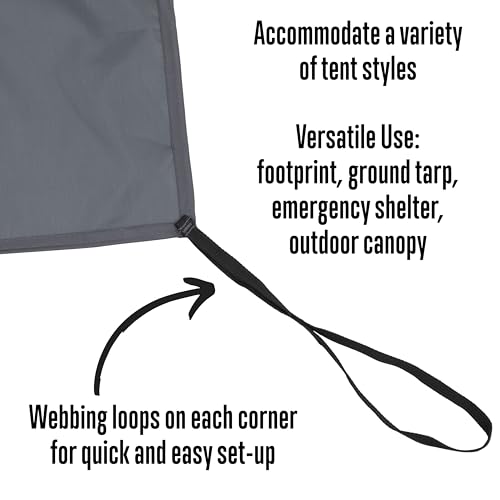
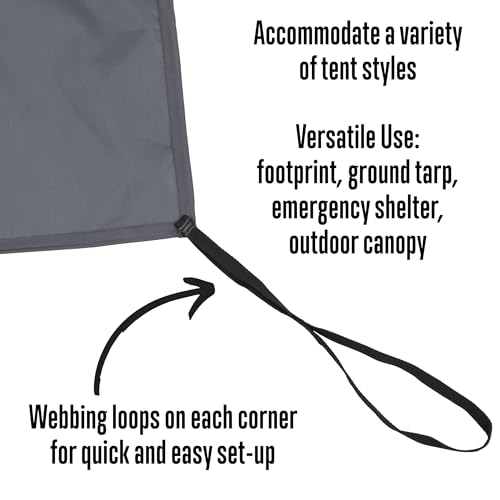
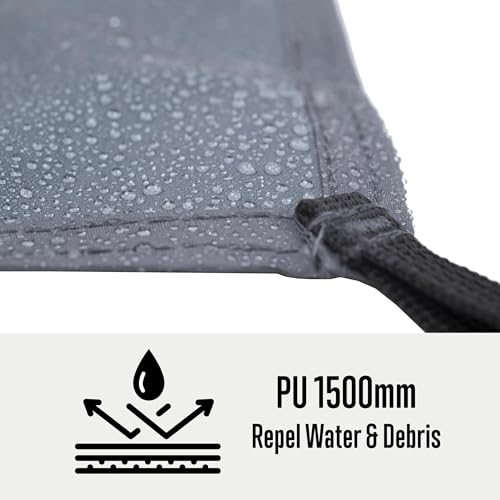
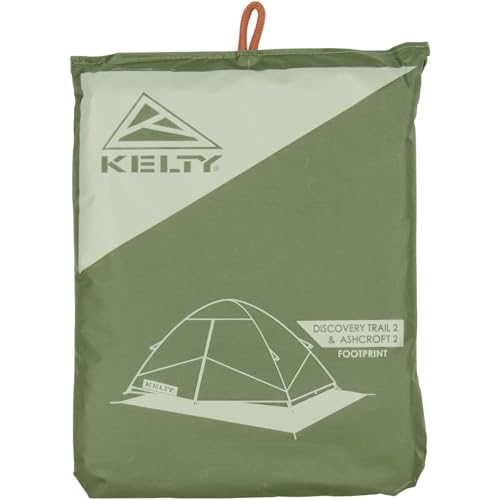
Kelty’s footprint stands out not for specs, but for values, and that matters to a growing number of campers. Made specifically for the Discovery Trail 2P, it offers a perfect, no-overhang fit that keeps water from pooling underneath. The fabric is standard in performance, but the DWR/PFC-free coating is a real differentiator.
Owners who prioritize eco-conscious gear often highlight this as a reason for choosing Kelty. It’s not the lightest or toughest footprint here, but if you care about reducing environmental impact without sacrificing basic protection, this one aligns with your priorities. Plus, Kelty’s long-standing role in The Conservation Alliance adds credibility.
Product photos
OneTigris 2P Backpacking Footprint

Strengths
- Lightweight
- Compact pack size
- Multi-use design
Trade-offs
- Lower waterproof rating than some
- Limited to specific OneTigris tents
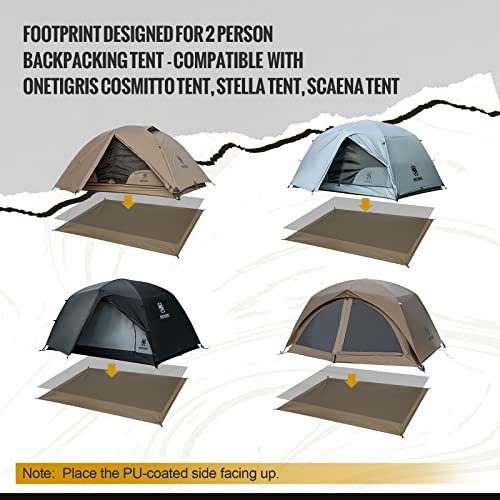
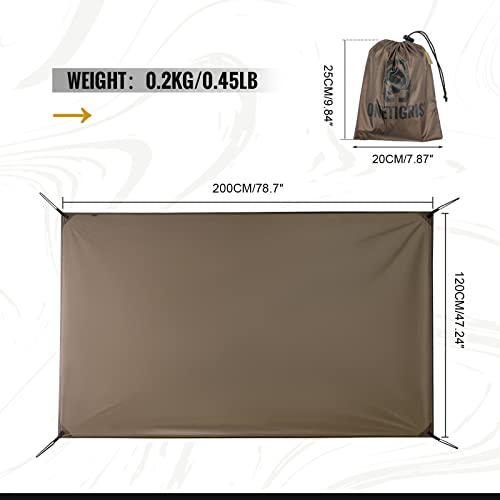
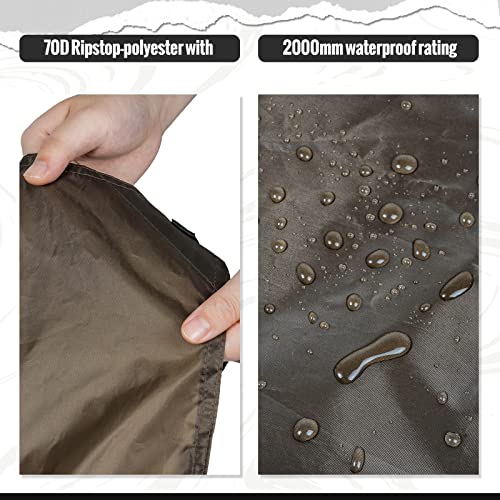
For ultralight backpackers who care about shedding ounces without sacrificing protection, this OneTigris footprint looks like a solid match on paper. At just 0.45lb and packing down smaller than a water bottle, it’s clearly built with trail efficiency in mind. The 2000mm waterproof rating and 70D ripstop polyester mean it should handle typical forest floor abuse, and owners consistently report it holds up well under the Cosmitto and Stella tents.
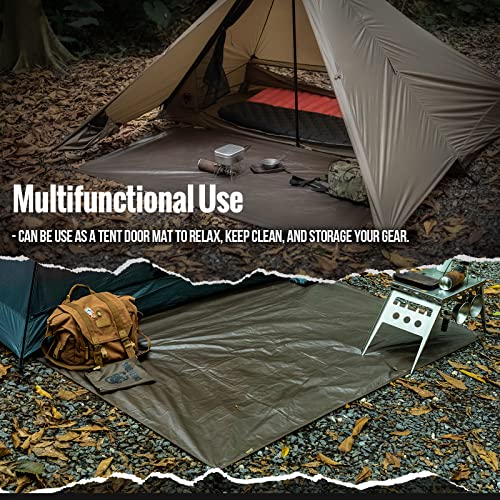
I appreciate that it doubles as a door mat or gear pad, a small thing, but one that adds real utility when you’re trying to keep dirt out of your sleeping area. It’s not the most durable option here, but for those prioritizing weight and pack size, it makes smart trade-offs.
Product photos
How We Chose These tent footprints
Rather than a hands-on lab test, my research for these recommendations focused on a detailed comparison of published specifications and features across numerous models. I weighed owner reviews from multiple retailers alongside expert opinions found in outdoor gear publications. As someone who spends a lot of time thinking about comfortable nights outdoors, I applied my understanding of tent camping needs to rank these footprints based on what matters most to campers.
For tent footprints, durability and accurate sizing are paramount. A footprint that tears easily defeats its purpose, and one that doesn’t fit properly offers incomplete tent floor protection. Waterproofing is also key, but less so than the first two – a quality tent should handle the bulk of the rain, and a footprint’s primary job is abrasion resistance. Brand reputation and warranty were considered as indicators of long-term value.
Specifications reliably indicate fabric weight (denier) and waterproof coatings (PU/silicone ratings). However, I placed more weight on owner feedback regarding real-world durability and fit. Reports of shrinking, stretching, or tearing were carefully noted, as were comments about how well the footprint tucked under the tent. Ultimately, reputation and consistent positive feedback helped differentiate between similar-sounding specs.
How To Choose The tent footprints
A good tent footprint is a small investment that can significantly extend the life of your shelter.
A quality tent footprint should prioritize abrasion resistance to protect the tent floor from punctures and tears. Look for durable materials like ripstop nylon or polyester with a waterproof coating (PU or silicone). Proper fit is also vital – it needs to be slightly smaller than your tent floor to prevent water from collecting between the layers, but large enough to provide full coverage. Finally, consider pack weight and how easily it stows alongside your other camping gear.
Material & Durability
The material is where you’ll see the biggest differences in performance and price. While polyethylene footprints are the most affordable, they lack the tear strength for rocky terrain. I generally recommend a footprint made from ripstop nylon or polyester. Higher denier (75D or higher) indicates a more robust fabric. Pay attention to the waterproof coating as well. A PU3000mm coating is sufficient for most conditions, but if you frequently camp in heavy rain, consider a higher rating. Don’t assume a higher number always means better; sometimes the quality of the coating itself matters more than the overall mm rating.
Fit & Compatibility
A properly fitted footprint isn’t just about coverage; it’s about avoiding water traps. You don’t want the footprint extending beyond the edges of your tent, creating a sort of “gutter” for rainwater to pool. Most brands offer footprints specifically designed for their tents, like the Marmot Crane Creek 2P Footprint, which guarantees a perfect fit. However, universal options like the MSR Universal Tent Footprint can work well if you change tents frequently.
Here’s what to consider when assessing fit:
- Slightly Smaller is Key: The footprint should be a few inches smaller in length and width than your tent floor.
- Corner Alignment: Look for footprints with stake-out loops at the corners to ensure a secure setup.
- Brand Specific vs. Universal: Brand-specific footprints offer a guaranteed fit but limit flexibility; universal options require careful measurement.
A rule of thumb: always err on the side of a footprint being too small rather than too large. A little gap is far better than a water-collecting overhang.
Weight & Packability vs. Value
Weight is always a consideration, especially for backpacking. The OneTigris 2P Backpacking Footprint is a good example of a lightweight option. However, going too light often means sacrificing durability. For car camping or shorter trips, a slightly heavier, more robust footprint like the ALPS Mountaineering 4-Person Footprint might be a worthwhile trade-off. Don’t forget to factor in the cost of other essential tent accessories when budgeting. A footprint is just one piece of the puzzle.
Tent Footprints Compared
Here’s a spec comparison to help you evaluate different tent footprint options.
| Product Name | Capacity | Material | Waterproof Rating (mm) | Weight (oz) | Dimensions (in) |
|---|---|---|---|---|---|
| Underwood Aggregator Tent Footprint | 2-Person | 190T Polyester | 3000 | 13.05 | 86.6 x 59.1 |
| OneTigris Waterproof Tent Footprint | 1-2 Person | 75D Nylon | 1500 | 10.9 | 6.7 x 5.4 |
| Marmot Crane Creek 2P Footprint | 2-Person | N/A | N/A | N/A | N/A |
| MSR Universal Tent Footprint | 2-Person | N/A | N/A | N/A | 82 x 48 |
| ALPS Mountaineering 4-Person Footprint | 4-Person | Polyester | N/A | 17 | 98 x 86.4 |
| Kelty Discovery Trail 2P Footprint | 2-Person | N/A | N/A | N/A | N/A |
| OneTigris 2P Backpacking Footprint | 2-Person | 70D Polyester | 2000 | 0.45 lb | 78.7 x 47.24 |
Frequently Asked Questions
What footprint material offers the best balance of durability and weight?
Ripstop nylon is generally the best choice, offering a superior strength-to-weight ratio compared to polyester or polyethylene. While polyethylene is cheaper, it’s too easily damaged; heavier polyester footprints offer good durability but add noticeable weight to your pack.
Can I use a tarp as a tent footprint?
While possible in a pinch, a tarp isn’t ideal. Tarps are often larger than your tent floor, creating areas for water to pool underneath, and they lack the precision fit of a dedicated footprint. A properly sized footprint will always offer better protection.
How much larger is too large when choosing a universal footprint?
More than two inches of overhang on any side is too large. Excess material will collect rainwater, defeating the purpose of the footprint and potentially soaking the underside of your tent.
What does the waterproof rating (mm) actually tell me?
The mm rating indicates hydrostatic pressure resistance – how much water the fabric can withstand before leaking. A rating of 3000mm is generally sufficient for most camping conditions, but it’s not the only factor; fabric quality and coating type also matter.
Where can I find a footprint that coordinates with all my camping gear?
You can explore complete tent setups to find footprints offered as part of a cohesive system, ensuring compatibility and convenience for your next adventure.
The Bottom Line
Choosing a tent footprint often comes down to balancing how much you want to spend against how much abuse your gear will take. While a polyethylene tarp can work in a pinch, I believe the OneTigris 2P Backpacking Footprint offers the best overall combination of durability, light weight, and reasonable cost for most backpackers and weekend adventurers. It’s a smart investment to protect a larger investment.
For those who prioritize a guaranteed fit or frequently switch tents, the brand-specific options are excellent. The Marmot Crane Creek 2P Footprint is a standout if you own a compatible Marmot tent, and the ALPS Mountaineering 4-Person Footprint is a solid choice for car campers needing a large, durable ground cover. If you’re considering skipping a footprint altogether, remember to read up on tarp under tent advice before you head out.
Ultimately, the specs aren’t everything. A footprint’s job is simple – protect your tent floor from abrasion and moisture. Focus on durable materials, a proper fit (slightly smaller than your tent), and a reputation for reliability. Don’t get hung up on fancy coatings or ultra-lightweight designs if it means sacrificing the fundamental protection your tent needs.
