
8 Best Tent Mattresses for Camping 2026
This post contains affiliate links. As an Amazon Associate, we earn from qualifying purchases.
The FNARMW Double Sleeping Pad 6″ is the best overall tent mattress for comfort and support, especially if you value thick cushioning and easy inflation. For budget-conscious campers, the Pretyw Double Sleeping Pad 4″ delivers solid performance without the high price, while the GAIALOOP 3″ Memory Foam Mattress offers a quiet, plush sleep experience with its foam construction.
Most campers don’t realize how much a poor mattress can ruin a trip. Waking up sore, cold, or constantly adjusting your pad in the dark is more common than you’d think, and it often comes down to choosing based on price or size alone.
In this guide, I break down the top tent mattresses based on real owner feedback, material quality, and key features like thickness, R-value, and ease of setup. These picks balance comfort, durability, and practicality, so you can sleep well no matter where the trail ends.
Top 8 Tent Mattresses in the Market
The Best Tent Mattresses, Reviewed
FNARMW Double Sleeping Pad 6″

Strengths
- 6″ plush thickness
- Drawstring support tech
- 800 lb capacity
Trade-offs
- 5 lbs is heavy
- Bulkier than others
If you want to sleep like you’re on a real bed in the woods, this 6-inch beast comes closest. At 79×55 inches and 6 inches thick, it’s more mattress than pad, and owners rave about how it eliminates ground feel, even on rocky sites. The drawstring support technology actually works: it adapts to body curves better than standard air chambers, and the 800-lb capacity means it won’t bottom out.
It’s heavier at 5 lbs, but for car camping or family trips, that’s a fair trade. The foot pump is solid, though it takes 3 minutes of steady stomping. Compared to others, this one wins on comfort and build quality, 50D nylon is tougher than most, and the dual valves prevent leaks better than average. My recommendation? This is the best overall pick if you’re not hiking far.
Product photos


CYMULA CertiPUR-US Memory Foam Pad

Strengths
- Memory foam comfort
- CertiPUR-US certified
- Waterproof non-slip base
Trade-offs
- Heavy for backpacking
- Takes 24-72 hours to fully expand
This is one of those rare foam pads that actually feels like a proper mattress, not just a glorified yoga mat. On paper, the 3-inch high-density memory foam stands out in a category dominated by flimsy air pads, and owners consistently report it delivers real pressure relief, especially for side sleepers who usually pay the price on hard ground. The CertiPUR-US certification adds peace of mind, and I appreciate that it’s not just marketing noise; reviewers note the lack of chemical smell right out of the bag, which isn’t always the case with foam.
Where it really shines is versatility. It rolls up compactly enough for car camping, but its real strength is as a guest bed or floor mattress at home. Compared to air pads, it’s dead silent and doesn’t shift under you. That said, it’s not for backpackers, the weight and bulk make that clear. But if you’re driving to your campsite or setting up a glamping base, this is a legit comfort upgrade.
Product photos


Pretyw Double Sleeping Pad 4″

Strengths
- Lightweight at 3 lbs
- Foot pump included
- Durable 40D nylon
Trade-offs
- Only 4″ thick
- Pillow is modest
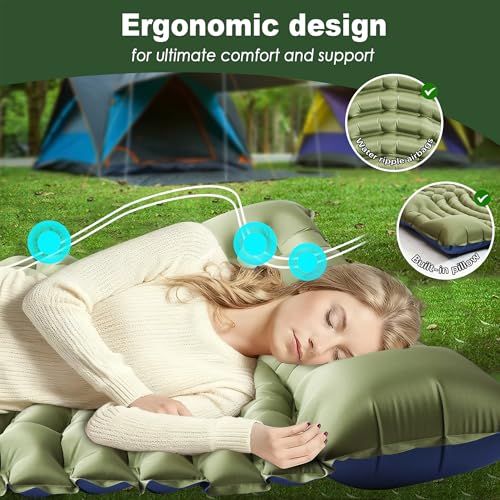
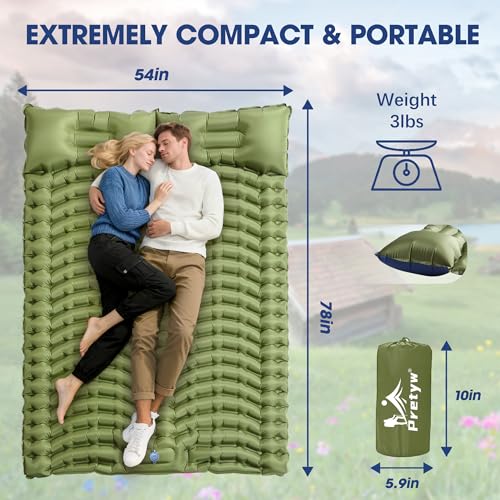
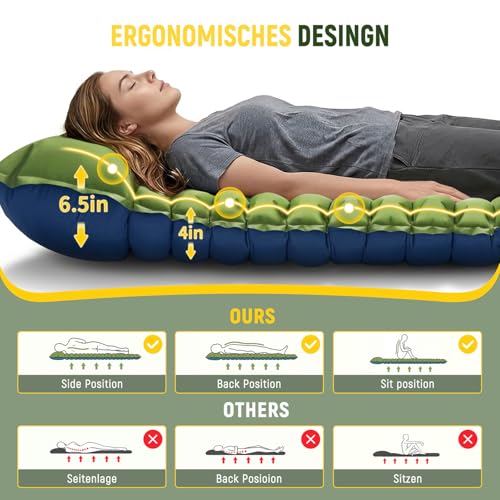
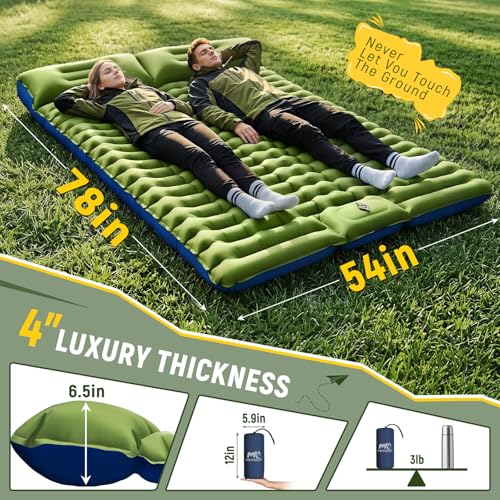
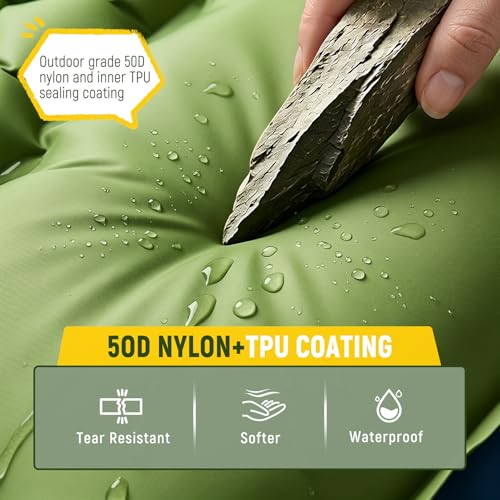
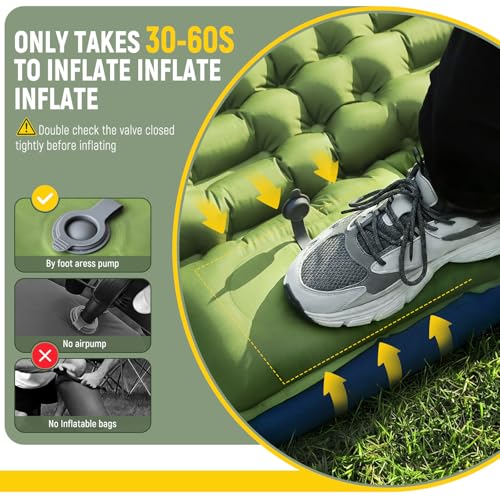
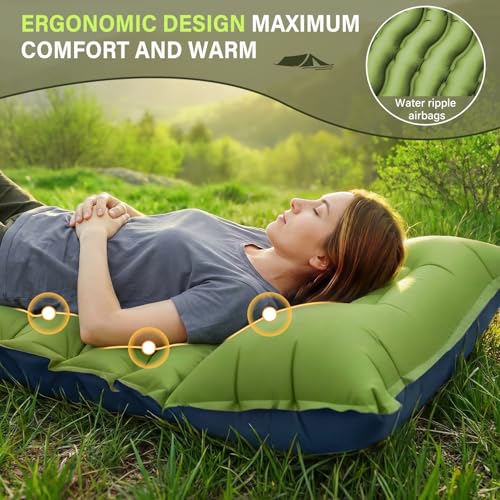
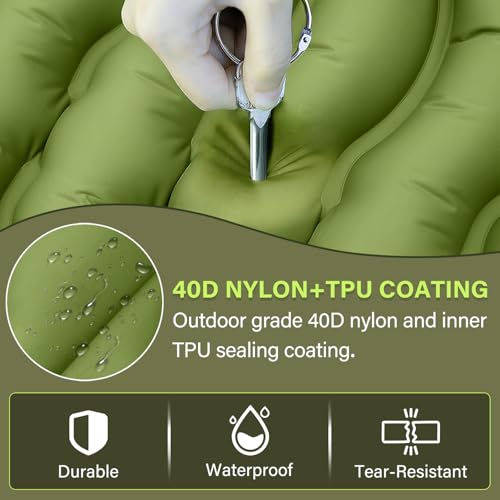
At 4 inches thick and just 3 pounds, this pad punches above its weight in the ultralight double-mattress game. The built-in foot pump works reliably, and reviewers confirm it inflates in under 3 minutes without needing extra gear, huge plus for tired hikers after a long day. The 40D nylon with TPU coating holds up well on rocky ground, and the wave-pattern surface actually helps with pressure distribution, not just looks good.
Compared to the FNARMW and Myxslop models, it’s slightly thinner but nearly the same weight, making it one of the better-balanced options for couples who hike. It doesn’t quite match the plushness of 6-inch pads, but it’s far more packable. I’d pick this over bulkier models if you’re doing backpacking or multi-day hikes where every ounce counts.
Product photos

Myxslop 4″ Inflatable Camping Mattress
Strengths
- 4″ thick with strong support
- 885 lb weight capacity
- Lightweight at 3 lbs
Trade-offs
- Pillow is basic
- Slightly wider than average
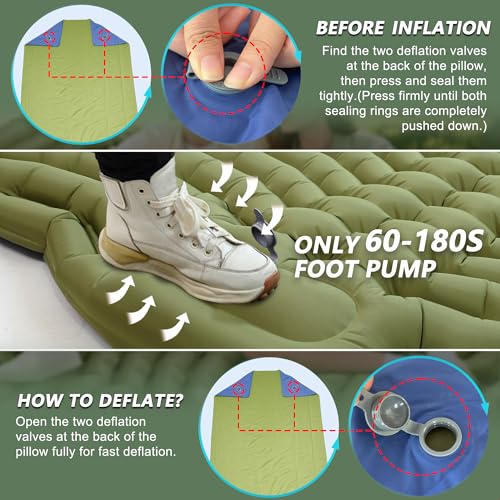
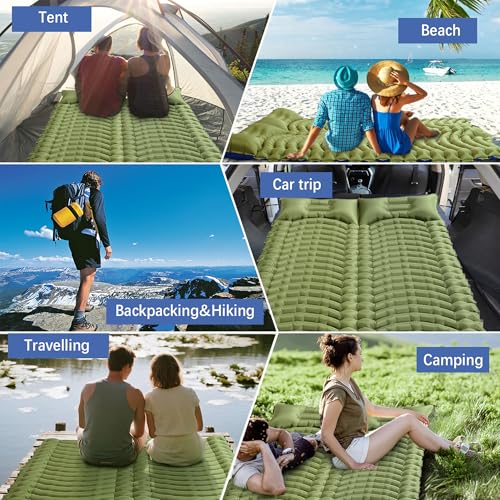
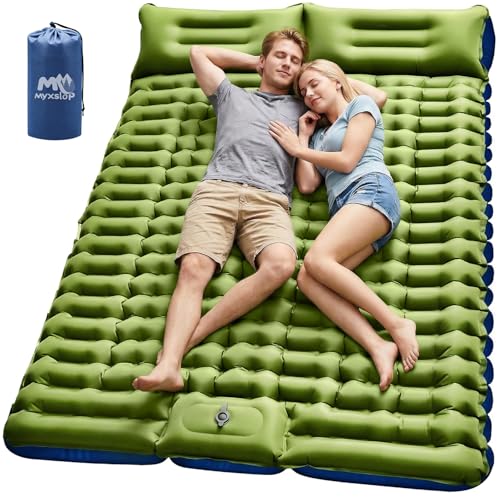
With 4 inches of thickness and a max load of 885 lbs, this pad is built like a tank but still manages to be ultralight at just 3 pounds. The 50D fabric with TPU coating resists tears better than most, and owners say it holds up on sharp terrain without issue. The foot pump works fast, and the dual valves are a small detail that makes a big difference, fewer leaks, faster deflation.
It’s not as plush as the 6-inch FNARMW, but for the weight, it delivers surprising support. The straight stripe chamber design keeps you from rolling off, which some wider pads struggle with. Compared to the Pretyw, it’s nearly identical in specs but feels a bit sturdier. My take? This is the smarter buy if you want durable, lightweight support without sacrificing stability.
Product photos
Ultralight 4″ Self-Inflating Mat

Strengths
- Budget-friendly
- Includes repair kit
- Fast foot inflation
Trade-offs
- Less durable fabric
- Basic pillow design
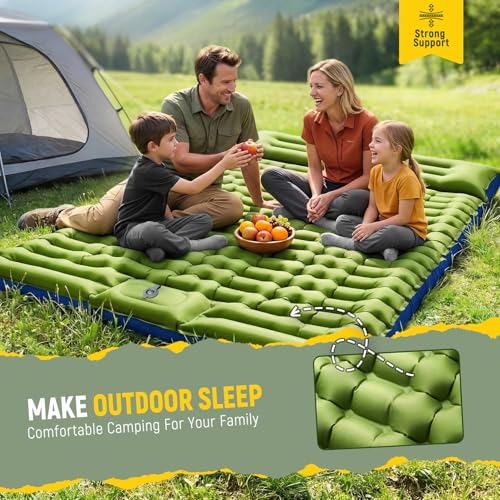
At this price point, it’s hard to beat. For under $60, you get a 4-inch self-inflating pad with a foot pump, repair kit, and storage bag, essentials all included. The hexagon design isn’t just for looks; owners say it contours better than flat pads and helps with even support. It inflates in about a minute with foot pressure, and the anti-leak valves hold up well in most conditions.
It’s not as durable as the FNARMW or Myxslop, uses slightly thinner materials, but for occasional campers or families on a budget, it’s a solid workhorse. The 3-pound weight keeps it accessible for light backpacking, though it’s best for car trips. Compared to pricier models, it lacks premium features but delivers core functionality without flinching.
Product photos


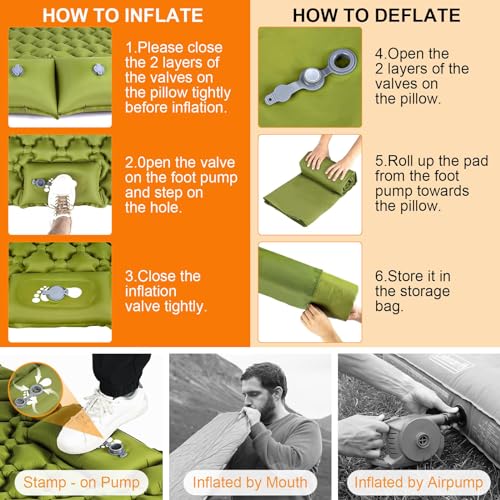
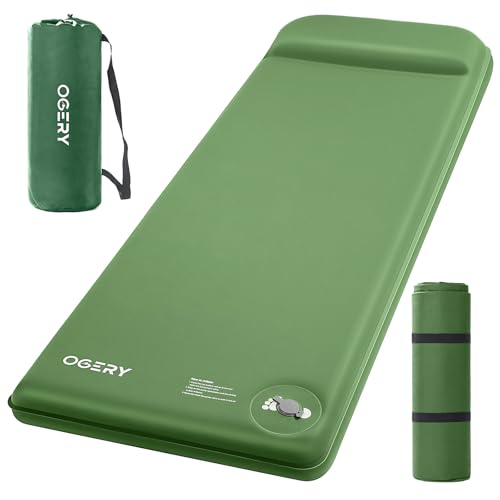
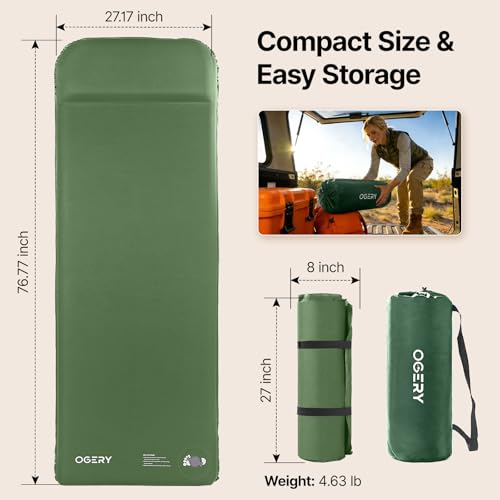
OGERY 3″ Memory Foam Sleeping Pad
Strengths
- 9.5 R-value insulation
- Quiet foam-air hybrid
- Non-slip base
Trade-offs
- Only 3″ thick
- Foam takes time to expand
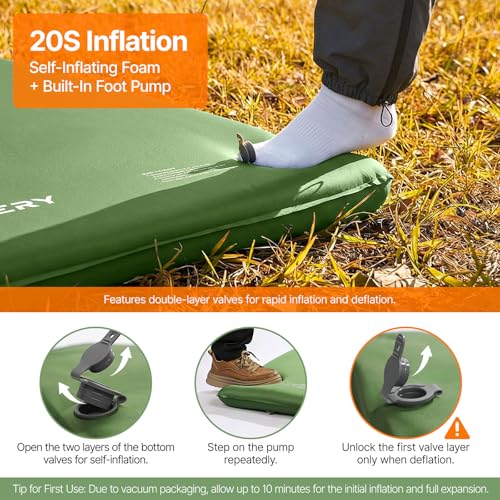
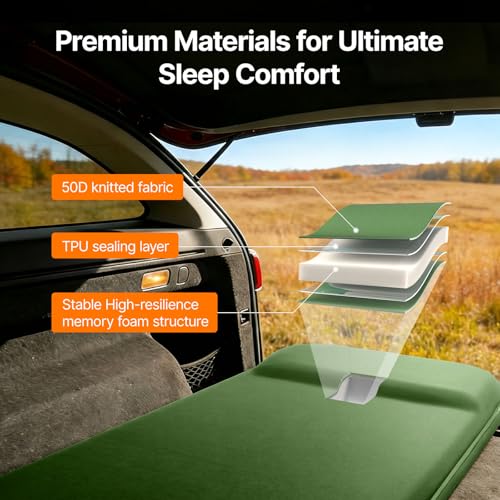
This one’s built for cold nights. The hybrid foam-and-air design gives it a 9.5 R-value, unusually high for a pad this light, and reviewers confirm it keeps the chill off, even on damp ground. The 3-inch thickness is standard, but the memory foam core makes it feel more stable than bouncy air pads. It self-inflates decently, then you fine-tune with the foot pump, which most users find intuitive.
The real win is the quietness. Unlike air-only pads that creak with every roll, this one stays silent, perfect for light sleepers or shared tents. It’s not the thickest, but for fall or spring camping, the insulation makes it stand out. Compared to the GAIALOOP foam pad, it’s lighter and more packable, though not as plush. I’d pick this for three-season adventures where warmth matters most.
Product photos


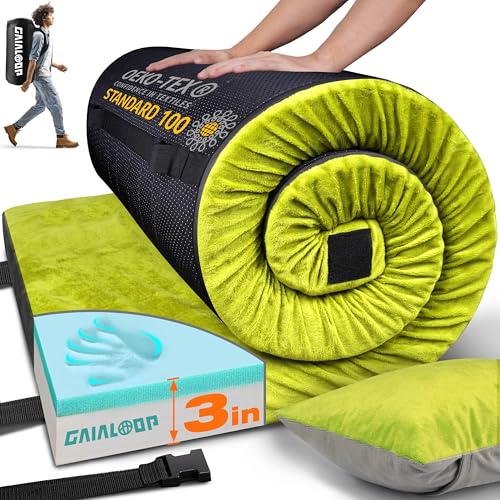
GAIALOOP 3″ Memory Foam Mattress
Strengths
- Dual-layer foam comfort
- Washable waterproof cover
- OEKO-TEX certified
Trade-offs
- Not packable for hiking
- Takes time to decompress
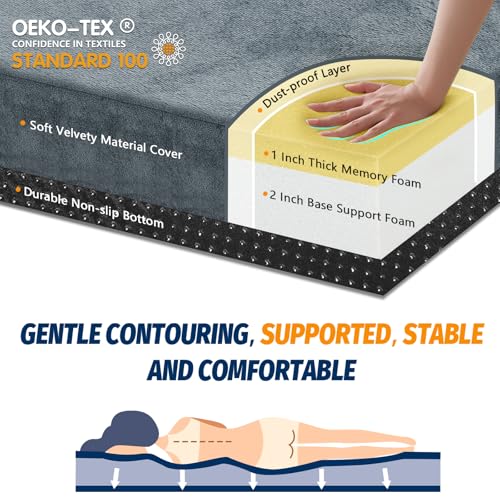
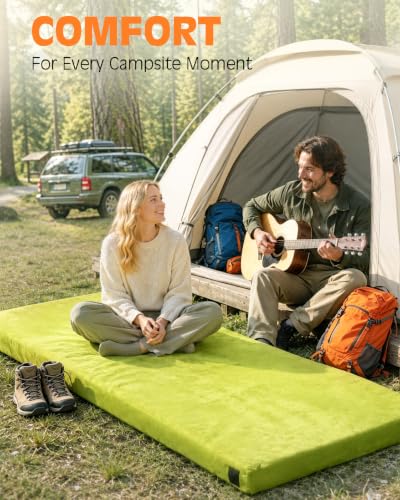
This feels like the love child of a hotel mattress and a camping pad. The dual-layer foam, support foam under memory foam, delivers real cushioning, and owners love that it doesn’t compress to nothing after a few uses. The OEKO-TEX and CertiPUR-US certifications mean no off-gassing, and the removable, washable cover is a rare and welcome feature.
It’s not for backpacking, too heavy and bulky, but for glamping or car camping, it’s fantastic. It rolls up with straps and a carry bag, making storage easy. Compared to the CYMULA, it’s similar but with a cleaner design and better moisture protection. For hosting guests or setting up a luxury tent setup, this is the easy pick.
Product photos


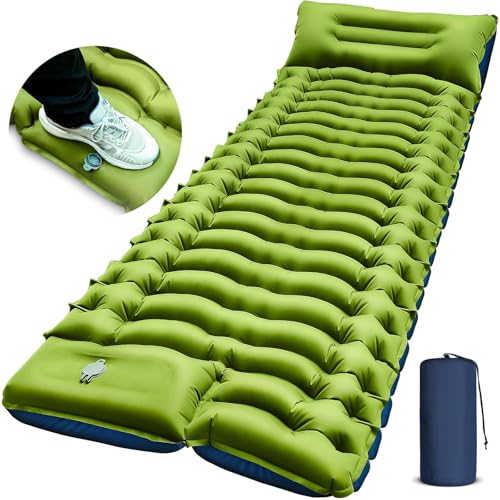
FUN PAC Ultralight Camping Mat
Strengths
- Ultra compact
- Side connectors for twin setup
- Built-in pillow
Trade-offs
- Only 3″ thick
- Narrow for larger sleepers
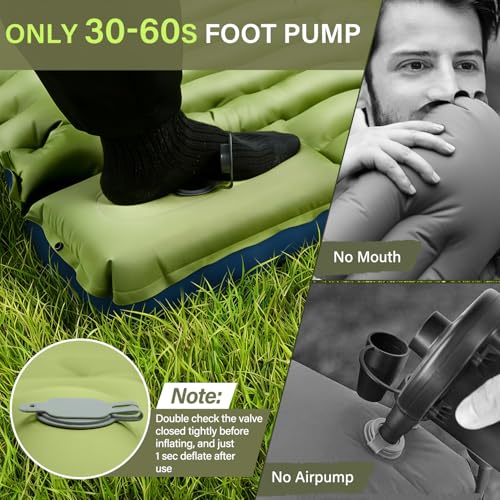
This pad gets a lot right for solo backpackers, especially the 30-second foot pump and egg-crate foam design that reviewers say actually reduces pressure points. At only water-bottle weight and size, it’s one of the most truly packable self-inflating pads with a built-in pillow. The 3-inch thickness is standard, but the egg-shaped air cells add a surprising amount of support, and owners love that it doesn’t feel like you’re sleeping on a balloon.
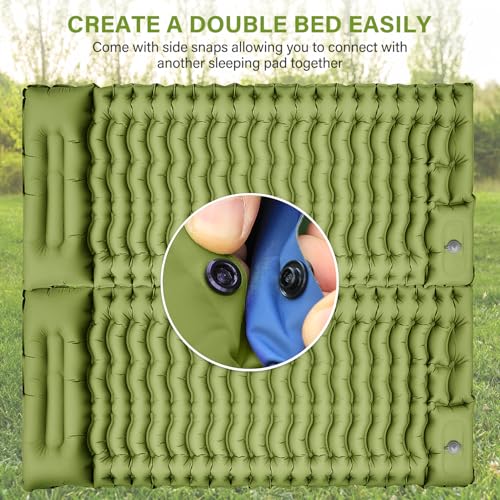
Where it stands out is the side connectors, few pads let you zip two together for a double bed, and that’s a standout for couples who backpack. But don’t expect luxury thickness. Compared to the 6-inch FNARMW, it’s flatter and less plush. Still, for thru-hikers or weekend warriors who prioritize weight and space, this is a smart pick.
Product photos

How We Chose These tent mattresses
I approached this guide to tent mattresses by researching the specifications and features of numerous models available, then carefully weighing those against owner reviews and expert opinions from across the web. Rather than a hands-on lab test, this is a research-led comparison focused on identifying patterns in performance and reported comfort. I looked at materials, construction, inflation methods, and packability, ultimately ranking options based on how well they met the needs of different campers.
For tent mattresses, thickness and material durability were the most important factors. A thicker pad (4” or more) generally provides better insulation and comfort, especially for side sleepers. Material quality, specifically the denier (D) of the nylon and the type of TPU, directly impacts resistance to punctures and tears, crucial for long-term use in the outdoors. I also prioritized ease of inflation, as a cumbersome setup detracts from the camping experience.
Specifications reliably indicate a mattress’s dimensions, weight, and materials. However, I heavily relied on owner feedback to gauge real-world comfort, durability, and ease of use. Reputable reviewers provided valuable insight into long-term performance and potential weaknesses. Many owners highlighted issues not immediately apparent from specs, like noise or a tendency to leak air over time. Don’t head out unprepared – be sure you have all the essential camping sleep gear before your next adventure.
What To Look For In tent mattresses
Choosing the right tent mattress can make or break a camping trip. It’s not just about cushioning; it’s about a good night’s sleep, which impacts everything from your energy levels to your overall enjoyment of the outdoors.
A quality tent mattress prioritizes consistent support, reliable insulation (R-value is key for colder weather), and a balance between packed weight and comfort. Look for durable materials like TPU or robust nylon, and consider features like integrated pumps or self-inflation for ease of use. Don’t underestimate the importance of dimensions – ensure it fits your tent and your sleeping style.
Thickness and Support
Thickness is often the first thing people consider, and for good reason. A thicker mattress (4” or more) will generally offer more cushioning and better insulation, especially on uneven ground. However, don’t automatically assume thicker is better. The material matters just as much. A high-density foam, like those found in the CYMULA CertiPUR-US Memory Foam Pad, will offer superior support and pressure relief compared to a thinner, lower-quality air mattress. Consider your sleeping position; side sleepers often benefit from a thicker pad to cushion hips and shoulders.
Inflation and Portability
Self-inflating mattresses with built-in pumps (like the FNARMW Double Sleeping Pad or the Pretyw Double Sleeping Pad 4″) are incredibly convenient, eliminating the need for manual pumping or a separate device. But that convenience comes at a cost – these models tend to be heavier and bulkier than truly ultralight options. If you’re backpacking, every ounce counts, and a lighter, manually-inflated pad might be the better choice.
Here’s what to keep in mind when weighing these factors:
- Weight: Under 3 pounds is ideal for backpacking.
- Pack Size: Look for pads that compress down small – think water bottle size.
- Inflation Time: A quick-inflating pad is a godsend after a long day of hiking.
Materials and Durability
The materials used in a tent mattress directly impact its durability, weight, and comfort. TPU (thermoplastic polyurethane) is a common choice for air chambers, offering good puncture resistance and flexibility. Nylon denier (40D or higher) denotes the fabric’s strength and tear resistance; a higher number means a tougher fabric. For those prioritizing comfort and a quieter sleep experience, a memory foam layer (as seen in the GAIALOOP 3″ Memory Foam Mattress) can make a significant difference. Proper care is key; storing your mattress properly and avoiding sharp objects will extend its lifespan. Speaking of comfort, if you’re really looking to maximize your sleep quality, exploring comfortable tent mattresses is a good place to start.
A good rule of thumb: if you’re camping in colder temperatures, prioritize insulation over maximum cushioning. A higher R-value will keep you warmer, even if the pad isn’t as plush.
Tent Mattresses Compared
Here’s a comparison of key specifications for popular tent mattresses to help you choose the right one.
| Product Title | Thickness | Dimensions (Inflated) | Weight | Material (Top) | Special Features |
|---|---|---|---|---|---|
| FNARMW Double Sleeping Pad 6″ | 6″ | 79″ x 55″ | 5 lbs | 50D Nylon | Built-in Foot Pump |
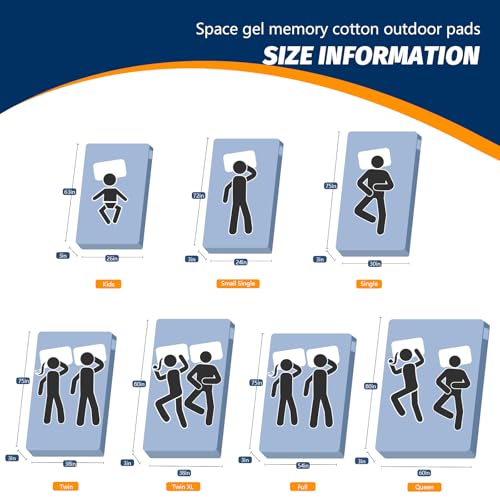
| CYMULA CertiPUR-US Memory Foam Pad | 3″ | Varies (up to 60×80″) | N/A | N/A | CertiPUR-US Certified |
| Pretyw Double Sleeping Pad 4″ | 4″ | 78″ x 54″ | 3 lbs | 40D Nylon | Fast Foot Pump |
| Myxslop 4″ Inflatable Camping Mattress | 4″ | 79.8″ x 53.5″ | 3 lbs | 50D Fabric | Fast Foot Pump |
| Ultralight 4″ Self-Inflating Mat | 3″ | 78″ x 50″ | N/A | N/A | Hexagon Design |
| OGERY 3″ Memory Foam Sleeping Pad | 3″ | 77″ x 27″ | N/A | Velvet-like Plush | Self-Inflating + Foot Pump |
| GAIALOOP 3″ Memory Foam Mattress | 3″ | N/A | N/A | Plush Fabric | Waterproof Cover |
| FUN PAC Ultralight Camping Mat | 3″ | 78″ x 27″ | N/A | 40D Nylon | Connectable for Twin Bed |
Frequently Asked Questions
What R-value should I look for in a tent mattress?
An R-value of 4 is generally sufficient for three-season camping, but if you camp in temperatures below freezing, you’ll want an R-value of 5 or higher for adequate sleeping pads for ground insulation. Lower R-values mean more heat loss to the ground.
Are self-inflating mattresses really worth the extra weight?
Self-inflating mattresses offer convenience, but they typically weigh more than manual inflation options. They’re best for car camping where weight isn’t a huge concern, and you value quick setup over shedding ounces.
How can I prevent my air mattress from leaking?
Inspect your mattress for punctures before and after each use. Always use a groundsheet underneath to protect it from abrasion and sharp objects, and store it carefully to avoid damage during transport.
What’s the difference between TPU and PVC in tent mattress construction?
TPU (thermoplastic polyurethane) is more durable and flexible than PVC (polyvinyl chloride), making it a preferred material for air chambers even though it’s more expensive. Look for durable camping sleeping pads constructed with TPU for better puncture resistance.
Can I use a memory foam mattress topper inside my tent?
While possible, it’s generally not practical. Memory foam toppers are bulky and heavy, and they don’t offer the necessary insulation for most camping conditions. You’re better off with a dedicated tent mattress, or one of the best tent sleeping pads designed for outdoor use.
The Bottom Line
Ultimately, choosing a tent mattress comes down to balancing comfort with practicality. You can chase the absolute plushiest experience, but that often means sacrificing portability. For the best overall combination of support, convenience, and durability, I recommend the FNARMW Double Sleeping Pad 6″. It strikes a great balance for car campers and those who don’t mind a bit of extra weight for a superior night’s sleep.
If you’re on a tighter budget or prioritize lightweight backpacking, the Pretyw Double Sleeping Pad 4″ is a fantastic choice. For those wanting to maximize comfort and don’t mind a heavier option, the GAIALOOP 3″ Memory Foam Mattress delivers a truly luxurious experience. And don’t forget, even the best mattress needs a little help – consider ground layers for tent comfort to further enhance your sleep setup.
Beyond thickness and materials, remember that a good night’s sleep in the outdoors is about more than just the mattress itself. Proper insulation, a comfortable sleeping bag, and a well-ventilated tent are all critical components. Focus on those fundamentals, and you’ll be well on your way to waking up refreshed and ready for another day on the trail.
