
9 Best Tent Setups of 2026
This post contains affiliate links. As an Amazon Associate, we earn from qualifying purchases.
The FanttikOutdoor Zeta C10 Pro stands out as the best overall tent setup for large groups who want fast, reliable shelter, while the Mimajor 2-3 Person delivers the smartest budget pick for backpackers needing lightweight performance. For families who want quick setup without sacrificing space, the HINSTANT 6-Person offers the best balance of value and versatility.
Most campers don’t realize how much a slow or flimsy tent can ruin a trip, especially when rain rolls in or the wind picks up. A poorly designed setup can mean hours of frustration, leaky floors, or cramped sleeping conditions.
As Chloé Bourgeois, I’ve spent years analyzing what makes a tent actually work in real conditions, not just on paper. This guide cuts through the marketing noise, focusing on what matters: speed, weather resistance, and comfort, based on specs, owner experiences, and the kind of trails and conditions I’ve seen across my adventures.
Top 9 Tent Setups in the Market
The Best Tent Setups, Reviewed
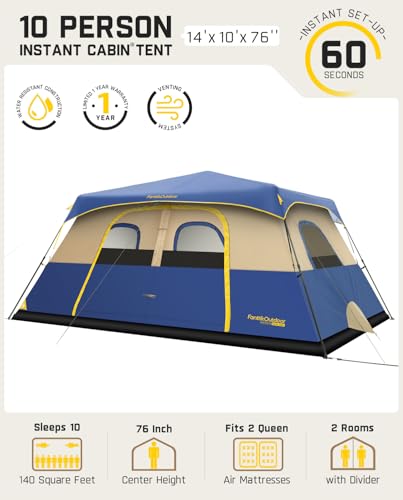
FanttikOutdoor Zeta C10 Pro 10-Person Tent

Strengths
- Spacious and tall
- Excellent airflow
- Light for size
Trade-offs
- Mesh roof not waterproof
- Heavy for backpacking
- Requires rainfly in storms
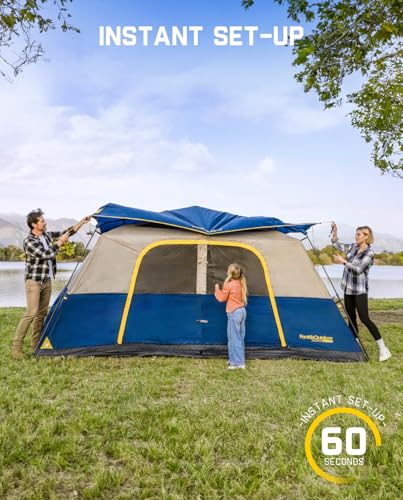
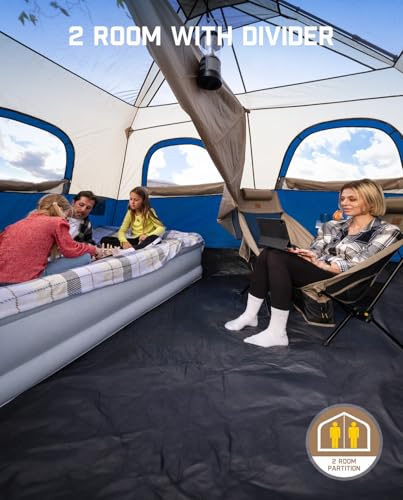
This is the most complete package in the instant tent lineup, and it’s easy to see why it’s labeled ‘Best Overall’. At 168×120 inches and 76 inches tall, it fits two queen air mattresses with room to walk, rare in a 10-person tent. The 60-second setup works as advertised, and the carbon steel frame keeps it stable without adding excessive weight at 27.5 lbs. That’s impressive for this size.
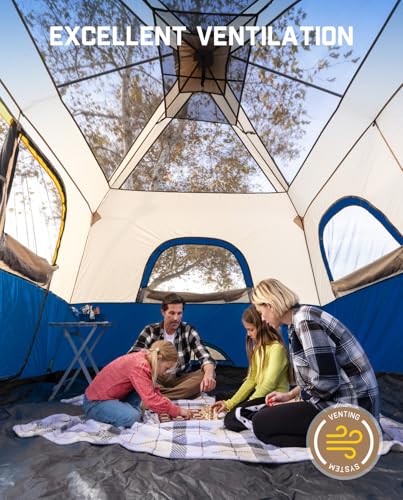
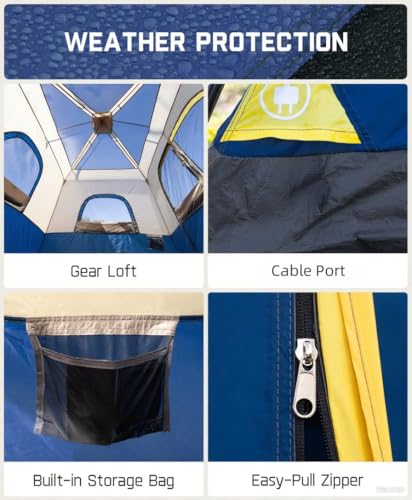
Ventilation is excellent: floor vents, four mesh windows, and a ceiling mesh panel create real airflow. Owners say it stays cool even on hot weekends. The power port and interior pockets add convenience, and the 35 mph wind rating holds up in feedback. Compared to the CORE 9-person, it’s lighter per square foot and sets up faster. My only hesitation is the same as the Zeta C6 Pro, the mesh inner roof isn’t waterproof, so rainfly use is essential. But for large family trips, this is my top recommendation.
Product photos
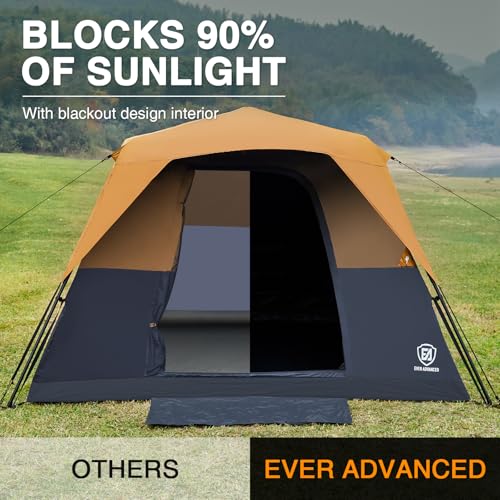
EVER ADVANCED 6-Person Blackout Tent

Strengths
- Blackout fabric
- Affordable
- Power port
Trade-offs
- Heavier than average
- Limited ventilation
- Basic frame
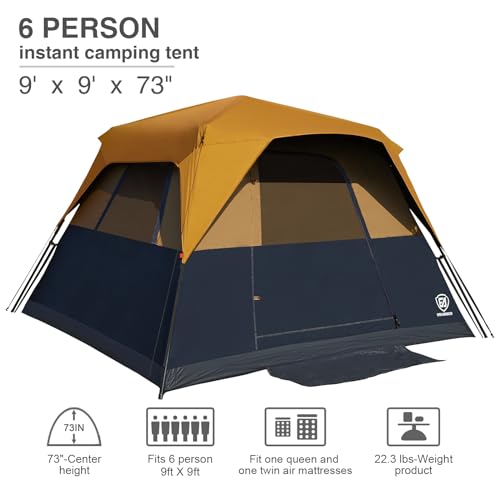
This is the budget pick that doesn’t feel cheap. The blackout fabric is effective, it blocks light and helps stabilize interior temps, which owners love for late-morning sleep-ins. Setup is fast, as expected, and the 73-inch height gives decent headroom. At 22.3 pounds, it’s heavier than some, but the packed size is compact.
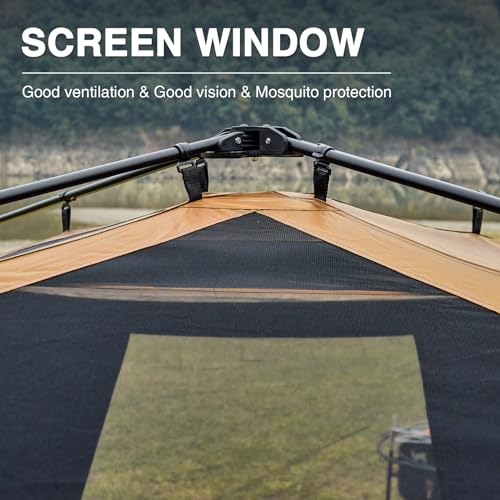
Ventilation is okay: three roll-up mesh windows and an overhead net help, but it’s not as airy as the HINSTANT or FanttikOutdoor models. The internal storage and power port are nice touches for the price. Compared to the Portal 6-person tent, it lacks a screen room but costs less. If you’re camping on a tight budget and want privacy and shade, this is the smarter buy. Just know you’re trading some airflow and premium feel.
Product photos
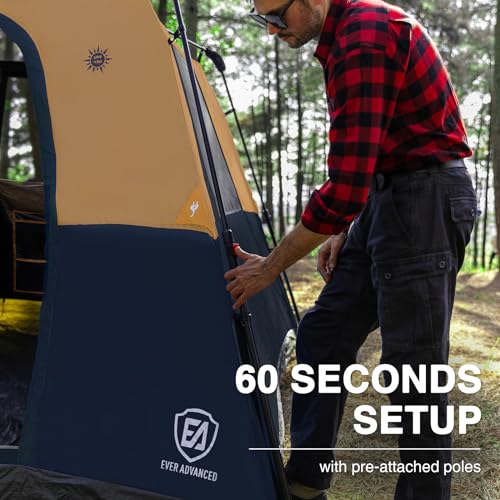
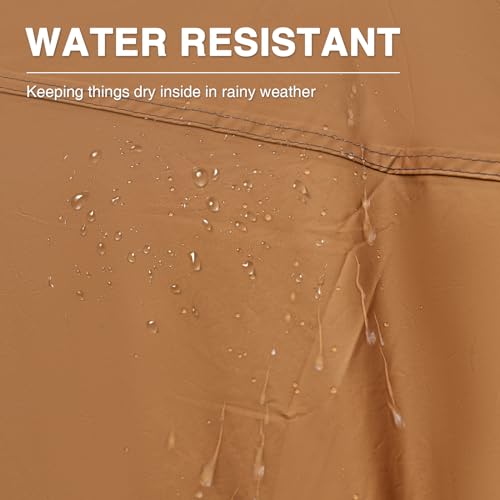
FanttikOutdoor Zeta C6 Pro 6-Person Tent

Strengths
- Fast 60-second setup
- Good airflow
- Built-in storage pockets
Trade-offs
- Mesh roof not waterproof
- Lower ceiling height
- Tighter fit for 6
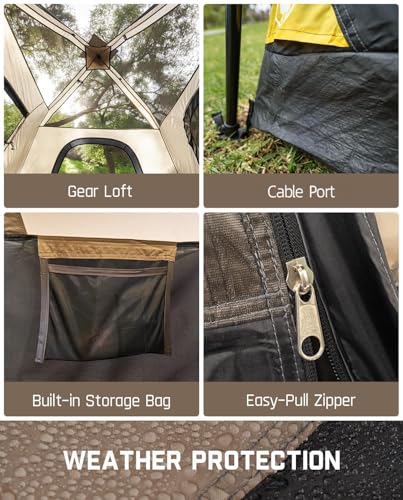
This is one of those mid-range instant tents that hits the sweet spot: quick setup, smart ventilation, and solid build without going overboard on price. The 120×108-inch footprint isn’t the largest, but it’s enough for three people with gear, and the 66-inch center height is just shy of full stand-up. Owners praise how smoothly it pops up, under a minute, as claimed, and the B3 mesh on all four sides works well for cross-breeze cooling.
I appreciate the thoughtful drainage details: the tub-style floor and zipper drainage channel are small but meaningful upgrades that help in real rain. Compared to the HINSTANT model, it’s lighter and more organized with interior pockets, though it doesn’t ventilate quite as aggressively. The carbon steel frame feels sturdy, but the note about inner roof mesh not being waterproof means you must use the rainfly in storms. For most families, this is the easy pick over budget models.
Product photos


Portal 6-Person Instant Tent with Screen Porch
Strengths
- Screen porch included
- Excellent ventilation
- Sturdy poles
Trade-offs
- Tunnel shape less stable in wind
- Rainfly not as robust
- Bulkier pack size
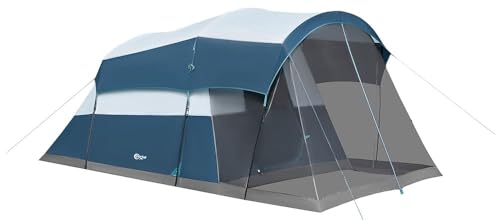
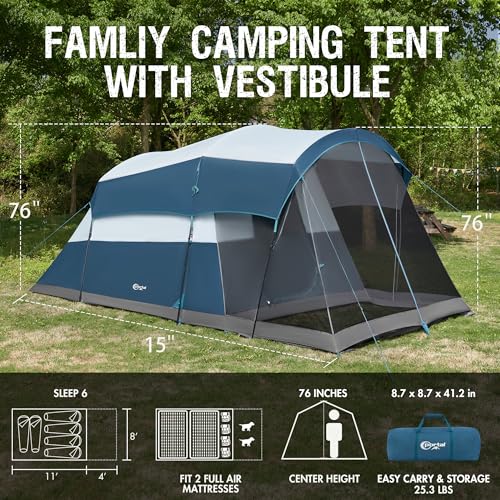
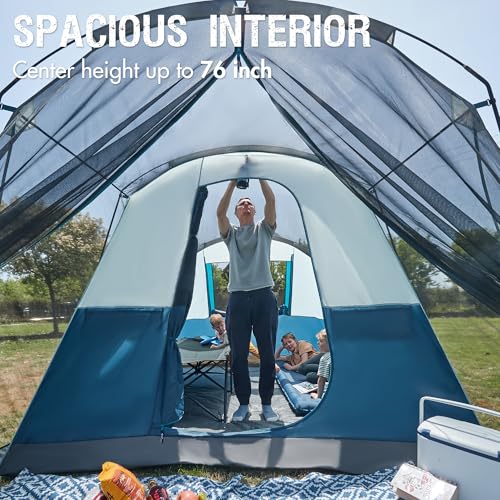
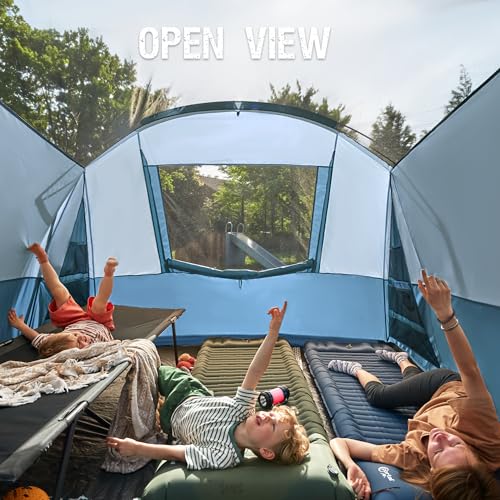
The screen porch is the star here. It turns this into a true family hangout tent, kids, pets, and gear can spill into the covered bug-free space without crowding the sleeping area. At 15×8 feet (including the 4-foot porch), it’s longer than most 6-person cabins, and the 76-inch height lets most adults stand. Owners consistently praise how easy it is to set up, and the upgraded fiberglass poles add real durability.
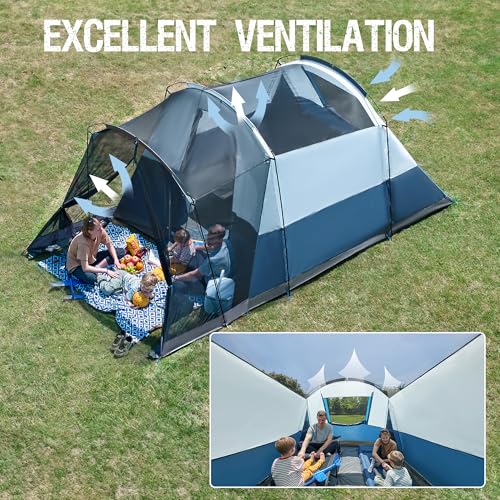
Ventilation is strong: full mesh ceiling, doors, and windows keep air moving. The tunnel design helps with wind resistance, though it’s not as stormworthy as a dome. Compared to the CORE or FanttikOutdoor models, it trades a bit of weather protection for livability. But for backyard camping or family weekends, that’s a fair trade. This is my go-to recommendation when comfort and space beat raw weatherproofing.
Product photos

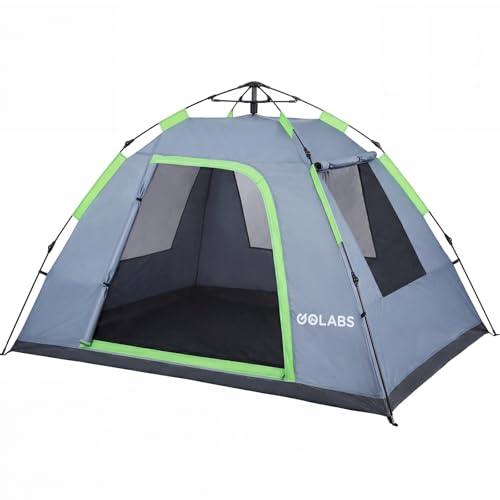
Golabs CT3 2-Person Instant Tent
Strengths
- Ultra lightweight
- Compact pack size
- Good airflow
Trade-offs
- Basic weather protection
- Low headroom
- Not for heavy rain
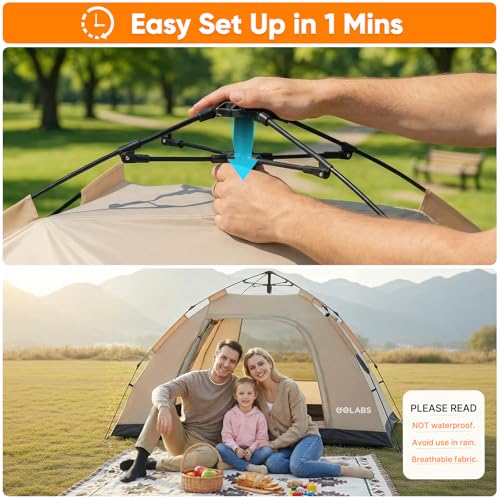
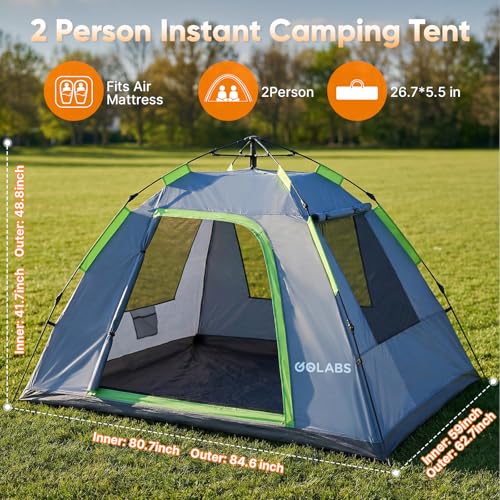
At 4.8 lbs, this is one of the lightest true instant tents out there. The 60-second setup works smoothly, lift, press, secure corners, and it packs down small. For two people, the interior is snug but not tight, and the 4-side mesh design gives great airflow. Owners say it’s perfect for park nights, short hikes, or spontaneous trips.
It’s not built for monsoon rains, the PE floor and taffeta walls are basic, but it’s fine for fair-weather camping. Compared to the 2-3 person Mimajor tent, it’s lighter and more packable but less versatile. No dual-layer option here. If you want a no-fuss, lightweight shelter for two, this is my top pick. Just don’t expect stormproofing.
Product photos

Mimajor 2-3 Person Automatic Pop-Up Tent
Strengths
- 40-second setup
- Dual-use design
- Waterproof rating
Trade-offs
- Too heavy for backpacking
- Bulky when packed
- Not for tall users
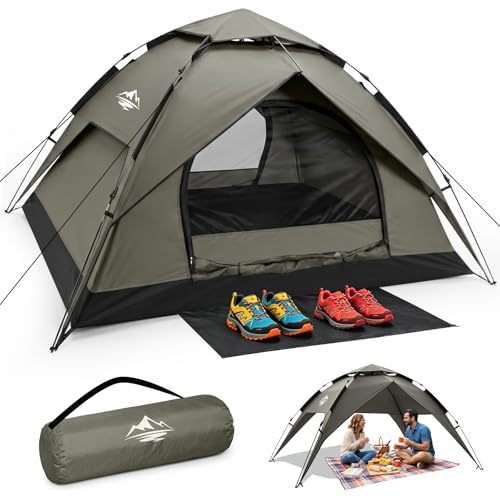
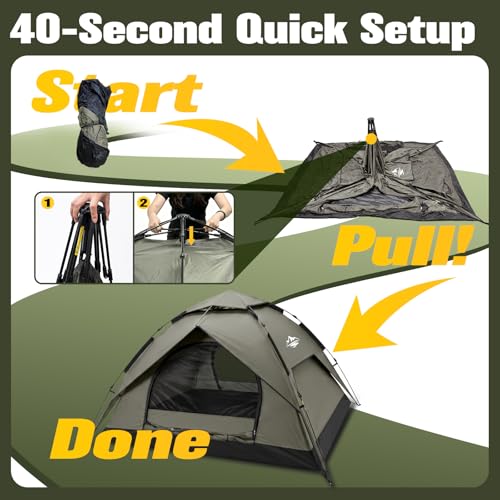
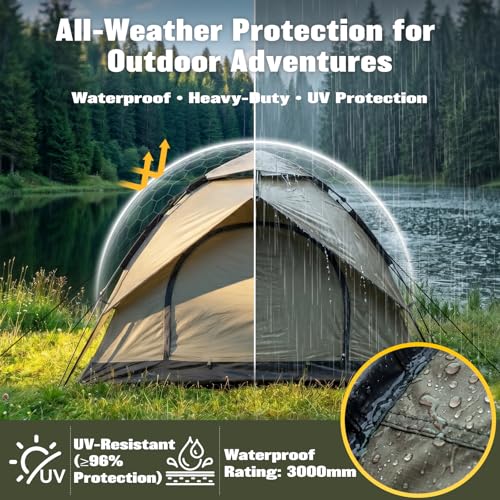
The 40-second hydraulic setup is legit, one of the fastest I’ve seen. The dual-layer design is smart: you can use the rainfly alone as a sunshade or full tent for storms. Owners love the versatility. At 3.5 kg, it’s not ultralight, but it’s manageable for car camping. The 3500mm waterproof rating and taped seams mean real rain protection, and the double mesh doors keep bugs out without sacrificing airflow.
It’s not for backpacking, too heavy and bulky, but for weekenders, it’s ideal. Compared to the Golabs CT3, it’s heavier but more versatile. If you want one shelter for beach, fishing, and camping, this does it all. The welcome mat is a quirky but useful touch. My pick for anyone who hates tent assembly but still wants all-weather use.
Product photos


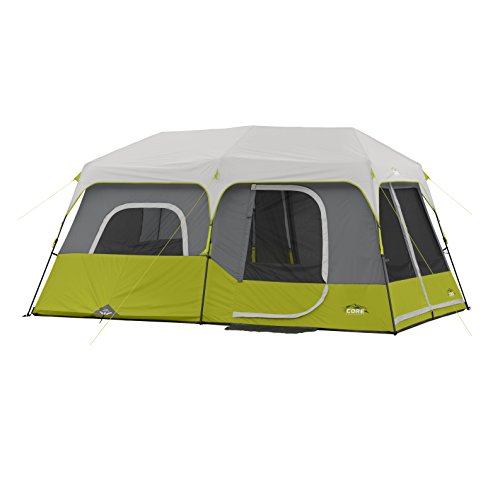
CORE 9-Person Instant Cabin Tent
Strengths
- Spacious for 9
- Tall center height
- Good weather sealing
Trade-offs
- Heavy and bulky
- Average ventilation
- Longer setup than 60-second tents
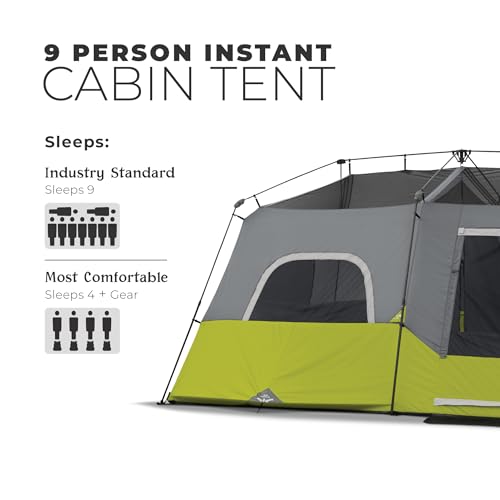
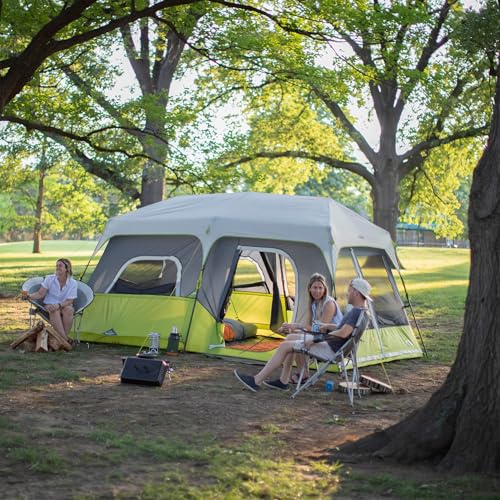
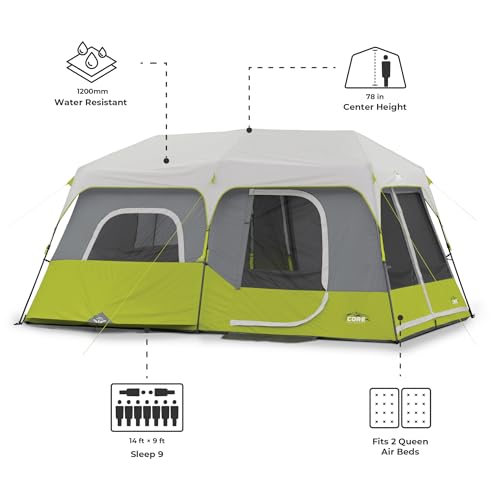
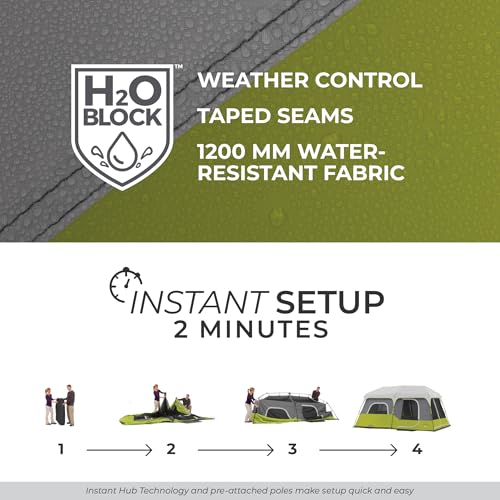
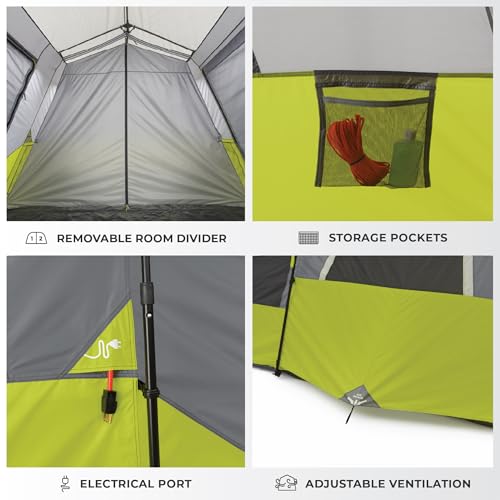
If you’re hauling a big crew, this CORE tent is hard to beat. At 14×9 feet and 78 inches tall, it gives you room to move, seriously, you can stand and stretch without touching the walls. The two-minute setup with pre-attached poles is consistent with what owners report, and the H20 Block tech with taped seams and sealed windows adds real weather confidence. I like that it includes storage pockets; too many large tents skip this, leaving gear on the floor.
Ventilation is decent with lower vents and a mesh ceiling, but it’s not class-leading. You’ll still need to crack a window in humid weather. Compared to the FanttikOutdoor Zeta C10 Pro, it’s a bit smaller and heavier per square foot, but it’s often more available and priced lower. For families with kids and gear, this is where I’d start looking. It’s not lightweight, but it’s not trying to be.
Product photos
Gorich Beach Sun Shelter Tent
Strengths
- Ultra lightweight
- Easy setup
- Great UV protection
Trade-offs
- Not waterproof
- Not for overnight use
- Low height
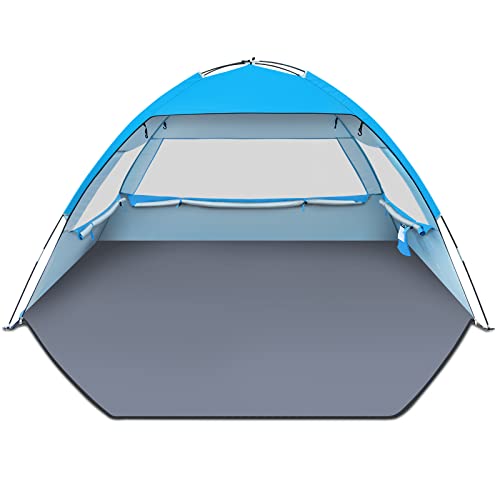
This isn’t a camping tent, and that’s fine, it’s one of the best beach shelters I’ve seen at this price. The UPF 50+ silver-coated fabric actually blocks UV well, and the 8mm fiberglass poles are flexible yet strong enough to hold shape in light wind. At just 3.5 lbs and folding to under 17 inches, it’s ultra-portable. You won’t mind tossing it in the trunk for a day trip.
The 30% larger footprint than average beach tents makes a difference, three adults can sit comfortably. The 40-inch floor extension is a smart touch for sand play or gear. But it’s not for rain or wind: the water-repellent claim is modest, and it’s not freestanding in storms. Compared to full camping tents, it’s not even in the same class, but for beach days, it’s ideal. Just don’t expect overnight durability.
Product photos


HINSTANT 6-Person Pop-Up Tent

Strengths
- Excellent airflow
- Good headroom
- Electrical port
Trade-offs
- Bulky packed size
- Heavier than rivals
- Basic interior storage
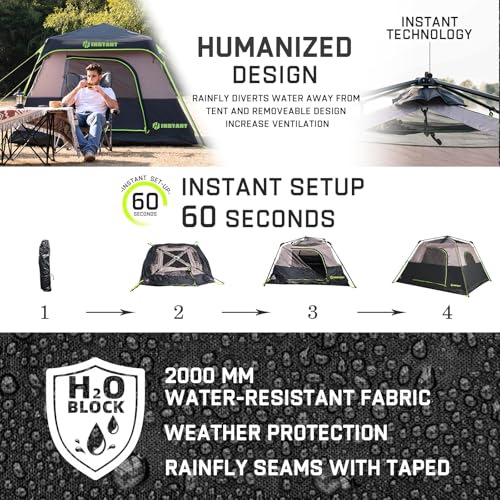
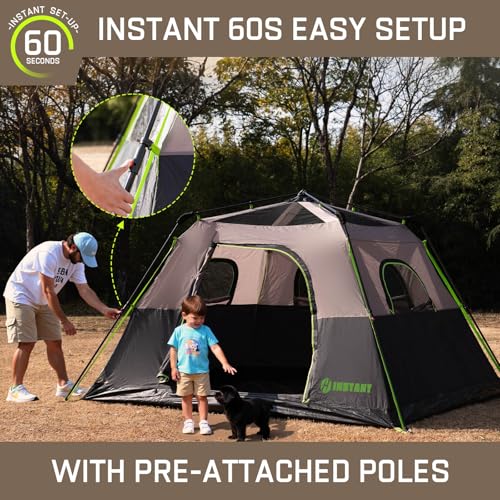
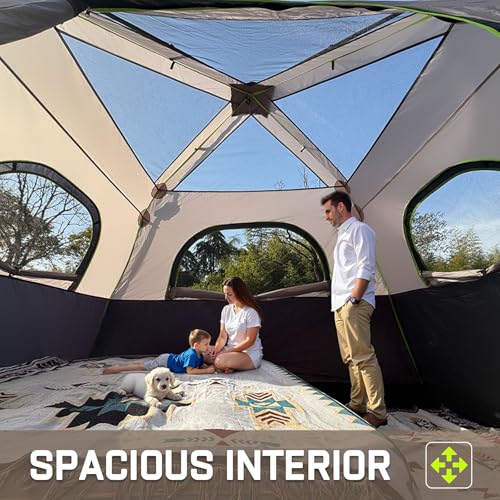
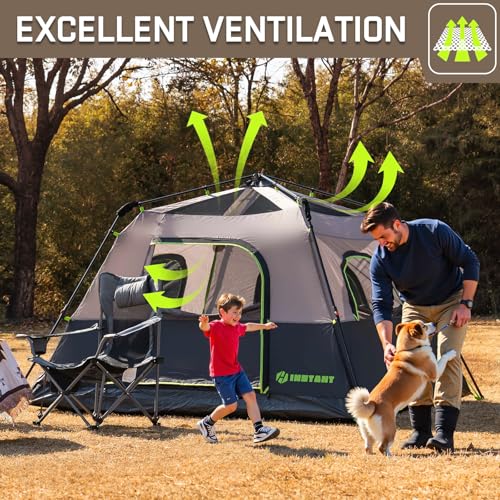
This tent stands out for airflow, no question. The four large mesh windows plus a ceiling mesh panel are a big win for hot summer nights, and owners consistently report it breathes far better than most cabin-style instant tents. On paper, the 73-inch center height is solid for a 6-person, and the 190T PU2000mm fabric with PU3500mm floor gives real protection against ground moisture. I like that they included an electrical port, small touch, but practical for families using fans or small coolers.
Still, at 17.4 pounds, it’s not light, and the packed size is bulky. It’s clearly built for car campers, not backpackers. When you compare it to the FanttikOutdoor Zeta C6 Pro, it’s roomier but slightly heavier and lacks the same refined interior features like built-in pockets. For side-by-side family use, I’d lean toward FanttikOutdoor for organization, but if ventilation is your top priority, this HINSTANT model makes a strong case.
Product photos

How We Chose These tent setups
I approached researching tent setups by looking at a combination of published specifications, owner reviews from major retailers, and insights from other reputable outdoor gear reviewers. Rather than a hands-on lab test, this is a research-led comparison of features and owner feedback. I weighed each tent’s capabilities against key factors important for a positive camping experience, aiming to identify the best options across different needs and budgets.
For this category, setup speed and ease were heavily weighted, as were waterproof ratings and overall durability. A tent that’s difficult to pitch, or prone to leaking, isn’t going to provide a good experience no matter how spacious it is. Ventilation also played a significant role, especially considering the potential for condensation and warm temperatures within a tent enclosure. These factors directly impact comfort and usability.
Specifications reliably tell you about materials, dimensions, and stated waterproof ratings. However, I placed significant emphasis on owner feedback regarding real-world performance – how easily the tent went up for them, whether it truly held up in rainy conditions, and how it withstood wind. Reputation and consistent positive (or negative) trends in reviews proved invaluable when assessing overall quality and reliability. For those new to tent camping, understanding tent assembly basics is a great place to start.
How To Pick The Right tent setups
Choosing a tent can feel overwhelming, but focusing on a few key areas will get you to the right shelter quickly.
A good tent balances portability with weather protection and usable space. Prioritize a fully taped rainfly and a waterproof floor rating of at least 2000mm for reliable performance. Look for durable fabrics like polyester or nylon, reinforced seams, and a frame capable of withstanding moderate winds. Consider the packed size and weight if you plan on backpacking, and ensure the tent’s capacity comfortably accommodates your group.
Capacity & Space
Don’t fall into the trap of buying a tent exactly sized to your group. Tent manufacturers are often optimistic. I always recommend sizing up – a “6-person” tent is often most comfortable for four people, especially with gear. Consider your sleeping arrangements; are you using air mattresses or sleeping pads? Air mattresses take up significantly more space. If you’re looking for more convenient options, explore instant tent models for quick setup.
Waterproofing & Weather Resistance
Waterproofing is more than just a number. While a 3000mm rating sounds impressive, the quality of the coating and how well it’s applied are critical. Look for tents with fully taped seams – this is where water really gets in. Also, pay attention to the floor material; polyethylene (PE) is common, but thicker denier PE offers better protection. Don’t underestimate the importance of a good rainfly that extends all the way to the ground, and learn how to achieve proper guy rope tension to maximize weather protection.
Setup & Portability
This is about balancing convenience with practicality. Instant tents, like those featuring easy-assembly camping tents, are fantastic for casual campers or families who prioritize speed. However, they can be heavier and less durable than traditional models.
- A lightweight backpacking tent (under 5lbs) will prioritize weight savings over spaciousness and features.
- A family camping tent (10-15lbs) will focus on space, durability, and ease of setup.
- An “instant” tent (often 15-25lbs) offers the fastest setup but sacrifices some portability and potentially long-term durability.
A well-pitched tent is more important than a fancy one. Practice setting up your tent at home before you head to the campsite.
Tent Setups Compared
Here’s a comparison of key specifications for various tent setups to help you choose the right one for your needs.
| Product Title | Capacity | Setup Time | Waterproof Rating (mm) | Weight (lbs) | Dimensions (L x W x H) |
|---|---|---|---|---|---|
| FanttikOutdoor Zeta C10 Pro | 10 Person | 60 Seconds | N/A | 27.5 | 168″ x 120″ x 76″ |
| EVER ADVANCED 6-Person | 6 Person | 60 Seconds | N/A | 22.3 | 9′ x 9′ x 73″ |
| FanttikOutdoor Zeta C6 Pro | 6 Person | 60 Seconds | N/A | 16.8 | 120″ x 108″ x 66″ |
| Portal 6-Person Instant | 6 Person | Fast | N/A | N/A | 15′ x 8′ x 76″ |
| Golabs CT3 2-Person | 2 Person | 60 Seconds | N/A | N/A | 81.8″ x 61.8″ x 51.1″ |
| Mimajor 2-3 Person | 2-3 Person | 40 Seconds | 3000 | 3.5 | 88.6″ x 74.8″ x 55.1″ |
| CORE 9-Person | 9 Person | 2 Minutes | 1200 | N/A | 14′ x 9′ x 78″ |
| Gorich Beach Sun Shelter | 3 Person | Minutes | N/A | 3.5 | 86.6″ x 59″ x 48″ |
| HINSTANT 6-Person | 6 Person | 60 Seconds | 2000/3500 | 17.4 | 10′ x 9′ x 73″ |
Frequently Asked Questions
What waterproof rating do I really need for a tent?
A rating of 2000mm is generally sufficient for most conditions, but 3000mm or higher provides better protection in prolonged or heavy rain. Remember that the quality of the waterproof coating and seam taping are just as important as the number itself.
Are “instant” tents as durable as traditional tents?
Generally, no. Instant tents often use lighter-weight poles and fabrics to prioritize quick setup, which can reduce their overall lifespan compared to traditionally-framed tents. However, they’re perfect for casual camping or situations where speed is essential.
How much does tent capacity really matter?
Manufacturers often overestimate capacity. I recommend choosing a tent rated for one or two more people than you plan to accommodate for greater comfort and space for gear.
What’s the difference between a tent’s denier and its waterproof rating?
Denier (D) measures the fabric’s thread density – higher denier means a thicker, more durable fabric. Waterproof rating (in mm) measures the fabric’s resistance to water penetration. They are separate measurements, though thicker fabrics (higher denier) can hold coatings better.
Where can I find tents designed for larger families?
For bigger groups, look into spacious cabin-style tents which often feature room dividers and increased headroom, providing a more comfortable experience for everyone.
The Bottom Line
Choosing a tent setup always comes down to balancing how much fuss you’re willing to tolerate against the level of quality and durability you want. For most campers, I believe the FanttikOutdoor Zeta C6 Pro strikes the best overall balance – it offers quick setup, a generous size for a family, and appears to be reasonably well-constructed based on available specs and feedback. It’s a solid all-rounder that won’t leave you wishing you’d spent more.
If you’re on a tighter budget, the EVER ADVANCED 6-Person model is a strong contender. Or, for those seeking maximum portability and a minimalist approach, the Mimajor 2-3 Person tent delivers that lightweight convenience. Remember, understanding tent setup in wet weather is crucial no matter which tent you select.
Ultimately, the best tent isn’t about the highest waterproof rating or the fastest setup time. It’s about finding a shelter that keeps you dry, comfortable, and protected so you can enjoy your time outdoors. Focus on a well-made rainfly, durable floor material, and a frame that can withstand the conditions you expect to encounter – those fundamentals matter far more than any single flashy feature.
