
7 Best Tents for Backpacking 2026
This post contains affiliate links. As an Amazon Associate, we earn from qualifying purchases.
The best backpacking tent overall is the Clostnature 2-Person Ultralight, offering a strong mix of low weight, high waterproofing, and durability. For solo hikers, the Clostnature 1-Person Ultralight stands out as the top budget-friendly pick, while the Night Cat Upgraded 1-2 Person brings surprising versatility for its price.
Most backpackers are stuck choosing between a tent that’s too heavy, too flimsy, or too expensive. You want something that won’t leak in a downpour, won’t take forever to pitch, and won’t wreck your shoulders by mile ten. After comparing the field and analyzing what owners actually say, I focused on models that deliver real-world performance without overpromising.
This guide breaks down the key factors that matter most, weight, waterproofing, and ease of setup, and highlights tents that consistently meet those demands based on specs and user feedback.
Top 7 Tents For Backpacking in the Market
The Best Tents For Backpacking, Reviewed
Clostnature 2-Person Ultralight Tent

Strengths
- Excellent waterproofing
- Great ventilation
- Dual doors and vestibules
Trade-offs
- Slightly heavy for thru-hiking
- Stakes could be stronger
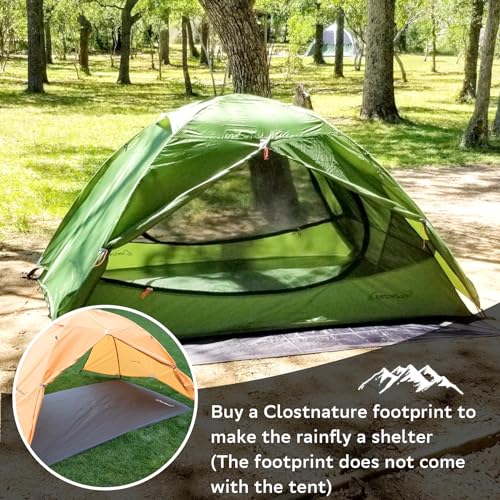
This Clostnature 2-person tent makes a strong case for being the most balanced option in the lineup, earning its “Best Overall” label. At 5.29 lbs, it’s not ultralight, but the 2.05 lb trail weight (fly, inner, poles) is competitive, and the PU 5000 coating delivers serious weather protection. Owners report it stayed dry in multi-day rains, and the factory-sealed seams clearly do their job.
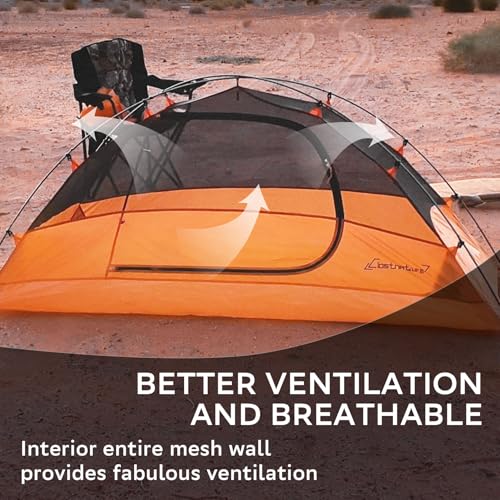
The dual D-doors and vestibules make it feel spacious and practical for two, and the freestanding design with aluminum poles means setup is quick and stable. Ventilation is excellent thanks to full mesh walls, which helps cut condensation, a common flaw in budget tents. When you compare it to the Kelty or Forceatt, it strikes the best balance of weight, weather resistance, and usability.
Product photos



Clostnature 1-Person Ultralight Tent

Strengths
- Ultralight trail weight
- Excellent waterproofing
- Roomy for a solo tent
Trade-offs
- Heavier than non-freestanding options
- Ventilation could be better
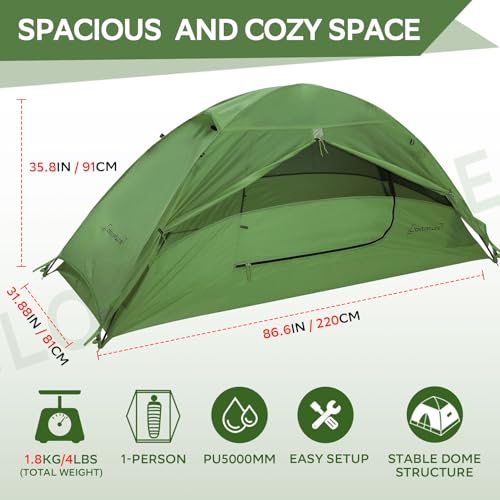
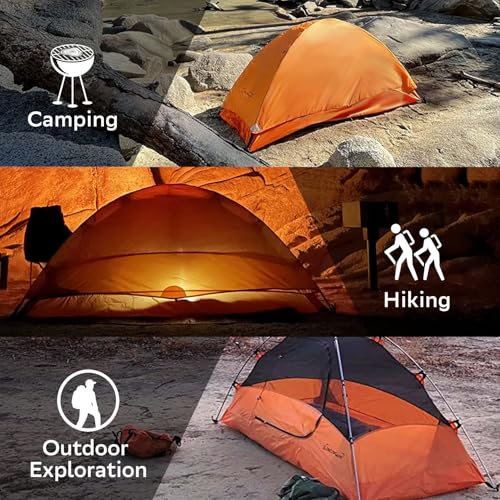
For solo backpackers chasing miles and minimalism, the Clostnature 1 Person Tent hits a sweet spot between weight and weather protection. On paper, the 2.97 lb trail weight is impressive for a freestanding tent with a full rainfly and bathtub floor, and owners consistently report staying dry even during prolonged downpours. The PU 5000 coating and sealed seams clearly pull their weight in wet conditions, which is more than you can say for some budget ultralights that skimp on waterproofing.
Where it stands out is in liveability, 7’3″ of length gives taller users room to stretch out, a rare win in the solo tent game. The D-door and side vestibule make gear access easy, and the dual aluminum poles mean setup is intuitive, even for beginners. Compared to other sub-3 lb shelters, it’s not the absolute lightest, but the added stability and space make it a smarter pick for variable weather.
Product photos
Kelty Grand Mesa 2P Tent

Strengths
- Reliable, durable materials
- Easy color-coded setup
- Great value for price
Trade-offs
- Single door limits access
- Slightly bulky packed size
The Kelty Grand Mesa 2P is the rare budget tent that doesn’t feel like a compromise. At just over 4 lbs, it’s light enough for backpacking, and the freestanding design with color-coded clips makes setup foolproof, ideal for new backpackers or families. The 30 sq ft floor and 44 in peak height give two adults reasonable comfort, and the single door with vestibule keeps weight down without sacrificing gear storage.
Durability stands out here. The 68D polyester floor and taped seams have held up well in owner reports after multiple seasons of use. While it’s not as breathable or lightweight as pricier models, it’s built to last, and priced accordingly. Compared to the Clostnature 2P, it’s slightly heavier but feels more rugged overall.
Product photos


Marmot Crane Creek 2P Tent
Strengths
- Exceptional pole strength
- Dual doors and vestibules
- Durable, weather-ready build
Trade-offs
- Heavier than ultralight options
- No footprint included
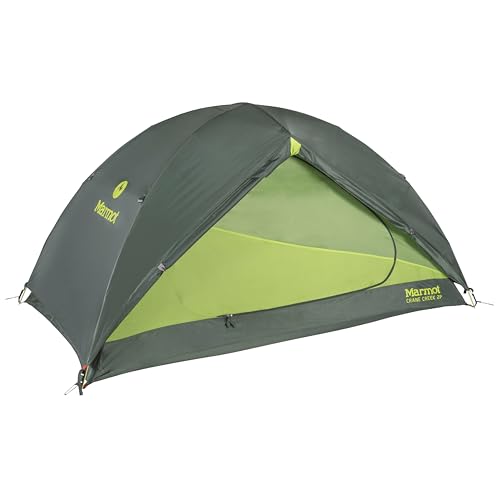
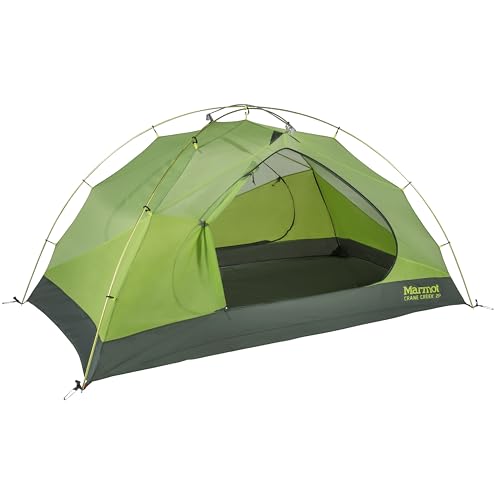
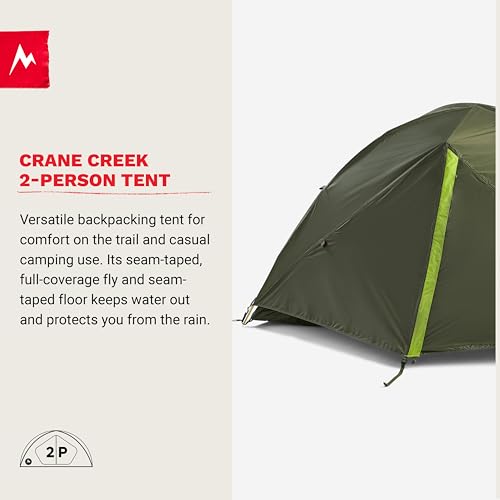
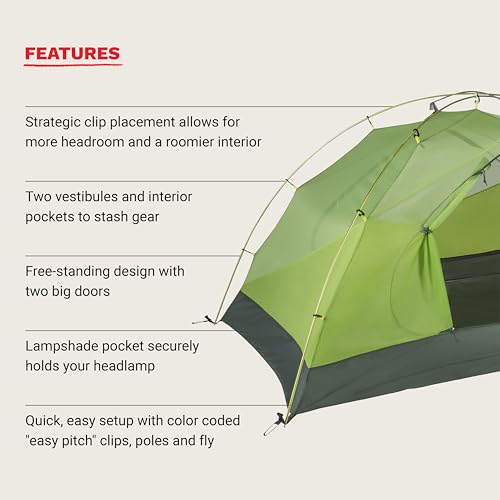
The Marmot Crane Creek 2P is what you reach for when you want a tent that can take a beating and still feel comfortable. The 7000-series aluminum poles are a standout, light, strong, and resistant to breakage, which matters on long alpine or fall trips. Combined with a fully seam-taped fly and durable polyester fabric, it’s one of the few 2-person tents that feels genuinely weather-ready without tipping the scales.
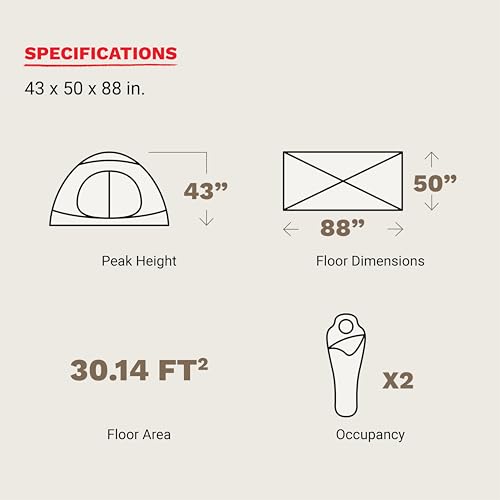
Reviewers praise the dual D-doors and vestibules for making two-person trips livable, and the 32 sq ft interior gives room to sit up and move around. It’s not the lightest at around 5 lbs, but the trade-off is long-term durability and peace of mind in storms. Compared to the Kelty Grand Mesa, it’s pricier but far more resilient in high winds and heavy rain.
Product photos
Forceatt 2-Person Backpacking Tent

Strengths
- Strong wind resistance
- Dual doors and vestibules
- Fast, intuitive setup
Trade-offs
- Slightly heavier than competitors
- Floor could be more durable
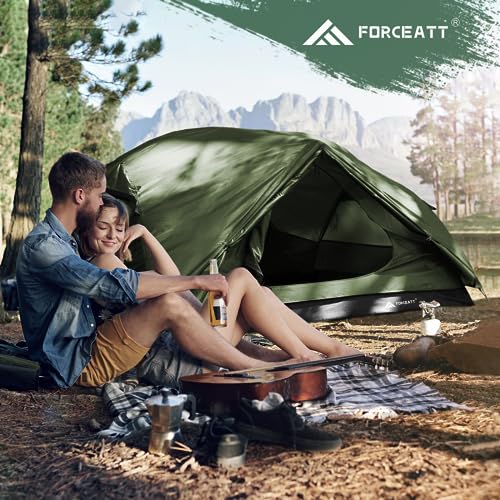
If you’re after a rugged 2-person tent that won’t quit when the weather turns, the Forceatt punches above its price class. With a 3000mm waterproof rating, welded floor seams, and full-coverage fly, it’s built for real 4-season edge cases, even if officially rated for 3 to 4 seasons. Reviewers note it held up in alpine snow squalls and gusty ridge lines, which speaks volumes for a tent under 5.5 lbs.
The dual D-doors and vestibules are a major quality-of-life upgrade over single-door models, letting you and a partner move without crawling over each other. Setup in under 3 minutes is no exaggeration, the color-coded clips and 7001-series aluminum poles make it one of the easiest freestanding tents to pitch solo. While not as breathable as mesh-heavy models, the ceiling vents do help reduce condensation.
Product photos


camppal 1-Person 4-Season Tent

Strengths
- Excellent storm resistance
- Long sleeping area
- Simple, fast setup
Trade-offs
- No vestibule for gear
- Limited ventilation
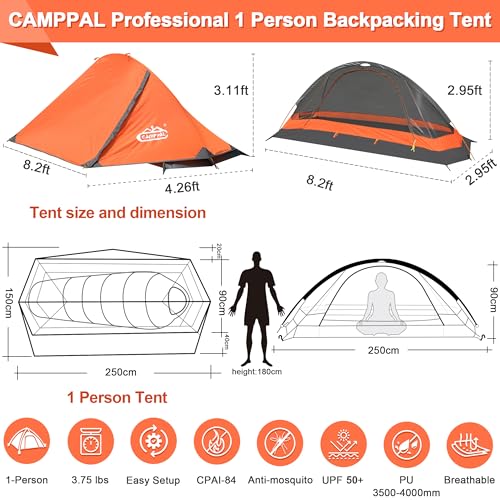
When the forecast calls for wind, snow, or sideways rain, the camppal 1-person tent looks like the right shelter to hunker down in. With a 3500–4000mm waterproof rating, taped seams, and a single strong aluminum ridge pole, it’s built like a mini expedition tent. The extended 8.2 ft length is a standout, ideal for taller backpackers who usually have to curl up in standard models.
Owners consistently say it stayed upright in high winds and kept the interior dry during heavy storms. The single-pole design makes setup a breeze in 3 minutes or less, a rare combo of simplicity and strength. That said, the minimalist layout means no vestibule, so you’ll need to stash gear inside or under a tarp. It’s not the lightest at 3.75 lbs, but for harsh weather, that trade-off makes sense.
Product photos



Night Cat Upgraded 1-2 Person Tent

Strengths
- Lightning-fast clip setup
- Good storm resistance
- Affordable price
Trade-offs
- Fiberglass poles less durable
- Interior tight for two adults
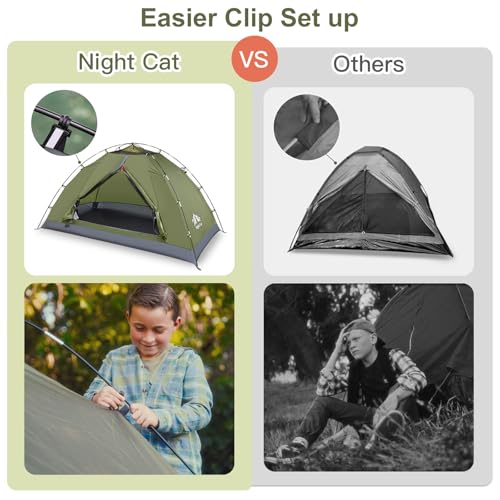
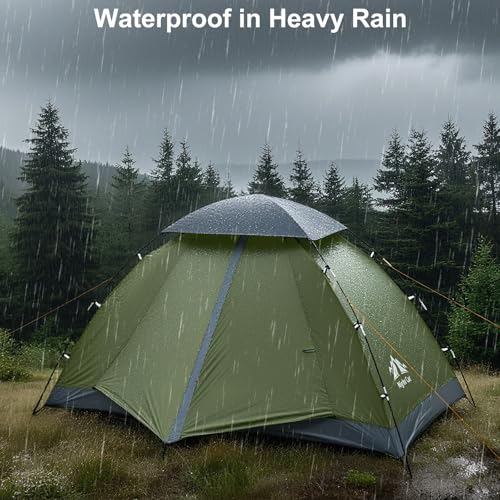
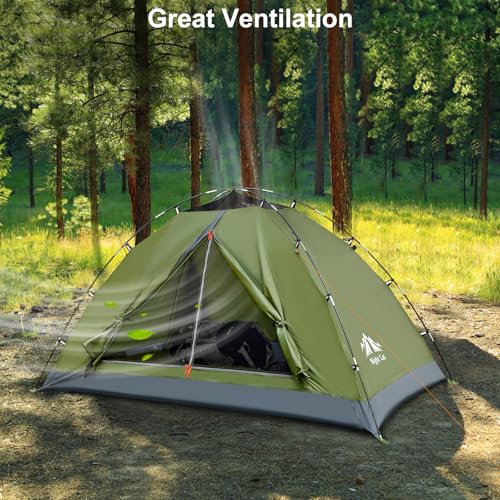
The Night Cat tent earns its “Best Easy Setup” label with a clip-based pole system that genuinely cuts pitching time to about a minute, no wrestling with pole sleeves. That’s a standout for tired hikers or when rain rolls in fast. The fiberglass poles keep the price down and are surprisingly stable in moderate wind, though they don’t match aluminum for long-term resilience. Owners report it’s held up well over multiple seasons, especially for the cost.
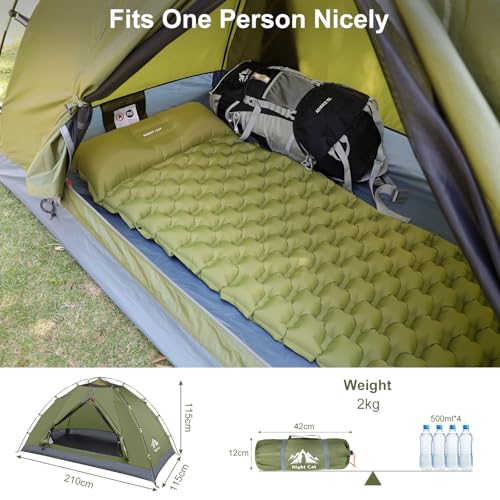
It’s marketed as a 1-2 person tent, but realistically, it’s best for one adult with gear. The 7×3.8 ft footprint gives decent shoulder room, and the mesh roof vent helps with airflow, though condensation can build up in humid conditions. The 4.4 lb weight is acceptable, but not competitive for serious backpackers, this is more for weekenders or scout groups who value speed and simplicity.
Product photos

How We Chose These tents for backpacking
Rather than a hands-on lab test, my research for these recommendations involved a detailed comparison of published specifications and features across numerous models. I weighed owner reviews from major retailers alongside expert opinions found in outdoor publications. As someone who spends a lot of time planning and dreaming about trails, I brought my understanding of what makes a tent truly functional – and reliable – in the backcountry to the evaluation process. The goal was to identify tents that consistently deliver on their promises, based on real-world feedback.
For backpacking tents specifically, I prioritized three factors above all else: weight, waterproof rating, and ease of setup. A lighter tent means a more enjoyable hike, and a higher waterproof rating is crucial for staying dry in unpredictable conditions. Quick and intuitive setup is also key, especially after a long day on the trail. Understanding these core needs drove the rankings and ultimately, the selections. I also considered durability, as reported by owners.
Specifications reliably tell you about a tent’s stated weight, dimensions, and materials. However, I turned to owner feedback to gauge real-world performance – how well the waterproofing holds up after repeated use, how easy the tent actually is to pitch, and whether it lives up to its durability claims. Reputation and long-term owner experiences, combined with a review of backpacking tent selection guide, helped me separate marketing hype from genuine quality.
How To Pick The Right tents for backpacking
Finding the right backpacking tent is about balancing weight, space, and protection from the elements. It’s far more nuanced than just grabbing the cheapest or lightest option.
A good backpacking tent prioritizes a low weight-to-space ratio, durable waterproof materials (rainfly and floor with a PU coating of at least 2000mm), a robust pole system (aluminum is preferred over fiberglass), and a design that facilitates quick and easy setup, even in challenging conditions. Ventilation is also key to minimize condensation buildup inside the tent.
Weight and Packability
For backpacking, every ounce counts. I often tell people to realistically assess how many miles they plan to cover each day and how much weight they’re already carrying. A tent that’s too heavy will quickly become a burden. Look for tents specifically marketed as “ultralight,” but don’t sacrifice durability entirely for a few grams. Generally, a 1-person tent should be under 4 pounds and a 2-person tent under 5-6 pounds. Pay attention to the packed size as well; a bulky tent can be difficult to fit into your pack alongside other essentials.
Waterproofing and Weather Resistance
Don’t assume all tents labeled “waterproof” are created equal. The PU (polyurethane) coating on the rainfly and floor is the primary indicator of water resistance, measured in millimeters (mm). While 2000mm is a good starting point, 3000mm or higher is preferable for reliable protection in heavier rain. Importantly, seam taping is crucial – even a high-mm coating is useless if water can seep through the seams. Consider the tent’s overall design, too. A full-coverage rainfly that extends low to the ground provides better protection than one that leaves gaps. If you’re venturing into areas prone to strong winds, look for tents with robust pole systems and multiple guy-out points. Knowing how to handle pitching a tent in wet weather can also make a huge difference.
Features and Usability
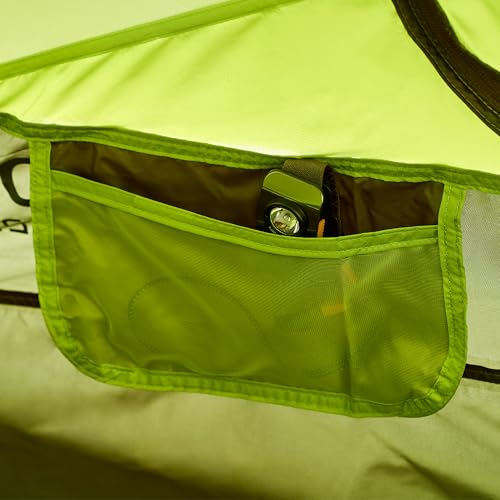
Beyond the basics, consider what features will enhance your backpacking experience. Vestibules are incredibly useful for storing gear outside the main tent body, keeping it dry and accessible. D-shaped doors are generally easier to use than rectangular ones. Interior pockets and gear lofts help with organization. But don’t get bogged down in unnecessary extras. I find that a simple, well-designed tent is often more practical than one overloaded with features.
Here’s what I look for in usability:
- Setup Speed: A quick and easy setup is essential, especially after a long day of hiking.
- Ventilation: Good airflow minimizes condensation.
- Durability of Zippers: Cheap zippers are a common point of failure. Look for sturdy, reliable zippers (YKK is a good sign) and make sure they operate smoothly.
A practical rule of thumb: don’t skimp on the rainfly. It’s the first line of defense against the elements, and a poor-quality one can ruin your trip.
Finding the right tent also means knowing where to look for quality. Exploring top backpacking tent brands and reputable tent manufacturers will help you narrow down your options and ensure you’re investing in a product that will last.
Tents for Backpacking Compared
This table provides a side-by-side comparison of key specifications for several backpacking tents.
| Product Name | Capacity | Trail Weight (lbs) | Waterproof Rating (mm) | Packed Size (in) | Pole Material |
|---|---|---|---|---|---|
| Clostnature 2-Person Ultralight | 2 | 4.52 | 5000 | 16.5×5.9×5.9 | Aluminum |
| Clostnature 1-Person Ultralight | 1 | 2.97 | 5000 | 15×5.1×5.1 | Aluminum |
| Kelty Grand Mesa 2P | 2 | N/A | N/A | 16x7x7 | Aluminum |
| Marmot Crane Creek 2P | 2 | N/A | N/A | N/A | Aluminum |
| Forceatt 2-Person Backpacking | 2 | 5.5 | 3000 | N/A | 7001 Aluminum |
| camppal 1-Person 4-Season | 1 | 3.75 | 3500-4000 | N/A | Aluminum |
| Night Cat Upgraded 1-2 Person | 1-2 | N/A | 3000 | 16.5×4.7×4.7 | Fiberglass |
Frequently Asked Questions
What’s the difference between “trail weight” and “packed weight”?
Trail weight refers to the weight of just the tent, rainfly, and poles – what you’ll actually carry on your back. Packed weight includes everything(stakes, guylines, stuff sacks) and is always higher, so focus on trail weight when comparing options.
Do I really need an aluminum pole system?
Yes, aluminum poles are significantly more durable and weather-resistant than fiberglass, especially for backpacking where weight and reliability are critical. While fiberglass is cheaper, it’s more prone to snapping or bending in strong winds or under stress.
What waterproof rating is sufficient for three-season backpacking?
A minimum waterproof rating of 2000mm for both the rainfly and floor is acceptable for most three-season conditions, but 3000mm or higher provides a more reliable barrier against heavier rain and prolonged exposure. Remember seam taping is just as important as the rating itself.
Are freestanding tents better for backpacking?
Freestanding tents are convenient because they can be pitched without stakes, but they often weigh more than non-freestanding models. If you’re consistently camping on rocky or hard-packed ground, a freestanding tent is a good choice, but for softer surfaces, a non-freestanding tent can save you weight.
What is a tent footprint and do I need one?
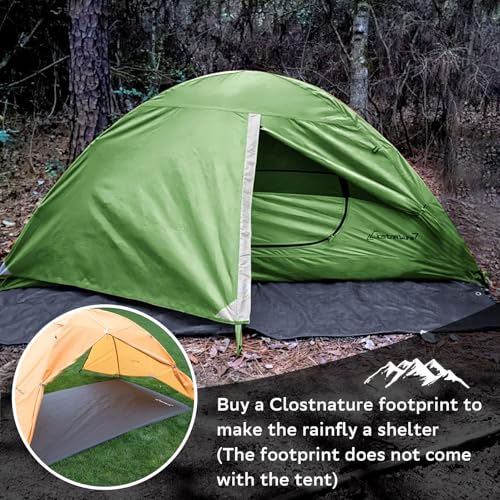
A protective ground cloth for tents is a separate piece of material that goes underneath your tent to protect the floor from abrasion and punctures. While not strictly essential, it significantly extends the life of your tent and is highly recommended, particularly on rough terrain.
The Bottom Line
Choosing a backpacking tent always comes down to how much you’re willing to trade convenience for weight, or features for price. Ultimately, for the best combination of durability, weather protection, and reasonable weight, I recommend the Clostnature 2-Person Ultralight. It consistently receives positive feedback from owners regarding its waterproofness and ease of setup, critical for enjoyable trips.
If you’re on a tighter budget, the Forceatt 2-Person Backpacking tent offers a lot of value for the money, although you will sacrifice some weight and potentially some long-term durability. For solo adventurers who prioritize minimalism, the camppal 1-Person 4-Season tent is a solid choice, and those looking for even lighter options should explore minimalist hiking tent options.
At the end of the day, specs are just numbers. What truly matters is finding a tent that fits your needs and hiking style, and that you know how to properly care for. A well-maintained, appropriately-sized tent will provide years of reliable shelter, regardless of its price point or the latest features.
