
7 Best Tents for Bikepacking 2026
This post contains affiliate links. As an Amazon Associate, we earn from qualifying purchases.
The Big Agnes Copper Spur HV UL1 stands out as the best overall bikepacking tent, combining ultralight weight with smart design, while the Naturehike Star Trail offers a solid budget-friendly alternative for solo riders who still want quality and performance.
Picking a tent for bikepacking isn’t just about saving weight, it’s about finding shelter that can handle constant movement, tight packing, and unpredictable weather without falling apart. As someone who’s spent years evaluating gear for the trail, I know how crucial it is to balance specs with real-world feedback.
This guide cuts through the noise by focusing on what actually matters: pack size, durability, and bike-specific features, all based on a deep look at manufacturer specs and what riders are saying after months on the road.
Top 7 Tents For Bikepacking in the Market
The Best Tents For Bikepacking, Reviewed
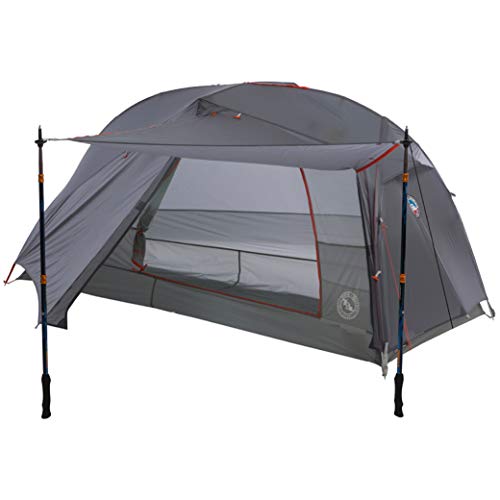
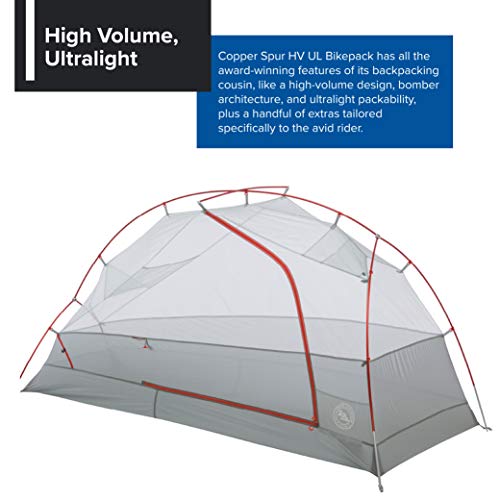
Big Agnes Copper Spur HV UL1
Strengths
- Spacious for weight
- Excellent build quality
- Smart storage features
Trade-offs
- Footprint sold separately
- Premium price
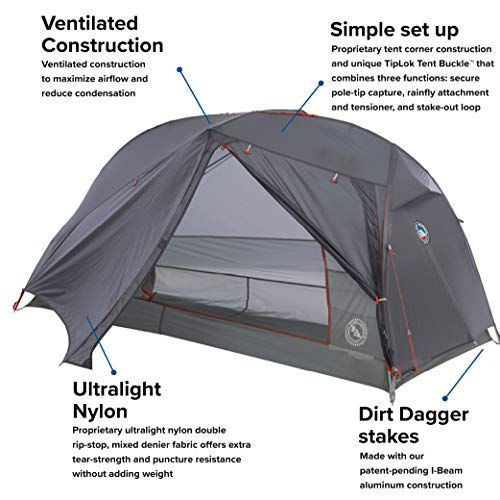
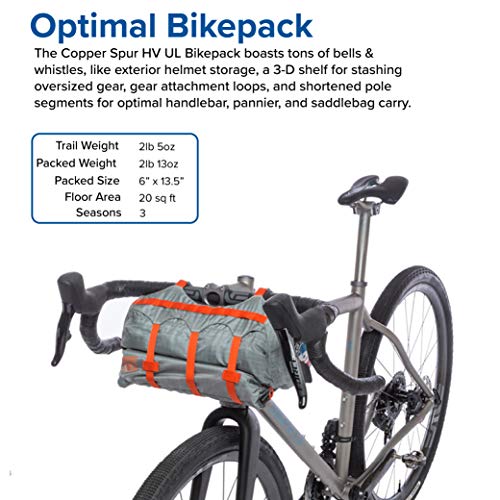
This is the tent I’d pick if I could only own one for bikepacking. At 2 lb 5 oz, it’s featherlight, yet the high-volume hub design expands interior space noticeably, more headroom, more shoulder room, more comfort than most ultralights. The DAC poles and Dirt Dagger stakes feel overbuilt in the best way, and the TipLok buckles make setup intuitive.
Owners rave about the ceiling pocket and helmet loops, small touches that add up on multi-day rides. Like the Tiger Wall, it’s UV-resistant and built to last, but this one edges ahead in space-to-weight ratio. Again, the footprint is sold separately, which stings, but the performance justifies it.
Product photos

Naturehike Star Trail 2.3lb Tent

Strengths
- Extremely lightweight
- Compact packed size
- Good headroom
Trade-offs
- Lower waterproof rating
- Not for heavy storms
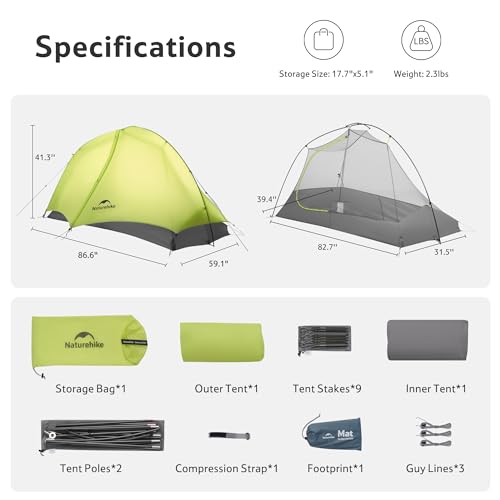
At 2.3 lbs, this is one of the lightest true double-wall tents you’ll find, it’s built for riders who treat every ounce like currency. The packed size is compact, and the quick setup makes it ideal for fast-and-light missions. Owners praise how roomy it feels inside despite the low weight, thanks to the high peak design that allows sitting upright.
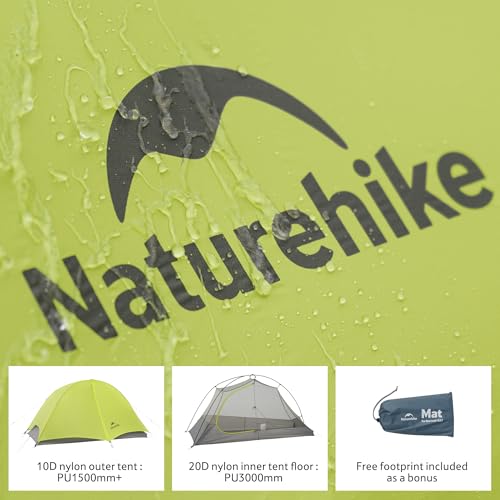
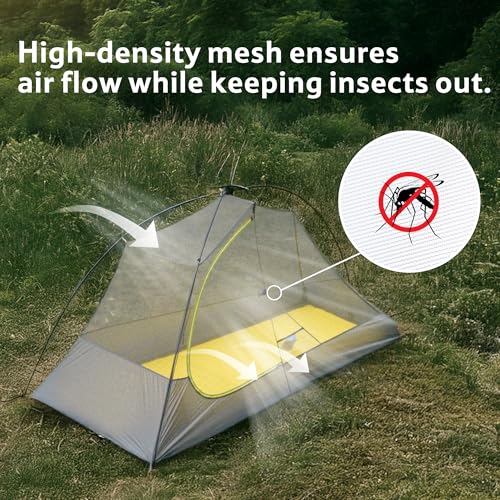
But that ultralight win comes with trade-offs: the 10D fly has a modest 1500mm waterproof rating, and feedback suggests it’s best in light rain, not prolonged downpours. Ventilation is solid, but the floor’s 3000mm rating helps. I’d call this a fair-weather specialist, perfect for dry climates or summer sprints.
Product photos
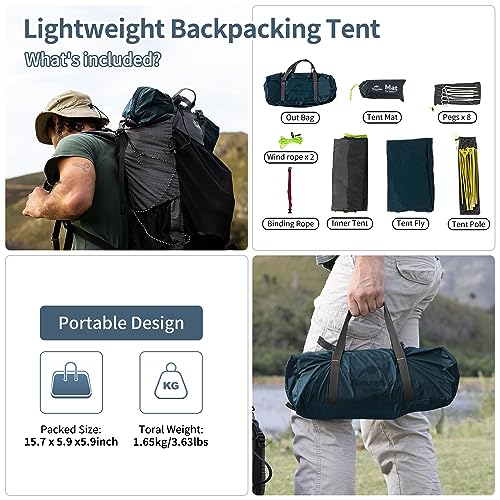
Naturehike Bikepacking 1 Person Tent

Strengths
- Footprint included
- Good waterproof rating
- Easy setup
Trade-offs
- Heavier than ultralight rivals
- Average ventilation
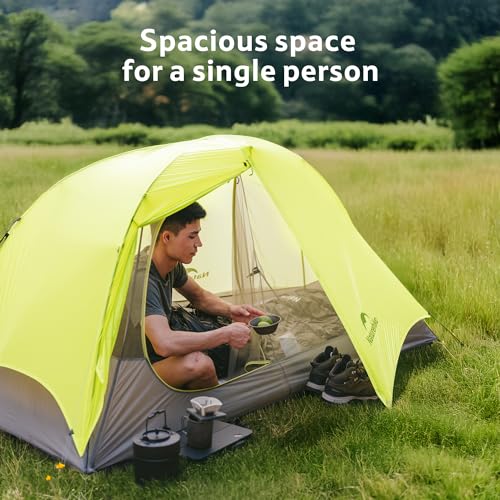
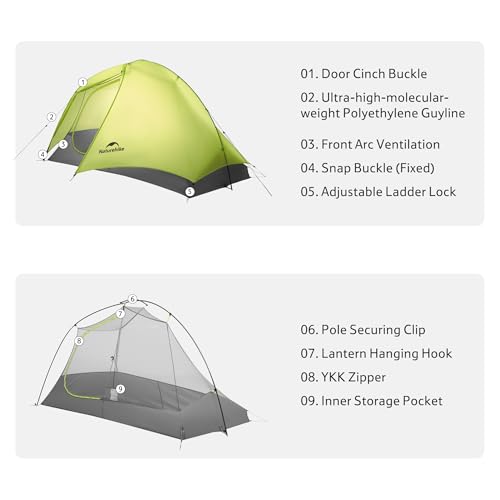
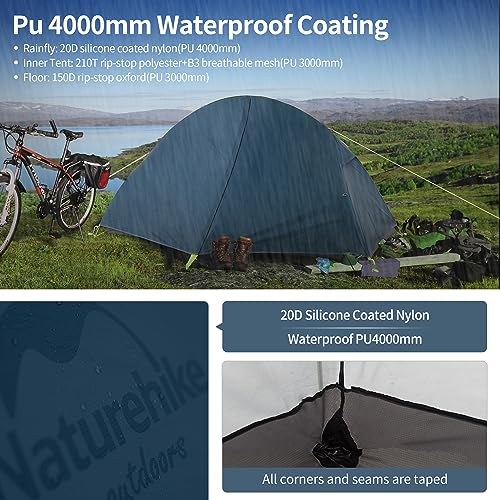
This tent hits a sweet spot for budget-conscious solo riders who still want reliability. The 20D nylon with PU4000mm coating delivers solid wet-weather protection, and owners note it shrugs off prolonged rain without leaking. Setup is genuinely simple, the free-standing design with color-matched poles means even a first-timer can pitch it fast, which matters when thunder rolls in mid-ride.
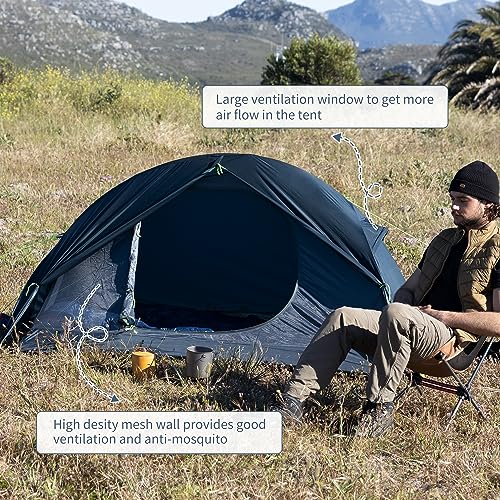
It’s not the lightest or most compact option here, but at under 3.7 lbs and with a footprint included, it’s a strong value pick. Ventilation is decent thanks to the mesh door and windows, though in humid conditions some users report mild condensation. For the price, it’s hard to fault.
Product photos


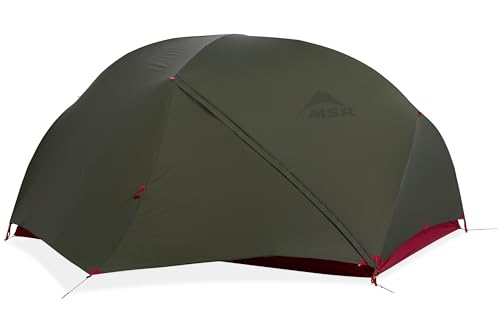
MSR Hubba Hubba Bikepack 2-Person
Strengths
- Integrated handlebar bag
- Roomy floor plan
- Durable rainfly
Trade-offs
- Slightly heavier
- No included footprint
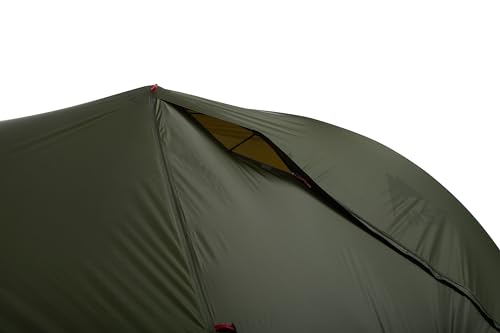
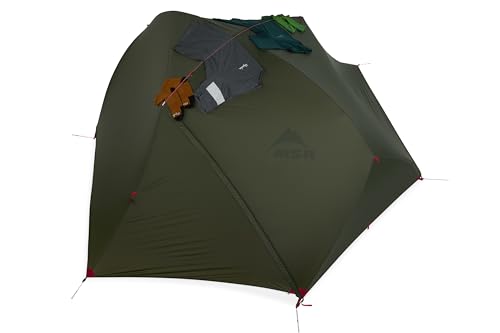
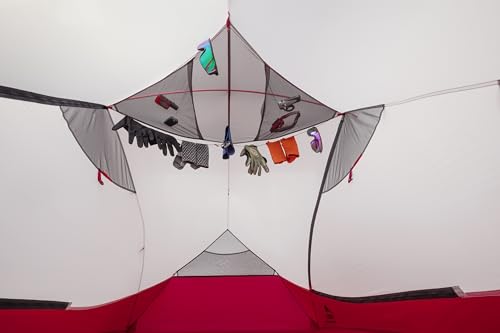
MSR took a proven backpacking tent and made it bike-smart, the handlebar storage bag is a standout, turning the stuff sack into functional, weatherproof storage that fits most frames. The rectangular floor plan is rare in ultralight tents and gives two riders actual room to stretch out, not just survive. At 3 lbs 1 oz, it’s not the lightest, but the comfort-to-weight ratio is excellent.
Owners love the internal clotheslines and gear lofts, practical for drying gloves or stashing a GPS. The DuraShield coating holds up well over time, though it’s heavier than Big Agnes’s solution-dyed fabric. If you want livability over minimalism, this is the one.
Product photos
Big Agnes Tiger Wall UL2 Tent

Strengths
- UV-resistant fabric
- Smart bike-friendly features
- Lightweight for 2-person
Trade-offs
- Footprint sold separately
- Higher price point
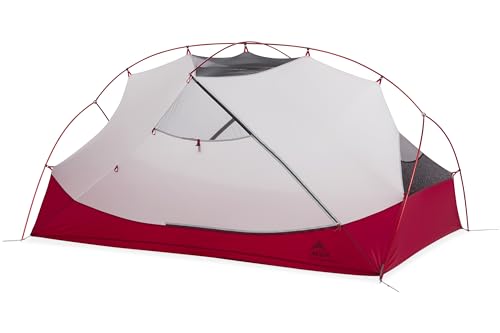
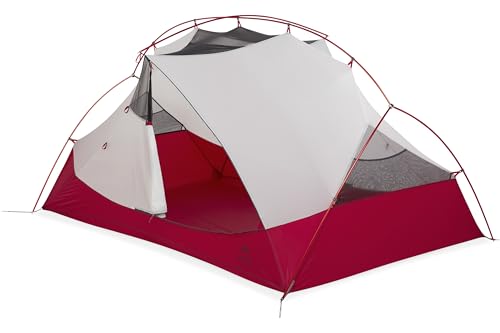
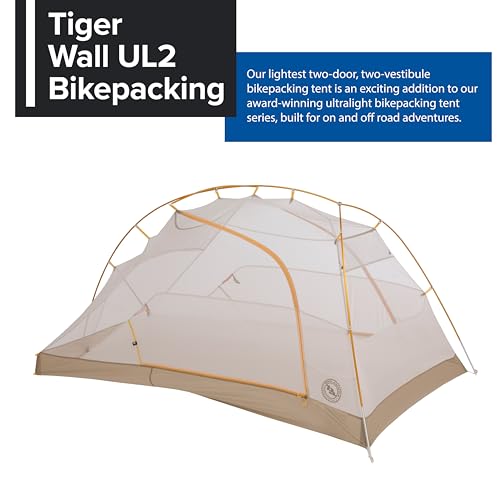
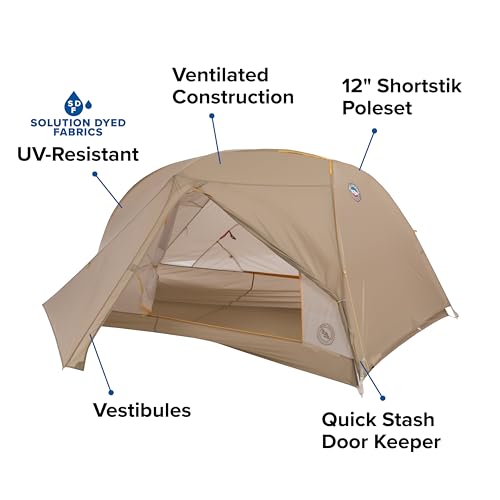
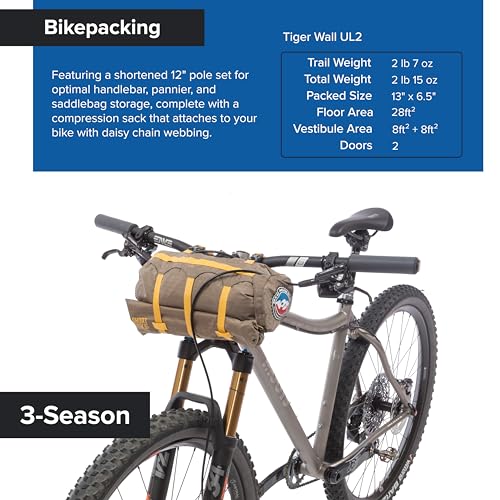
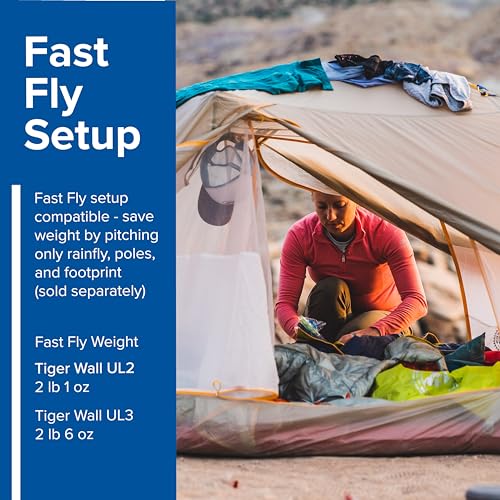
Big Agnes nailed the details for two-person bikepacking comfort without blowing up the weight, at 2 lb 7 oz, it’s impressively light for a double. The solution-dyed fabric is a quiet standout: owners confirm it resists UV fading even after months of sun exposure, which matters when you’re logging serious trail miles. The dual vestibules and 3D gear shelf make living in it easy, and the TipLok buckles streamline setup.
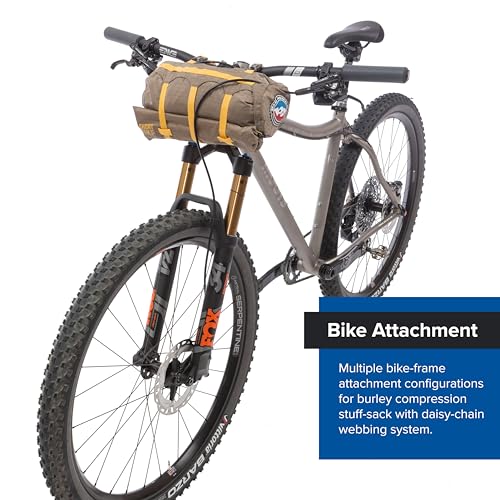
It’s not the cheapest, but the build quality and bike-specific touches, like daisy chains for wet gear and a compression sack built for frame mounting, make it a favorite among long-distance riders. Just remember the footprint is sold separately, which adds cost.
Product photos
Naturehike Mongar UL 1/2 Person
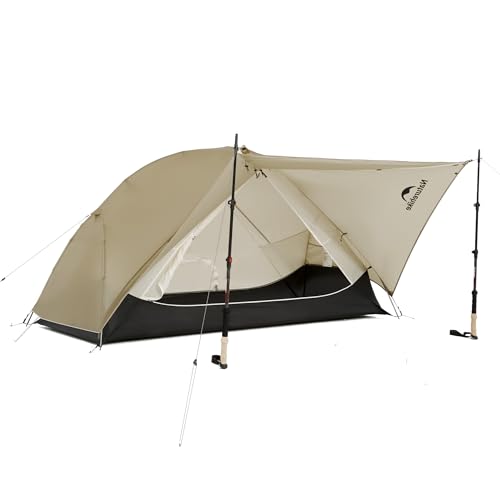
Strengths
- Excellent airflow
- Expandable awning
- Lightweight build
Trade-offs
- Not 4-season capable
- 15D fabric less durable
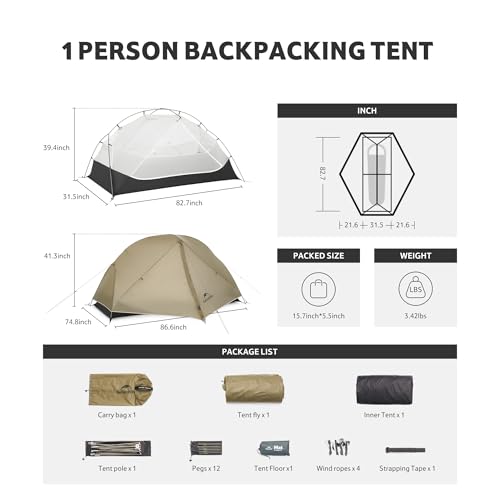
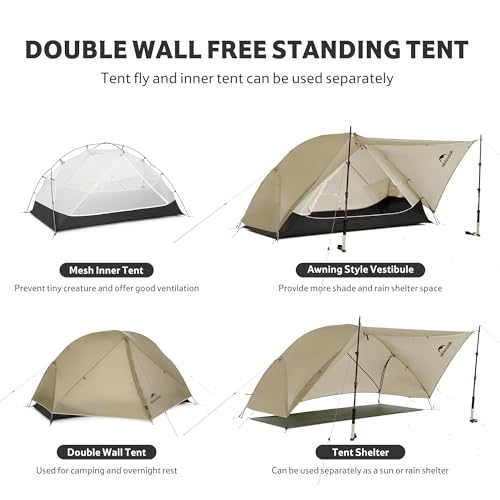
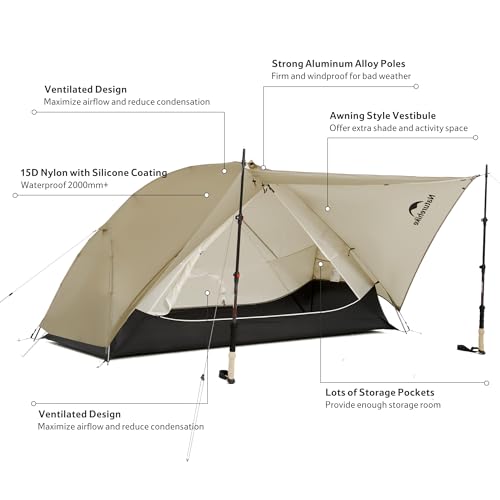
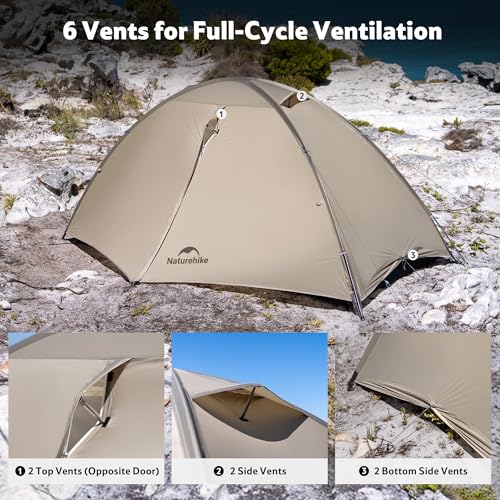
The standout here is airflow, the large mesh door, windows, and adjustable vestibule make this one of the most breathable tents in its class. Reviewers in humid climates praise how well it manages condensation, a common flaw in double-wall ultralights. The 15D fabric keeps weight down to 3.42 lbs, and the expandable awning is a thoughtful touch for cooking or gear drying in the rain.
But that lightweight fabric means it’s not built for harsh weather. It’s a 3-season tent through and through, and I’d hesitate to trust it in sustained wind or snow. Still, for spring through fall missions where ventilation and weight matter most, this is a smart choice.
Product photos
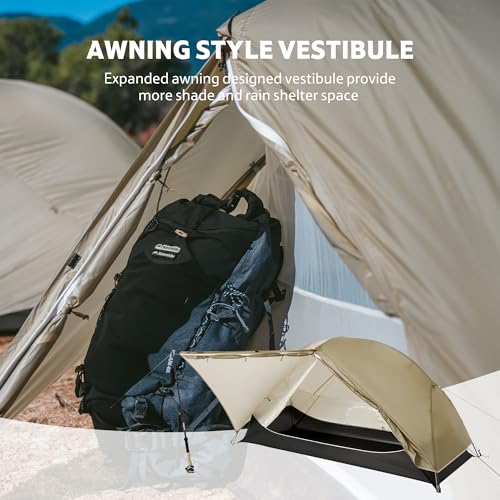
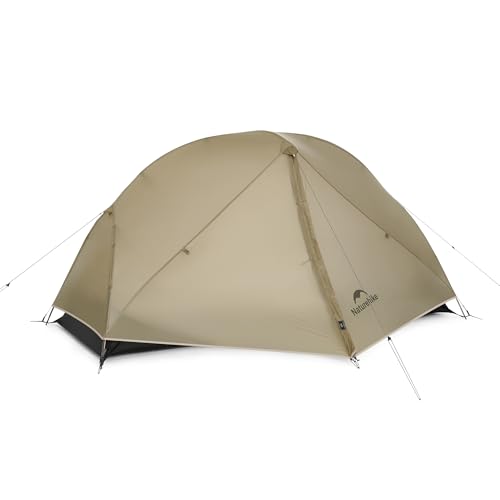
Naturehike Giling 1/2 Person Tent
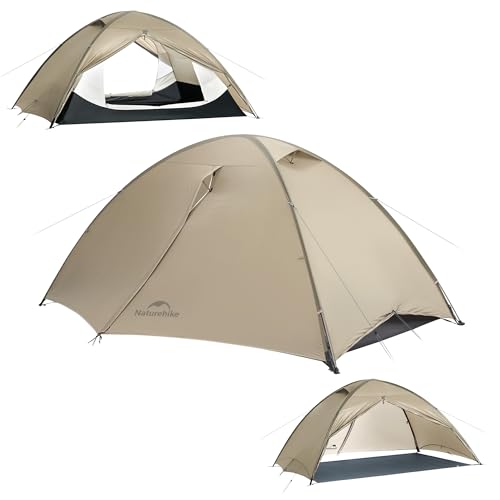
Strengths
- 4-season durability
- Dual vestibules
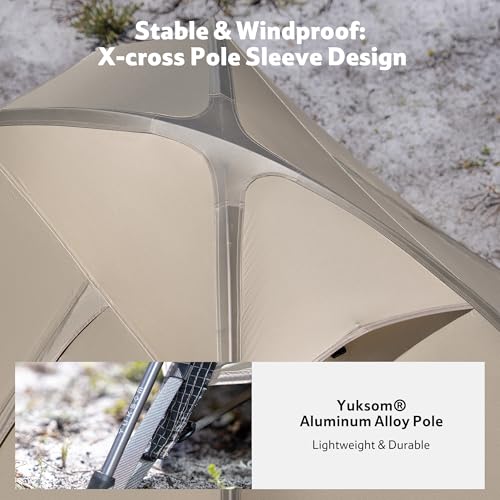
- Stable X-pole design
Trade-offs
- Heavier than average
- Bulkier packed size
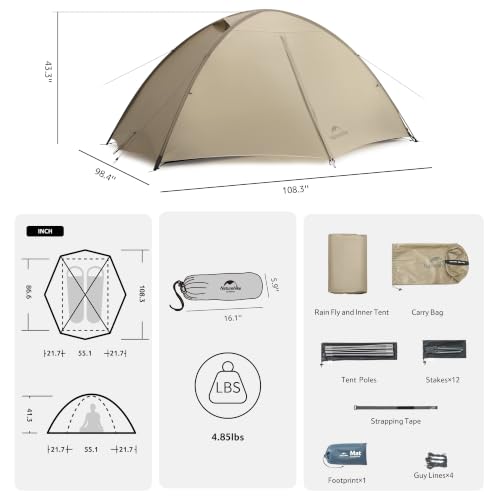
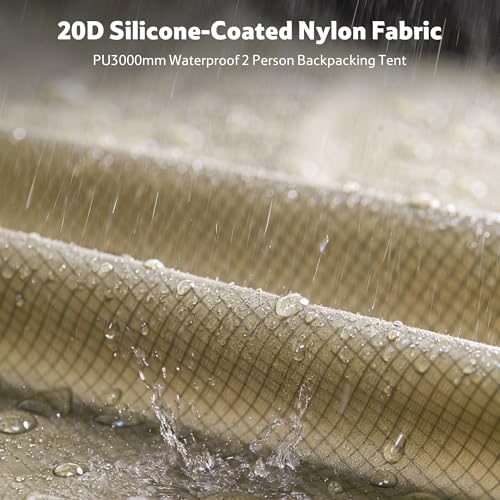
If you’re tackling unpredictable mountain passes or exposed alpine routes on a bike, the Giling’s 4-season build stands out. On paper, its 20D silicone-coated nylon and X-cross pole structure suggest real resilience against wind and snow, owners consistently report it holding firm in storms that flattened flimsier shelters. The dual vestibules are a practical win for bikepackers who need dry storage for muddy shoes and gear.
That said, at nearly 5 lbs, it’s on the heavier end for ultralight missions. While it’s marketed as a 1/2 person tent, the interior space is actually generous for two, a rare plus in this category. But the weight penalty means I’d reserve this one for serious weather, not long-distance slogs where every ounce counts.
Product photos

How We Chose These tents for bikepacking
As a long-time hiker and bikepacking enthusiast, I know the right shelter can make or break a trip. Rather than a hands-on lab test, this is a research-led comparison of published specifications and owner feedback, informed by my experience with tent design and performance needs on the trail. We evaluated tents based on a combination of stated features, reported durability, and how well they address the unique demands of bikepacking – like packability and ease of attachment to a bike.
For bikepacking tents, weight, packed size, and bike-friendly features are paramount. We heavily weighted tents offering compact pole sets designed for handlebar or frame bag mounting, plus features like daisy chains for secure attachment. Durability is also key; bikepacking often involves rougher terrain and more exposure to the elements, so we prioritized tents utilizing robust materials and construction. Identifying top bikepacking tent brands was a crucial step in narrowing our focus.
Specifications reliably tell you about materials (nylon denier, waterproof ratings) and dimensions. However, judging real-world performance requires looking at owner reviews. We paid close attention to reports about wind resistance, condensation build-up, and ease of setup – factors that specs don’t always capture. We also considered the reputation of the manufacturer, leaning towards those known for quality and customer support among reputable ultralight tent manufacturers.
How To Choose The tents for bikepacking
Choosing the right tent for bikepacking requires a bit more thought than picking one for car camping. We need to balance weight, durability, and features specifically suited to life on two wheels.
A good bikepacking tent prioritizes low weight and a small packed size, but shouldn’t sacrifice weather protection or livability. Look for tents with short pole sections that can be mounted to a bike frame, durable fabrics to withstand abrasion, and features like integrated gear storage. Pay close attention to trail weight (without stakes or guylines) and packed volume.
Weight and Packability
For bikepacking, every ounce counts. You’re already hauling a bike and all its accessories, so your shelter needs to be as light and compact as possible. Don’t fall into the trap of thinking you need a two-person tent just for extra space; seriously consider a one-person model if you’re primarily riding solo. Look for tents using lightweight materials like 15D or 20D nylon, and pay attention to the pole system. Shorter pole sections are crucial for frame mounting.
Durability and Weather Resistance
Ultralight fabrics are great, but they can be delicate. Bikepacking often involves navigating brushy trails and unpredictable weather. A tent with a higher denier fabric (like 30D or 40D) will be more resistant to tears and punctures. Also, prioritize a waterproof rating of at least 1500mm for the fly and 3000mm for the floor. Remember that a silnylon or silpoly fabric offers a better strength-to-weight ratio than standard polyurethane-coated nylon, making it a solid investment. If you’re planning on tackling more challenging terrain or all-season riding, exploring a durable bikepacking shelters is a wise move.
- Fabric Denier: Lower numbers (15D, 20D) mean lighter weight but less durability.
- Coating Type: Silicone (silnylon/silpoly) is lighter and stronger than polyurethane (PU).
- Seam Taping: Fully taped seams are essential to prevent leaks, even with waterproof fabrics. A poorly taped seam can render a high waterproof rating useless.
Specific Bikepacking Features
Beyond the basics, look for features that cater to bike-based adventures. Daisy chains on the tent body allow you to easily attach gear, and dedicated helmet storage is a nice touch. Some tents, like the Big Agnes Copper Spur HV UL Bikepack, are designed with bike-specific features in mind, such as short poles and handlebar bags. If you’re really trying to minimize weight and are comfortable with a more minimalist setup, consider an ultralight bivy tent option as well.
A well-placed gear loft or vestibule can make all the difference when space is at a premium. Don’t underestimate the convenience of being able to stash wet gear within easy reach.
Tents for Bikepacking Compared
Here’s a comparison of key specifications for popular bikepacking tents to help you make an informed decision.
| Product Title | Trail Weight | Packed Size (in) | Waterproof Rating (Fly) | Capacity | Special Features |
|---|---|---|---|---|---|
| Big Agnes Copper Spur HV UL1 | 2 lb. 5oz. | 13.5 x 6 | N/A | 1 Person | Helmet Storage, Shortstik Poles |
| Naturehike Star Trail 2.3lb Tent | 2.3 lbs | 17.7 x 5.1 | PU1500mm+ | 1 Person | Full Mesh, Quick Setup |
| Naturehike Bikepacking 1 Person Tent | 3.63lbs | 15.7 x 5.9 x 5.9 | PU4000mm | 1 Person | Footprint Included |
| MSR Hubba Hubba Bikepack 2-Person | 3 lb 1oz. | N/A | N/A | 2 Person | Handlebar Storage, Short Poles |
| Big Agnes Tiger Wall UL2 Tent | 2 lb. 7oz. | 13 x 6.5 | N/A | 2 Person | Quick Stash Door Keeper |
| Naturehike Mongar UL 1/2 Person | 3.42 lbs | 15.7×5.5×5.5 | N/A | 1/2 Person | Expandable Awning, Footprint Included |
| Naturehike Giling 1/2 Person Tent | 4.85 lbs | 5.9 × 16.1 | 3000mm+ | 1/2 Person | X-Cross Structure, 4-Season |
Frequently Asked Questions
What waterproof rating do I really need for a bikepacking tent?
A minimum of 1500mm for the fly and 3000mm for the floor is a good starting point. Higher ratings offer more protection, but beyond 3000mm, you often see diminishing returns, and breathable coatings become more important to manage condensation.
How important are the poles being short for bikepacking?
Extremely important. Shorter pole sections allow you to securely attach the tent to your handlebars or frame bag, freeing up space inside your panniers. Longer poles are awkward and can damage your bike or the tent itself during transport.
Are silnylon or silpoly tents worth the extra cost?
Yes, they generally are. While more expensive, silnylon and silpoly fabrics offer a better strength-to-weight ratio than coated nylon, meaning they’re lighter and more durable, which is a huge benefit when you need [ultralight two-person tents].
Can I use a standard backpacking tent for bikepacking?
You can, but it’s not ideal. Standard backpacking tents are often heavier and have longer pole sections that are difficult to mount on a bike. You’ll also sacrifice valuable space and potentially experience challenges with stability.
What’s the best way to determine the packed size of a tent?
Manufacturers’ listed packed sizes can sometimes be optimistic. I always recommend checking owner reviews for real-world feedback on how the tent compresses and fits into different bike bags. Don’t assume it will fit perfectly based on the specs alone.
The Bottom Line
Ultimately, choosing a bikepacking tent comes down to balancing how much you value absolute weight savings versus a bit more space and durability. For most riders, the Big Agnes Copper Spur HV UL1 strikes the best overall balance – it’s genuinely lightweight, packs small, and has thoughtful features like helmet storage that really add up on long rides. You’re paying a premium, but you’re getting a tent designed specifically for this style of adventure.
If you’re on a tighter budget or prioritize a bit more weather protection, the Naturehike Star Trail is a fantastic option. Similarly, for those needing a bit more versatility and potentially wanting to occasionally accommodate a second rider, the Naturehike Mongar UL 1/2 Person offers a good compromise with its expandable awning and larger footprint. There’s a Naturehike tent for nearly every bikepacking need and budget.
At the end of the day, specs like denier and waterproof ratings matter, but they’re secondary to having a shelter that fits your riding style and the kind of terrain you’ll be tackling. Prioritize a tent that’s easy to pitch, reliably keeps you dry, and won’t add unnecessary weight to your load – because when you’re pushing a bike up a steep climb, every ounce feels like a ton.
