
7 Best Tents for Cold Weather 2026
This post contains affiliate links. As an Amazon Associate, we earn from qualifying purchases.
The Underwood 2-Person 4-Season Tent stands out as the best overall for cold weather, combining rugged construction, excellent waterproofing, and solid ventilation. For those watching their budget, the Naturehike 2-Person Lightweight Tent delivers reliable performance without breaking the bank, while the Naturehike Massif Hot Tent is the top pick if you want the option to run a stove for serious warmth.
Most people shopping for a cold-weather tent aren’t just looking for something warm, they need shelter that won’t collapse under snow, leak in freezing rain, or suffocate them with condensation. I’ve seen too many hikers learn the hard way that a three-season tent just won’t cut it when temperatures drop and the wind picks up.
This guide cuts through the marketing and focuses on what actually matters: proven materials, real-world feedback, and design features that make a difference in harsh conditions. I compared specs, read owner reviews, and evaluated each model based on durability, weather resistance, and ventilation, so you can trust your tent will hold up when it matters most.
Top 7 Tents For Cold Weathers in the Market
The Best Tents For Cold Weathers, Reviewed
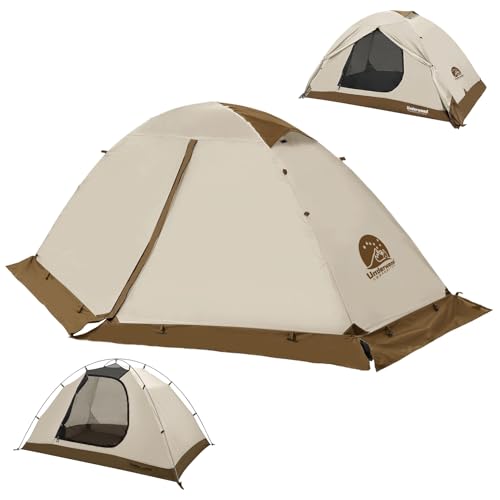
Underwood 2-Person 4-Season Tent
Strengths
- Well-balanced weight
- Durable construction
- Thoughtful interior design
Trade-offs
- Not ultralight
- Pricier than budget options
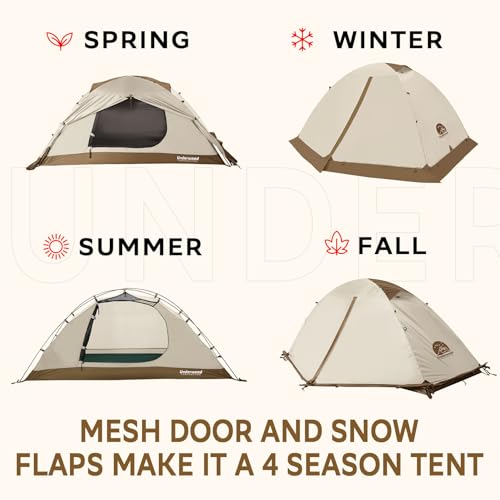
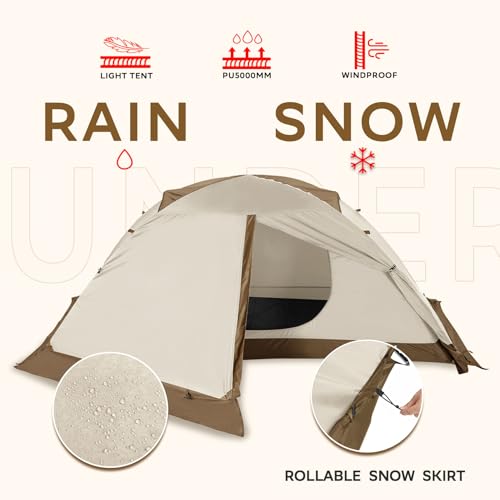
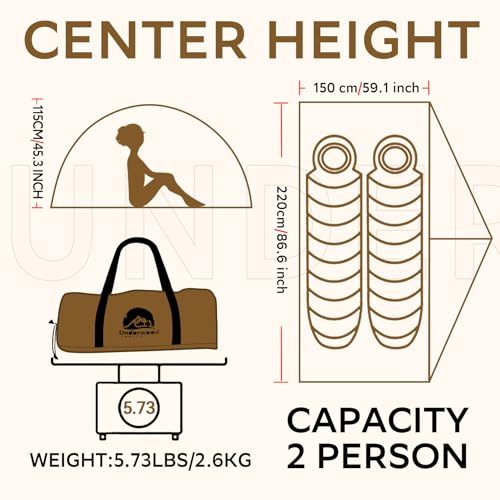
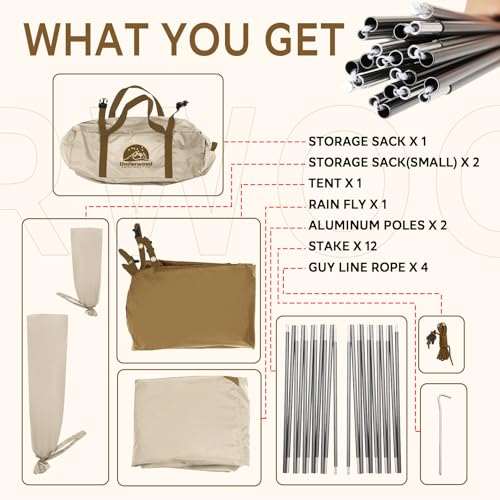
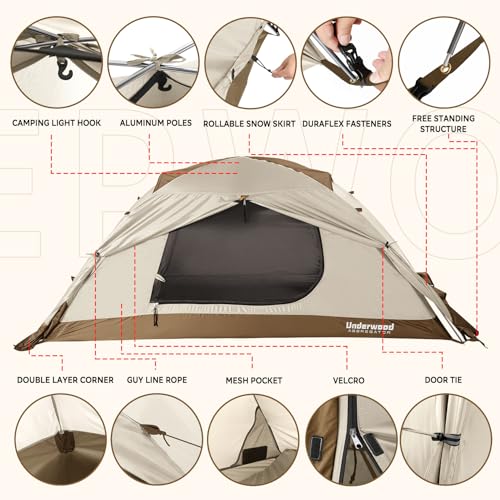
This Underwood Aggregator model is the most balanced of the bunch, and that’s why I’d call it the best overall pick. It blends the durability of a true winter tent (PU5000mm coating, aircraft-grade poles) with a manageable 5.73 lb weight and smart design touches like two-way zippers and interior storage pockets. The floor size is generous, and the 45.3-inch center height lets most users sit up comfortably, a rarity in compact 4-season tents.
Owners report strong performance in snow, wind, and rain, and the freestanding design makes setup a breeze, even for beginners. Compared to the Clostnature and Camppal models, it splits the difference between weight, space, and strength. For most buyers seeking a reliable, well-rounded 4-season shelter, this is the easiest recommendation.
Product photos
Underwood 1-Person 4-Season Tent
Strengths
- Ultralight for 4-season
- Durable materials
- Compact packed size
Trade-offs
- Tight interior space
- Limited headroom
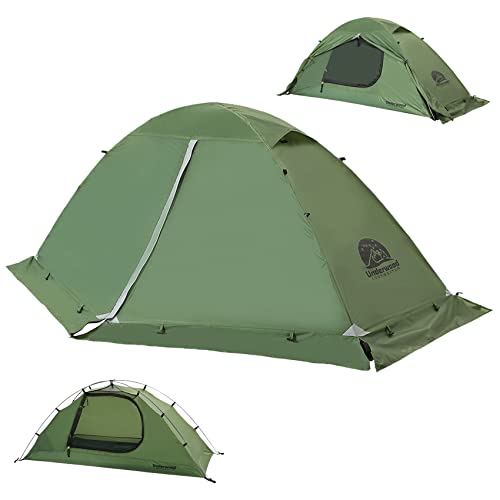
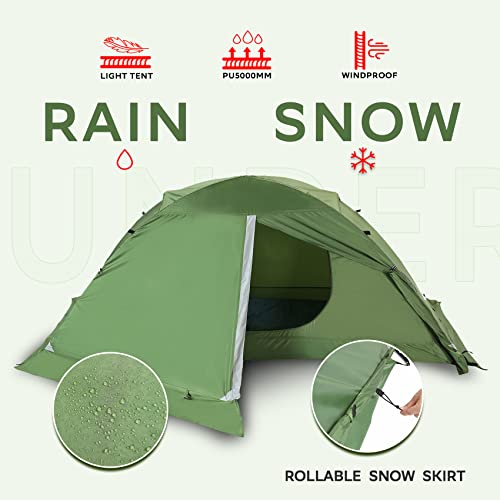
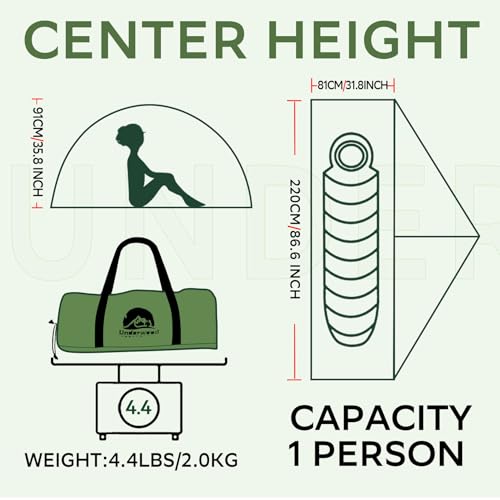
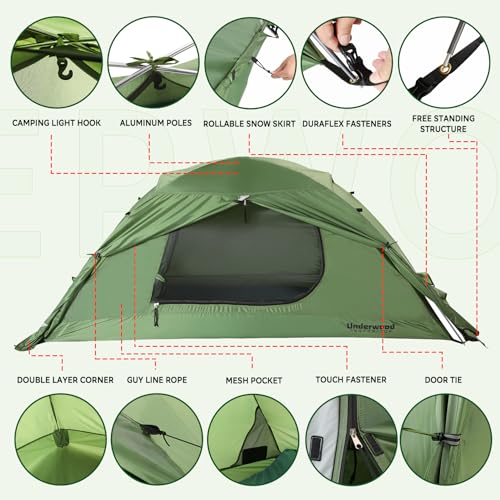
This solo shelter from Underwood Aggregator packs serious capability into a small footprint. At 4.4 pounds and a packed size smaller than many sleeping pads, it’s built for serious solo winter missions where weight and space matter. The PU5000mm coating and aircraft-grade poles suggest durability, and owners confirm it handles high winds and snow loads without issue. The rollable snow skirt is a smart touch, it adapts to variable conditions, which is essential when alpine weather shifts fast.
It’s not the most spacious, 31.8 inches floor width means you’ll sleep tight, but for a soloist, that’s expected. Compared to other 1-person 4-season tents, this one balances protection and packability well. I’d choose it over bulkier options for fast winter hikes or mountaineering where every ounce counts.
Product photos
Naturehike 2-Person Lightweight Tent
Strengths
- Extremely lightweight
- Easy setup
- Breathable inner fabric
Trade-offs
- Lower waterproof rating
- Snug for two people
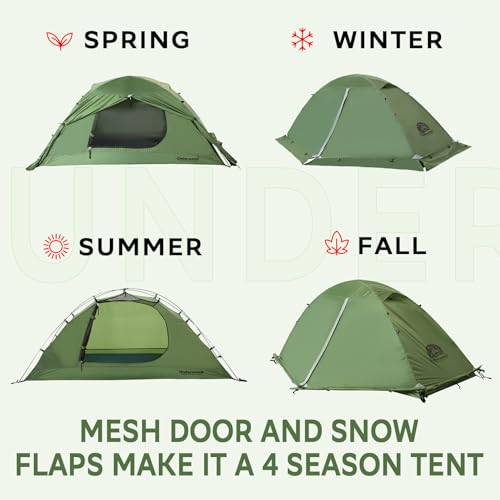
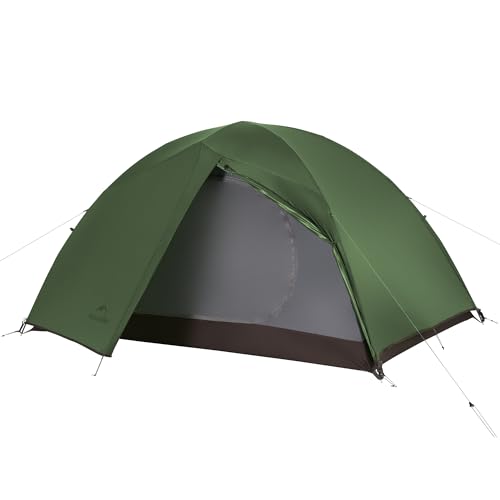
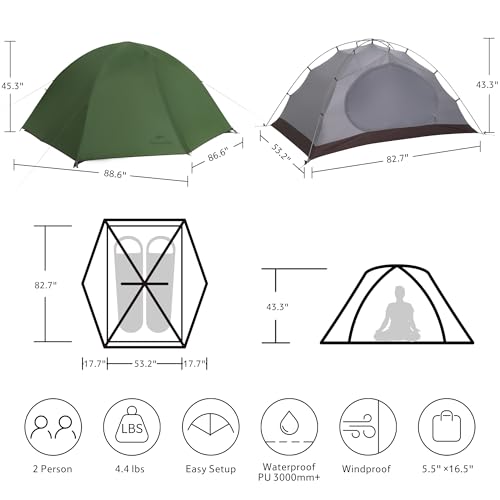
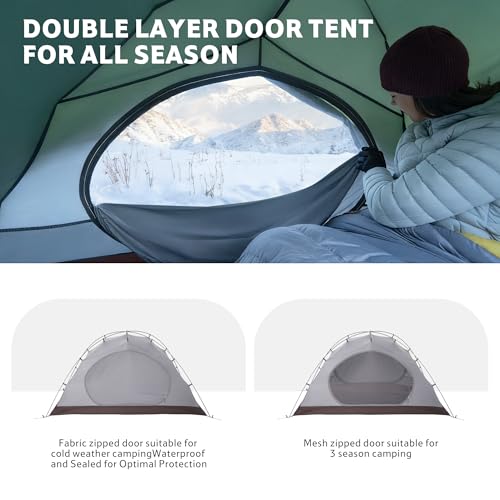
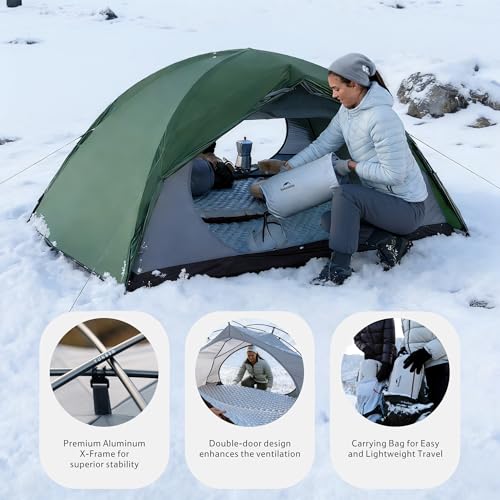
At just 4.43 lbs, this Naturehike tent is the lightest 4-season option here, a major win for backpackers who refuse to sacrifice protection for weight. The 20D silicone-coated nylon is ultralight yet tough, and the PU3000mm rating, while lower than others, still delivers solid waterproofing based on owner feedback in mixed conditions. It’s not built for blizzards, but for shoulder-season snow and cold rain, it performs admirably.
The interior is snug for two, better for one with gear, but the quick setup and freestanding design make it convenient. Compared to heavier models, this is the smarter buy if you’re hiking long distances in variable cold weather. I’d pick this for fast winter trips where every ounce matters and extreme conditions aren’t guaranteed.
Product photos

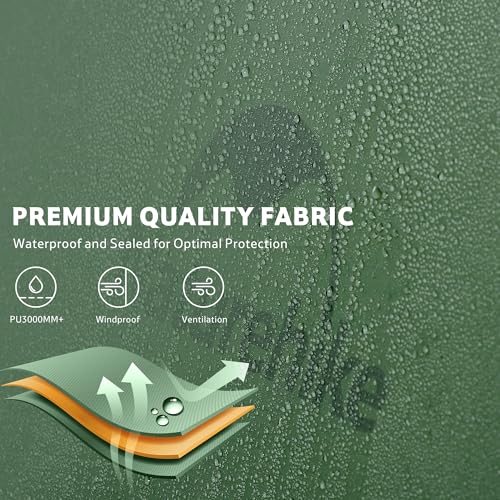
Naturehike Massif Hot Tent

Strengths
- Stove-compatible
- Excellent wind resistance
- Spacious layout
Trade-offs
- Too heavy for backpacking
- Higher price point
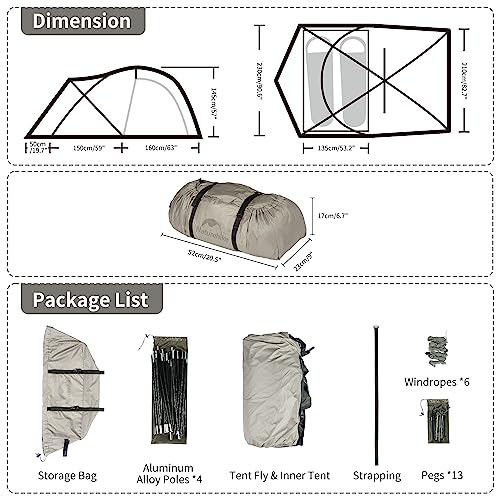
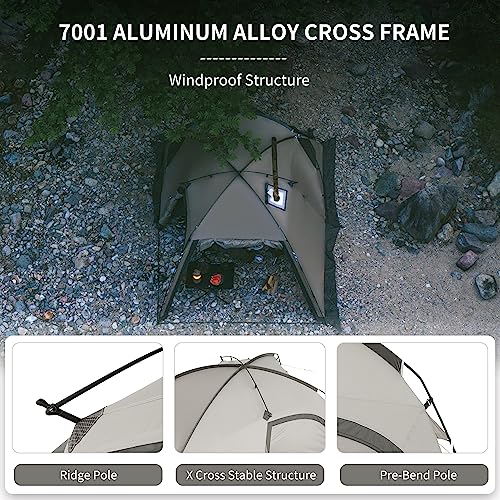
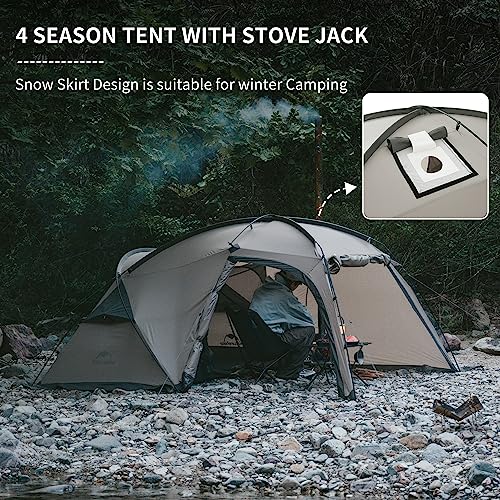
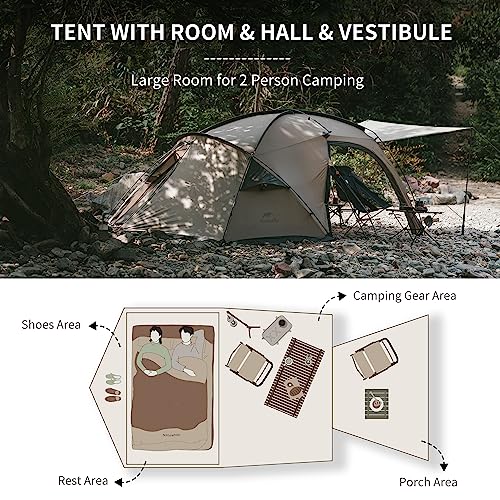
If you’re venturing into deep winter or subarctic conditions, this hot tent is in a league of its own. The stove jack and snow skirt aren’t just features, they’re standouts for staying warm in extreme cold, something owners emphasize after backcountry snow camping trips. At 10.47 lbs, it’s not backpackable, but for car, motorcycle, or sled camping, the trade-off is worth it. The dual-door layout and vestibule add usable space, and the 7001 aluminum alloy frame delivers serious wind resistance.
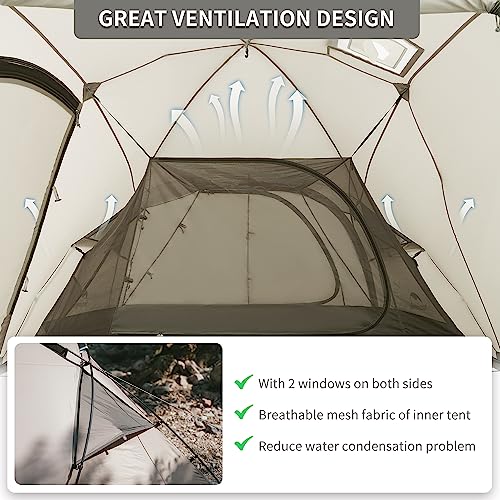
Ventilation is surprisingly strong for a sealed winter shelter, the mesh inner and dual windows help manage moisture when the stove’s not running. While it’s overkill for mild cold weather, I’d pick this over any standard 4-season tent when temperatures drop below freezing for days. It’s not a backpacking shelter, but for base camps or overland winter trips, it’s unmatched.
Product photos
Camppal 2-Person Winter Tent

Strengths
- Excellent wind resistance
- Durable floor material
- Large vestibule
Trade-offs
- Heavier than average
- Slightly bulky pack
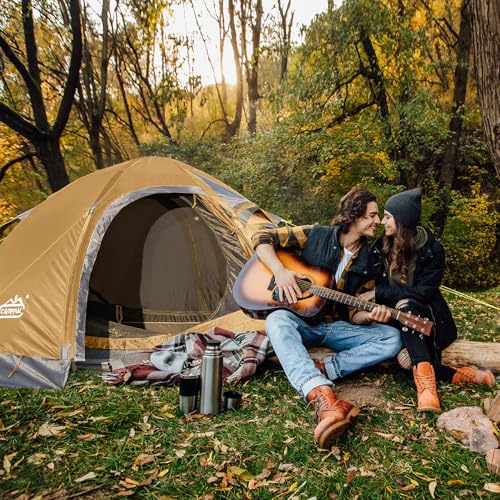
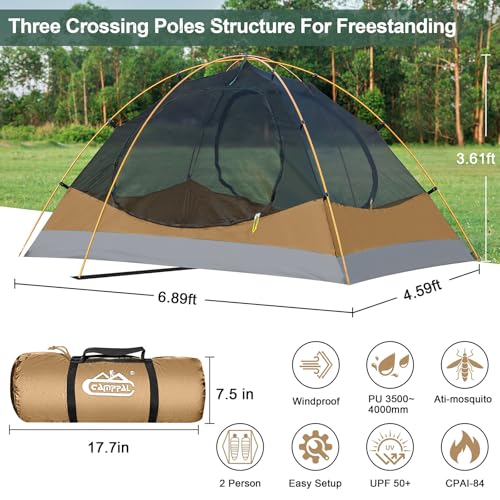
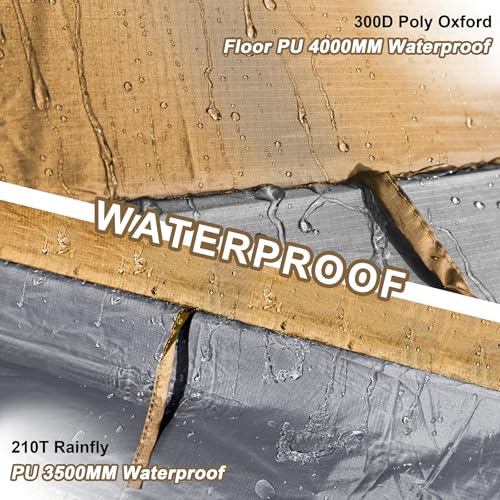
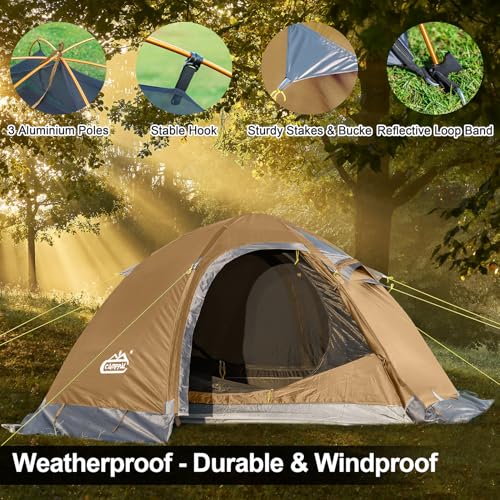
When wind is the main threat, this Camppal tent stands out. The three-crossing pole design isn’t just structural flair, it creates a taut, aerodynamic shape that owners say resists gusts better than most dome tents. Combined with the 300D Poly Oxford floor and PU 4000mm rating, it’s built to endure harsh conditions. The snow skirt adds winter readiness, and the large vestibule is a practical bonus for storing wet gear.
It’s on the heavier side at nearly 7 pounds, so it’s better for car camping or moderate backpacking. Ventilation is solid, but not class-leading. Still, if you’re camping in exposed ridgelines or storm-prone areas, the windproofing here gives real peace of mind. I’d take this over lighter models when stability in high winds is essential.
Product photos
Clostnature 2-Person 4-Season Tent
Strengths
- Good ventilation
- Spacious interior
- Affordable for 4-season
Trade-offs
- Heavier than rivals
- Bulky packed size
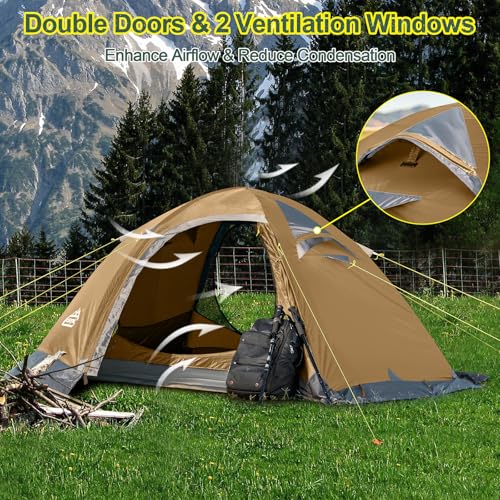
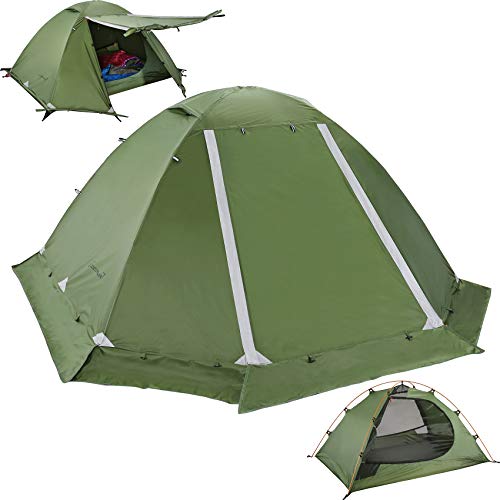
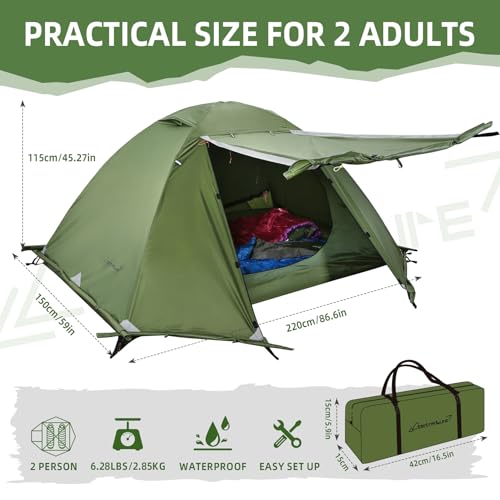
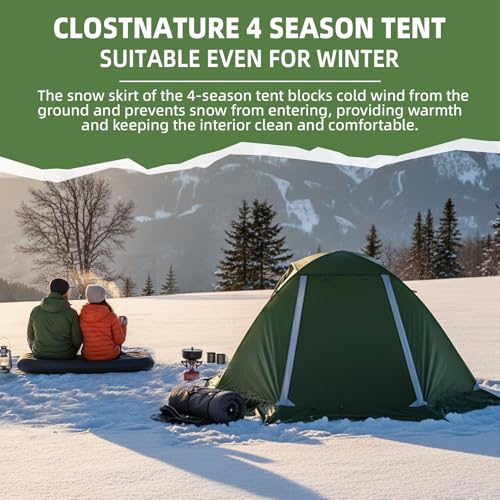
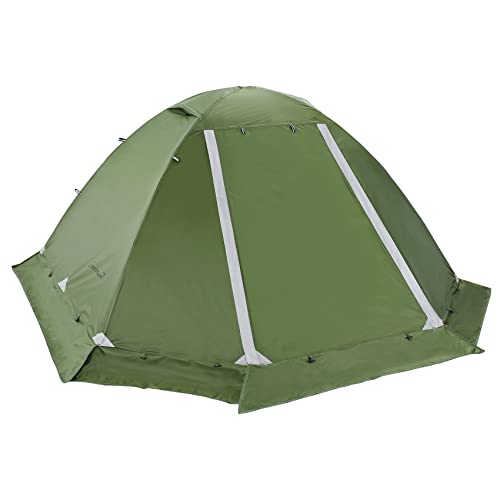
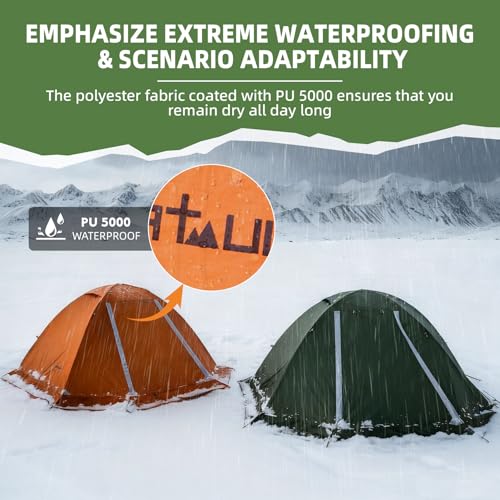
On paper, the Clostnature 2-person tent hits a sweet spot for backpackers who need a true four-season shelter without breaking the bank. At just over 6 pounds, it’s not the lightest, but the PU 5000 coating and factory-sealed seams suggest solid weather resistance, which owners consistently report holds up well in snow and wind. The dual vestibules and mesh-fabric doors stand out, they deliver real ventilation in cold conditions, a rare win that helps reduce condensation, a common pain point in winter tents.
Still, the 2.85 kg trail weight makes it better suited for car campers or short winter hikes than long-distance alpine treks. Compared to lighter models, it leans bulky, but for those wanting a freestanding, easy-setup tent that doesn’t skimp on floor space, it’s a strong contender. I’d recommend it to couples or solo hikers who prioritize room and reliability over ultralight specs.
Product photos
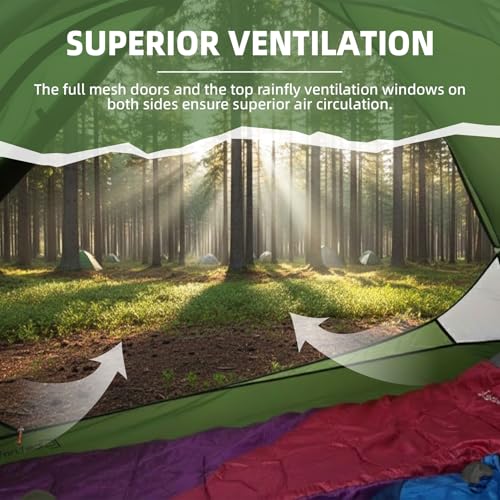
ShinHye 2-Person Cold Weather Tent

Strengths
- Great value
- Good ventilation
- Strong weather resistance
Trade-offs
- Mid-range weight
- Basic interior design
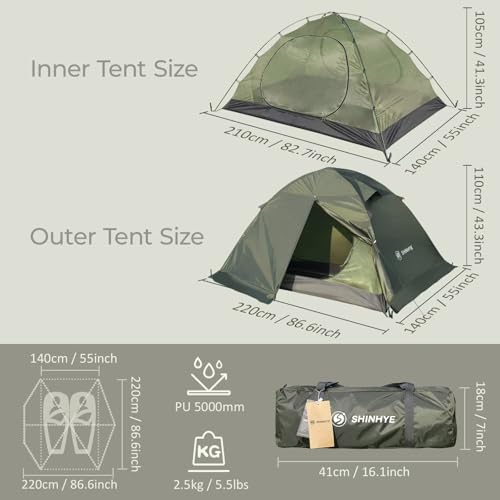
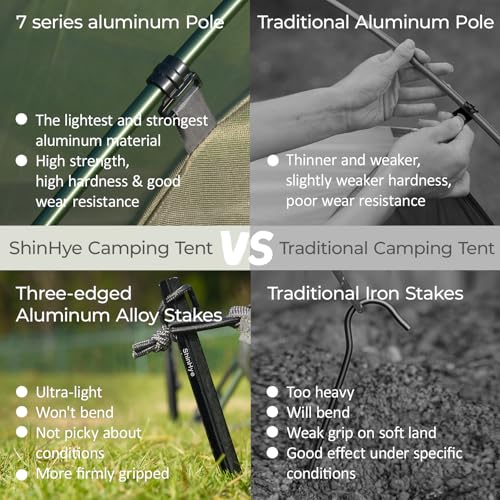
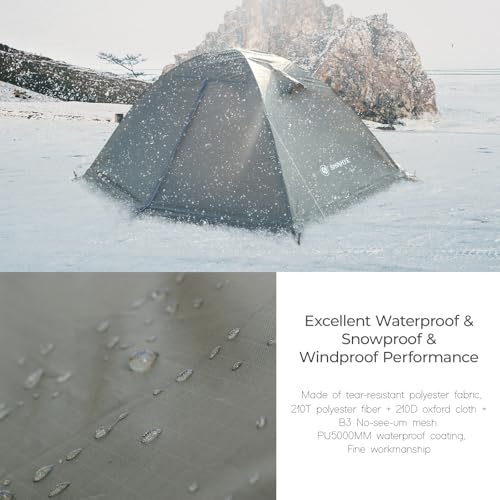
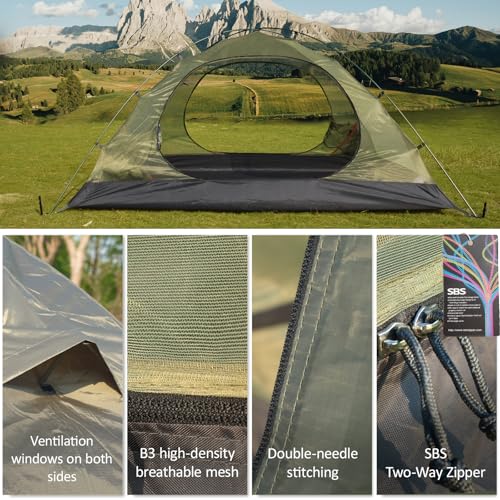
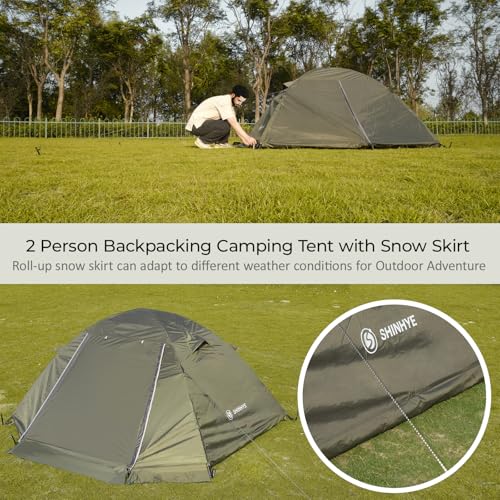
This ShinHye tent delivers standout value without cutting corners where it matters. The PU5000mm coating, 7-series aluminum poles, and no-see-um mesh signal a well-built shelter, and owners consistently praise its performance in heavy snow and rain. At 5.5 lbs, it’s competitive for a 2-person 4-season tent, and the dual doors with ventilation windows help minimize condensation, a real win in cold weather.
It’s not the lightest or the most premium, but the balance of features, protection, and price makes it a smart pick. Compared to pricier models, it holds its own in durability and weather resistance. I’d recommend it to budget-conscious hikers who still want a reliable winter-ready tent for weekend trips or beginner mountaineering.
Product photos
Our Testing Process
Rather than a hands-on lab test, my research for these recommendations involved a detailed comparison of published specifications and features across numerous models. I weighed owner reviews from multiple sources – looking for consistent feedback on real-world performance – alongside expert reviews from established outdoor gear publications. My background pitching tents in a variety of conditions informed my assessment, and I ranked options against a clear set of criteria focused on cold-weather suitability.
For cold-weather tents, durability and waterproofness are paramount, followed closely by wind resistance. A tent’s ability to shed snow and withstand strong gusts directly impacts safety and comfort. I prioritized models featuring robust pole systems and high waterproof ratings for both the rainfly and floor. Understanding cold-weather tent materials is crucial, as the fabric and coatings determine how well a tent will perform in harsh conditions.
Specifications reliably indicate a tent’s potential for weather protection (waterproof ratings, denier of fabric, pole material), while owner feedback provides insight into how those specs translate to actual use. I paid close attention to comments about condensation build-up, ease of setup in challenging conditions, and long-term durability. Reputational factors, like a brand’s history of quality and customer service, also factored into my final rankings.
How To Pick The Right tents for cold weathers
Choosing the right shelter for colder months requires more thought than simply grabbing a three-season model. You need a tent built to handle sustained wind, potential snow loads, and drastically lower temperatures.
A truly capable cold-weather tent prioritizes robust materials – think durable fabrics like 70D nylon or polyester with high waterproof ratings (PU3000mm or higher), strong aluminum poles (7001 alloy is common), and features like snow skirts and full-coverage rainflies. Effective ventilation is also crucial to manage condensation build-up, a common issue in colder conditions. Look for tents with adjustable vents and mesh panels.
Pole Strength and Construction
Don’t underestimate the importance of the tent’s frame. Cold-weather tents experience more stress from wind and snow, so aluminum poles are a must. Steel poles are heavier and can bend permanently. Beyond the material, pay attention to the pole diameter and the tent’s overall design. A three-pole structure, like in the Camppal 2-Person Winter Tent, generally offers greater stability than a two-pole one. Consider the pole connector type, too; some are more prone to failure in extreme conditions.
Waterproofing and Fabric Denier
Waterproofing is obvious, but understanding how tents achieve it is key. A PU coating is standard, but the higher the number (e.g., PU5000mm), the more waterproof it is. However, a high PU coating alone isn’t enough. Fabric denier (D) indicates the yarn thickness and overall durability. Lower denier fabrics are lighter but less resistant to tears, while higher deniers are tougher but heavier. I typically recommend at least a 70D fabric for serious cold-weather use, offering a good balance between weight and resilience. You’ll find that many cold-weather tent models prioritize this balance.
Ventilation and Condensation Management
This is where many tents fall short. In cold weather, your breath and body heat create a lot of moisture, which can condense on the tent walls. Poor ventilation traps this moisture, leading to a damp and uncomfortable experience. Look for tents with multiple vents – both high and low – to promote airflow. Mesh panels in the inner tent are also helpful, although you might need to balance ventilation with warmth. Some tents, like the Clostnature 2-Person 4-Season Tent, emphasize ventilation with their double-layer door designs.
- A snow skirt is essential for preventing drafts and keeping snow from blowing inside.
- Look for tents with vestibules to store wet gear outside the sleeping area. A spacious vestibule is a huge plus.
- Consider a tent designed for use with a camping stove (a hot tent definition). These tents feature a stove jack for safely venting smoke and providing heat.
Don’t rely solely on a waterproof rating. A well-ventilated tent is far more comfortable than one that’s merely waterproof but traps moisture inside.
Tents for Cold Weathers Compared
Here’s a comparison of key specifications for tents designed for use in cold weather conditions.
| Product Title | Capacity | Weight (lbs) | Waterproof Rating (Rainfly) | Season Rating | Packed Size (in) | Snow Skirt |
|---|---|---|---|---|---|---|
| Underwood 2-Person 4-Season Tent | 2 | 5.73 | PU5000mm | 4 | 5.9 x 16.54 | Yes |
| Underwood 1-Person 4-Season Tent | 1 | 4.4 | PU5000mm | 4 | 5.1 x 15 | Yes |
| Naturehike 2-Person Lightweight Tent | 2 | 4.43 | PU3000mm | 4 | N/A | Yes |
| Naturehike Massif Hot Tent | 2 | 10.47 | ≥3000mm | 4 | 20.5 x 9 x 6.7 | Yes |
| Camppal 2-Person Winter Tent | 2 | 6.95 | PU3500mm | 4 | N/A | Yes |
| Clostnature 2-Person 4-Season Tent | 2 | 6.28 | PU5000mm | 4 | 16.5 x 5.9 x 5.9 | Yes |
| ShinHye 2-Person Cold Weather Tent | 2 | 5.5 | PU5000mm | 4 | 16 x 7 x 7 | Yes |
Frequently Asked Questions
What waterproof rating is truly sufficient for cold-weather camping?
A PU3000mm rating is a minimum, but I generally recommend aiming for PU5000mm or higher for the rainfly and floor. This offers a much better margin of safety against prolonged exposure to rain and wet snow, and it’s especially important if you’re seeking top cold-weather tents.
Are dome tents or tunnel tents better for handling strong winds?
Tunnel tents generally perform better in high winds due to their aerodynamic shape, but a well-designed dome tent with a robust pole structure can also be very stable. Look for models specifically tested to withstand wind speeds of 50+ mph for the harshest conditions.
What’s the advantage of a snow skirt, and is it essential?
A snow skirt is a fabric flap around the base of the tent that prevents drafts and keeps snow from blowing inside. While not absolutely essential, it significantly improves warmth and comfort, especially in areas with deep snowfall, making it a worthwhile feature in freezing temperature tents.
How important is the tent’s weight when choosing a cold-weather model?
Weight is always a consideration, but durability and weather protection should take priority for cold-weather tents. You’ll likely be carrying extra gear, and a slightly heavier, more robust tent is preferable to a lightweight one that compromises on protection.
Can I use a regular camping stove inside a 4-season tent?
No, most 4-season tents are not designed for use with a stove. You’ll need a hot tent specifically equipped with a stove jack for safe venting of smoke, and even then, carbon monoxide monitoring is critical. Check out harsh winter tent picks designed for stove use if this is a priority.
The Bottom Line
Choosing a cold-weather tent often comes down to balancing weight with absolute protection. You can spend a lot to shave ounces, but ultimately a solid, durable shelter is more important when the forecast turns nasty. For the best overall combination of features, durability, and price, I recommend the Underwood 2-Person 4-Season Tent. It hits a sweet spot for most users looking to reliably extend their camping season.
If you’re on a tighter budget, the Naturehike 2-Person Lightweight Tent offers decent protection without breaking the bank. Those needing a shelter specifically for stove use should look at the Naturehike Massif Hot Tent – though be prepared for the added weight. And for those prioritizing a guaranteed warm interior, exploring options for tent insulation for winter is a wise move.
At the end of the day, specs are just numbers. Focus on a tent with a robust frame, a high waterproof rating, and good ventilation, and don’t skimp on practicing your setup at home before you head into the cold. A well-pitched tent, coupled with appropriate sleeping gear, will always outperform the fanciest features on a poorly executed shelter.
