
7 Best Tents for Full-Time Living (2026 Guide)
This post contains affiliate links. As an Amazon Associate, we earn from qualifying purchases.
The Bell Yurt Tent with Stove Jack stands out as the best overall choice for full-time living, combining rugged weather protection and a unique stove-ready design. For those on a tighter budget, the CORE 12 Person Instant Cabin Tent offers surprising space and durability, while the XL Inflatable Camping Tent brings modern convenience and solid performance for long-term setups.
Living in a tent isn’t about roughing it, it’s about creating a real home in the wild. That means dealing with weather, space limitations, and wear that most tents aren’t built for. Comfort, durability, and smart design aren’t luxuries. They’re necessities.
This guide cuts through the noise, focusing on tents that deliver based on specs, owner experiences, and what actually matters when you’re calling a tent home. I looked at build quality, livable space, and long-term resilience to help you find shelter that won’t let you down.
Top 6 Tents For Full Time Living in the Market
The Best Tents For Full Time Living, Reviewed
CORE 12 Person Instant Cabin Tent

Strengths
- Fast setup
- Excellent weather protection
- Smart interior layout
Trade-offs
- Heavy for frequent moves
- Limited breathability
- Bulkier storage
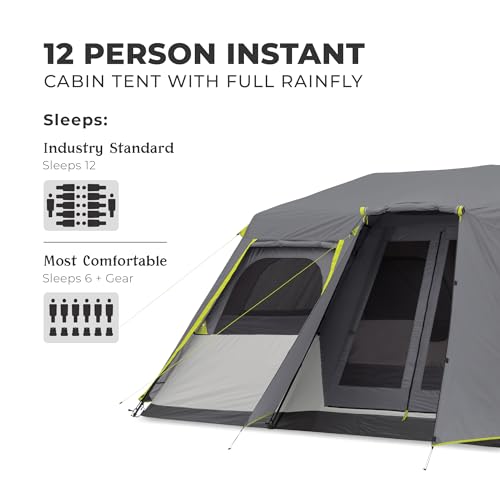
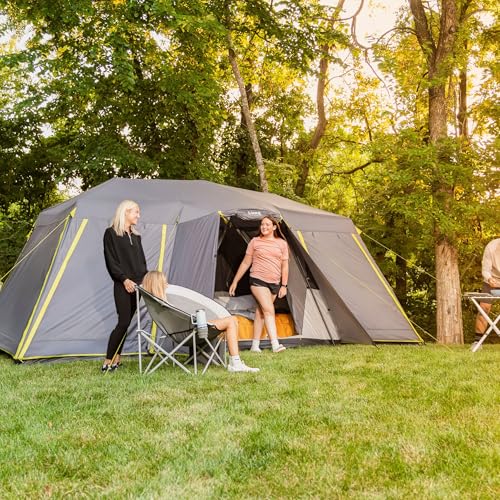
When it comes to full-time living or extended camping stays, the CORE 12 Person Instant Cabin Tent stands out as one of the most practical and well-rounded options. The 2-minute pop-up design is a real advantage, reviewers consistently praise how smoothly it deploys, even for first-timers. At 18 by 10 feet with an 80-inch center height, it offers enough room for three queen air beds and gear, making it feel more like a temporary room than a tent.
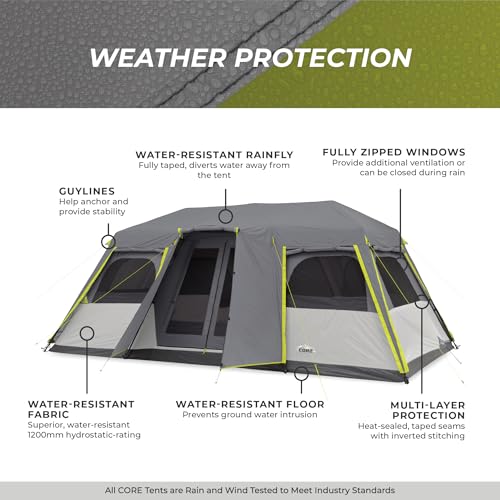
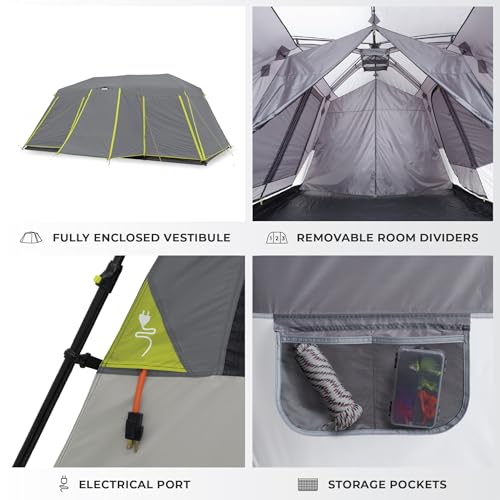
Its H20 Block tech with taped seams and a full rainfly means it handles rain like a champ, and the included storage pockets and room divider add serious livability. It’s not breathable like canvas, so condensation can build up in humid conditions, but the ventilation is better than most cabin tents in this class. Compared to the KTT model, this one feels sturdier and more thoughtfully designed for real-world use.
Product photos

Bell Yurt Tent with Stove Jack
Strengths
- Large living area
- Stove jack included
- All-season ready
Trade-offs
- Very heavy
- Bulky to transport
- Oxford fabric less breathable
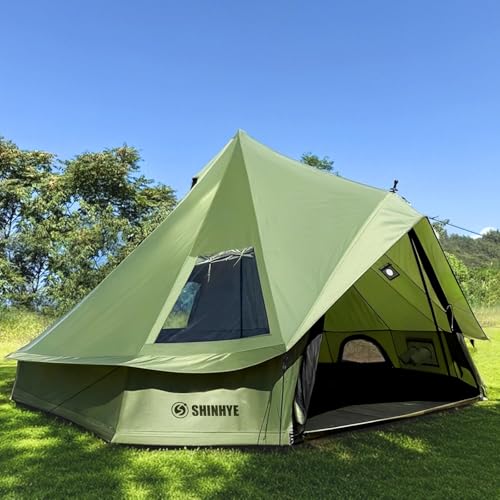
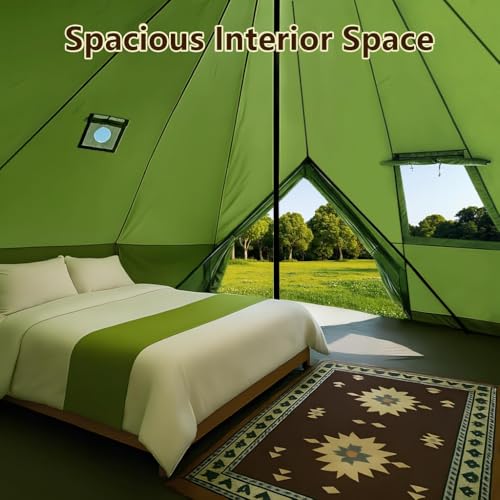
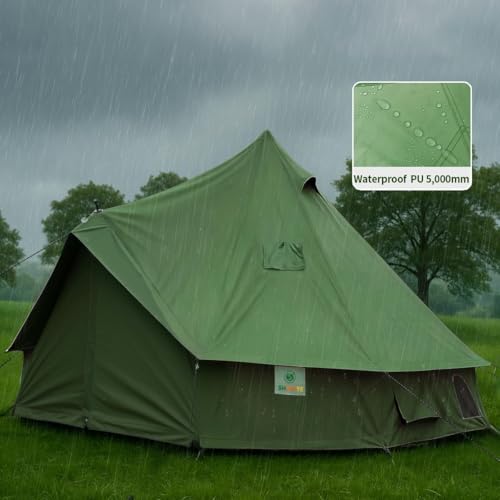
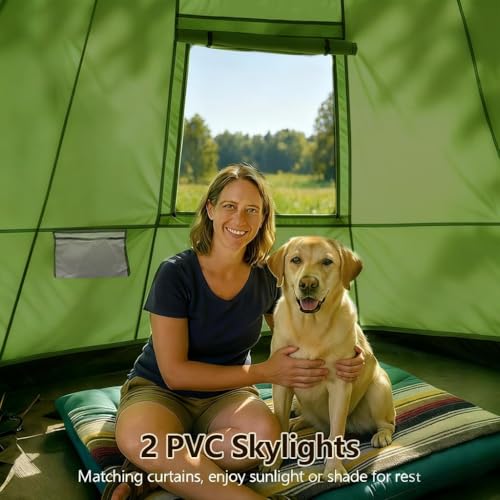
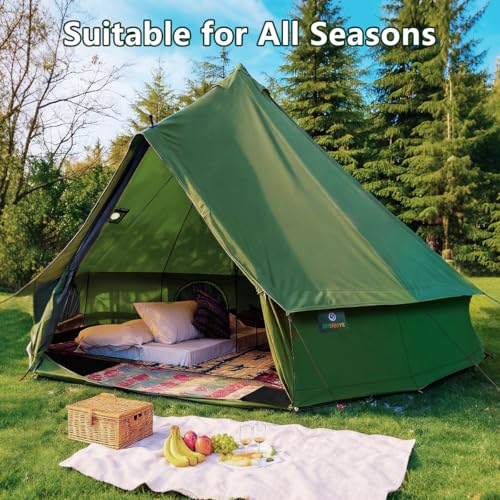
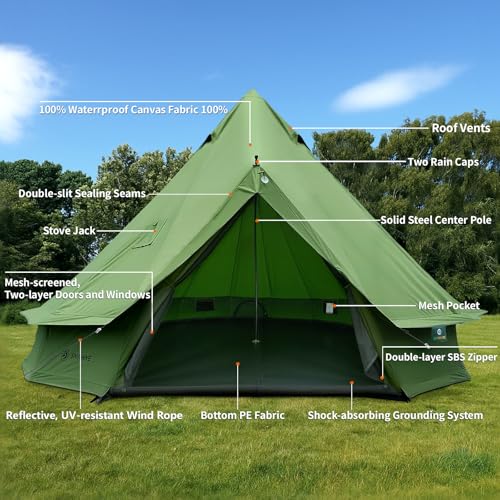
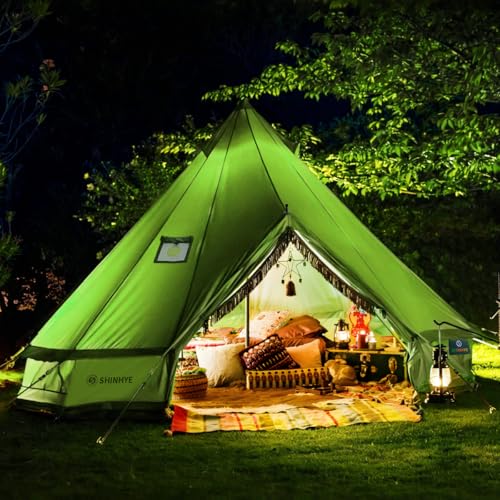
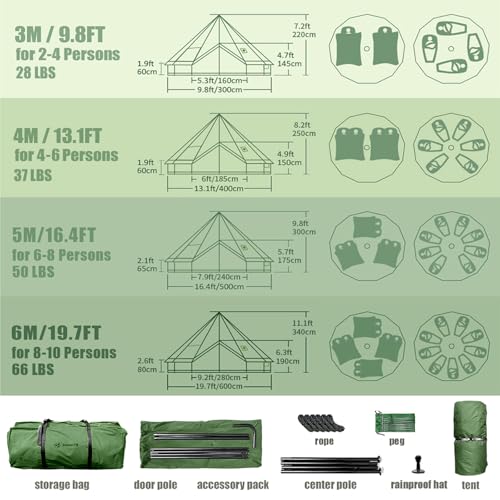
This 5M ShinHye bell tent is what I’d pick if I were setting up a long-term basecamp in any season. At 270 sq ft, it’s massive, easily fitting a queen bed, seating, and storage, and the 11.2-foot center height means you can stand and move around freely. The 420D Oxford cloth with 5,000mm waterproofing is tough, and the added PVC skylights are a nice touch for stargazing or passive cooling.
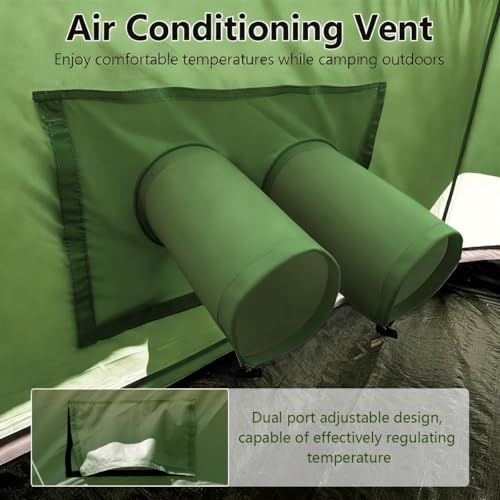
The real win here is the stove jack and non-removable floor, which together make this a viable shelter for winter living. Owners in colder zones report using it with small wood stoves successfully. Compared to the cotton canvas version, this one trades some breathability for lower maintenance, but it still outperforms synthetic cabin tents in airflow. Setup is simple, but the 49-pound weight means you’ll want it near your vehicle.
Product photos

XL Inflatable Camping Tent Foldable House
Strengths
- Exceptional stability
- Spacious awning
- House-like comfort
Trade-offs
- No stove jack
- Needs constant inflation
- Not for remote sites
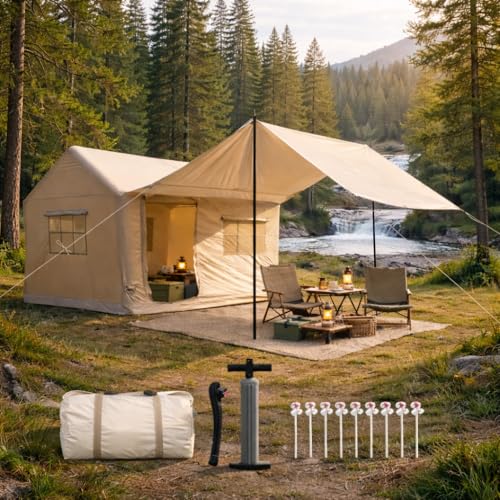
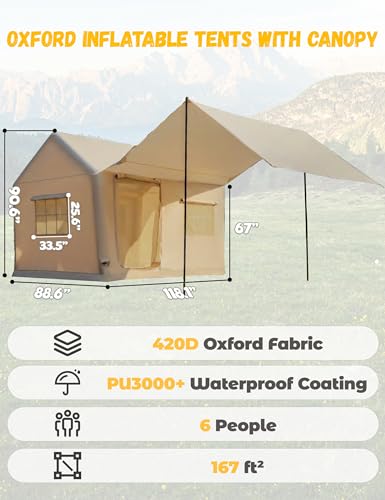
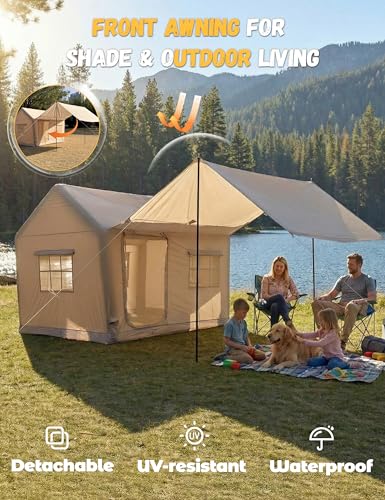
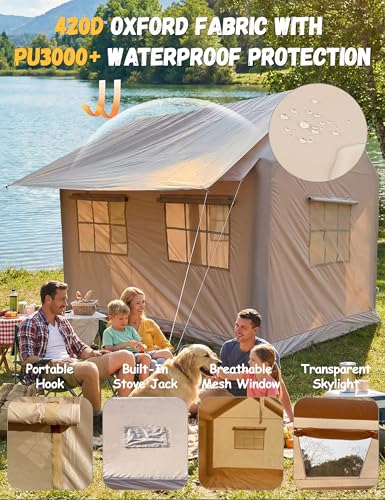
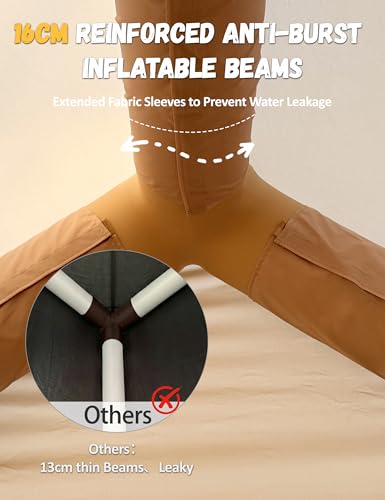
This inflatable tent leans hard into the glamping lifestyle, and it delivers. The 6.3-inch air beams create a rigid, house-like structure that feels more stable than most pole tents, and the XL 3×4 meter awning turns the whole setup into an outdoor living room. For full-time living, that extra covered space is huge, think cooking, lounging, or working under shelter without stepping into the main sleeping area.
Made from 420D Oxford fabric, it’s tough and fully waterproof, and the hand pump makes inflation manageable in under 10 minutes. But it’s not for everyone. No stove jack, no breathability, and a reliance on constant air pressure means power outages or punctures could ruin your night. Still, if you’re setting up near a vehicle or solar pump and want comfort and space, this is one of the closest things to a real home in tent form.
Product photos

Canvas Bell Yurt Tent 100% Cotton
Strengths
- Superior breathability
- Stove jack compatible
- Durable canvas build
Trade-offs
- Smaller floor area
- Heavier than polyester
- Requires weathering
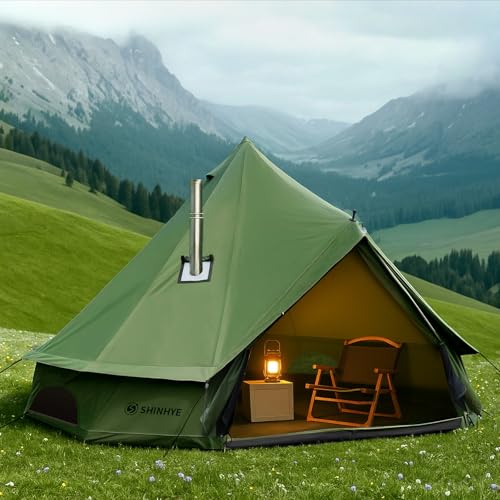
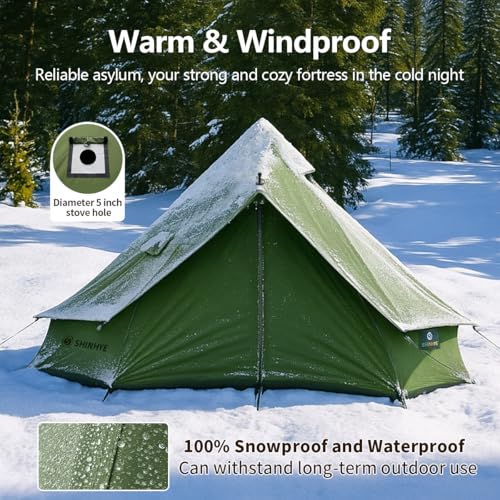
Canvas tents like this ShinHye bell yurt are in a different category when it comes to livability. The 100% cotton canvas with a 5,000mm PU rating delivers serious breathability, a standout for full-time tent living where condensation and stale air become daily battles. Owners love how it feels more like a tiny home than a camp shelter, especially with the stove jack, which opens the door to heating in colder months.
At 3M (about 10 feet in diameter), it’s on the smaller side for a 12-person claim, but it’s clearly built for quality over capacity. The steel frame and sewn-in groundsheet add durability, and the setup is straightforward if you’ve pitched a bell tent before. Compared to synthetic models, this one handles temperature swings better and feels more durable over time, assuming you’re willing to maintain the canvas.
Product photos
KTT Extra Large 12 Person Tent
Strengths
- Spacious interior
- Affordable price
- Two-room layout
Trade-offs
- Slow setup
- Thin floor material
- Not for harsh weather
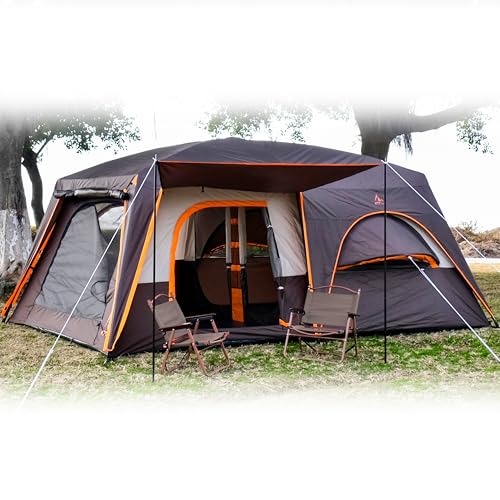
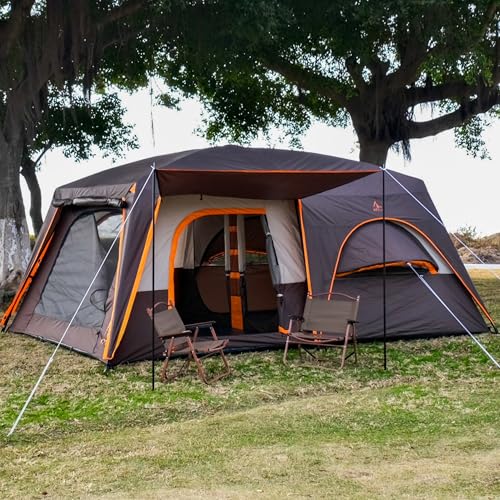
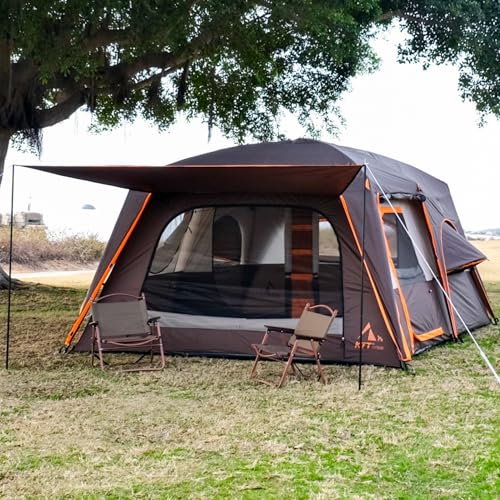
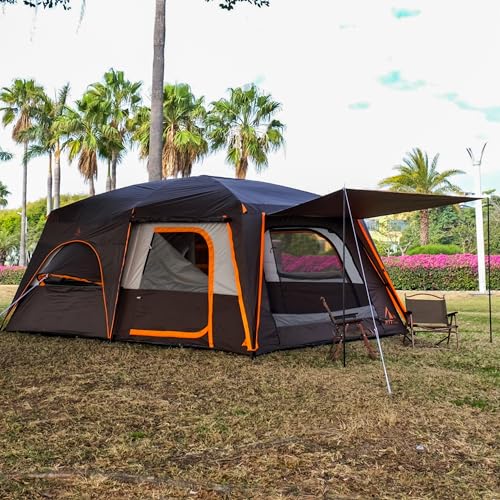
This tent looks impressive on paper, 12-person capacity, straight walls, two rooms, three doors, and for families wanting a budget-friendly large shelter, it hits a sweet spot. The full rainfly and mesh windows are solid touches, and owners consistently report it holds up decently in light rain thanks to the oxford polyester build. But I’d be honest: this isn’t a four-season tent, and the PE floor, while waterproof, feels thin compared to more durable groundsheets found on premium models.
Setup is where it divides users. It’s not instant, and the hand-built assembly can take 20–30 minutes, even for experienced campers. If you’re after convenience, this isn’t the pick. But if you’re okay with a little work and want maximum space without maxing out your wallet, it’s a functional base camp for fair-weather car camping. Just don’t expect it to laugh off a downpour or high alpine winds.
Product photos

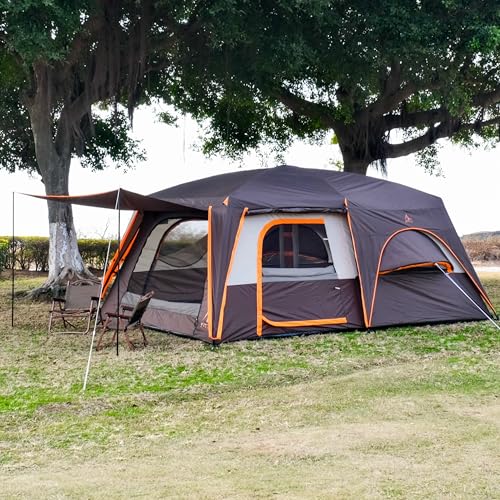
Naturehike Village Instant Tent

Strengths
- Excellent UV protection
- All-season capable
- Great airflow
Trade-offs
- Poles less sturdy in wind
- Awkward vestibule shape
- Heavier than expected
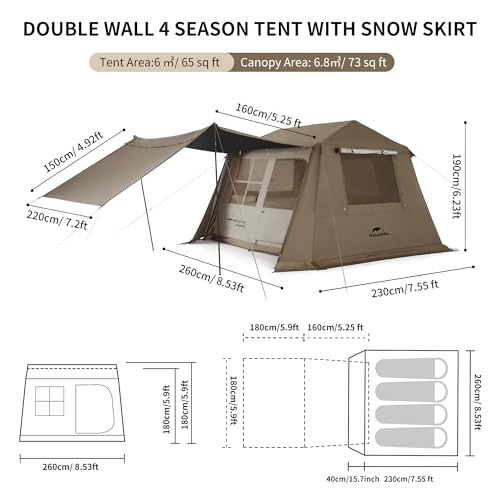
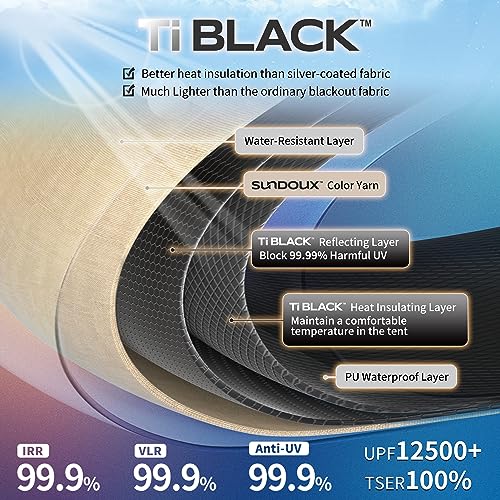
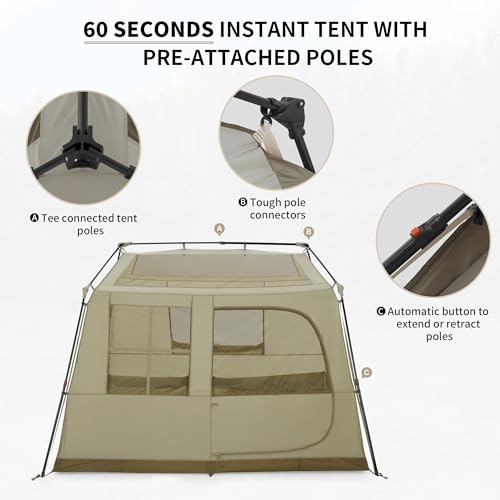
The Naturehike Village strikes a rare balance: instant setup, blackout fabric, and true four-season readiness. The TI BLACK fabric isn’t just marketing, it blocks nearly all UV and keeps the interior significantly cooler in summer and warmer at night. That’s a real win for anyone living in a tent full-time, where temperature regulation directly affects comfort and sleep.
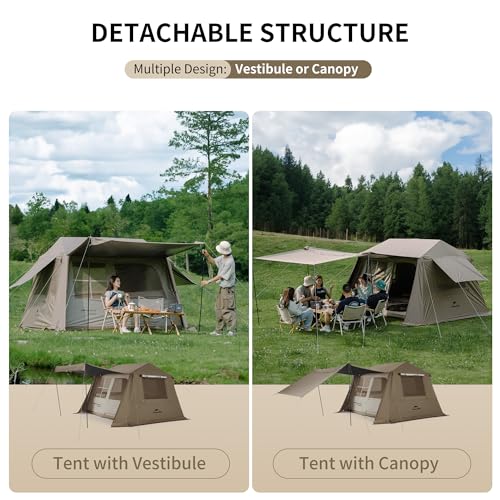
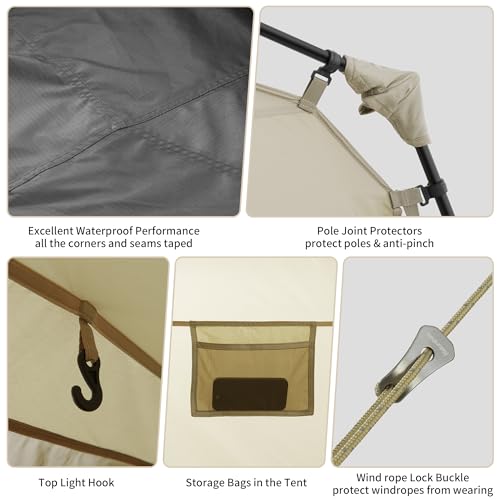
It’s not the largest in this list, but for 4 to 8 people, it’s spacious enough, especially with the vestibule adding dry gear storage. The snow skirt is a standout feature most cabin tents lack, making it more adaptable to winter than the CORE or KTT models. Ventilation is strong thanks to the double-layer design and mesh windows, though some owners note the poles feel slightly less rigid in high winds. Still, for a tent that goes up in 60 seconds and handles snow, it’s hard to beat.
Product photos
How We Chose These tents for full time living
Rather than a hands-on lab test, this is a research-led comparison of specifications, owner feedback, and my experience with tent design and materials. I focused on gathering data from manufacturer details, reputable outdoor gear review sites, and, crucially, reading through thousands of owner reviews across multiple retail platforms. I then ranked these tents based on factors most important for extended living, weighing features like weather protection, space, and build quality.
For tents intended for full-time living, durability and livability were the biggest deciding factors. A tent needs to withstand consistent use and varying conditions, so robust materials and construction are essential. Equally important is interior space – not just floor area, but also headroom and the ability to comfortably organize belongings. Often, a well-thought-out design, like those incorporating a vestibule, significantly increases usable living space. Understanding wall tent design is also helpful when considering long-term shelter.
Specifications provide a solid foundation for comparison – waterproof ratings, fabric denier, pole material – but owner feedback is where the real picture emerges. Specs reliably indicate potential performance, but reviews reveal how a tent holds up over time, and how easy it is to manage in real-world conditions. I prioritized tents with consistently positive reports regarding weather resistance and long-term durability, while also considering comments regarding ventilation and ease of setup.
Choosing The Right tents for full time living
Picking a tent for full-time living is a vastly different beast than selecting one for a weekend getaway. It demands a focus on durability, livability, and weather protection that most recreational tents simply don’t offer.
A truly livable tent for extended use prioritizes robust construction with high-denier fabrics, a thoughtfully designed floorplan offering separate zones, and reliable weatherproofing. Look for features like full rainflies, durable zippers, and a strong frame capable of withstanding consistent wind and potential snow loads. Prioritize materials known for longevity and resistance to mildew and UV damage.
Size and Floorplan
Don’t underestimate the importance of space when you’re planning to live in a tent. What feels roomy for a few nights becomes cramped quickly. Think beyond just the number of sleepers a tent claims to accommodate and consider your actual needs. Do you need dedicated space for cooking, working, or storage? Cabin-style tents, like the CORE 12 Person, offer near-vertical walls that maximize usable space, but inflatable models, such as the XL Inflatable Camping Tent, provide a surprisingly comfortable and stable environment. Remember that a well-planned floorplan with room dividers can make a huge difference in maintaining a sense of order and privacy.
Material and Weatherproofing
Full-time tent living puts a tent’s materials to the ultimate test. Canvas is still a top choice for many, offering excellent breathability and durability, and you can find some incredibly durable canvas tents built to withstand years of use. However, canvas requires regular maintenance to prevent mildew. Synthetic fabrics offer lighter weight and easier care, but quality varies dramatically. Look for higher denier ratings (600D or higher is a good starting point) and waterproof coatings of at least 3000mm. Pay close attention to seam sealing, as this is a common point of failure.
- A higher denier fabric is more resistant to tears and punctures.
- PU coatings are a common waterproofing method, but silicone coatings offer superior longevity and water repellency.
- Proper ventilation is crucial to minimize condensation build-up, even in waterproof tents. Good airflow prevents mildew and keeps the interior more comfortable.
Climate Control and Insulation
Living in a tent year-round requires thinking about temperature regulation. In warmer months, ventilation is key, as is choosing a tent with light-colored fabric to reflect sunlight. But when temperatures drop, you’ll need to consider tent insulation methods to stay warm. Canvas tents naturally offer better insulation than thin nylon, but even with canvas, you may need to add a thermal liner or use a small wood stove (if the tent has a stove jack, like the Bell Yurt Tent) for effective winter heat retention.
A good rule of thumb: don’t skimp on the rainfly. It’s your first line of defense against the elements and significantly impacts your comfort and the lifespan of the tent.
Tents for Full Time Living Compared
This table provides a detailed comparison of specifications for tents designed for extended or full-time living.
| Product Title | Capacity | Waterproof Rating (mm) | Floor Material | Setup Time | Weight (lbs) |
|---|---|---|---|---|---|
| CORE 12 Person Instant Cabin Tent | 12 | 1200 | N/A | 2 minutes | N/A |
| Bell Yurt Tent with Stove Jack | 13 | 5,003 | PE | N/A | 49 |
| XL Inflatable Camping Tent | 8 | N/A | 420D Oxford | Minutes | N/A |
| Canvas Bell Yurt Tent 100% Cotton | 4 | 5,000 | PE | N/A | 28 |
| KTT Extra Large 12 Person Tent | 12 | N/A | PE Polyester | N/A | N/A |
| Naturehike Village Instant Tent | 4 | N/A | N/A | 60 seconds | N/A |
| Naturehike Village Lite Instant Tent | 4 | 2000 | N/A | 60 seconds | 26.5 |
Frequently Asked Questions
What’s the biggest difference between a tent for weekend camping and one for full-time living?
Durability is the key distinction. Tents meant for extended living require significantly tougher materials (higher denier fabrics, robust poles) and construction to withstand consistent use and exposure to the elements, unlike recreational tents designed for short-term use.
What waterproof rating should I look for in a tent I plan to live in?
Aim for a waterproof rating of at least 3000mm for the rainfly and floor. While higher ratings exist, 3000mm provides a reliable level of protection against heavy rain, and a rating of 5000mm or more is ideal for areas with particularly wet climates.
How important is ventilation in a full-time living tent?
Ventilation is incredibly important, as it helps prevent condensation build-up and mildew growth. Without adequate airflow, moisture can accumulate inside the tent, leading to discomfort and potential damage to the tent fabric and your belongings.
Are inflatable tents a viable option for long-term living?
Inflatable tents can be surprisingly comfortable and stable, but they are generally more expensive and require more careful maintenance than traditional framed tents. While they offer quick setup and a spacious interior, repairs can be more complex and may require specialized tools.
What features make a tent suitable for year-round living?
Beyond a high waterproof rating and durable materials, look for features like a stove jack for heating in colder months, light-colored fabric to reflect summer heat, and ample space for organization. Considering roomy stand-up shelters will also make long-term living more comfortable.
The Bottom Line
Choosing a tent for full-time living always comes down to balance – between initial cost and long-term durability, or between quick setup and spaciousness. Ultimately, if you’re serious about extended living, the Bell Yurt Tent with Stove Jack offers the best combination of robust construction, weather protection, and livability. Its canvas build and included stove jack make it a standout for those prioritizing long-term comfort and resilience.
For readers on a tighter budget, the CORE 12 Person Instant Cabin Tent provides a surprising amount of space and convenience, even if it won’t last quite as long as a canvas option. If quick setup and ease of use are paramount, the XL Inflatable Camping Tent is a compelling choice, offering a comfortable and surprisingly stable living space – though it requires a pump and careful handling.
At the end of the day, the waterproof rating and denier count matter, but they’re only pieces of the puzzle. Focus on a tent that feels genuinely well-built, with strong seams, durable zippers, and a frame that can handle consistent use. A tent is your shelter, your home away from home, so investing in quality and choosing thoughtfully will make all the difference.
