
8 Best Tents for High Winds 2026
This post contains affiliate links. As an Amazon Associate, we earn from qualifying purchases.
The best tent for high winds is the Coleman PEAK1 Premium Backpacking Tent, a rugged, aerodynamic shelter built to handle gusts up to 45 mph. For campers on a budget, the Purebox 2/3 Person Waterproof Tent delivers solid wind resistance without the high price. And if you’re setting up in a hurry before a storm hits, the FanttikOutdoor Alpha C4 Pop Up Tent offers reliable instant setup with strong stability.
Most people don’t realize how quickly wind can compromise a flimsy shelter. A tent that holds up in a light breeze might start flapping, lifting, or even collapsing when gusts kick up, leaving you exposed and scrambling in poor weather.
This guide cuts through the marketing and focuses on what actually keeps a tent standing: pole strength, fly design, and smart geometry. I looked at specs, owner reports, and real-world performance to find models that deliver when the wind does. These picks balance durability, ease of use, and real protection, so you can pitch with confidence, no matter how hard it’s blowing.
Top 8 Tents For High Winds in the Market
The Best Tents For High Winds, Reviewed
Coleman PEAK1 Premium Backpacking Tent
Strengths
- Rated for 45 mph winds
- Aluminum poles
- Excellent ventilation
Trade-offs
- Premium price
- Slightly heavy
- Limited color options
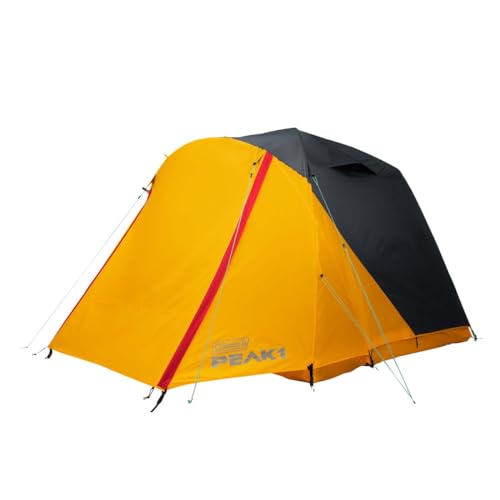
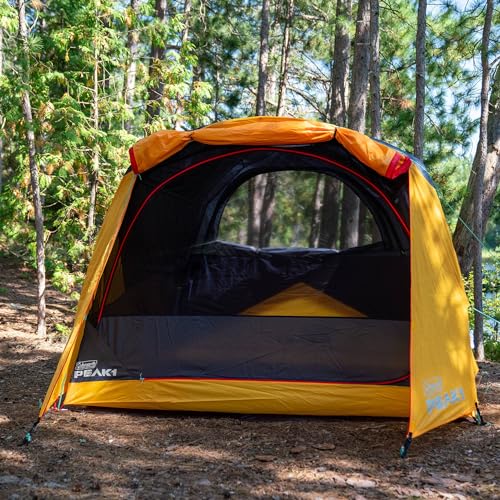
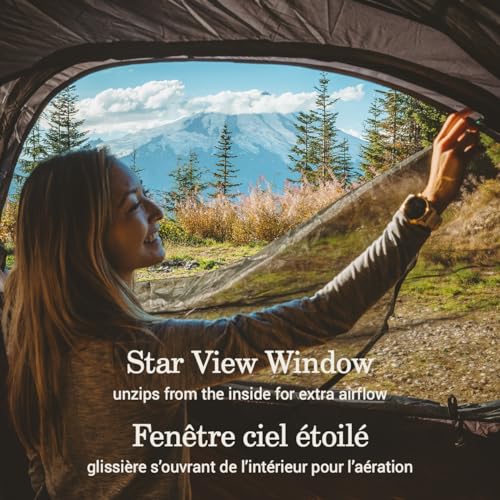
This is the tent I keep coming back to in my head when I think about true wind performance. Coleman claims it withstands 45 mph winds – and with a 2,000mm waterproof rating, robust aluminum poles, and a low-profile dome shape, that’s believable. Owners back it up, reporting it stayed intact during sudden desert storms and high-elevation squalls. The star-view window is a nice touch, but it’s the structural integrity that makes this stand out.
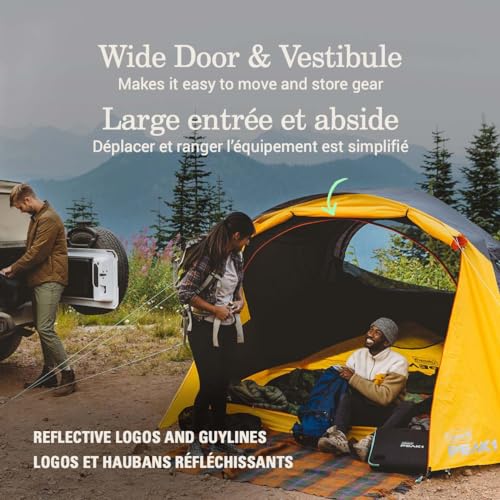
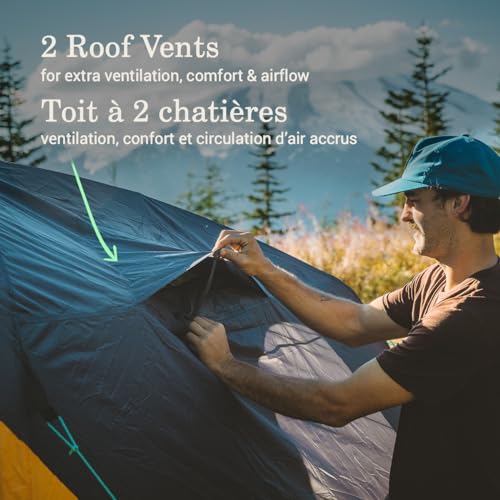
At just over 12 pounds packed, it’s not the lightest, but for what it offers, it’s reasonable. The wide door and dual roof vents improve livability without compromising strength. Compared to the cabin-style tents on this list, this one belongs in a different class – actual wind-ready backpacking. My recommendation? This is the smarter buy if you’re serious about weather resistance.
Product photos

UNP 6 Person Waterproof Windproof Tent

Strengths
- Spacious layout
- Fast setup
- Steel pole support
Trade-offs
- Heavy steel poles
- Bulky packed size
- Limited stormworthiness
With 90 square feet and a promise of 5-minute setup, the UNP 6-person tent is clearly aimed at family car campers who want space and speed. The specs suggest decent wind readiness – 4 steel poles and a double layer build help, and owners confirm it stays upright in moderate gusts. The breathable mesh layout also helps reduce pressure inside during windy spells, which is a small but smart design touch.
Still, steel poles are heavy and prone to rust. They add stability, yes, but at the cost of portability and long-term durability. And while the tent is roomy, that boxy shape works against it in high winds – it’s going to catch air like a wall. I’d recommend this for predictable, forested sites, not ridge lines or open plains.
Product photos


Forceatt 2 Person Lightweight Tent

Strengths
- Lightweight
- Wind ropes included
- Aluminum poles
Trade-offs
- Tight interior
- Minimal headroom
- Limited ventilation
The Forceatt tent is a lightweight contender that actually feels built for wind. With 7001 aluminum poles and four included wind ropes, it’s clearly engineered for harsher environments than your average dome. At under 6 pounds, it’s backpackable, and owners report it’s held firm in gusts that flattened other tents. The dual vestibules are a plus – great for gear storage and reducing flapping in the wind.
The small interior is the trade-off. Two people can fit, but it’s snug. And while the mesh layout helps with airflow, the single ceiling vent isn’t enough in muggy conditions. But for hikers who face unpredictable mountain winds, this is a smart, durable pick that doesn’t sacrifice stability for weight.
Product photos


FanttikOutdoor Alpha C4 Pop Up Tent

Strengths
- Instant setup
- Roomy interior
- Good ventilation
Trade-offs
- Average storm performance
- Bulky packed size
- Hub system less repairable
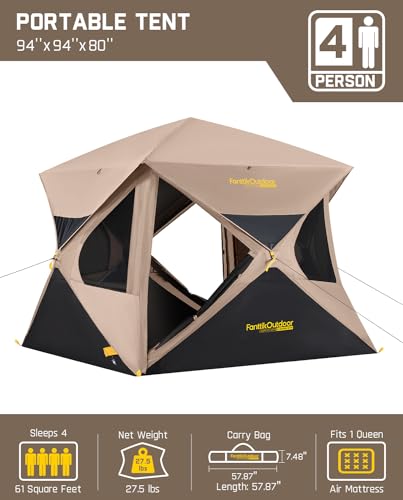
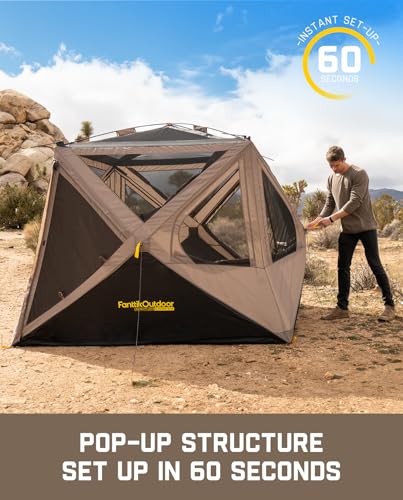
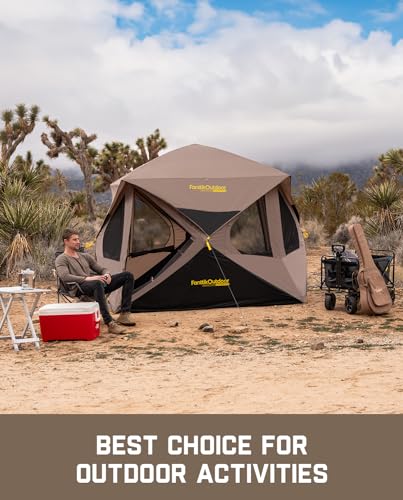
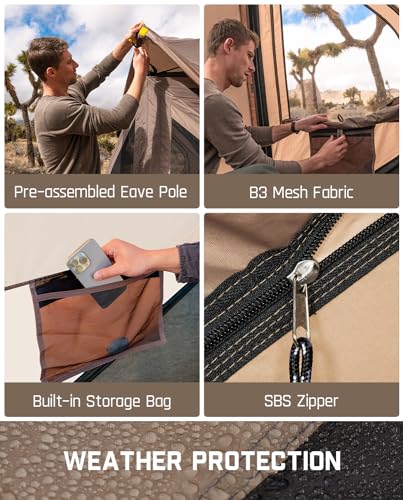
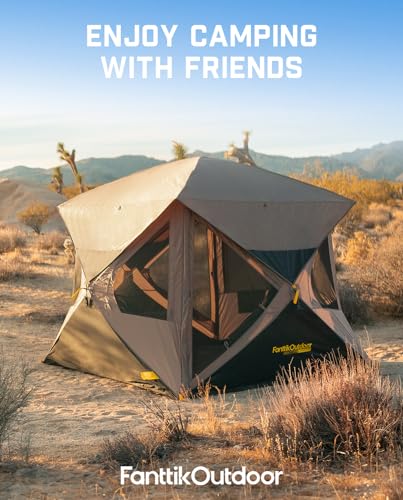
The FanttikOutdoor Alpha C4 is one of the few pop-up tents that actually takes wind seriously. Its hub design sets up in 60 seconds – a huge win when a storm rolls in fast – and the boxy shape still manages to have decent airflow thanks to rollable eaves and B3 mesh. Owners love the instant setup and say it holds up better than expected in wind, especially with guylines added.
But pop-up tents always trade stability for convenience. The X-frame is rigid, but without deep-angled poles or a low profile, it’s not going to outperform a dome or tunnel in sustained high winds. That said, for overlanding or quick stops where speed matters, this is one of the more robust instant options out there.
Product photos
Purebox 2/3 Person Waterproof Tent
Strengths
- Affordable
- Lightweight
- Easy setup
Trade-offs
- Basic pole strength
- Minimal storm rating
- Shallow vestibule
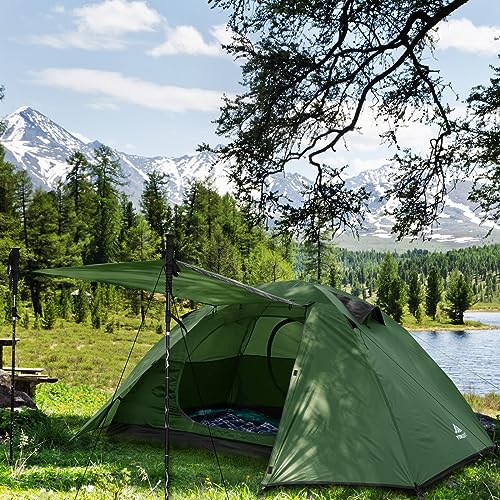
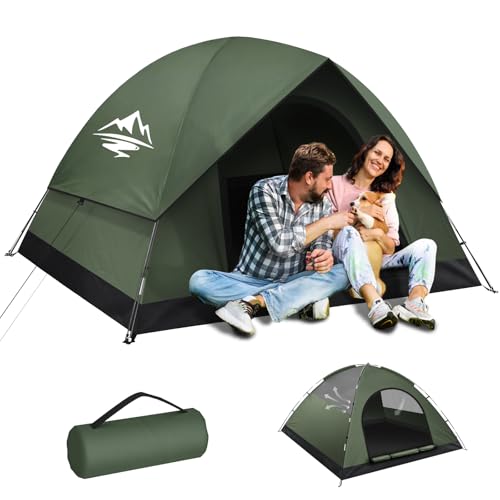
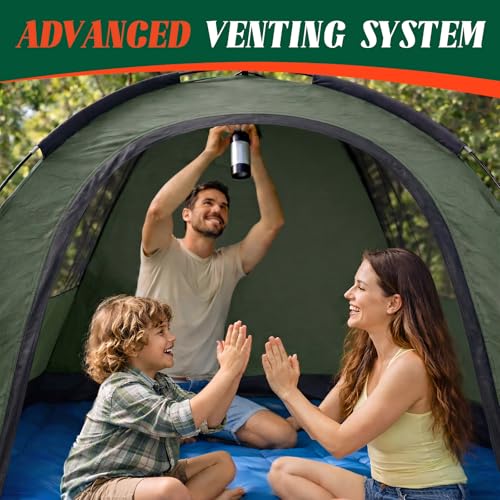
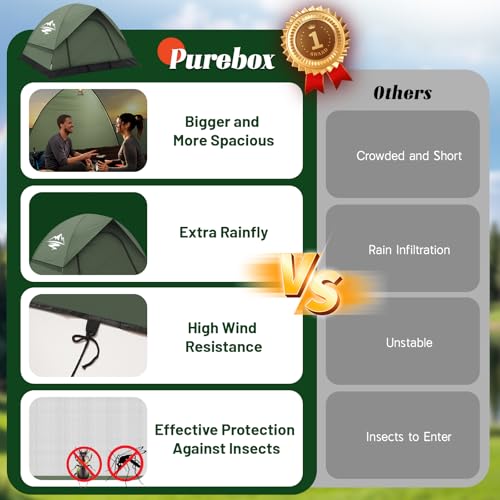
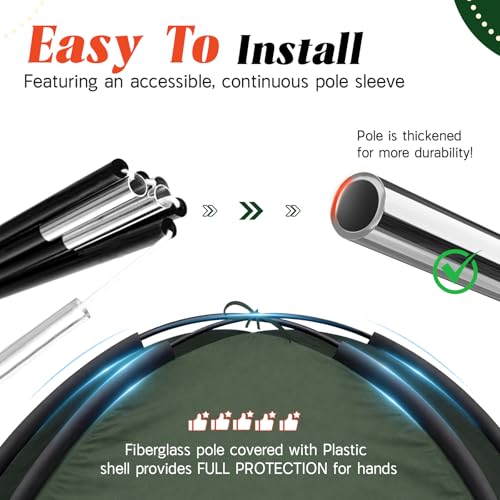
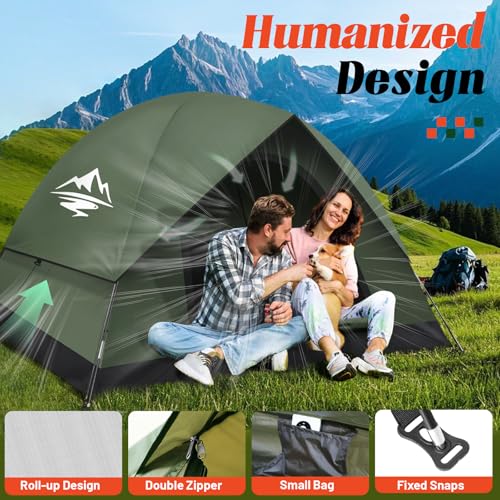
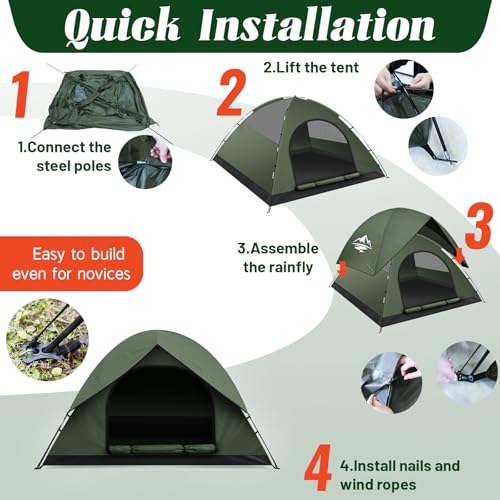
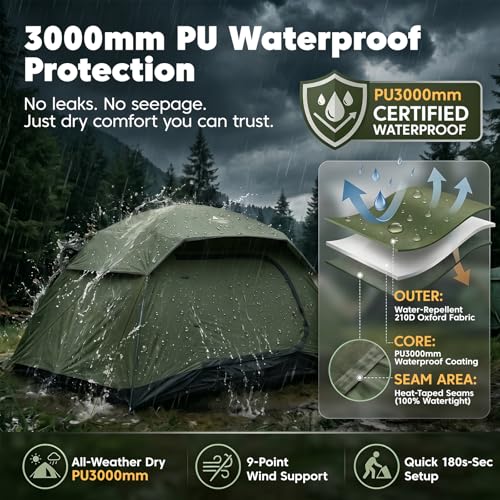
This Purebox 2026 dome tent is a budget-friendly option that doesn’t completely cut corners. It’s got a bathtub floor, taped seams, and flexible poles that help it bounce in the wind rather than resist it – a smart approach for a lightweight shelter. Owners say it handles gusts better than expected, likely because the dome shape and clip-on rainfly reduce wind load.
At under 6.5 pounds and with a 3-year warranty, it’s a solid entry-level pick. But it’s not overbuilt – the poles aren’t aluminum, and the stakes are basic. For calm sites or occasional wind, it’s a great value. But if you’re regularly facing 30+ mph gusts, I’d spend more for stronger materials. Still, for new campers or fair-weather trips, it’s hard to beat.
Product photos
Purebox 4 Person Family Tent
Strengths
- Excellent airflow
- Lightweight
- Dual entry
Trade-offs
- Fiberglass poles
- Moderate wind resistance
- Average stake quality
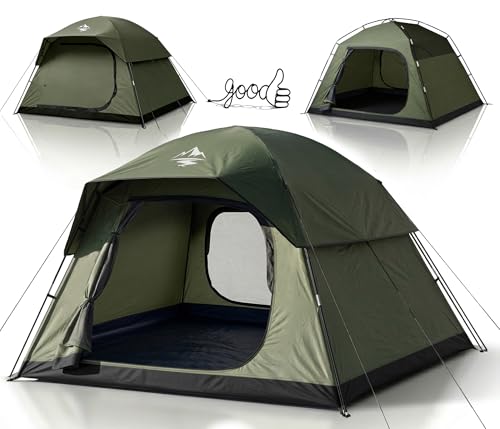
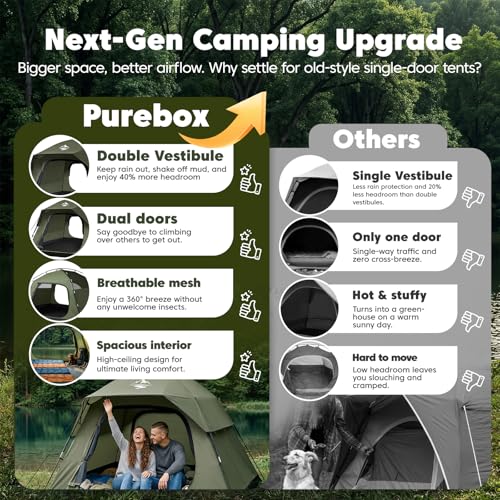
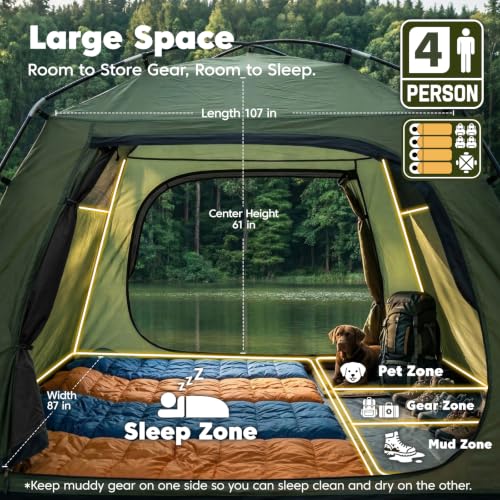
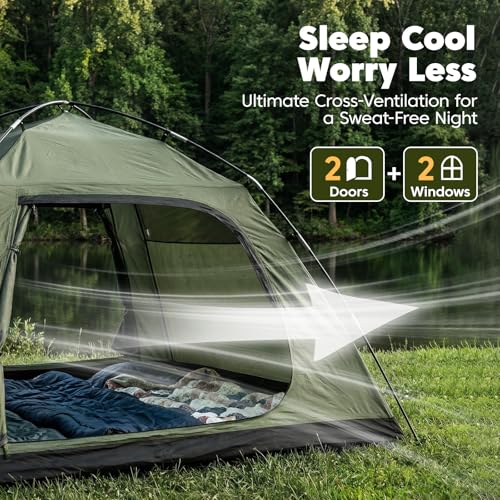
This Purebox tent stands out for airflow and practical layout – two doors and dual mesh windows mean you won’t suffocate on a humid night. Owners praise the ventilation and agree it cuts down on condensation, a common pain point in budget tents. The extended floor plan gives real usable space, and at just over 10 pounds, it’s light enough for car-to-site hauling without feeling flimsy.
The fiberglass poles give me pause, though. They’re fine in light wind, but compared to aluminum, they’re more prone to snap under stress. For high winds, this isn’t the top pick – I’d lean toward something with stronger poles and a lower profile. Still, for 3-season use in decent weather, it offers solid value and comfort.
Product photos

BISINNA 2/4 Person Backpacking Tent
Strengths
- Lightweight aluminum
- Dual doors
- Compact pack
Trade-offs
- Small interior
- Basic rainfly
- Minimal vestibule
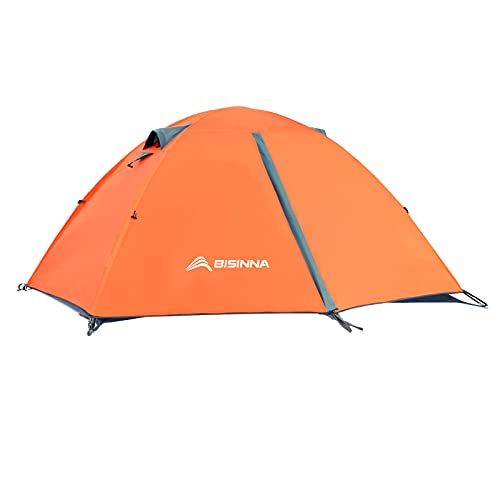
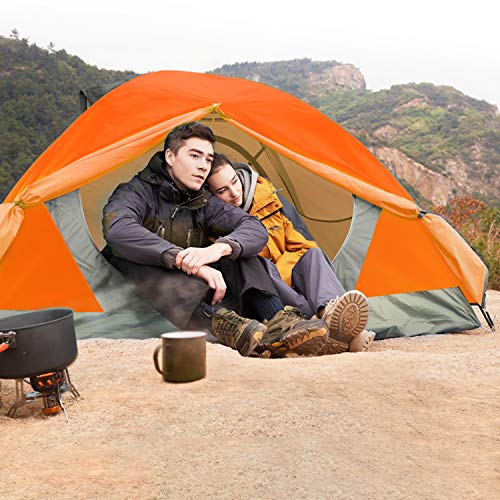
The BISINNA tent hits that sweet spot between weight, price, and wind readiness. With 7001 aluminum poles and a double-layer design, it’s built to handle 3-season use, and owners consistently say it performs well in wind when properly staked. The dual D-shaped doors make access easy, and the mesh-heavy roof helps with airflow without sacrificing structure.
It’s not huge – best for two – but that smaller footprint actually helps in high winds. The compact packed size also makes it a favorite for bikepackers and hikers who need reliability without bulk. I’d add guylines for stormy conditions, but as-is, it’s a well-balanced choice for those who camp where weather turns fast.
Product photos

Coleman WeatherMaster 6-Person Tent

Strengths
- Spacious interior
- Screened porch
- WeatherTec system
Trade-offs
- Heavy build
- Poor wind profile
- Bulky setup
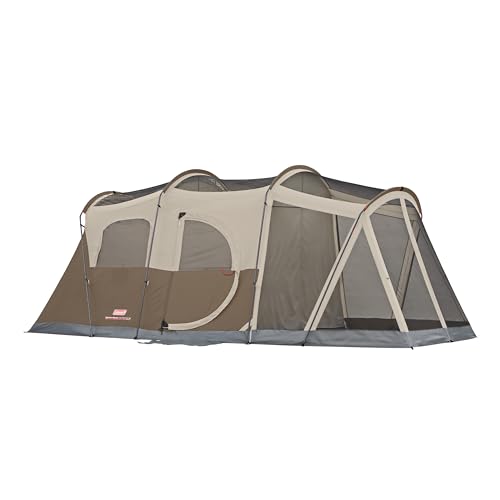
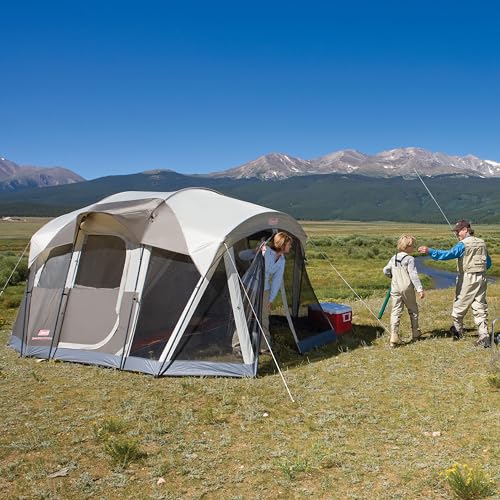
The Coleman WeatherMaster draws me in with that screened porch – a real luxury for campers who want to enjoy the evening air without eating bugs. On paper, it’s built like a cabin tent should be: vertical walls for space, a WeatherTec system with inverted seams, and a full rainfly. Owners consistently report it holds up well in light wind and rain, though it’s not pitched as a storm-ready shelter. Still, for car camping with families, this is a solid, roomy option that prioritizes comfort over ultralight performance.
Where it stumbles a bit is weight and wind resilience. At nearly 30 pounds, it’s not going far on a backpack. And while the cabin design gives you headroom, those flat walls catch wind like a sail. I’d want to add extra guylines and pick a sheltered site if gusts pick up. It’s best treated as a fair-weather family basecamp, not a high-wind warrior.
Product photos

How We Evaluated tents for high winds
Rather than a hands-on lab test, my research for these recommendations focused on a detailed comparison of published specifications and features across numerous models. I weighed owner reviews from major retailers alongside reputable expert reviews, applying my experience with tent design and use to identify key performance indicators. Ultimately, I ranked these tents based on a combination of these factors to determine which offer the best balance of protection and usability in windy conditions.
For tents specifically designed to withstand high winds, three factors stood out as most critical: the quality of the pole system, the rainfly’s attachment method, and the overall tent geometry. A robust pole structure – ideally aluminum rather than fiberglass – is essential for resisting bending and breaking. Secure rainfly attachment points (many clips, full coverage) and a low-profile, aerodynamic shape help to minimize wind resistance and prevent lift. These elements directly impact a tent’s ability to remain stable and protect occupants during strong gusts.
Specifications reliably reveal pole material and rainfly waterproof ratings, which are good indicators of potential durability. However, I found owner feedback crucial for understanding real-world performance. Reports on how a tent holds up in sustained winds, and whether it truly remains stable, provided valuable insight beyond the numbers. Understanding strong tent construction is also key, and I looked for designs incorporating features commonly found in more robust, four-season tents, even within three-season models.
How To Choose The tents for high winds
Picking the right shelter when you anticipate blustery conditions isn’t just about comfort; it’s about safety.
A good tent for high winds prioritizes a robust frame construction, aerodynamic design, and durable fabric. Look for features like full-coverage rainflies, strong guylines, and a low profile to minimize wind resistance. Waterproofing is crucial, but equally important is the tent’s ability to withstand sustained pressure without collapsing or tearing.
Frame Strength & Design
The tent’s frame is the first line of defense against strong winds. Aluminum poles are generally superior to fiberglass; they’re more flexible (allowing them to bend with the wind rather than break) and significantly more durable. Pole diameter matters too – thicker poles provide greater stability. Beyond the material, consider the frame’s overall design. Geodesic and semi-geodesic designs distribute stress more evenly across the tent body, making them much more windproof camping tents than simple dome tents.
Fabric & Waterproofing
Don’t equate a high waterproof rating (measured in millimeters) with wind resistance, but it’s still important. A robust polyester or nylon fabric with a tight weave will hold up better against abrasion and tearing in windy conditions. More critical is the denier (D) of the fabric – a higher denier indicates a thicker, more durable material. Pay attention to the rainfly’s coverage; it should extend all the way to the ground to prevent wind-driven rain from entering.
- A full-coverage fly is essential, but even the best fly won’t help if it isn’t properly secured.
- Strong, reflective guylines are essential; they provide additional anchoring points, especially in exposed locations.
- Reinforced stake loops are a small detail that makes a big difference; they prevent the guylines from ripping through the tent fabric under stress.
Ventilation & Overall Usability
While you want a sealed-up shelter against the elements, adequate ventilation is still important, even in high winds. Proper airflow minimizes condensation buildup inside the tent. Look for tents with multiple vents, including roof vents and adjustable awning vents. Don’t overlook ease of setup – fumbling with a complicated tent in strong winds is a recipe for disaster. A simpler design, or even an instant setup tent (like the FanttikOutdoor Alpha C4) can be invaluable when time and conditions are working against you. Knowing where to find reliable tent manufacturers is helpful in narrowing down options that balance durability with usability.
A tent’s wind resistance is only as good as its setup. Always use all provided guylines, stake them securely, and orient the tent with its narrowest profile facing into the prevailing wind.
Tents for High Winds Compared
Here’s a comparison of key specifications for tents designed to withstand windy conditions.
| Product Title | Capacity | Waterproof Rating (mm) | Wind Resistance (mph) | Weight (lbs) | Special Features |
|---|---|---|---|---|---|
| Coleman PEAK1 Premium Backpacking Tent | 2 | 2,000 | 45 | 12.15 | Star-gazing Window |
| UNP 6 Person Waterproof Windproof Tent | 6 | N/A | N/A | 18 | Roomy, Fast Setup |
| Forceatt 2 Person Lightweight Tent | 2 | N/A | N/A | 5.68 | Lightweight, Vestibules |
| FanttikOutdoor Alpha C4 Pop Up Tent | 4 | N/A | N/A | N/A | Instant Setup |
| Purebox 2/3 Person Waterproof Tent | 2/3 | N/A | N/A | 6.2 | Quick Setup |
| Purebox 4 Person Family Tent | 4 | N/A | N/A | 10.8 | Ventilation, Spacious |
| BISINNA 2/4 Person Backpacking Tent | 2/4 | 2,000 | N/A | N/A | Durable, 3-Season |
| Coleman WeatherMaster 6-Person Tent | 6 | N/A | N/A | N/A | Screened Porch |
Frequently Asked Questions
What wind speed can most tents realistically handle?
Around 30-40 mph is typical for most three-season tents, but true wind resistance depends heavily on construction and proper setup. Beyond this, even tents marketed as “windproof” may struggle, so researching tents engineered for strong gusts is crucial for exposed locations.
Are geodesic tents truly better in wind?
Yes, geodesic and semi-geodesic designs distribute stress more evenly than dome tents, making them significantly more stable in high winds. This is because the pole structure creates self-supporting arches that resist deformation, even if one pole fails.
What’s more important: a high waterproof rating or strong guylines?
Strong guylines are more important for wind resistance. While waterproofing keeps you dry, guylines provide essential anchoring points, preventing the tent from lifting or collapsing in strong gusts.
Can I reinforce a standard tent for better wind protection?
You can improve wind resistance by using heavier-duty stakes, adding extra guylines, and ensuring the rainfly is securely attached. However, these modifications won’t fundamentally change the tent’s core design or pole strength, so consider investing in severe weather tent models if you frequently camp in windy areas.
Is a heavier tent always more wind-resistant?
Not necessarily. Weight doesn’t automatically equate to wind resistance. A heavier tent can indicate more robust materials, but a well-designed, lighter-weight tent with a strong frame and aerodynamic shape can outperform a heavier, poorly-designed one, and you’ll find some excellent durable high-wind shelters don’t weigh a ton.
The Bottom Line
Choosing a tent for high winds always involves compromise. You’re balancing the need for ultimate protection with factors like weight, price, and how quickly you can get the shelter up. For the best overall combination of these qualities, I recommend the Coleman PEAK1 Premium Backpacking Tent. It offers a solid balance of robust construction, reasonable weight, and features that will keep you comfortable even when the weather turns foul.
If budget is a primary concern, the Forceatt 2 Person Lightweight Tent is a fantastic option. For those needing space and quick setup, the UNP 6 Person Waterproof Windproof Tent delivers on both fronts, though you’ll be making some concessions on weight. Remember, though, that no tent can completely eliminate risk in extreme conditions.
Ultimately, the most important things are a solid understanding of how to secure tent in wind and choosing a site wisely. A well-pitched tent, even a simpler model, will always outperform a high-end tent that’s poorly set up or exposed to the full force of the elements. Don’t get too hung up on specs; focus on a strong frame, full coverage, and proper guylines.
