
8 Best Tents for Hiking 2026
This post contains affiliate links. As an Amazon Associate, we earn from qualifying purchases.
The Clostnature 1 Person and Clostnature 2 Person tents stand out as the top choices for hikers who want a reliable, weather-ready shelter without breaking the bank. The 1-person model is our overall favorite for solo backpackers, while the 2-person version delivers excellent value for couples or those needing extra space.
Hiking tents need to earn their place in your pack. You’re not just buying a place to sleep – you’re betting on protection from sudden storms, long nights on uneven ground, and the wear of trail life. Too many hikers end up with tents that leak, sag, or weigh like bricks after a few miles.
This guide cuts through the noise. I compared specs, read owner feedback, and evaluated real-world performance to find hiking tents that deliver where it matters: weight, durability, and weather resistance. These picks balance smart design with honest value, based on what actually works on the trail.
Top 8 Tents For Hiking in the Market
The Best Tents For Hiking, Reviewed
Clostnature 1 Person Ultralight Tent

Strengths
- PU 5000 waterproofing
- Ultralight trail weight
- Freestanding setup
Trade-offs
- Rainfly could be more durable
- Limited headroom
- Mesh attracts condensation in cold
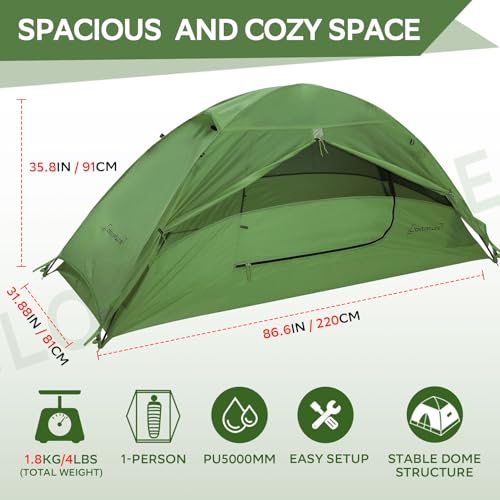
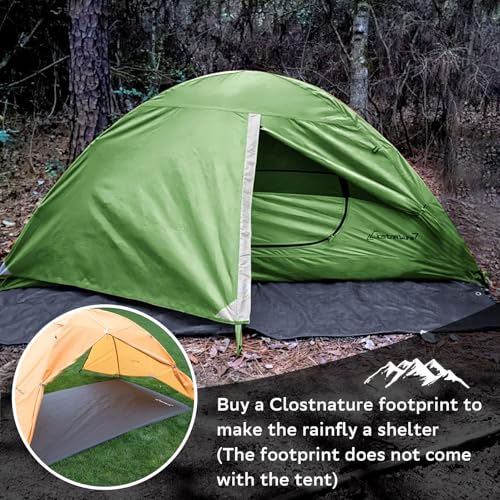
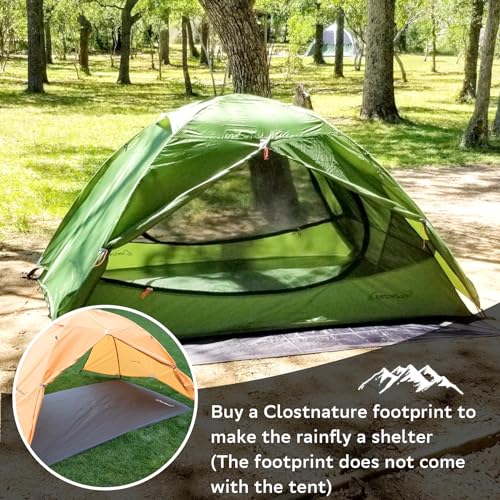
This Clostnature solo tent stands out with a PU 5000 waterproof coating, that’s serious protection, especially for a tent weighing only 4 pounds (and just 2.97 lbs trail weight). Owners praise how dry it keeps them in downpours, and the freestanding design with two aluminum poles makes pitching it solo a non-issue. The D-shaped door and side vestibule add real convenience, giving you space to stash gear without dragging it inside.
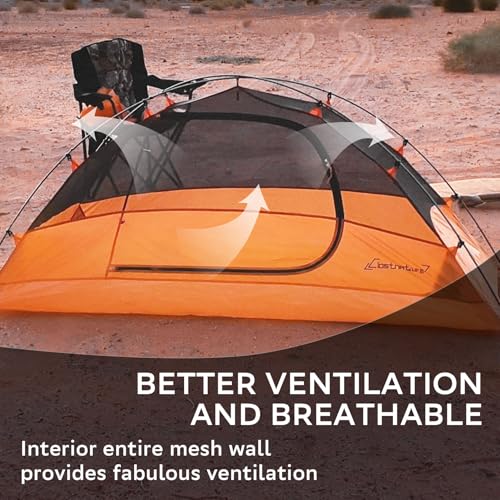
I’d pick this over the camppal model for most hikers because it balances weight, weather protection, and ventilation better. The full mesh walls help reduce condensation, a common flaw in budget solo tents. For the price and performance combo, it’s tough to beat.
Product photos

Clostnature 2 Person Ultralight Tent

Strengths
- Dual doors and vestibules
- PU 5000 waterproofing
- Lightweight for size
Trade-offs
- Slight condensation in cold
- Zippers can snag
- Fly could cover more
This Clostnature two-person model is a standout for couples or duo hikers who want space without the bulk. At 5.29 pounds (4.52 lbs trail weight), it’s competitive with ultralight builds, and the 7×5-foot floor offers real elbow room. The dual D-shaped doors and two vestibules make gear access and ventilation a breeze, a major upgrade over single-door designs like the Kelty.
Owners consistently report it handles rain well thanks to the PU 5000 coating and sealed seams. The aluminum poles add durability over fiberglass, and the included repair kit is a thoughtful touch. For a balance of weight, space, and weather readiness, this is my top pick for two.
Product photos



Kelty Grand Mesa 2P Tent

Strengths
- Freestanding design
- Color-coded setup
- Durable 68D polyester
Trade-offs
- Heavier than ultralight options
- Single door limits airflow
- Vestibule on one side only
Kelty has long been a dependable name in backpacking tents, and the Grand Mesa 2P delivers where it counts: ease of use, solid materials, and a reasonable weight at just over 4 pounds. The freestanding design with color-coded clips and Quick Corners makes setup a breeze, even solo, a detail many owners appreciate after long trail days. With 30 square feet of floor space and a 44-inch peak height, it’s not palatial, but it’s generous for two average-sized hikers.
Compared to budget domes, this tent uses better fabrics and full seam taping, which translates to real-world durability. It’s not the lightest in its class, but the build quality and trusted brand backing make it a smart choice for those who value reliability over minimalism.
Product photos


camppal 1 Person 4-Season Tent

Strengths
- Lightweight for 4-season
- Excellent waterproof rating
- Extended length for tall users
Trade-offs
- Stakes lack durability
- Heavier than ultralight rivals
- Single door limits access
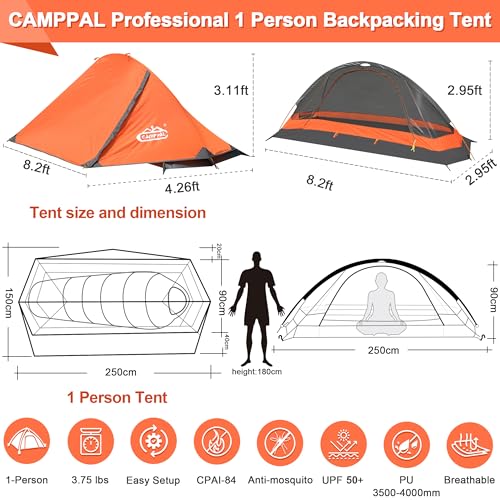
At 3.75 pounds and with 3500–4000mm waterproofing, this camppal tent looks solid on paper for solo backpackers needing all-season reliability. The single-pole design promises fast setup, which is a real win for tired hikers late in the day. Owners consistently report it holds up in wind and rain, and the 8.2-foot length is genuinely helpful for taller users who usually feel cramped in one-person models.
Still, the use of rip-stop fabric and aluminum poles only goes so far, some reviewers note the stakes feel flimsy, and the extra space comes with a slight weight trade-off compared to ultralight trail-focused builds. For someone prioritizing storm readiness over gram-counting, it’s a fair balance.
Product photos



Night Cat Upgraded 1-2 Person Tent

Strengths
- Fastest setup
- Good ventilation
- Compact packed size
Trade-offs
- Fiberglass poles less durable
- Rainfly attachment weak
- Limited headroom
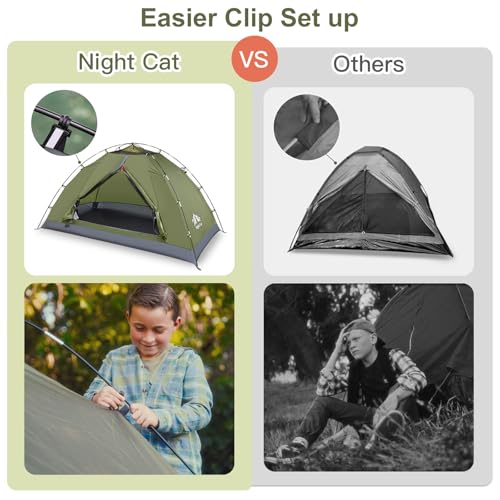
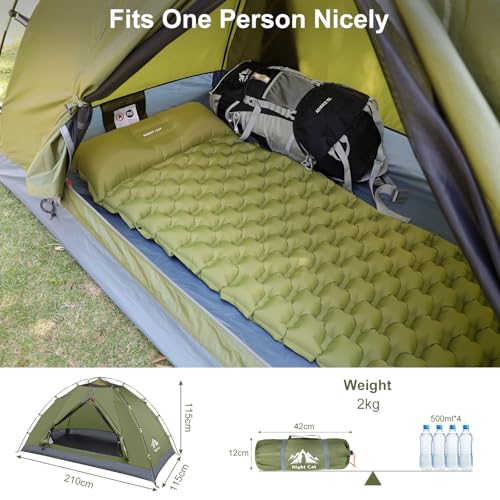
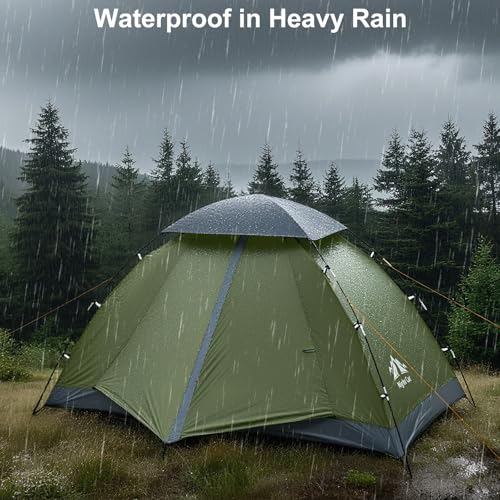
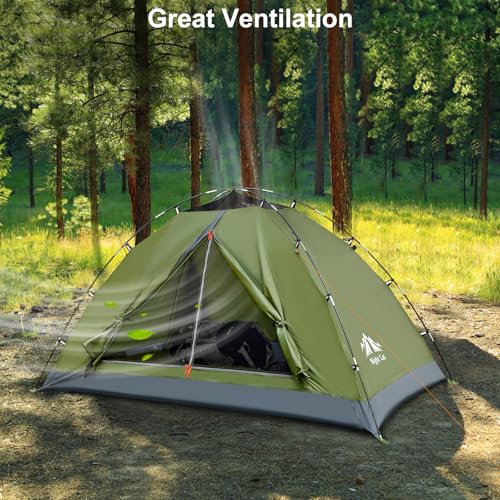
The Night Cat tent boasts a one-minute clip setup, and owners agree it’s among the fastest in its class. The clip-and-pole system is a real upgrade over sleeve designs, especially when you’re tired or tired of wrestling with poles. At 4.4 pounds, it’s not the lightest, but the compact 16.5-inch pack size makes it easy to stash.
Ventilation is solid thanks to the roof mesh and large door, though the fiberglass poles raise durability concerns in high wind. Some users report the rainfly detaches too easily. Still, if quick pitch is your top priority, this tent delivers.
Product photos

Wakeman 2 Person Pop-Up Tent
Strengths
- Extremely lightweight
- Low price
- Good airflow
Trade-offs
- Fiberglass poles prone to break
- Thin fabric
- Not windproof
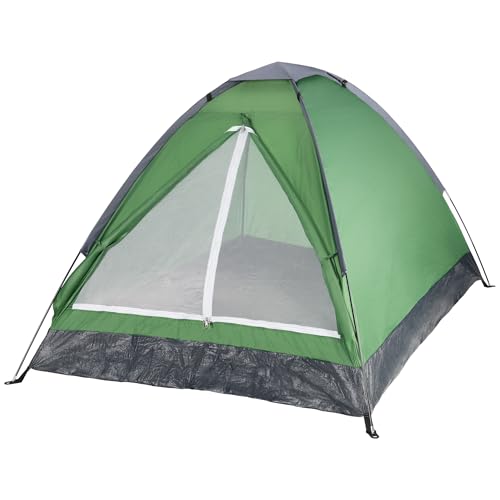
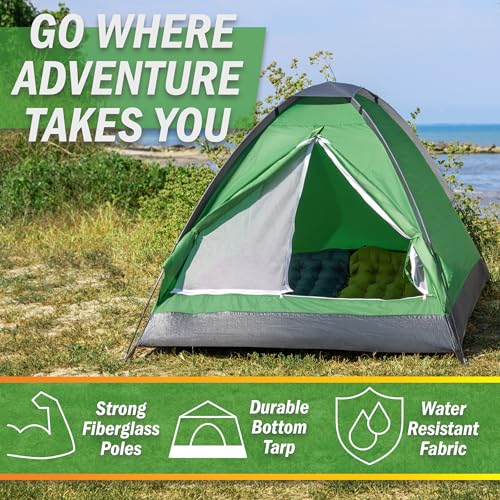
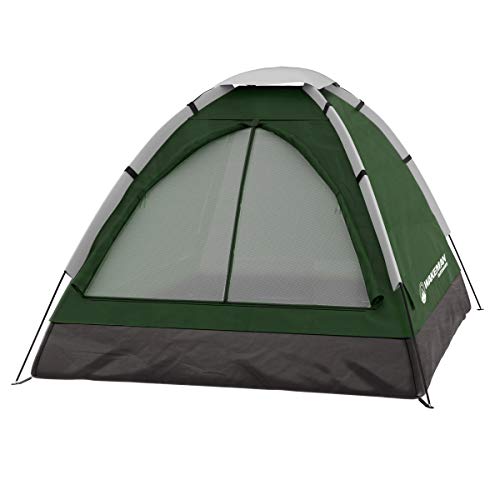
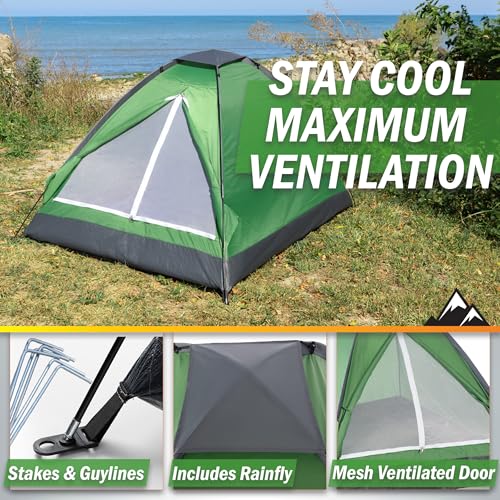
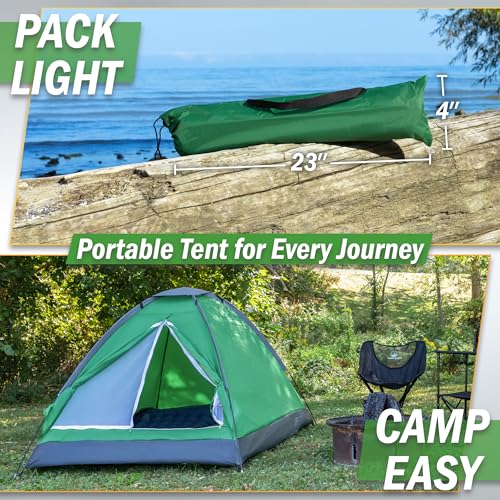
At just 2.2 pounds, this Wakeman tent is featherlight and compact, a big plus for budget-conscious hikers. The fiberglass poles keep costs down, and the dual-layer door with mesh and fabric zip works well for airflow and bug protection. Owners say it’s simple to set up and surprisingly roomy for two, though the 48-inch height means you can’t really sit up.
The trade-off? Durability. Fiberglass poles snap more easily than aluminum, and the 190T polyester isn’t built for sustained storms. Still, for fair-weather hikes, festivals, or beach trips, it’s a solid value. I’d recommend it only for light use, not for alpine or windy environments.
Product photos
Amazon Basics Dome Camping Tent

Strengths
- Spacious interior
- Easy setup
- Affordable entry point
Trade-offs
- Heavy for backpacking
- Basic materials
- Poor ventilation in rain
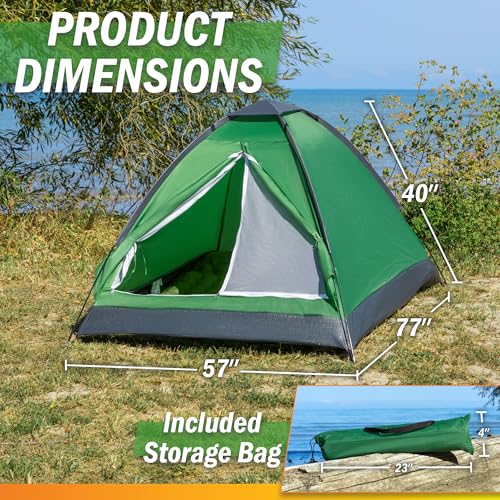
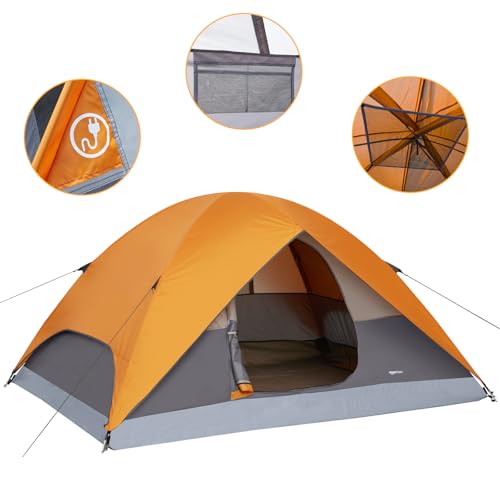
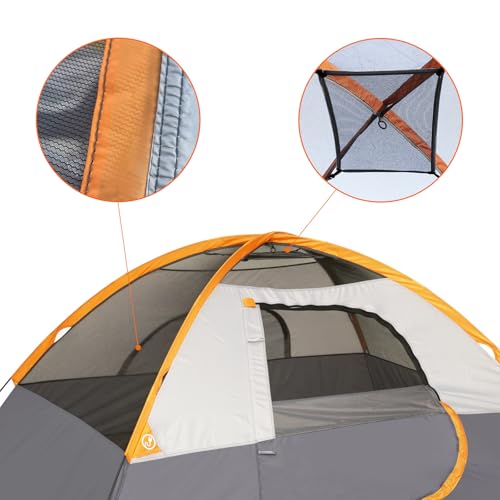
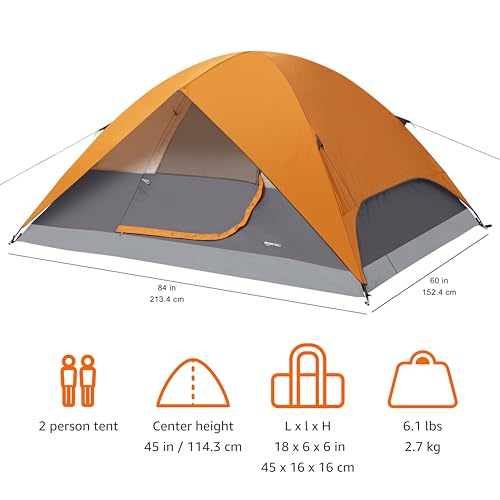
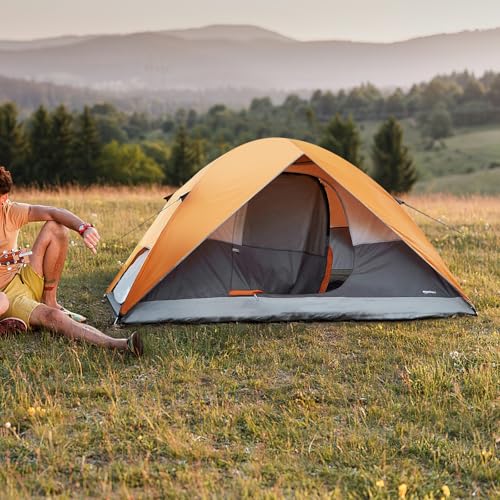
You know what you’re getting with Amazon Basics, no frills, but functional. This two-person dome tent is roomy at 7×5 feet and sets up in under four minutes thanks to shock-corded poles. The welded seams and water-resistant coating keep light rain at bay, and the back window helps with airflow. For car campers or first-time backpackers, it’s a reasonable starting point.
But let’s be honest: it’s not built for serious trail use. The materials feel lighter-duty than Kelty or Clostnature, and the single door and modest ventilation make it stuffy in humid conditions. Still, for weekend trips where weight isn’t critical, it gets the job done.
Product photos

Forceatt 2 Person Lightweight Tent

Strengths
- Strong windproof design
- Dual vestibules
- Good ventilation
Trade-offs
- Heavier than rivals
- Zippers may wear
- Rainfly coverage could improve
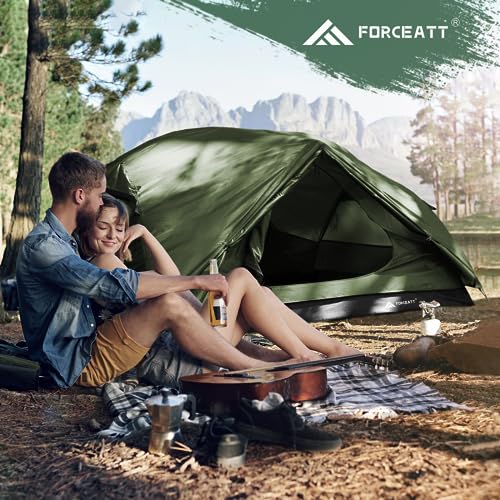
Forceatt leans hard into wind resistance, and the numbers back it up, 7001 series aluminum poles, full-coverage rainfly, and welded floor seams. Owners testing it in gusty conditions say it stays put when others flap or collapse. The dual D-doors and ceiling vents help airflow, reducing the damp, stuffy feeling common in budget tents.
But it’s not the lightest at 5.5 pounds, and some users report the zippers, while smooth at first, degrade after repeated use. Still, for exposed ridges or coastal hikes where wind is the main threat, this tent’s design choices make sense. I’d pick it over the Kelty if I knew I’d face strong gusts.
Product photos


How We Chose These tents for hiking
As a long-time hiker and tent enthusiast, I know choosing the right shelter is crucial for a comfortable and safe experience on the trail. Rather than a hands-on lab test, this research was a deep comparison of published specifications and features across several models. I weighed owner reviews from multiple sources alongside expert opinions from established outdoor publications to get a well-rounded view. My aim was to rank these tents against clear criteria relevant to hiking – weight, weather protection, ease of setup, and overall value.
For hiking tents, I focused most heavily on weight and waterproof ratings. A lighter tent drastically improves your experience when you’re carrying everything on your back, so minimizing weight without sacrificing durability is key. Equally important is the ability to withstand unpredictable weather; a reliable waterproof rating and well-designed rainfly are essential for staying dry and comfortable. Beyond those, ventilation played a large role, as condensation can quickly become a problem.
Specifications reliably tell you about a tent’s potential – its packed weight, dimensions, and stated waterproof capabilities. However, I placed significant weight on owner feedback regarding real-world performance and durability. Owners often highlight issues with zippers, pole strength, or waterproofing that aren’t obvious from specs alone. I also considered the reputation of the manufacturers, looking to trusted hiking tent companies for consistent quality and customer support.
How To Pick The Right tents for hiking
Picking the right tent for hiking can feel overwhelming, but focusing on a few key areas will narrow down your choices considerably.
A good hiking tent balances weight, weather protection, and ease of use. Prioritize a durable rainfly with a high waterproof rating (PU 3000mm or higher), lightweight pole materials (aluminum is preferred over fiberglass), and a design that allows for quick setup, especially if you anticipate arriving at camp after dark or in inclement weather. Consider the tent’s footprint – a smaller footprint means less weight, but also less interior space.
Weight and Packability
As a hiker, every ounce matters. I’ve seen too many trips hampered by overloaded packs, so I always recommend prioritizing a lighter tent. Don’t get caught up in chasing the absolute lightest option, though. A super-lightweight tent might compromise on durability or weather protection. Look for tents under 5 pounds for solo use and under 6 pounds for two-person models. Pay attention to the packed size as well; a compact tent will fit more easily into your backpack alongside other essentials. If you’re truly dedicated to minimizing weight, explore the ultralight bivy tent option – though these sacrifice much of the space and comfort of a traditional tent.
Waterproofing and Weather Resistance
Don’t assume all tents labeled “waterproof” will keep you dry. The waterproof rating (measured in millimeters) indicates how much water pressure the fabric can withstand before leaking. A rating of 1500mm is okay for light rain, but for serious hiking, aim for at least 3000mm for the rainfly and floor. Beyond the rating, look for features like fully taped seams, a bathtub floor (where the floor fabric extends up the sides), and a robust rainfly that covers the entire tent body. Remember, even with excellent waterproofing, proper site selection is crucial – avoid pitching your tent in low-lying areas where water can pool.
Here’s what I look for in terms of weatherproofing, broken down: * A good rainfly: Essential for any hiking trip. * Sealed seams: Prevents water from seeping through the stitching. * High denier floor: A thicker floor (measured in “D”) is more durable and resistant to punctures, which is important when camping on rocky terrain.
A properly waterproofed tent is your first line of defense against the elements. Invest in a seam sealer and re-treat the rainfly annually to maintain its water repellency.
Features and Usability
Think about how you actually use a tent. Do you prefer a roomy interior or are you happy to huddle? Do you need a large vestibule for storing gear? Are you a solo hiker or do you typically camp with a partner? Freestanding tents are easier to set up on various terrains, while non-freestanding tents often weigh less but require staking. I’ve found that a D-shaped door is much more convenient than a traditional A-frame door. For those seeking detailed information about different models, checking out backpacking tent comparisons can be really helpful. Don’t overlook the little things – things like interior pockets, gear loops, and a convenient carry bag can make a big difference in your overall camping experience.
Tents for Hiking Compared
Here’s a comparison of key specifications for various tents designed for hiking.
| Product Name | Capacity | Trail Weight (lbs) | Waterproof Rating (mm) | Packed Size (in) | Setup Style |
|---|---|---|---|---|---|
| Clostnature 1 Person | 1 Person | 2.97 | 5000 | 15×5.1×5.1 | Freestanding |
| Clostnature 2 Person | 2 Person | 4.52 | 5000 | 16.5×5.9×5.9 | Freestanding |
| Kelty Grand Mesa 2P | 2 Person | 4.7 | N/A | 16x7x7 | Freestanding |
| camppal 1 Person | 1 Person | 3.75 | 3500-4000 | N/A | Single Pole |
| Night Cat Upgraded 1-2 Person | 1-2 Person | 4.4 | 3000 | 16.5×4.7×4.7 | Clip Setup |
| Wakeman 2 Person | 2 Person | N/A | N/A | N/A | Pop-Up |
| Amazon Basics Dome | 2 Person | N/A | N/A | N/A | Dome |
| Forceatt 2 Person | 2 Person | N/A | 3000 | N/A | Freestanding |
Frequently Asked Questions
What waterproof rating do I really need for a hiking tent?
A rating of 3000mm is the minimum I recommend for the rainfly and floor; higher is better, especially if you plan on hiking in consistently wet conditions. While some tents advertise lower ratings, you’ll likely experience leaks during sustained rainfall.
Are freestanding tents actually easier to set up?
Yes, freestanding tents are generally easier to pitch because they don’t require staking to maintain their shape. This is particularly helpful on rocky or hard ground where driving stakes can be difficult or impossible.
What’s the deal with a “bathtub floor”? Is it worth the extra cost?
A bathtub floor, where the floor fabric extends up the sides, adds significant water protection. It prevents water from pooling inside the tent during heavy rain and is well worth the small increase in weight or cost, especially if you hike in areas prone to downpours.
What’s the benefit of aluminum tent poles over fiberglass?
Aluminum poles offer a superior strength-to-weight ratio compared to fiberglass. While fiberglass is cheaper, aluminum poles are more durable and less prone to breaking, making them a better investment for frequent hikers and those tackling challenging terrain.
Where can I find more information on extremely lightweight tent options?
If you’re focused on minimizing weight, you should explore ultralight backpacking tents – though be aware they often come with trade-offs in space and durability.
The Bottom Line
Choosing a hiking tent always comes down to balancing how much you’re willing to carry against how much protection and space you want. Overall, for a blend of weight, weatherproofing, and livability, I recommend the Clostnature 2 Person. It strikes a fantastic balance for most backpackers and offers reliable performance without breaking the bank or your back.
If you’re on a tight budget, the Amazon Basics Dome tent is a surprisingly decent option for fair-weather trips, and for those prioritizing ultralight performance, the Clostnature 1 Person is an excellent choice. The camppal 1 Person tent offers a unique single-pole setup which some hikers will appreciate, while the Kelty Grand Mesa 2P is a solid all-arounder if you prefer a more traditional freestanding design. Remember to check out a helpful backpacking tent selection guide for even more insights.
Ultimately, the best tent isn’t about the highest waterproof rating or the lightest weight listed on a spec sheet. It’s about finding a shelter that keeps you safe, dry, and comfortable so you can focus on enjoying the trail. Prioritize a well-made rainfly, sturdy poles, and a design that suits your personal needs and hiking style – those are the fundamentals that truly matter.
