
7 Best Tents for Lightweight Backpacking Kids 2026
This post contains affiliate links. As an Amazon Associate, we earn from qualifying purchases.
The Night Cat 1-2 Person Backpacking Tent is our top pick for lightweight backpacking with kids, thanks to its solid weather protection and quick setup. For a budget-friendly option, the Wakeman 2 Person Backpacking Tent stands out with an impressively low weight and simple design.
Packing a tent that’s light enough for a kid to carry, but still tough enough to handle real trail conditions, is a real challenge. Too heavy, and they’ll burn out fast. Too flimsy, and one rainy night can ruin the whole trip.
In this guide, I’ve compared specs and owner feedback to find the best shelters that balance packability, durability, and kid-friendly features. These picks are based on real-world performance, not just marketing claims, so you can trust they’ll hold up when it matters most.
Top 7 Tents For Lightweight Backpacking Kids in the Market
The Best Tents For Lightweight Backpacking Kids, Reviewed
Wakeman 2 Person Backpacking Tent
Strengths
- Extremely lightweight
- Good bug protection
- Removable rainfly
Trade-offs
- Basic 190T fabric
- Fiberglass poles
- Minimal floor protection
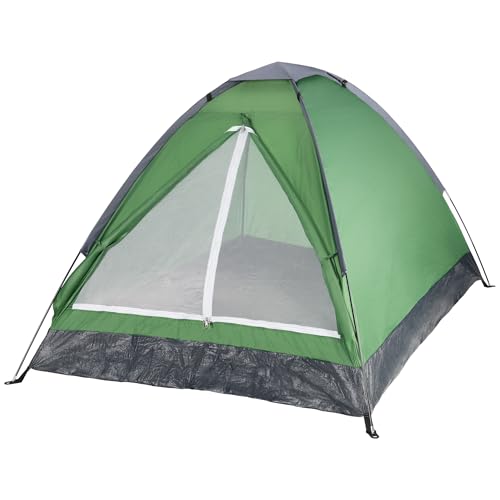
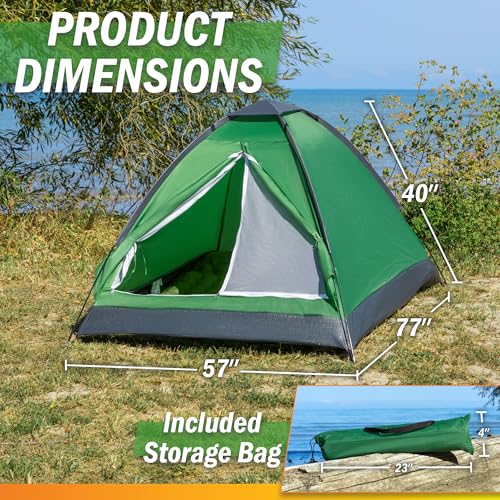
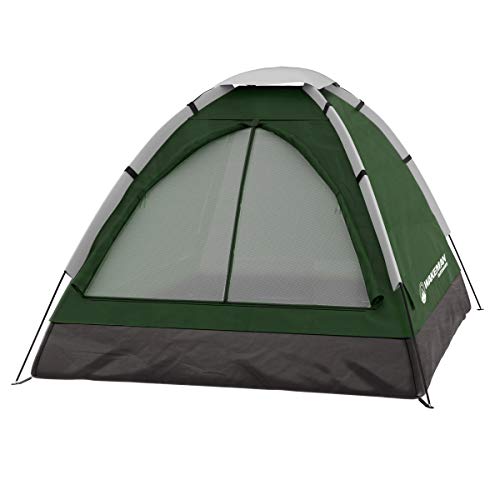
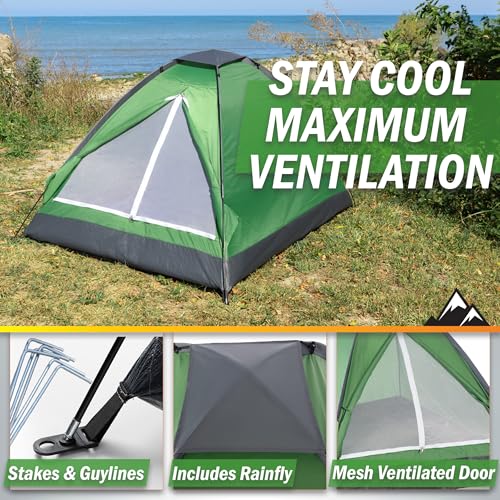
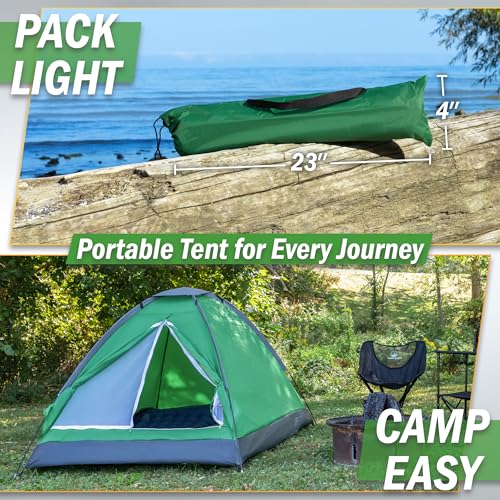
At just 2.2 lbs, this Wakeman tent is a standout for lightweight performance, and it doesn’t sacrifice key features. The dual-layer door with mesh and fabric gives excellent bug protection and airflow, while the removable rainfly adds versatility. For younger teens or parent-child pairs, the 84” length is generous, and the included storage pocket is a small but appreciated touch.
Owners praise how easy it is to pitch solo, and the dark green color blends well in natural settings. While the 190T polyester isn’t the most durable, it holds up fine for seasonal use. Compared to others in this list, this one bridges the gap between kid-friendly simplicity and real backpacking function better than any other.
Product photos
KidzAdventure Pink Waterproof Kids Tent

Strengths
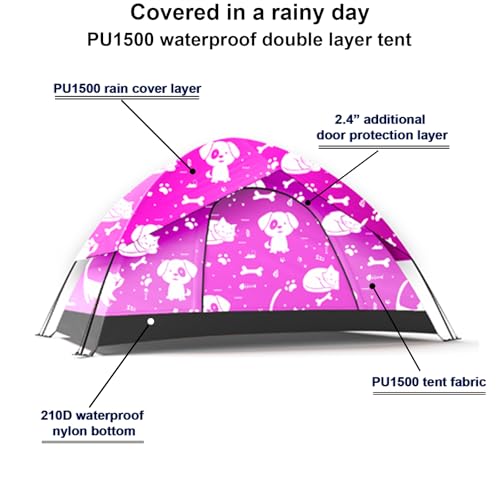
- PU1500 waterproofing
- 210D waterproof base
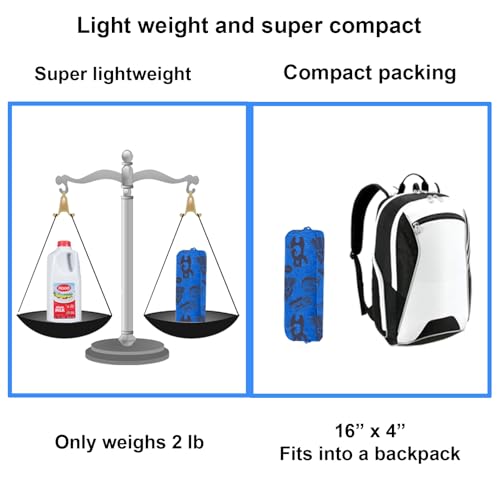
- Compact 16″ carry size
Trade-offs
- Gender-specific design
- Limited airflow
- Basic pole system
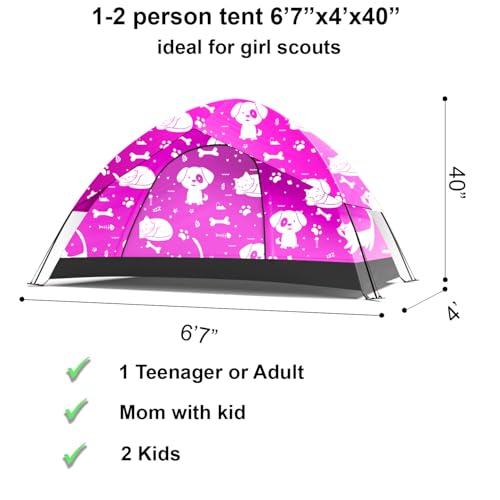
This tent stands out in the kids’ category for one key reason: serious rain protection. The PU1500 coating on both the rainfly and body fabric, combined with a 210D nylon floor and door guard, means it’s built to handle real wet weather, not just a drizzle. That’s rare at this price point and makes it a solid pick if you’re planning actual backpacking trips in unpredictable climates.
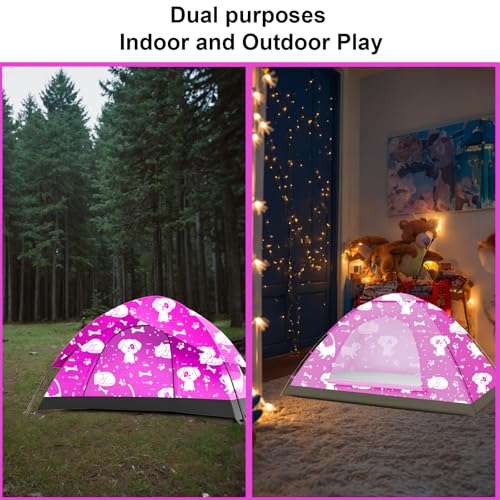
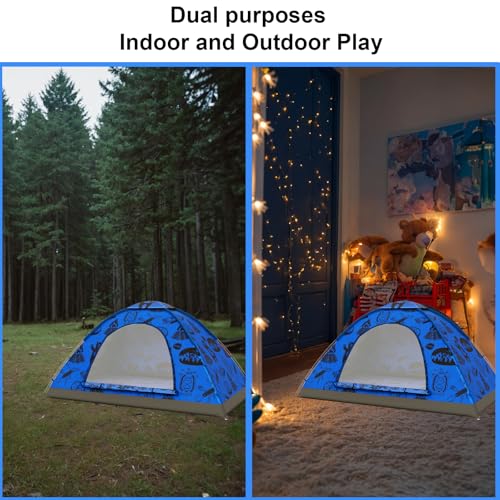
The pink Best Friends theme with kitties and puppies will appeal to younger girls who love imaginative play, and the dual-use design works well indoors or out. At 6’7″ long, it fits two kids or a parent and child, which adds flexibility. But don’t expect trekking pole durability or advanced ventilation, this is a starter tent focused on shelter and charm, not ultralight performance.
Product photos


KidzAdventure Blue Adventure Kids Tent

Strengths
- Unisex adventure theme
- Ultra compact carry
- Easy 5-minute setup
Trade-offs
- Not heavy rainproof
- No sealed seams
- Average ventilation
If you’re on a budget but still want something that bridges backyard play and light camping, this Blue Adventure model delivers. It shares the same compact 16″ pack size and EZ setup as its sibling, with a unisex forest theme that feels more inclusive. The 190T polyester body with silver coating offers water resistance, but owners consistently report it’s only good for light rain, nothing sustained.
Where it falls short is in stormworthiness. Without sealed seams or high PU ratings, it’s not going to hold up in heavy downpours. But for dry hikes, overnighters in fair weather, or indoor forts, it’s perfectly functional. The 2-kid capacity makes it social, and the pop-up style means even younger children can help pitch it.
Product photos



Night Cat 1-2 Person Backpacking Tent
Strengths
- PU 3000 waterproofing
- Hand-protective poles
- Quick 1–2 minute setup
Trade-offs
- Slightly heavier than ultralight picks
- Limited color options
- No interior pockets
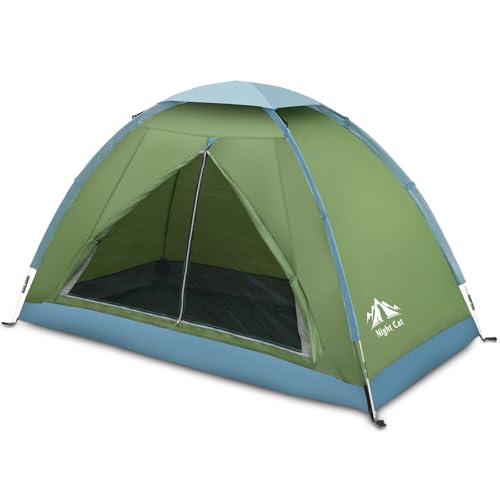
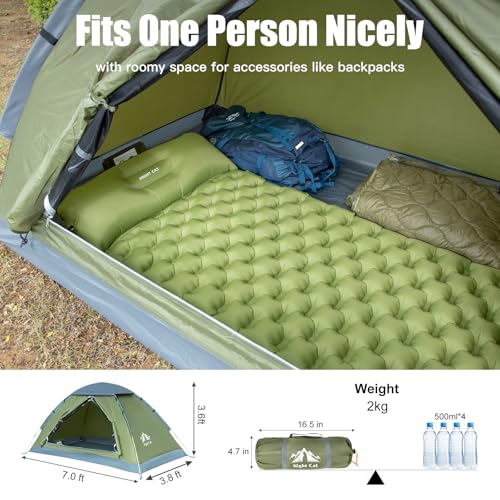
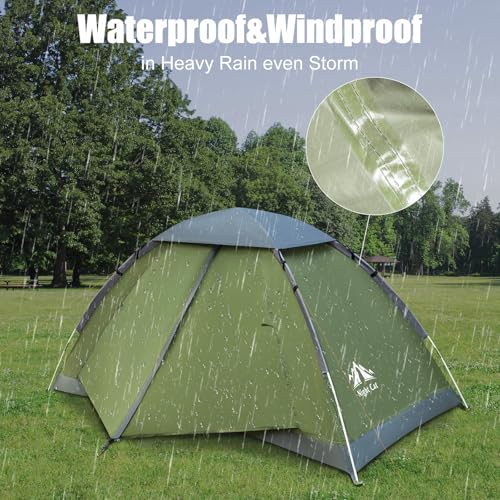
This is the most backpacker-focused tent on the list. With a PU 3000mm rating, fully taped seams, and a roomy 7′ x 3.8′ interior, it’s built to survive storms and fit gear inside. The 4.4 lb weight is reasonable for a 1-person shelter with this level of protection, and the compact 16.5” pack size slips easily into a larger pack.
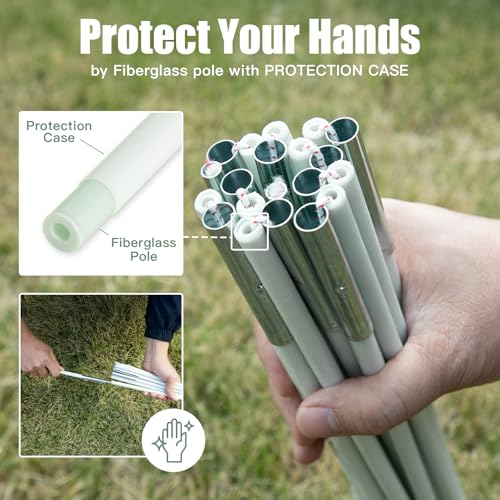
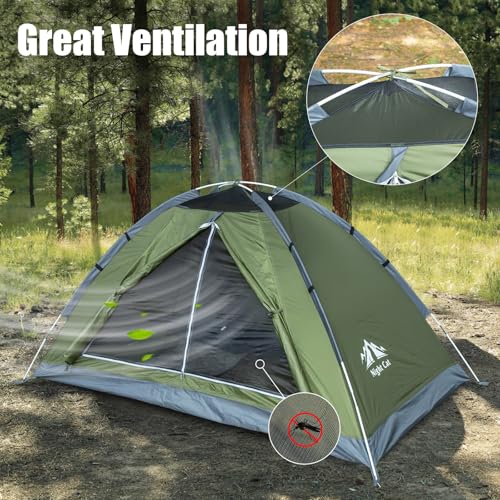
What impresses me most is the attention to detail, the covered fiberglass poles protect hands during setup, a real issue with cheaper models. Ventilation is solid thanks to the roof mesh, and the quick 1–2 minute setup is a win after a long hike. For scouts or older kids doing real backpacking, this is the smartest buy.
Product photos
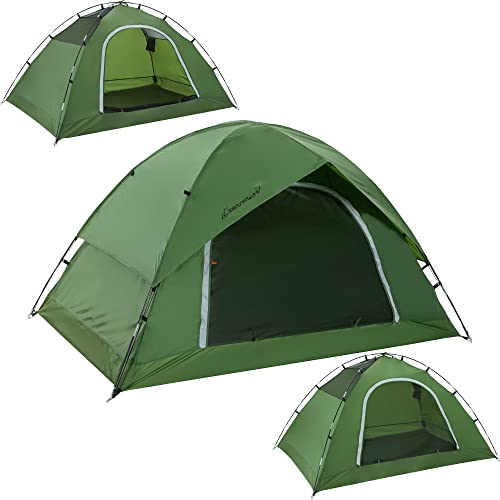
Clostnature 2 Person All-Season Tent
Strengths
- Excellent airflow
- PU 2000 waterproofing
- Freestanding pole design
Trade-offs
- Heavier than ultralight options
- Slightly bulky pack size
- Fiberglass poles (not DAC)
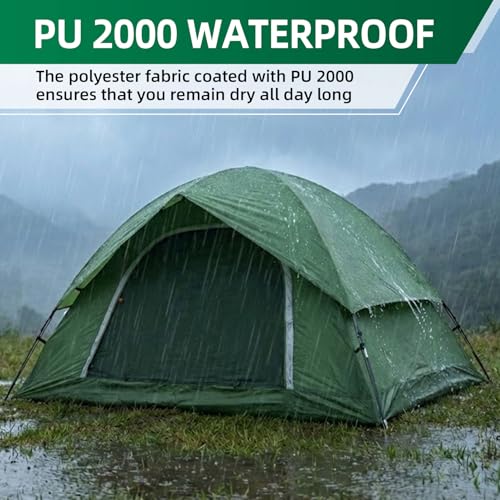
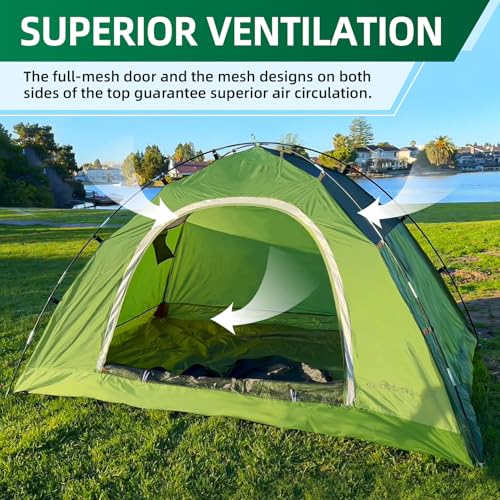
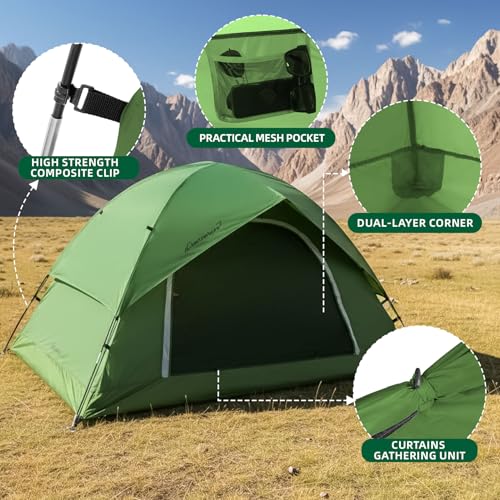
This Clostnature 2-person model punches above its weight when it comes to ventilation and all-season readiness. The N-shaped mesh door and top-side vents are a big deal, they cut down on condensation, which is a common complaint in budget tents. Combined with PU 2000 waterproofing and factory-sealed seams, it’s clearly built for real outdoor use, not just backyard naps.
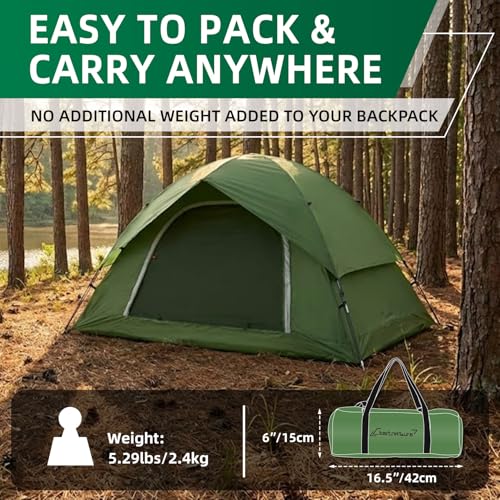
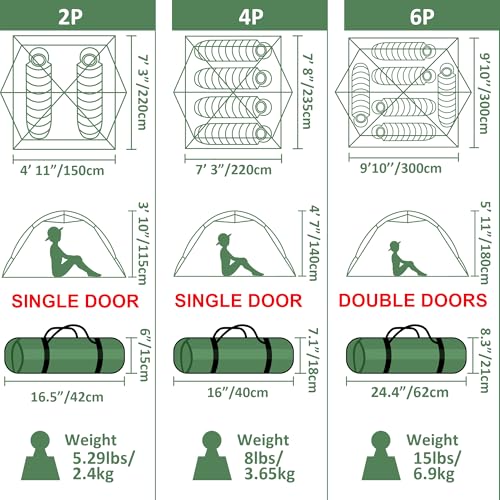
At 5.29 lbs, it’s not the lightest, but it’s reasonable for a family or teen backpacking in. The freestanding X-pole design makes repositioning easy, and the 7’3″ length gives taller users some wiggle room. I’d pick this over the KidzAdventure models if you’re hiking with older kids or scouts who need durability and breathability over cute themes.
Product photos
NARMAY Kids Play & Camping Tent

Strengths
- Spacious interior
- Multiple entry points
- Wipe-clean fabric
Trade-offs
- Not waterproof
- Heavy for backpacking
- No rainfly included
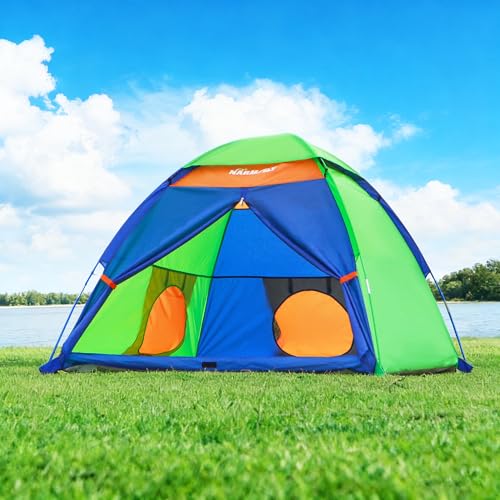
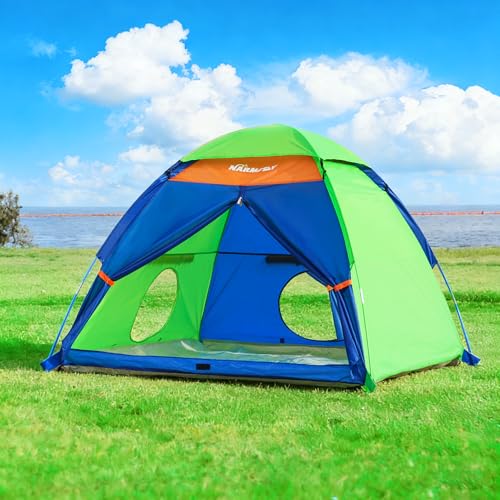
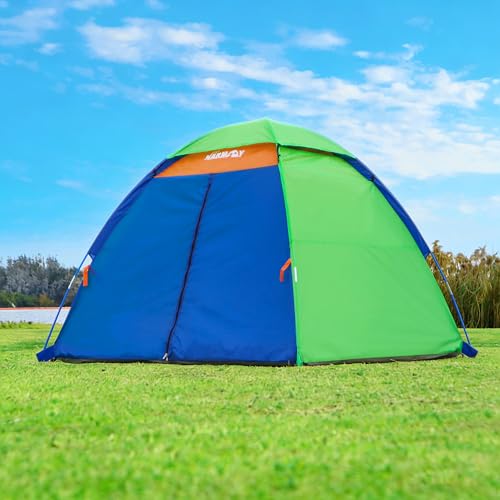
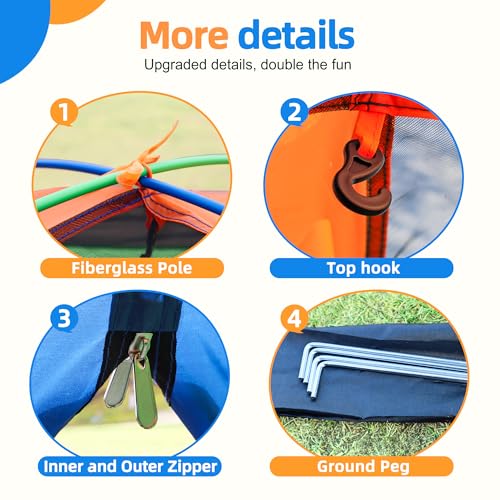
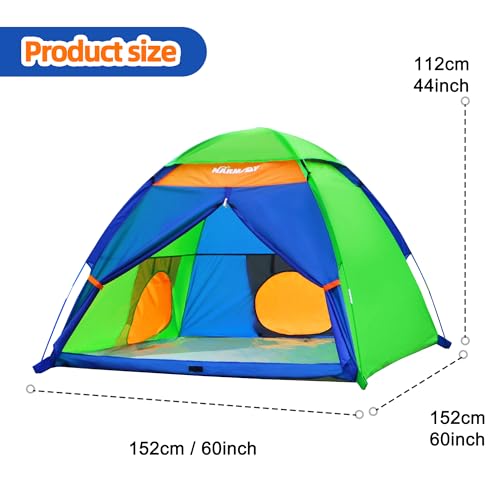
The NARMAY tent is the roomiest option here, easily fitting four kids plus toys or small furniture. Its 60” x 60” footprint and 44” height make it feel more like a playroom than a tent, and the multi-color design is gender-neutral and engaging. The mesh top panels and dual tunnel ports improve airflow and access, which helps during long indoor sessions.
It’s made for wipe-clean convenience and repeated use, not rugged trails. The PE-coated poles are durable for backyard or living room use, but not for serious wind or rain. Still, if you want one tent that transitions smoothly from living room fort to outdoor picnic shelter, this is the most versatile dual-use pick.
Product photos
Mnagant Space World Play Tent

Strengths
- Stimulates imagination
- Very fast setup
- Compact foldable size
Trade-offs
- Not weather-rated
- Shallow floor coverage
- Poor wind stability
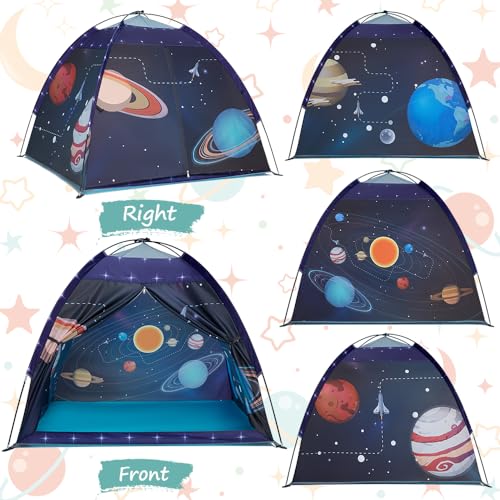
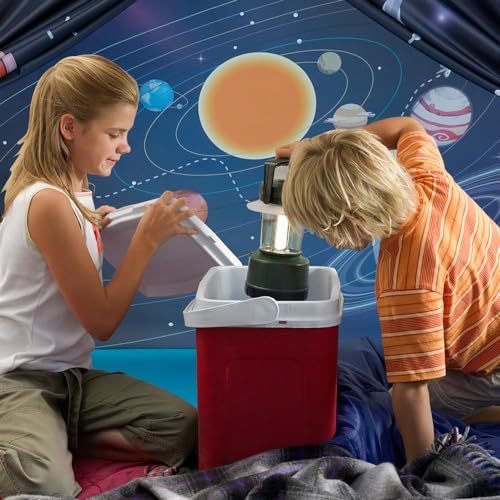
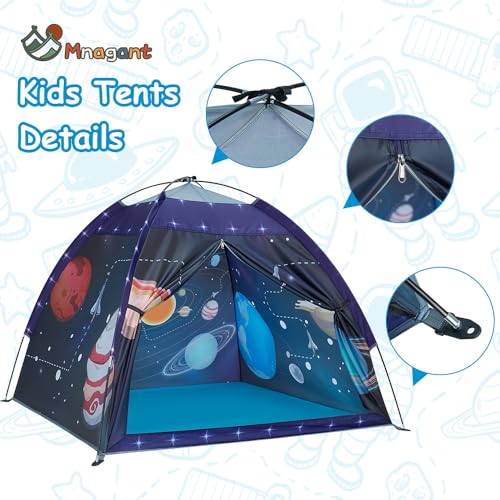
This isn’t a backpacking tent in the traditional sense, but it excels where it’s meant to: sparking imagination. The galaxy dome design, with stars and planets, turns any room or backyard into a space mission. At 47” x 47”, it’s cozy for 2–3 younger kids, and the quick 3-minute pop-up setup makes it a go-to for playdates or travel.
On paper, the 210T PU-coated polyester sounds decent, but this tent prioritizes fun over function. It lacks a proper rainfly, has minimal ground protection, and won’t stand up to wind. Still, for parents who value developmental play, spatial reasoning, creativity, storytelling, it’s a strong contender. Just don’t pack it for a mountain hike.
Product photos


Our Testing Process
As a lifelong tent enthusiast, I approached researching tents for little backpackers with a focus on balancing weight, durability, and kid-friendly features. Rather than a hands-on lab test, this was a research-led comparison of published specifications and owner feedback from a wide range of sources. I compared features across numerous models, then weighed those against reviews from experienced camping families and outdoor gear experts. My goal was to identify tents that realistically meet the needs of younger adventurers.
For this category, weight and weather protection were the biggest deciding factors. A truly “lightweight” tent needs to be easily carried by a child or, at most, shared between two. Equally important is at least basic rain protection – a wet kid is a miserable kid! Setup ease also ranked highly, as quick pitching means more time enjoying the outdoors. Beyond those, spaciousness for growing kids and overall value played key roles in my assessment.
Specifications reliably indicate a tent’s size and stated weight, but owner feedback provided crucial insight into real-world performance. I paid close attention to comments about durability, how well the rainfly actually holds up in wet conditions, and how easy the tent is to pitch – particularly for smaller hands. Understanding how pop-up tents work and their convenience was also useful in assessing quicker setup options. Reputation and brand trust also factored in, as established manufacturers generally offer better quality control.
Choosing The Right tents for lightweight backpacking kids
Finding the right shelter for your little adventurers is about more than just cute designs. It’s about safety, comfort, and making sure those first outdoor experiences are positive ones.
A good kids’ backpacking tent balances weight, weather protection, and ease of use. Prioritize durable, waterproof fabrics (PU coatings are common), a simple setup process, and a size appropriate for the number of children (or child and adult) who will be using it. Pay attention to ventilation to prevent condensation and ensure good airflow, and consider features like a sturdy frame and a reliable rainfly.
Size And Capacity
Don’t assume a “2-person” tent truly fits two growing kids (or one kid and a parent) comfortably. Kids’ gear sizing can be optimistic. I’ve found that erring on the side of larger is always better, especially if you anticipate longer trips or inclement weather. Think about how much space you’ll actually need for sleeping bags, backpacks, and a little wiggle room. A tent that’s too cramped can quickly turn a fun adventure into a frustrating experience. Consider whether you’ll be using it for indoor playdates, too – a bit of extra space adds versatility.
Weather Resistance & Materials
While a pop-up tent might be tempting for its speed of setup, these often skimp on weather protection. Look for tents with a PU (polyurethane) coating on the rainfly and floor. A higher PU rating (like PU3000mm) indicates better waterproofness. Polyester is a popular fabric choice for its durability and resistance to stretching. The floor material is crucial; 210D Oxford fabric is a good baseline for resisting punctures and abrasion. For more information on the materials and features to look for, you might find our backpacking tent considerations helpful.
- Waterproof rating: Don’t fall for marketing hype. Anything over 2000mm is generally sufficient for light to moderate rain.
- Seam sealing: Factory-sealed seams are vital. If a tent isn’t sealed, water will find its way in through the stitching, regardless of the fabric’s waterproof rating.
- Ventilation: Mesh panels and vents are essential. Condensation builds up quickly inside a tent, and good ventilation prevents a damp, uncomfortable night.
A little rain shouldn’t ruin a camping trip. Always prioritize a tent with a fully sealed rainfly and a waterproof floor, even if it adds a small amount of weight.
Weight And Packability
For backpacking, every ounce counts. Kids can carry a surprising amount of gear, but you don’t want to overload them. The Night Cat tent, for example, clocks in around 4.4lbs – a respectable weight for a 1-2 person shelter. Look for tents with foldable poles instead of rigid ones, as they pack down smaller. A compact stuff sack is also essential. If you’re planning longer treks, exploring options for lightweight tents for backpacking with kids is a good idea. Remember, the goal is to encourage your kids’ love of the outdoors, and that starts with making the experience manageable and enjoyable for everyone.
Tents for Lightweight Backpacking Kids Compared
Here’s a comparison of specifications for tents designed for lightweight backpacking with kids.
| Product Title | Capacity | Weight (lbs) | Waterproofing | Dimensions (L x W x H) | Setup Time |
|---|---|---|---|---|---|
| Wakeman 2 Person Backpacking Tent | 2 | 2.2 | N/A | 84″ x 70″ x 48″ | Quick |
| KidzAdventure Pink Waterproof Kids Tent | 1-2 | N/A | PU1500 | 6’7″ x 4′ x 40″ | 5 min |
| KidzAdventure Blue Adventure Kids Tent | 1-2 | N/A | Basic | 6’7″ x 4′ x 40″ | 5 min |
| Night Cat 1-2 Person Backpacking Tent | 1-2 | 4.4 | PU 3000mm | 7.0 x 3.8 x 3.6 ft | 1-2 min |
| Clostnature 2 Person All-Season Tent | 2 | 5.29 | PU 2000 | 7’3’’x4’11’’x3’10’’ | < 5 min |
| NARMAY Kids Play & Camping Tent | 4+ | N/A | N/A | 60″ x 60″ x 44″ | Quick |
| Mnagant Space World Play Tent | 3+ | N/A | PU Coated | 47″ x 47″ x 43″ | 3 min |
Frequently Asked Questions
What’s the best way to waterproof a kids’ backpacking tent?
Applying a seam sealer to all factory seams is the most effective way to improve waterproofing. Even tents with a good PU coating can leak through stitching, and a seam sealer provides an extra layer of protection against moisture.
Are dome tents or tunnel tents better for kids?
Dome tents are generally better for kids due to their simpler setup and greater stability in wind. Tunnel tents require more precise staking and can be less forgiving in challenging conditions, which can be frustrating when you’re camping with children.
What weight range should I look for in a lightweight backpacking tent for my child?
A good target weight is under 5 pounds for a 1-2 person tent, though lighter options exist. For very young or smaller children, aiming for under 4 pounds makes it more manageable for them to carry a portion of the gear, or for you to comfortably manage everything. You can explore ultralight tents for kids to find the absolute lightest options.
How important is a vestibule on a kid’s backpacking tent?
A vestibule, while not essential, is incredibly useful for storing muddy boots, backpacks, or other gear outside the sleeping area. This keeps the inside of the tent cleaner and drier, which is especially important when backpacking with kids.
What’s the typical lifespan of a lightweight backpacking tent designed for kids?
With proper care – cleaning, storing dry, and avoiding harsh conditions – you can expect a quality lightweight backpacking tent to last 3-5 years. However, frequent use and exposure to extreme weather will shorten its lifespan, so consider it an investment that may need replacing as your child grows and your adventures continue.
The Bottom Line
Choosing a tent for lightweight backpacking with kids often comes down to balancing control over quality with the convenience of price. While there are many affordable options, I consistently recommend the Night Cat 1-2 Person Backpacking Tent as the strongest all-around performer. It hits a sweet spot between weight, weather protection (with its PU 3000mm rating), and ease of setup, giving you a reliable shelter without breaking the bank or your child’s back.
For families on a tighter budget, the Wakeman 2 Person Backpacking Tent is a solid entry point. If you prioritize a fun, spacious play tent for backyard adventures (or quick overnight trips in perfect weather), the NARMAY Kids Play & Camping Tent is a great choice, though don’t expect it to hold up to serious backpacking conditions. Ultimately, remember that a tent is just one piece of the puzzle – finding top kids tent brands is only half the battle.
More than any specific feature or weight specification, focus on building a positive camping experience. A durable, well-ventilated tent that fits your family comfortably is far more valuable than chasing the lightest possible weight. Prioritize weather protection, simple setup, and making sure everyone feels safe and cozy under the stars – those are the things that will create lasting memories.
