
8 Best Tents for Tall People 2026
This post contains affiliate links. As an Amazon Associate, we earn from qualifying purchases.
The best tent for tall people is the Wakeman 10 Person Tall Tent, it offers serious headroom at 86 inches and a wide floor for real comfort. For a smarter budget pick, the EVER ADVANCED Blackout Vestibule Tent delivers excellent height and rugged waterproofing. If you want quick setup without sacrificing too much space, the CORE 9 Person Instant Cabin Tent is a solid choice.
If you’re over six feet, you know the frustration of tents that promise space but leave you hunched over or sleeping with your feet pressed against the walls. Too many models advertise peak height but waste it with sloped walls that eat up usable space.
This guide cuts through the noise by focusing on actual interior dimensions, real owner experiences, and build quality that holds up in rough weather. I looked at height, floor layout, weather resistance, and ease of setup to find the few tents that truly work for taller campers.
Top 8 Tents For Tall People in the Market
The Best Tents For Tall People, Reviewed
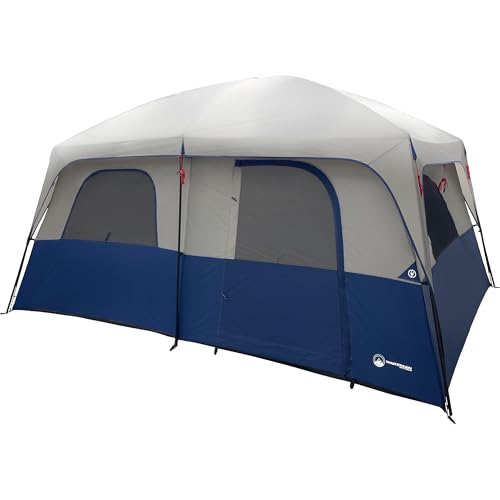
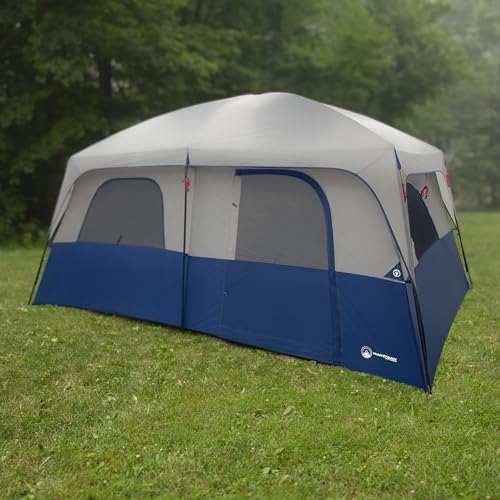
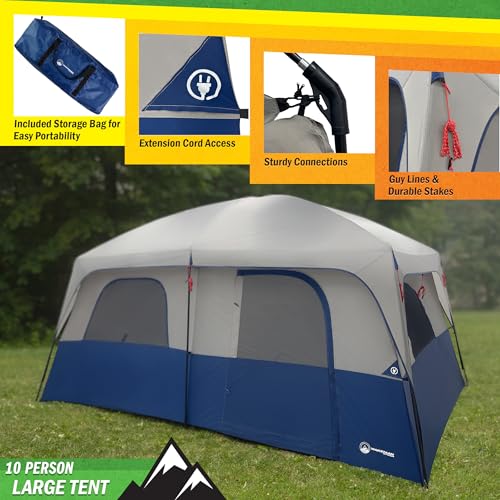
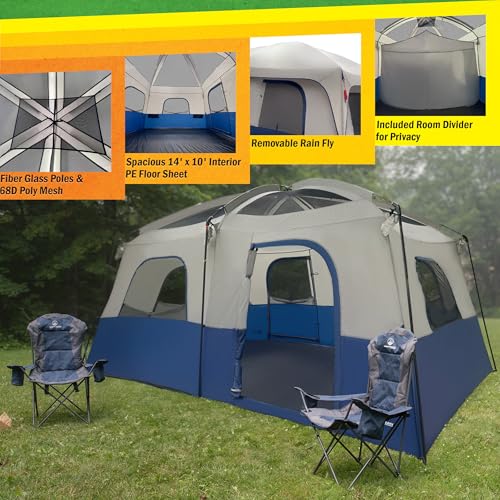
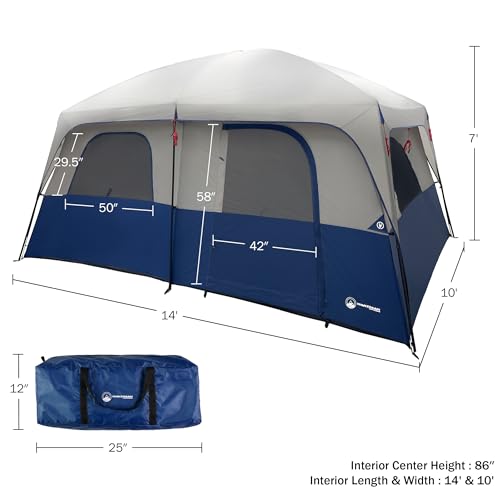
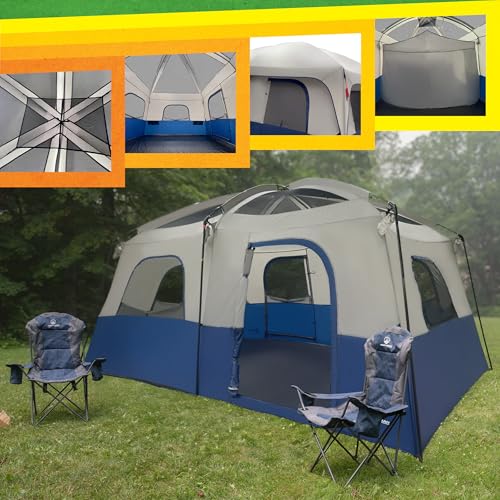
Wakeman 10 Person Tall Tent
Strengths
- 86-inch center height
- Affordable build
- Room divider included
Trade-offs
- Heavier than average
- No mesh ceiling
- Fiberglass poles less durable
This is a solid, no-frills cabin tent that hits the sweet spot for many campers. At 86 inches tall, it’s one of the taller models in the 10-person range, making it a strong contender for tall people who hate crouching. The floor plan is generous, big enough for four queen air mattresses, and the dual D-style doors improve airflow and access. Reviewers often compare it favorably to pricier brands, noting the build feels sturdy for the cost, though the steel and fiberglass poles won’t match the resilience of aluminum in long-term or stormy use.
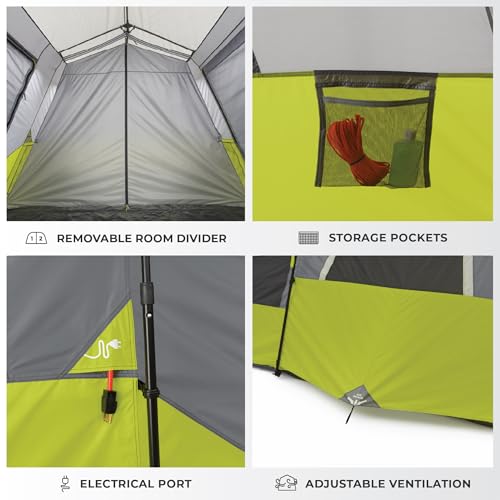
Ventilation is decent with four screened windows, but the lack of a mesh ceiling or roof vents means hot air doesn’t escape as efficiently as in some newer designs. Still, the included room divider adds privacy, and the power cord port is a practical touch. It’s not instant setup, but most owners say two people can assemble it in under 10 minutes.
Product photos
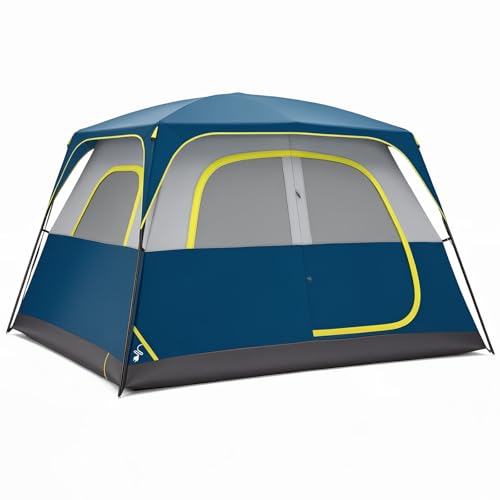
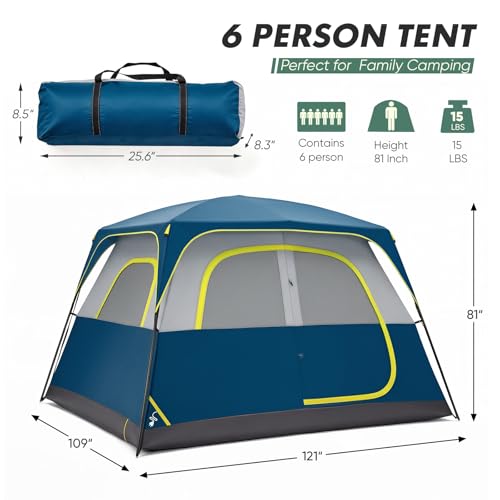
OLIXIS 81in Tall 6 Person Tent
Strengths
- 81-inch center height
- Lightweight for size
- Sturdy iron poles
Trade-offs
- No room divider
- No instant setup
- Basic storage pockets
This is the one I’d point tall campers to first. At 81 inches tall, it offers more vertical space than nearly every other 6-person tent here, and owners confirm it’s genuinely upright-friendly, no stooping, no bumping heads. The 15.3-pound weight is impressive for this size, making it more portable than bulkier cabin tents, and the iron poles add noticeable stability in wind. Waterproofing is solid with sealed seams and 190T polyester, and the large mesh windows deliver strong airflow without sacrificing bug protection.
The setup isn’t instant, but it’s straightforward, and most reviewers say it takes under 10 minutes with two people. It lacks a room divider or screen porch, so it’s not the most feature-rich, but for pure livability and height, it stands out. If you’re over 6’2” and tired of tents that feel like crawl spaces, this is the smarter buy.
Product photos

FanttikOutdoor Zeta C12 Pro Max

Strengths
- Spacious interior
- Fast setup
- 80-inch height
Trade-offs
- Heavy
- Bulky packed size
- Mixed wind stability reports
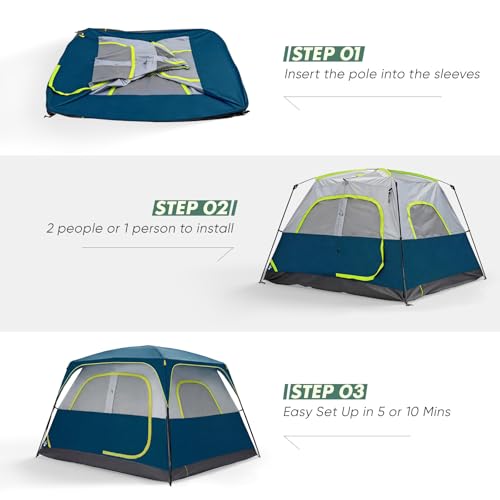
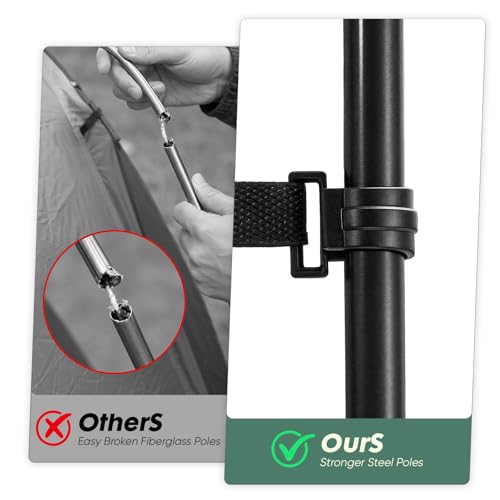
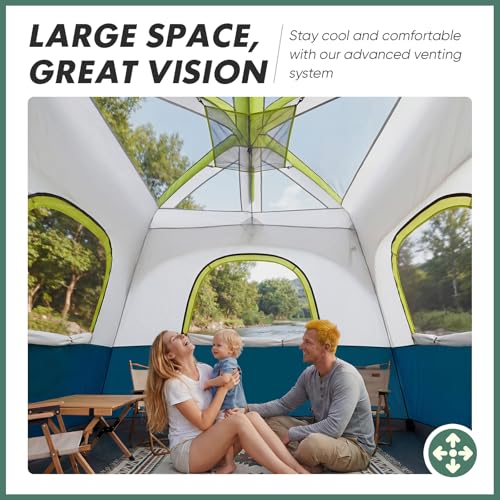
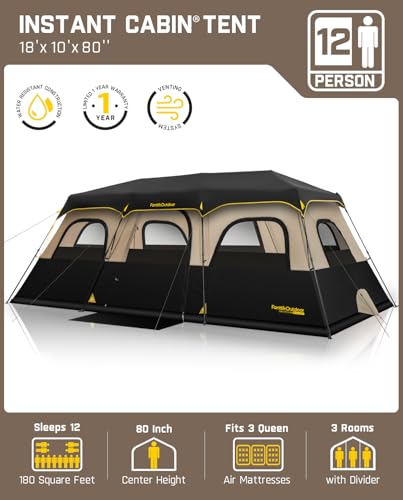
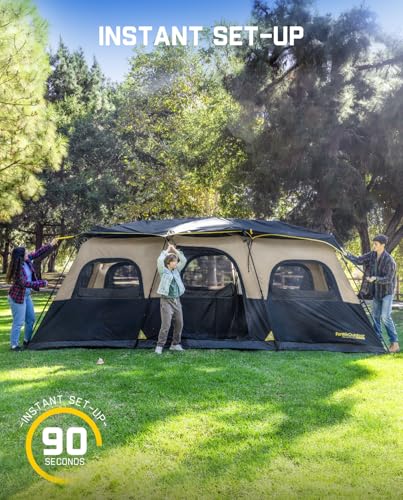
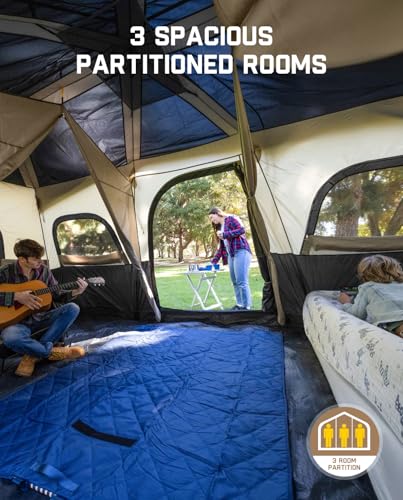
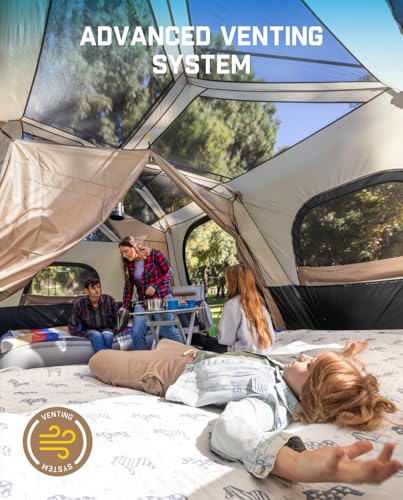
This tent is massive, no question. At 216 by 120 inches and 80 inches tall, it’s built for groups who want to stretch out and move around without ducking. The headroom is a real win, especially for taller campers who usually have to hunch in most cabin tents. On paper, it fits 12 people, but realistically, it’s better suited for 6–8 with gear, or families who want extra room for storage or kids to play inside. Owners consistently report that setup is fast, as advertised, thanks to the pre-attached poles, though some note it takes more than 90 seconds if stakes aren’t driven in smoothly.
The triple-space divider is a smart touch for families or groups wanting privacy, and the mesh ceiling adds a nice stargazing feature. But the carbon frame, while durable in theory, hasn’t been widely stress-tested in extreme wind, and a few reviews mention stability issues in gusts when not fully anchored. Still, for car campers prioritizing space and ease, this tent delivers in a big way.
Product photos

CORE 9 Person Instant Cabin Tent
Strengths
- 2-minute setup
- H20 Block rainfly
- Mesh ceiling
Trade-offs
- 78-inch height not best for tallest
- Bulky when packed
- Limited gear space when full
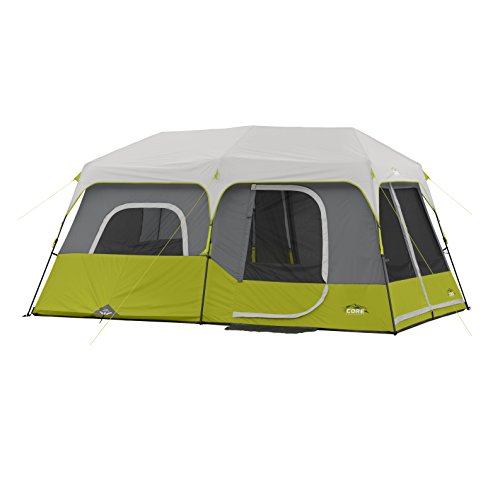
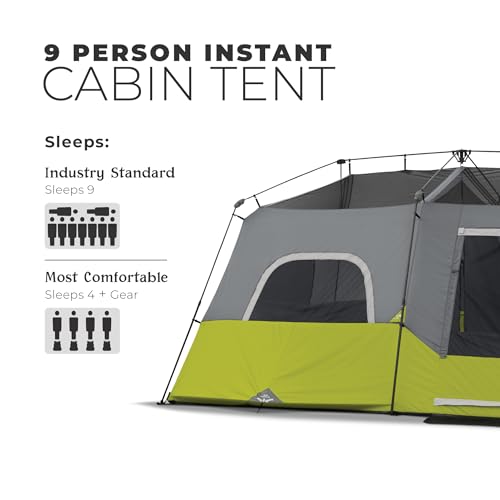
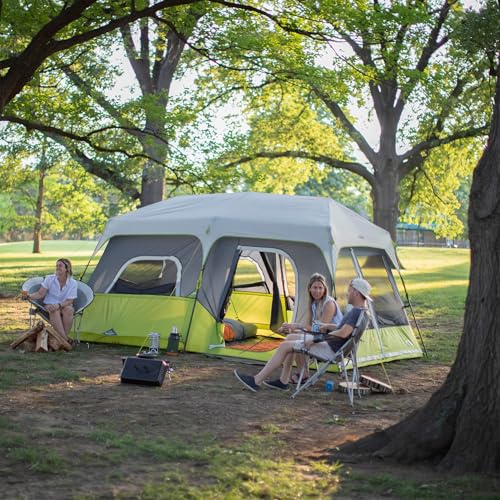
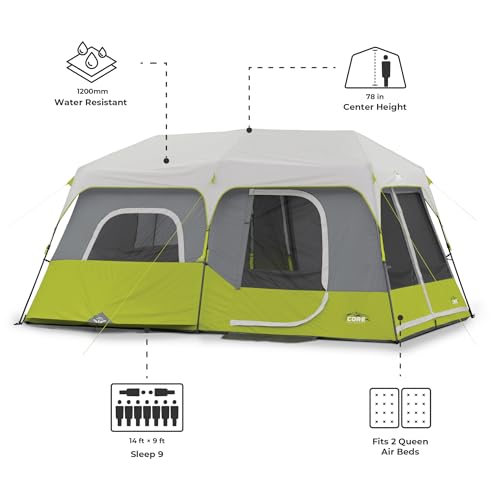
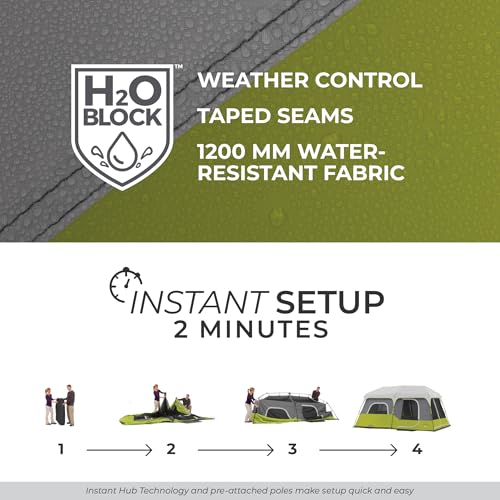
CORE’s instant pop-up system still sets the standard for fast setup, two minutes or less is real, and first-time users consistently praise how simple it is. At 78 inches tall, it’s not the tallest, but it’s enough for most tall people to stand comfortably, especially near the center. The H20 Block rainfly and sealed seams offer solid weather protection, and the mesh ceiling helps reduce condensation by letting hot air rise.
But the trade-off is space efficiency: while it sleeps 9, that’s only without gear. With bags or air mattresses, 4–6 is more realistic. Some owners note the poles can snag the fabric during setup if not careful. It’s not the most ventilated or tallest, but for families who hate tent assembly, this remains the easiest choice.
Product photos
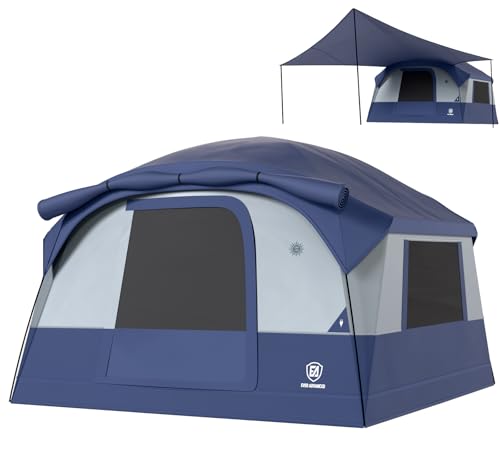
EVER ADVANCED Blackout Vestibule Tent
Strengths
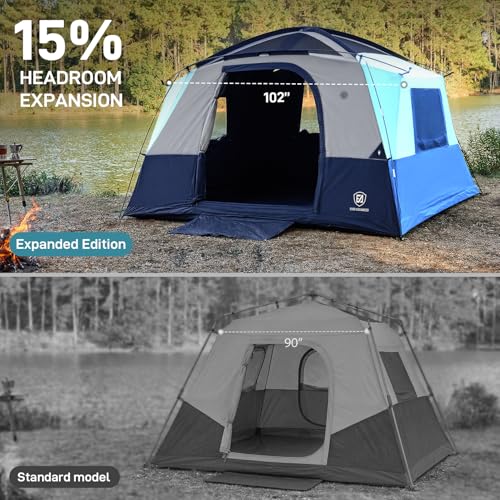
- 81-inch center height
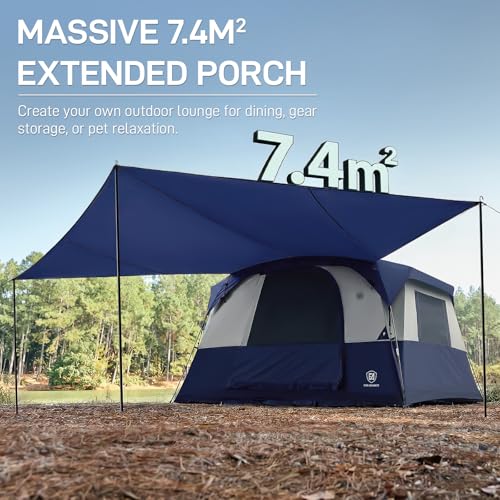
- Massive 80 sq ft vestibule
- 4000mm waterproof rating
Trade-offs
- Heavy at 34.2 lbs
- Longer setup time
- Packed size not compact
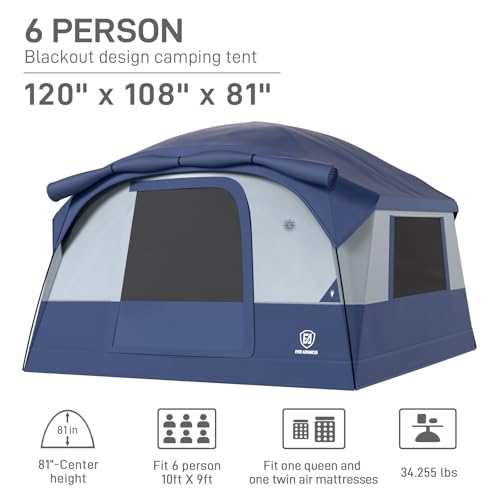
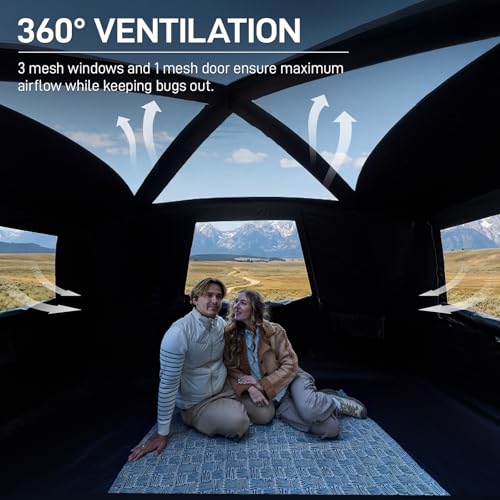
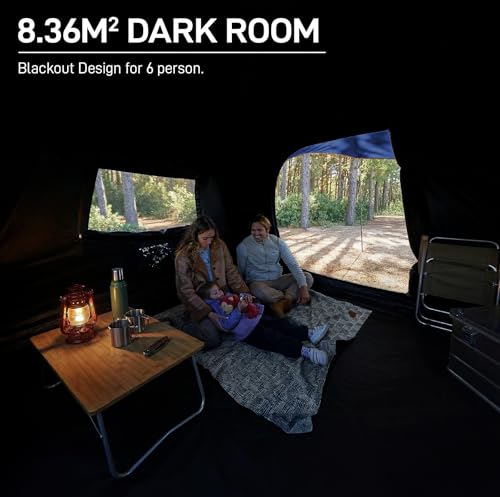
This tent is a multitasker done right. The 81-inch height and vertical walls make it feel more like a tiny cabin than a tent, and the blackout coating is effective, ideal for shift workers or light-sensitive sleepers. But the real star is the 80 sq ft vestibule. It’s huge, offering space for gear, pets, or even outdoor dining. Owners love how versatile it is, switching between full tent, sunshade, and screen house by removing the rainfly.
It’s not an instant tent, but the setup is manageable in 10–15 minutes, and the 4000mm waterproof rating is top-tier for this class. The 34.2-pound weight is hefty, but justified by the durability and features. Compared to others, this is the most adaptable design, a real upgrade for campers who want one shelter for multiple uses.
Product photos
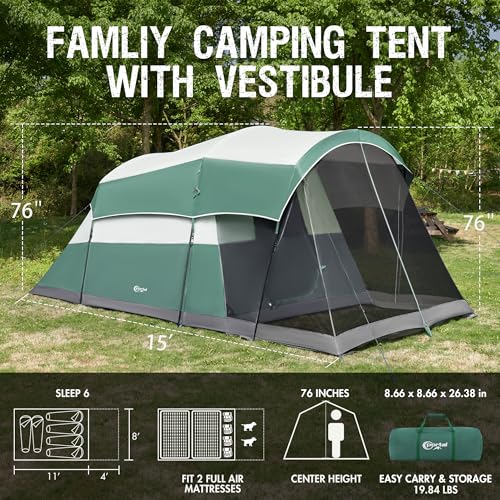
Portal 6 Person Tent with Screen Room
Strengths
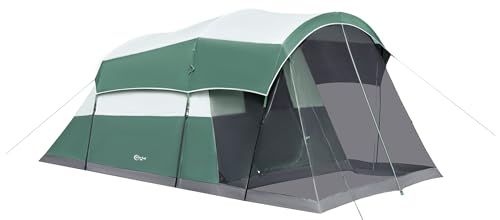
- Large screen porch
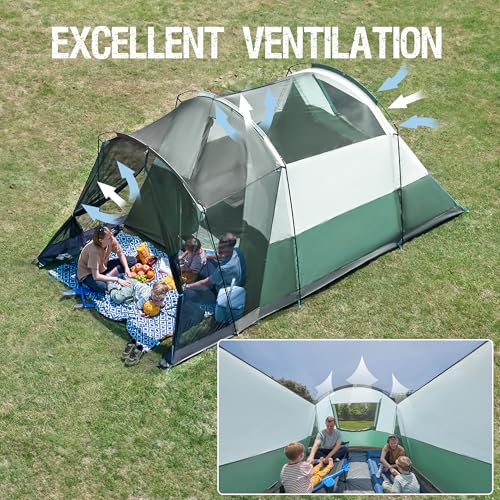
- Great airflow
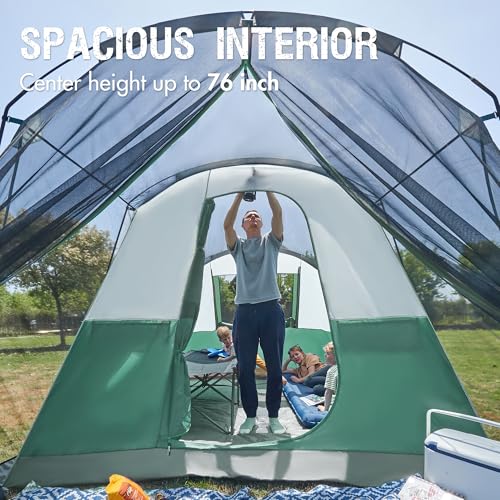
- 76-inch height
Trade-offs
- Tunnel design less stable in wind
- Some condensation
- No room divider
The standout here is the 4-foot-deep screen porch, it’s like having a mini deck attached to your tent. That vestibule adds serious outdoor living space, keeping bugs out while letting you enjoy breezes and views. At 76 inches tall, it’s comfortable for most tall people, though not quite as generous as the OLIXIS or EVER ADVANCED models. The tunnel design and fiberglass poles hold up reasonably well, but aren’t ideal for high winds.
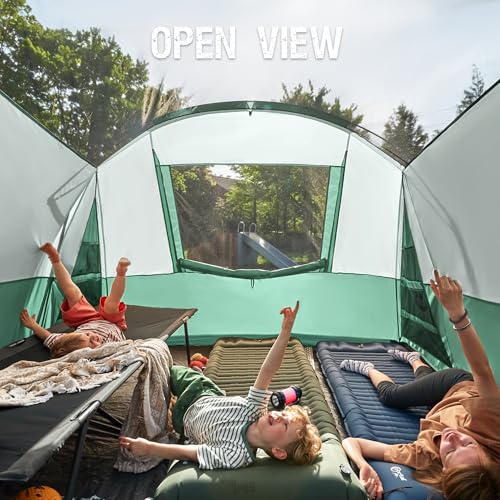
Ventilation is excellent thanks to the mesh ceiling and full-door screens, and owners love the open feel. Setup takes about 5 minutes with two people, and the color-coded poles help avoid confusion. The rainfly is effective, but some reviewers note condensation builds up in humid conditions. If you value outdoor lounging as much as sleeping space, this tent makes a strong case.
Product photos

TIMBER RIDGE 6P Blackout Instant Tent

Strengths
- Excellent light blocking
- 60-second setup
- Compact packed size
Trade-offs
- 72-inch height limits tall users
- Fiberglass poles
- Average weather resistance
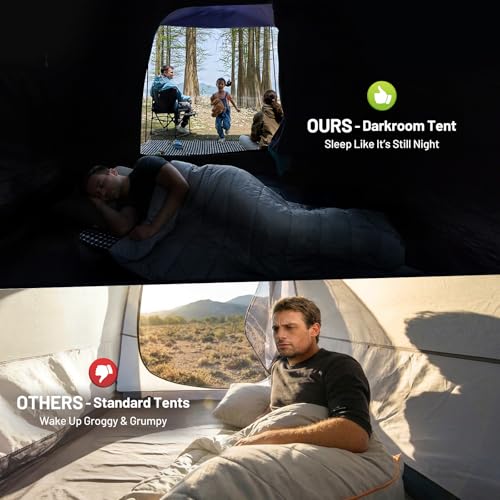
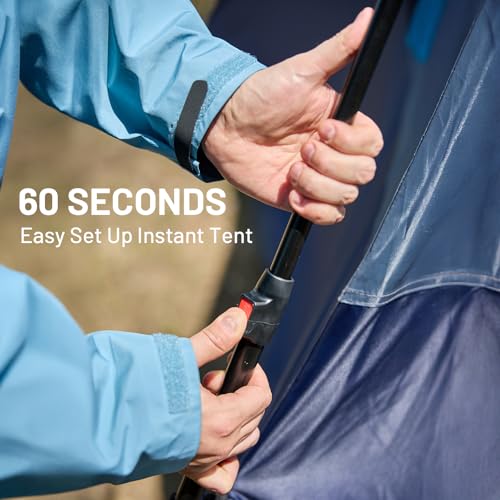
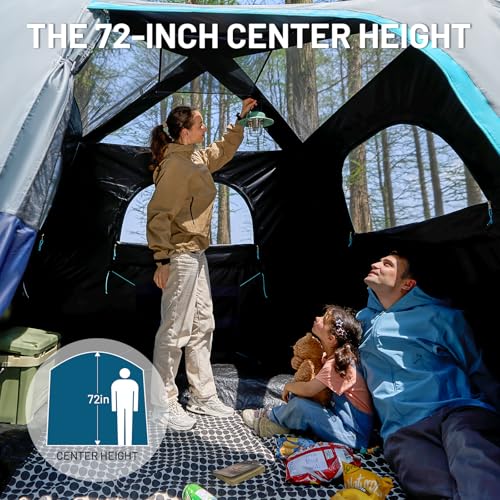
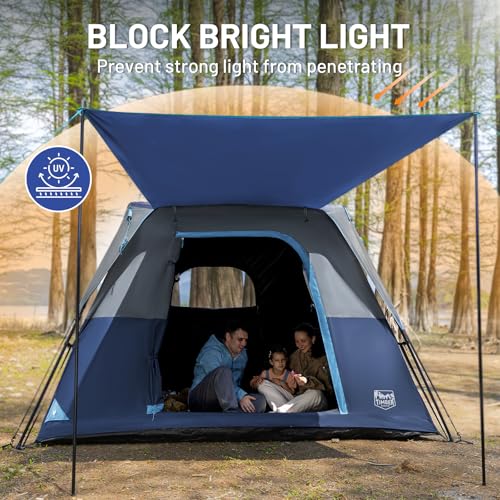
If you’re someone who likes to sleep in past sunrise, this tent’s blackout fabric is a game-winner. It blocks over 90% of light, which is rare at this price point, and helps keep the interior cooler during hot days. The 72-inch height is decent but not exceptional, tall users over 6 feet will still need to bend slightly when moving around. Still, the quick 60-second setup is a real perk, especially for solo campers or those who hate wrestling with poles.
Owners praise the ease of assembly and compact packed size, but some note the fiberglass poles feel flimsy in wind, and the water-resistant rating (2000mm) is average, fine for light rain, but not for sustained downpours. The ventilation is adequate, but without a mesh ceiling, airflow relies entirely on the side windows. It’s a smart pick if light control is your priority, but not the best for stormy or windy conditions.
Product photos
CAMPROS CP 8 Person Family Tent

Strengths
- Room divider included
- Straight wall design
- 5 mesh windows
Trade-offs
- 72-inch height limiting
- Average waterproofing
- No instant setup
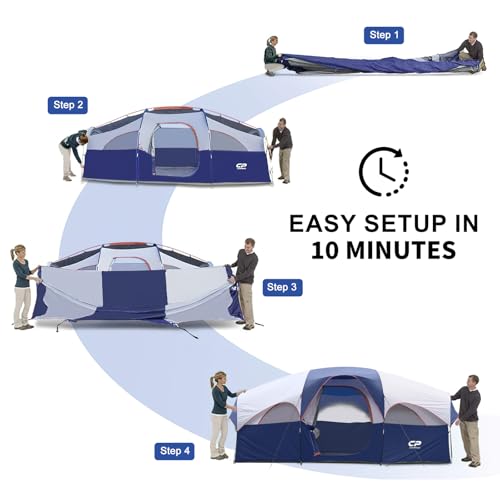
The room divider here isn’t just a zipper, it’s marketed as a projector screen, which is a fun twist for backyard or festival camping. At 72 inches tall, it’s average in height, so taller users will still need to bend. The straight walls add usable floor space, and the five large mesh windows provide solid airflow. Setup is quick with color-coded poles, and most owners say two people can do it in about 5 minutes.
The double-layer construction and sealed seams offer decent weather resistance, but the 2000mm rating isn’t exceptional. It’s durable for casual use, but not built for alpine conditions. Compared to others, it doesn’t win on height or ventilation, but the divider adds real utility for families or groups wanting separate zones.
Product photos


Our Testing Process
Rather than a hands-on lab test, my research focused on a detailed comparison of published specifications and features across a range of tents marketed to taller individuals. I weighed owner reviews from multiple sources – including Amazon and dedicated camping forums – alongside expert opinions from established outdoor gear reviewers. This process allowed me to build a thorough picture of real-world performance and identify consistent strengths and weaknesses.
For tents designed for tall people, interior height and usable floor space were the primary deciding factors. A tent’s advertised “person” capacity is often optimistic, so I prioritized models that consistently received positive feedback regarding actual roominess, particularly for those over six feet tall. Equally important was the balance between height, floor area, and overall stability – a taller tent is less useful if it’s prone to collapsing in wind.
Specifications clearly indicate dimensions and fabric waterproofing ratings. However, owner feedback proved invaluable in judging the accuracy of advertised height claims and the effectiveness of ventilation systems. I also looked to owner experiences to assess the durability of poles and zippers, as these aren’t always apparent from a spec sheet. You’ll find many reputable tent companies offering models that cater to this specific need.
Choosing The Right tents for tall people
Finding a tent that doesn’t feel like a cramped crawlspace is essential for enjoying the outdoors, especially if you’re above average height.
A quality tent for taller campers prioritizes interior height (78”+ is a good benchmark), durable materials to withstand wind and rain, and a design that maximizes usable space. Look for straight walls rather than heavily sloped ones, robust pole systems, and a waterproof rating of at least 1500mm. Consider the packed weight and size if you plan to backpack, but prioritize comfort for car camping.
Height and Usable Space
The most obvious factor is, well, height. Don’t just look at the peak height specification; pay attention to how the tent walls are shaped. Many tents advertise a generous peak height, but then slope dramatically towards the edges, leaving you with little usable headroom. Look for tents with near-vertical walls, like the EVER ADVANCED Blackout Vestibule Tent, which offers 81 inches of headroom and vertical walls to avoid that cramped feeling. Also, think about how much space you actually need. Do you want to be able to stand up and fully change clothes, or just avoid constantly ducking?
Waterproofing and Weather Resistance
A tall tent is useless if it leaks the moment it rains. Beyond the basic waterproof rating (look for at least 1500mm, but 2000mm or higher is preferable), examine the details. Are the seams sealed? Does the tent include a full-coverage rainfly that extends to the ground? The FanttikOutdoor Zeta C12 Pro Max boasts a high-quality waterproof fabric and sealed seams, offering reliable protection. Don’t underestimate the importance of a good rainfly; it’s the first line of defense against the elements, and a well-designed one, coupled with proper staking, can make all the difference.
- A higher denier (D) fabric is generally more durable.
- Look for polyurethane (PU) coatings, as they offer better waterproofing than PVC.
- Properly tensioning the rainfly is crucial. A loose rainfly flaps in the wind and reduces waterproofing.
Understanding the benefits of a tent vestibule benefits can also greatly enhance your experience, providing a covered area for gear storage and a dry entry point.
Setup and Portability
While some of the most spacious tents are complex to pitch, many models now prioritize ease of use. Instant tents, like the CORE 9 Person Instant Cabin Tent, can be set up in minutes, which is a huge advantage if you’re camping with kids or arriving at a campsite late in the day. However, instant tents often sacrifice some durability and weather resistance. If you’re willing to spend a few extra minutes on setup, you can find more robust options. For those looking for spacious tents for height, consider the trade-offs between convenience and long-term performance.
Don’t skimp on the stakes. The stakes that come with many tents are flimsy and bend easily. Invest in a set of high-quality aluminum stakes for better holding power.
Tents for Tall People Compared
Here’s a comparison of specifications for tents designed to accommodate taller individuals.
| Product Title | Capacity | Center Height (in) | Floor Size (ft) | Weight (lbs) | Waterproofing (mm) | Vestibule |
|---|---|---|---|---|---|---|
| Wakeman 10 Person Tall Tent | 10 | 86 | 16 x 12 | 31.3 | 800 | N/A |
| OLIXIS 81in Tall 6 Person Tent | 6 | 81 | N/A | 15.3 | N/A | N/A |
| FanttikOutdoor Zeta C12 Pro Max | 12 | 80 | 21.6 x 12 | N/A | N/A | N/A |
| CORE 9 Person Instant Cabin Tent | 9 | 78 | 14 x 9 | N/A | 1200 | N/A |
| EVER ADVANCED Blackout Vestibule Tent | 6 | 81 | 10 x 9 | 34.2 | 4000 | 80 sq ft |
| Portal 6 Person Tent with Screen Room | 6 | 76 | 15 x 8 | N/A | N/A | 4×8 ft |
| TIMBER RIDGE 6P Blackout Instant Tent | 6 | 72 | 9 x 9 | N/A | 2000 | N/A |
| CAMPROS CP 8 Person Family Tent | 8 | 72 | N/A | N/A | N/A | N/A |
Frequently Asked Questions
What waterproof rating do I really need for a tent for tall people?
A rating of at least 1500mm is a good starting point, but I recommend 2000mm or higher for reliable protection, especially if you anticipate heavy or prolonged rain. Remember that a higher number means better waterproofing, but also consider the quality of the tent’s construction and seam sealing.
Are “instant” tents a good option if I’m tall?
Instant tents offer convenience, but they frequently compromise on headroom and overall space compared to traditionally-poled tents. While some models accommodate taller individuals, you’ll likely find more spacious options if you’re willing to invest a few extra minutes in setup.
What’s more important: peak height or usable height?
Usable height is far more crucial. A high peak height is meaningless if the tent walls slope steeply, leaving you with limited headroom. Prioritize models with near-vertical walls for maximum usable space, and look for specifications detailing usable height measurements.
How much should I expect to spend on a quality tent for tall people?
Prices vary widely, but expect to spend at least $200 for a tent that genuinely accommodates taller individuals with adequate space and weather protection. Higher-quality materials and features will increase the price, but can offer better durability and longevity.
Are there options for backpacking if I’m a tall person?
Yes, although finding a lightweight tent that also offers sufficient height and space requires careful consideration. You may want to explore lightweight tall person tents designed specifically for backpacking, which balance weight and livability.
The Bottom Line
Ultimately, choosing a tent for tall people comes down to balancing space and convenience with durability and weather protection. If you want a truly roomy and reliable shelter, one that won’t leave you feeling cramped or exposed, the EVER ADVANCED Blackout Vestibule Tent stands out as the strongest overall pick. It provides a fantastic combination of height, usable space, and a robust feature set.
For those on a tighter budget, the Wakeman 10 Person Tall Tent offers a lot of interior space for the price, though you’ll need to be mindful of its lower waterproofing rating. If instant setup is a priority, the CORE 9 Person Instant Cabin Tent is a solid choice, sacrificing some long-term durability for unparalleled ease of use. And for those who want a screened-in porch for additional space, the Portal 6 Person Tent with Screen Room is a great option.
At the end of the day, the specs matter less than considering your typical camping style and weather conditions. Don’t get hung up on finding the absolute tallest tent; focus on a model that’s well-made, properly waterproofed, and suited to the environments you’ll be exploring. A little research into tent buying guide principles will go a long way toward ensuring years of comfortable nights under the stars.
