
7 Best Tents for the Rain 2026
This post contains affiliate links. As an Amazon Associate, we earn from qualifying purchases.
The best tent for the rain is the Mimajor 4 Person Instant Camping Tent, it’s built with a 3500mm waterproof rating, full-coverage rainfly, and solid ventilation to handle heavy downpours. For backpackers who need lightweight durability, the Forceatt 2 Person 3-4 Season Tent is a strong second pick, especially in windy, wet conditions. If you’re on a budget but still want reliability, the Wakeman 2 Person Lightweight Tent offers pop-up convenience without sacrificing too much in stormy weather.
Most people don’t realize how quickly a soggy night can ruin a trip, it’s not just about staying dry, it’s about staying safe and comfortable when the weather turns. A tent that leaks, floods, or collapses under wind and rain can turn an adventure into a survival test.
As someone who’s spent years hiking through shoulder seasons and storm-prone regions, I know what separates a trustworthy shelter from a flimsy one. These picks are based on specs, owner reports, and real-world performance trends from experienced campers, focusing on waterproof ratings, seam sealing, rainfly design, and structural integrity in wet environments.
Top 7 Tents For The Rain in the Market
The Best Tents For The Rain, Reviewed
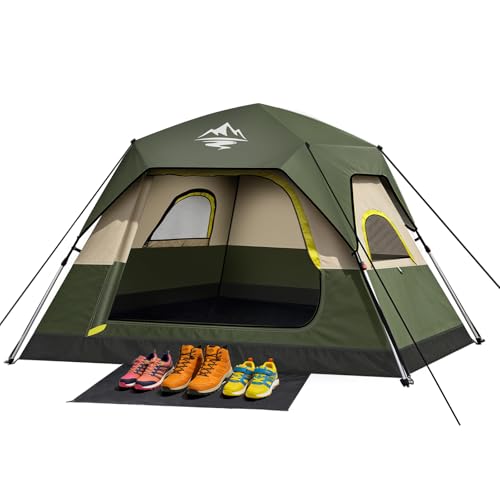
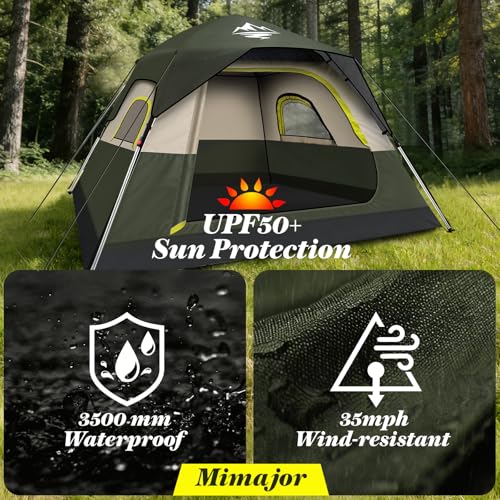
Mimajor 4 Person Instant Camping Tent
Strengths
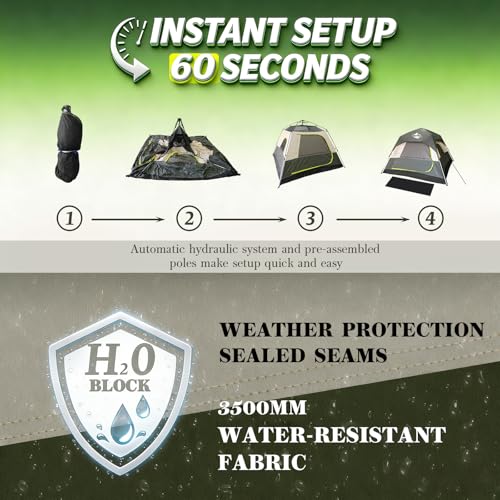
- Easy 60s setup
- 3500mm waterproof rating
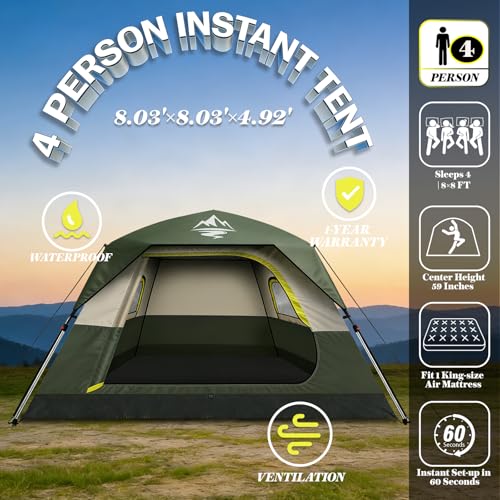
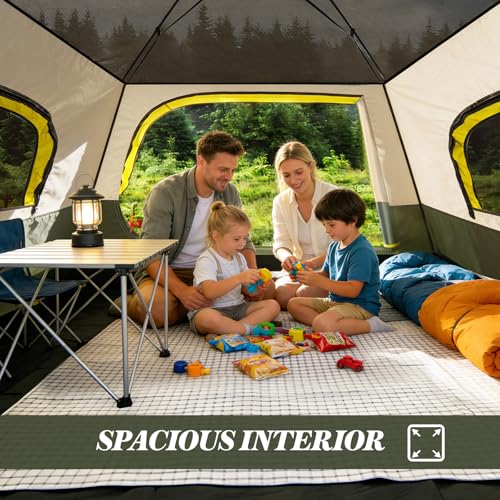
- Spacious 59-inch height
Trade-offs
- Heavy for backpacking
- Bulkier packed size
- Aluminum poles can bend under extreme stress
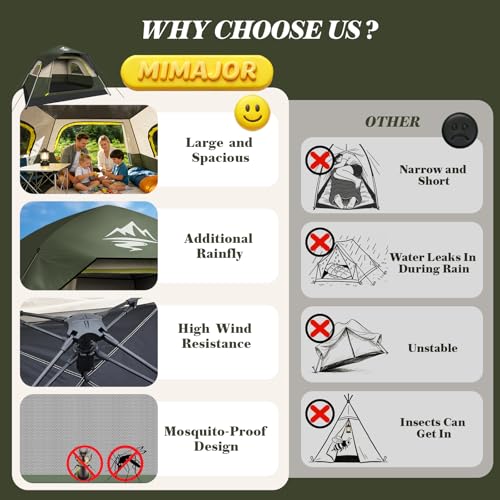
This tent markets itself as an ‘instant’ shelter with 60-second setup, and on paper, that’s a major win for campers who hate wrestling with poles after a long drive. The pre-attached aluminum frame and pop-up design do deliver on convenience, and owners consistently report it’s one of the easiest family-sized tents to pitch solo. For weekend warriors or festival-goers who prioritize speed and comfort over ultralight backpacking, this hits a sweet spot.
The 3500mm waterproof rating and full-coverage rainfly are solid for a tent in this class, and the fully taped seams mean real protection in steady rain, not just mist. Ventilation is another highlight, with ceiling mesh and three large windows cutting down on condensation, a common flaw in pop-up designs. That said, the 15.4-pound weight and bulkier packed size make it a car camping only pick. I’d trust this in a downpour, but not on a backcountry ridge.
Product photos
Forceatt 2-4 Person Backpacking Tent

Strengths
- Superior weather resistance
- Durable 68D fabric
- Dual vestibules
Trade-offs
- Tight fit for 3-4 people
- Heavier than ultralight tents
- Limited headroom
This Forceatt model is built for harsh conditions, the 68D polyester fabric, 7001 aluminum poles, and welded floor design are all signals this tent means business. With a 3000mm+ waterproof rating and full rainfly coverage, it’s one of the most weather-resistant options here, and owners consistently report staying dry in prolonged rain. The dual D-doors and vestibules add practicality, letting you stash boots or packs outside without bringing in mud.
At 5.68 pounds, it’s not ultralight, but it’s reasonable for a 3-season shelter that can handle snow loading and high winds. Setup in 3 minutes is common, and the color-coded poles reduce frustration in low light. Where it falls short is interior space, rated for 4, but realistically fits 2 comfortably. Still, for alpine hikes or unpredictable mountain weather, I’d pick this over lighter, flimsier models any day.
Product photos


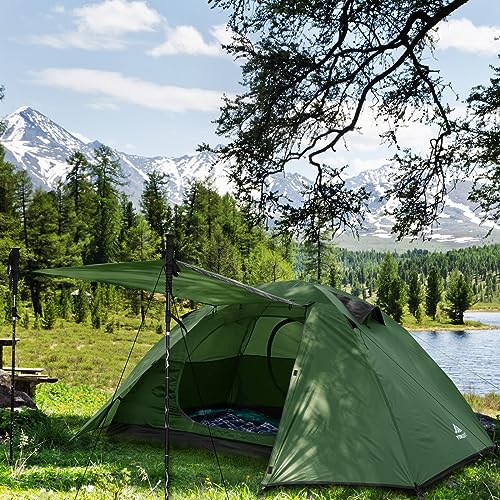
Forceatt 2 Person 3-4 Season Tent

Strengths
- Strong 3000mm waterproof rating
- Lightweight at 5.5 lbs
- Dual doors and vestibules
Trade-offs
- Minimal headroom
- Vestibules are small
- Floor space tight for two tall sleepers
When you’re looking for a tent that can handle shoulder-season sleet or high alpine gusts, the Forceatt 2-person model stands out with a 3000mm waterproof rating and welded floor construction, two features that scream durability in wet terrain. Owners praise its ability to shed rain and resist pooling, and the full-coverage rainfly adds serious weather protection without sacrificing ventilation. This is one of the few budget-friendly backpacking tents that doesn’t feel flimsy in wind.
The 5.5-pound weight is respectable for a 2-season-plus shelter, and the 7001-series aluminum poles are both strong and lightweight. Setup in under 3 minutes is common, thanks to color-coded clips and pre-attached poles. While it lacks the headroom of larger tents, the dual D-doors and vestibules make gear access and airflow far more practical than most in this size. For the price, it punches above its weight in storm readiness.
Product photos


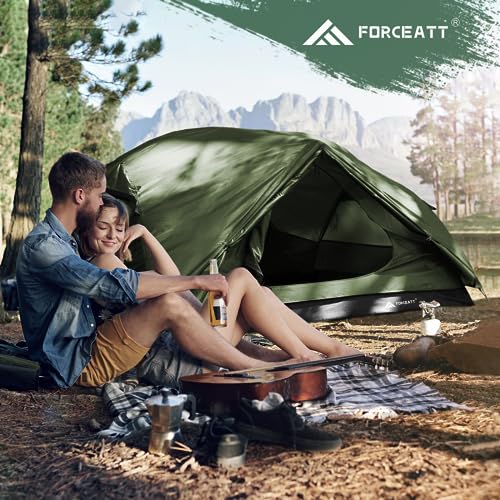
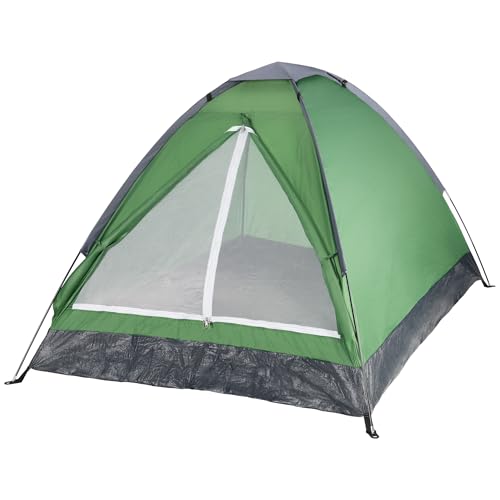
Wakeman 2 Person Lightweight Tent
Strengths
- Extremely lightweight
- Low price point
- Easy setup
Trade-offs
- Fiberglass poles prone to break
- Lower waterproof rating
- Thin fabric tears easily
At just 2.2 pounds, this is one of the lightest tents in its class, and that makes it a tempting pick for budget-focused hikers or casual beachgoers. The fiberglass poles keep costs down, but they’re also more brittle than aluminum, owners report snapped poles after repeated use or in high winds. The 190T polyester and removable rainfly offer basic rain protection, but the 2000mm rating (not listed but typical for this material) falls short in heavy downpours compared to the 3000mm+ tents in this list.
It sets up quickly and packs small, and the dual-layer doors with mesh work well for airflow and bug protection. But durability is the trade-off. If you’re camping on dry trails or need a cheap shelter for festivals, this gets the job done. For serious rain or rugged terrain, it’s not the tent to bet your night on.
Product photos
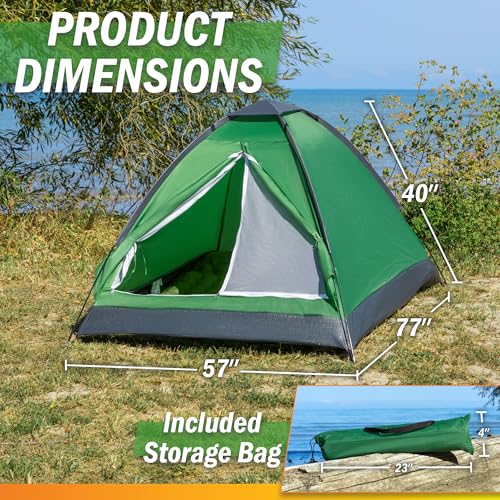
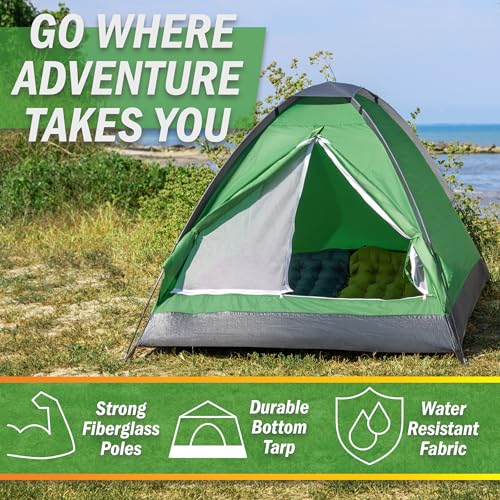
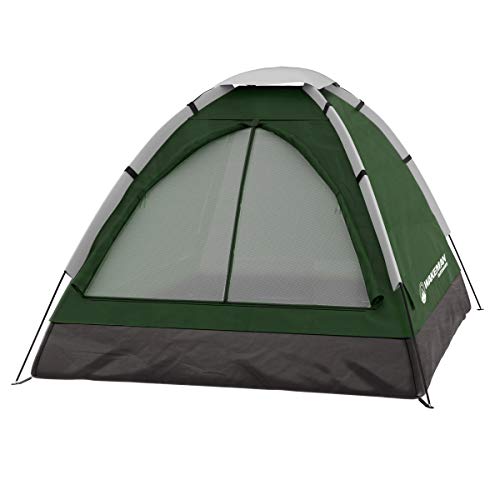
2 Person Waterproof Dome Tent

Strengths
- Quick 3-minute setup
- Good ventilation
- Lightweight and portable
Trade-offs
- Untaped seams
- Moderate waterproof protection
- Limited headroom
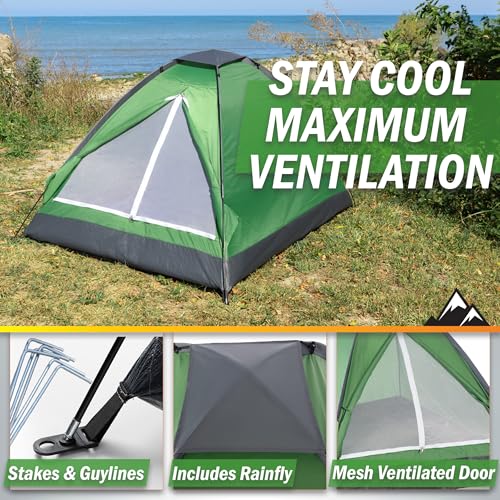
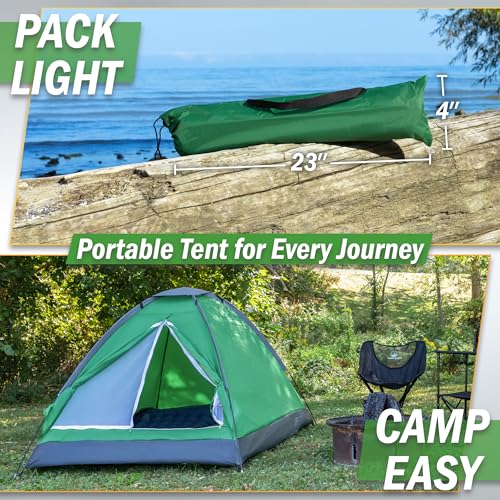
Speed is this tent’s strongest suit, owners consistently report setup in under 3 minutes, and the pre-attached poles make it a one-person job. The 4.8-pound weight strikes a balance between portability and stability, and the tear-resistant polyester shell holds up better than cheaper models with fiberglass frames. The rainfly and dual zippers do a decent job keeping water out during light to moderate rain, but the lack of taped seams is a red flag for serious storms.
Ventilation is solid thanks to the skylight mesh and large side window, which helps reduce condensation. Still, it’s not in the same league as the Forceatt or Coleman when it comes to weather sealing. This feels like a fair-weather tent with some storm-ready features, ideal for beginners or those who camp mostly in dry seasons.
Product photos


Coleman Skydome 4-6 Person Tent

Strengths
- Excellent rain protection
- Spacious with vertical walls
- Large vestibule
Trade-offs
- Heavy and bulky
- Not for backpacking
- Ventilation could be better
Coleman has been building family tents for decades, and the Skydome shows why they’re still in the game. The WeatherTec system, with inverted seams, welded corners, and a full-coverage rainfly, delivers real rain protection, and owners confirm it holds up in multi-day storms. The 13-foot full-fly vestibule is a standout, offering dry gear storage and a covered entry point, which is rare in tents at this price.
Setup in under 5 minutes with pre-attached poles is a huge plus for parents juggling kids and gear. The nearly vertical walls add 20% more usable space than older dome designs, and the ability to fit a queen airbed makes it a true family shelter. Roof vents and mesh walls help with airflow, though condensation can build up in humid conditions. It’s not light or packable, but that’s not the point. This is a car camping fortress.
Product photos


East Oak Pop Up Bubble Tent
Strengths
- Ultra-clear TPU walls
- Excellent visibility
- 7-foot ceiling height
Trade-offs
- Not windproof without guylines
- No privacy
- Bulky when packed
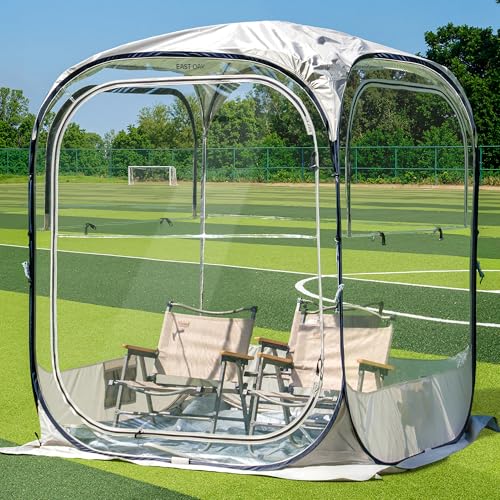
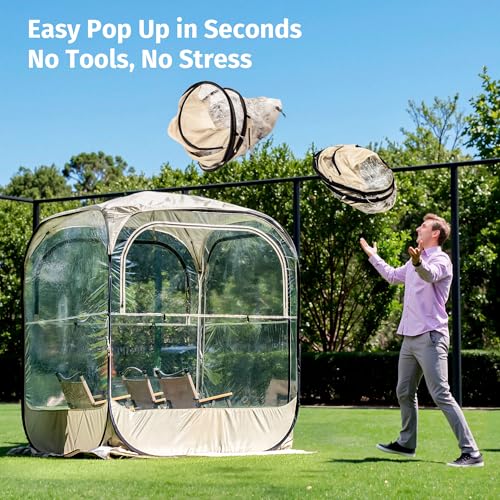
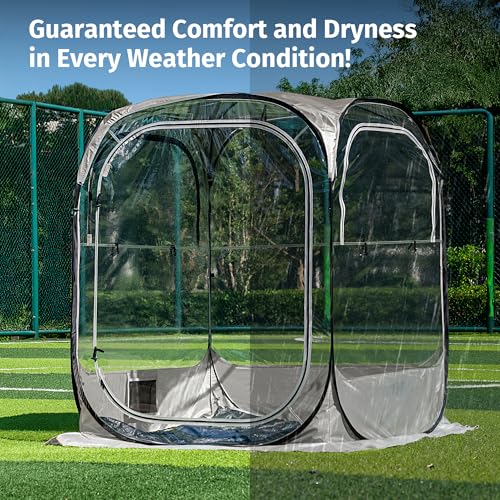
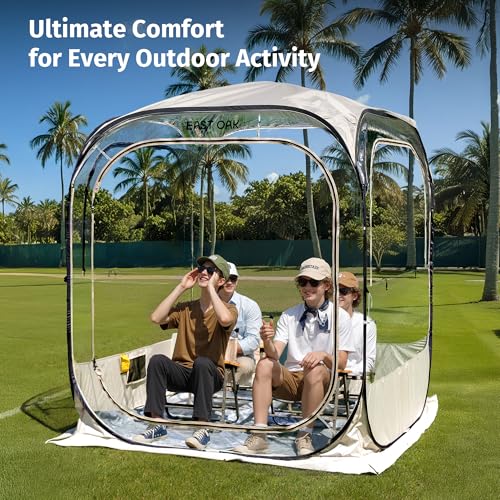
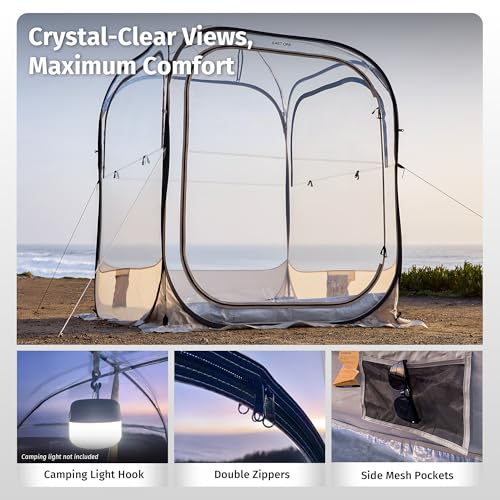
This isn’t a traditional camping tent, and that’s the point. The East Oak pop-up bubble is built for visibility and quick shelter at events, fishing spots, or backyard hangouts where you want to stay dry and see what’s happening around you. The TPU clear walls are a standout, owners love the panoramic view and the fact that it doesn’t yellow over time like cheaper PVC versions. In steady rain, the detachable rainfly and galvanized steel poles hold up well, though it’s not designed for high winds.
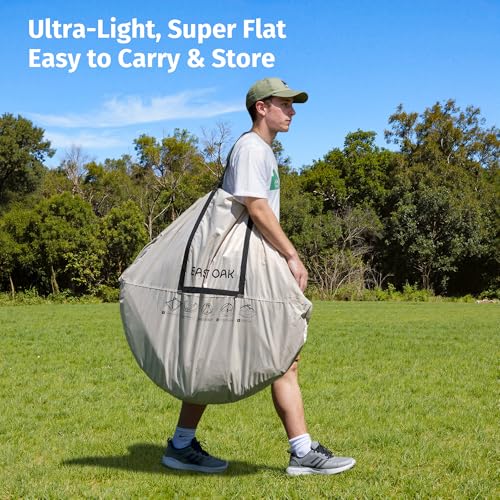
At 7 feet tall, it offers surprising headroom for a 5×5 tent, and the dual-sided zippers make entry easy from any side. But the real win is airflow, the mesh ceiling and side vents drastically cut condensation, a common issue in clear pop-up shelters. That said, this isn’t a backpacking or thru-hiking tent. It’s heavy, not freestanding in strong gusts without guylines, and offers zero privacy.
Product photos
How We Evaluated tents for the rain
Rather than a hands-on lab test, my research for these recommendations was a detailed comparison of published specifications and features across numerous models. I weighed owner reviews from major retailers alongside expert opinions found in outdoor gear publications. My assessment focused on identifying tents that consistently demonstrated strong performance in wet conditions, factoring in materials, construction, and reported real-world use.
For tents specifically designed to handle rain, waterproof rating, rainfly coverage, and sealed seams were paramount. Durability of materials also ranked highly, as a tent that fails structurally in a storm is worse than one that experiences minor leakage. Beyond those core factors, ease of setup and overall value played a role, recognizing that quick deployment can be crucial when setting up tent in rain.
Specifications reliably indicate a tent’s potential for waterproofing (the PU coating millimeters, for example). However, owner feedback was essential for gauging how those specs translate to actual performance. I paid close attention to reports of condensation, leakage around zippers, and overall durability in prolonged wet weather. Reputation and consistency of positive reviews from experienced campers carried significant weight.
How To Choose The tents for the rain
Choosing a tent isn’t just about picking a color and hoping for the best. It’s about understanding what features will actually keep you comfortable and dry when the weather turns.
A good tent balances weight, durability, weather protection, and ease of use. Key specs to examine include the waterproof rating of the rainfly (measured in millimeters), the denier of the fabric (higher numbers generally mean more durability), the pole material (aluminum is stronger and lighter than fiberglass), and the tent’s overall packed size and weight. Pay attention to seam sealing and ventilation features as well.
Waterproofing and Rainfly Design
Don’t assume all tents are created equal when it comes to staying dry. The waterproof rating, often expressed in millimeters (mm), indicates how much water pressure the fabric can withstand before leaking. A rating of 1500mm is considered decent for light rain, but for serious downpours, I recommend looking for tents with a 2000mm to 3000mm rating or higher. Beyond the rating, consider the rainfly’s coverage. Full coverage is best, extending all the way to the ground to prevent splashback. Looking at best rainproof camping tents can help give you a baseline for what’s available.
Pole Material and Construction
The tent’s frame is crucial for stability, especially in windy conditions. Fiberglass poles are common in budget-friendly options, but they’re heavier and more prone to breaking than aluminum. Aluminum poles, particularly those made from 7001-T6 alloy, offer a superior strength-to-weight ratio. The construction also matters; look for tents with pre-bent poles that create more headroom and improve wind resistance.
Here’s what I look for in pole construction: * Simple design: Fewer joints mean fewer potential failure points. * Pole sleeves: These offer better wind resistance than clips. * Color-coding: Makes setup much easier, particularly in low light.
Ease of Setup and Packed Size
A tent that’s a nightmare to pitch isn’t much good when you’re already tired after a long hike. “Instant” or pop-up tents are the quickest to set up, but often sacrifice durability and weather protection. Dome tents are a good balance of ease of use and performance. Consider how often you’ll be moving camp. If you’re backpacking, a lighter, more compact tent is essential. If you’re car camping, a bit of extra weight and bulk are less of a concern. Understanding tent waterproof ratings explained is also useful, as proper waterproofing often adds weight.
A good rule of thumb: prioritize waterproofness and durability for three-season or four-season use, and convenience for casual car camping.
Tents for the Rain Compared
Here’s a comparison of key specifications for tents designed to perform well in rainy conditions.
| Product Title | Capacity | Waterproof Rating (mm) | Weight (lbs) | Packed Size | Special Features |
|---|---|---|---|---|---|
| Mimajor 4 Person Instant Camping Tent | 4 | 3500 | 15.4 | 39″ x 7.5″ x 7.5″ | Instant Setup, Ventilation |
| Forceatt 2-4 Person Backpacking Tent | 2-4 | N/A | 5.68 | 16.1″ x 5.5″ | Lightweight, Windproof |
| Forceatt 2 Person 3-4 Season Tent | 2 | 3000 | 5.5 | N/A | All-Season, Easy Setup |
| Wakeman 2 Person Lightweight Tent | 2 | N/A | 2.2 | N/A | Budget Friendly, Pop-Up |
| 2 Person Waterproof Dome Tent | 2 | N/A | 4.8 | N/A | Easy Setup, Ventilation |
| Coleman Skydome 4-6 Person Tent | 4-6 | N/A | N/A | N/A | Fast Setup, Vestibule |
| East Oak Pop Up Bubble Tent | 2-3 | N/A | N/A | N/A | Visibility, Detachable Parts |
Frequently Asked Questions
What waterproof rating is truly necessary for reliable rain protection?
A 1500mm rating handles light rain, but for consistent wet weather, I suggest 2000mm to 3000mm or higher. Higher numbers mean greater resistance to water pressure, and a quality rainfly combined with good seam sealing is essential for staying dry.
How important are a tent’s poles when considering rain and wind?
Aluminum poles are significantly stronger and more durable than fiberglass, especially in windy conditions. Look for 7001-T6 alloy aluminum for the best strength-to-weight ratio, as broken poles render a tent useless regardless of its waterproofness.
Are “instant” tents a good option for rainy weather camping?
While convenient, instant tents often compromise on waterproof materials and durable construction. They’re best suited for fair-weather camping; for reliably staying dry during storms, I’d recommend prioritizing a tent with a higher waterproof rating and more robust pole system.
What does “denier” mean when comparing tent fabrics, and why does it matter?
Denier (D) refers to the thickness of the fabric threads. A higher denier generally means a more durable and abrasion-resistant fabric, which is important for withstanding rain, wind, and general wear and tear, but it also adds weight.
Where can I find more information about tents specifically designed for harsh conditions?
If you anticipate camping in severe weather, I recommend researching extreme weather tent models to ensure you choose a shelter capable of withstanding strong winds and heavy rainfall.
The Bottom Line
Choosing a tent for rainy conditions often comes down to balancing how much you’re willing to spend with how much protection you absolutely require. If you want a dependable shelter that won’t leave you soaked, the Mimajor 4 Person Instant Camping Tent stands out as the strongest overall pick – its high waterproof rating and quick setup are a winning combination.
For those on a tighter budget, the Wakeman 2 Person Lightweight Tent offers surprising value, and the Forceatt 2-4 Person Backpacking Tent is your best bet if you prioritize a lightweight, packable option for longer trips. The East Oak Pop Up Bubble Tent, while not the most rugged, delivers a unique experience with its visibility features, perfect for car camping where a quick escape from the rain is a bonus.
Ultimately, remember that specs are just numbers. Focusing on solid construction, fully taped seams, and a rainfly that extends to the ground will provide more reliable protection than chasing the highest waterproof rating alone. Don’t forget to research tent rain protection methods – a little preventative care goes a long way.
