
8 Best Tents for Winter 2026
This post contains affiliate links. As an Amazon Associate, we earn from qualifying purchases.
The Underwood 2-Person Winter Tent stands out as the best overall winter tent for its rugged build and reliable 5000mm waterproofing, while the Underwood 1-Person Winter Tent is a solid budget-friendly option that doesn’t cut corners on weather resistance. For those wanting true versatility in extreme conditions, the REDCAMP Hammock Hot Tent offers unique heated capability with a stove jack, though it demands careful setup and fuel planning.
Winter camping isn’t just cold summer camping. You need a shelter that can handle snow loads, high winds, and freezing temps without failing. Too many tents claim to be “four-season” but fall apart when it matters.
This guide cuts through the marketing. I compared specs and real-world feedback to find tents that actually hold up. You’ll learn what features matter most, from pole strength to waterproof ratings, and which models deliver based on design, durability, and user experience in the field.
Top 7 Tents For Winter in the Market
The Best Tents For Winter, Reviewed
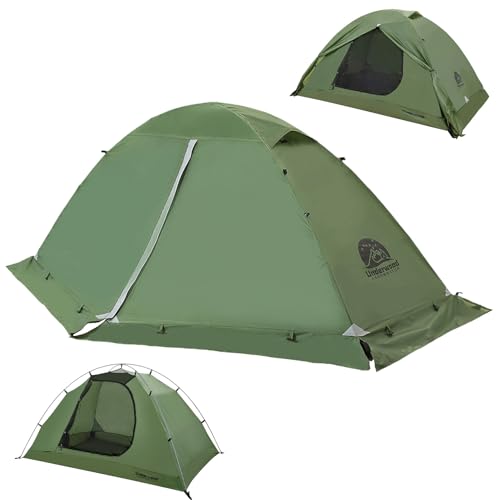
Underwood 2-Person Winter Tent
Strengths
- PU5000mm waterproofing
- Freestanding design
- Double-layer doors
Trade-offs
- Heavy for two-person use
- Limited headroom
- Mesh could clog in snow
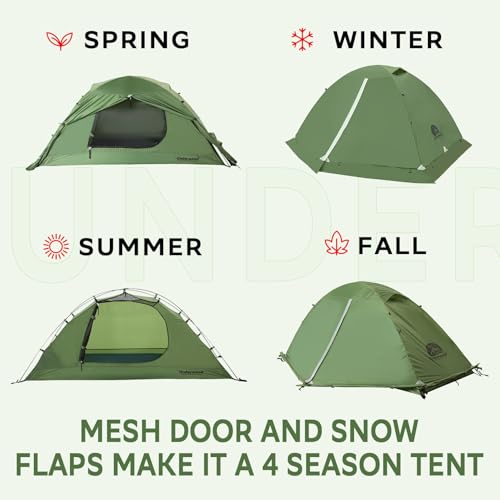
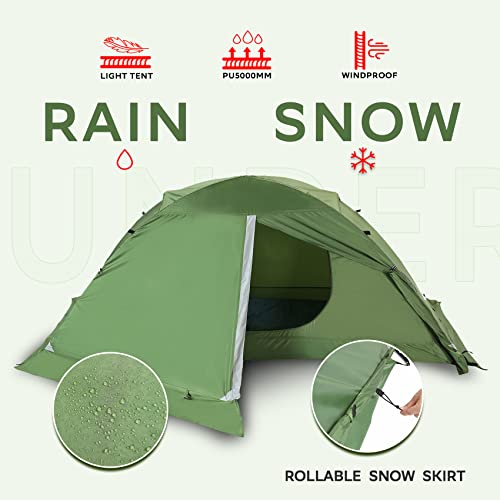
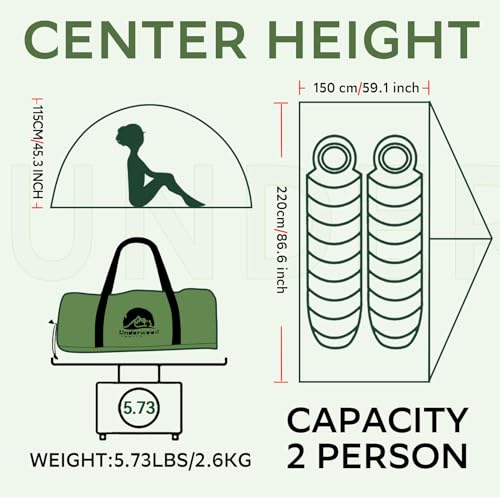
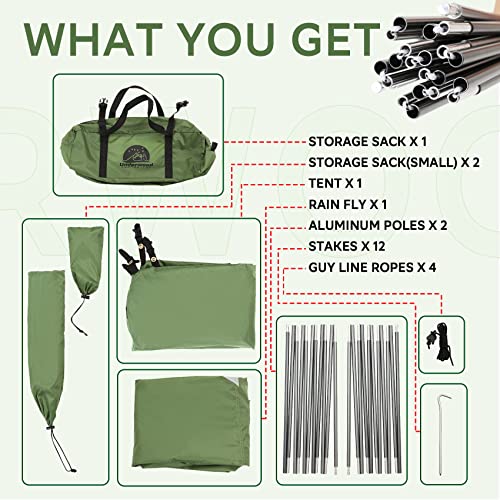
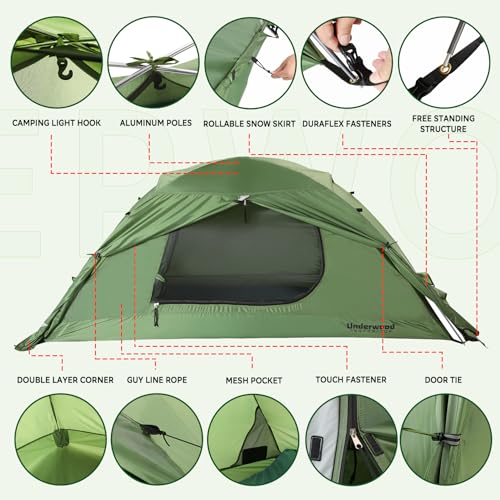
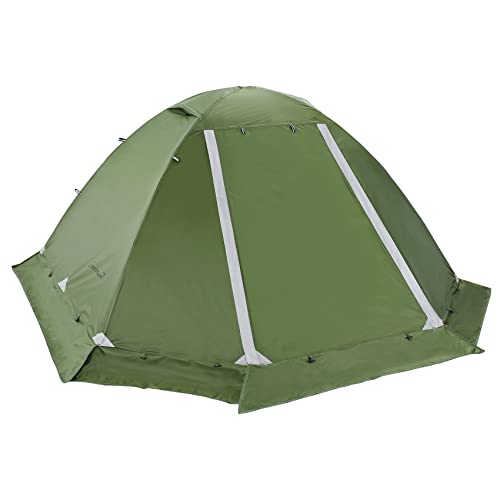
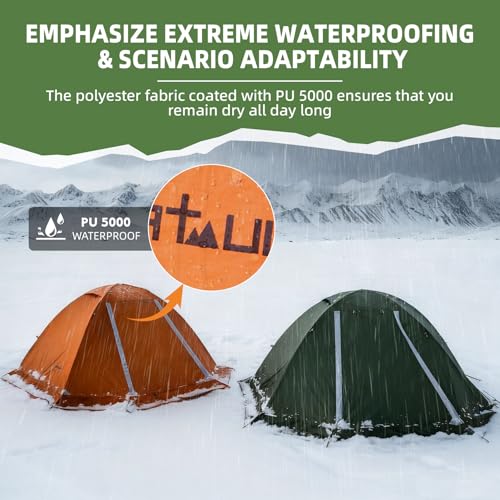
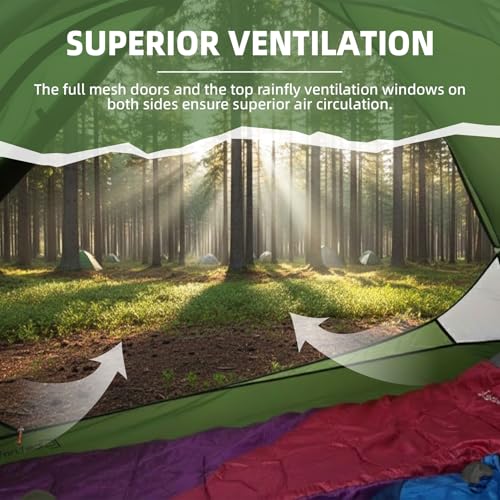
This tent hits a strong balance between durability and packability, making it a solid contender for the ‘best overall’ winter shelter. On paper, the PU5000mm coating and full rain fly give it serious weather resistance, which aligns with what owners consistently report, staying dry even during prolonged snowstorms. The 45.3-inch center height is modest but usable for sitting up, and the 86.6-inch floor length fits two sleepers if they’re not overly tall.
I appreciate the double-layer doors and mesh pockets, small touches that matter when you’re spending days cooped up in bad weather. Compared to lighter options, it’s a bit heavier at 5.73 pounds, but that trade-off brings sturdier poles and better storm readiness. For someone wanting one tent to handle everything from autumn hikes to spring mountaineering, this is a smart pick.
Product photos
Underwood 1-Person Winter Tent
Strengths
- Ultra-compact pack size
- Full winter specs
- Lightweight for 4-season
Trade-offs
- Cramped for tall users
- Minimal gear space
- Single vestibule
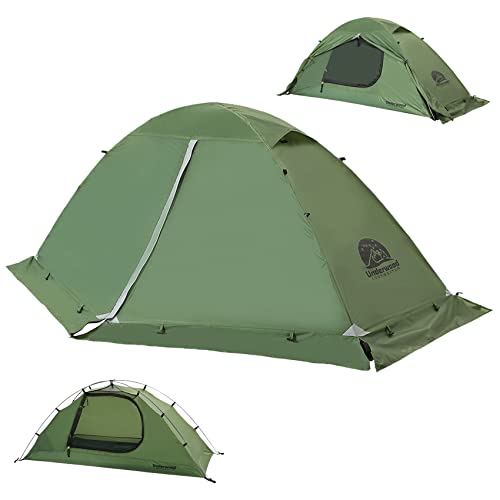
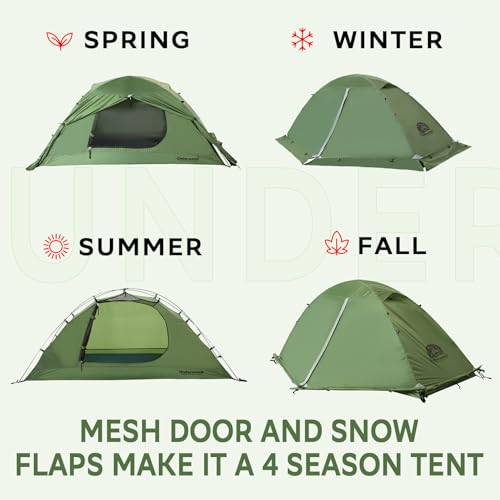
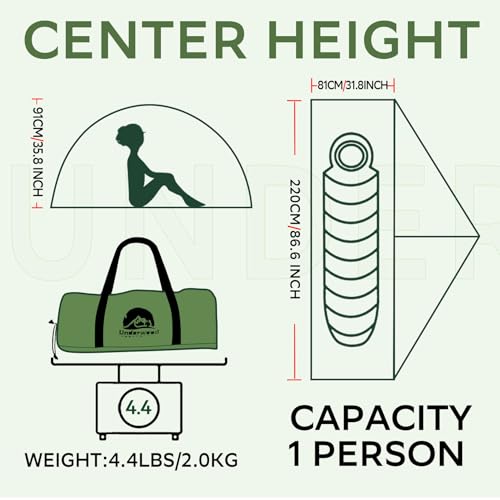
Solo winter hikers will appreciate this compact, no-nonsense shelter. At 4.4 lbs and a packed size smaller than many sleeping bags, it’s genuinely backpackable, a rarity for true four-season designs. The PU5000mm coating and aircraft-grade poles mirror the two-person version, so you don’t sacrifice weather protection for size.
Owners report it holds up well in wind and snow, though condensation can build up without careful ventilation. The 31.8-inch floor width is tight for gear, but fine if you’re disciplined about storage. Compared to the two-person model, this one wins on efficiency, everything is scaled down logically. For solo missions where weight and space matter, it’s hard to beat.
Product photos
Clostnature 2-Person Ultralight Tent
Strengths
- Low trail weight
- Quick one-person setup
- Dual vestibules
Trade-offs
- Zippers feel flimsy
- Packed size is bulky
- Stakes could be stronger
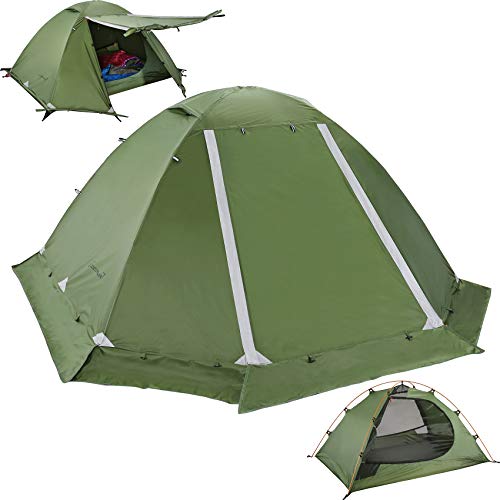
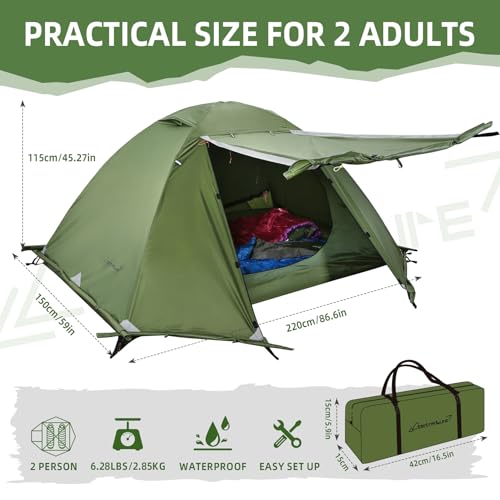
If you’re counting ounces and still want real winter capability, this Clostnature tent stands out. At 5.33 lbs trail weight, it’s one of the lighter true four-season options, and owners praise how quickly it pitches, a big win when you’re shivering at dusk above treeline. The 220 cm length is generous, and the dual vestibules are practical for storing boots and packs out of the snow.
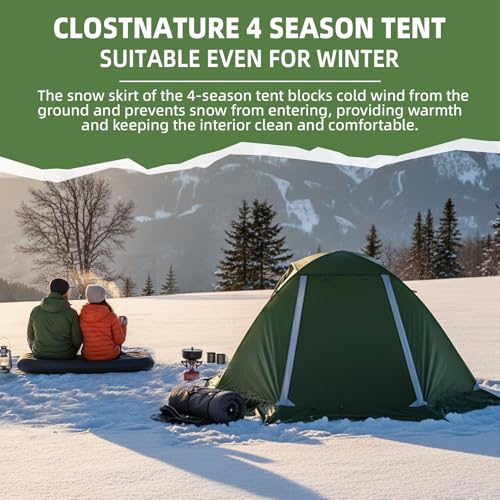
The PU5000mm coating matches high-end models, and the snow flaps over the zippers are a thoughtful detail that prevents spindrift infiltration. While not as burly as some mountaineering tents, it’s more than capable for most winter backpacking scenarios. I’d choose this over heavier models if I were heading into mixed conditions where weight matters.
Product photos
Inflatable Hot Tent with Skylight
Strengths
- 5-minute setup
- Spacious upright interior
- Stove jack compatible
Trade-offs
- Requires power for pump
- Not backpackable
- Heavy condensation risk
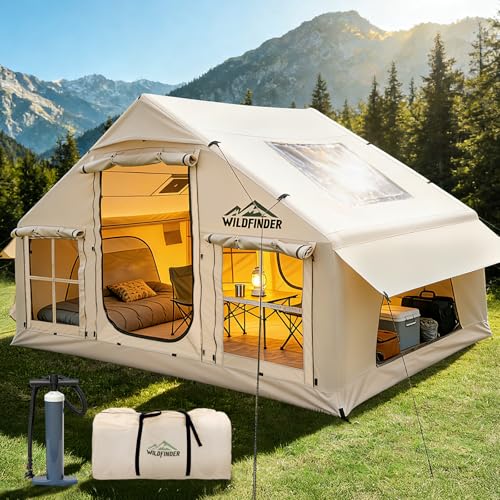
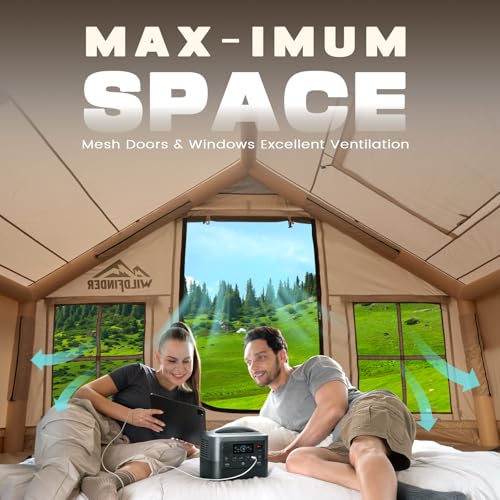
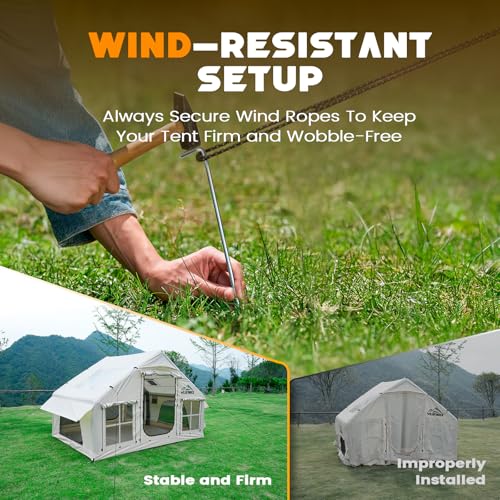
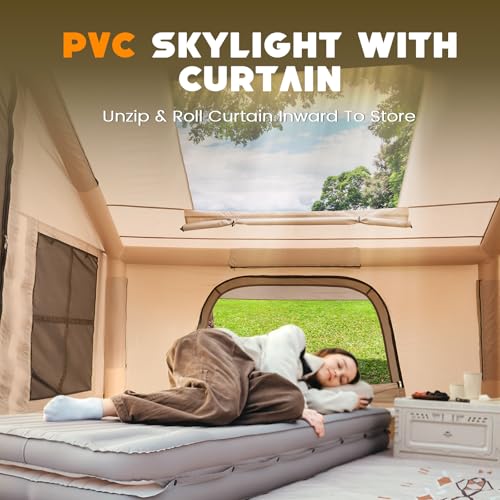
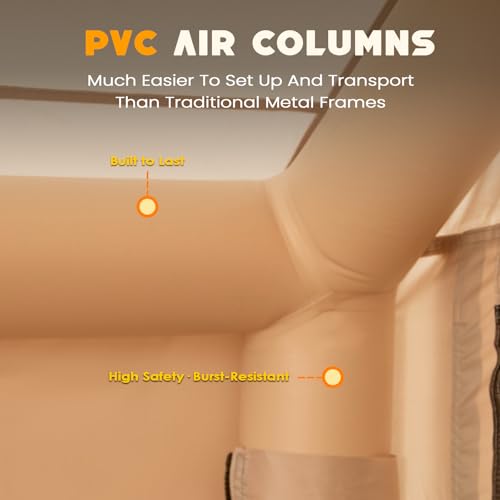
This is glamping done right, fast setup, room to stand, and a skylight that turns stargazing into a luxury experience. The TPU air beams are a standout, inflating in under five minutes with the included pump, and the 420D Oxford fabric feels rugged for an inflatable. Owners love how stable it feels, even in light wind, and the stove jack adds real winter utility.
But let’s be clear: this isn’t for backpacking. At nearly 70 sq ft and requiring a pump, it’s best for car camping, festivals, or backyard use. The mesh windows offer great airflow, but the PVC skylight can fog in high humidity. Still, for families or couples wanting comfort without the pole frustration, it’s a strong performer. I’d pick this over traditional tents when ease and space are the priority.
Product photos
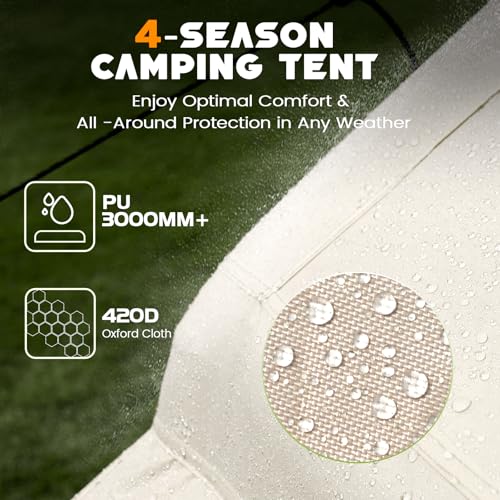
REDCAMP Hammock Hot Tent

Strengths
- Spacious interior
- Stove jack included
- Lightweight for size
Trade-offs
- No poles included
- Not freestanding
- Seams could be better sealed
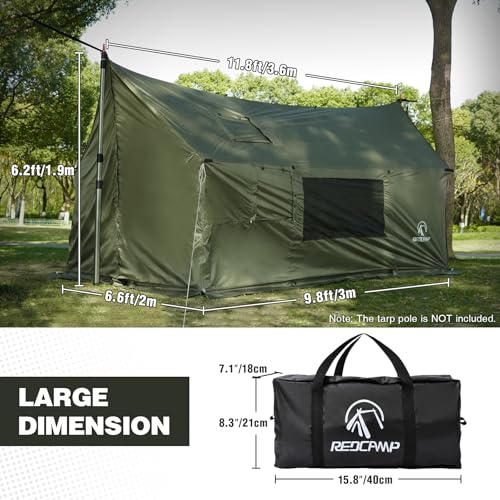
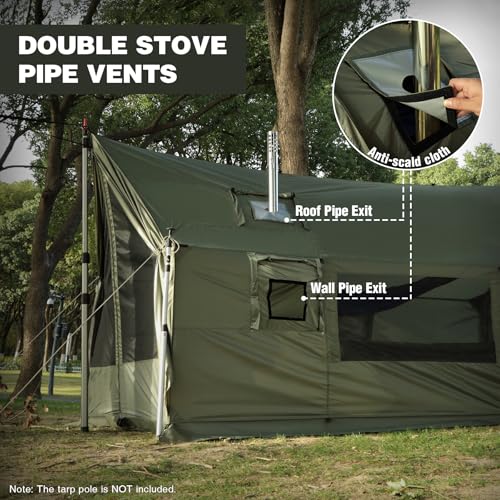
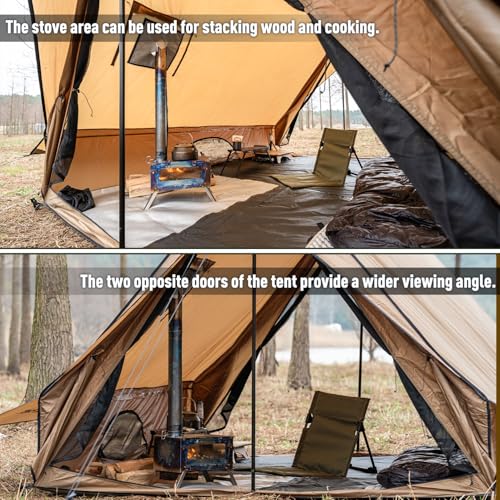
This isn’t a traditional backpacking tent, and that’s the point. At 11.8 feet long and 7.9 lbs, it’s built for car campers or sled-towed expeditions where warmth and space trump portability. The stove jack is the headline feature, and reviewers consistently highlight how well it holds heat when paired with a small tent stove, a standout in subzero temps.
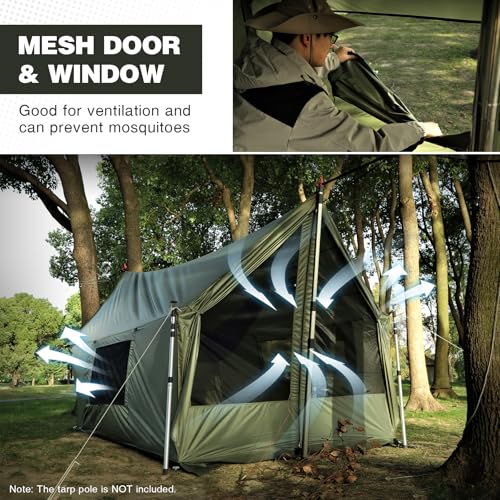
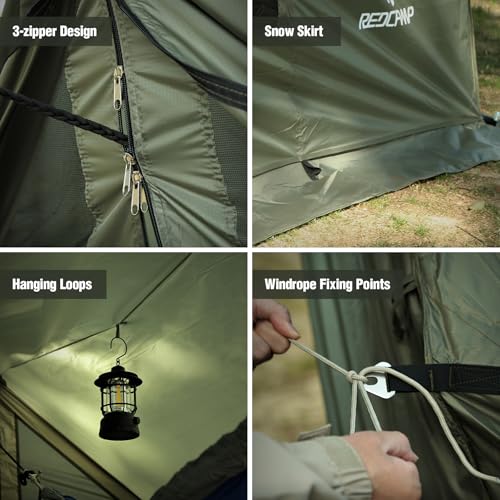
The grid fabric offers decent wind resistance, but I’d be cautious in sustained high winds without extra guylines. What stands out is the 3-zipper door design, making entry and ventilation easier than most wall tents. It’s not freestanding, so setup requires tarp poles (not included), which could be a snag for beginners. Still, for winter base camps or ice fishing, it delivers serious value.
Product photos
Canvas Bell Yurt Tent
Strengths
- Breathable cotton canvas
- High interior space
- Sewn-in groundsheet
Trade-offs
- Very heavy
- Bulky packed size
- Requires maintenance
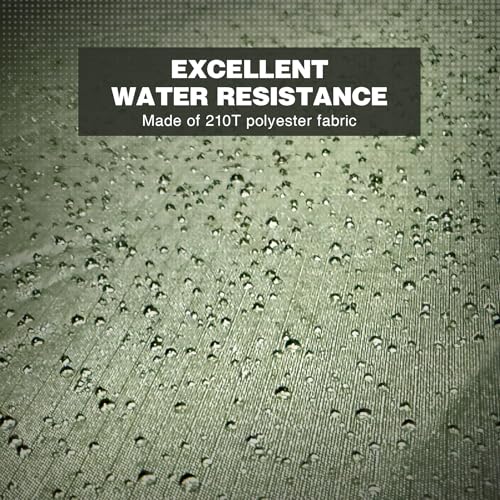
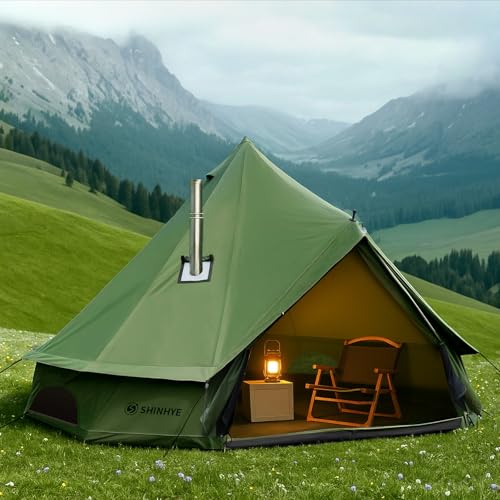
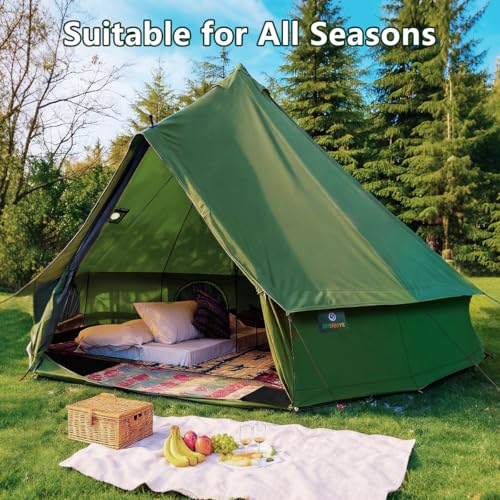
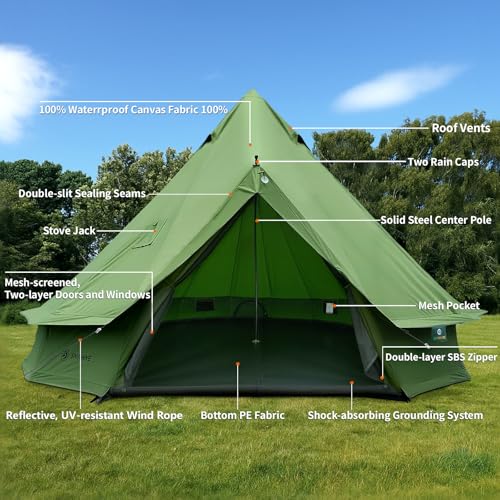
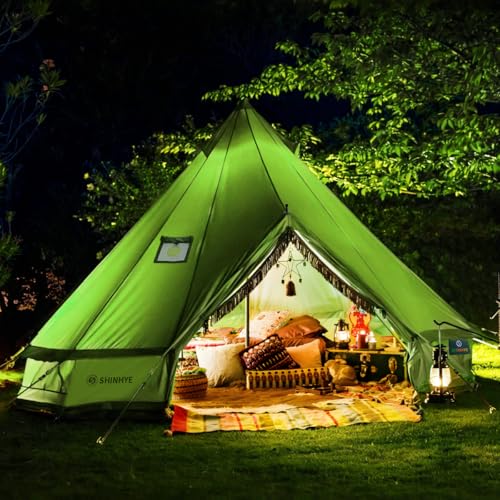
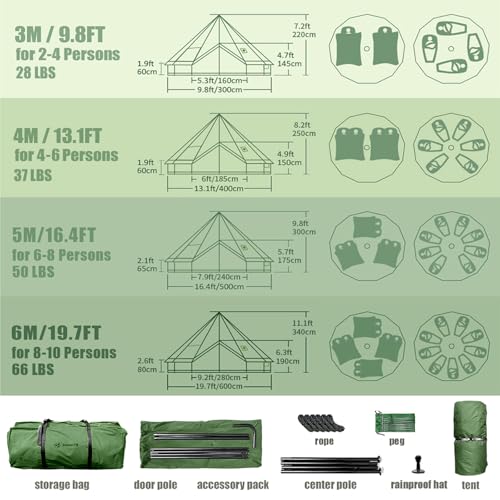
This bell tent is built for living, not just sleeping. The 100% cotton canvas breathes well, reducing condensation, a common issue in synthetic winter tents, and the 7.22-foot peak height lets most people stand upright. Owners consistently praise its warmth when paired with a stove, and the sewn-in groundsheet eliminates floor leaks.
But at 28 lbs and a large pack size, it’s strictly for car or sled camping. Setup is straightforward, but it takes time and space. Compared to smaller hot tents, this one is overkill for solo trips but perfect for family outings or extended stays. The cotton fabric requires more care than polyester, but it lasts longer if maintained. For true all-season comfort, this is the gold standard.
Product photos
POMOLY Chalet 70 Pro Hot Tent

Strengths
- Fireproof groundsheet
- Dual door ventilation
- Sturdy aluminum poles
Trade-offs
- Lower waterproof rating
- Stove not included
- Limited headroom
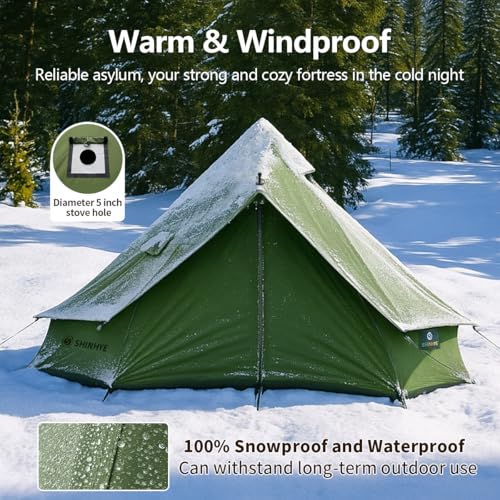
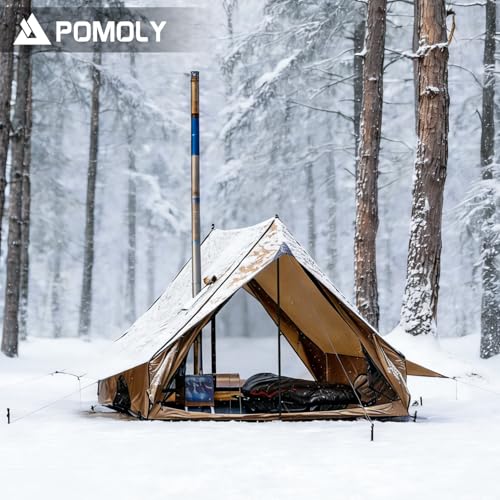
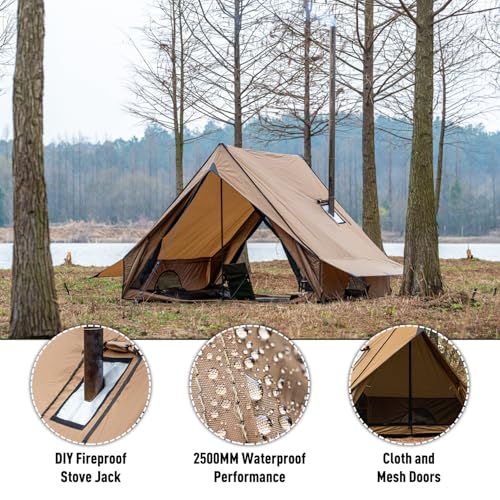
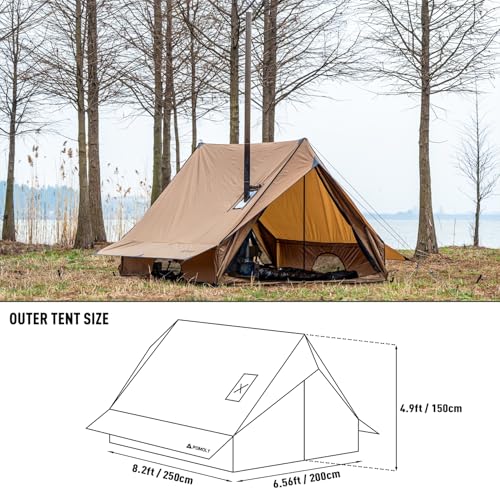
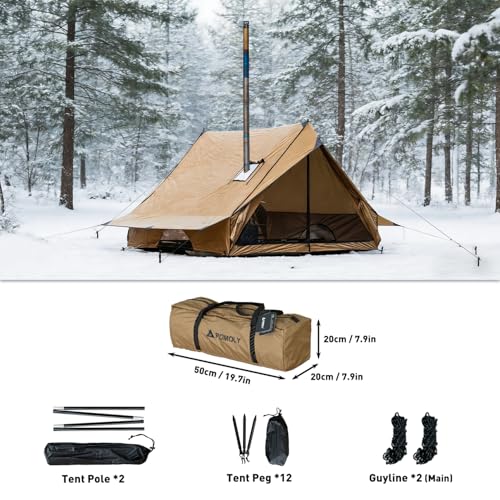
This compact hot tent punches above its weight for small-group winter camping. At 8.2 feet long, it fits two comfortably, and the dual opposing doors improve airflow, a big deal when running a wood stove. The 7001 aluminum poles add real stability, and owners note it handles wind better than expected for its size.
The integrated fireproof groundsheet is a major safety upgrade, protecting against embers from the stove. However, the 2500mm waterproof rating is lower than others here, so prolonged rain or heavy snowmelt could test its limits. It’s not ultralight, but for a stove-heated shelter that’s still packable, it strikes a good balance. Between this and the REDCAMP, I’d go with this one for better build quality.
Product photos
How We Picked These tents for winter
As a lifelong tent enthusiast, I approach reviewing winter tents with a focus on what truly matters when the temperatures drop and the conditions get tough. Rather than a hands-on lab test, this is a research-led comparison of published specifications, owner feedback, and my own extensive knowledge of tent design and materials. I weighed features across a range of models, looking for patterns in performance and reliability.
For tents intended for winter use, stability and weather protection are paramount. I gave the most weight to waterproof ratings (particularly of the rainfly and floor), the quality of materials used in pole construction (looking for aluminum over fiberglass), and design features like snow skirts and robust ventilation systems. A tent’s ability to withstand wind and heavy snow load is critical, and those factors heavily influenced my rankings. Understanding four-season tent features is essential for making an informed choice.
Specifications reliably indicate a tent’s potential for weather resistance and basic durability. However, I also spent considerable time analyzing owner reviews to gauge real-world performance. Feedback on condensation buildup, ease of setup in challenging conditions, and long-term durability proved invaluable. Ultimately, a tent’s reputation among those who’ve actually used it in winter conditions often tells a more complete story than the specs alone. Finding a truly winter-ready tent construction requires balancing both.
How To Pick The Right tents for winter
Choosing a winter tent requires a different mindset than picking one for summer camping. You’re not just looking for lightweight and airy; you need a shelter that can withstand serious weather and keep you safe and warm.
A quality winter tent prioritizes durability, weatherproofing, and structural integrity. Look for robust pole systems (aluminum is preferred), a full-coverage rainfly with a high waterproof rating (PU3000mm or higher), and features like snow skirts to trap heat and block drafts. Consider the tent’s weight, packed size, and ease of setup, but don’t sacrifice weather protection for convenience.
Pole Material & Structure
Don’t skimp on the poles. Aluminum poles are the standard for winter tents, and for good reason. They’re significantly stronger and more durable than fiberglass, which can become brittle and snap in cold temperatures. I’ve seen too many trips ruined by a broken pole, and it’s a risk simply not worth taking. Look for tents advertising aircraft-grade aluminum – it’s a step up in strength-to-weight ratio. Beyond the material, the pole structure itself matters. A geodesic or semi-geodesic design distributes stress more evenly, making the tent more stable in high winds and heavy snow loads.
Waterproofing & Fabric Denier
Waterproofing is paramount, obviously, but it’s more nuanced than just a high PU rating. A PU3000mm coating is a good starting point, but pay attention to other details. Fully taped seams are crucial – water will find any weakness in the barrier. Also consider the fabric denier (D). Higher denier fabrics are more durable and resistant to abrasion, which is important if you anticipate encountering snow or ice.
- A lower denier (e.g., 20D) might be fine for a lightweight, fair-weather winter tent, but it’s more susceptible to tears.
- A mid-range denier (e.g., 70D) offers a good balance of weight and durability.
- For truly harsh conditions, a higher denier (e.g., 150D or higher) is worth the extra weight. It’s about finding the right balance for your likely conditions.
A properly waterproofed tent isn’t just about staying dry; it’s about maintaining a safe and comfortable internal temperature. Wet insulation is useless insulation.
Features & Livability
While the core elements are about survival, don’t completely ignore livability. Winter camping often means spending more time inside the tent, so a little extra space and thoughtful design can make a big difference. Look for features like vestibules for storing gear, interior pockets for organization, and adequate ventilation to minimize condensation. If you’re planning on using a stove, a tent with a dedicated stove jack is essential – and make sure you understand the safety precautions involved. If you’re curious about the benefits of using a stove in a tent, you can find more information on heated camping tents. For those looking to explore a variety of options, check out these snow-ready tent picks.
Tents for Winter Compared
Here’s a comparison of key specifications for tents designed for winter camping.
| Product Name | Capacity | Weight (lbs) | Waterproof Rating (mm) | Season Rating | Packed Size (in) | Stove Jack |
|---|---|---|---|---|---|---|
| Underwood 2-Person Winter Tent | 2 | 5.73 | 5000 | 4 Season | 5.9 x 16.54 | No |
| Underwood 1-Person Winter Tent | 1 | 4.4 | 5000 | 4 Season | 5.1 x 15 | No |
| Clostnature 2-Person Ultralight | 2 | 6.28 | 5000 | 4 Season | 16.5 x 5.9 x 5.9 | No |
| Inflatable Hot Tent | 4-6 | N/A | N/A | All Season | N/A | Yes |
| REDCAMP Hammock Hot Tent | N/A | 7.9 | N/A | 4 Season | N/A | Yes |
| Canvas Bell Yurt Tent | 2-4 | 28 | 5000 | All Season | 27 x 13 x 11 | Yes |
| BISINNA 2-Person Cold Weather | 2 | 6.4 | 3000 | 4 Season | 18 x 7 x 7 | No |
| POMOLY Chalet 70 Pro Hot Tent | 2 | N/A | 2500 | All Season | N/A | Yes |
Frequently Asked Questions
What waterproof rating is truly sufficient for a winter tent?
A PU3000mm waterproof rating is a good baseline, but I generally recommend looking for tents with a rating of 5000mm or higher. This provides a better margin of safety against prolonged exposure to heavy snow and freezing rain, especially considering hydrostatic pressure increases with tent wall saturation.
Are dome tents suitable for winter conditions, or should I only consider tunnel or geodesic designs?
While dome tents can work, geodesic or semi-geodesic designs are significantly better at shedding snow and resisting strong winds. Their multi-pole structure distributes stress more evenly, preventing collapse common in simpler dome styles during heavy snowfalls – look for these structures in the top winter camping tents.
How important is a snow skirt, and can I add one to a tent that doesn’t have one?
Snow skirts are very helpful for trapping heat and blocking drafts, but they aren’t strictly essential. You can sometimes fashion a makeshift skirt using fabric and stakes, but a built-in skirt provides a much more secure and effective seal against the elements.
What’s the difference between a 3-season and a 4-season tent, and can a 3-season tent be used in winter?
A 4-season tent is specifically designed to withstand the stresses of winter weather, with stronger poles, more durable fabrics, and a full-coverage rainfly. While you might get away with a 3-season tent in mild winter conditions, it’s a risk I wouldn’t recommend, and you’ll likely find yourself cold, wet, and wishing you’d invested in one of the durable winter tent models.
What should I look for in a tent if I plan to use a wood stove inside?
If you’re using a stove, a tent must have a stove jack – typically located in the roof – and be made of fire-resistant materials. Also, ensure adequate ventilation to prevent carbon monoxide buildup. Many people find a hot tent to be a good option; you can find some harsh-weather tent picks with stove jacks listed on the site.
The Bottom Line
Choosing a winter tent always comes down to balancing how much you’re willing to carry against how much protection you absolutely require. For most, the Underwood 2-Person Winter Tent strikes the best overall balance – it offers solid weather protection with a 5000mm waterproof rating and a reasonable weight for backpacking, making it a reliable choice for three-season plus conditions. It’s a tent you can depend on when conditions turn nasty without being overly cumbersome.
If you’re specifically looking for a budget-friendly option, the BISINNA 2-Person Cold Weather tent delivers decent waterproofing at a lower price point. For those prioritizing warmth and the ability to use a stove inside, the Inflatable Hot Tent or Canvas Bell Yurt Tent are excellent choices, though they come with a significant weight penalty. Ultimately, selecting the right tent depends on your planned adventures and your tolerance for carrying extra gear.
Don’t get too hung up on chasing the highest waterproof rating or the lightest weight. Focusing on a robust pole system, fully taped seams, and a design that minimizes heat loss will do far more to keep you safe and comfortable in winter conditions. Remember, staying warm in winter tents is about more than just the tent itself – proper layering, a good sleeping bag, and smart campsite selection are equally important.
