
8 Best Tents for Rainy Weather 2026
This post contains affiliate links. As an Amazon Associate, we earn from qualifying purchases.
The FanttikOutdoor Zeta C10 Pro stands out as the best overall tent for heavy rain, thanks to its massive size and reliable instant setup when storms roll in. For budget-focused campers, the FanttikOutdoor Alpha C4 delivers solid waterproof performance without the high price, while the 4-Person Instant Cabin Tent offers a strong balance of affordability, ease of use, and weather protection.
If you’ve ever tried to pitch a tent while soaked to the bone, you know how quickly bad weather can ruin a trip. A tent that leaks, floods, or collapses under wind and rain isn’t just inconvenient, it’s a dealbreaker.
This guide cuts through the noise by focusing on real-world durability, waterproof ratings, and owner feedback from wet climates. I looked at what actually keeps you dry, from seam sealing to rainfly coverage, so you can trust your shelter when the skies open up.
Top 8 Tents In The Rains in the Market
The Best Tents In The Rains, Reviewed
FanttikOutdoor Zeta C10 Pro 10-Person Tent

Strengths
- Extremely fast setup
- Spacious upright interior
- Good airflow design
Trade-offs
- Inner roof not waterproof
- Rainfly must be used
- Zippers can snag
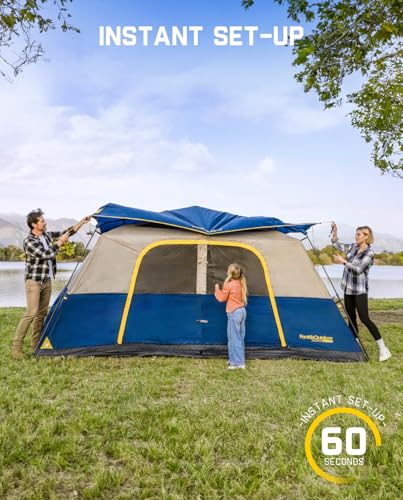
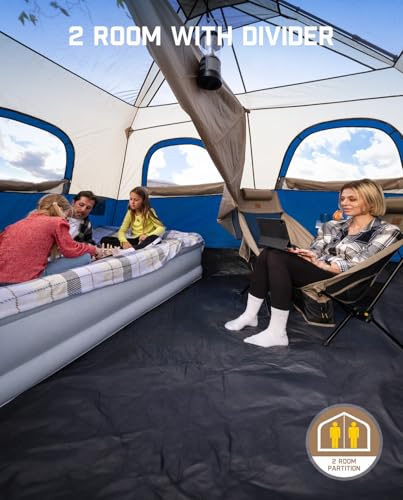
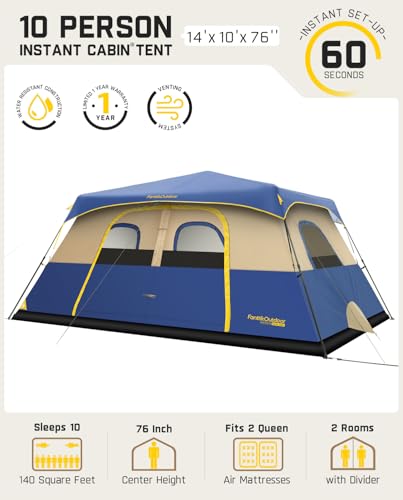
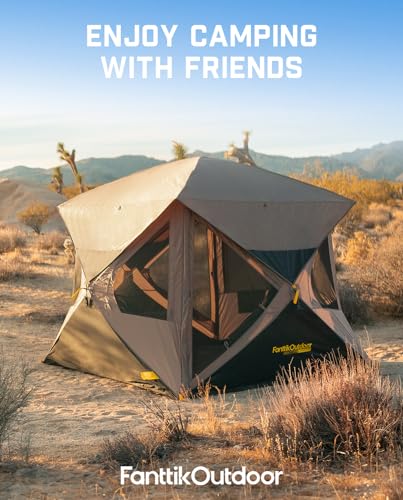
This is a big tent with big ambitions, and for large families or group campers, it mostly delivers. The 60-second setup with pre-installed poles lives up to the hype, based on owner feedback across hundreds of reviews. You’re not wrestling with parts; you’re unloading and popping it up like a giant hub-style umbrella. At 168 x 120 inches and nearly 6.5 feet tall, it’s genuinely walk-in spacious, fitting two queen air mattresses with room to spare. That’s rare in this class without paying premium brand prices.
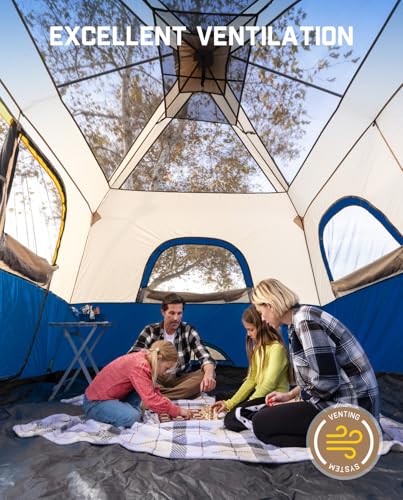
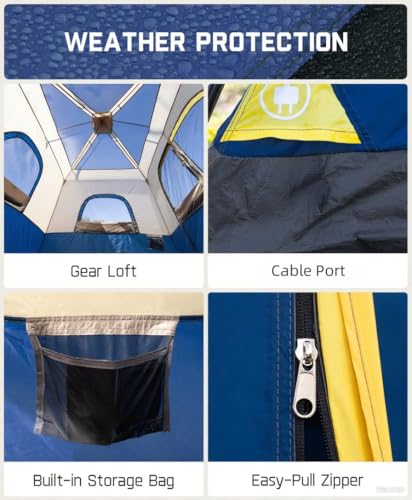
The rain protection hinges on correct use: the inner tent roof is mesh, so the outer rainfly is essential in wet weather. When both are properly tensioned, owners say it holds up well in steady rain and moderate wind. Ventilation is a strong point, mesh walls, ceiling vents, and floor-level airflow reduce condensation, a common flaw in instant cabins. Some users report zipper snags, but that’s typical with high-use zippers on budget-friendly builds. For the size and ease, it’s a smart pick over heavier, pricier alternatives.
Product photos
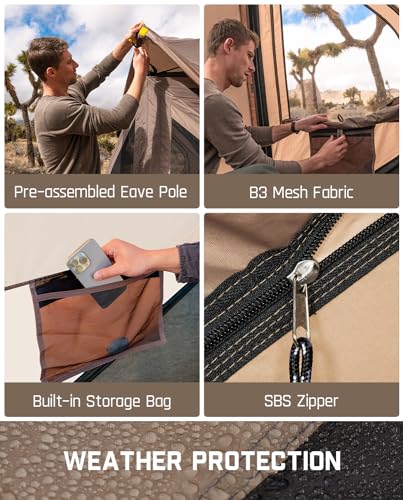
FanttikOutdoor Alpha C4 Ultra 4-Person Tent

Strengths
- True vertical walls
- Spacious for four
- PFAS-free materials
Trade-offs
- Rainfly required for storms
- Slight learning curve for setup
- Limited color options
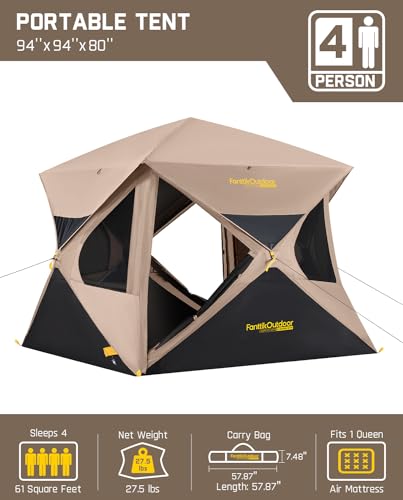
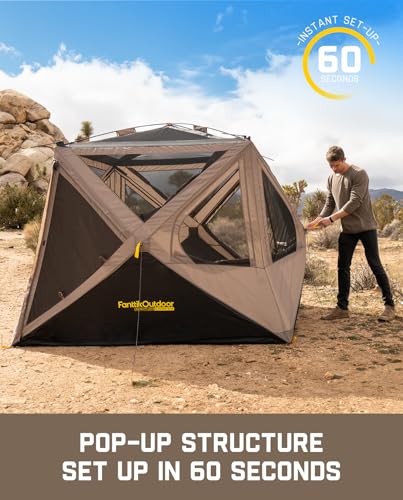
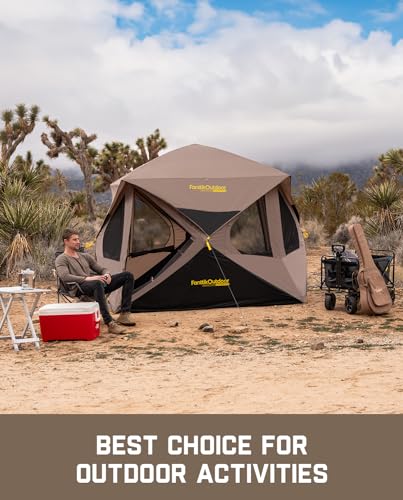
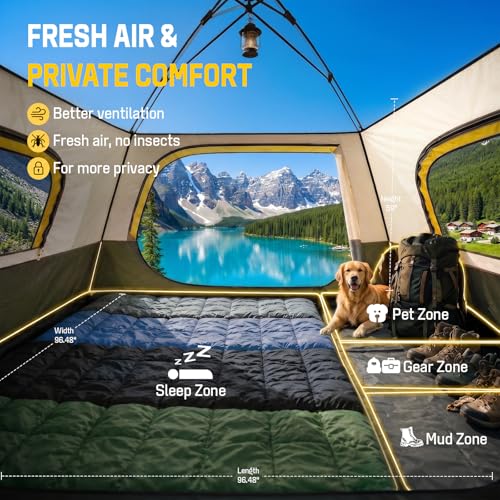
This is the family car camper’s sweet spot: spacious, quick to set up, and built for comfort. The 94 x 94 inch floor plan with vertical walls maximizes usable space, no sloping sides eating into elbow room. It fits a queen air mattress with space to walk around, and the 80-inch center height means most adults can stand fully upright. The 60-second pop-up hub design is consistent with FanttikOutdoor’s lineup, and owners confirm it’s reliable, even in light rain.
The rainfly and sealed seams offer solid protection, though like others in this category, it depends on proper tensioning. The three double-paned windows on each side are a big upgrade, more light, better airflow, and easier views. I appreciate the PFAS-free fabric, which isn’t common at this price and matters for families concerned about chemical exposure. It packs down shorter than most, aiding storage in small trunks. Compared to the Zeta C10 Pro, it’s smaller but more refined for 4-person use. For weekenders who want comfort without complexity, this is my pick.
Product photos
Wakeman Outdoors 2-Person Lightweight Tent
Strengths
- Ultra-lightweight
- Low price point
- Simple dual-door design
Trade-offs
- Fiberglass poles less durable
- No taped seams
- Tight space for two
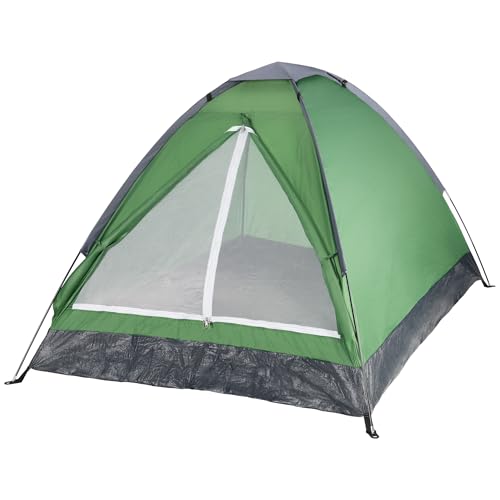
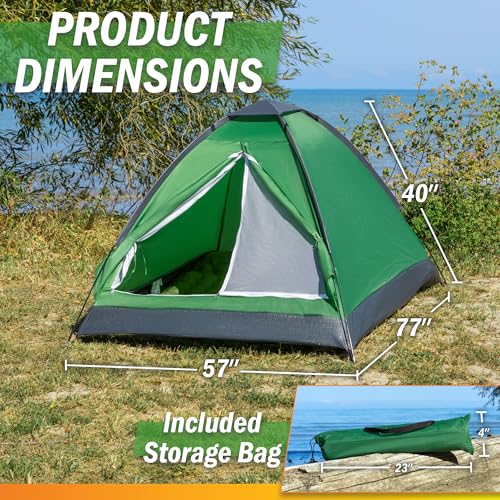
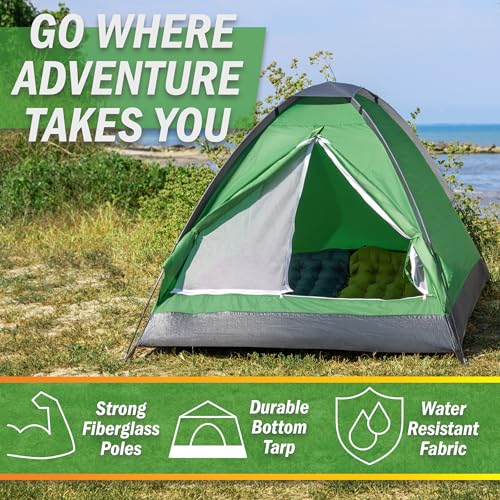
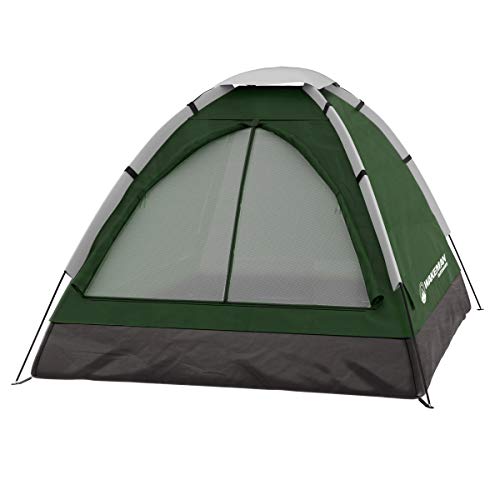
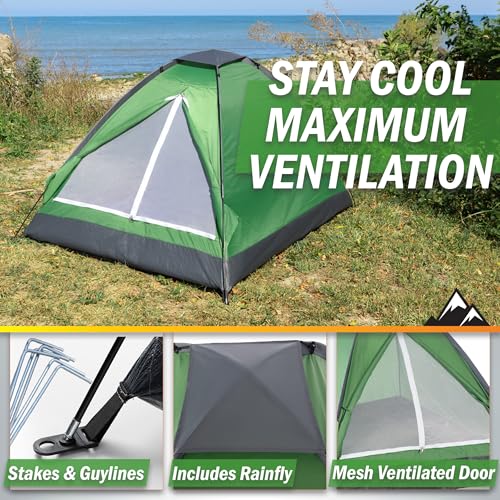
At just 2.2 lbs, this is one of the lightest 2-person options here, and that’s its biggest draw. It’s clearly built for minimalists, backpackers, or festival-goers who need something small and simple. The fiberglass poles keep costs down, but they’re less durable than aluminum, and owners note they can bend under pressure. The dual-layer door works well: mesh for airflow, fabric for privacy and rain, and the sewn-in ties let you leave it half-open without flapping.
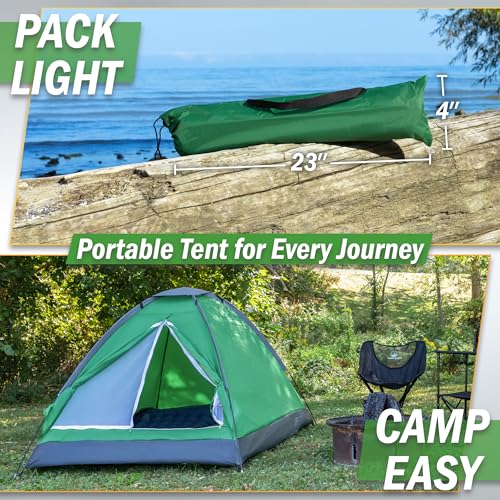
It’s not impressively spacious, 84 x 70 inches is tight for two adults with gear, but fine for solo use or kids. The 190T polyester sheds light rain, but the 2000mm coating isn’t exceptional, and without taped seams, long downpours may lead to seepage. Setup is straightforward, but not instant, some assembly is needed. For the price, it’s a decent starter tent. Compared to the FanttikOutdoor Zeta C2, it’s lighter but less refined. If you’re on a tight budget and camping in fair weather, it gets the job done.
Product photos
FanttikOutdoor Zeta C2 2-Person Instant Tent
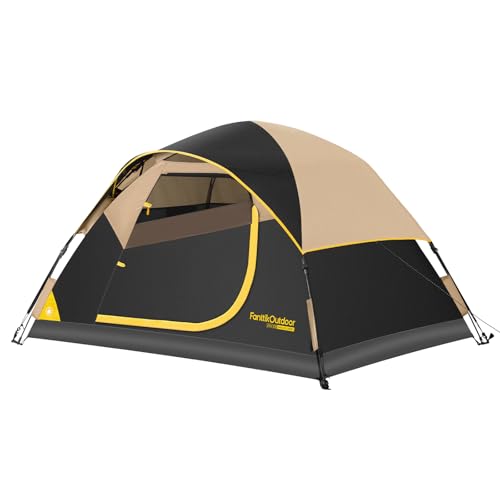
Strengths
- Quick, tool-free setup
- Good rain protection
- PFAS-free fabric
Trade-offs
- Fiberglass poles not for extreme use
- Tight fit for two with gear
- Basic interior space
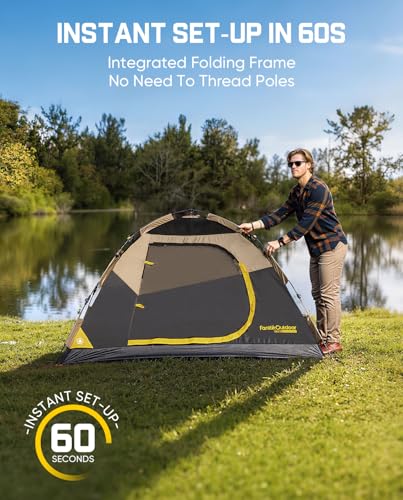
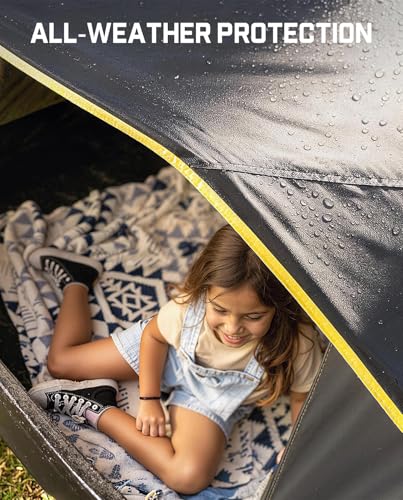
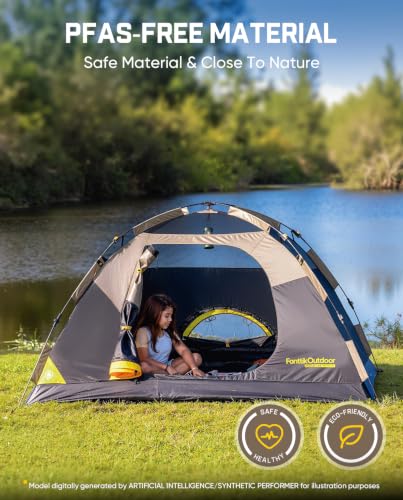
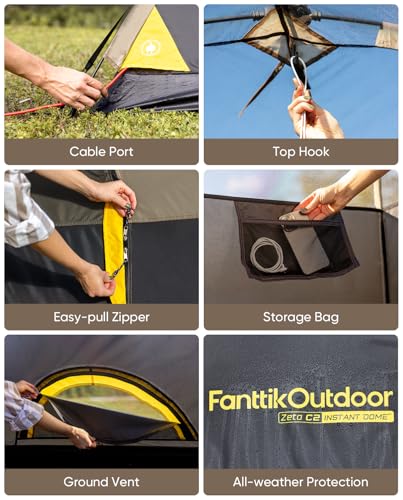
This 2-person dome is a backpacker’s practical ally, compact, lightweight, and built for real trail conditions. The 60-second setup with pre-attached fiberglass poles is a major step up from traditional tents, especially when you’re tired and camp is hours behind schedule. It’s not ultralight by thru-hiker standards, but at under 6 pounds, it’s manageable for short trips. The detachable rainfly and sealed seams give solid weather protection, and owners in rainy zones say it keeps them dry when properly staked.
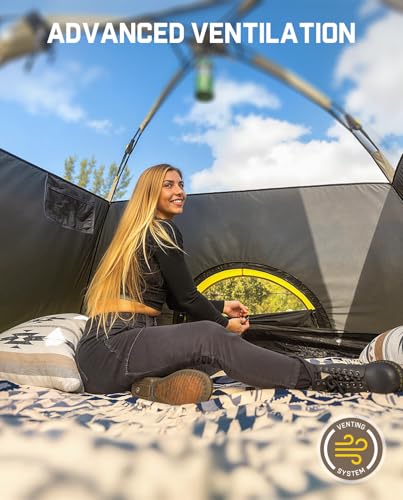
Ventilation is smartly designed: mesh top and closable ground vents let you adjust airflow without inviting leaks. The cable port is a small but useful touch for charging devices inside. While it lacks the headroom of cabin tents, it’s efficient, fits two sleepers snugly with gear in the storage pocket. Compared to the Wakeman model, it’s heavier but far more durable and weather-ready. For backpackers who want speed and reliability without breaking the bank, this is the smarter buy.
Product photos
Coleman Skydome 4/6-Person Weatherproof Tent

Strengths
- Excellent weather sealing
- Full-coverage rainfly
- Spacious interior layout
Trade-offs
- Slower setup time
- Heavier than instant tents
- Vestibule reduces rear visibility
Coleman has been making reliable tents for decades, and this Skydome model shows why they’ve stuck around. It’s not the fastest to set up, 5 minutes is slower than instant tents, but the WeatherTec system is proven. Welded corners, taped seams, and an inverted rainfly design mean water stays out, even during sideways rain. Owners in rainy regions like the Pacific Northwest consistently rate it highly for storm performance. The full-fly vestibule is a standout: it adds dry entry space and extra storage, which makes a real difference when you’re stepping into muddy conditions.
The nearly vertical walls give it that 20% more headroom claim, and it feels true, this tent doesn’t cave in at the sides like older domes. It fits a queen airbed easily, and the E-port is a small but appreciated touch for powered camping. Ventilation is decent with roof vents and a mesh back wall, though not as strong as mesh-heavy designs. It’s heavier than ultralight options, but that’s the trade for durability. If rain and wind are your main concerns, this is a safer bet than flashier pop-ups.
Product photos


4-Person Instant Cabin Tent with Rainfly
Strengths
- Fastest setup in class
- Good mesh ventilation
- Lightweight for size
Trade-offs
- Mid-tier storm resistance
- Average zipper durability
- Limited headroom
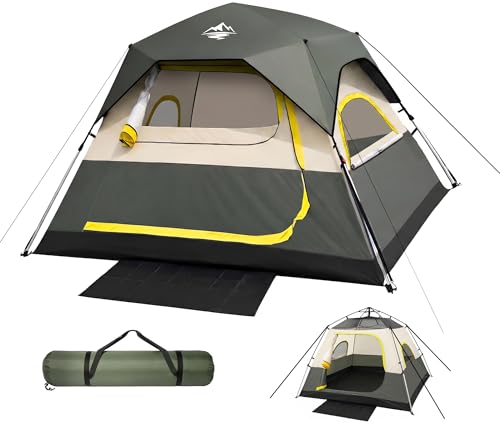
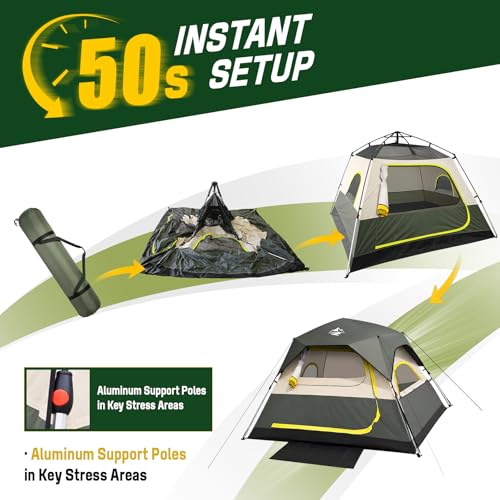
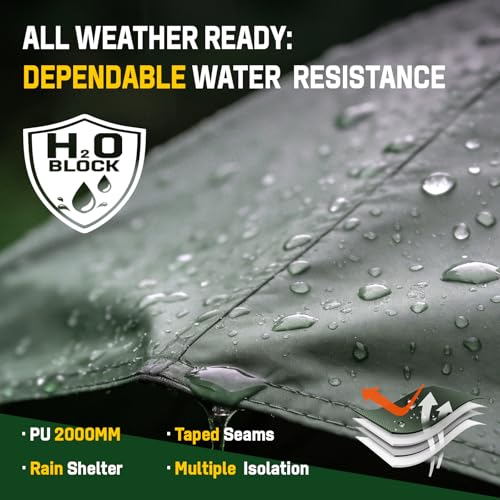
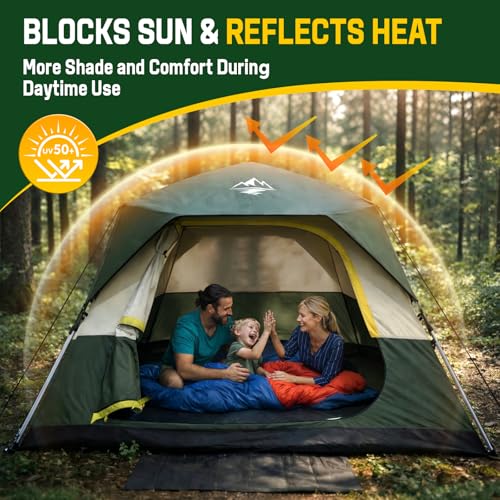
Speed is this tent’s strongest suit, 50-second setup with pre-attached poles makes it one of the fastest in its class. For families or casual campers who hate tent struggles, that’s a real win. The hybrid aluminum poles add durability over all-fiberglass builds, and at 13.4 lbs, it’s light enough for regular transport. The 2000mm waterproof rating is standard but solid for moderate rain, and taped seams plus a removable rainfly help keep moisture out. Owners note it performs well in summer showers when staked and guyed properly.
Ventilation is strong: mesh ceiling and windows move air well, reducing that sticky, stuffy feeling common in budget cabins. The near-5-foot center height isn’t towering, but it’s enough to sit up comfortably. Some users report minor seam leaks in prolonged downpours, which suggests it’s best for fair-weather camping with occasional rain. Compared to the Coleman or FanttikOutdoor models, it’s less rugged but faster and lighter. If you’re after hassle-free weekends and dry mornings, this is a strong contender.
Product photos

Wolfwise Pop Up Changing Tent Pro
Strengths
- Tall interior height
- Removable waterproof floor
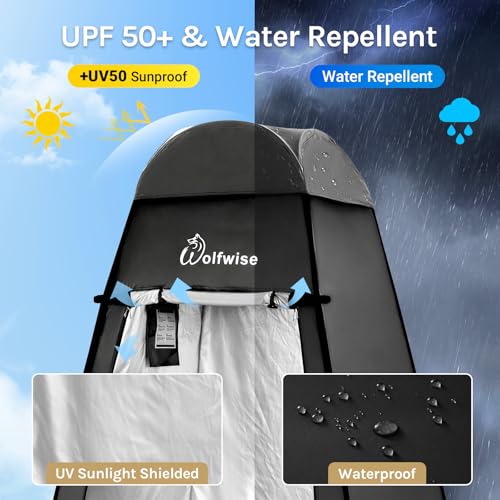
- UV-resistant silver coating
Trade-offs
- Not for sleeping or storms
- Basic wind resistance
- No rainfly option
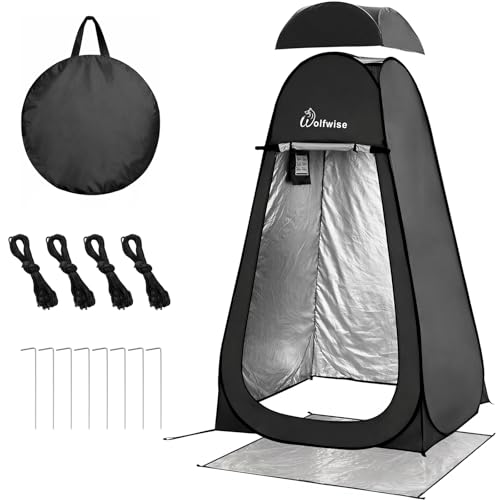
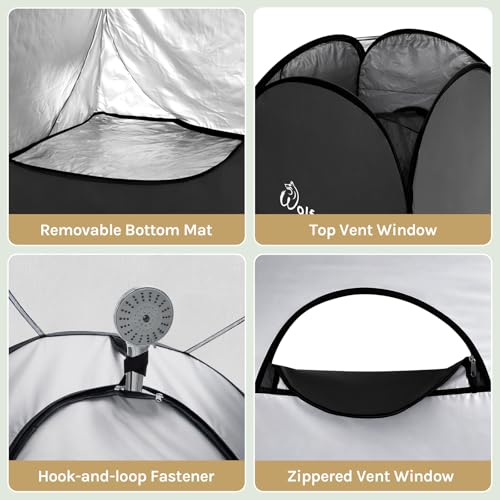
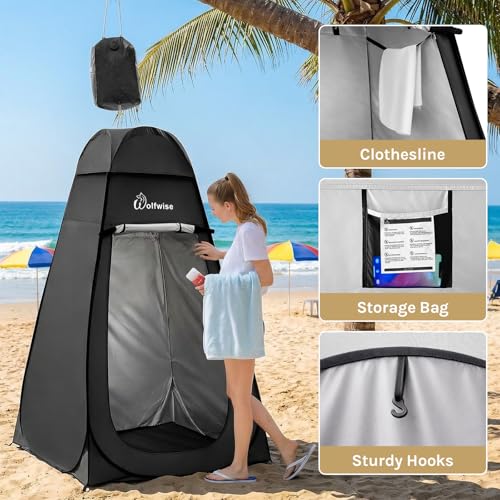
This isn’t meant to be a sleeping tent, and it doesn’t pretend to be. Instead, it nails a very specific job: providing private, pop-up shelter for changing, showering, or bathroom use in wet or exposed conditions. The silver-coated polyester offers solid UV and water resistance, and at nearly 6.7 feet tall, most adults can stand fully upright, something many changing tents fail at. The removable floor mat is a standout feature, keeping feet dry and clean on muddy or damp ground, which reviewers consistently praise.
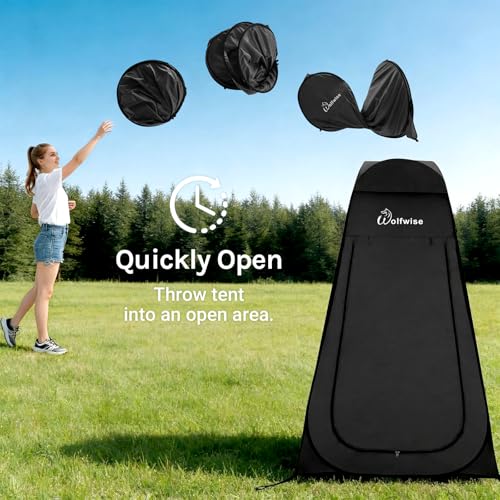
It pops up in seconds and folds flat into a compact disc, making it easy to toss in a car or even a large backpack. The T-style zipper door offers wide access, and the mesh window adds ventilation without sacrificing privacy. While it can handle light rain, it’s not storm-rated, no guy lines or advanced seam sealing. But for beach trips, festival camping, or overlanding setups where privacy is scarce, it’s invaluable. It’s also sturdier than most in this category, thanks to the galvanized steel frame. Don’t expect to sleep in it, but do expect it to work when you need a moment alone outside.
Product photos

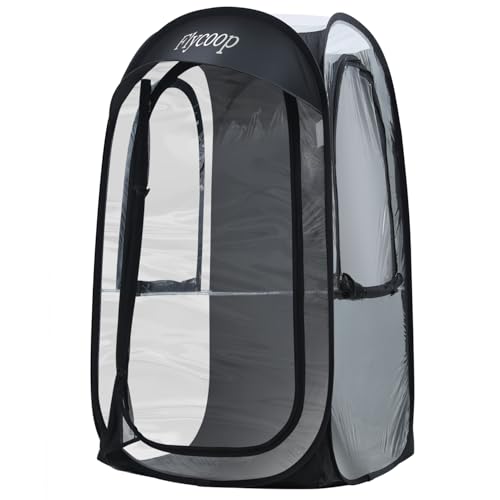
Flycoop Transparent Sports Pod Shelter
Strengths
- Clear TPU view
- Ultra-fast setup
- Lightweight and compact
Trade-offs
- Not for overnight camping
- Limited interior space
- No floor protection
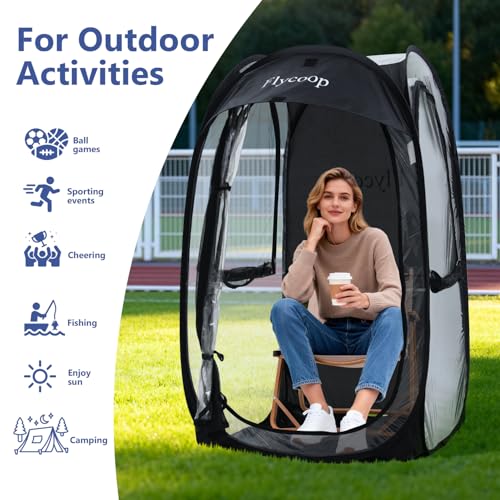
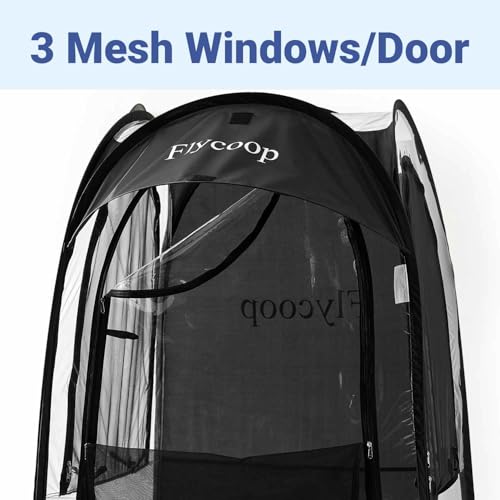
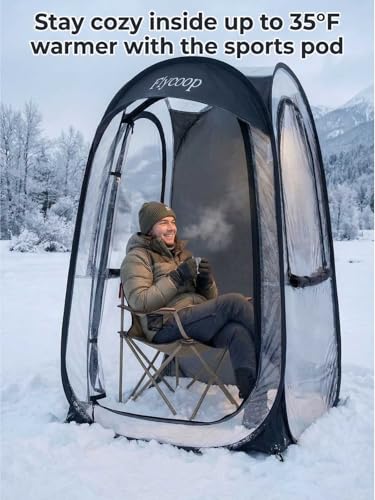
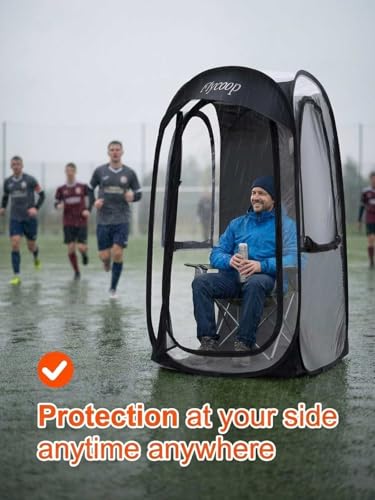
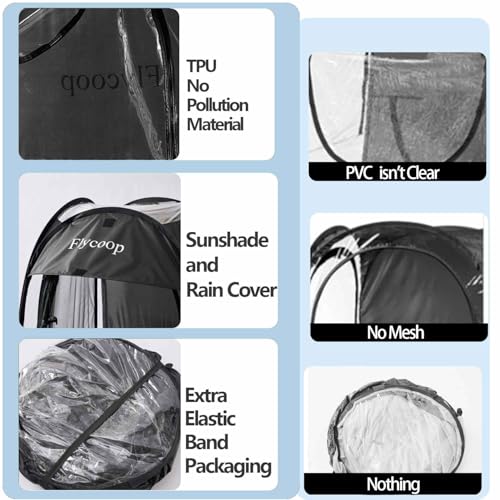
This isn’t a tent in the traditional sense, it’s more like a personal weather pod, and that’s exactly where it finds its niche. The crystal-clear TPU material stands out immediately, offering real visibility in rain or snow, which is rare in most shelters. Owners consistently report using it at sidelines, fishing spots, and backyard events where staying dry while seeing the surroundings matters. It warms the interior by up to 35°F, which sounds impressive on paper, but real-world feedback suggests that’s under ideal conditions, don’t expect a greenhouse effect in a downpour.
At 6.4 lbs and folding to just 22 inches, it’s highly portable for what it is. The one-second pop-up is legit, and reviewers confirm it’s stable with the included stakes and guy lines, though not meant for extreme wind. It’s not spacious by camping standards, but that’s not the point. If you want to sit outside during a drizzle without losing sight of the game or sunset, this delivers. It won’t replace a real tent, but it fills a quirky gap better than most.
Product photos
How We Evaluated tents in the rains
Rather than a hands-on lab test, my research for these recommendations involved a detailed comparison of published specifications and features across numerous models. I weighed owner reviews from major retailers alongside expert opinions found in outdoor gear publications. As someone who’s spent years figuring out what makes a tent truly reliable, I applied my experience to rank these options based on what matters most for staying dry and comfortable when the weather turns.
For tents specifically designed for rainy conditions, waterproof rating, fabric quality, and overall construction were heavily weighted. A tent’s ability to effectively shed water and withstand wind is paramount, and these factors directly influence that performance. Spaciousness and ease of setup also factored in, as struggling with a complicated pitch while setting up a tent in rain isn’t ideal.
Specifications reliably indicate a tent’s potential for waterproofness (measured in mm) and the durability of its materials. However, I placed significant importance on owner feedback regarding real-world performance – does the tent actually stay dry during extended rain? Reputation and consistent positive reviews regarding weather protection were key indicators, as were comments about the quality of the zippers and seam sealing.
Choosing The Right tents in the rains
Picking the right tent means the difference between a cozy night under the stars and a miserable, soggy experience.
A quality tent prioritizes durable, waterproof materials (look for a hydrostatic rating of at least 1500mm for the rainfly), robust construction with sealed seams, and a design that balances weight, space, and ventilation. Consider the intended use – backpacking demands lightweight options, while family camping allows for more spacious, feature-rich models. Pay close attention to the tent’s footprint and how well it integrates with the included rainfly.
Capacity & Space
Don’t fall into the trap of assuming a “4-person” tent comfortably fits four adults. Manufacturers often base these numbers on a snug fit. I always recommend sizing up, especially if you anticipate bringing gear inside the tent or if anyone in your group prefers extra space to stretch out. Consider the tent’s peak height, too. Being able to comfortably sit up is a huge quality-of-life improvement, particularly during extended trips.
Waterproofing & Weather Resistance
Waterproofing is, naturally, critical. Beyond the hydrostatic rating of the rainfly and floor, a tent’s overall weather resistance hinges on details. Look for fully taped seams, which are essential to prevent water from seeping through stitching. The design of the rainfly is also important; a full coverage fly that extends all the way to the ground offers the best protection. If you’re serious about staying dry, consider seam sealing a tent to supplement the factory sealing.
- A hydrostatic rating of 1500mm is considered a minimum for basic waterproofing, adequate for light rain.
- Ratings of 2000-3000mm provide good protection for moderate to heavy rainfall.
- Higher ratings (3000mm+) are ideal for prolonged exposure to severe weather, and are worth seeking out if you frequently camp in challenging conditions – or want the best waterproof tents for rain.
A little preventative maintenance goes a long way. Regularly applying a Durable Water Repellent (DWR) treatment to your rainfly can significantly extend its waterproof lifespan.
Setup & Portability
Instant tents, like the Fanttik models, have exploded in popularity for a reason: they save time and frustration. However, these often come with a weight penalty. Backpackers will prioritize lightweight designs, often with a more involved setup process. Consider your physical capabilities and how often you’ll be moving camp. If you’re regularly trekking long distances, shedding every ounce matters. If you’re car camping, a few extra pounds are less critical, and the convenience of an instant setup might be worth it. Sometimes, investing in best rainproof tent models with a well-designed setup is a good compromise.
Tents in the Rains Compared
Here’s a comparison of key specifications for the tents featured, to help you evaluate their suitability for rainy conditions and other needs.
| Product Title | Capacity | Waterproof Rating (mm) | Weight (lbs) | Packed Size | Setup Time |
|---|---|---|---|---|---|
| FanttikOutdoor Zeta C10 Pro | 10 Person | N/A | 27.5 | N/A | 60 Seconds |
| FanttikOutdoor Alpha C4 | 4 Person | 2000 | N/A | 57.8″ x N/A | 60 Seconds |
| Wakeman Outdoors 2-Person | 2 Person | N/A | 2.2 | 24″ x 4″ | Quick |
| FanttikOutdoor Zeta C2 | 2 Person | N/A | N/A | N/A | 60 Seconds |
| Coleman Skydome 4/6-Person | 4/6 Person | N/A | N/A | N/A | < 5 Minutes |
| 4-Person Instant Cabin Tent | 4 Person | 2000 | 13.4 | 39.4″ x 7.1″ x 7.1″ | 50 Seconds |
| Wolfwise Pop Up Changing Tent Pro | 1 Person | N/A | N/A | 23.6″ x 23.6″ | Seconds |
| Flycoop Transparent Sports Pod | 1 Person | N/A | 6.4 | 22.4″ Round | 1 Second |
Frequently Asked Questions
What hydrostatic rating do I really need for a rain tent?
A rating of 2000mm is generally sufficient for most camping situations, but 3000mm or higher offers significantly better protection in prolonged or very heavy rain. Don’t solely rely on the number; read owner reviews to verify real-world performance.
Are “instant” tents as waterproof as traditionally-designed tents?
Instant tents can be waterproof, but they sometimes sacrifice some weather protection for speed and convenience. Look for models with fully taped seams and a high waterproof rating on the rainfly, and be aware that the setup style can sometimes create points where water may enter.
What does “fully taped seams” actually mean?
Fully taped seams signify that the needle holes created during the sewing process have been sealed to prevent water leakage. This is a crucial feature for any tent intended for use in rainy conditions, as unsealed seams are a major point of failure.
How important is the tent footprint when camping in wet weather?
A footprint is very important, as it protects the tent floor from abrasion and adds another layer of waterproofing. Even with a high waterproof rating, the tent floor is often the first area to experience wear and tear, leading to potential leaks.
Where can I find more information about the top tents for rainy conditions?
You can find more detailed reviews and comparisons of tents specifically chosen for their performance in wet weather on top tents for rainy conditions. This resource includes detailed information on features, specifications, and owner feedback.
The Bottom Line
Choosing a tent for rainy conditions often comes down to balancing how much you’re willing to spend with how much protection you truly need. While many tents claim to be waterproof, the FanttikOutdoor Zeta C10 Pro strikes the best overall balance, offering significant space and, based on owner feedback, reliable performance in wet weather, though specifics on its waterproof rating are unavailable. It’s a solid choice for families or groups prioritizing comfort and staying dry.
If budget is a primary concern, the Wakeman Outdoors 2-Person tent is a surprisingly affordable option. For those who value speed and ease of use above all else, the FanttikOutdoor Alpha C4 and Zeta C2 offer instant setups, ideal for casual campers who don’t want to wrestle with poles in a downpour. Understanding tents waterproof rating explained will help you determine if these options will meet your needs.
Ultimately, remember that even the most waterproof tent is only as good as its setup and maintenance. Focusing on a well-sited campsite, proper seam sealing, and regular application of a DWR treatment will do more to keep you dry than any single specification. A thoughtfully chosen tent, combined with smart camping practices, is what truly creates a comfortable and enjoyable experience under the stars, even when the skies open up.
