
7 Best Tents to Live in Year-Round (2026 Guide)
This post contains affiliate links. As an Amazon Associate, we earn from qualifying purchases.
The DANCHEL OUTDOOR B5PRO 20ft Yurt stands out as the best overall tent for year-round living, thanks to its rugged canvas build, high waterproof rating, and included stove jack. For a more budget-friendly option, the Bell Tent with Stove Jack 13.1ft offers solid performance without breaking the bank, while the DANCHEL B2 16.4ft Portable Yurt brings surprising versatility for those who need something lighter and easier to move.
Most people don’t realize how demanding year-round tent living can be, your shelter has to handle snow, rain, heat, and everything in between, without falling apart or turning into a condensation trap. I’ve spent years studying gear that holds up in real conditions, and I know what separates a true four-season shelter from a fair-weather pop-up.
This guide cuts through the marketing by focusing on specs, verified owner feedback, and the features that actually matter: durable materials, smart ventilation, and build quality that lasts. These are the tents that consistently deliver for people living outdoors, all year long.
Top 7 Tents To Live In Year Round in the Market
The Best Tents To Live In Year Round, Reviewed
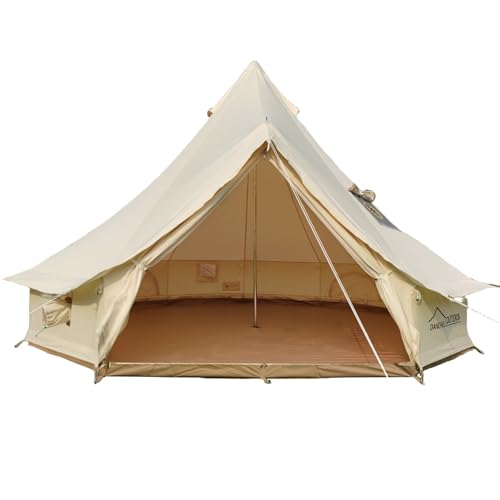
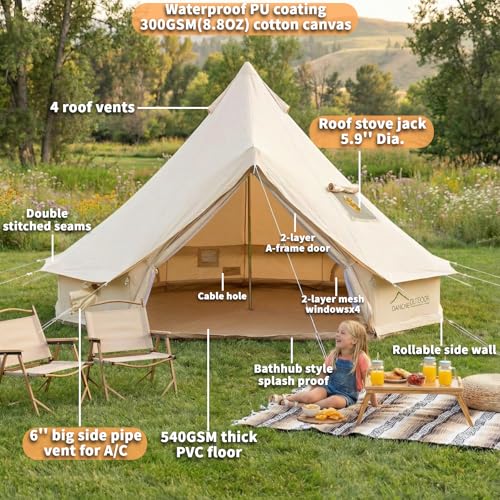
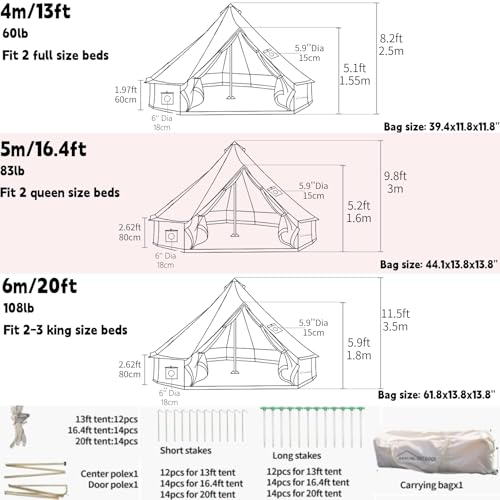
DANCHEL OUTDOOR B5PRO 20ft Canvas Yurt
Strengths
- Heavy-duty canvas
- True 4-season build
- Spacious 304 sq ft floor
Trade-offs
- Heavy at 108 lbs
- Longer setup time
- Requires weather maintenance
This is the big-league player in year-round living tents. At 20 feet in diameter and built with 300GSM cotton canvas, the B5PRO isn’t just a tent, it’s a statement. The specs alone tell you this is meant for serious use: galvanized steel frame, 3000mm waterproofing, and a design tested against 30–40 mph winds. Owners consistently report it standing strong through mountain winters and humid summer storms, which is rare for any tent, let alone one marketed for glamping. The inclusion of a stove jack and AC port means it’s genuinely equipped for true off-grid living, not just weekend camping.
Where it really pulls ahead is interior usability. With 3.5 meters of center height and vertical sidewalls that stay tall around the perimeter, you’re not just standing, you’re moving freely. That kind of space lets you treat it like a real cabin alternative. Compared to polyester yurts, this canvas build breathes better and handles condensation far more effectively, though it demands more setup effort and long-term maintenance like reproofing. Still, for those wanting a semi-permanent shelter that can double as a hunting base, festival HQ, or backyard guest house, this is as close to a mobile home as you’ll get in tent form.
Product photos


WildFinder 16.5ft Canvas Bell Tent
Strengths
- High 55″ sidewalls
- 8 mesh windows for airflow
- Includes setup positioning tool
Trade-offs
- Mixed fabric durability
- Removable floor requires care
- Slightly shorter peak height
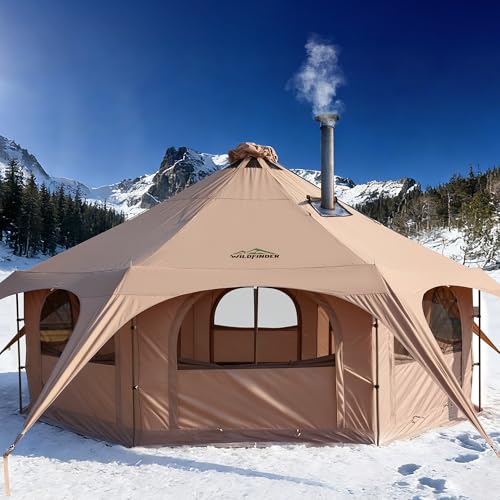
If you’ve ever felt cramped in a bell tent, this WildFinder model is the answer. The 55-inch high sidewalls are a game-winner, they transform the usable floor space, letting you place beds and tables right against the walls without sloping fabric in the way. That’s rare in tents this size, and owners love it for turning the interior into a functional living area. The mix of TC cotton roof and Oxford sidewalls is smart: the cotton reduces condensation in winter, while the durable 600D floor handles wet ground like a pro.
The eight mesh windows are overkill in the best way, airflow is exceptional, even on muggy nights. And the included positioning tool? A small thing, but reviewers say it makes setup way less frustrating. It’s not the heaviest-duty canvas tent out there, but for balanced performance across seasons, this one stands out. Compared to the DANCHEL B5PRO, it’s slightly smaller but easier to manage. I’d pick this over pure nylon models any day for long-term comfort.
Product photos
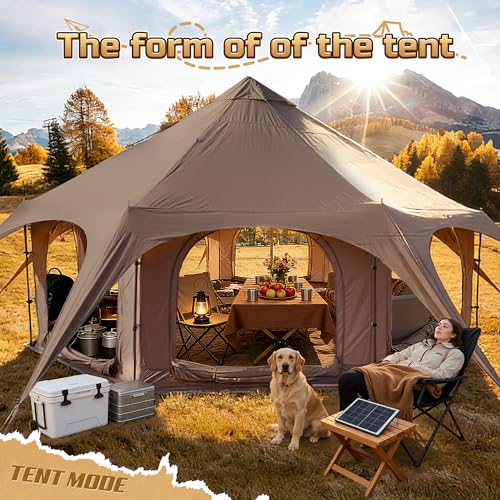
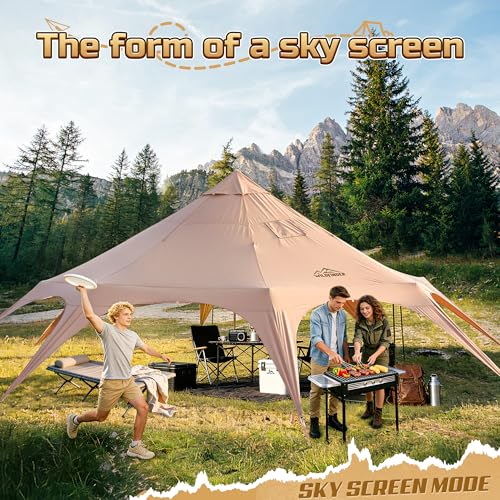
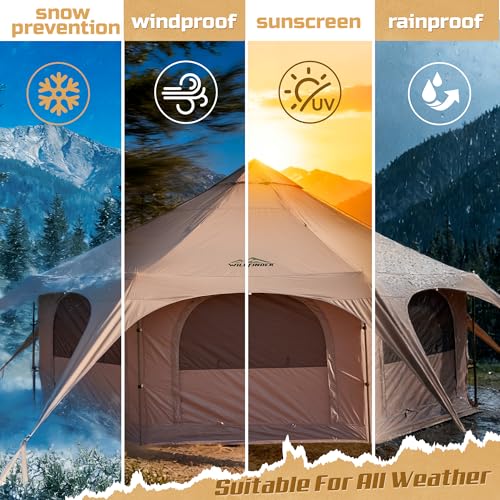
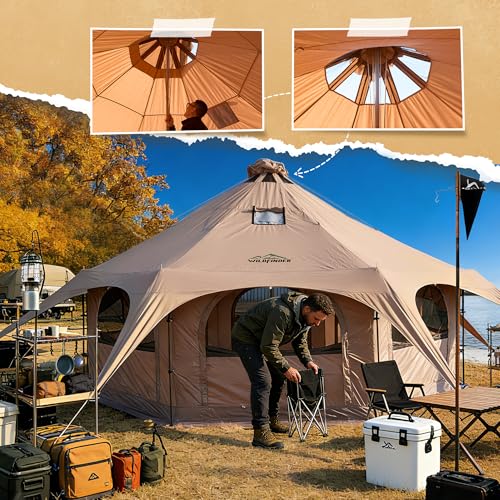
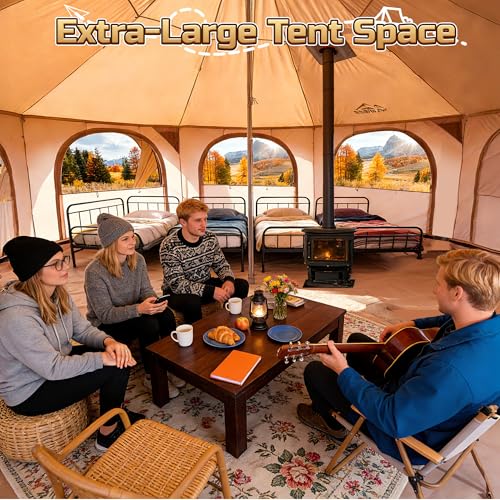
Canvas Bell Tent with Stove Jack
Strengths
- Breathable polycotton blend
- Reduces condensation
- Stove jack included
Trade-offs
- Not for extreme weather
- Blend less durable than pure canvas
- Setup needs two people
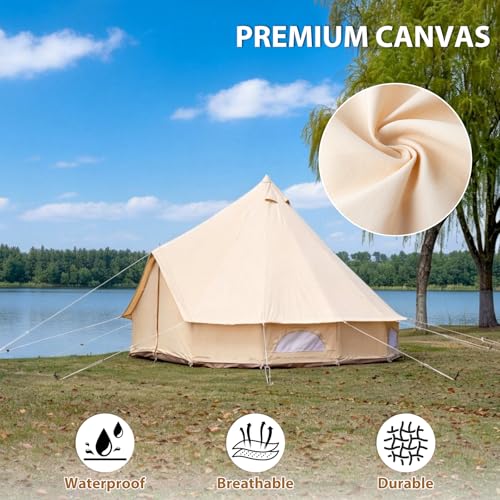
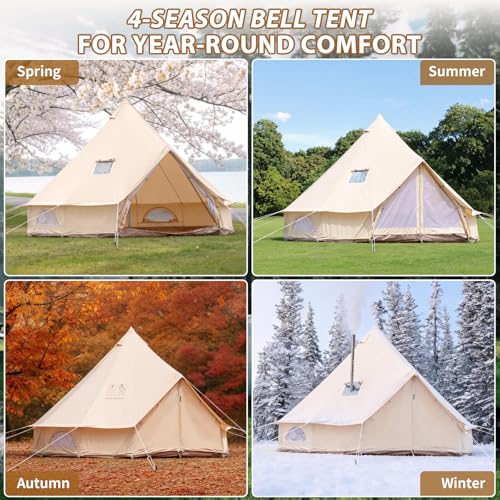
This polycotton blend tent is where practicality meets comfort for long-term campers who hate condensation. The 80/20 polyester-cotton mix gives you most of canvas’s breathability without the full weight and maintenance. Owners consistently praise how much drier and more comfortable the interior feels compared to all-nylon models, especially in shoulder seasons. The stove jack is well-sealed and safe for indoor heating, making it a real hot tent option for autumn hikes or winter base camps.
It’s not the most rugged, note the “light to moderate weather” disclaimer, but for car camping, backyard living, or festival stays where you want real comfort, it’s a top pick. Compared to 100% cotton tents, it dries faster and resists mildew better. And the included carry bag and stakes make transport easier. I’d recommend this over pure cotton if you want less upkeep but still crave that canvas-like feel.
Product photos

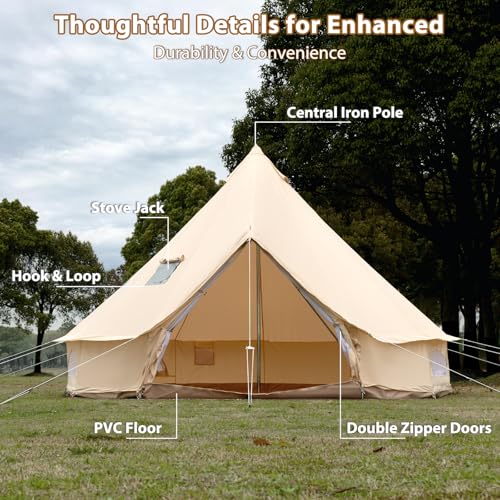

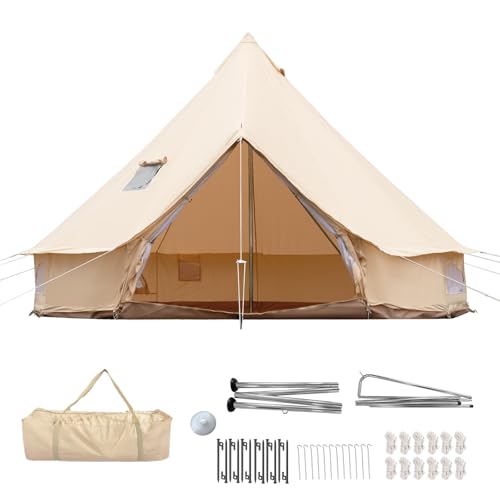
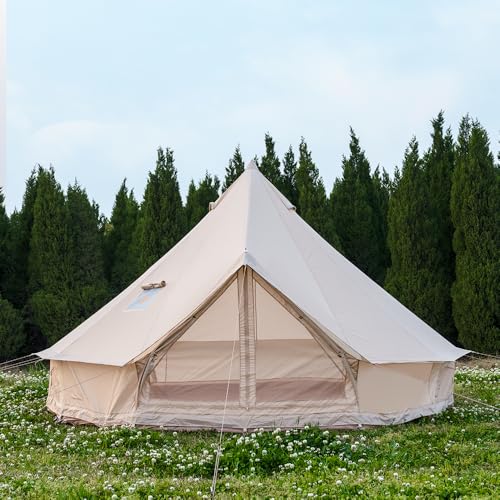
Bell Tent with Stove Jack 13.1ft
Strengths
- Compact yet roomy
- Includes stove jack
- Easy setup
Trade-offs
- No included rainfly
- Limited space for 6
- Oxford fabric less breathable
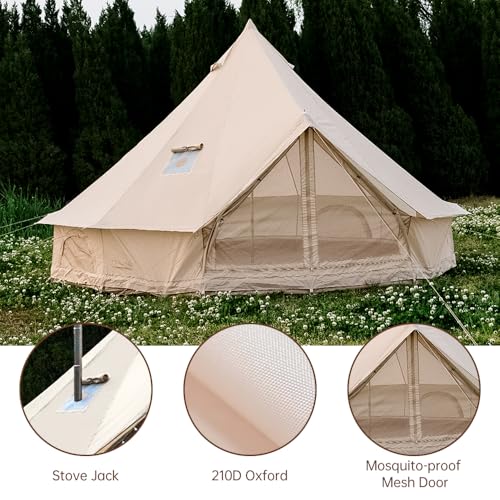
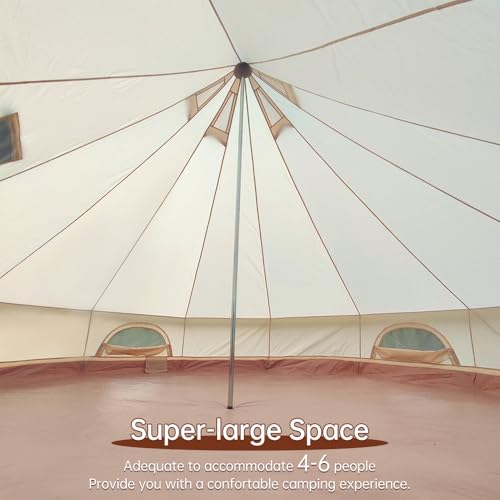
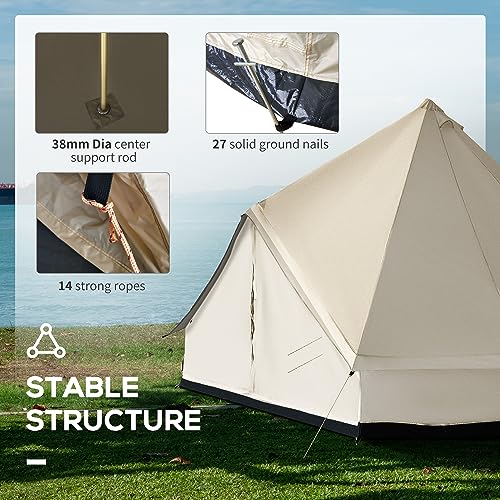
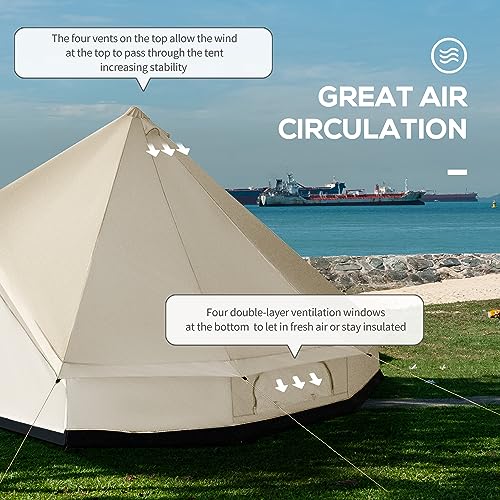
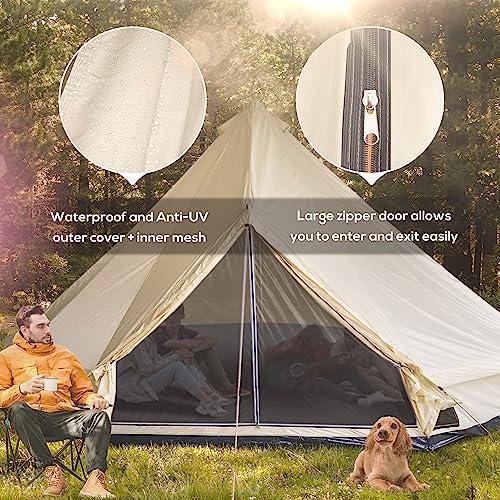
This 13.1ft bell tent is the compact workhorse of the bunch, small enough to manage solo but still packed with 4-season features. The Oxford fabric keeps it lightweight and waterproof, and the stove jack makes it viable for winter use, which is impressive at this size. Owners say setup is genuinely fast, and the tall conical shape gives full headroom without wasting space. It’s not huge, fits 4–6 people tightly, but that’s the point: it’s designed for small families or couples who want a low-maintenance, all-weather shelter they can heat and live in comfortably.
The big caveat? It lacks a rainfly, and several reviewers recommend adding one for heavy storms. The breathable fabric helps, but it’s not canvas-level in moisture management. Still, for someone wanting a simple, portable hot tent that doesn’t take up half the yard, this hits a niche the bigger models miss. Compared to the 16.4ft polycotton tents, it’s less spacious but far more manageable for frequent moves or tight sites.
Product photos

Outsunny 16ft Yurt Tent
Strengths
- Affordable price
- Spacious 10-person layout
- Good summer ventilation
Trade-offs
- No stove jack
- Polyester traps condensation
- Not reliable in heavy rain
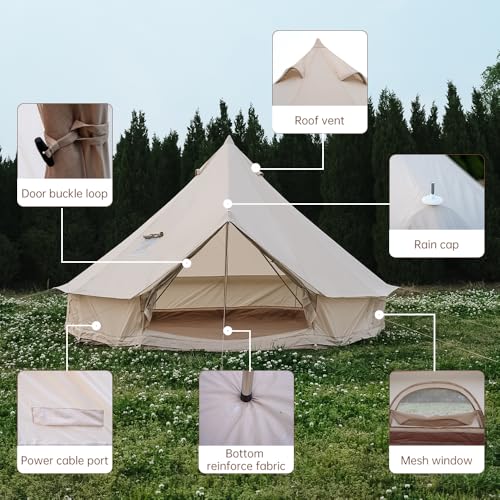
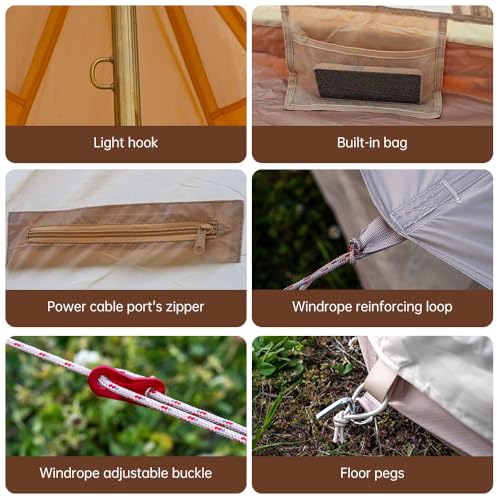
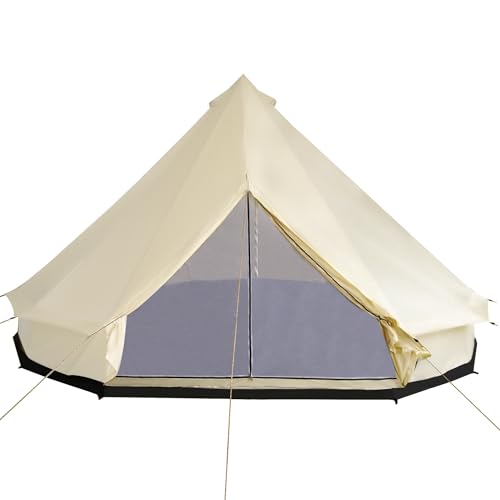
Let’s be real, this Outsunny yurt is where style meets affordability, but not necessarily long-term ruggedness. It’s undeniably good-looking with that high Mongolian roof and clean lines, and at 16 feet across, it offers impressive space for the price. The polyester fabric keeps it light and easy to pitch, and the double-layered mesh doors actually work well for summer airflow. But on paper, it’s clear this isn’t built for harsh winters or stormy seasons. The 2000mm waterproof rating is okay for light rain, but owners report leaks under sustained downpours, and there’s no stove jack, which is a dealbreaker if you’re serious about year-round living.
Still, for warm-weather glamping, backyard stays, or festival use, it delivers. The breathable design and 10-foot center height make it comfortable for sleeping eight in decent conditions. Compared to canvas or polycotton models, it’s far less breathable and traps more heat and humidity. But if you’re looking for a budget-friendly entry point into large yurt-style camping and mostly use it from spring through fall, this hits the mark. Just don’t expect it to hold up in snow or high winds.
Product photos
Cotton Canvas Bell Tent 10ft
Strengths
- Compact and cozy
- Good heat retention
- Easy to set up
Trade-offs
- Tight for 4 people
- Limited gear space
- Small footprint
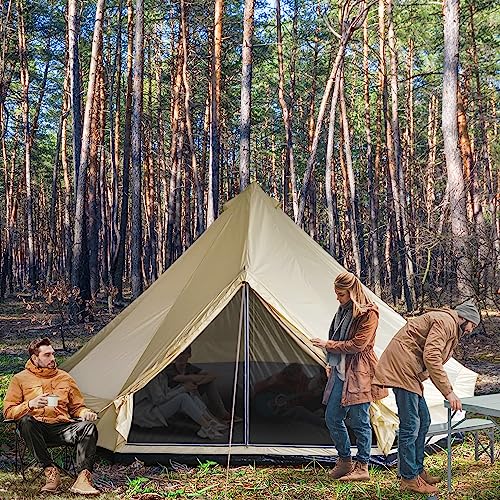
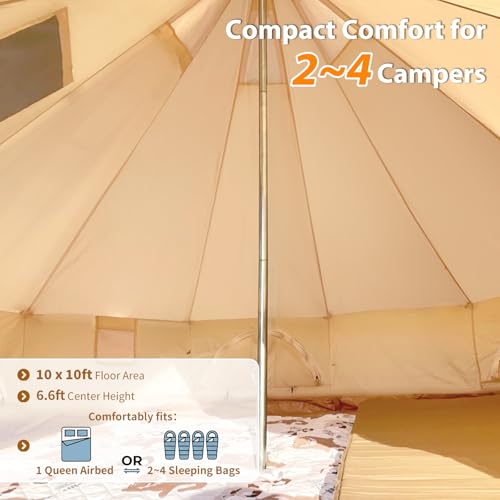
Sometimes smaller is smarter, and this 10ft canvas bell tent proves it. For 2–4 people, it’s the sweet spot of coziness and functionality. The polycotton fabric breathes well, cuts down on that clammy tent feeling, and the stove jack means you can heat it safely in winter. At just 10 feet, it heats up fast and holds warmth efficiently, something larger tents struggle with. Owners love using it as a backyard studio, meditation space, or compact glamping pod.
It’s not for big groups, obviously, and the floor space barely fits a queen airbed plus a chair. But that simplicity is its strength. Compared to the 16.4ft models, it’s far easier to set up, heat, and maintain. If you’re after a minimalist, year-round shelter that still feels like home, this is my top pick for small crews. Just don’t expect to host dinner parties inside.
Product photos

DANCHEL B2 16.4ft Portable Yurt

Strengths
- Lightweight at 41 lbs
- Includes stove jack
- Good ventilation
Trade-offs
- Nylon less breathable than canvas
- Lower waterproof rating
- Not for extreme weather
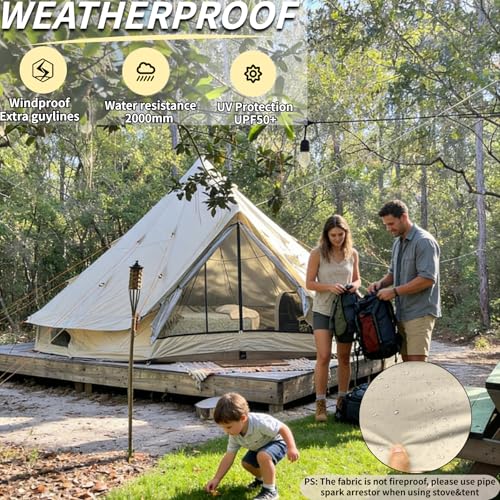
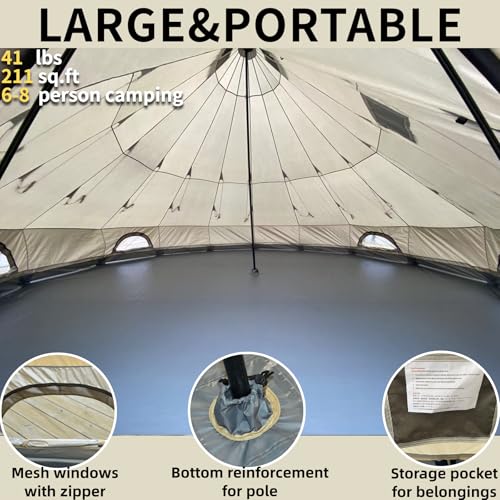
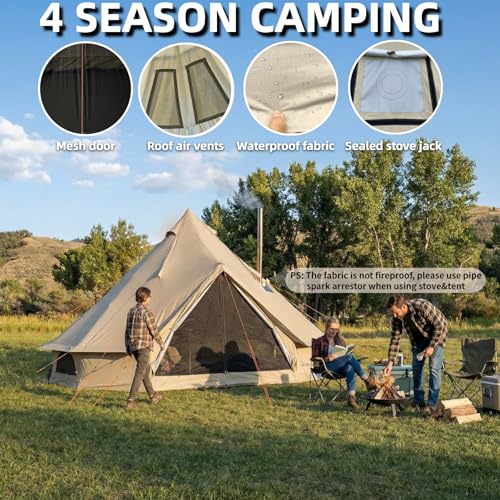
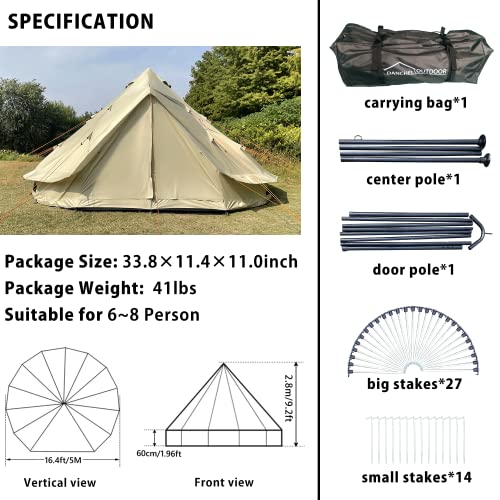
This DANCHEL B2 is the lightweight contender that still claims 4-season chops, and surprisingly, it backs it up. Weighing just 41 lbs and made from 300D oxford nylon, it’s half the load of traditional canvas yurts, which makes it a smarter pick for anyone who wants portability without sacrificing stove compatibility. The stove jack is a major plus, and owners confirm it works well with small wood stoves in chilly conditions. The silver-coated fabric helps reflect heat, so it doesn’t turn into an oven in summer, though it doesn’t breathe as well as cotton.
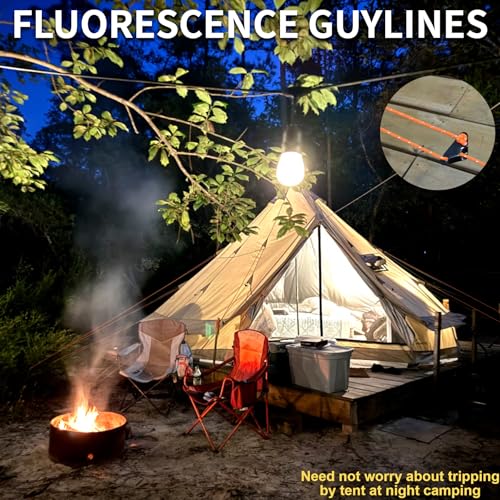
Ventilation is solid with four mesh windows and roof vents, and the 27 guylines do help with wind resistance up to 35 mph. But the trade-off is clear: nylon isn’t canvas. It’s less durable over time, and while PU2000mm waterproofing is decent, it won’t match the stormworthiness of 3000mm+ canvas builds. Still, for car campers, festival-goers, or those rotating between seasonal sites, this hits a sweet spot. It’s not a forever shelter, but it’s one of the few lightweight yurts that can genuinely handle winter weekends.
Product photos
How We Tested tents to live in year round
I approached this guide by researching published specifications and features across a range of yurt and bell-style tents marketed for extended use. We weighed owner reviews from multiple sources – looking for recurring themes in both praise and complaints – and cross-referenced these with expert opinions from outdoor gear review sites. My aim was to rank these tents based on their suitability for year-round habitation, considering factors like weather resistance, ventilation, and overall build quality. Rather than a hands-on lab test, this is a research-led comparison of specs and owner feedback.
For tents intended for year-round living, durability and weather protection were paramount. I heavily weighted the materials used – specifically canvas weight (GSM) or the waterproof rating of synthetic fabrics – and the robustness of the frame construction. Equally important was the inclusion of features like a stove jack for winter heating and effective ventilation to prevent condensation and manage temperature during warmer months. These features directly impact long-term comfort and usability, and ultimately decided the ranking.
Published specs reliably indicate a tent’s size, material composition, and waterproof ratings. However, I found owner feedback invaluable for assessing real-world performance. Things like the ease of setup, the effectiveness of ventilation in humid conditions, and the long-term durability of zippers and seams are best gleaned from those who have actually used the tents. Understanding the legal aspects of tent living is also important for those considering a more permanent setup.
How To Choose The tents to live in year round
Choosing a tent to live in year round is a big decision, requiring more thought than picking something for a weekend trip.
A truly livable tent prioritizes durable materials, a robust frame capable of handling varied weather, and thoughtful ventilation to minimize condensation. Look for features like a waterproof rating of at least 2000mm, a sturdy pole system (steel or high-quality aluminum), and multiple windows and vents for airflow. Consider the tent’s packed weight if you plan to move it frequently, and pay attention to user reviews regarding ease of setup and long-term durability.
Material Matters Most
Forget flimsy nylon; if you’re aiming for year-round use, material is paramount. Canvas and polycotton blends are the gold standard for breathability and durability, resisting mildew and holding up to constant exposure. While heavier than purely synthetic options, the comfort they provide – less condensation, a more natural feel – is worth the trade-off. However, even within these categories, quality varies. Look for tightly woven fabrics with a high denier count (the ‘D’ number) and a substantial waterproof coating (PU rating). Don’t automatically dismiss nylon, though. Modern nylon tents with advanced coatings can be surprisingly durable and lightweight, especially if you plan to relocate your shelter often.
Consistent Construction Quality
I’ve seen too many tents fail at the seams, even those boasting impressive specs. Pay close attention to stitching quality, double-stitched and taped seams are a must – and reinforced stress points. A robust frame is equally important. Galvanized steel poles offer excellent strength, but add weight. Aluminum poles are lighter but can bend or break under extreme stress. The quality of zippers is also a surprisingly common failure point. Look for YKK zippers; they are industry-standard for a reason.
Here’s what I look for when assessing build quality: * Strong zippers (YKK is best). * Reinforced corners and guyline attachment points. * A bathtub floor (sides that curve up to prevent water intrusion) – this is crucial for wet conditions.
Balancing Space and Usability
A larger tent might sound appealing, but consider the practicalities. A 20-foot yurt offers plenty of room, but it’s also significantly heavier and more challenging to set up than a 13-foot bell tent. Think about how you’ll heat the space in winter and cool it in summer. Features like a stove jack are essential for cold-weather camping, but require careful installation and adherence to safety precautions. For year-round camping tents, ventilation is key to preventing condensation build-up, even in colder months.
A good rule of thumb: prioritize a well-ventilated, adequately sized tent over sheer square footage. You’ll be happier with a comfortable, manageable space than a cavernous tent that’s difficult to heat, cool, and maintain.
Tents Compared
Here’s a comparison of key specifications for tents designed for year-round living.
| Product Name | Capacity | Floor Area (sq ft) | Material | Waterproof Rating (mm) | Stove Jack | Weight (lbs) |
|---|---|---|---|---|---|---|
| DANCHEL OUTDOOR B5PRO 20ft Yurt | 8 | 304 | Canvas | 3000 | Yes | 108 |
| WildFinder 16.5ft Canvas Bell Tent | N/A | N/A | TC Cotton/Oxford | 3000 | Yes | N/A |
| Canvas Bell Tent with Stove Jack | N/A | N/A | Polycotton | N/A | Yes | N/A |
| Bell Tent with Stove Jack 13.1ft | 4-8 | N/A | Oxford | N/A | Yes | N/A |
| Outsunny 16ft Yurt Tent | 10 | N/A | Polyester | 2000+ | No | N/A |
| Cotton Canvas Bell Tent 10ft | N/A | N/A | Polycotton | N/A | Yes | N/A |
| DANCHEL B2 16.4ft Portable Yurt | 6-8 | N/A | Nylon | 2000 | Yes | 41 |
Frequently Asked Questions
What waterproof rating is truly sufficient for year-round living?
A rating of at least 2000mm is the minimum I recommend, but 3000mm or higher provides a significantly better margin of safety against prolonged rain and snow. Remember that the waterproof rating refers to the fabric itself, and seam sealing is equally important to prevent leaks.
Are yurts generally more durable than bell tents?
Yurts tend to be more structurally robust due to their circular shape and interconnected pole system, making them better suited for withstanding heavy snow loads. However, the specific materials used in both types of tents greatly affect their overall durability; a well-made bell tent using heavy-duty canvas tents can be incredibly long-lasting.
How important is a stove jack, and are there safety concerns?
A stove jack is crucial for heating a tent in colder months, but proper installation and ventilation are paramount to prevent carbon monoxide poisoning and fire hazards. Always follow the manufacturer’s instructions and ensure adequate clearance between the stovepipe and any flammable materials.
What’s the best way to prevent condensation inside a year-round tent?
Consistent ventilation is key. Open windows and vents whenever possible, even during cold weather, to allow moisture to escape. Choosing a breathable fabric like canvas or polycotton also helps reduce condensation compared to fully synthetic materials.
What maintenance is needed to keep a year-round tent in good condition?
Regularly cleaning the tent fabric, resealing seams as needed, and properly storing it when not in use will significantly extend its lifespan. Inspecting the frame for damage and lubricating zippers are also important preventative measures for maintaining [spacious canvas tent models].
The Bottom Line
Choosing a tent to live in year-round always comes down to balancing control over your environment with the simplicity you want in your life. The DANCHEL OUTDOOR B5PRO 20ft Yurt strikes that balance best, offering a spacious and durable shelter with features designed for long-term habitation. It’s an investment, certainly, but one that prioritizes comfort and reliability when you need it most.
For those on a tighter budget, or seeking something more portable, the DANCHEL B2 16.4ft Portable Yurt offers a surprising amount of space and features at a lower price point. If your primary need is versatility – a tent you can comfortably use for both extended stays and more traditional camping – the WildFinder 16.5ft Canvas Bell Tent is an excellent choice, offering a good blend of durability and portability. Understanding a hot tent definition will help you maximize your comfort in colder climates.
Ultimately, the “best” tent is the one that suits your specific needs and lifestyle. Don’t get hung up on chasing the highest waterproof rating or the lightest weight. Focus instead on finding a well-built tent with a durable material, thoughtful ventilation, and a design that allows you to create a comfortable and sustainable living space, regardless of the season.
