
9 Best Tents to Live In of 2026
This post contains affiliate links. As an Amazon Associate, we earn from qualifying purchases.
The best tent to live in is the MC TOMOUNT Canvas Bell Tent 16.4ft, it’s spacious, durable, and built for long-term comfort. For a more affordable option, the LOYEAHCAMP 8 Person 3-Room Dome Tent offers smart separation and solid value. If you want something quick to set up with modern flair, the Inflatable Tent with Panoramic Skylight stands out.
Most people don’t realize how cramped and damp a standard tent can feel after a few days. Living in a tent isn’t just about shelter, it’s about having space to breathe, stay dry, and function like you would at home.
This guide cuts through the marketing and focuses on what actually matters for extended stays: real floor space, weather resistance, and ventilation. I compared specs, read owner reviews, and used my experience with long-term tent setups to find models that won’t leave you wishing for a roof.
Top 9 Tents To Live In in the Market
The Best Tents To Live In, Reviewed
XL Inflatable Camping Tent 6-8 Person
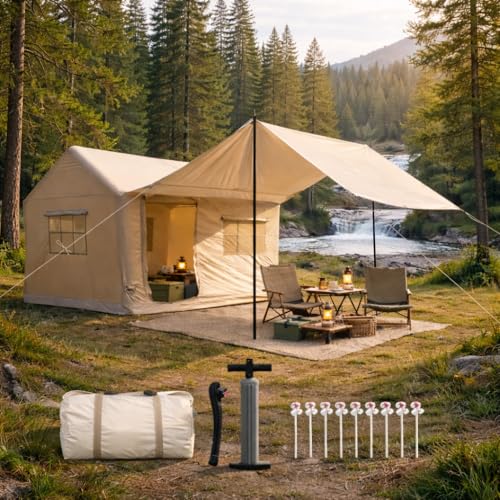
Strengths
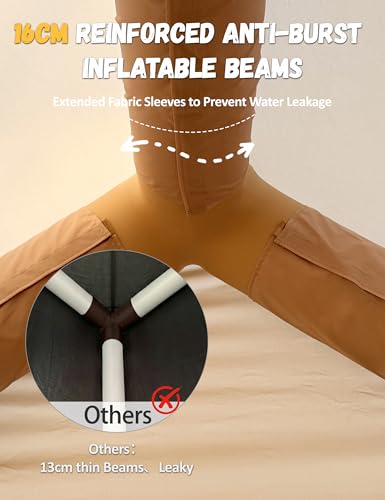
- Extra-thick 6.3″ air beams
- Massive 3x4M awning
- All-season durable fabric
Trade-offs
- High price point
- Requires manual inflation
- Not ideal for tight spaces
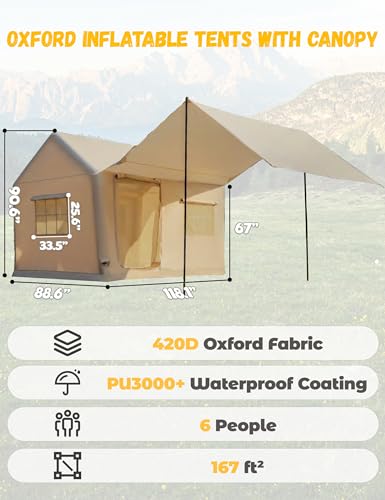
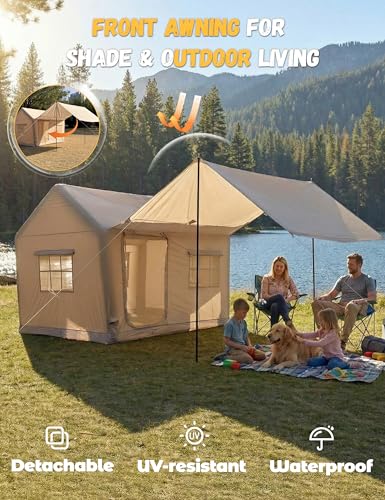
This is the one I’d pick if I wanted a true ‘live-in’ tent with zero compromises on comfort. The 6.3-inch air beams are noticeably stiffer than most inflatables, giving it a solid, almost cabin-like feel. The XL 3×4 meter awning is a standout, no other tent here offers that much covered outdoor space out of the box. It transforms the whole setup into a real camp compound.
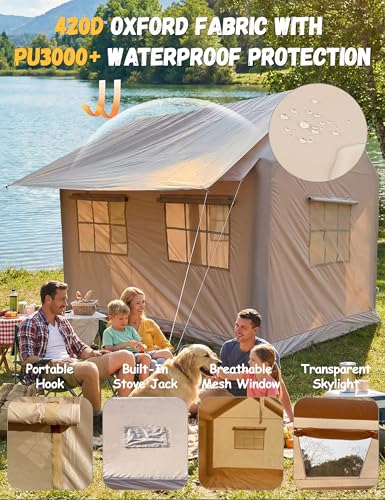
Owners consistently rate it highly for stability, especially in mild wind, and the 420D waterproof fabric holds up well over time. Setup is fast, and the included kit has everything you need. While it’s not breathable like canvas, the ventilation is better than average, and the dual doors help air move through. For overall livability, this is the benchmark.
Product photos

MC TOMOUNT Canvas Bell Tent 16.4ft
Strengths
- Breathable cotton roof
- Removable floor
- All-season usability
Trade-offs
- No PU coating on roof
- Heavier than synthetics
- Requires two people to pitch
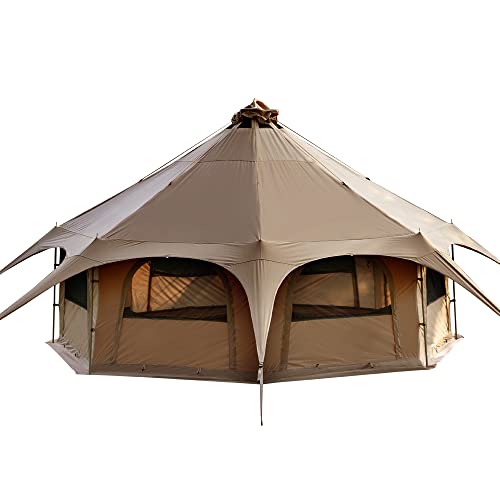
This bell tent is a solid all-rounder in the canvas category, good height, decent ventilation, and a breathable TC cotton roof that keeps condensation in check. The 55-inch sidewalls make it more usable than traditional sloped designs, and the double-stitched seams add durability many budget models lack. Owners appreciate the zipped removable floor, which lets you use it on dry ground or attach it for full protection.
It doesn’t have the tallest peak or the clearest roof for stargazing, but it’s reliable across seasons. The lack of PU coating means you’ll need the rainfly in steady rain, but that also keeps the fabric from feeling stuffy. For a balance of performance and price, it’s one of the smarter picks in the mid-range canvas market.
Product photos


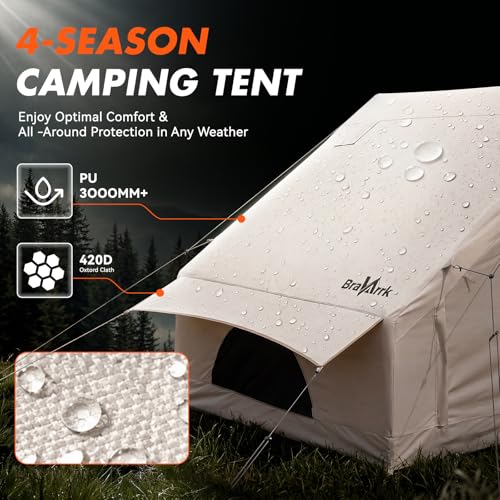
Inflatable Tent with Stove Jack 4-6P
Strengths
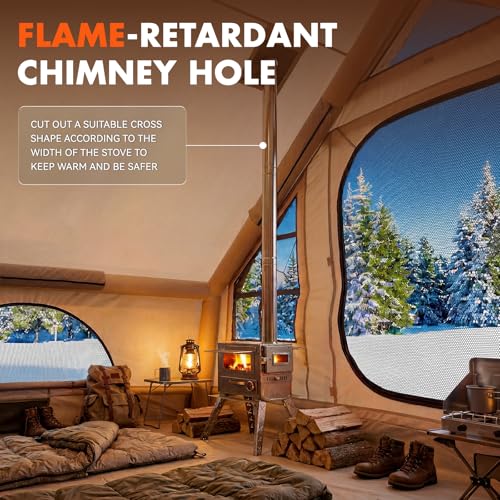
- Stove jack for heating
- Fast inflatable setup
- Good weather resistance
Trade-offs
- Not breathable like canvas
- Risk of over-inflation
- Limited floor space
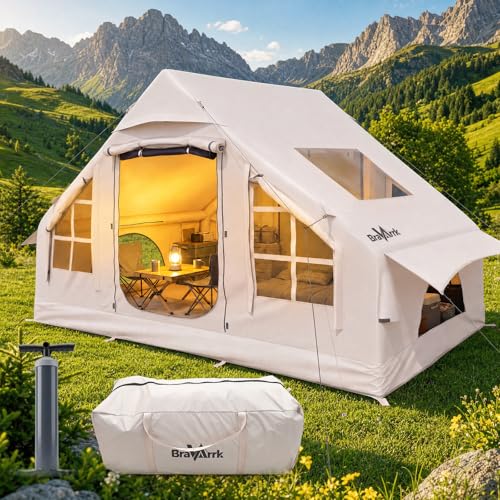
This inflatable hot tent hits a sweet spot for winter campers who want speed and warmth. The stove jack is well-placed and heat-resistant, and owners using wood stoves report the interior warms evenly without hot spots. The 4-6 person space is snug for sleeping eight, but fine for four with gear, ideal for couples or small groups in cold weather.
The PU3000mm waterproofing and Oxford fabric hold up well in snow and rain, but the inflation system demands attention: over-pressurizing can damage the beams. Still, the 5-minute setup is a major advantage when you’re arriving in freezing temps. Compared to canvas, it’s lighter and faster, but not as breathable long-term.
Product photos

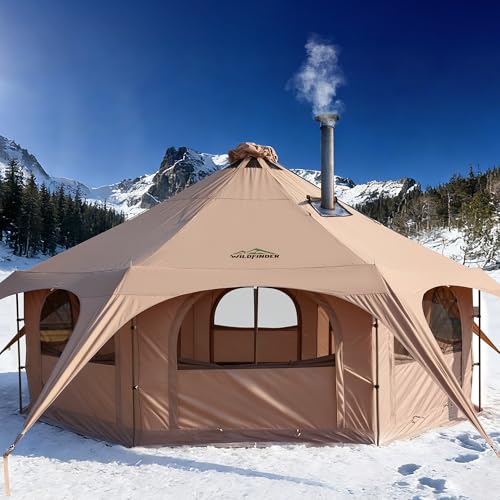
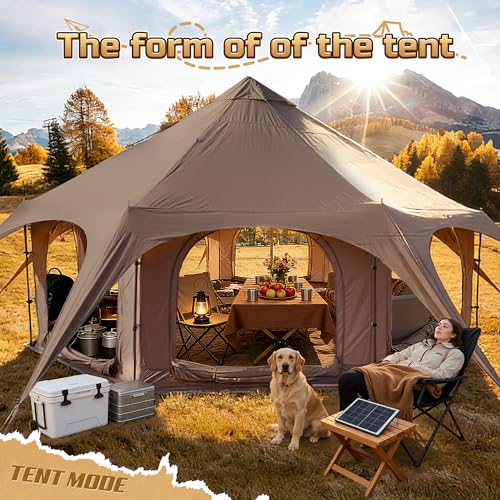
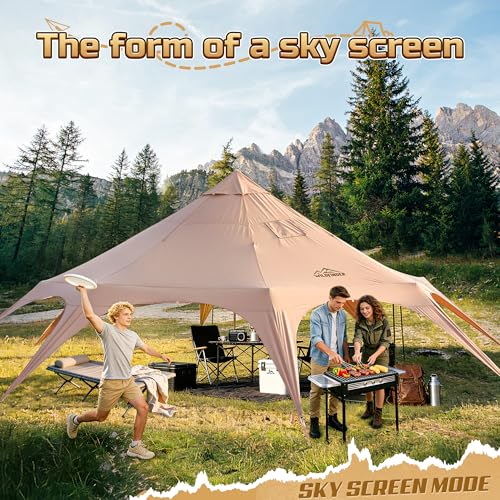
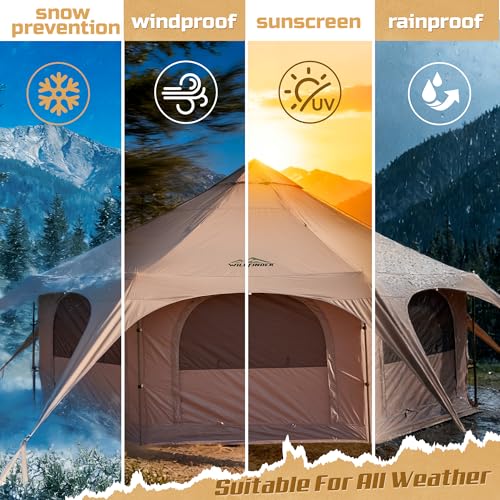
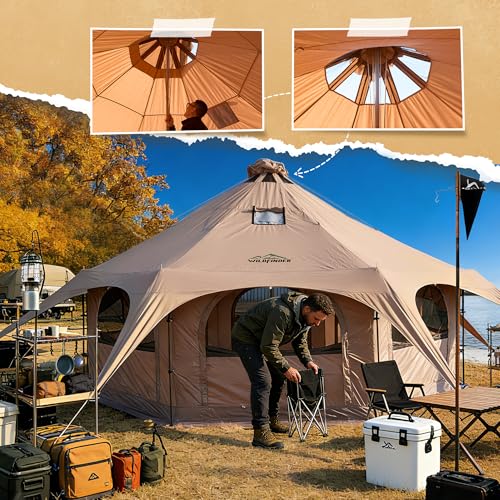
WildFinder 16.5ft Canvas Bell Tent
Strengths
- Excellent 360° ventilation
- Stove jack for heating
- High vertical sidewalls
Trade-offs
- Heavy and bulky
- Longer setup time
- Pricier than synthetics
Canvas bell tents don’t get much better than this when you want space, airflow, and four-season capability. The 55-inch vertical walls are a standout, you can actually use the full floor area without sloping sides eating up room. The TC cotton roof breathes well, and owners consistently report less condensation than synthetic tents, especially in humid conditions. Add in the stove jack, and you’ve got a serious shelter for winter or off-grid living.
The included positioning tool is a small but thoughtful touch, pitching a tent this big solo is tough, but this helps get stakes right the first time. Setup still takes effort, and at nearly 100 pounds with the rainfly, it’s not for the faint of heart. But if you’re building a basecamp for weeks at a time, this is one of the few tents that feels like a real outdoor home.
Product photos
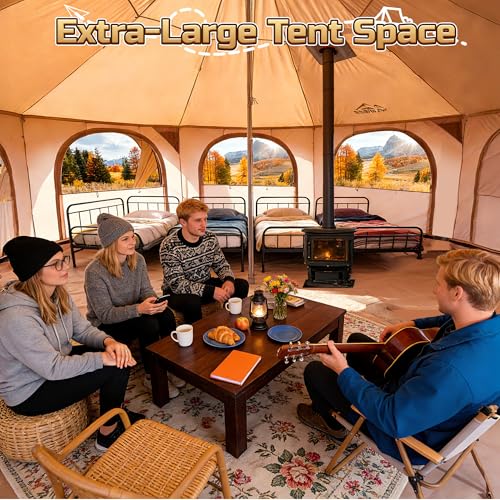
TOMOUNT Canvas Tent with TPU Roof

Strengths
- TPU transparent roof
- High sidewalls for space
- Stove jack compatible
Trade-offs
- Heavy and bulky
- Requires rainfly for storms
- Not for solo setup
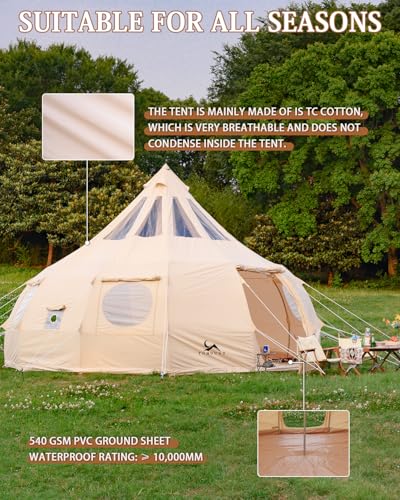
This TOMOUNT bell tent stands out with its nearly 10.5-foot peak height and a TPU transparent roof that’s far superior to cheap PVC. The clarity is excellent, owners say it feels like camping under a glass dome during the day, and at night, the stars come through beautifully. The high sidewalls (63 inches) mean you can place furniture right against the edges, which is rare.
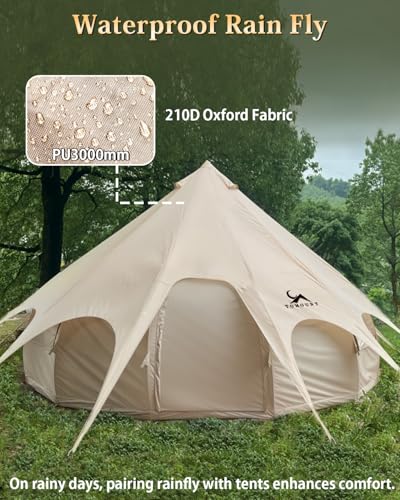
The TC cotton blend handles moisture well, but without a PU coating, it’s not fully waterproof, so the included rainfly is essential in wet weather. Setup takes time and at least two strong people, but the result is a luxurious, breathable shelter. It’s heavier than most, but if you’re staying put for days or weeks, that’s a fair trade.
Product photos



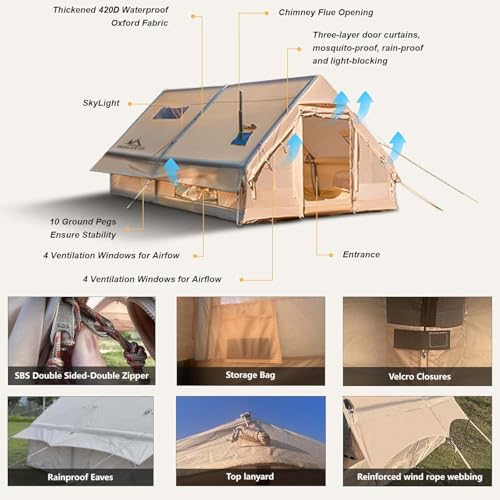
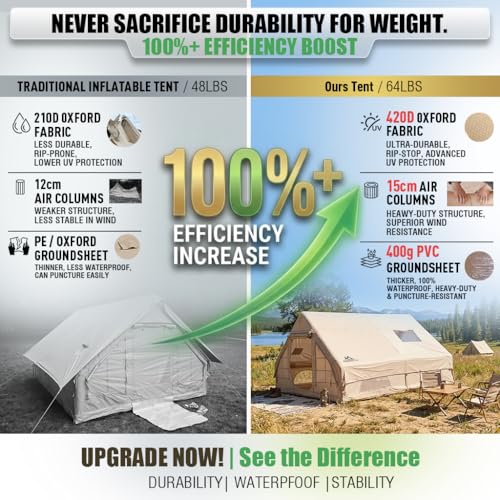
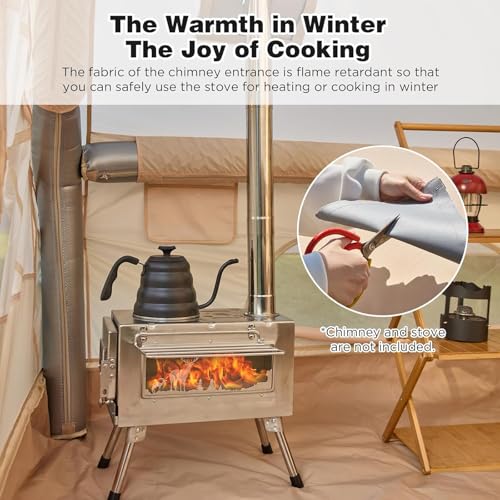
Inflatable Tent 8-10 Person with Stove Jack
Strengths
- Huge 129 sq ft space
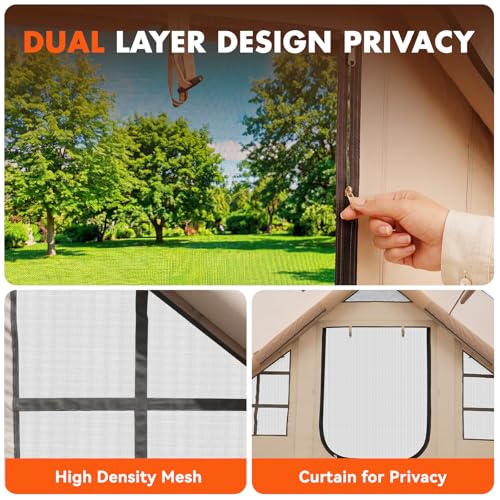
- Excellent mesh ventilation
- Durable 420D fabric
Trade-offs
- Bulky and heavy when packed
- Struggles in cold weather
- Long inflation time
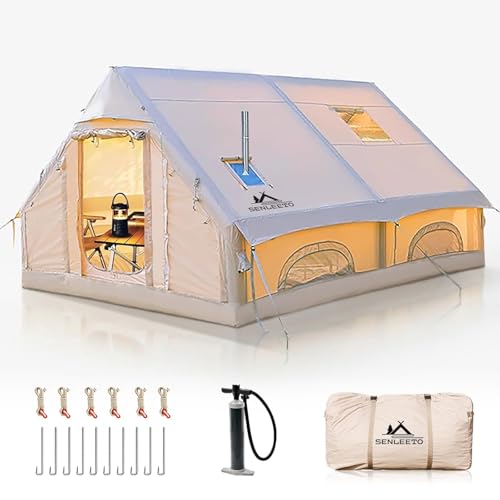
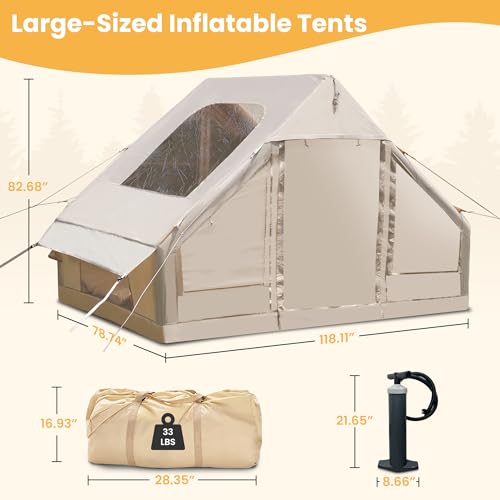
At 129 square feet, this inflatable tent is massive, easily one of the largest in this lineup. The 8-10 person claim is optimistic for sleeping, but as a daytime lounge or group hangout, it shines. Owners love the two doors and six mesh windows, which create real cross-ventilation, a rarity in inflatables. The thick 420D Oxford fabric feels rugged, and the PU coating adds solid rain protection.
But the warning about avoiding bad weather is real, several reviewers say the beams lose pressure in cold temps or heavy wind. And while the hand pump works, inflating something this big takes effort. It’s best treated as a basecamp hub, not a backcountry shelter. For festivals or family gatherings, it’s a party tent that doubles as sleeping space.
Product photos


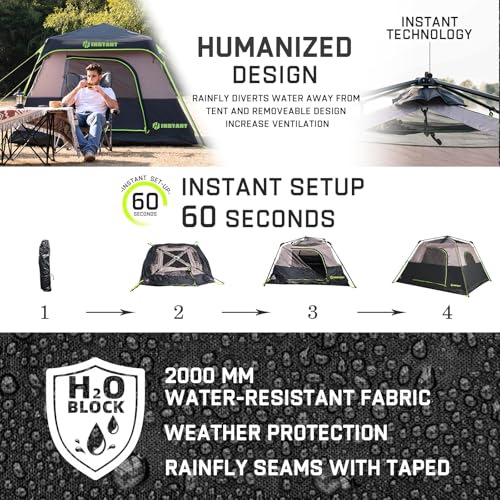
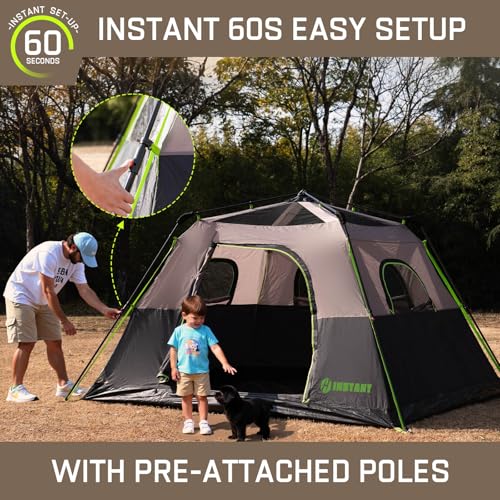
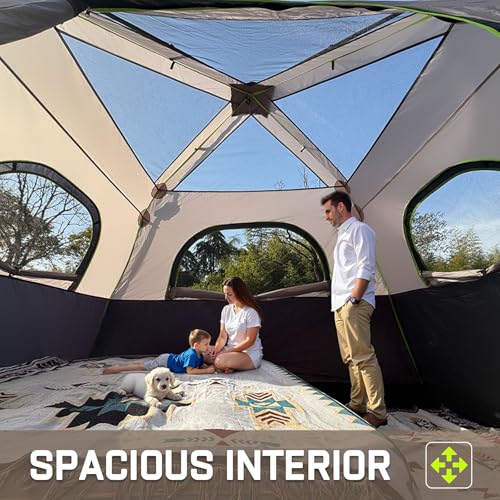
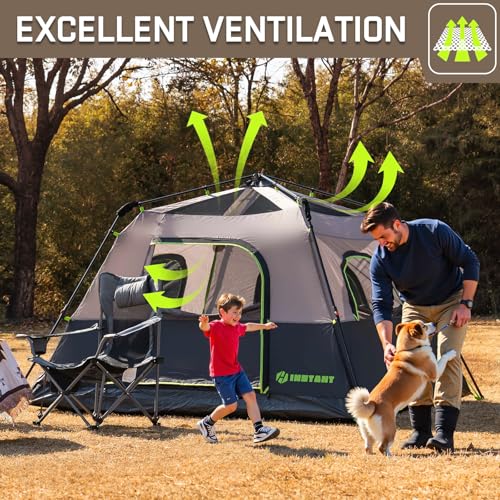
HINSTANT 6 Person Instant Tent

Strengths
- 60-second pop-up setup
- Budget-friendly pricing
- Good headroom and ventilation
Trade-offs
- Flimsy stakes
- Zipper durability issues
- Basic rainfly
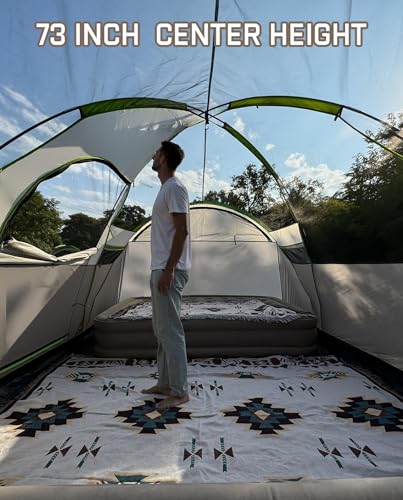
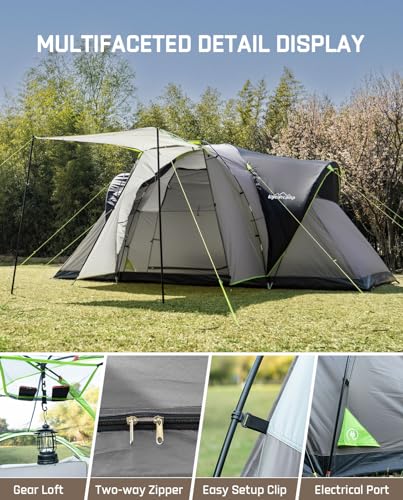
If you’re looking for a no-fuss, affordable shelter that gets the job done, this HINSTANT model is hard to beat. The pre-attached metal poles snap into place quickly, and owners confirm the 60-second setup claim is realistic with two people. The 73-inch height gives decent headroom, and the upgraded ventilation with ceiling mesh helps reduce that stuffy feeling common in budget tents.
It’s not perfect, some users report zippers snagging over time, and the included stakes are underwhelming in hard ground. But for the price, the waterproofing (PU3500mm floor) and included power port are solid touches. Compared to pricier instant tents, it lacks premium materials, but for weekend trips with kids or festival camping, it’s the smarter buy.
Product photos

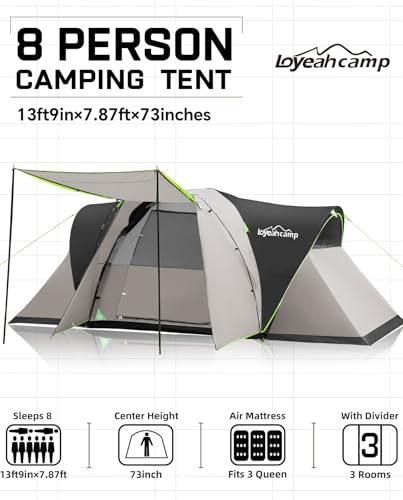
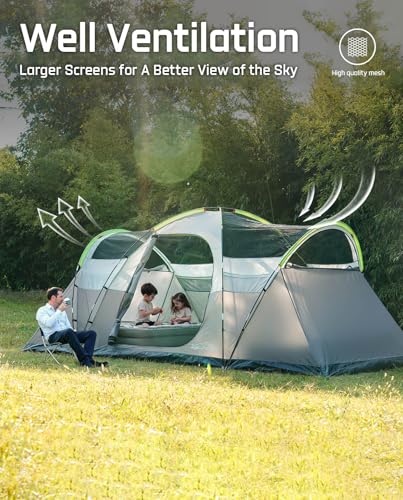
LOYEAHCAMP 8 Person 3-Room Dome Tent

Strengths
- Spacious 8-person layout
- 3-room privacy design
- Good mesh ventilation
Trade-offs
- Fiberglass poles
- Moderate rain protection
- Condensation issues
This dome tent tries to pack a lot into a family-friendly package, and on paper, the 3-room layout with privacy curtains sounds ideal for parents wanting separation from kids or guests. The size is generous, and owners consistently report it fits three queen air mattresses without serious squeezing, which is rare in this class. Still, the fiberglass poles, while adequate, don’t inspire confidence in anything beyond light wind, and the PU2000mm waterproofing is just average for heavy rain.
The ventilation looks good with mesh across the roof and doors, but real-world feedback suggests condensation can build up on cooler nights, especially with more than two people inside. It sets up fast for its size, but calling it ‘instant’ is a stretch, it still takes two people and some coordination. Compared to true instant cabins, this one demands more patience.
Product photos

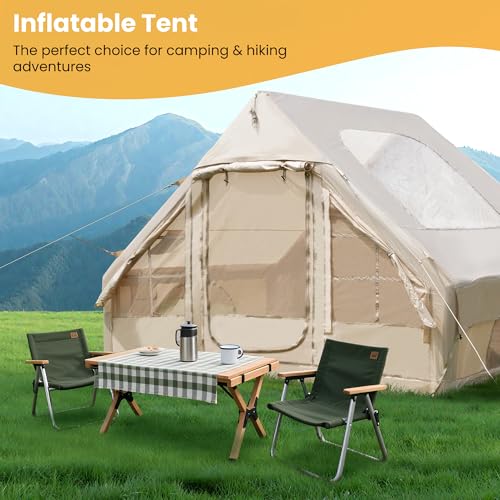
Inflatable Tent with Panoramic Skylight
Strengths
- Fast inflatable setup
- Panoramic stargazing skylight
- Walk-in height for comfort
Trade-offs
- Manual pump only
- Canopy flaps in wind
- Limited airflow control
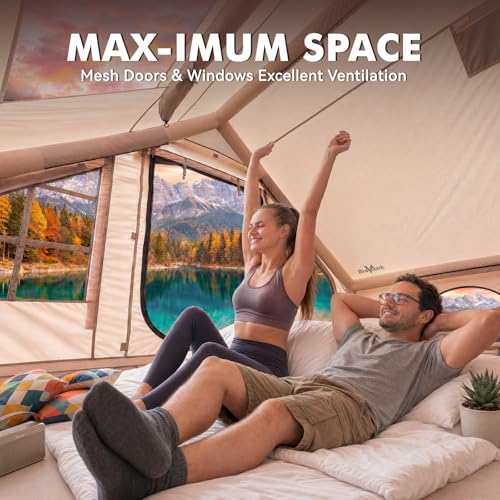
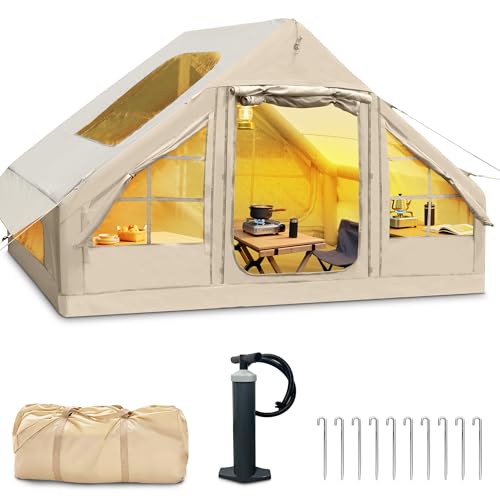
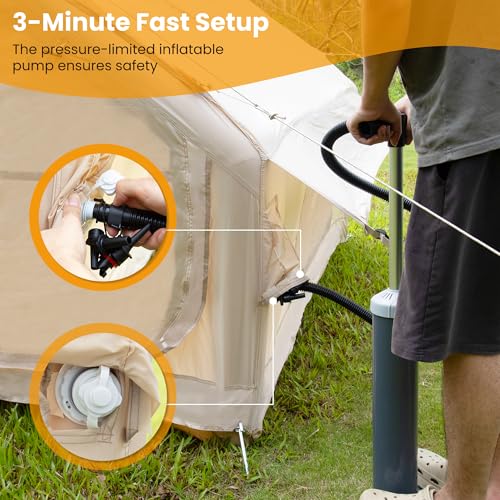
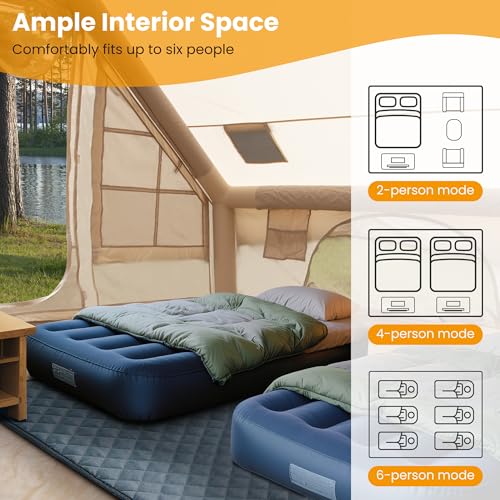
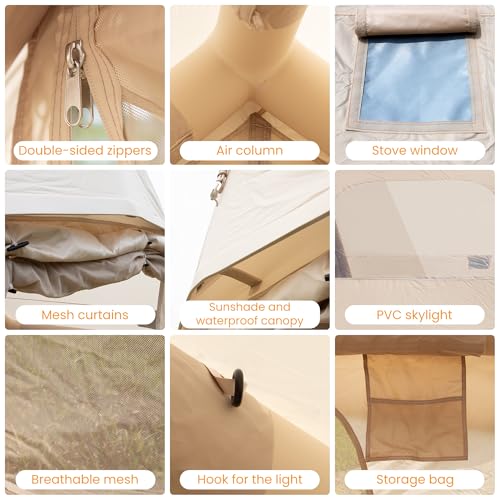
Inflatable tents have come a long way, and this model delivers on the glamping dream, quick setup, a bright interior, and that skylight that makes stargazing effortless. The 78-inch center height means most adults can stand comfortably, and the 300D Oxford fabric feels durable enough for repeated use. Owners praise how easy it is to pitch solo in under five minutes, which is a real win for weekend spontaneity.
But there’s a catch: you must stick to the manual pump. High-pressure electric pumps are a hard no, and that limits convenience if you’re tired or camping with limited mobility. Also, while the front canopy adds usable space, it’s not integrated smoothly, some users report it flaps in wind. Still, for comfort and ambiance, it beats most pop-up cabins.
Product photos
How We Chose These tents to live in
As a lifelong tent enthusiast, I approach evaluating shelters with a focus on long-term usability and comfort. Rather than a hands-on lab test, this research was a deep comparison of published specifications and features across numerous models. I weighed owner reviews from sites like Amazon and reputable expert reviews to understand real-world performance, combining this with my knowledge of tent materials, construction, and intended use cases. My goal was to identify tents genuinely suited for extended stays, not just weekend trips.
For tents intended for more than occasional use, several factors stood out as most important. Spaciousness is key – you need room to move, store gear, and potentially even “zone” a living space. Durability and weather resistance are critical; a tent meant for living in needs to withstand prolonged exposure to the elements. Finally, ventilation is paramount to prevent condensation and maintain a comfortable interior climate. These three elements determined how I ranked each model.
Specifications reliably indicate a tent’s potential size and waterproof ratings. However, I placed a greater emphasis on owner feedback to assess how those specs translate into reality. Reviews often reveal issues with durability, ease of setup, and real-world weather protection that aren’t apparent from a datasheet. Reputation and brand consistency also played a role; established manufacturers with a track record of quality generally inspired more confidence, and understanding the practicalities of tent living is essential when making this kind of investment.
How To Pick The Right tents to live in
Choosing a tent isn’t just about picking a color; it’s about finding a shelter that matches your camping style and the environments you plan to explore.
A quality tent balances weight, durability, weather resistance, and ease of use. Look for robust fabrics (ripstop nylon or polyester, canvas), waterproof coatings (measured in mm), a strong frame (aluminum is lighter and stronger than fiberglass), and well-sealed seams. Consider the tent’s capacity relative to your group size, and prioritize features like ventilation and vestibules for gear storage.
Capacity & Space
Don’t fall into the trap of buying a tent that exactly matches the number of sleepers it advertises. Manufacturers often base capacity on a “cozy” fit. I always recommend sizing up. A 4-person tent is comfortable for two adults, allowing room for gear. A 6-person tent is ideal for a family of four. Consider not just floor space, but also peak height – if you dislike crouching, look for tents with higher ceilings.
Fabric & Weatherproofing
The fabric a tent is made from is crucial. Polyester is generally more affordable and UV-resistant, while nylon is lighter and often stronger. Canvas tents, like the MC TOMOUNT Canvas Bell Tent, offer excellent breathability and a classic aesthetic, but they are significantly heavier. Waterproofing is measured in millimeters (mm) – a higher number indicates better resistance. Look for a minimum of 2000mm for the rainfly and 3000mm for the floor. Don’t skimp on seam sealing, as this is where water often penetrates.
- A lower mm rating (1500-2000mm) is fine for fair-weather camping.
- A mid-range rating (2000-3000mm) offers good protection for most conditions.
- Higher ratings (3000mm+) are essential for extended trips in unpredictable weather or for those seeking year-round living tents.
Special Features & Intended Use
Think about how you plan to use your tent. If you’re camping in cold weather, you might want to consider a tent with a stove jack. The Inflatable Tent with Stove Jack 4-6P is specifically designed for this, allowing you to safely use a wood-burning stove inside. If you want a truly luxurious experience, look for features like panoramic skylights (as seen in the Inflatable Tent with Panoramic Skylight) or room dividers for privacy. For those wanting to extend their camping season, consider a hot tent for winter living.
Don’t assume a higher price automatically means a better tent. Prioritize features that align with your needs and carefully research owner reviews to get a realistic assessment of a tent’s performance.
Tents to Live In Compared
This table provides a specification overview of various tents designed for extended or comfortable camping experiences.
| Product Title | Capacity | Material (Main) | Waterproof Rating | Setup Time | Special Features |
|---|---|---|---|---|---|
| XL Inflatable Camping Tent 6-8 Person | 6-8 Person | 420D Oxford | N/A | 5 min | Inflatable, XL Awning |
| MC TOMOUNT Canvas Bell Tent 16.4ft | N/A | TC Cotton Canvas | Light to Medium Rain | N/A | Bell Shape, Stove Compatible |
| Inflatable Tent with Stove Jack 4-6P | 4-6 Person | Oxford Fabric | PU3000mm | 5 min | Inflatable, Stove Jack |
| WildFinder 16.5ft Canvas Bell Tent | N/A | TC Cotton, Oxford | PU3000mm | N/A | Bell Shape, Stove Jack |
| TOMOUNT Canvas Tent with TPU Roof | N/A | TC Cotton, TPU | N/A | N/A | Bell Shape, Skylight |
| Inflatable Tent 8-10 Person with Stove Jack | 8-10 Person | 420D Oxford | N/A | 10 min | Inflatable, Stove Jack |
| HINSTANT 6 Person Instant Tent | 6 Person | 190T Polyester | PU2000mm | 60 sec | Instant Setup |
| LOYEAHCAMP 8 Person 3-Room Dome Tent | 8 Person | Polyester | PU2000mm | 10 min | 3-Room, Curtain Dividers |
| Inflatable Tent with Panoramic Skylight | 4-6 Person | 300D Oxford | N/A | 5 min | Inflatable, Skylight |
Frequently Asked Questions
What’s the biggest difference between a tent for weekend camping and one for living in?
A tent designed for extended living prioritizes space and durability over portability. You’ll want to look for a larger floor area, higher ceilings, and heavier-duty fabrics that can withstand long-term exposure to the elements, unlike a lighter-weight tent for shorter trips.
Are canvas tents really better for long-term use, despite the weight?
Yes, canvas tents offer superior breathability and a more comfortable interior climate, especially in varying temperatures. While significantly heavier than synthetic options, the canvas material is also naturally more durable and can withstand years of use with proper care.
What waterproof rating is actually sufficient for a tent I plan to live in?
A waterproof rating of 3000mm or higher is best for the rainfly and 3000mm for the floor to handle prolonged rain and wet conditions. Lower ratings (1500-2000mm) are okay for fair weather, but you’ll want that extra protection for a more permanent setup.
I’m concerned about condensation inside the tent – what can I do?
Proper ventilation is crucial for minimizing condensation. Look for tents with multiple windows, vents, and a breathable fabric like canvas. Avoid completely sealing up the tent, even in inclement weather, to allow for airflow.
Should I consider an inflatable tent for easier setup?
Inflatable tents can be incredibly quick and easy to pitch, often in under 10 minutes, making them a good option if you want to minimize setup time. However, they typically come with a higher price tag and may require a pump and more careful handling compared to traditional pole-supported tents, and aren’t always the best choice for year-round durable tents.
The Bottom Line
Choosing a tent to live in often comes down to balancing convenience with a sense of long-term durability. While inflatable tents like the XL Inflatable Camping Tent 6-8 Person offer incredibly fast setup and spacious interiors, for those truly planning extended stays, I believe the MC TOMOUNT Canvas Bell Tent 16.4ft provides the best overall combination of weather protection, breathability, and classic comfort. It’s an investment, yes, but one that prioritizes lasting quality.
For readers prioritizing specific needs, the options are plentiful. If budget is a primary concern, the HINSTANT 6 Person Instant Tent delivers on quick setup and reasonable weather protection. Those seeking versatility for four-season use should strongly consider the Inflatable Tent with Stove Jack 4-6P, and if you’re dreaming of a luxurious, roomy experience, the Inflatable Tent with Panoramic Skylight is hard to beat.
Ultimately, remember that the best tent isn’t about the highest waterproof rating or the fanciest features. It’s about finding a well-made shelter that suits your lifestyle and protects you from the elements. Prioritize quality materials, robust construction, and a design that allows for comfortable living, and don’t forget to research [living in a tent on private land] to understand local regulations before making your decision.
