
8 Best Tents for Winter Camping 2026
This post contains affiliate links. As an Amazon Associate, we earn from qualifying purchases.
The WildFinder 16.5ft Canvas Bell Tent stands out as the best overall winter camping tent for car campers who want durability, space, and real heat retention, especially when paired with a stove. For backpackers, the Clostnature 2-Person 4-Season Tent is a solid budget-friendly pick that doesn’t skimp on weather protection.
Winter camping demands more than just a sturdy shelter, it requires a tent that can handle snow, wind, and the constant battle against condensation. Too many people learn the hard way that a three-season tent just won’t cut it when temperatures drop and storms roll in.
This guide cuts through the marketing hype. Based on specs, owner feedback, and years of evaluating gear, I focused on what actually matters: construction quality, ventilation, and the ability to keep you dry and warm when conditions turn harsh. These are the models that consistently deliver when the stakes are high.
Top 8 Tents Winter Camping in the Market
The Best Tents Winter Camping, Reviewed
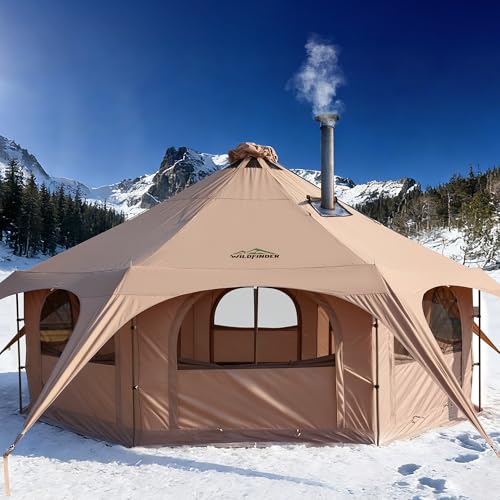
WildFinder 16.5ft Canvas Bell Tent
Strengths
- Full-height walls
- Breathable cotton roof
- Positioning tool included
Trade-offs
- Very heavy
- Not packable
- Long setup time
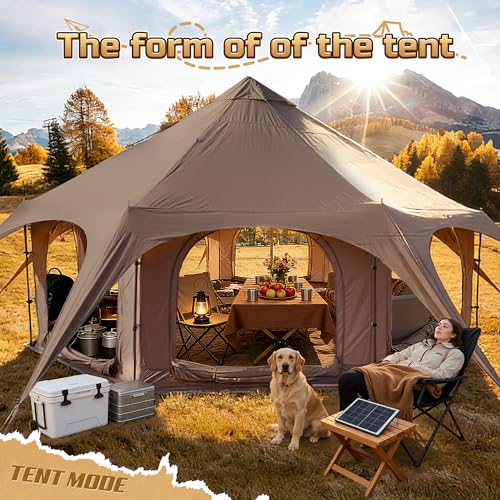
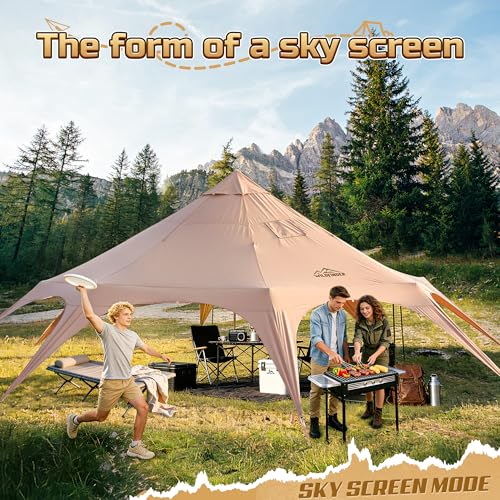
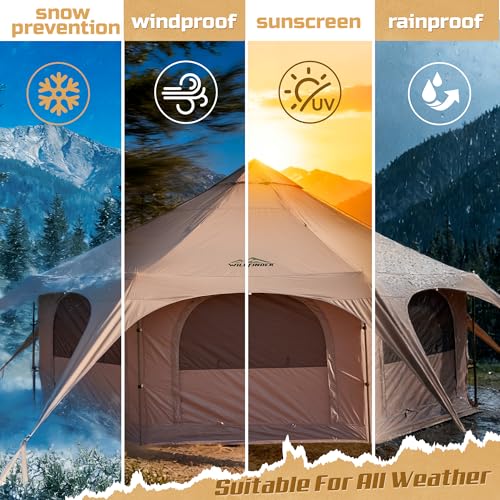
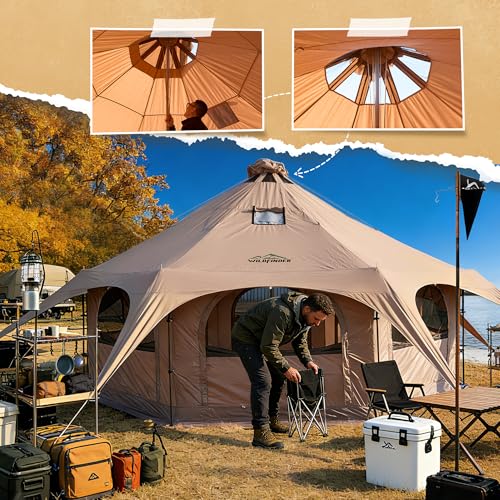
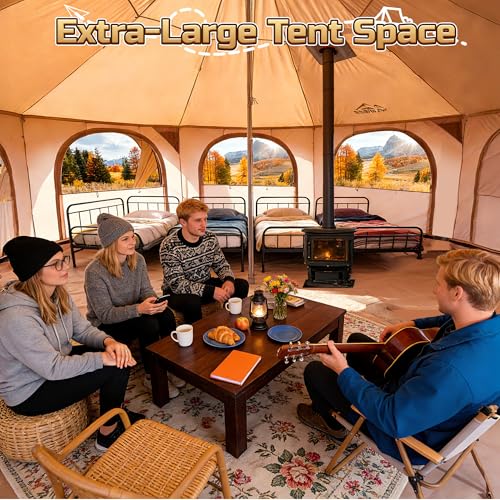
This is the king of glamping, a true 4-season basecamp tent that feels more like a tiny home than a shelter. The 55-inch vertical walls are a standout; you can actually move around without crouching, which makes a huge difference on multi-day winter trips. The TC cotton roof is brilliant for managing condensation, and the 8 mesh windows provide unmatched airflow, even with the stove running.
The stove jack is well-placed and heat-resistant, and the included positioning tool makes setup surprisingly easy for a tent this size. It’s heavy, no surprise, given the iron poles and 600D floor, but that also means it holds up in high winds. Compared to the REDCAMP model, this one is clearly built for permanence and comfort. Owners using it for winter hunting cabins or off-grid stays say it performs flawlessly. If you want luxury and durability over portability, this is the one.
Product photos
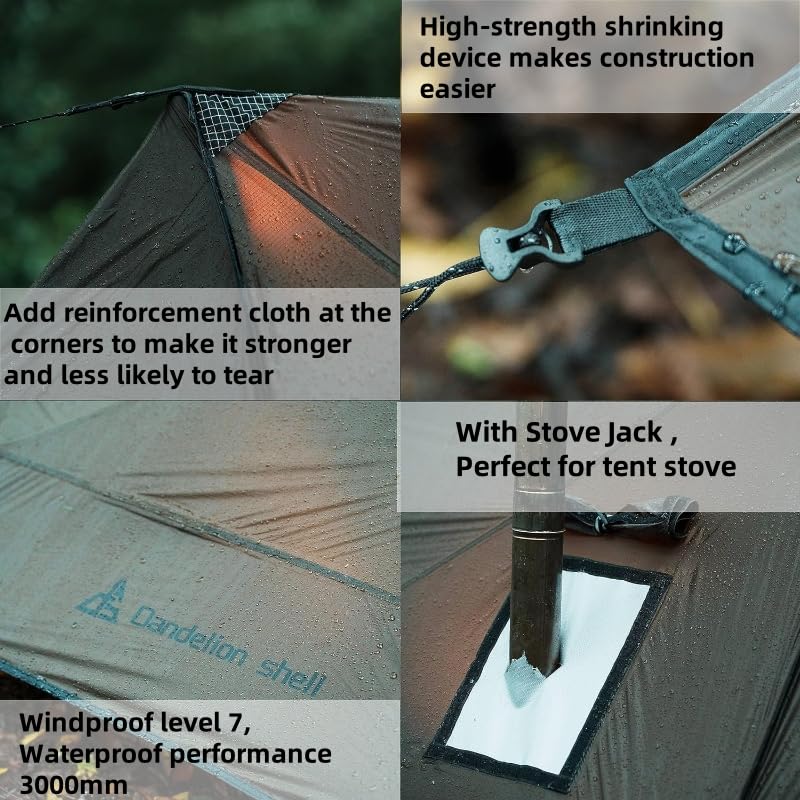
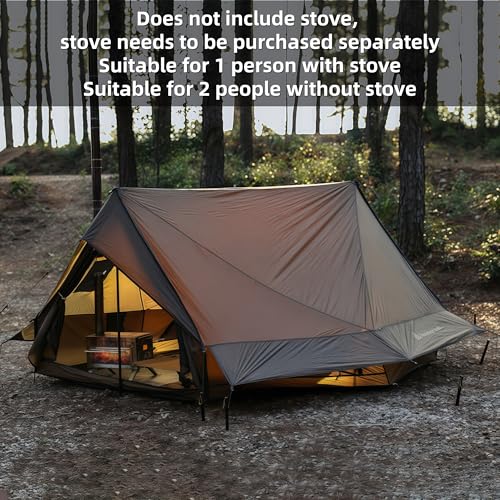
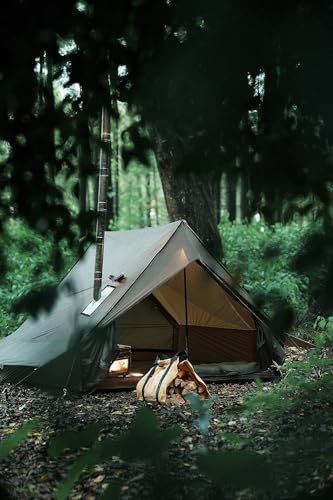
Hot Tent with Stove Jack 1-2 Person

Strengths
- Stove-compatible
- Fireproof ground mat
- Lightweight
Trade-offs
- Cramped for two
- Poor headroom
- Minimal storage
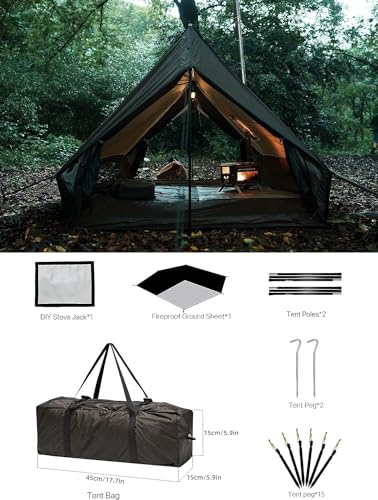
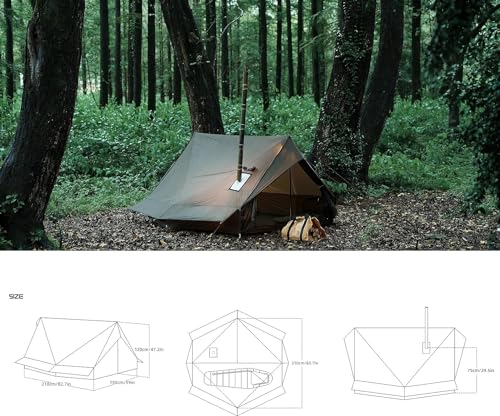
This is a no-frills, functional hot tent built for one thing: staying warm in winter. The 20D silicone-coated nylon keeps weight down (just under 5 lbs), and the stove jack is properly reinforced, a detail that matters when you’re running a wood stove. The fireproof ground mat is a big plus, and the 3000mm waterproofing is adequate for most winter conditions.
It’s tight for two people, especially with gear, and the 47-inch height means you’ll be sitting or lying down only. But for solo backpackers who need heat and portability, it’s a rare find. Compared to the Underwood 1-person, it’s less storm-ready but better if you’re relying on a stove. Owners using it in sub-zero conditions say it holds heat well, though ventilation needs careful management to avoid condensation.
Product photos
Inflatable Tent with Skylight 4-6 Person
Strengths
- 5-minute setup
- Spacious interior
- Skylight included
Trade-offs
- Heavy and bulky
- Not for backpacking
- Heat retention issues
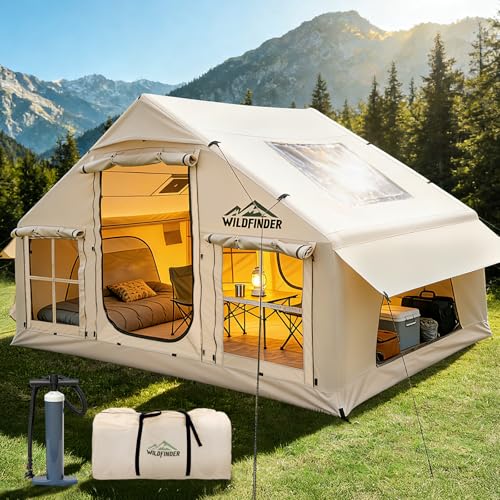
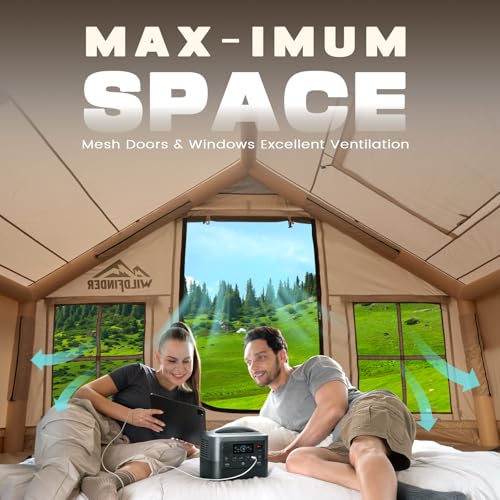
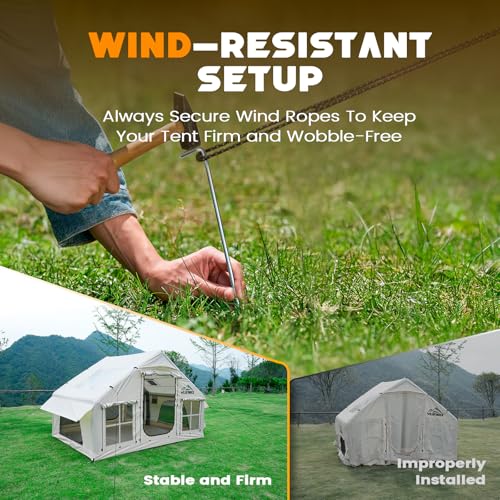
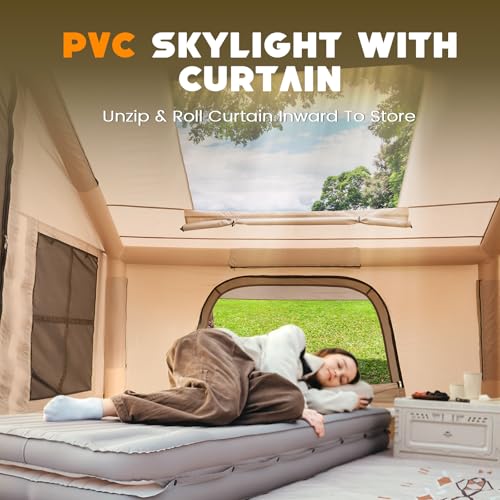
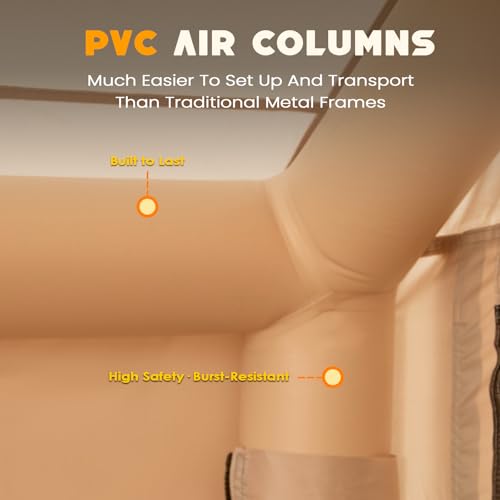
This inflatable is all about comfort and convenience, and if you hate wrestling with poles, it’s a revelation. The TPU air beams inflate in 5 minutes with the included pump, and the skylight is genuinely fun for stargazing. The 420D Oxford fabric is tough, and the stove jack means it can handle winter use, though the weight (over 20 lbs with pump) kills any backpacking dreams.
It’s huge, 68 square feet, and the vertical walls let most people stand comfortably. But it’s clearly designed for car camping or glamping. The mesh windows offer great airflow, but the PVC skylight can get hot in sun and feels less insulated in deep cold. Compared to the WildFinder bell tent, it’s easier to set up but less breathable. For family trips or festivals, it’s fantastic. For serious winter survival, not so much.
Product photos
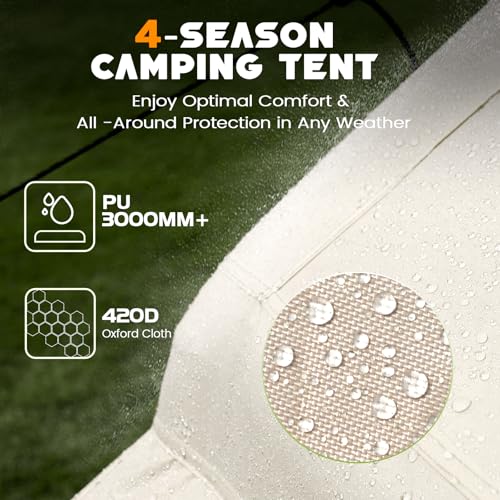
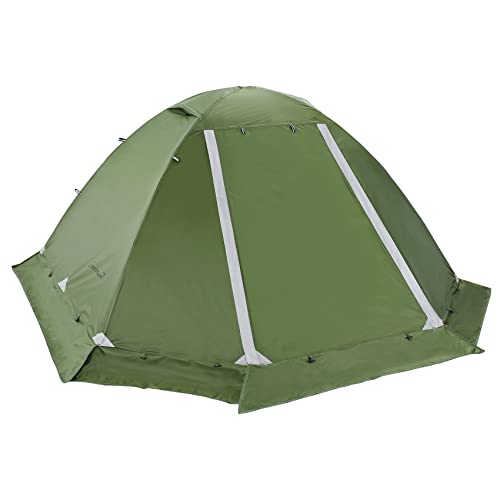
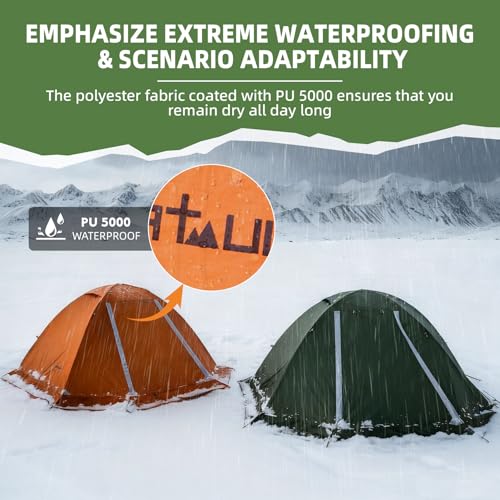
Clostnature 2-Person 4-Season Tent
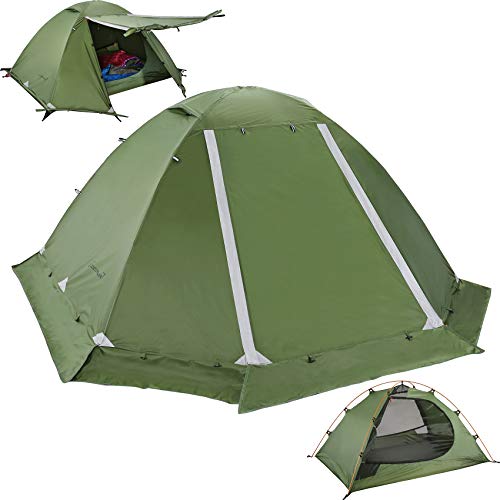
Strengths
- PU 5000 waterproofing
- Dual vestibules
- Freestanding setup
Trade-offs
- Poles lack rigidity
- Slightly heavy
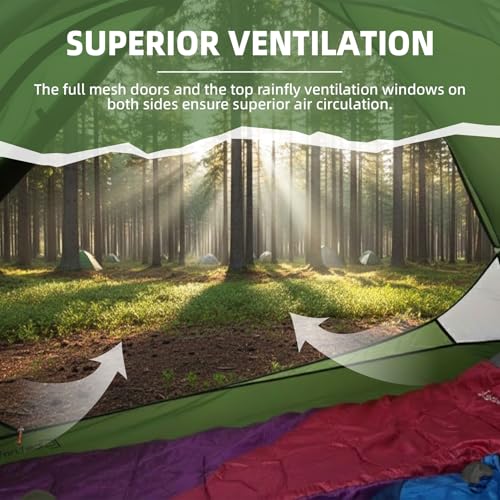
- Average vent control
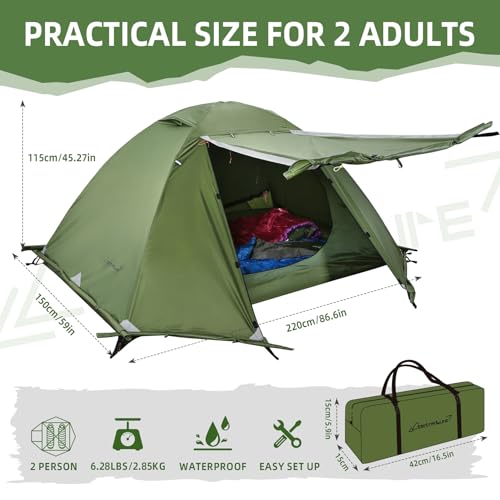
This 2-person tent hits a sweet spot for backpackers who need true 4-season capability without the bulk. The PU 5000 coating is a standout spec, that level of waterproofing isn’t common at this weight or price, and owners consistently report staying dry even during sustained winter storms. The freestanding design with two aluminum poles makes setup a breeze, especially for solo hikers, and the dual vestibules are genuinely useful for gear storage in snowy conditions.
Where it really shines is balance: it’s not the lightest, but at under 6 lbs trail weight, it’s manageable for long hikes, and the extra space (especially compared to the 1-person Underwood model) makes it a smarter pick for couples or anyone bringing a dog. That said, some reviewers note the poles feel a bit thin in extreme winds, not a dealbreaker, but something to consider if you’re tackling exposed alpine ridges.
Product photos
1-Person 4-Season Backpacking Tent
Strengths
- Ultra compact
- Aircraft-grade poles
- Snow skirt included
Trade-offs
- Tight fit for gear
- Limited headroom
- No extra vestibule
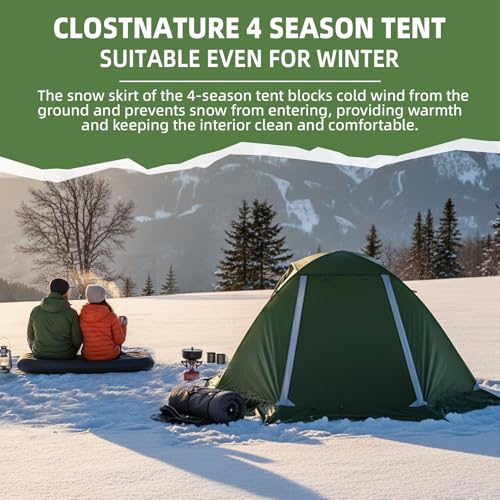
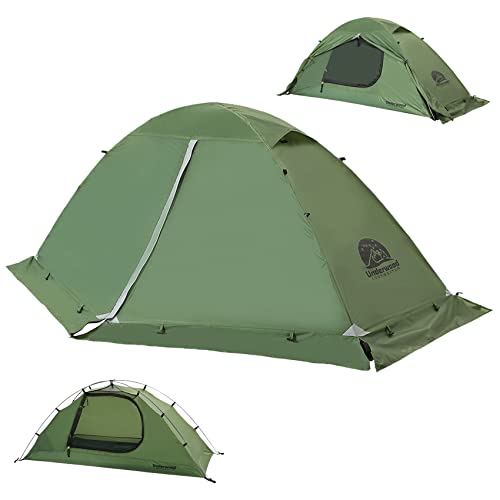
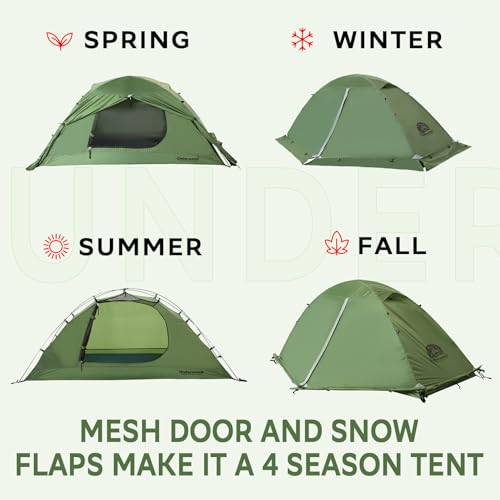
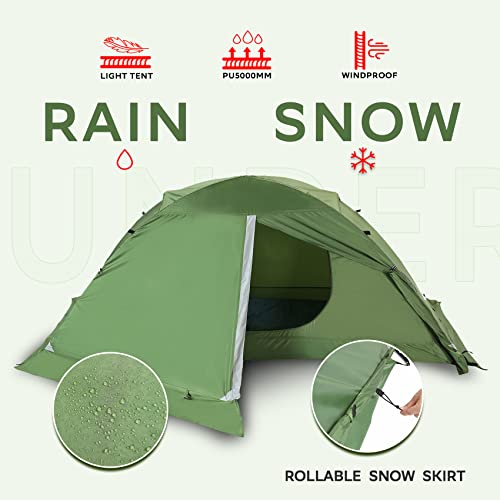
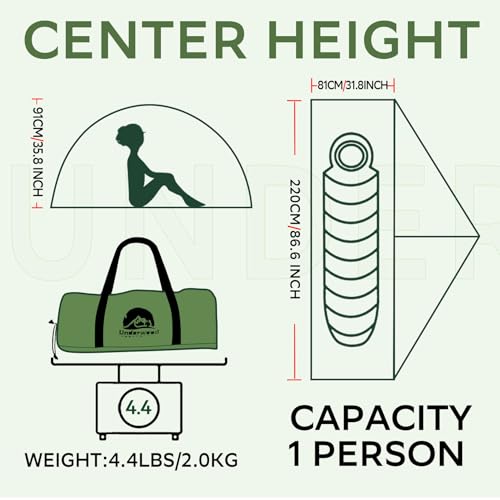
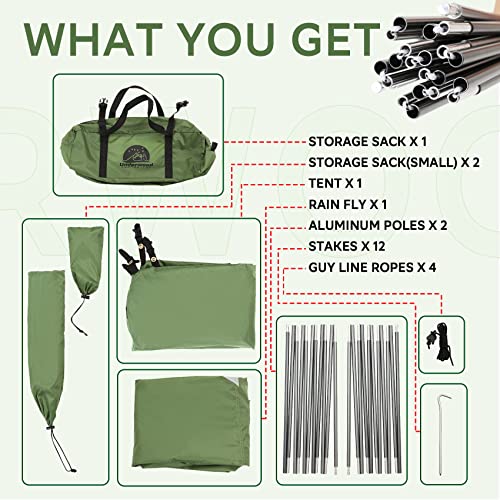
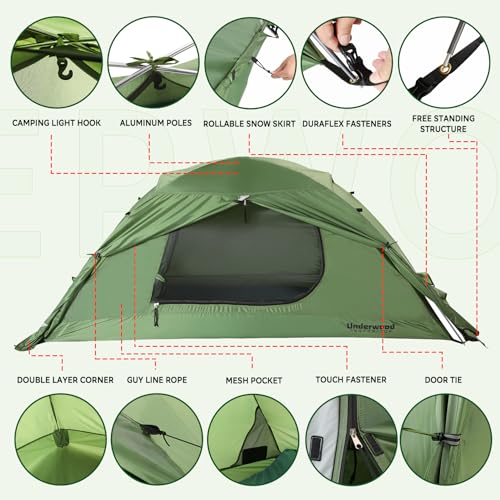
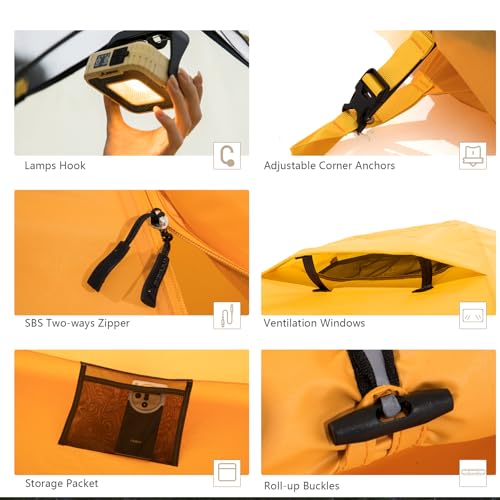
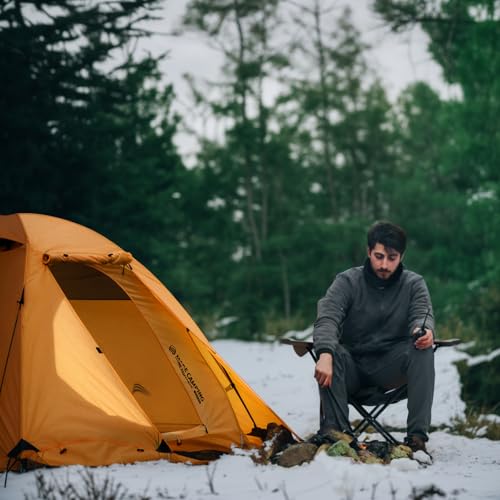
If you’re a solo winter hiker who values compactness and stormworthiness, this Underwood tent deserves serious attention. At just 4.4 lbs and packing down to 5×15 inches, it’s one of the more portable true 4-season solo shelters out there. The aircraft-grade aluminum poles and double-layered corners give it serious structural credibility, and the snow skirt is well-executed, reviewers in the Rockies and Cascades say it seals well against drifting snow.
The interior isn’t huge, but it’s efficiently laid out: the 35.8-inch center height lets you sit up, and the interior light hook and mesh pocket are thoughtful touches. Compared to the Clostnature 2-person, it’s clearly more specialized, you’re trading space for weight savings and storm resilience. I’d pick this over the BISINNA model for serious winter use, simply because the materials feel more dialed for extreme cold.
Product photos
BISINNA 2-Person 4-Season Tent

Strengths
- Snow skirt included
- Dual doors
- Budget-friendly
Trade-offs
- PU 3000 coating
- Average durability
- Condensation issues
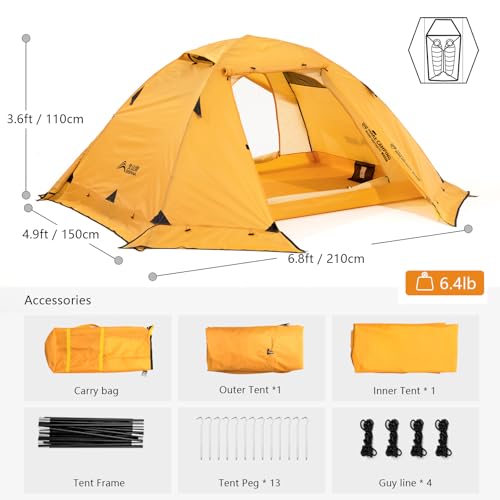
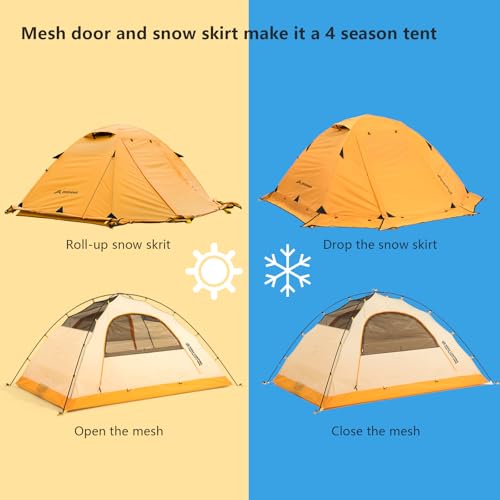
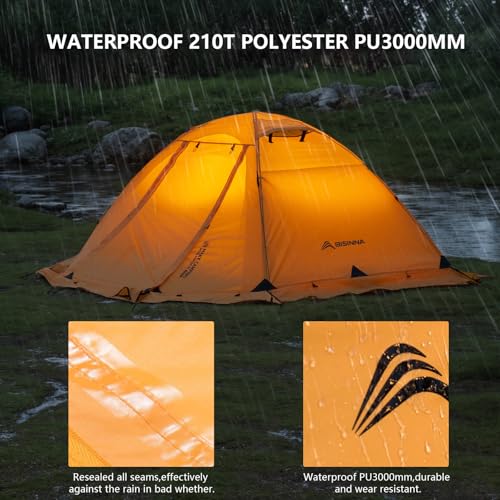
This is the budget pick that doesn’t completely cut corners. At under 6.5 lbs, it’s reasonably light, and the PU 3000mm coating and snow skirt mean it can handle real winter conditions. The dual doors and vestibules are practical, and the freestanding design makes it easy to pitch, a big plus when you’re tired and cold.
But it’s clear where the savings were made: the polyester fabric isn’t as durable as higher-end models, and some owners report seam leaks after repeated use. Still, for the price, it’s a solid entry-level 4-season tent. Compared to the Forceatt model, it’s slightly heavier but offers better cold-weather features. I’d recommend it for beginners or occasional winter campers who don’t want to spend top dollar.
Product photos
REDCAMP Hammock Hot Tent 4 Season

Strengths
- Hammock compatible
- Stove jack included
- Spacious interior
Trade-offs
- Tarp poles not included
- Heavy for backpacking
- No floor included
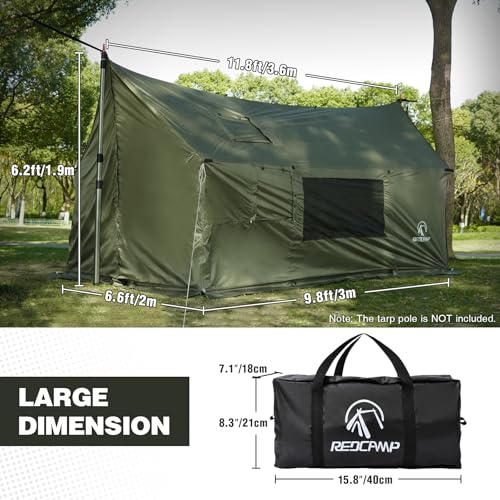
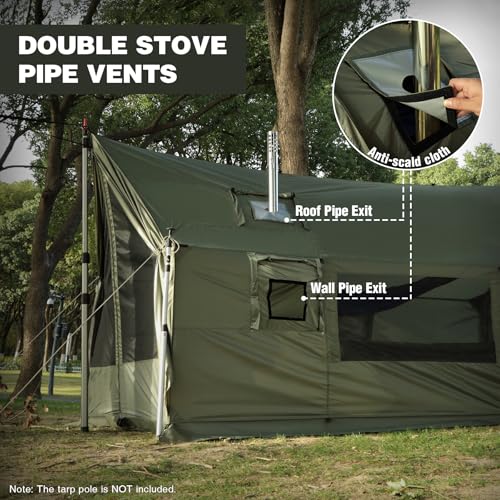
This is a niche shelter that pulls off a tricky hybrid: a freestanding hot tent that works with a hammock. At 11.8 feet long, it’s massive, more like a small cabin than a backpacking tent, and the 7.9 lb weight reflects that. It’s not something you’d carry far, but for basecamp setups, bushcraft, or car-accessible winter trips, it offers serious comfort.
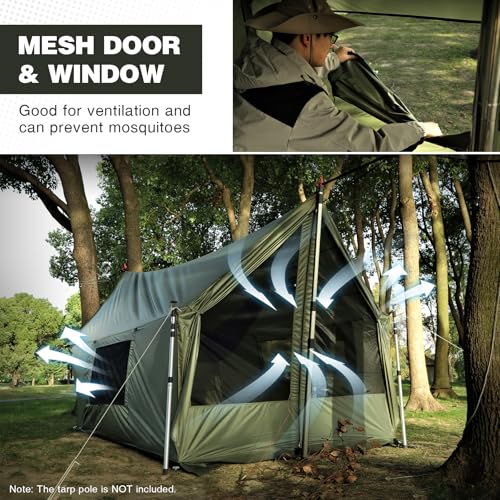
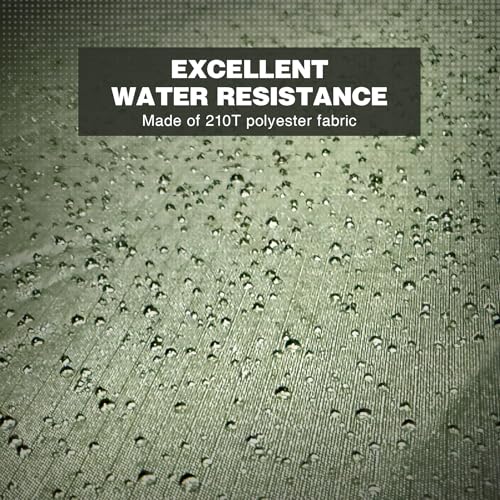
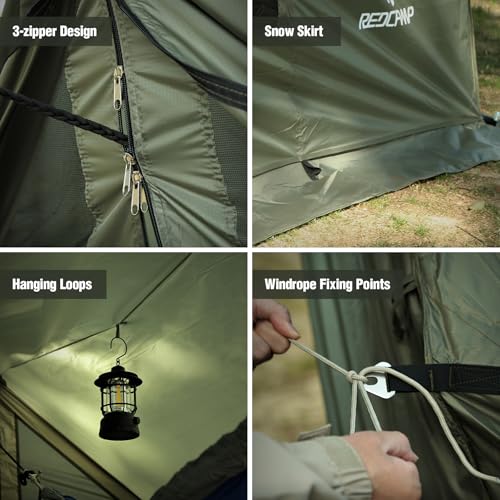
The stove jack and snow skirt are functional, and owners using it with small stoves report it heats up quickly. The 3-zipper design is smart, allowing wide access and good airflow when needed. But the lack of included tarp poles is a real oversight, you’ll need to buy those separately, which adds cost and complexity. Compared to the WildFinder bell tent, it’s less refined but more portable. For hammock campers who want warmth and space, it’s a compelling option.
Product photos
Forceatt 2-Person Backpacking Tent

Strengths
- 3-minute setup
- Sturdy zippers
- Welded floor
Trade-offs
- 3000mm waterproofing
- Condensation risk
- Vestibule too small
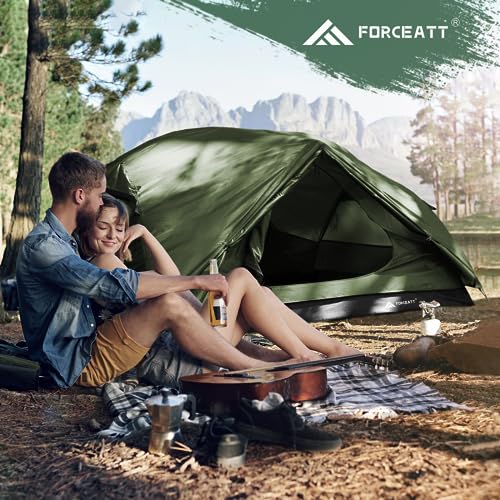
This tent is built for speed and simplicity, and if quick setup is your top need, it’s hard to beat. The 3-minute pitch time isn’t marketing fluff; owners consistently praise how fast and intuitive it is, even in low light or snow. The 7001-series aluminum poles are stiffer than average, and the #8 zippers are smooth, which matters when you’re cold and gloved.
Waterproofing is rated at 3000mm, which is decent but not exceptional for true winter camping, it’ll handle light snow and rain, but won’t match the PU 5000 models in prolonged storms. Still, the welded floor and full-coverage rainfly add real protection. Where it falls short is ventilation: the mesh is limited, and some users report condensation issues in humid winter conditions. For fair-weather 3-season use or short winter trips, it’s a solid value. But for deep winter, I’d go with the Clostnature or BISINNA.
Product photos


How We Chose These tents winter camping
I approach tent selection with the mindset of a dedicated outdoor enthusiast. Rather than a hands-on lab test, this research-led comparison focuses on detailed specifications and features, combined with a thorough review of owner feedback and reputable expert opinions. We looked at a wide range of tents marketed for winter use, analyzing construction, materials, and reported performance in challenging conditions.
For winter camping tents, weight, weatherproofness, and the ability to retain heat are paramount. A tent’s capacity to withstand wind and snow loads directly impacts safety and comfort, so we prioritized models with robust pole systems and durable fabrics. Equally important is the ability to manage condensation, as moisture buildup can quickly become a problem in cold weather; features like ventilation and breathable fabrics were heavily weighted.
Specifications reliably indicate a tent’s potential – waterproof ratings, fabric denier, and pole material – but owner feedback provides crucial insight into real-world performance. We paid close attention to comments regarding condensation, wind resistance, and ease of setup. Understanding how a tent holds up under actual use, beyond the manufacturer’s claims, is essential. We also considered all-season tent durability when assessing long-term value.
How To Pick The Right tents winter camping
Choosing the right tent for winter camping requires a bit more thought than a three-season model. You’re not just looking for dryness and bug protection; you need something that can withstand potentially heavy snow loads, strong winds, and frigid temperatures.
A quality winter camping tent prioritizes durable materials (think thicker fabrics and robust poles), a full rainfly extending to the ground to trap heat and block wind, and a design that minimizes condensation buildup. Look for features like snow flaps, a sturdy frame capable of supporting snow, and adequate ventilation to manage moisture. Consider the tent’s weight if backpacking is involved, but don’t sacrifice structural integrity for a few ounces.
Fabric & Construction
The materials a tent is made from are paramount when facing winter conditions. Canvas tents, like the WildFinder 16.5ft Canvas Bell Tent, offer excellent insulation and durability, though they’re heavier. For backpacking, lighter-weight nylon or polyester tents with high waterproof ratings (PU3000mm or higher) are preferable. Don’t be fooled by high numbers alone; look for ripstop fabrics to prevent tears from spreading. Pay attention to the denier (D) of the fabric. Higher denier generally means more durability, but also more weight. A good balance is key.
Ventilation & Condensation Management
Winter camping creates a unique challenge: you want to trap heat, but you also need to manage condensation. Breathing, cooking, and even just body heat release moisture into the tent. Poor ventilation leads to a soggy interior, which quickly negates any insulation benefits. Look for tents with multiple vents (mesh windows are ideal) that can be opened even during inclement weather. Many modern designs, like the Inflatable Tent with Skylight 4-6 Person, use a combination of mesh and fabric doors to offer adjustable airflow.
- A full coverage rainfly is essential to block wind and trap heat.
- Consider a tent with a vestibule to store wet gear outside of the main sleeping area. This reduces moisture inside the tent.
- A stove jack (found in the Hot Tent with Stove Jack 1-2 Person) is great for adding a wood stove for warmth, but always ensure proper ventilation and follow stove safety guidelines.
A little condensation is inevitable, but a well-ventilated tent will minimize it, keeping you and your gear drier and more comfortable.
Weight vs. Livability & Features
This is where personal priorities come into play. If you’re backpacking, every ounce counts. The Clostnature 2-Person 4-Season Tent and 1-Person 4-Season Backpacking Tent focus on minimizing weight, but that often means sacrificing some space and features. For car camping or basecamp scenarios, you can afford to go bigger and heavier. Features like a standing-room height (as offered by the WildFinder) and a spacious vestibule dramatically improve livability. If you’re exploring winter camping tents remember to also brush up on tent insulation methods to maximize warmth.
Tents Winter Camping Compared
Here is a comparison of key specifications for tents designed for winter camping.
| Product Name | Capacity | Weight (lbs) | Waterproof Rating (mm) | Season | Stove Jack | Packed Size (in) |
|---|---|---|---|---|---|---|
| WildFinder 16.5ft Canvas Bell Tent | 6+ | N/A | 3000 | 4-Season | Yes | N/A |
| Hot Tent with Stove Jack 1-2 Person | 1-2 | N/A | 3000 | 4-Season | Yes | N/A |
| Inflatable Tent with Skylight 4-6 Person | 4-6 | N/A | 3000 | 4-Season | Yes | N/A |
| Clostnature 2-Person 4-Season Tent | 2 | 6.28 | 5000 | 4-Season | No | 16.5×5.9×5.9 |
| 1-Person 4-Season Backpacking Tent | 1 | 4.4 | 5000 | 4-Season | No | 5.1×15 |
| BISINNA 2-Person 4-Season Tent | 2 | 6.4 | 3000 | 4-Season | No | 18x7x7 |
| REDCAMP Hammock Hot Tent 4 Season | 4+ | 7.9 | N/A | 4-Season | Yes | N/A |
| Forceatt 2-Person Backpacking Tent | 2 | 5.5 | 3000 | 4-Season | No | N/A |
Frequently Asked Questions
What waterproof rating is sufficient for winter camping?
A waterproof rating of 3000mm is generally considered the minimum for winter tents, but 5000mm or higher provides better protection against heavy snowfall and prolonged exposure to moisture. Remember that coatings degrade over time, so a higher initial rating offers more long-term reliability.
Are canvas tents truly viable for winter, despite their weight?
Yes, canvas tents can be excellent for winter camping, offering superior insulation and durability compared to synthetic materials. While heavier and bulkier, their ability to retain heat and withstand harsh conditions makes them a good choice for basecamp setups or vehicle-accessible sites.
How crucial is a vestibule on a winter camping tent?
A vestibule is very crucial because it provides a sheltered space to store wet gear, reducing moisture inside the main tent body. This helps prevent condensation buildup and keeps essential items accessible without fully exposing yourself to the elements.
What should I look for in a tent’s pole system for winter use?
Look for a tent with a robust pole system made from aluminum rather than fiberglass, as aluminum is much more durable and can better withstand heavy snow loads and strong winds. A larger pole diameter and more crossing points in the frame contribute to increased stability.
Where can I find more information about choosing the best winter tent?
You can find additional guidance and expert-recommended winter tents on our site, where we regularly update our reviews and buying guides to help you find reliable winter camping shelters for your next adventure.
The Bottom Line
Choosing a winter camping tent often comes down to balancing the need for robust protection against the realities of weight and portability. While a canvas bell tent like the WildFinder 16.5ft Canvas Bell Tent offers unparalleled durability and space, the Clostnature 2-Person 4-Season Tent strikes a fantastic balance for most adventurers – providing solid weather resistance at a reasonable weight. It’s a dependable choice for those prioritizing a blend of features and practicality.
If you’re primarily focused on keeping weight down for backpacking trips, the 1-Person 4-Season Backpacking Tent is an excellent option. For those wanting a bit more space and the ability to use a wood stove, the Hot Tent with Stove Jack 1-2 Person delivers a cozy and warm experience. And for car campers who prefer a roomy setup, the Inflatable Tent with Skylight 4-6 Person provides ample space and convenient inflation.
Ultimately, the best tent isn’t about a single standout specification; it’s about finding a shelter that matches your camping style and the conditions you’re likely to encounter. Prioritize a full rainfly, durable materials, and adequate ventilation, and don’t forget to research winter tent warmth tips to maximize your comfort and safety when venturing out in the cold.