
9 Best Tents with Screen Rooms 2026
This post contains affiliate links. As an Amazon Associate, we earn from qualifying purchases.
The CORE 11 Person Cabin Tent is the overall best tent with a screen room for large groups and families who want maximum space and solid weather protection. For a more budget-friendly option that still delivers in key areas, the Coleman Skydome Dark Room Tent stands out. If you’re after versatility and easy setup, the UNP 6 Person Dome Tent offers a surprisingly roomy screen area without the bulk.
Most campers want a shelter that feels like a home base, not just a place to sleep. A tent with a screen room changes the game, giving you a bug-free zone to relax, cook, or stash gear. But too many models sacrifice stability or ventilation for square footage.
This guide cuts through the noise. I looked at specs, owner experiences, and design fundamentals to find screen-room tents that balance space, durability, and real-world usability. These picks aren’t just big, they’re built to perform when the weather turns or the bugs swarm.
Top 9 Tents With Screen Rooms in the Market
The Best Tents With Screen Rooms, Reviewed
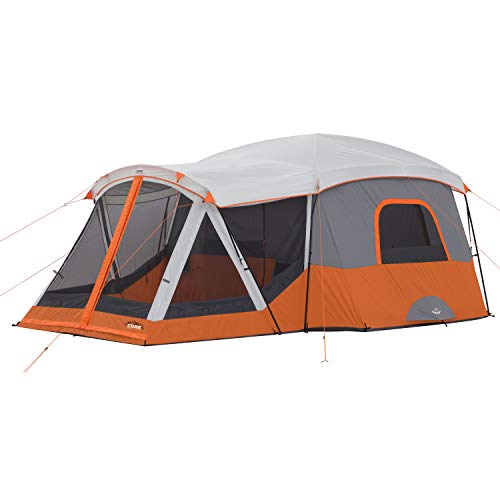
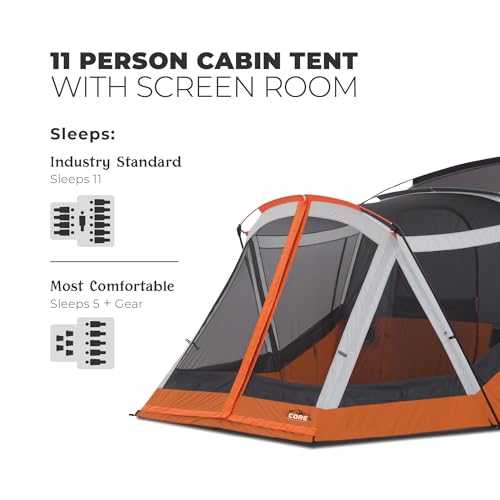
CORE 11 Person Cabin Tent
Strengths
- True multi-room layout
- Excellent interior space
- Solid weather protection
- Multiple storage pockets
Trade-offs
- Heavy at 36 lbs
- Requires two people for setup
- Bulkier pack size
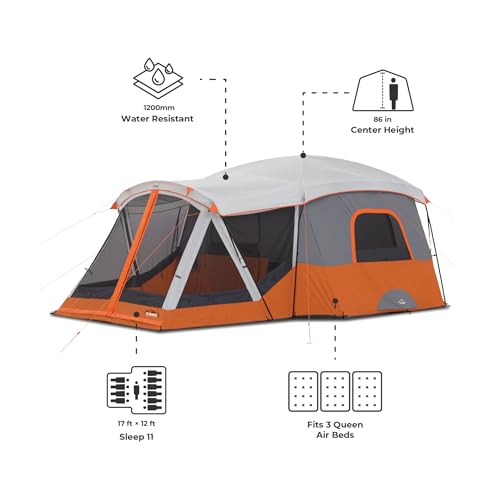
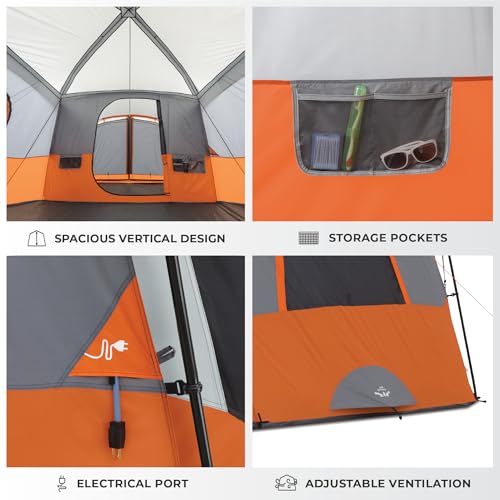
If you’re hauling gear for a family trip and want real separation between sleeping and lounging zones, this CORE model stands out. The nearly straight walls maximize interior space in a way most dome tents don’t, and the sewn-in door creates actual privacy between the main cabin and the 9×7-foot screen room. On paper, fitting three queen air beds is ambitious, but owners confirm it handles two with room to spare for coolers and bins.
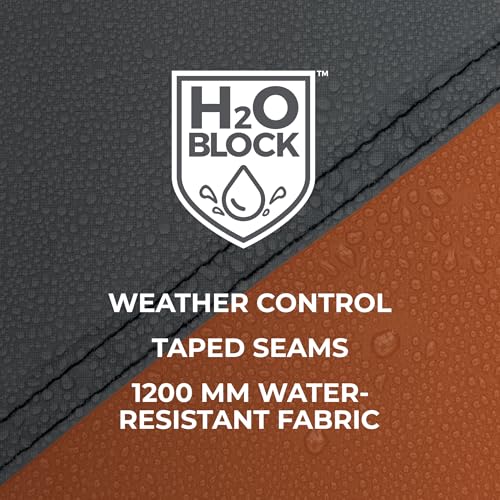
Ventilation is smartly designed, lower intake vents and a mesh ceiling reduce condensation, a common flaw in large cabin tents. The H20 Block system with 1200mm waterproofing isn’t the highest spec here, but combined with fully taped seams and a full rainfly, it’s proven reliable in spring and summer storms according to long-term reviewers.
Product photos

Coleman Skydome Dark Room Tent

Strengths
- Blocks 90% sunlight
- Very fast setup
- High waterproof rating
- E-port and storage included
Trade-offs
- Small screen room
- Limited headroom
- Dark interior not for everyone
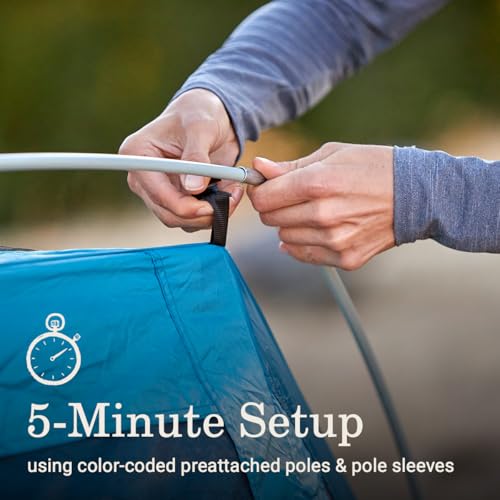
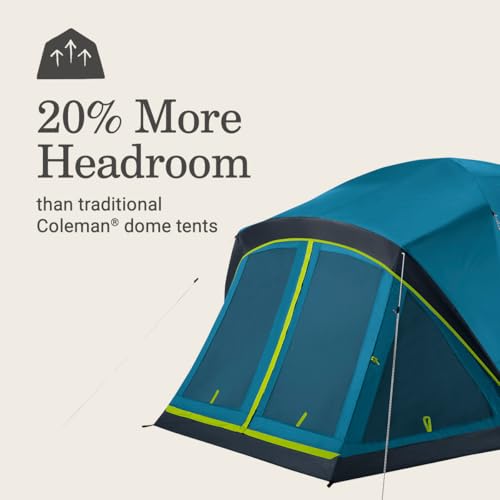
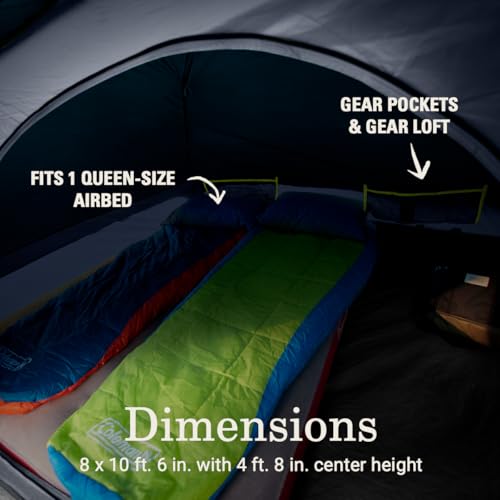
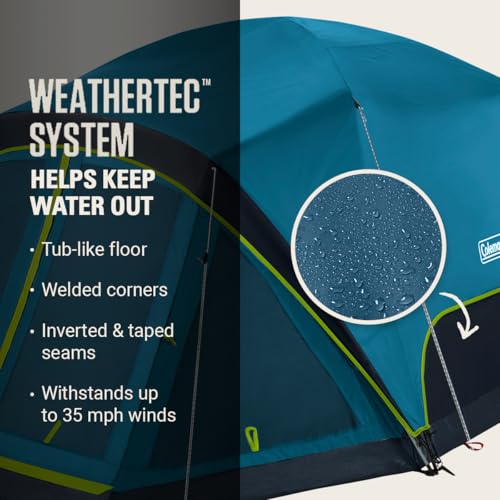
Coleman’s Dark Room tech is legit, it blocks 90% of sunlight, which means real sleep-in potential during early summer mornings. That’s a huge perk for parents camping with kids or shift workers trying to catch up on rest. The 5-minute setup with pre-attached poles works as advertised, and the color-coded red corners help avoid rainfly confusion.
The screen room is compact but functional, about 8×3.5 feet, and reviewers use it for shoes, gear, or a cozy reading nook. The 3,000mm waterproof rating and WeatherTec system are standout specs, and many owners report staying dry even in heavy overnight rain. It’s not the roomiest, but for solo or couple trips where sleep quality matters, it’s a top contender.
Product photos

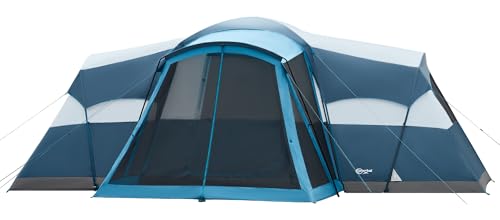
PORTAL 10 Person 3-Room Tent
Strengths
- True room separation
- PFAS-free materials
- Tall interior height
- Excellent airflow
Trade-offs
- Heavy and bulky
- Takes time to set up
- Screen room not large
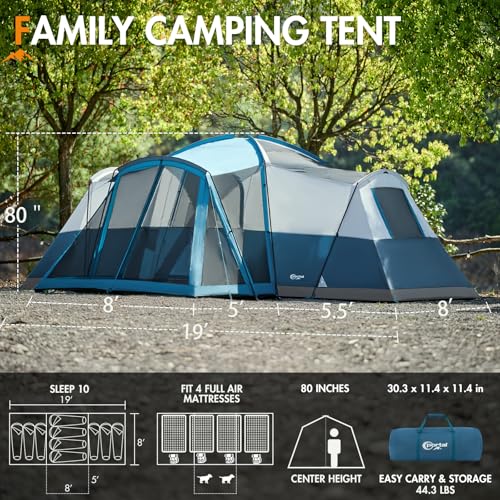
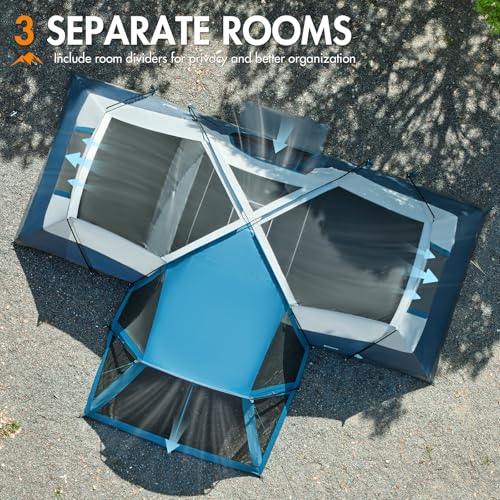
When you’ve got kids, pets, or just need personal space on a group trip, this three-room Portal tent delivers. The 19×8-foot layout with an 80-inch ceiling means you’re not crawling everywhere, and the separate rooms let families or couples divide space without sacrificing shared areas. The 8×5-foot screen room acts as a mudroom or chill zone, keeping dirt and bugs at bay.
What impresses most is the balance of eco-conscious materials and performance. The PFAS-free waterproofing is a rare plus, and owners report it performs just as well as traditional coatings in light rain. Ventilation is top-tier thanks to the full mesh ceiling and multiple windows, a big deal in muggy conditions.
Product photos

Portal 8 Person Family Tent

Strengths
- Spacious layout
- Easy color-coded setup
- Good ventilation
- E-port and storage pockets
Trade-offs
- Fiberglass poles less sturdy than steel
- Rainfly coverage could be better
- Screen room not standalone
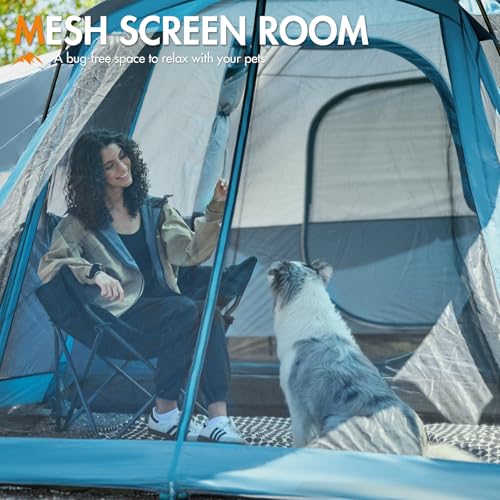
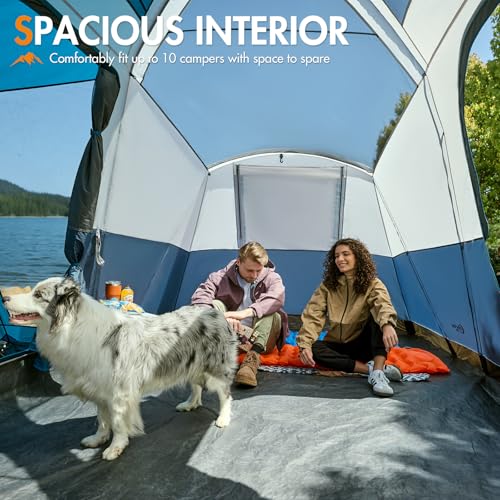
This Portal tent is the sweet spot between size, price, and function. At 20 feet long with a 76-inch ceiling, it fits two full air beds and still leaves room to move, a big win for tall campers. The 6-foot-deep screen porch is functional, not just an afterthought, and owners use it for cooking, dog naps, or morning coffee without inviting in every mosquito in the county.
Color-coded poles and clear instructions make setup manageable in 15 minutes with two people. The 66D fabric and removable rainfly handle typical summer weather, and the E-port is well-placed for charging devices. It’s not the lightest or the most rugged, but for regular car camping, it’s a smart, balanced buy.
Product photos


Portal 6 Person Instant Tent
Strengths
- Fastest setup
- Excellent airflow
- Sturdy fiberglass poles
- E-port included
Trade-offs
- Rainfly could be thicker
- Screen room attaches only at front
- Slight condensation in cool weather
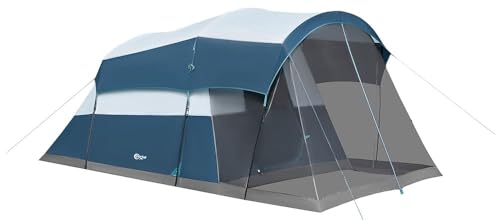
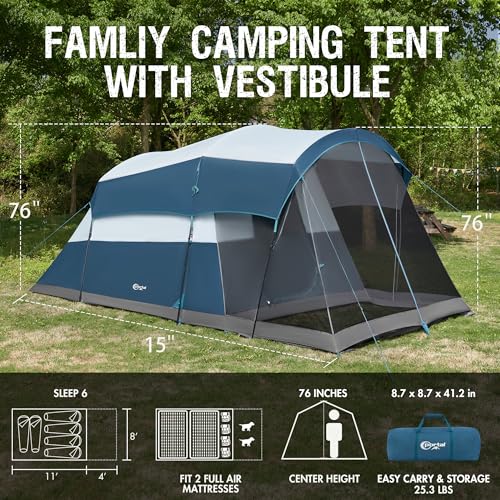
Portal nailed the quick-pitch concept here. The upgraded instant frame means you can unfold this tent solo and have it standing in under 60 seconds, a real win for tired campers arriving after dark. The 15×8-foot footprint with 76-inch center height gives enough room for two air beds and a dog or two, and the screen porch adds valuable bug-free downtime space.
Owners highlight the ventilation: full mesh ceiling, windows, and screen room keep air moving, which matters in humid zones. The 66D fabric isn’t the thickest, but paired with a removable rainfly and tunnel design, it holds up well in light storms. It’s not the most rugged option, but for frequent fair-weather car campers, it’s a strong performer.
Product photos

UNP 6 Person Dome Tent

Strengths
- Affordable price
- Durable stitching
- Functional screen porch
- Easy E-port access
Trade-offs
- Moderate weather resistance
- Screen room not freestanding
- Lower ceiling height
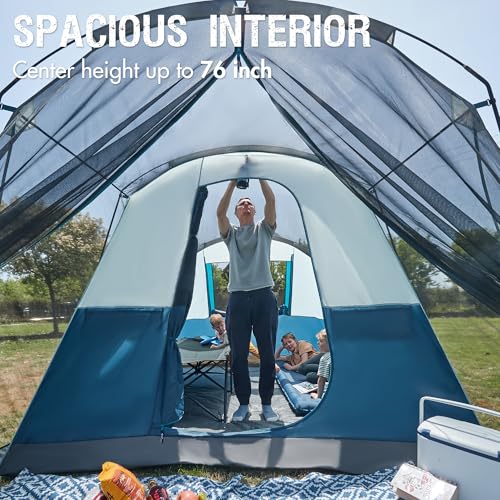
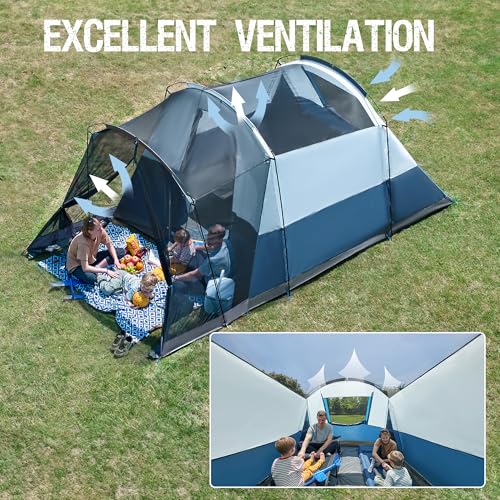
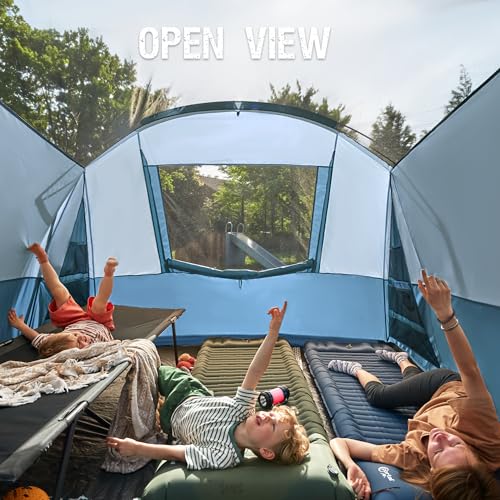
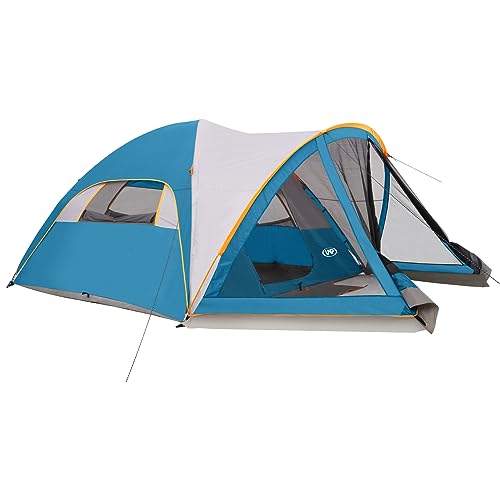
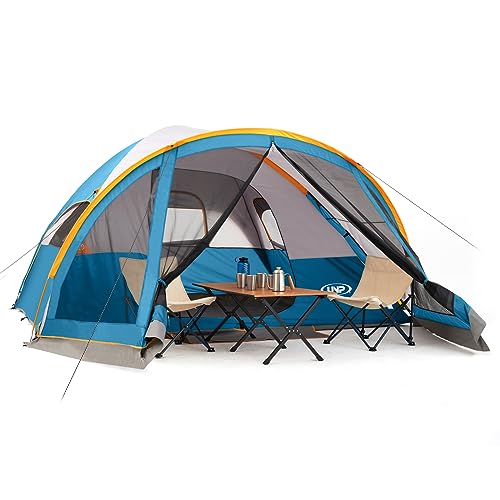
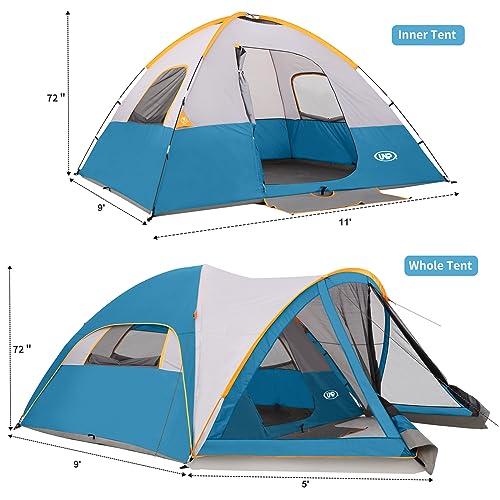
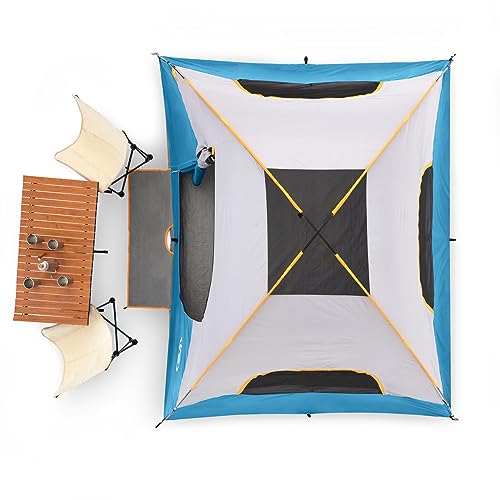
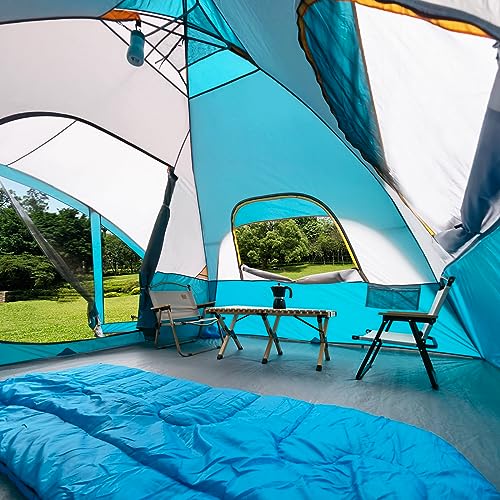
For budget-conscious campers who still want a functional screen porch, the UNP 6-person tent hits a sweet spot. At this price, you’d expect thin poles or sketchy zippers, but owners consistently praise the double-stitched seams and smooth two-way zippers that don’t jam. The 11×5-foot screen room is usable, it fits a small table and chairs, and doubles as a gear vestibule when the weather turns.
Setup in 10 minutes is realistic with two people, especially since the poles are color-coded. The 185T polyester with PU coating offers decent water resistance, though not as robust as higher-end models. Reviewers note it’s best in dry seasons and fair weather, where its value really shines.
Product photos
Quictent 10’x10′ Pop Up Canopy
Strengths
- One-person pop-up
- Super portable with wheels
- Excellent mesh seal
- Water-resistant top
Trade-offs
- No floor
- Limited wind resistance
- Not for sleeping
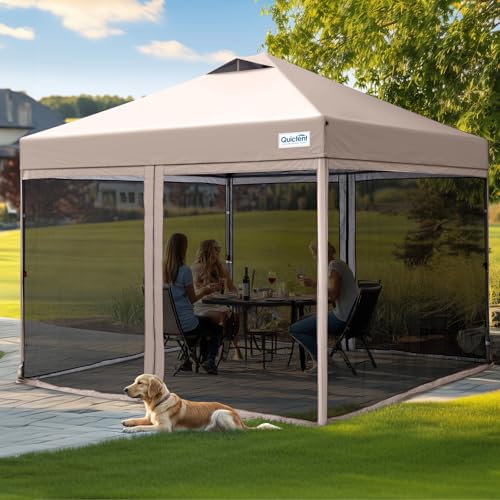
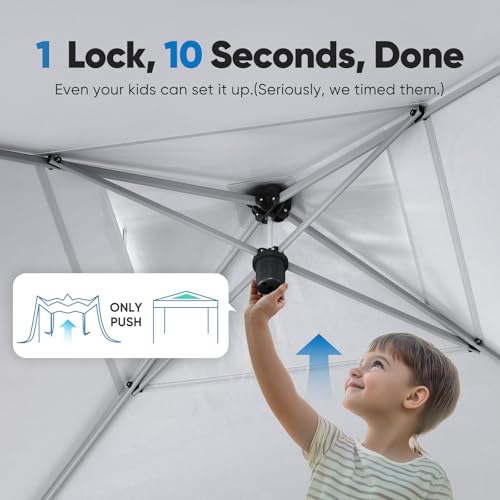
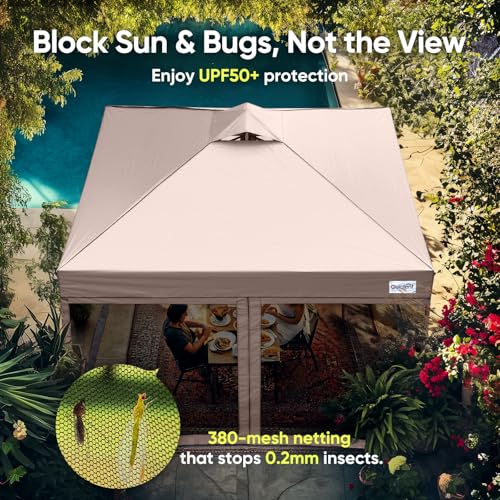
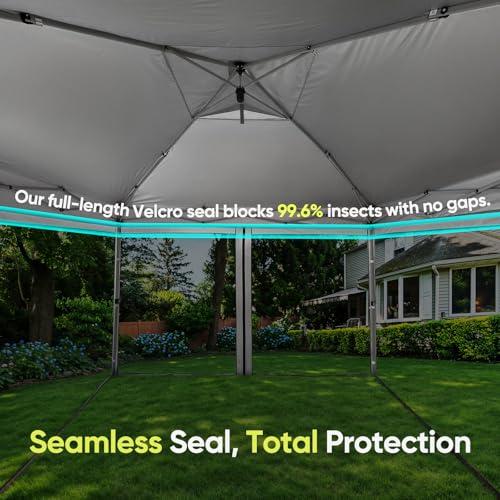
Quictent’s pop-up screen shelter is the easiest way to get 100 square feet of bug-free space with zero setup stress. One person can deploy it in under a minute, and the full Velcro mesh seal keeps even tiny no-see-ums out, a detail owners rave about. The 420D Oxford fabric offers real UV and light rain protection, which most pop-up canopies don’t.
The wheeled carry bag is a standout for older campers or anyone hauling gear over sand or gravel. It’s not freestanding in wind, but with the included stakes and sandbags, it holds up in mild conditions. Reviewers use it at beaches, tailgates, and camp kitchens where fast, reliable shade is key.
Product photos
Alvantor Pop Up Screen House
Strengths
- Quick pop-up
- Excellent UV protection
- Lightweight and portable
Trade-offs
- No floor
- Poor wind stability
- Not for sleeping in
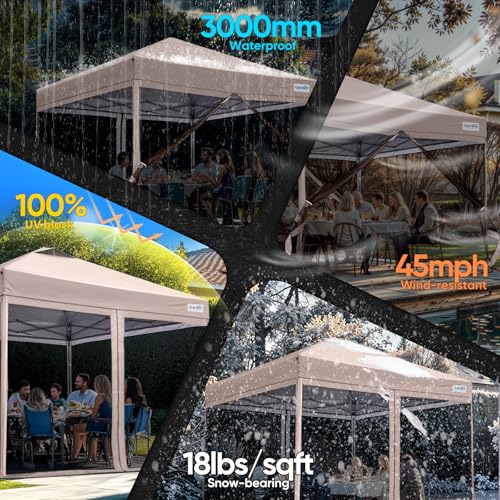
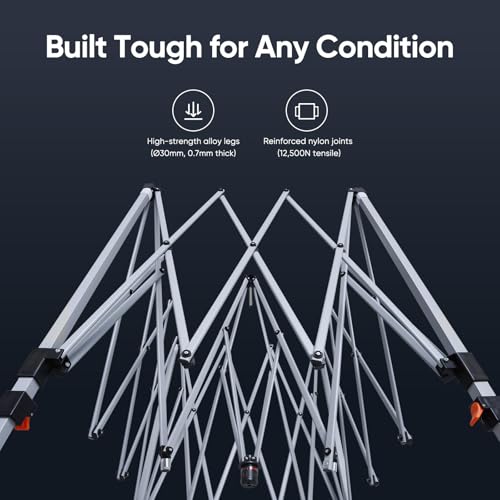
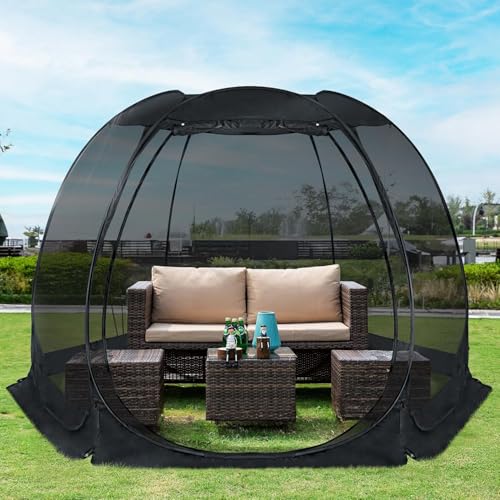
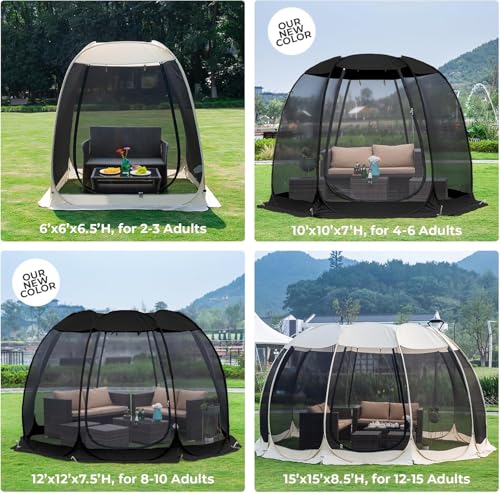
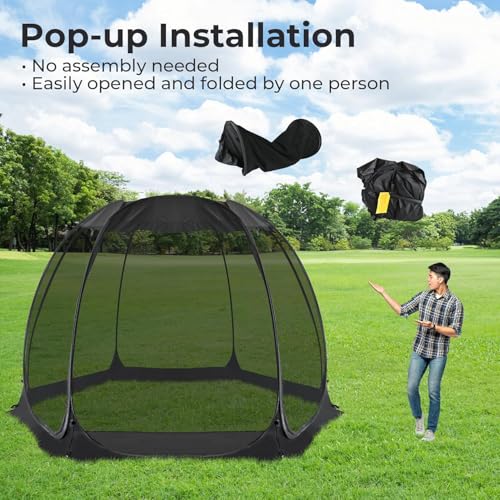
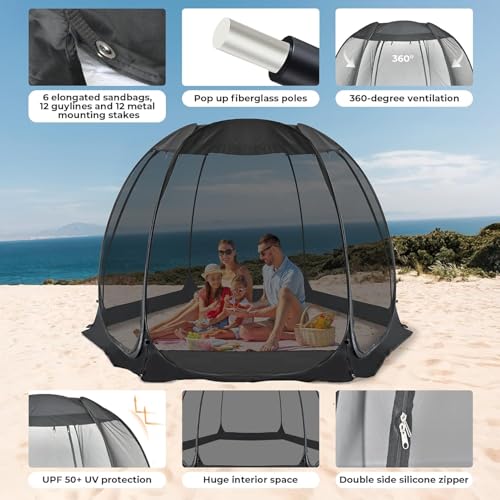
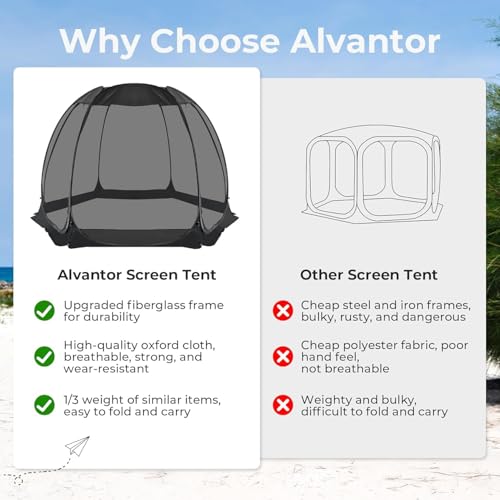
This pop-up screen house is all about convenience and sun protection. On paper, the automatic deployment sounds ideal for campers who dread tent setup, and owners consistently report it takes under a minute to expand. The UPF 50+ top fabric delivers on its promise of solid UV shielding, which makes it a strong pick for beach days or backyard lounging in full sun.
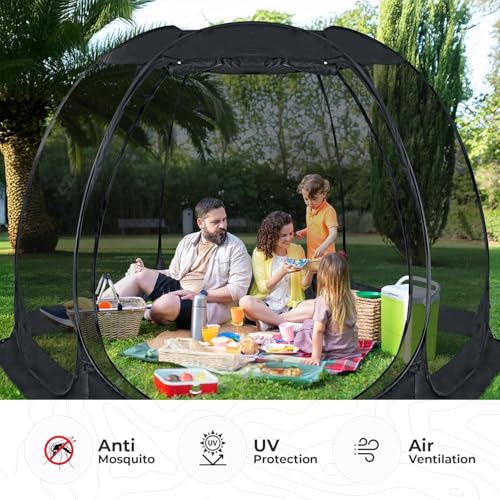
Still, it’s not a traditional tent with sleeping quarters, it’s an open shelter. The 360-degree mesh keeps bugs out and airflow high, but there’s no floor or weather resistance beyond light splash protection. Reviewers note it holds up in calm conditions but struggles in even moderate wind, despite the included sandbags and stakes.
Product photos
Screen House Tent with Projection

Strengths
- Magnetic doors
- Built-in projection screen
- High ventilation
- Safety features included
Trade-offs
- No floor or sleeping area
- Not weatherproof
- Assembly required
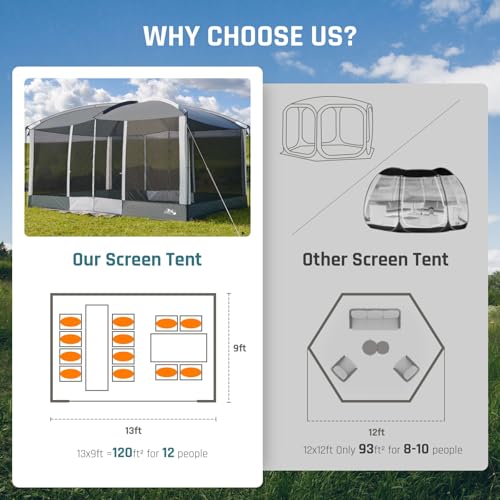
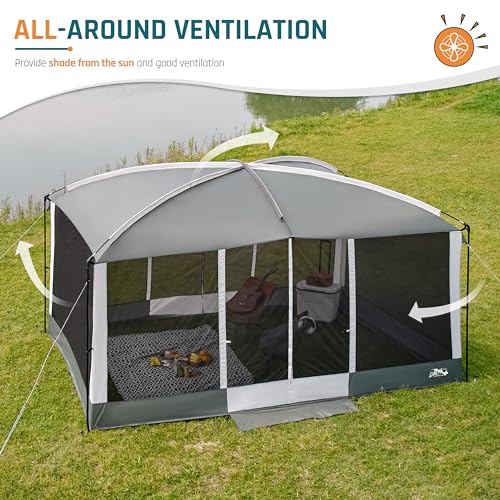
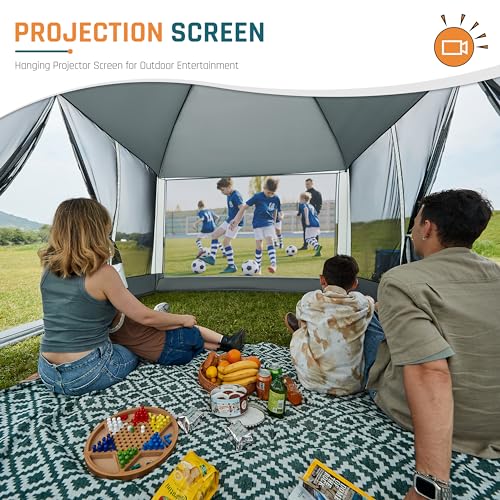
This isn’t a sleeping tent, it’s a backyard entertainment pod. With 120 square feet of open space, magnetic doors, and a built-in projection screen, it’s built for movie nights, game days, or shaded hangouts. The magnetic doors are a standout, they snap shut automatically, which owners love when juggling snacks or chasing kids.
The all-mesh walls and UV-protected roof offer great airflow and sun control, though the top fabric isn’t waterproof. Reviewers use it under tree cover or on patios, not as a standalone storm shelter. The included step mats and reflective guy lines are thoughtful safety touches rarely seen at this price.
Product photos


How We Picked These tents with screen rooms
Rather than a hands-on lab test, my research for these recommendations centered on a detailed comparison of published specifications and features across numerous models. I weighed owner reviews from major retailers alongside expert opinions found in respected outdoor publications. As someone who spends a lot of time thinking about shelter in the outdoors, I applied my understanding of tent design and materials to rank options based on clear criteria – space, weather protection, ease of setup, and value.
For tents with screen rooms, several factors stood out as particularly decisive. Spaciousness is key, as the screen room adds to the overall footprint needed for comfortable living. Equally important is the quality of weather protection; a good tent needs to hold up to wind and rain, and the screen room’s construction plays a role in that. Finally, the ease of setup is huge for many campers, so I prioritized models with straightforward designs and positive feedback on assembly.
Specifications reliably indicate size, weight, and materials used in construction. However, I found owner feedback to be crucial for assessing real-world durability and ease of use. Things like how well the rainfly actually seals in a downpour, or how sturdy the frame feels in wind, are best gleaned from those who’ve used the tents extensively. Understanding how to maximize your space is also helpful; learning about a vestibule for storage can really change your camping experience.
Choosing The Right tents with screen rooms
Finding the right tent with a screen room means balancing space, weather protection, and usability.
A quality tent with a screen room offers ample living space, durable construction with a waterproof rainfly (look for at least 2000mm rating), robust ventilation to prevent condensation, and a well-designed screen room that provides bug-free relaxation or gear storage. Prioritize tents with strong pole systems and sealed seams for reliable performance in varied conditions.
Size and Capacity
Don’t automatically equate a tent’s “person” rating to actual comfortable sleeping space. Manufacturers often overestimate capacity. I frequently see tents labeled for 10 people that realistically sleep 6 comfortably, especially if you’re bringing along gear. Think about how you actually camp. Are you sprawling out with lots of equipment, or packing light? I recommend sizing up, particularly if you anticipate extended trips or inclement weather. Consider a tent designed for two more people than you intend to use to ensure adequate room for everyone and their belongings. Several options, like the family cabin tents with screens, offer generous space.
Weather Resistance
A screen room is fantastic for fair weather, but a tent’s overall weather resistance is paramount. Look beyond the base floor material to the rainfly’s denier (D) and waterproof rating (measured in mm). Higher numbers mean better protection. Beyond the specs, pay attention to seam sealing. Taped seams are crucial to prevent leaks, and many lower-priced tents skimp on this detail. Don’t assume any tent is “stormproof,” but investing in a model with a robust frame and quality waterproofing will make a huge difference in your comfort and safety.
Setup and Portability
Let’s be honest: wrestling with tent poles after a long day of hiking isn’t anyone’s idea of fun. Instant or pop-up tents are tempting, but often sacrifice durability. I’ve found a balance with tents featuring pre-attached poles or color-coded components, which streamline the process. Weight is also a factor, especially for backpacking. While you won’t find ultra-lightweight options in the larger sizes needed for screen rooms, look for tents made with lighter materials and consider the packed size. If you’re prioritizing ease of use, explore options from trusted tent companies known for user-friendly designs.
A good rule of thumb: Always check the packed weight and dimensions of the tent, even if you’re car camping. You never know when you might need to carry it a short distance.
Tents with Screen Rooms Compared
This table provides a detailed specification comparison of various tents featuring integrated screen rooms to aid in your purchasing decision.
| Product Title | Capacity | Screen Room Size | Center Height | Waterproof Rating | Setup Time |
|---|---|---|---|---|---|
| CORE 11 Person Cabin Tent | 11 | 9 x 7 ft | 86 in | 1200mm | N/A |
| Coleman Skydome Dark Room Tent | 6 | 8 x 3.5 ft | 68 in | 3000mm | 5 min |
| PORTAL 10 Person 3-Room Tent | 10 | 8 x 5 ft | 80 in | N/A | N/A |
| Portal 8 Person Family Tent | 8 | N/A | 76 in | N/A | 15 min |
| Portal 6 Person Instant Tent | 6 | N/A | 76 in | N/A | N/A |
| UNP 6 Person Dome Tent | 6 | 11 x 5 ft | 72 in | N/A | 10 min |
| Quictent 10’x10′ Pop Up Canopy | 8-10 | 10 x 10 ft | N/A | N/A | N/A |
| Alvantor Pop Up Screen House | 4-6 | 10 x 10 ft | N/A | UPF 50+ | Automatic |
| Screen House Tent with Projection | N/A | N/A | 7.5 ft | N/A | N/A |
Frequently Asked Questions
What waterproof rating is sufficient for a tent with a screen room?
A rating of at least 2000mm is what I generally recommend for the rainfly. This provides a good level of water resistance for most conditions, though heavier rain may still require extra precautions like a footprint. Lower ratings may be adequate for fair-weather camping, but you risk leaks during substantial storms.
Are “instant” tents with screen rooms as durable as those with a traditional frame?
Typically, no. Instant tents often use thinner poles and less robust materials to achieve their quick setup. While convenient, they’re generally better suited for casual camping rather than frequent or rugged use, and you may find screen tents with built-in floors offer a better balance of convenience and durability.
How much extra space should I expect the screen room to add to the tent’s overall footprint?
Screen rooms generally add around 20-40% to the total tent area. This extra space is great for gear storage or a bug-free lounging area, but it also means you’ll need a larger campsite and more room in your vehicle.
Can I use a screen room in colder weather, or is it strictly for warmer conditions?
Screen rooms are primarily designed for warmer weather use. However, with appropriate accessories like a portable heater (used safely!) or additional tarps to block wind, you can extend their usability into cooler months. Still, a fully enclosed tent is a better choice for consistently cold conditions.
What’s the difference between a tent with a screen room and a separate screen house?
A tent with a screen room integrates the screened area directly into the tent structure, offering a single, combined shelter. A separate screen house is a standalone structure, providing a dedicated screened space but requiring more setup and potentially more space at the campsite.
The Bottom Line
Ultimately, choosing a tent with a screen room comes down to how much fuss you’re willing to trade for control over space and weather protection. For the best overall blend of features, durability, and livability, I recommend the CORE 11 Person Cabin Tent. It offers a generous footprint and a respectable waterproof rating, making it a solid choice for families or groups who want a comfortable basecamp.
If you’re on a tighter budget, the Coleman Skydome Dark Room Tent provides good value for the price. And for those who value instant setup above all else, the Alvantor Pop Up Screen House is a compelling option. Remember, understanding factors in tent buying is key to making the right decision.
Don’t get too caught up in chasing the highest waterproof rating or the lightest weight. The most important things are a well-made tent that’s appropriately sized for your group, and a clear understanding of its limitations. A little preparation – practicing setup at home, sealing seams if necessary, and choosing a good campsite – will go a long way toward ensuring a happy and dry camping experience.
