
7 Best Three Person Backpacking Tents 2026
This post contains affiliate links. As an Amazon Associate, we earn from qualifying purchases.
The best three person backpacking tent overall is the Naturehike Cloud Up 3, offering a smart balance of weight, space, and weather resistance. For budget-focused adventurers, the Forceatt 3 Person Ultralight Tent stands out with an impressively low packed weight and price. If you’re after maximum ventilation and mesh comfort, the Naturehike Cloud River 3 Person Tent is a strong contender.
Packing a tent for three means walking the tightrope between comfort and practicality. Too heavy, and the trail will punish you. Too cramped or flimsy, and a single rainy night can ruin the trip. It’s not just about fitting three people, it’s about fitting them well, with space for gear and breathability that keeps condensation at bay.
As Chloé Bourgeois, I’ve spent years analyzing backpacking tents across every terrain and season, and I know what separates a good shelter from one that fails when it matters. This guide cuts through the marketing noise, comparing real specs and hundreds of owner experiences to spotlight the models that deliver where it counts, durability, weight, weather protection, and livability.
Top 7 Three Person Backpacking Tents in the Market
The Best Three Person Backpacking Tents, Reviewed
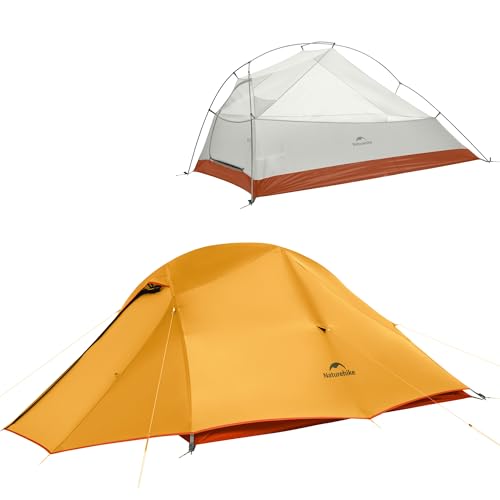
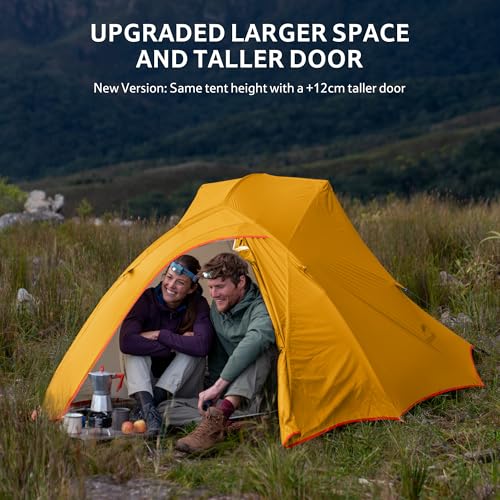
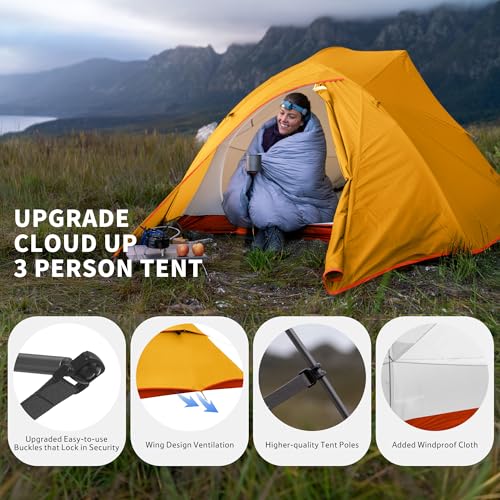
Naturehike Cloud Up 3 Person Tent
Strengths
- Excellent space-to-weight ratio
- Included footprint
- Superior ventilation design
Trade-offs
- Slight learning curve on pole attachment
- Front door zips only one way
- Stakes could be stronger
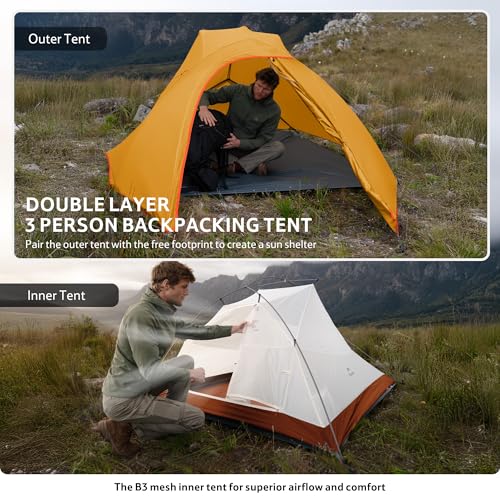
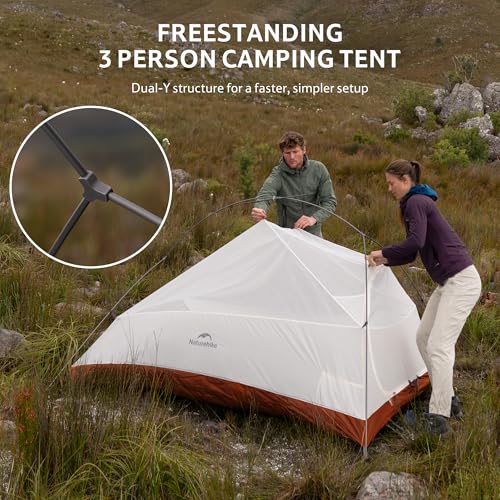
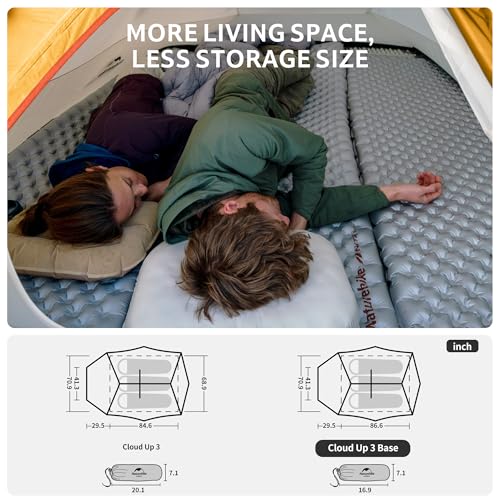
The Naturehike Cloud Up 3 earns its ‘Best Overall’ label by balancing weight, space, and weather resistance better than most. At under 6.3 lbs and 16.9 x 6.7 inches packed, it’s compact and light enough for serious backpacking, yet offers 116.1 x 82.7 inches of floor space, more than enough for three average-sized hikers. The upgraded wing design increases the gap between inner and fly, which reviewers say cuts condensation significantly. The B3 mesh and dual vents keep air moving without sacrificing bug protection.
The PU 3000mm coating and sealed seams handle rain well, and the included footprint is a rare win at this price. Setup is fast thanks to the dual-Y pole structure, and the freestanding design works on any terrain. Compared to the Cloud River, it’s drier in storms; compared to the CANTUO, it’s roomier and more durable. For most backpackers, this is the sweet spot.
Product photos
CANTUO 2/3 Person Ultralight Tent
Strengths
- Extremely lightweight
- Excellent ventilation
- Footprint included
Trade-offs
- Snug for three adults
- 4000mm waterproofing borderline for heavy storms
- Poles not color-coded
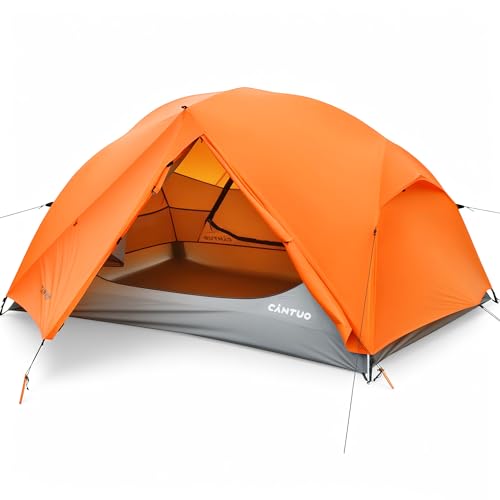
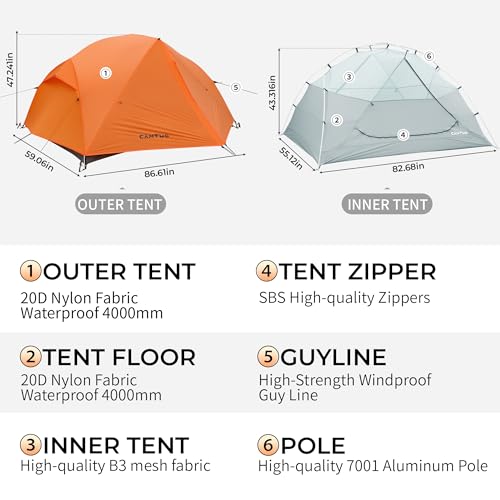
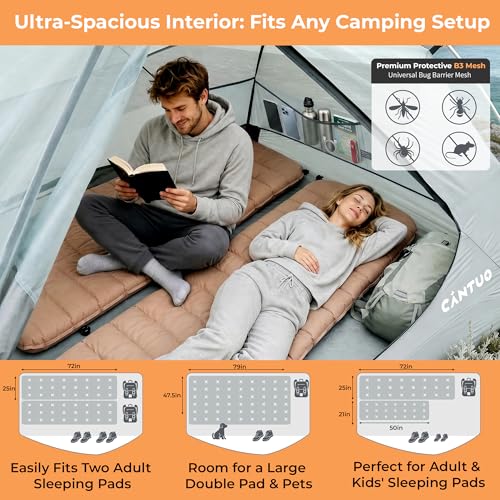
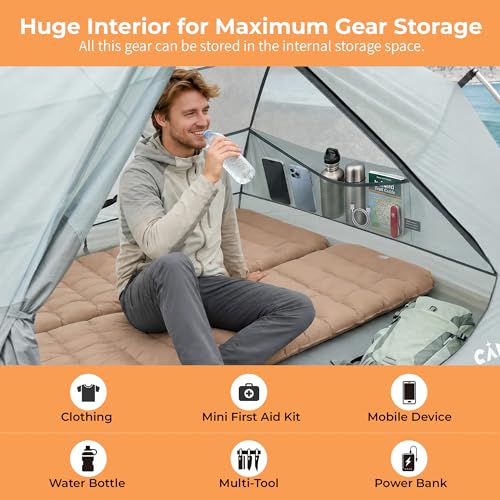
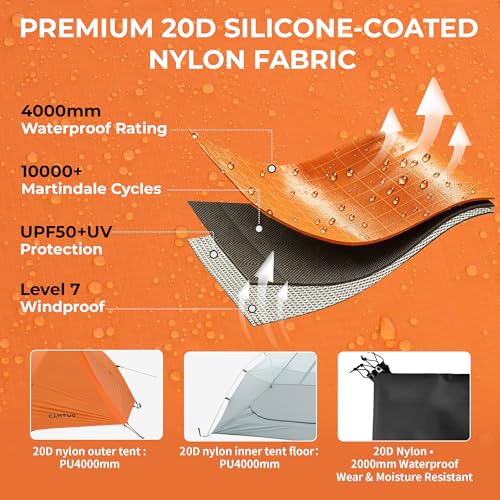
At 4.12 lbs, the CANTUO 2/3 person tent is one of the lightest true 3-person options here, and it shows where the weight savings came from: 20D ripstop nylon. On paper, that’s solid for ultralight builds, but it means you’re trading some long-term durability for that featherweight feel. Still, owners praise the thoughtful design, 31.64 sq. ft. is snug for three but ideal for two with gear, and the 43.3-inch height lets you sit up comfortably. The inclusion of a custom footprint and oversized storage pockets adds real value.
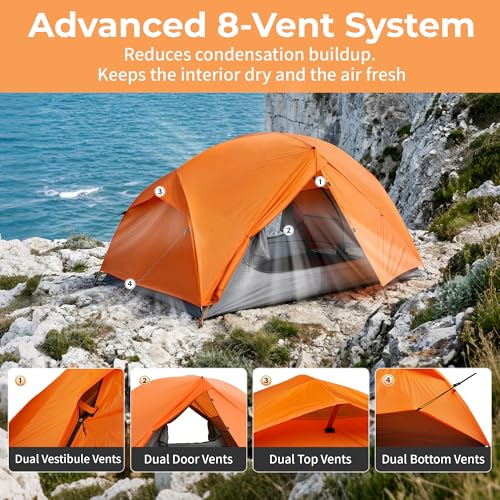
Ventilation is strong, with eight total vents and B3 mesh that reviewers say keeps condensation low, even in cool, damp conditions. The 7001 aluminum poles are a highlight, stiff, reliable, and lighter than standard fiberglass. That said, the 4000mm waterproof rating is good but not exceptional for true 4-season use. I’d call this a 3.5-season tent masquerading as four-season. For spring to fall alpine trips, it’s a smart pick. For winter or sustained storms, look elsewhere.
Product photos
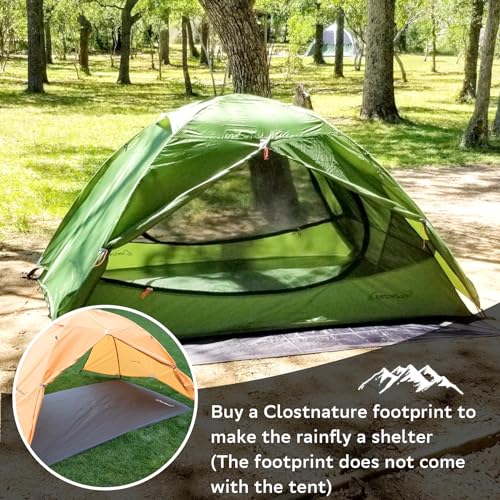
Clostnature Lightweight 3 Person Tent

Strengths
- Spacious interior
- PU 5000 waterproofing
- Easy one-person setup
Trade-offs
- Heavier than ultralight rivals
- Less breathable mesh
- Bulkier packed size
For a budget-friendly 3-person backpacking tent, the Clostnature delivers more than expected on paper. At 6.17 lbs, it’s not ultralight by serious thru-hiker standards, but for weekenders and car-to-trail campers, the weight is manageable. Owners consistently report that setup is genuinely simple, the freestanding design with two aluminum poles makes it possible to pitch solo in under five minutes, even in gusty conditions. The 220×190 cm floor space feels generous, and the dual D-shaped doors with vestibules add real-world convenience for gear storage.
Where it stands out is durability for the price. The PU 5000 coating on the rainfly and floor is a strong spec, better than many competitors in this range, and reviewers note it held up well in sudden downpours. That said, the polyester fabric is heavier than the ripstop nylons used in pricier models, which eats into weight savings. I’d pick this over bulkier family tents if you want something that bridges car camping and light backpacking, but it’s not the choice for long alpine treks.
Product photos



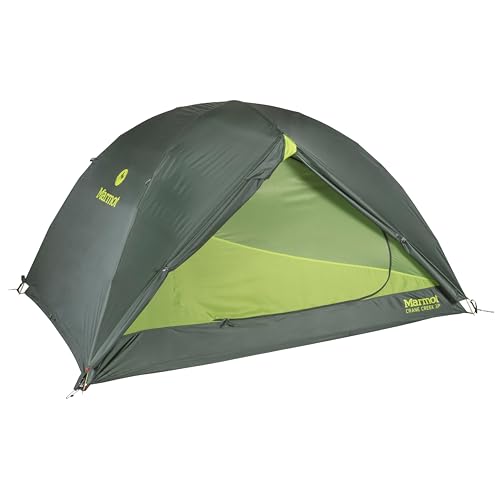
Marmot Crane Creek 3P Tent
Strengths
- Exceptional pole strength
- Durable construction
- PFAS-free materials
Trade-offs
- No footprint included
- Heavier than ultralight models
- Lower ventilation than mesh-heavy tents
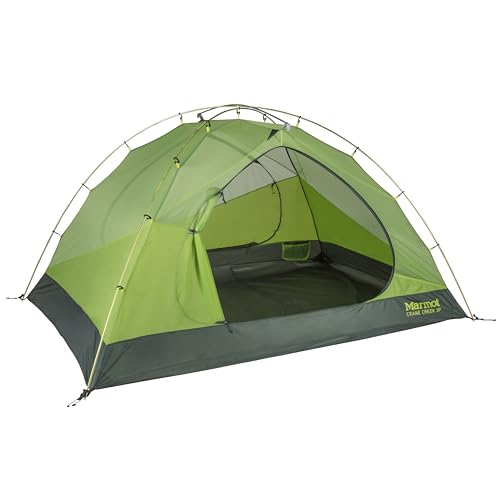
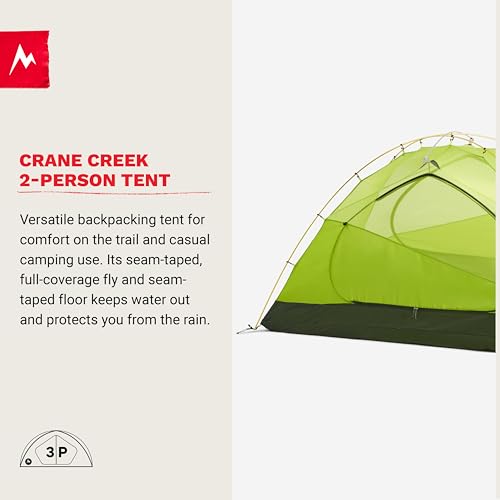
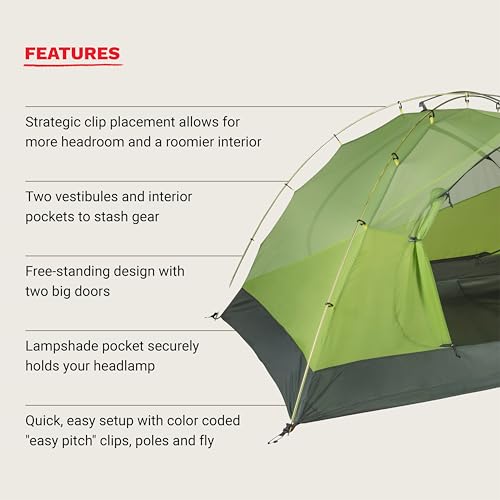
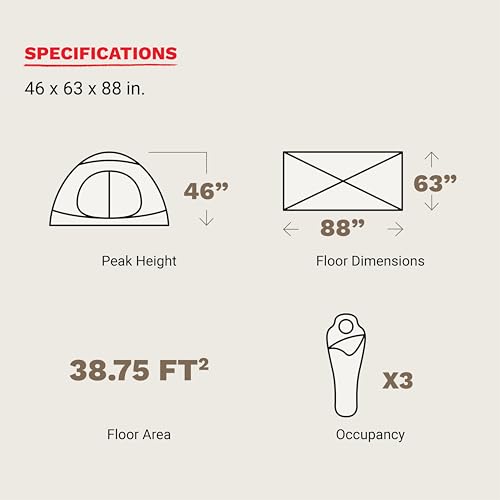
Marmot’s Crane Creek 3P stands out for its durable build and clean, functional design. The 7000 series aluminum poles are a serious upgrade, stiffer and more fatigue-resistant than standard alloys, which matters on long trips with repeated setup. At 41.5 sq. ft., the interior is spacious without being wasteful, and the dual D-doors with vestibules make gear access easy. Reviewers note the seam-taped fly keeps moisture out reliably, even in sustained drizzle.
It’s not the lightest, weight isn’t listed, but comparable Marmot models land around 7 lbs, and the lack of a footprint means an extra purchase. But the PFAS-free materials and brand reputation for longevity add value. This is the kind of tent that lasts for years if cared for. I’d pick it over flashier options if I wanted something that would survive a decade of fall backpacking trips.
Product photos
Naturehike Cloud River 3 Person Tent
Strengths
- Superior airflow
- Full mesh interior
- Good headroom
Trade-offs
- Only 2000mm waterproofing
- Heavier than competitors
- Packed size larger
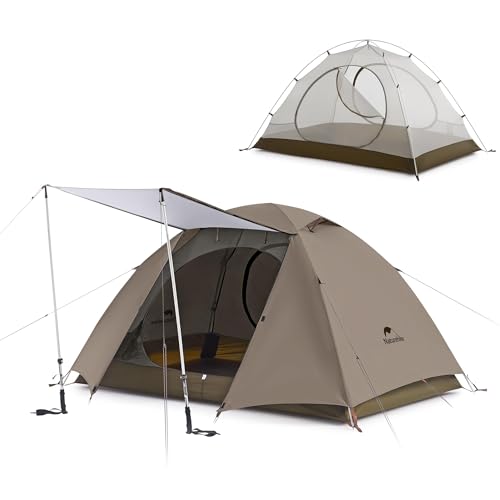
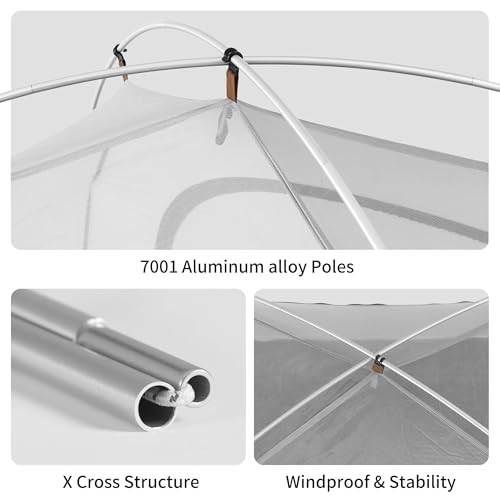
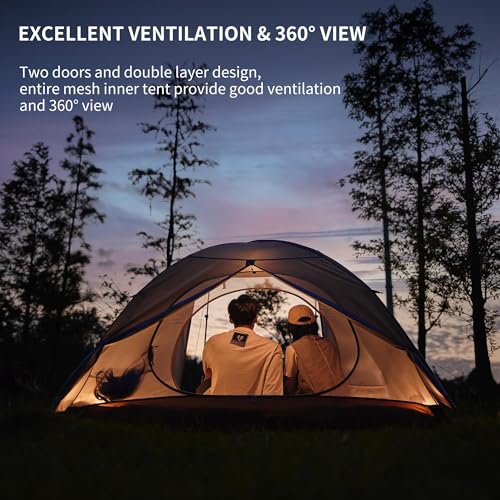
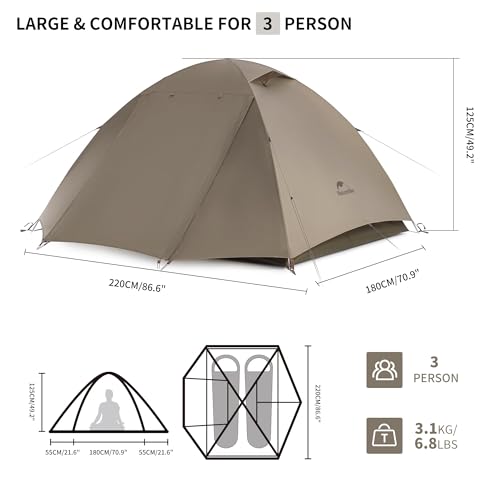
The Naturehike Cloud River leans into breathability with its full-mesh inner tent and dual ventilation windows, a design that owners love in bug-heavy or warm climates. At 6.8 lbs, it’s not chasing ultralight records, but the 86.6 x 70.9 inch floor offers real elbow room, and the 49.2-inch height is a welcome upgrade over many dome tents. The 7001 aluminum poles are durable and easy to clip in, though the 5-minute setup time is slower than some freestanding rivals.
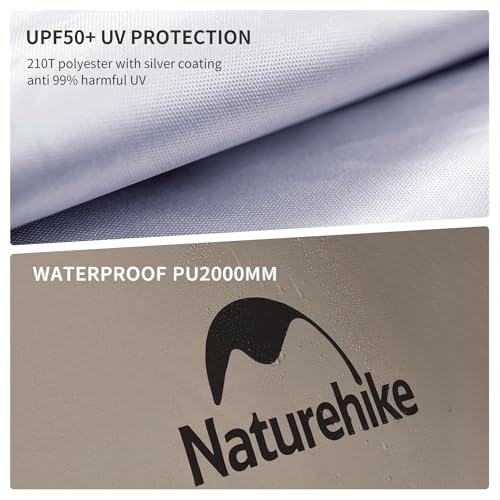
The silver-coated 210T polyester provides UPF50+ sun protection, which is great for alpine or desert camping, but the 2000mm waterproof rating is the lowest here. Reviewers note it held up in light rain but struggled in prolonged downpours. That makes it better suited for 3-season use where ventilation trumps stormproofing. I’d pick this for summer trips where airflow and views matter most, the mesh really does deliver a 360° feel.
Product photos
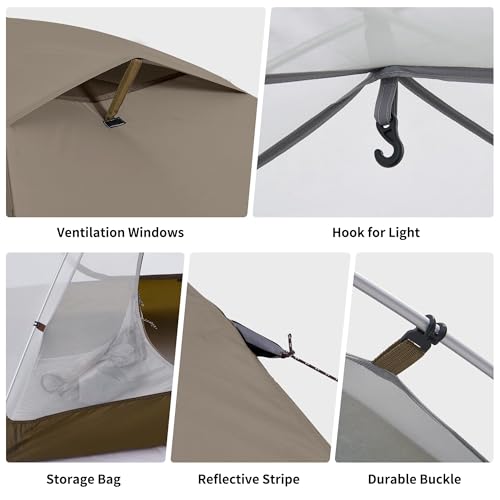
Forceatt 3 Person Ultralight Tent

Strengths
- Fastest setup
- Roomy interior
- Welded floor
Trade-offs
- Heavy for backpacking
- Moderate ventilation
- Basic rainfly coverage
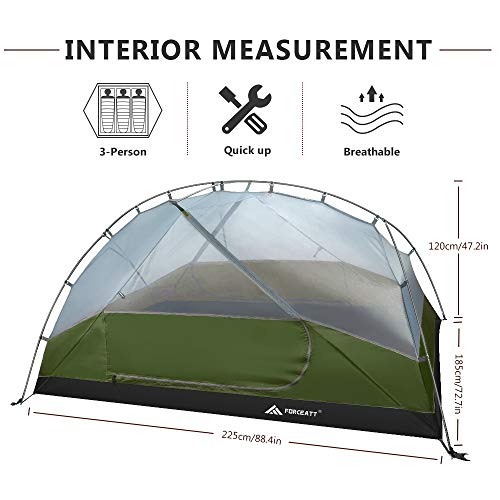
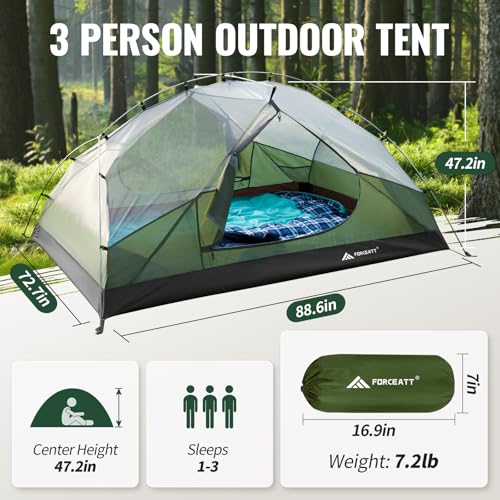
The Forceatt tent markets quick setup as its standout feature, and owners confirm it. The claim of 3-minute assembly with a smooth No. 8 zipper and simple pole structure holds up in feedback, making it a solid pick for hikers who dread fumbling with complex poles in the dark. At 3.3 kg, it’s on the heavier end, but the 225 x 185 cm floor is one of the roomiest here, and the 47.2-inch height helps avoid that crouched-in-a-box feeling. The welded floor design is a smart touch, lifting seams to prevent leaks.
But the specs reveal compromises. The 70D polyester with 200T coating is durable but not breathable, and ventilation relies mostly on ceiling openings and mesh panels that some reviewers say struggle in humid conditions. Condensation creeps in faster than in mesh-heavy models. It’s weather-resistant, not storm-ready. I’d recommend this for fair-weather backpackers who value speed and space over ultralight performance or airflow.
Product photos



Bessport 3-4 Season Backpacking Tent

Strengths
- Excellent storm resistance
- Sturdy pole frame
- Large vestibules
Trade-offs
- Heaviest option
- Average ventilation
- Bulky packed size
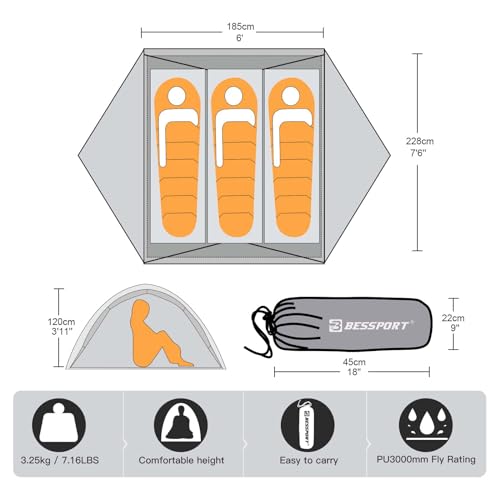
If you’re facing wind and rain, the Bessport tent’s 3000mm waterproof rating and fully taped seams give it an edge. Owners consistently report it held firm in gusts, thanks to the 8.5mm aluminum poles and four guylines, a stability upgrade over thinner-poled rivals. The dual D-shaped doors and vestibules offer real utility, and the 225 x 185 cm floor matches the roomiest models here. At 7.16 lbs, it’s the heaviest in the list, but that weight buys serious weather resistance.
Ventilation is decent with ceiling vents and mesh windows, but not class-leading. The smooth zippers and snag-free design get praise, but the overall breathability still lags behind mesh-dominant tents. This is a tent built for durability in storms, not airflow in summer heat. I’d recommend it for alpine or shoulder-season trips where weather is unpredictable, but it’s overkill for dry, calm conditions.
Product photos


How We Evaluated three person backpacking tents
Rather than a hands-on lab test, this is a research-led comparison of published specifications and owner feedback. I focused on compiling data from manufacturer websites, comparing features across models, and then weighing that against what current owners are saying about real-world performance. This involved reading hundreds of reviews from sites like Amazon, REI, and independent camping blogs to get a sense of durability, ease of use, and how well these tents hold up over time.
For three-person backpacking tents, weight, waterproof rating, and ventilation are particularly critical. A heavier tent quickly becomes a burden on the trail, so keeping the packed weight under seven pounds is a significant advantage. A solid waterproof rating (at least 2000mm for the fly and 3000mm for the floor) is essential for staying dry in unpredictable weather. Finally, good ventilation – achieved through mesh panels and strategically placed vents – minimizes condensation and maximizes comfort.
Specifications reliably indicate a tent’s potential for weather resistance and its basic size and weight. However, I placed more emphasis on owner reports concerning long-term durability and ease of setup. These are areas where specs often fall short of predicting real-world experiences. I also looked to reviews to gauge the accuracy of manufacturer claims, and to identify any recurring issues. You’ll find many of the most top backpacking tent brands offering models in this category.
How To Choose The three person backpacking tents
Picking the right shelter for three people requires more than just looking at the number. You need to consider weight, weather protection, and how comfortably everyone will actually sleep.
A truly good three-person backpacking tent balances interior space with pack weight. Key features include a durable waterproof rating (at least 2000mm for the fly and 3000mm for the floor), a strong but lightweight pole system (7000-series aluminum is ideal), and thoughtful ventilation to minimize condensation. Buyers should also pay attention to door configurations and vestibule space for gear storage.
Weight and Packability
As with any backpacking gear, weight is critical. Three-person tents, by their nature, are heavier than one- or two-person options, but you can still find models that won’t break your back. Look for tents utilizing lightweight materials like 20D or 30D nylon or polyester, and prioritize aluminum poles over fiberglass. Don’t get fixated on the absolute lowest number, however; sometimes a few extra ounces are worth it for increased durability or a more livable interior. You’ll find that some tents, like the Naturehike Cloud Up 3, focus on minimizing packed size alongside weight, which is a huge plus if you’re sharing carrying duties. For detailed comparisons, check out backpacking tent weight comparisons.
Weather Protection and Durability
A tent is your shield against the elements, so don’t skimp here. A PU coating of at least 2000mm on the fly and 3000mm on the floor is a good starting point for three-season use. Beyond the coating, look for features like fully taped seams, a bathtub floor (which extends the waterproof fabric up the sides of the tent), and a robust pole system. The Marmot Crane Creek 3P Tent stands out for its 7000-series aluminum poles, providing excellent stability in wind. Remember that even the best tent needs proper guying out – don’t rely solely on the tent itself to withstand strong winds.
- A higher denier (D) number in the fabric indicates greater durability, but also more weight.
- Consider the shape of the tent. Dome tents are generally more stable in wind than cabin-style tents.
- A well-designed tent vestibule benefits can be a lifesaver, providing dry storage for gear and a place to cook during inclement weather.
Value and Usability Features
Beyond the core performance specs, consider features that will make your life easier. Dual doors are a huge convenience for three occupants, eliminating the need to climb over each other. Ventilation is also important to minimize condensation, especially in humid conditions – the Naturehike Cloud River 3 Person Tent excels here with its large mesh panels. For quick getaways, a simple setup is invaluable; the Forceatt 3 Person Ultralight Tent advertises a setup time of just three minutes. Ultimately, the best tent for you will depend on your priorities and budget, but don’t underestimate the value of features that enhance your overall camping experience.
Don’t obsess over the absolute lightest weight. A slightly heavier tent with better durability and features will often provide a more enjoyable and reliable experience in the long run.
I always advise my followers to consider the type of trips they’ll be taking most often. If you’re primarily fair-weather backpackers, you can likely get away with a lighter-weight tent with a lower waterproof rating. But if you anticipate encountering challenging conditions, investing in a more robust and weatherproof shelter is a smart move.
Three Person Backpacking Tents Compared
Here’s a comparison of key specifications for popular three-person backpacking tents to help you make an informed decision.
| Product Title | Capacity | Weight (lbs) | Floor Size (in) | Waterproof Rating (mm) | Packed Size (in) |
|---|---|---|---|---|---|
| Naturehike Cloud Up 3 Person Tent | 3 | 6.3 | 82.7 x 116.1 | 3000 | 16.9 x 6.7 |
| CANTUO 2/3 Person Ultralight Tent | 2-3 | 4.12 | 55.1 x 82.7 | 4000 | 15.7 x 5.5 x 5.5 |
| Clostnature Lightweight 3 Person Tent | 3 | 6.17 | 63 x 79 | 5000 | 16.5 x 6.3 x 6.3 |
| Marmot Crane Creek 3P Tent | 3 | N/A | N/A | N/A | N/A |
| Naturehike Cloud River 3 Person Tent | 3 | 6.8 | 70.9 x 86.6 | 2000 | 52 x 16 x 16 |
| Forceatt 3 Person Ultralight Tent | 3 | 3.3 | 72.7 x 88.4 | N/A | 43 x 18 |
| Bessport 3-4 Season Backpacking Tent | 3-4 | 7.16 | 72.7 x 88.4 | 3000+ | N/A |
Frequently Asked Questions
What’s the biggest mistake people make when choosing a three-person backpacking tent?
Many buyers overestimate how much space they truly need, opting for a tent that’s heavier and bulkier than necessary. For most groups, a well-designed three-person tent offers sufficient room, but carefully consider your group’s size and gear volume before jumping to a four-person model.
Are freestanding tents really necessary for backpacking?
Freestanding tents simplify setup, especially on rocky or uneven ground, but they often come with a weight penalty. While convenient, a non-freestanding tent paired with quality stakes can save weight and is perfectly suitable for most backpacking conditions – and many people find the trade-off worth it for a lighter pack.
What waterproof rating do I really need for a three-person backpacking tent?
A fly waterproof rating of 2000mm is generally sufficient for three-season use, but 3000mm or higher provides extra peace of mind in prolonged or heavy rain. Don’t forget to also check the floor’s waterproof rating; 3000mm is a good minimum to prevent ground moisture from seeping in.
How important is the tent’s vestibule space?
Vestibule space is surprisingly important for keeping your gear dry and organized. A generous vestibule provides a sheltered area to store backpacks, boots, and other essentials, preventing them from getting wet or cluttering the tent’s interior. You can find detailed backpacking 3-person tent comparisons to help you evaluate these features.
What material is best for a lightweight but durable three-person tent?
Nylon and polyester are the most common materials, with nylon generally being lighter and more packable, while polyester offers better UV resistance and is less prone to stretching when wet. Look for fabrics with a higher denier (D) for added durability, balancing weight with resistance to tears and abrasions; you can explore a range of ultralight 3-person tent models that showcase these materials.
The Bottom Line
Ultimately, choosing a three-person backpacking tent comes down to balancing how much you value lightweight convenience versus robust durability. If I were equipping for a long trek where every ounce counts, the Naturehike Cloud Up 3 Person Tent strikes a really smart balance. It’s light enough to carry comfortably, yet made with materials that suggest it can withstand a good amount of use – and the owner feedback backs that up.
For those prioritizing a specific need, the Forceatt 3 Person Ultralight Tent is the clear winner if minimizing weight is your top concern, while the Clostnature Lightweight 3 Person Tent offers excellent weather protection at a reasonable price. And if you’re looking for a tent that truly maximizes ventilation, especially for warmer climates, the Naturehike Cloud River 3 Person Tent is a standout option. Remember to consult a backpacking tent buying guide for more detailed advice.
More than any spec sheet or fancy feature, remember that a great tent experience hinges on proper site selection and setup. A well-chosen campsite, combined with careful staking and guying, will always outperform a top-of-the-line tent pitched poorly. Focus on these fundamentals, and you’ll be well on your way to countless comfortable nights under the stars.
