
7 Best Two Person Backpacking Tents 2026
This post contains affiliate links. As an Amazon Associate, we earn from qualifying purchases.
The Underwood Aggregator 4-Season is the best overall two-man backpacking tent for serious conditions, combining rugged durability with strong weather protection. For lighter loads and simpler trips, the Night Cat Upgraded Clip-Setup offers excellent value and ease of use as our top budget pick.
Picking the wrong tent can turn a dream backpacking trip into a soggy, cramped mess. I’ve seen too many hikers struggle with gear that’s too heavy, too flimsy, or just plain hard to live in.
This guide cuts through the noise by focusing on what actually matters: real-world feedback, verified specs, and the features that make a difference when you’re miles from the trailhead. We looked at weight, weather resistance, and usability to find tents that deliver where it counts.
Top 7 Two Man Backpacking Tents in the Market
The Best Two Man Backpacking Tents, Reviewed
Underwood Aggregator 4-Season Backpacking Tent
Strengths
- True 4-season build
- PU5000 rating
- Snow skirt
Trade-offs
- Heavier than average
- Condensation risk
- Packed size large
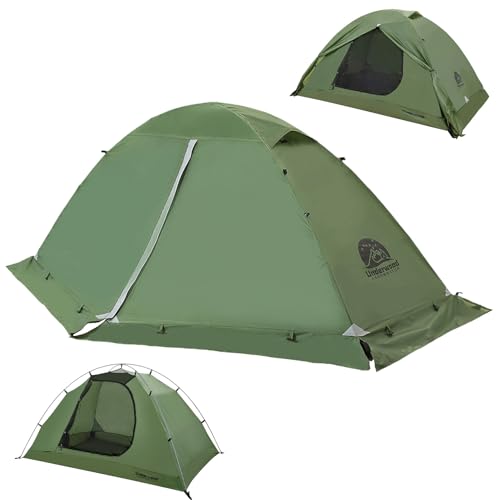
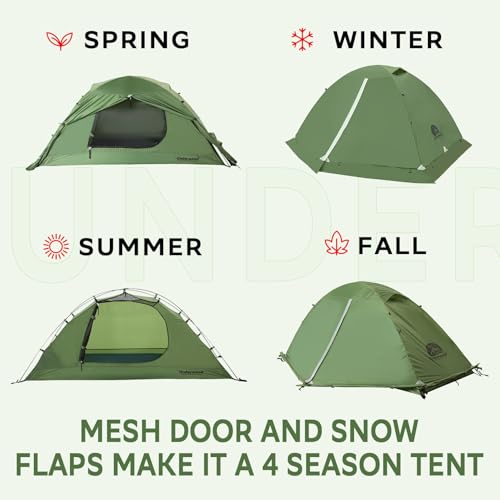
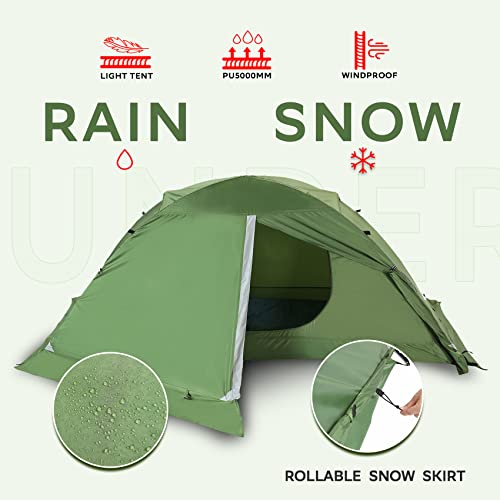
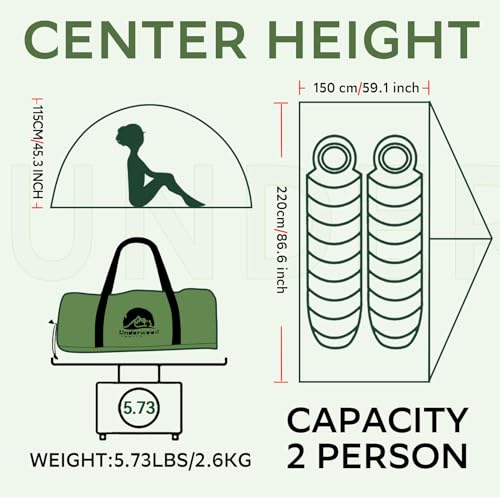
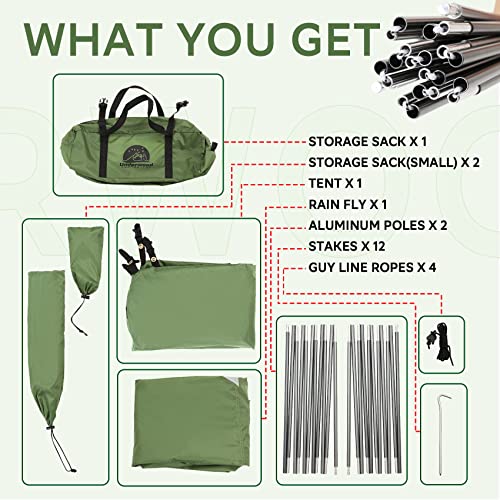
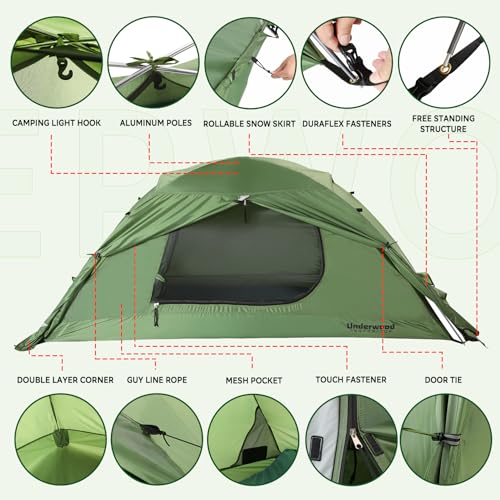
This Underwood Aggregator tent makes bold claims, and on specs alone, it’s hard not to be impressed. With a PU5000mm coating, aircraft-grade aluminum poles, and a snow skirt, it’s one of the few in this list that genuinely leans into 4-season capability. At 5.73 pounds, it’s not ultralight, but that’s the trade-off for storm-ready durability. Owners in snowy climates report staying dry and stable, even with wind-driven snow, thanks to the double-layer corners and full-coverage fly.
The dual-layer door and two-way zippers add convenience, and the interior light hook is a thoughtful touch. Still, ventilation could be better, the mesh is limited, so condensation is a reported issue in humid cold snaps. Compared to the OneTigris or Bessport, this is a far more serious shelter. For anyone tackling shoulder-season or winter backpacking, this is the smarter buy.
Product photos
OneTigris Stella 4-Season Lightweight Tent
Strengths
- Ultra compact
- Silicone-coated fabric
- Simple pole design
Trade-offs
- Single door
- Not true 4-season
- Low peak height
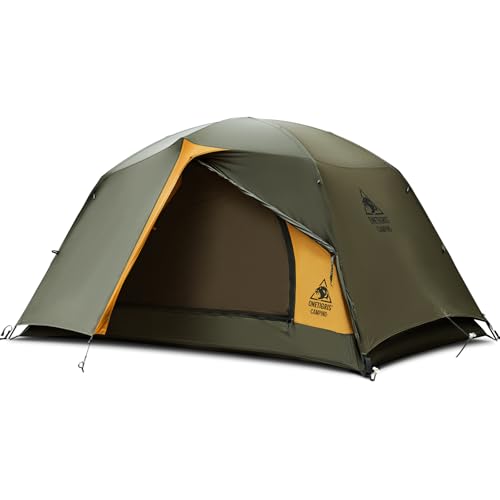
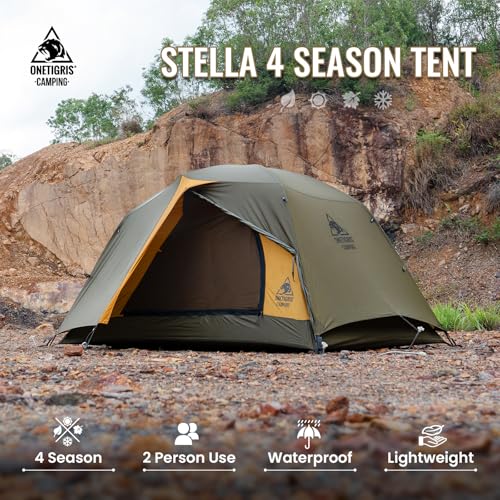
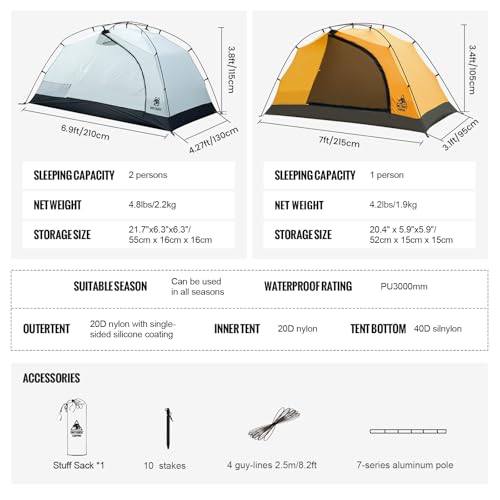
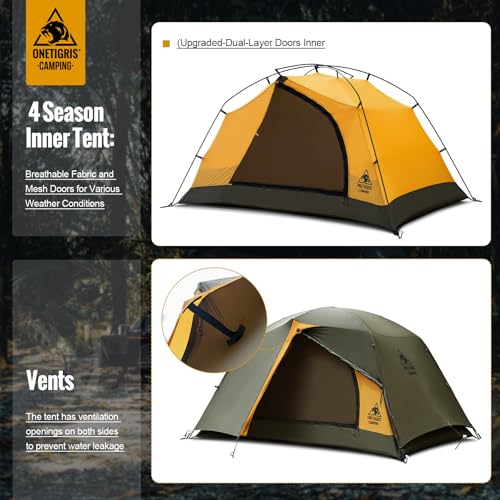
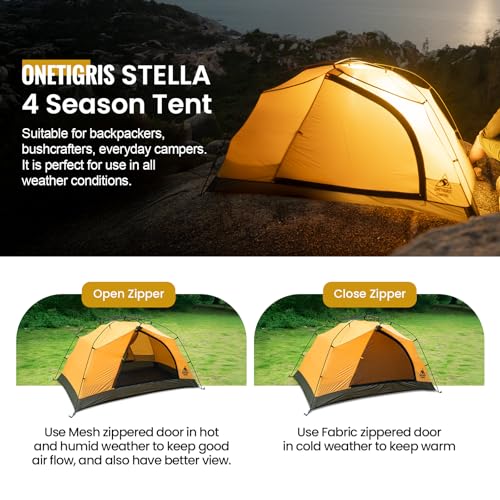
At just 4.8 pounds, the OneTigris Stella markets itself as a lightweight 4-season tent, but that claim needs scrutiny. The 20D nylon body and silicone coating do keep weight low, and the 3000mm rating is acceptable for rain, but true 4-season performance demands more robust poles and snow load tolerance, neither of which this tent clearly delivers. Owners report using it in light winter conditions, but it’s better suited as a solid 3-season backpacker’s choice with a few cold-weather tweaks.
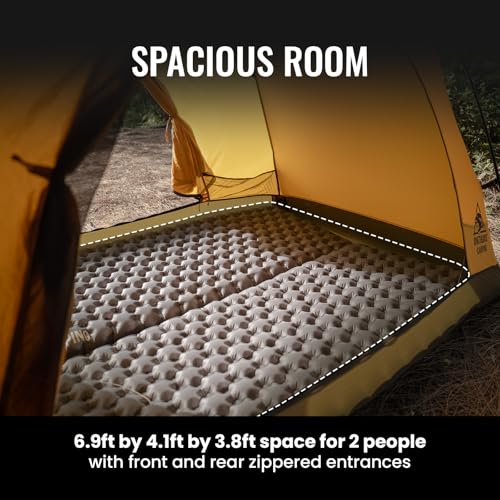
The cross-dome pole design promises quick setup, and feedback suggests it’s intuitive, though not as fast as clip systems. Interior space is tight at 6.9×4.1 feet, and the single door limits convenience. Still, for thru-hikers prioritizing packability and weight, this tent offers a clean balance. I’d recommend it more for spring-fall trips than true winter expeditions.
Product photos
Forceatt 2-Person All-Weather Backpacking Tent

Strengths
- Excellent ventilation
- Dual vestibules
- Sturdy zippers
Trade-offs
- 5.5 lb weight
- Not full 4-season
- Average floor coating
Forceatt’s 2-person tent stands out for its dual D-doors, two vestibules, and 3000mm waterproof rating, making it a strong contender for couples who value weather resistance and gear storage. At 5.5 pounds, it’s not the lightest, but the 7001-series aluminum poles and reflective guylines suggest a focus on wind stability. Owners consistently praise the smooth #8 zippers, a small detail that makes a big difference after repeated use.
The large mesh windows and ceiling vents help with airflow, though in high humidity, condensation still builds up. It’s marketed as 3-4 season, but like most in this range, it’s best treated as a rugged 3-season tent with winter-light capability. Compared to the Kelty, it offers more ventilation and access; compared to the Underwood, it’s lighter but less storm-ready. A solid middle ground.
Product photos


Clostnature Ultralight Waterproof 2-Person Tent

Strengths
- Superior airflow
- PU 5000 floor
- Freestanding
Trade-offs
- No included footprint
- Bulky packed size
- Minimal winter use
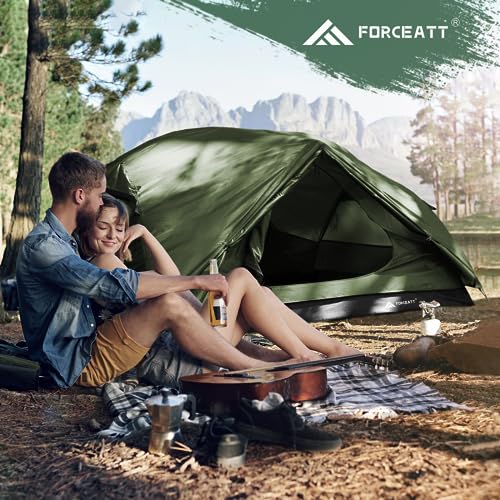
The Clostnature tent wins on one key metric: ventilation. With nearly full mesh inner walls and two D-doors, it’s built to breathe, owners in humid forests and bug-heavy zones consistently praise how well it manages airflow without letting in pests. At 5.29 pounds (or 4.52 lbs trail weight), it’s competitive for ultralight aspirations, and the freestanding design with aluminum poles makes pitching solo a breeze.
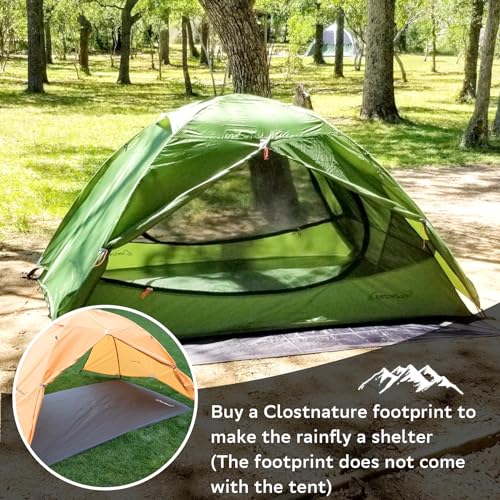
The PU 5000 coating on the floor and fly suggests strong waterproofing, and field reports confirm it holds up in heavy rain. Still, the packed size is bulkier than some, and the tent doesn’t include footprint, something ultralight users might want. Compared to the Bessport, it’s better ventilated and similarly priced. For humid, buggy environments, this is my top pick.
Product photos



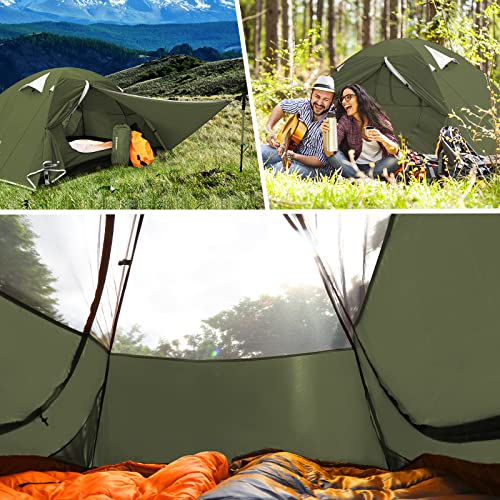
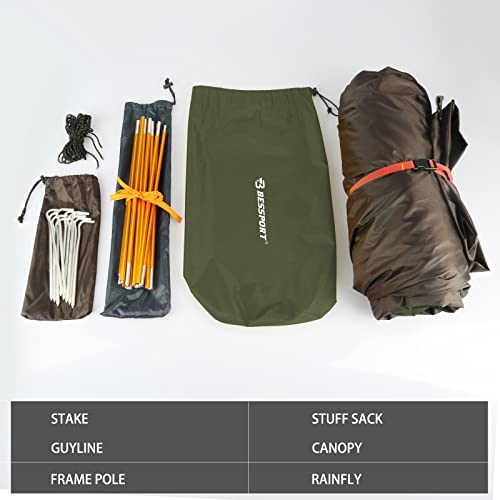
Bessport Waterproof 2-Person Backpacking Tent

Strengths
- Two doors
- Freestanding
- Good ventilation
Trade-offs
- Mid-tier zippers
- Average storm rating
- No PFC-free coating
Bessport’s 2-person tent hits a sweet spot on paper, dual D-shaped doors, two vestibules, and a sub-5.3-pound weight, with aluminum poles and a freestanding design that owners say makes relocation a breeze. The clip attachment system speeds up setup, and reviewers frequently mention how easy it is for first-timers. Ventilation seems solid thanks to the mesh-heavy inner, though no one’s calling it condensation-proof in humid conditions.
The PU 3000 waterproofing is standard, and the welded floor design is a nice touch to prevent seam leaks. But some long-term users note that the zippers, while smooth at first, can degrade faster than premium brands. It’s not built for extreme weather, but for three-season trail use, it’s a dependable, well-ventilated shelter. I’d pick this over the Night Cat any day for actual two-person comfort.
Product photos

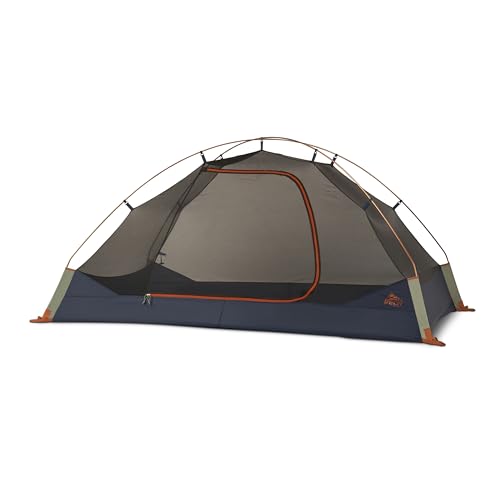
Kelty Late Start 2P Tent 2024

Strengths
- Aluminum poles
- Color-coded setup
- Eco-friendly coating
Trade-offs
- PU 1200 rating
- Single door
- Mid-range weight
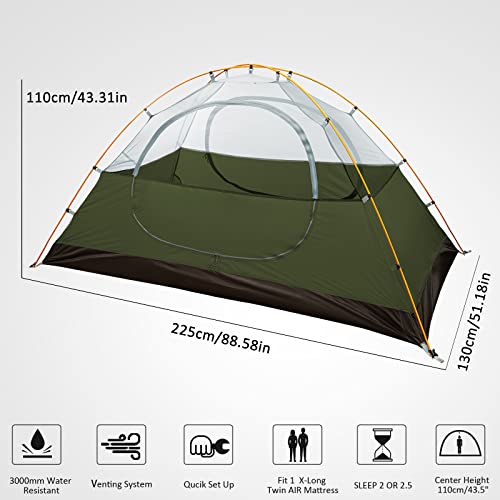
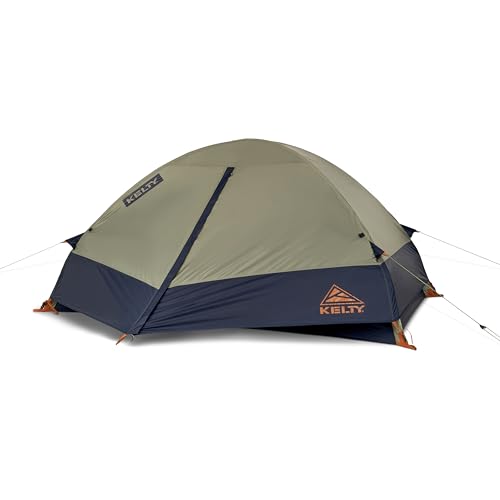
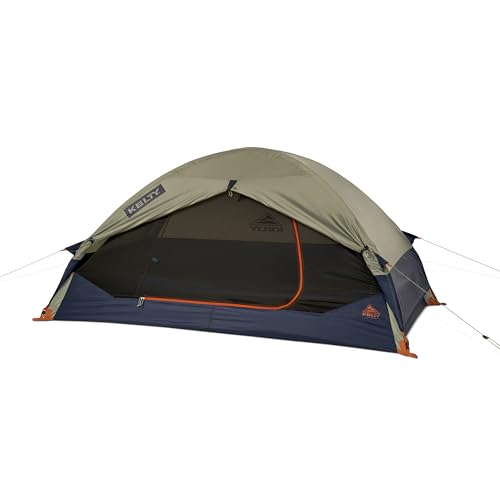
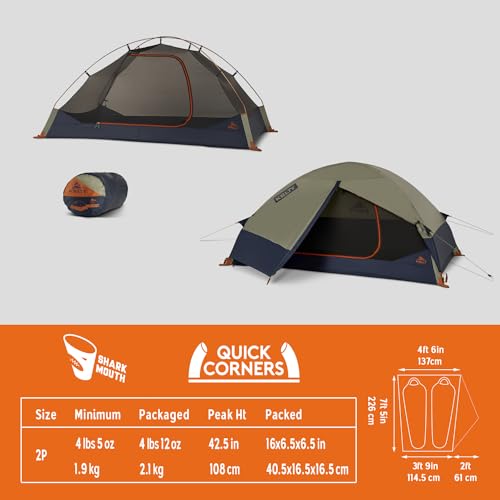
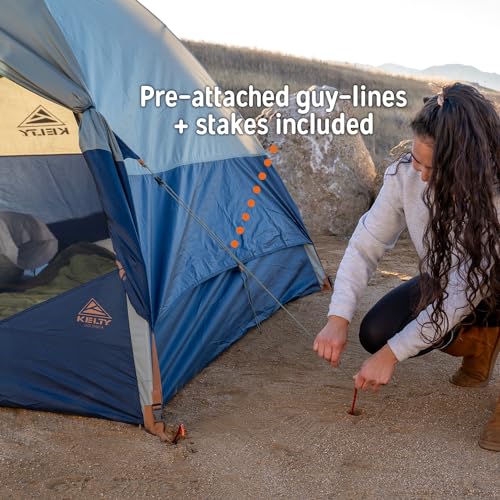
Kelty has long been a workhorse brand in beginner-to-mid backpacking, and the 2024 Late Start 2P feels like a thoughtful update for campers who value durability without fuss. The color-coded Quickcorners and aluminum poles make setup a one-person, under-3-minute affair, which owners love, especially when rain rolls in. At 30 sq ft and 43 inches of peak height, it’s not the tallest or roomiest, but it’s efficient, with a single door and vestibule that keep weight down and airflow decent.
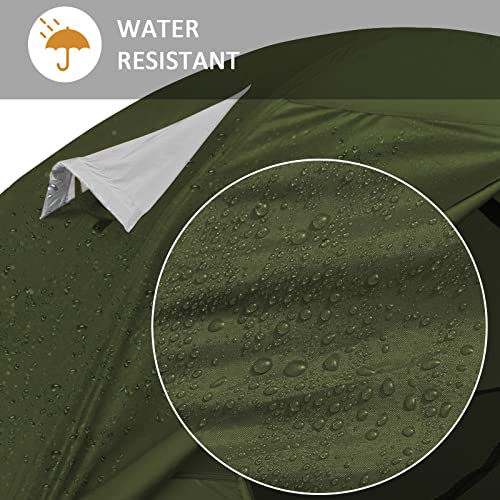
The 68D polyester floor and fly offer reliable PU 1200 waterproofing, which works fine in most conditions but won’t match higher-rated tents in prolonged downpours. What stands out is the brand’s commitment to PFC-free DWR, which I appreciate for environmental reasons, this tent ages more responsibly. It’s not ultralight, but it’s a smart buy for car-to-trail hikers or scouts who need something tough and simple.
Product photos
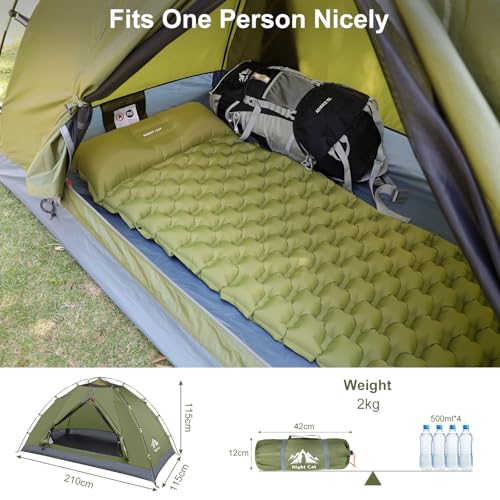
Night Cat Upgraded Clip-Setup Backpacking Tent

Strengths
- Easy clip setup
- Good rain protection
- Lightweight for price
Trade-offs
- Fiberglass poles
- Tight for two
- Single door
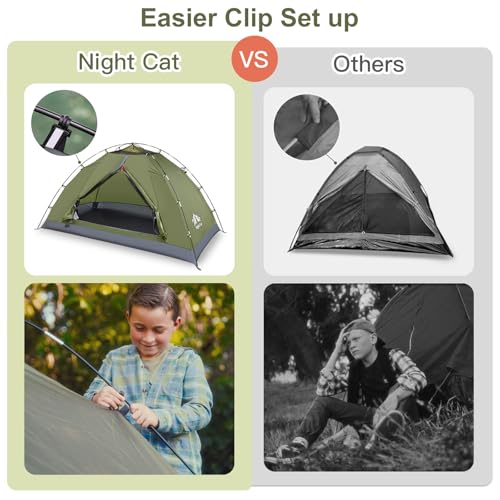
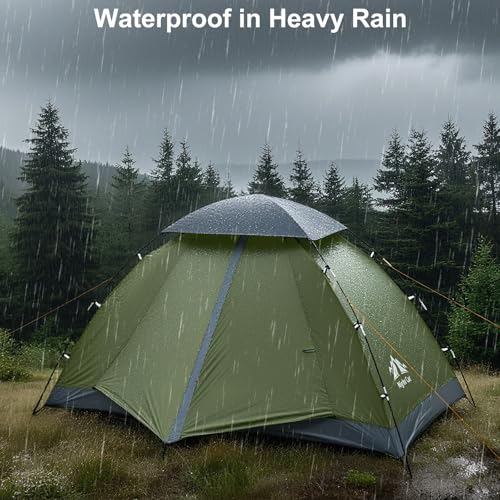
At 4.4 pounds and marketed as a 1-2 person tent, this Night Cat model walks a confusing line, it’s too tight for two adults and not quite light enough to shine as a true solo backpacker’s choice. Owners consistently report that while the 1-minute clip setup is legitimately fast and beginner-friendly, the interior feels cramped for two sleeping bags, especially if you’re bringing gear inside. On paper, the PU 3000 waterproofing and taped seams suggest solid storm resistance, and reviewers in damp climates confirm it holds up well in steady rain.
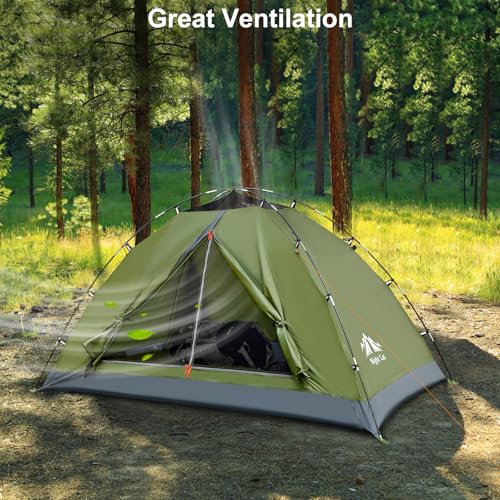
Still, the fiberglass poles, while foldable and compact, don’t inspire confidence in high winds compared to aluminum. It’s a decent budget play for a kid-and-adult pairing or occasional fair-weather backpacking, but for a real two-person need, look elsewhere. The ventilation is modest, and the single door limits access. I wouldn’t trust it as a primary shelter on exposed ridgelines.
Product photos

How We Chose These two man backpacking tents
Rather than a hands-on lab test, this is a research-led comparison of published specifications and owner feedback. I focused on evaluating tents based on features listed by manufacturers, alongside a deep explore customer reviews from multiple retailers and outdoor gear websites. We also considered input from established outdoor publications to build a well-rounded understanding of each tent’s strengths and weaknesses. The goal was to rank these tents based on real-world usability and reported performance.
For two-person backpacking tents, weight, weather resistance, and ease of setup are crucial. We weighted these factors most heavily because a heavier tent significantly impacts enjoyment on the trail, inadequate weather protection compromises safety, and a frustrating setup process eats into valuable camping time. Durability also played a major role, as a tent needs to withstand repeated use and varying conditions.
Published specs reliably indicate a tent’s physical dimensions, weight, and waterproof ratings. However, we placed more emphasis on owner feedback regarding actual performance in challenging conditions and long-term durability. Reputable expert reviews helped validate claims made by manufacturers and provided insight into potential shortcomings. Understanding which top backpacking tent brands consistently deliver quality was also key to our evaluation.
How To Pick The Right two man backpacking tents
Finding the right shelter for you and a companion is key to enjoying time in the backcountry. I’ve seen countless trips ruined by tents that just didn’t measure up, so I want to help you avoid those pitfalls.
A quality two-person backpacking tent balances weight, weather protection, and usable space. Key features to consider include the denier of the nylon used in the fly and floor (higher numbers generally mean more durability), the waterproof rating of the rainfly (measured in millimeters – 1500mm is a minimum for reliable protection, with 3000mm+ being excellent), and the overall packed weight, which should ideally be under 6 pounds for comfortable carrying.
Weight and Packability
Let’s be real: you’re carrying this thing on your back. Every ounce counts when you’re logging miles, so prioritizing a lightweight design is crucial. I often see people sacrificing weight for what they think is durability, but modern materials have closed that gap. Look for tents utilizing materials like 20D nylon or polyester, as these offer a good balance. Don’t just look at the total weight, either; consider the packed size. A more compact tent will fit more easily into your pack, leaving room for other essentials.
Weather Resistance and Seasonality
A three-season tent is sufficient for most backpacking trips, but if you anticipate encountering harsh conditions – snow, strong winds, or prolonged rain – a four-season tent is a better choice. Pay attention to the rainfly’s waterproof rating and the tent’s overall construction. Features like a full-coverage rainfly, taped seams, and a bathtub floor (where the fabric extends up the sides) are essential for staying dry. The Forceatt 2-Person All-Weather Backpacking Tent, for example, boasts a 3000mm waterproof rating and a welded floor, providing excellent protection. Knowing your typical camping conditions will help you choose the right level of protection.
- Consider the denier (D) of the fabric: 75D is very durable (and heavier), 20D is very lightweight (and less durable).
- Look for a PU coating on the rainfly: PU (polyurethane) coatings provide a waterproof barrier. Higher numbers mean better waterproofing.
- A full-coverage rainfly is essential: This ensures complete protection from the elements, extending down to the ground on all sides.
Usability and Features
Beyond the basics, consider features that will enhance your camping experience. A tent vestibule benefits from offering a covered outdoor space for storing gear or cooking in inclement weather. The number and size of doors can also impact usability. Two doors are ideal for two people, preventing someone from having to climb over the other to exit the tent at night. Also, think about ventilation; mesh panels and vents help reduce condensation buildup, keeping you comfortable inside. You can find more information about the advantages of a backpacking tent storage area here. If quick setup is a priority, look for tents with clip-pole attachments, like the Night Cat Upgraded Clip-Setup Backpacking Tent.
A well-designed tent should feel spacious enough for two people and their gear, without being overly bulky or heavy. Don’t underestimate the value of a comfortable camping experience.
If you’re still unsure where to start, I recommend checking out some 2-man backpacking tent reviews to see what other hikers are saying about different models. Or, if you’re prioritizing a lighter load, explore some lightweight 2-man tent models. For a broader range of options, you can browse top-rated 2-person backpacking tents and find the best 2-man backpacking gear for your needs.
Two Man Backpacking Tents Compared
Here’s a comparison of key specifications for several two-person backpacking tents to help you make an informed decision.
| Product Title | Capacity | Weight (lbs) | Waterproof Rating (mm) | Season | Packed Size |
|---|---|---|---|---|---|
| Underwood Aggregator 4-Season | 2 | 5.73 | 5000 | 4 | 5.9″ X 16.54″ |
| OneTigris Stella 4-Season | 2 | 4.8 | 3000 | 4 | 21.7″ x 6.3″ |
| Forceatt 2-Person All-Weather | 2 | 5.5 | 3000 | 3/4 | N/A |
| Clostnature Ultralight Waterproof | 2 | 5.29 | 5000 | 3/4 | 16.5″x5.9″x5.9″ |
| Bessport Waterproof 2-Person | 2 | 5.2 | N/A | 3/4 | N/A |
| Kelty Late Start 2P | 2 | N/A | 1200 | 3/4 | N/A |
| Night Cat Upgraded Clip-Setup | 1-2 | 4.4 | 3000 | 3/4 | 16.5″x4.7″x4.7″ |
Frequently Asked Questions
What waterproof rating is truly necessary for a two-person backpacking tent?
A rating of 1500mm is the minimum I recommend for reliable water protection, but 3000mm or higher provides significantly better performance in heavy or prolonged rain. Higher ratings add weight, so consider your typical camping conditions when deciding.
How does the denier (D) of a tent’s fabric affect its durability and weight?
Lower denier fabrics (like 20D) are lighter but less durable, while higher denier fabrics (like 75D) offer greater abrasion resistance at the cost of added weight. Balancing these factors is key to finding a tent that suits your needs and backpacking style.
Are freestanding tents always better for backpacking?
Not necessarily. While freestanding tents are easier to set up on hard or rocky ground, they often weigh more than semi-freestanding or non-freestanding models. If you typically camp on softer ground, a non-freestanding tent can save you weight and space. You can explore a lightweight backpacking tents for two to find options.
What is a tent vestibule, and why is it useful?
A vestibule is an enclosed area outside the tent door, created by the rainfly. It’s really helpful for storing muddy boots, wet gear, or even cooking in inclement weather, keeping the inside of your tent cleaner and drier.
How important is the packed size of a two-person backpacking tent?
The packed size is very important, especially if you have limited space in your backpack. A more compact tent will leave room for other essential gear. I always suggest checking the packed dimensions before purchasing, especially when comparing best 2-person backpacking tents.
The Bottom Line
Choosing a two-person backpacking tent always comes down to balancing how much you’re willing to carry against how much protection and space you want. For the best overall combination of weight, weather resistance, and livability, I recommend the Underwood Aggregator 4-Season. It’s a bit heavier than some, but the robust 5000mm waterproof rating and four-season capability offer peace of mind in variable conditions.
If you’re on a tighter budget, the Night Cat Upgraded Clip-Setup tent offers excellent value, and for those prioritizing a quick and easy pitch, it’s hard to beat. Hikers needing a lighter option should look at the OneTigris Stella 4-Season; it’s a great choice for fast and light trips. And if you want to learn more about backpacking tent buying guide, we have a guide to help you pick the right features.
Ultimately, the best tent isn’t the one with the highest specs, but the one that best fits your needs and your typical adventures. Don’t get caught up in chasing the lightest weight or the highest waterproof rating, focus on finding a tent that provides reliable shelter, is comfortable for you and your partner, and will encourage you to get out there and enjoy the backcountry.
