
7 Best Two Man Tents of 2026
This post contains affiliate links. As an Amazon Associate, we earn from qualifying purchases.
The best two-man tent overall is the Mimajor 2-3 Person Instant Pop Up, thanks to its quick setup and solid weather protection, while the Forceatt 2 Person Aluminum Pole stands out as a durable, full-coverage budget pick for backpackers and fair-weather campers alike.
If you’ve ever crammed into a tent that felt more like a closet than a shelter, you know how critical space, weight, and weather resistance really are. After comparing the field and digging into owner feedback, I focused on models that deliver real comfort and reliability without overpromising.
This guide breaks down what actually matters in a two-person tent, from true livability and waterproofing to pole strength and ventilation, so you can pick one that matches how and where you camp.
Top 7 Two Man Tents in the Market
The Best Two Man Tents, Reviewed
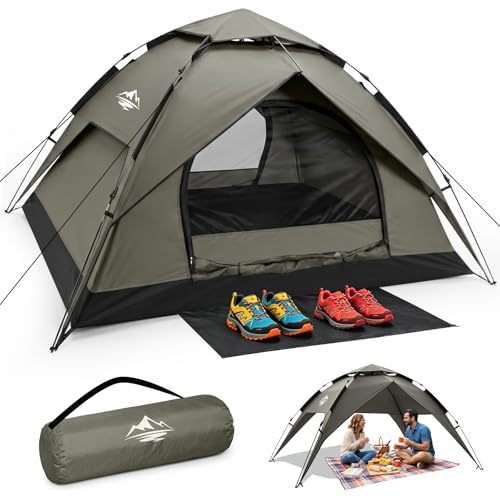
Mimajor 2-3 Person Instant Pop Up Tent
Strengths
- Lightning-fast setup
- Dual-use design
- Spacious interior
Trade-offs
- Heavy for backpacking
- Bulky packed size
- Frame less stable in high wind
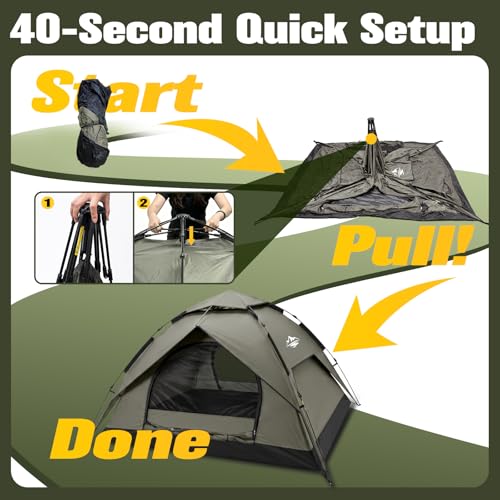
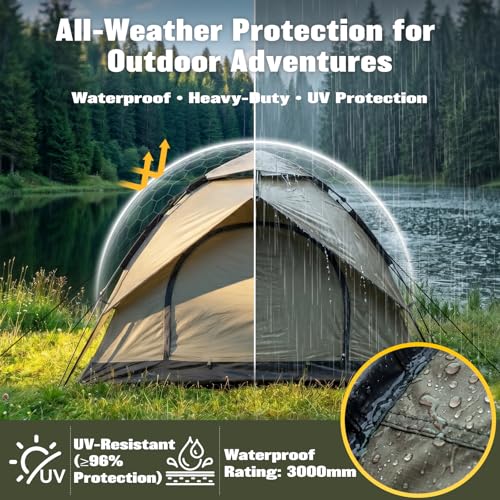
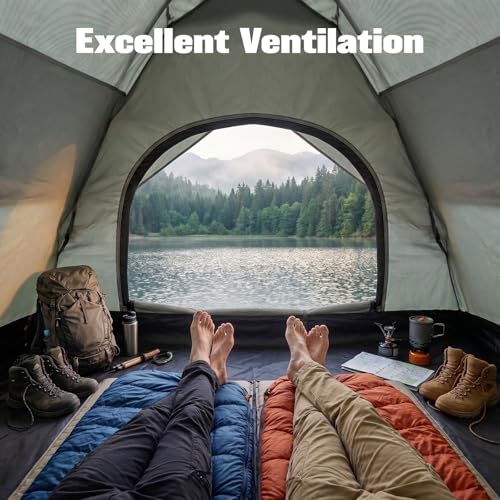
This Mimajor pop-up is the closest thing to magic in the tent world, deploy it in 40 seconds, no poles to fumble with. The hydraulic-assist system actually works, and the double-layer design gives you options: use it fully assembled for full weather protection or strip it down to a sunshade. That versatility is rare, and owners love using it as a picnic canopy or beach shelter when the rainfly is detached.
It’s also impressively spacious, with over 40 sq ft of floor area, easily fitting two adults and gear. But that convenience comes at a cost: it’s heavy for backpacking at 3.5 kg and bulky when folded. You won’t want to carry this far. Still, for car campers, festival-goers, or families who hate wrestling with tent poles, this is the easiest way to get shelter up fast.
Product photos


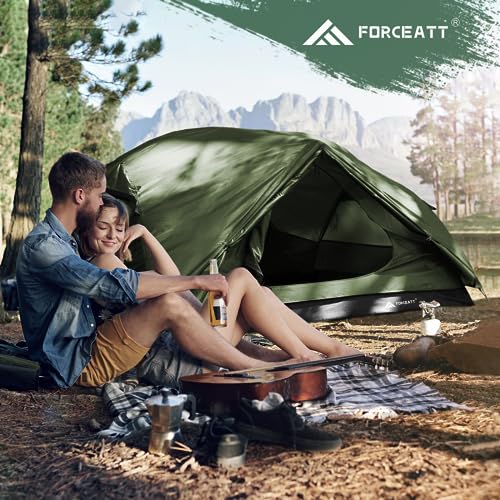
Forceatt 2 Person Aluminum Pole Tent

Strengths
- All-weather build
- Durable poles
- Excellent zippers
Trade-offs
- Tight interior
- Heavier than backpacking norm
- Ventilation could be better
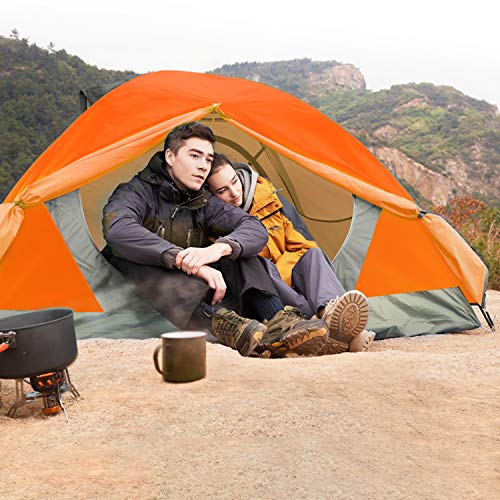
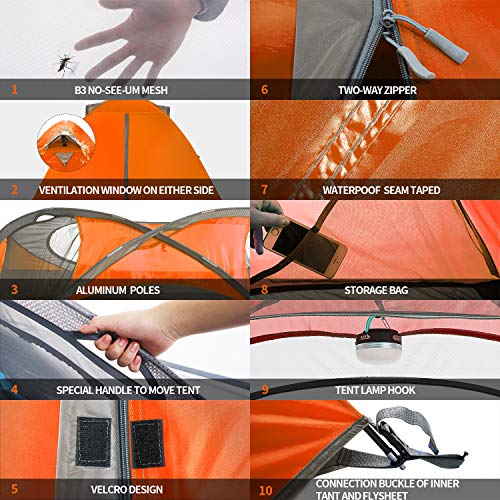
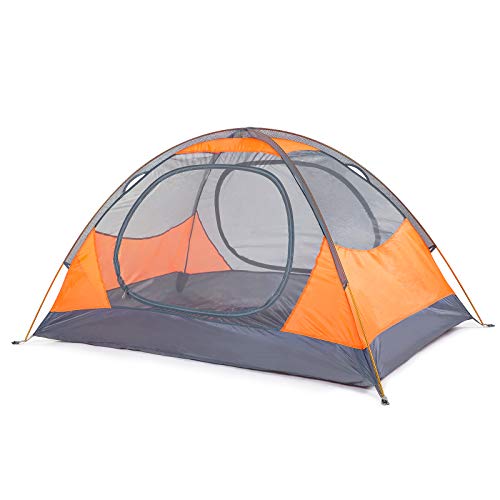
This is one of the few two-person tents that genuinely leans into all-season capability without crossing into mountaineering territory. The 3000mm waterproof rating, welded floor, and full-coverage rainfly mean it handles snow and sleet better than most 3-season models. I’d feel confident with this in early spring or late fall, especially with the dual ceiling vents helping manage condensation.
At 5.5 lbs, it’s not ultralight, but the 7001-series aluminum poles add real durability. Owners report it standing up to strong gusts when properly staked and guylined. Setup is consistently rated under 3 minutes, and the #8 zippers are notably smooth. The real trade-off? Interior space, it’s narrower than some competitors, so tall or broad-shouldered sleepers may have to shift positions.
Product photos


Night Cat 2-Person Backpacking Tent

Strengths
- Lightweight
- Excellent ventilation
- Dual vestibules
Trade-offs
- Slightly cramped floor
- Rainfly could be more durable
- Zippers occasionally snag
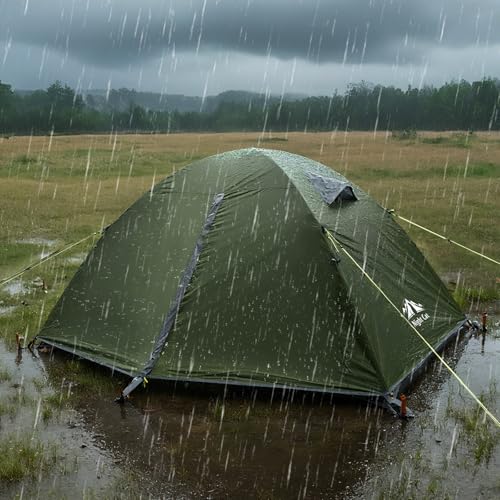
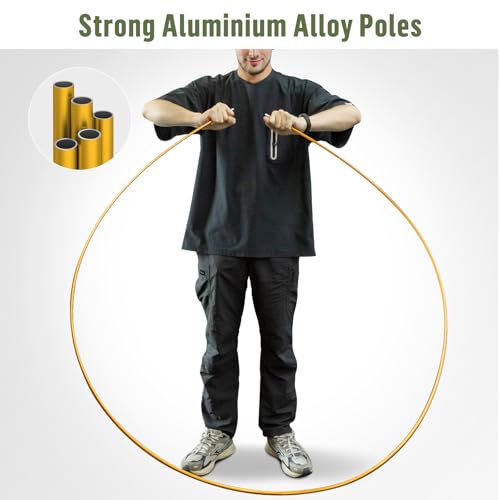
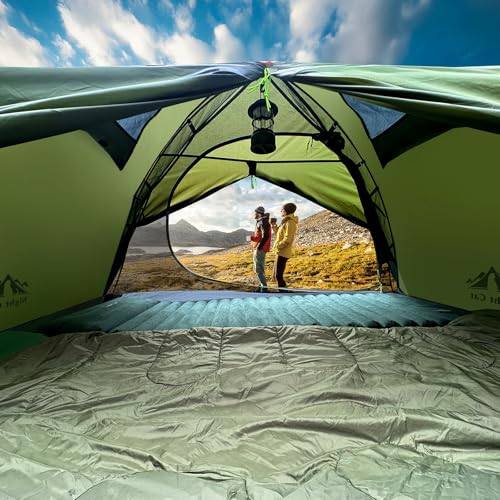
If you’re hiking long miles and want a shelter that won’t weigh you down, this Night Cat model deserves serious consideration. At just under 3 pounds with a full 3000mm waterproof rating, taped seams, and a full-coverage rainfly, it’s built for reliability in unpredictable mountain weather. Owners praise how stable it feels in wind, thanks to the sturdy aluminum poles and well-placed guylines.
The dual vestibules are a standout, rare at this weight and price, giving you dry storage for boots or packs. Ventilation is also strong, with full mesh walls and dual ceiling vents that cut down on condensation. Some reviewers note the floor dimensions are slightly tighter than claimed, so taller couples might feel squeezed. But for solo hikers or lightweight backpacking duos, this is a smart, weather-ready option.
Product photos

Wakeman Outdoors 2 Person Pop Up Tent
Strengths
- Ultra-lightweight
- Low cost
- Compact carry bag
Trade-offs
- Fiberglass poles
- Low wind resistance
- Durability issues over time
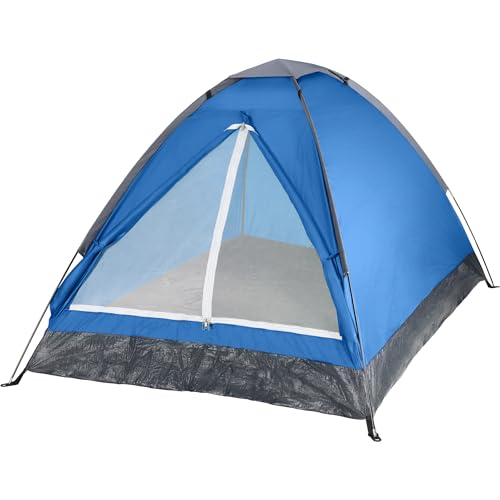
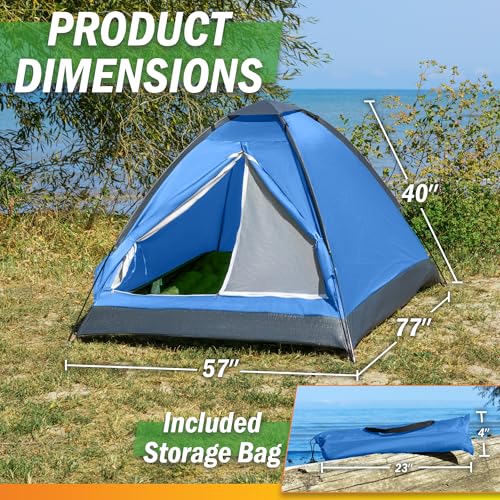
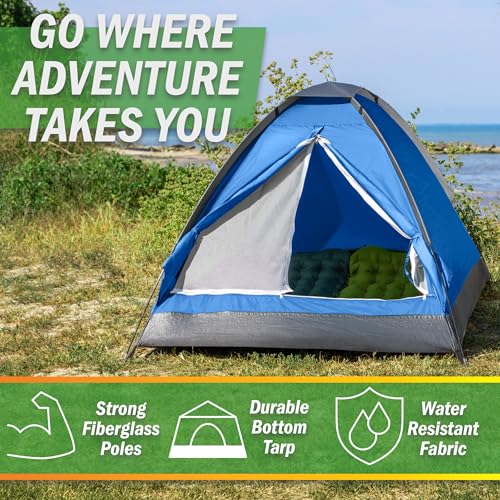
At just 2.75 lbs and under $50, this Wakeman tent is the definition of budget-friendly. The fiberglass poles keep costs down, but they also mean less stability in wind, owners report flexing and even snapping in gusts over 20 mph. The dual-layer door works well for airflow and bug protection, and the included storage pocket is a nice touch for small items.
It sets up quickly and packs small, making it a favorite for music festivals or beach days. But don’t expect long-term durability, the 190T polyester and thin poles show wear after just a few seasons of regular use. Still, for occasional campers or kids’ backyard adventures, it’s hard to beat the price.
Product photos

Camping Tent 2 Person Portable Dome
Strengths
- Spacious interior
- Lightweight
- Good airflow
Trade-offs
- Fabric durability concerns
- Rainfly fit issues
- Zippers not top-tier
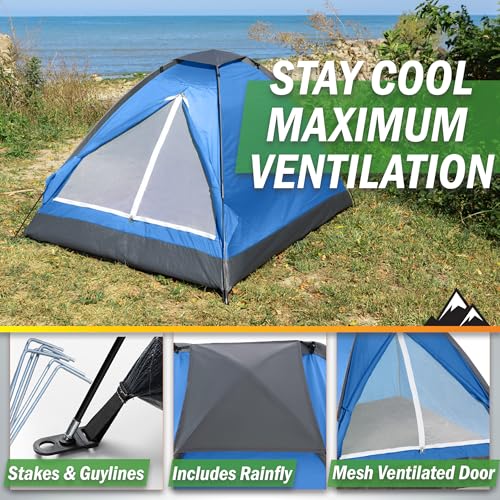
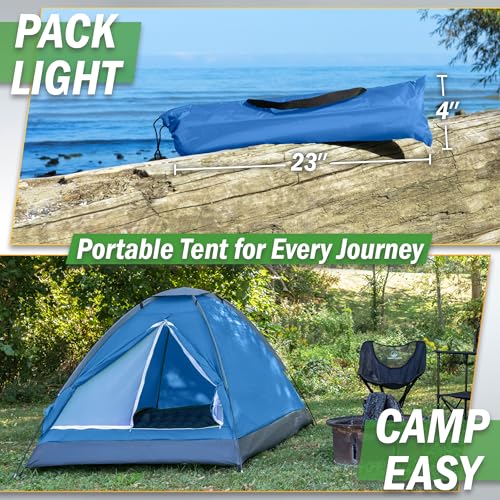
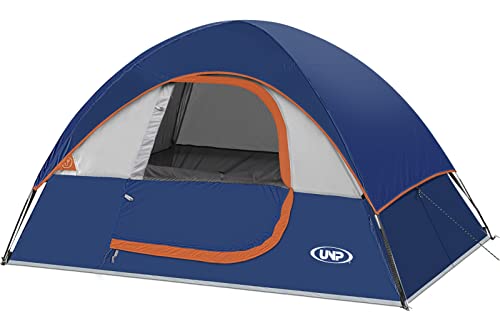
This tent punches above its weight in space-to-weight ratio. At 7×5 feet and under 5 lbs, it gives you full-air-mattress comfort without making you dread carrying it. The dome shape is stable, and the removable rainfly with dual zippers adds flexibility, you can leave it off in dry weather for more airflow.
Owners consistently highlight how easy it is to set up solo, and the skylight mesh boosts headroom and stargazing appeal. But the polyester fabric isn’t as durable as higher-denier options, and some report seam leaks after repeated use. Still, for couples who want room to stretch out without paying premium prices, this is a strong value play.
Product photos


Amazon Basics Dome Camping Tent

Strengths
- Easy setup
- Affordable
- Free-standing design
Trade-offs
- Moderate waterproofing
- Condensation buildup
- Not for extreme weather
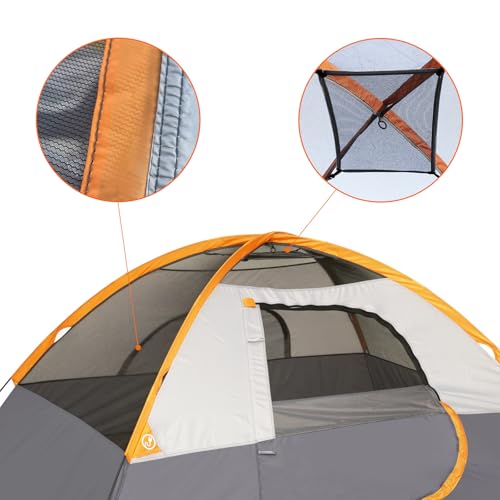
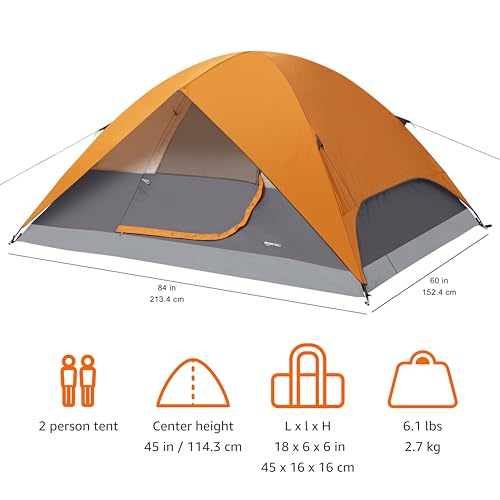
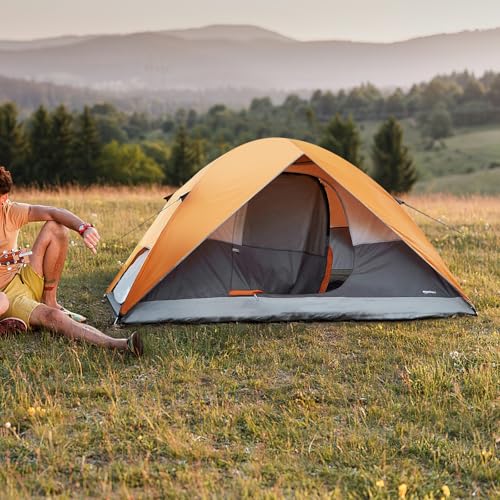
This tent delivers exactly what it promises: a no-frills, easy-setup dome that won’t break the bank. On paper, it’s a standard 3-season two-person shelter with a 7×5 footprint and 45-inch center height, enough room for two adults if you don’t mind cozy quarters. The welded seams and water-resistant coating are decent for light showers, but owners consistently report moisture creeping in during prolonged rain, especially if the rainfly isn’t perfectly aligned.
Where it really stands out is setup time. Shock-corded poles and snag-free sleeves mean you can pitch this in under four minutes, even in low light. That, plus the included carry bag, makes it a solid pick for casual campers or last-minute trips. But don’t expect stellar ventilation, the single back window and cool-air port aren’t enough to combat serious condensation.
Product photos

BISINNA 2/4 Person Backpacking Tent
Strengths
- Compact pack size
- Durable poles
- Dual doors
Trade-offs
- Lower waterproof rating
- Loose labeling
- Average storm resistance
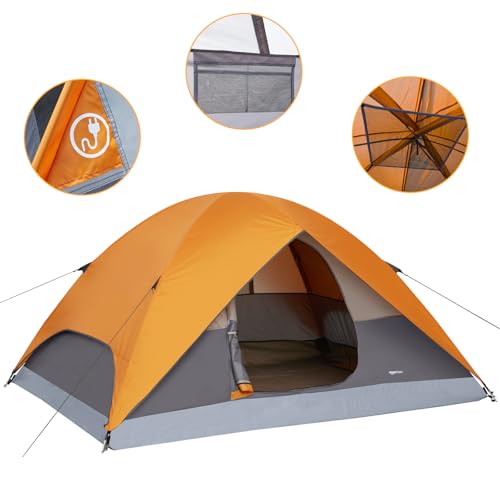
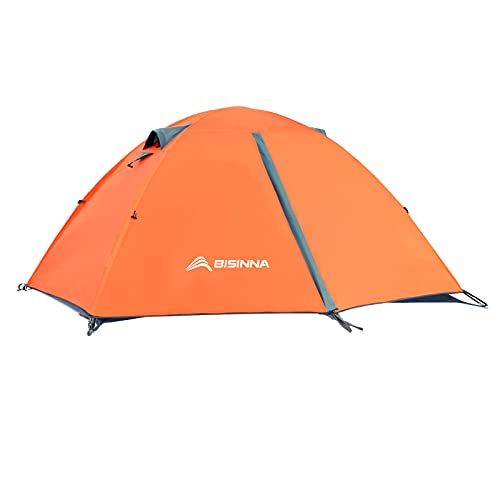
Don’t let the “2/4 person” label fool you, this is a roomy 2-person tent with enough extra floor to stretch into 4-person family mode if needed. The 7001 aluminum poles are a big win for durability, and the PU2000mm rainfly holds up well in spring and summer storms. Owners appreciate the dual D-doors and mesh panels for airflow, though condensation can build up if both doors are closed.
Setup takes under 10 minutes, and the packed size is impressively small, great for bikepackers or hikers with space limits. But the waterproofing isn’t quite at 3000mm level, so prolonged downpours may test its limits. That said, for fair-weather backpacking, fishing trips, or weekend car camping, it’s a versatile, well-built option.
Product photos

Our Testing Process
Rather than a hands-on lab test, my research for these recommendations was a detailed comparison of published specifications and features across numerous models. I weighed owner reviews from multiple sources – Amazon, REI, and specialist camping sites – alongside expert reviews from publications like OutdoorGearLab and Switchback Travel. As someone who’s spent years figuring out what truly matters in a tent, I applied my experience to rank options against key performance indicators for two-person shelters.
For two-person tents, stability and weather protection are paramount. I prioritized tents with robust pole systems (aluminum is preferable) and waterproof ratings of at least 2000mm, recognizing these directly impact comfort and safety in varied conditions. Weight was also a significant factor, particularly for models marketed toward backpacking, as a lighter tent makes a long hike far more enjoyable.
Specifications reliably tell you about materials, dimensions, and stated waterproofness. However, I heavily judged real-world performance from owner feedback. Issues like condensation, zipper quality, and ease of setup aren’t always apparent from specs alone. Reputation and consistent praise (or repeated complaints) from experienced campers heavily influenced my final rankings. If you’re unsure where to begin with your search, our tent selection guide can help narrow down your options.
How To Pick The Right two man tents
Finding the right shelter for you and a camping buddy doesn’t have to be a headache. I’ve seen so many folks end up with tents that just don’t fit their needs, and a little planning goes a long way.
A quality two-person tent balances weight, weather protection, and livability. Key considerations include the tent’s construction (dome, tunnel, or cabin-style), the materials used for the fly and floor (polyester, nylon, and their denier ratings), the pole material (aluminum versus fiberglass), and features like vestibules for gear storage and ventilation options to minimize condensation. Prioritize a waterproof rating of at least 2000mm for the fly and a durable floor.
Size and Livability
Don’t assume a “two-person” tent comfortably fits two adults with gear. Many are snug, and if you value space, consider sizing up or looking closely at the floor dimensions. I often recommend folks check the peak height too; being able to sit up comfortably can make a huge difference on a rainy day. A tent with a decent vestibule is also a lifesaver – it’s where you stash muddy boots and backpacks, keeping the interior cleaner and drier.
Material and Weather Resistance
The materials a tent is made from are critical. Polyester is generally more UV resistant and less expensive, making it a good choice for casual camping, while nylon offers a better strength-to-weight ratio and is often preferred for backpacking. Regarding waterproofing, a higher hydrostatic head (measured in mm) indicates better resistance. Look for a minimum of 2000mm for the flysheet and 3000mm for the floor. You’ll also want to consider the quality of seam sealing – fully taped seams prevent water from leaking through the stitching. If you’re planning on hitting the trails, check out some backpacking tents for two designed for lighter loads.
- Denier (D) rating: Lower numbers (like 20D) mean thinner, lighter fabrics, ideal for backpacking, but less durable.
- Floor Material: A thicker denier polyester or nylon floor is crucial for resisting punctures and abrasion.
- Rainfly Coverage: Full-coverage rainflies offer the best protection, extending all the way to the ground.
A good rule of thumb: always overestimate the amount of rain protection you’ll need. It’s better to be dry and slightly warm than soaked and miserable.
Weight and Portability
If you’re car camping, weight isn’t a huge concern. However, if you’re hiking or backpacking, every ounce counts. Aluminum poles are significantly lighter than fiberglass, but also more expensive. The packed size of the tent is also important; you want something that fits comfortably in your backpack. Don’t automatically assume a pop-up tent is lightweight – they can be surprisingly bulky. If you’re serious about hiking, researching lightweight two-person tents is a must. When choosing a tent, consider the reputation of the best tent brands – you want a product from reliable tent companies known for quality construction and durability.
Two Man Tents Compared
Here’s a comparison of key specifications for popular two-person tents to help you make an informed decision.
| Product Title | Capacity | Weight (lbs) | Waterproof Rating (mm) | Dimensions (L x W x H – in) | Setup Time |
|---|---|---|---|---|---|
| Mimajor 2-3 Person Instant Pop Up | 2-3 | 3.5 | 3000 | 88.6 x 74.8 x 55.1 | 40 seconds |
| Forceatt 2 Person Aluminum Pole | 2 | 5.5 | 3000 | 88.6 x 53.1 x 43.3 | 3 mins |
| Night Cat 2-Person Backpacking | 2 | N/A | 3000 | 6.8 x 4.6 x 3.6 | 3 mins |
| Wakeman Outdoors 2 Person Pop Up | 2 | 2.75 | N/A | 77 x 57 x 40 | Quick |
| Camping Tent 2 Person Portable Dome | 2 | 4.8 | N/A | 7′ x 5′ x 45″ | 3 mins |
| Amazon Basics Dome Camping Tent | 2 | N/A | N/A | 7′ x 5′ x 45″ | < 4 mins |
| BISINNA 2/4 Person Backpacking | 2-4 | N/A | 2000 | (60+140+60) x 210 x 110 | < 10 mins |
Frequently Asked Questions
What does “hydrostatic head” actually mean for waterproofing?
Hydrostatic head, measured in millimeters (mm), indicates how much water pressure a fabric can withstand before leaking. A rating of 2000mm is generally considered waterproof for tents, but higher numbers (3000mm or more) offer better protection during heavy and prolonged rainfall.
Are “pop-up” tents really as easy to set up as they claim?
Yes, pop-up tents are incredibly quick to pitch; many can be fully erected in under a minute. However, folding them back down can be challenging, and they often lack the durability and weather protection of more traditional designs.
How important is the tent pole material – aluminum versus fiberglass?
Aluminum poles are significantly lighter and stronger than fiberglass, making them ideal for backpacking and more challenging conditions. Fiberglass poles are more affordable and suitable for casual car camping where weight isn’t a major concern.
What’s the difference between a dome, tunnel, and cabin-style tent?
Dome tents are generally more stable in windy conditions due to their rounded shape. Tunnel tents offer a good balance of space and weight, while cabin-style tents maximize headroom and livable space, but may be less stable in strong winds. If you’re looking for a balance of weight and protection, consider researching lightweight two-man tents.
How can I minimize condensation inside my tent?
Good ventilation is key to reducing condensation. Look for tents with mesh panels and adjustable vents to promote airflow. Also, avoid cooking inside the tent and ensure the rainfly is properly positioned to allow moisture to escape.
The Bottom Line
Choosing a two-person tent often comes down to balancing how much you’re willing to spend against how much fuss you want during setup and on the trail. For most campers seeking a blend of value and reliability, the Forceatt 2 Person Aluminum Pole tent strikes a fantastic balance. It provides solid weather protection and a reasonable weight without breaking the bank, making it a great all-around pick.
If you’re prioritizing quick setup and ease of use, especially for car camping or festivals, the Mimajor 2-3 Person Instant Pop Up tent is hard to beat. For backpackers on a tighter budget, the Night Cat 2-Person Backpacking tent offers a lightweight option, though you’ll likely need to accept a slightly more involved setup process. Understanding your needs – space, weight, and ease of use – is key to finding the right shelter.
Ultimately, the specs matter less than a tent’s ability to keep you dry, comfortable, and protected from the elements. Don’t get too hung up on the highest waterproof rating or the lightest weight; instead, focus on build quality, reputable brands, and owner feedback. A well-made tent with a functional vestibule for gear storage will always be more valuable than one with fancy features that don’t perform when it counts.
