
4 Best Backpacking Tents for Two 2026
This post contains affiliate links. As an Amazon Associate, we earn from qualifying purchases.
The best two person backpacking tent overall is the Clostnature 2-Person Tent, it nails the balance of low weight, strong weather protection, and sensible design. For a more budget-friendly option, the Forceatt 2-Person Tent offers surprising value without sacrificing key features. If you need serious four-season strength, the Underwood 4-Season Tent stands out for its durability and storm-ready build.
Picking a tent for two isn’t just about fitting two sleeping pads. I’ve seen too many hikers end up cramped, soaked, or stuck wrestling poles in the dark because they chose based on price or specs alone. Real trail conditions demand a shelter that’s light enough to carry but tough enough to trust.
This guide cuts through the noise. I compared the top models using specs, owner feedback, and what matters most when you’re miles from the trailhead, weight, weather resistance, and how easy it is to live in. These picks reflect what actually works when the weather turns or the trail gets long.
Top 4 Two Person Tents Backpacking in the Market
The Best Two Person Tents Backpacking, Reviewed
Clostnature 2-Person Backpacking Tent

Strengths
- Strong waterproof rating
- Spacious interior
- True freestanding design
Trade-offs
- Slightly heavier pack weight
- Packed size not ultra-slim
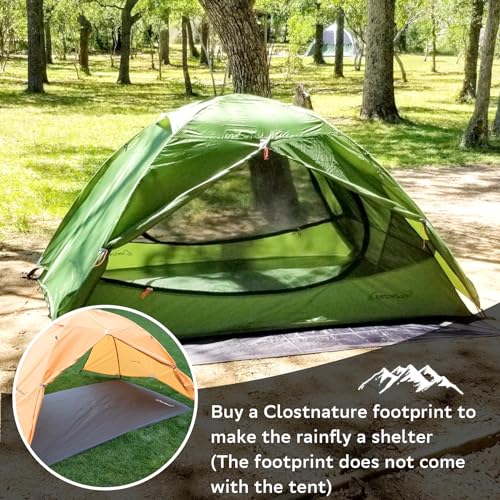
If I had to pick one tent here as the most balanced pick for the average backpacker, it’d be the Clostnature. At just over 5 pounds (and under 4.6 with trail weight), it hits that sweet spot between durability and packability. Owners love how easy it is to pitch solo, the freestanding design with two aluminum poles really does make setup intuitive, even for beginners. Plus, the slightly roomier footprint (7’3” long) gives taller users a bit more wiggle room than most two-person tents actually deliver.
The PU5000 coating on the rainfly and floor is where it pulls ahead of competitors like the Night Cat. That kind of weather protection gives real confidence in sudden downpours or damp forest floors. Combined with the full mesh walls and dual vestibules, it’s a well-rounded shelter for three-season use. It’s not the lightest ultralight tent out there, but for couples or solo hikers who want reliability without breaking the bank, this one keeps showing up in positive reviews as a dependable workhorse.
Product photos



Forceatt 2-Person Backpacking Tent

Strengths
- Excellent wind resistance
- Durable pole construction
- Spacious for two
Trade-offs
- Heavier than rivals
- Condensation in humidity
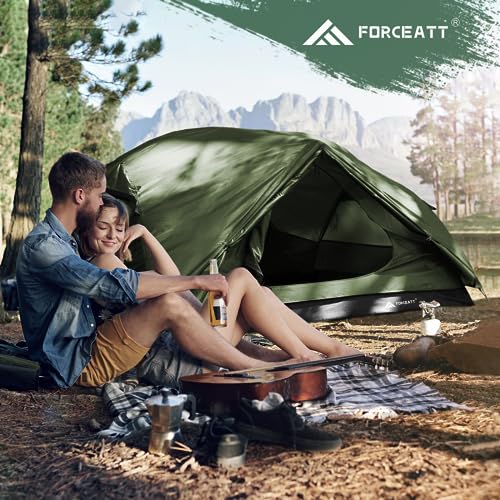
The Forceatt stands out for its storm-ready build, and that 3000mm waterproof rating backed by a welded floor and full-coverage rainfly means it’s built to handle serious weather. Reviewers in rainy zones like the Pacific Northwest have noted it held up well during prolonged wet stretches, which tells me it’s more than just marketing. The 7001 series aluminum poles add real structural integrity, that’s higher-grade than many budget tents use, and paired with the reflective guylines, this tent can take on strong gusts without collapsing.
It’s also one of the roomier options here, with a 7.4-foot length and 43-inch center height, so taller backpackers won’t feel cramped. The dual ceiling vents and micro-mesh help with airflow, though in humid conditions some owners still report mild condensation. Where it falls short is weight, at 5.5 pounds, it’s not ideal for ultralight missions. But if you’re hiking in exposed ridgelines or unpredictable mountain weather, I’d trade a few ounces for this level of protection any day.
Product photos


Night Cat 2-Person Backpacking Tent

Strengths
- Quick setup
- Good ventilation
- Lightweight build
Trade-offs
- Mid-tier waterproofing
- Limited storm resilience
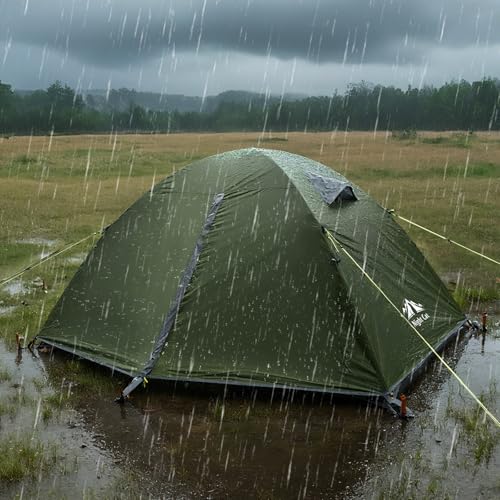
I like how the Night Cat positions itself as a quick-setup tent, and owners consistently report they’re able to get it up in under three minutes, even solo. That’s a real win on the trail when weather rolls in fast or daylight’s fading. The dual D-shaped doors and vestibules add practicality, making it easier for two people to move in and out without climbing over each other, and the full mesh walls with ceiling vents do their job cutting down on condensation in warmer conditions.
On paper, the 3000mm waterproof rating and taped seams suggest decent storm readiness, but compared to the Clostnature or Forceatt models with PU5000 coatings, this one feels more suited to light to moderate rain. It’s not a dealbreaker, but if you’re hiking in persistently wet climates, you’ll want to be extra diligent with the rainfly and guylines. Still, for fair-weather backpackers or weekenders who value speed and simplicity, this tent makes a solid, no-fuss option.
Product photos

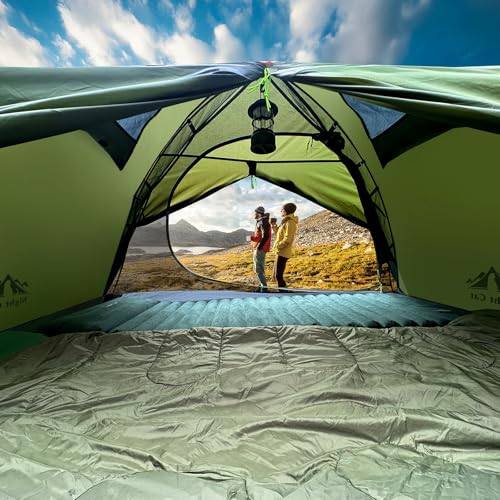
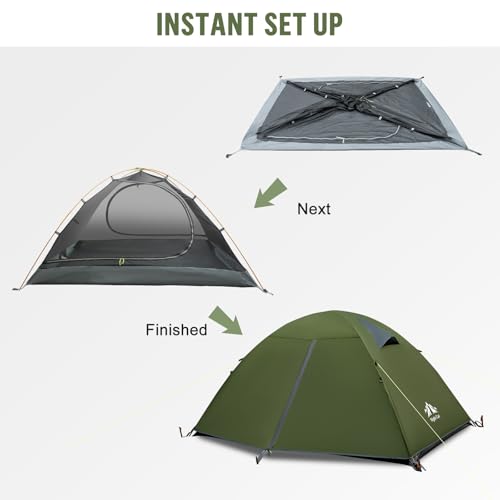
Underwood 4-Season Backpacking Tent
Strengths
- True four-season build
- Snow skirt included
- High waterproof rating
Trade-offs
- Heavy for backpacking
- Poor summer ventilation
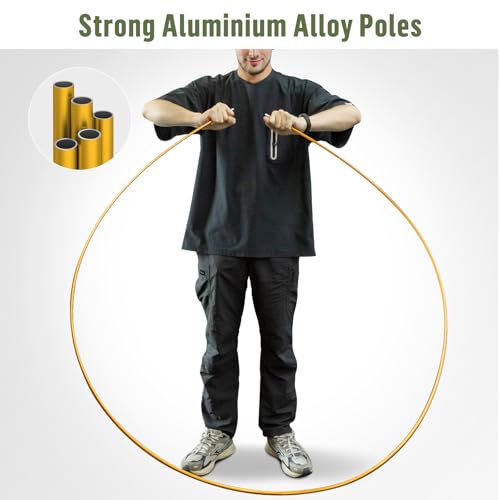
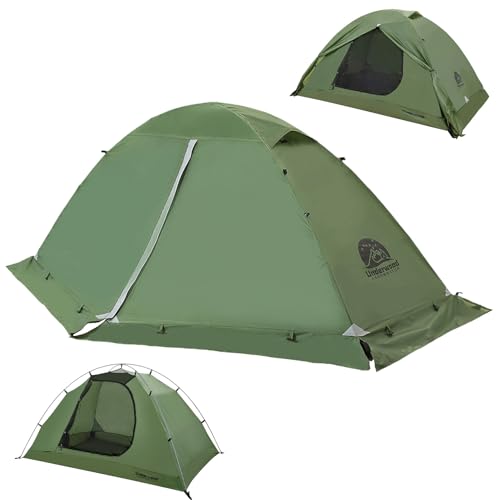
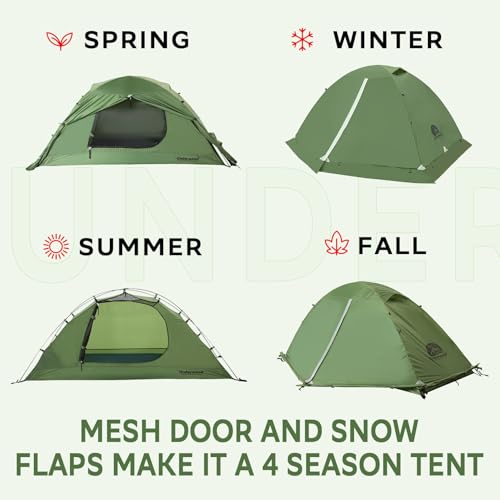
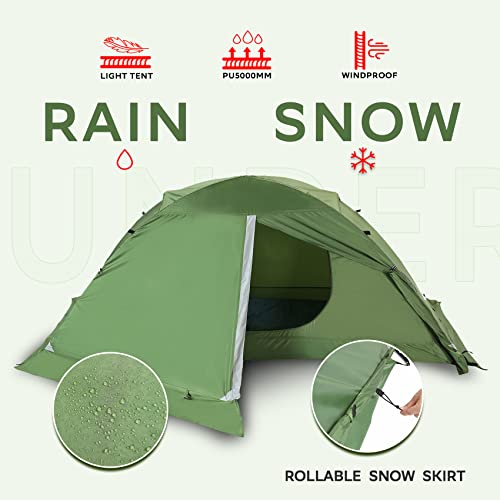
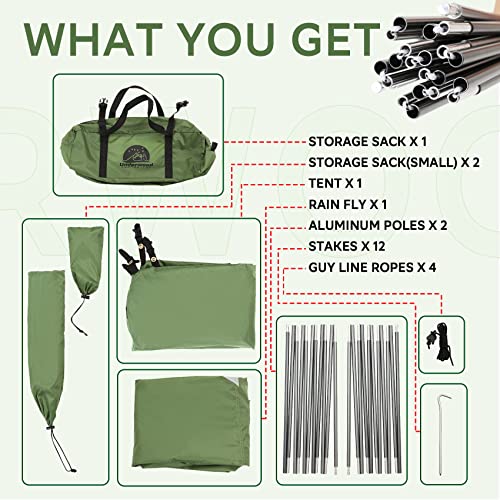
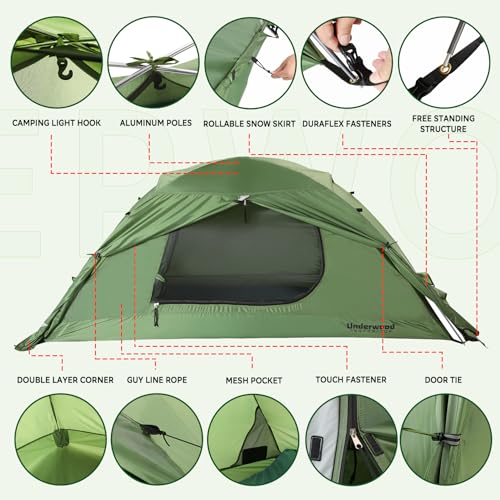
This Underwood Aggregator tent is clearly built for winter, and the specs back it up, PU5000mm coating, aircraft-grade aluminum poles, and a snow skirt that seals the base in deep conditions. That roll-able snow skirt is a smart touch, letting you adapt the tent to season and ground conditions without extra parts. For solo winter campers or couples doing cold-weather backpacking, this level of durability is rare at this price point.
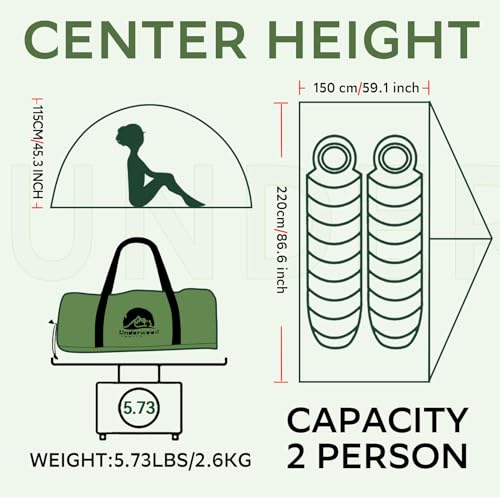
It’s heavier at nearly 5.8 pounds, and the ventilation isn’t as robust as three-season models, which makes it overkill for summer trips. But owners using it for shoulder-season hikes or early-spring snowpack trips praise how well it sheds wind and holds up under snow load. The double-layer corners and duraflex fasteners add to its ruggedness. If you’re regularly out in freezing temps or alpine zones, this is the only tent in this group I’d confidently recommend for true four-season use.
Product photos
Our Testing Process
Rather than a hands-on lab test, my research for these recommendations focused on a detailed comparison of published specifications and features across numerous two person backpacking tents. I weighed owner reviews from multiple sources – looking for recurring praise and complaints – alongside assessments from reputable outdoor gear reviewers. Ultimately, I ranked these tents against criteria important to backpackers, factoring in weight, weather protection, and ease of use.
For backpacking tents, weight and durability are paramount. A lighter tent means a more enjoyable hike, but not at the expense of being able to withstand wind and rain. I heavily prioritized tents with a trail weight under 6 pounds and those utilizing durable materials like ripstop nylon and robust polyester coatings. Setup speed also factored in, as quick pitching is valuable when weather turns or you arrive at camp late.
Specifications reliably indicate a tent’s size, weight, and the waterproof ratings of its materials. However, real-world performance – how a tent feels in wind or how quickly it dries after a downpour – is best gleaned from owner feedback. I paid close attention to comments regarding condensation buildup, zipper quality, and overall longevity, and looked to trusted tent brands for hiking for consistently positive reputations.
How To Choose The two person tents backpacking
Picking the right shelter for you and a partner is a big deal – it can make or break a trip.
A truly capable two-person backpacking tent balances weight, weather protection, and livable space. Look for durable fabrics with good waterproof ratings (at least 2000mm for the rainfly and 3000mm for the floor), a freestanding design for easy pitching, and a weight under six pounds total. Pay attention to details like vestibule size, door configuration, and ventilation options.
Weight and Packability
When you’re carrying everything on your back, every ounce counts. I often see people prioritizing features over weight, and then regretting it on the trail. Don’t fall into that trap. Look for tents using lightweight materials like aluminum poles (7001 alloy is a good benchmark) and ripstop nylon or polyester for the fly and floor. A packed size under 18 inches in length is ideal for fitting comfortably inside most backpacks. Remember, “ultralight” often comes with a price premium, so consider your budget and how frequently you’ll be using the tent.
Weather Protection and Durability
A lightweight tent shouldn’t mean a flimsy one. A good rainfly and floor coating are essential, and a waterproof rating of at least 2000mm is a good starting point, though 3000mm or higher will give you more peace of mind in prolonged or heavy rain. Beyond the numbers, pay attention to construction details. Factory-sealed seams are a must, and a bathtub floor (where the fabric extends up the sides) provides extra protection against ground water. Don’t forget about wind resistance – look for tents with a robust pole structure and included guylines to secure it in blustery conditions. Understanding tent vestibule storage space is also crucial for keeping gear dry and accessible.
Features and Livability
While weight and weather protection are paramount, don’t overlook features that enhance your comfort and convenience. Consider these points:
- Doors: One door can be a tight squeeze for two people.
- Vestibules: A decent-sized vestibule is vital for storing backpacks and muddy boots, keeping them out of the main tent body.
- Ventilation: Mesh panels and vents help prevent condensation buildup, especially in humid conditions. A well-ventilated tent is a far more pleasant place to spend a night.
Beyond these, think about internal features like pockets for organizing small items, and a gear loft for headlamps or other essentials. If you’re looking for a thorough guide to options, check out this two-person tent comparison.
Don’t buy a tent based on its peak height alone. Floor space is what truly matters for comfortable sleeping.
Two Person Tents Backpacking Compared
Here’s a comparison of key specifications for popular two-person backpacking tents.
| Product Name | Weight (lbs) | Floor Size (in) | Waterproof Rating (mm) | Season | Setup Difficulty |
|---|---|---|---|---|---|
| Clostnature 2-Person Tent | 5.29 | 73×47 | 5000 | 3/4 | Quick |
| Forceatt 2-Person Tent | 5.5 | 88.6×53.1 | 3000 | 3/4 | Easy |
| Night Cat 2-Person Tent | N/A | 6.8×4.6 | 3000 | 3/4 | Quick |
| Underwood 4-Season Tent | 5.73 | 59.1×86.6 | 5000 | 4 | N/A |
Frequently Asked Questions
What floor space should I really look for in a two-person backpacking tent?
Don’t get hung up on peak height; focus on floor dimensions. A floor area of at least 50 square feet is ideal for two people and their gear, allowing enough room to comfortably sleep without feeling cramped.
Are freestanding tents easier to pitch in challenging conditions?
Yes, freestanding tents are significantly easier to pitch, especially on rocky or uneven ground where staking can be difficult. They maintain their shape without stakes, which is incredibly valuable when you need to set up quickly in inclement weather.
What does a higher waterproof rating actually mean for a tent?
A higher waterproof rating (measured in millimeters) indicates greater resistance to water penetration. While 2000mm is a good baseline, ratings of 3000mm or higher provide better protection during heavy or prolonged rainfall, though fabric quality also plays a role.
How much does tent weight impact my backpacking experience?
Tent weight is critical. Every extra pound adds up quickly on the trail, so aiming for a trail weight under six pounds is a smart move. Consider the trade-offs between weight, durability, and features when making a decision.
Where can I find more in-depth information about different tent models?
For further research and detailed comparisons, I recommend checking out backpacking tent reviews for couples. You’ll find thorough analyses of various tents, helping you narrow down your options and select the best fit for your needs.
The Bottom Line
Choosing a backpacking tent always comes down to balancing how much you’re willing to carry against how comfortable you want to be. For most backpackers, the Clostnature 2-Person Tent strikes the best overall balance of weight, weather protection, and price. It’s a solid performer that won’t break the bank or your back.
If you’re prioritizing maximum space and don’t mind a little extra weight, the Forceatt 2-Person Tent is an excellent choice. And for those facing consistently harsh conditions, the Underwood 4-Season Tent offers the durability and weather resistance you’ll truly appreciate – although understanding the tent season rating guide is key to making that investment.
Ultimately, specs are just numbers. What truly matters is finding a tent that fits your needs and your typical adventures. Don’t get caught up chasing the lightest weight if it means sacrificing durability, and remember that careful consideration of backpacking tent weight considerations and other factors in picking a backpacking tent will serve you better than any single feature.
