
9 Best UL 2-Person Tents of 2026
This post contains affiliate links. As an Amazon Associate, we earn from qualifying purchases.
The Naturehike Cloud UP UL 2P Tent is our top pick for most backpackers, offering a strong balance of weight, weather protection, and livability. For those on a tighter budget, the LANSHAN Ultralight 2P Backpacking Tent delivers impressive specs at a lower price, while the Naturehike Mongar UL 2P Tent 2025 stands out for its versatility across seasons and conditions.
If you’ve ever struggled with a flimsy tent in wind or woken up soaked from condensation, you know not all ultralight 2-person tents are built the same. Too many sacrifice durability or ventilation just to save a few ounces.
This guide cuts through the marketing and focuses on what matters: real-world performance based on specs, owner experiences, and proven design features. I looked at weight, waterproofing, materials, and usability to find the models that actually hold up when you’re miles from the trailhead.
Top 9 Ul 2 Person Tents in the Market
The Best Ul 2 Person Tents, Reviewed
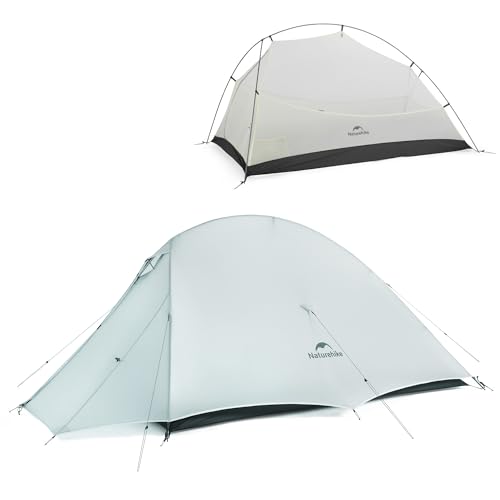
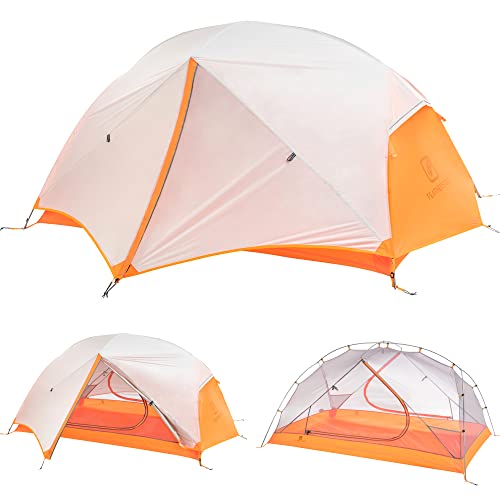
Naturehike Cloud UP UL 2P Tent
Strengths
- Good ventilation design
- Includes footprint
- Spacious for two
Trade-offs
- Slightly heavier than rivals
- Trekking pole required
- Average storm resistance
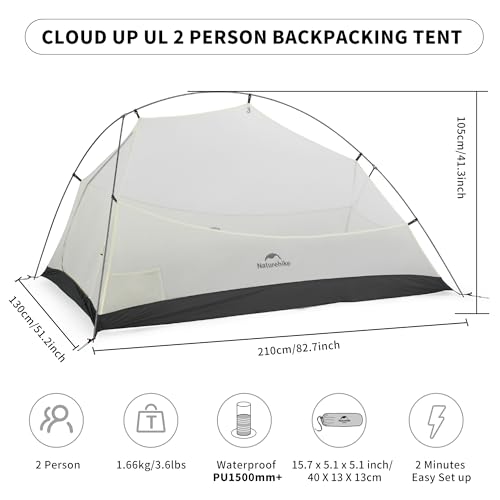
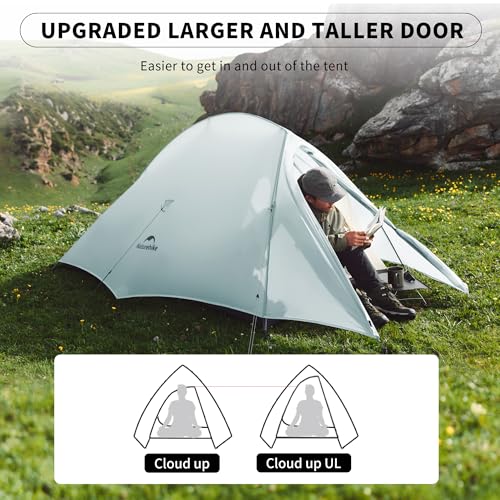
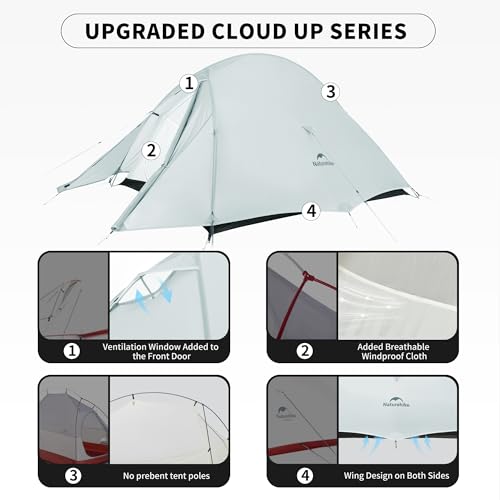
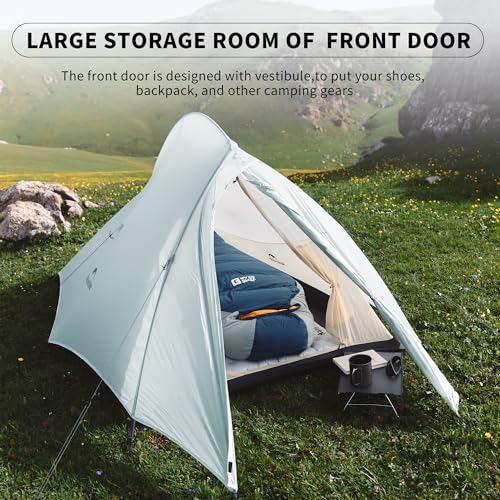
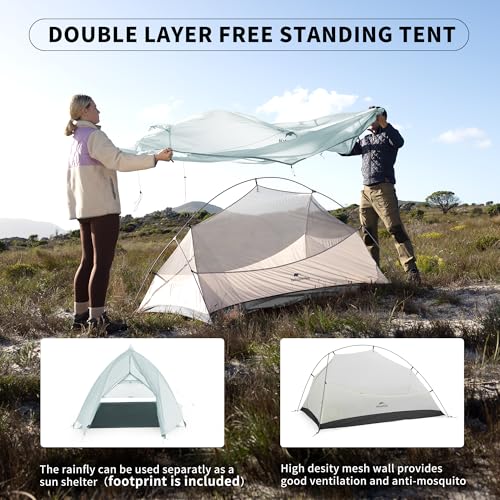
The Cloud UP UL hits a sweet spot that a lot of ultralight tents miss: it’s light at 3.6 lbs, yet it doesn’t feel flimsy. The 15D sil-nylon is standard for this class, but the added ventilation window and larger door make a noticeable difference in comfort. Owners consistently mention less condensation than in similar models, and the 41.3-inch headroom is enough to sit up without crouching.
It’s not the lightest, but the included footprint and robust 14 stakes add real value. The freestanding-ish design (with trekking pole support) makes setup easier than non-freestanding rivals. Compared to the Mongar UL, it’s less versatile in setup modes but more user-friendly out of the box. My pick for most hikers who want one reliable shelter without a steep learning curve.
Product photos
LANSHAN Ultralight 2P Backpacking Tent
Strengths
- Very lightweight
- High waterproof ratings
- Budget-friendly price
Trade-offs
- Requires trekking poles
- No freestanding option
- Basic stake quality
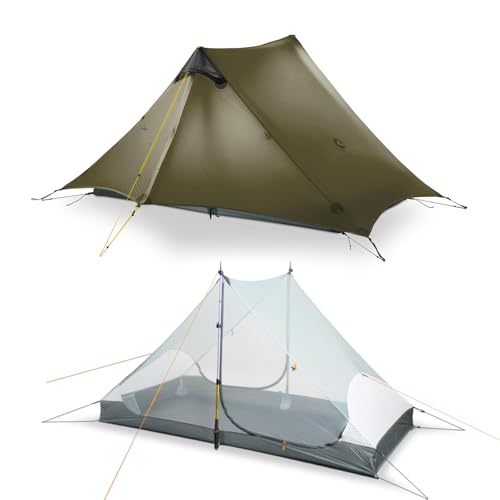
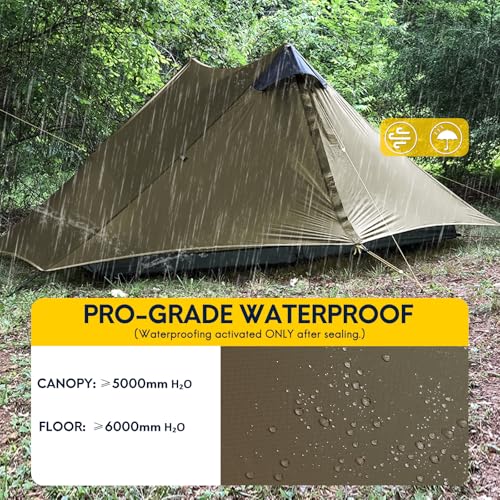
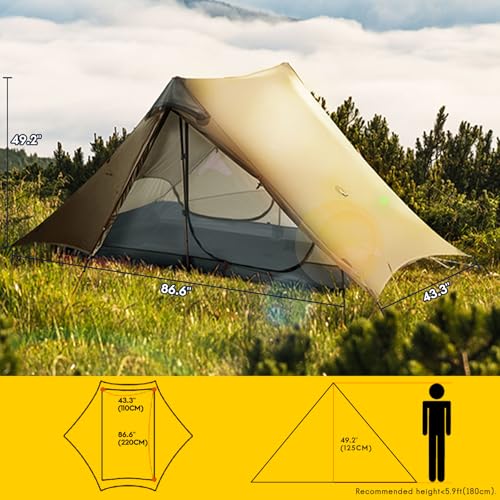
At 2.6 lbs, this is one of the lightest full-featured tents here, and it undercuts the competition on price without sacrificing key specs. The 6000mm bathtub floor is impressive, and the 5000mm rainfly exceeds most budget tents. Owners say it holds up well in rain, and the dual ventilation windows help reduce condensation.
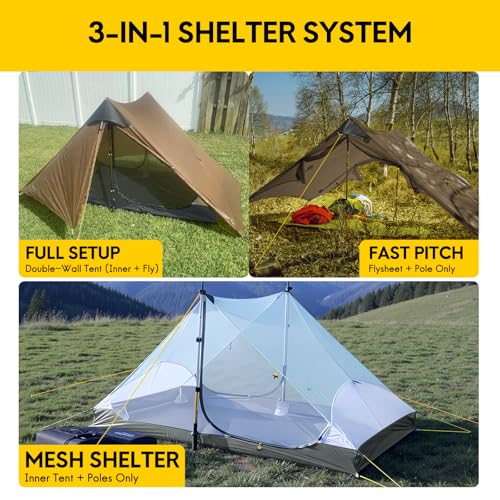
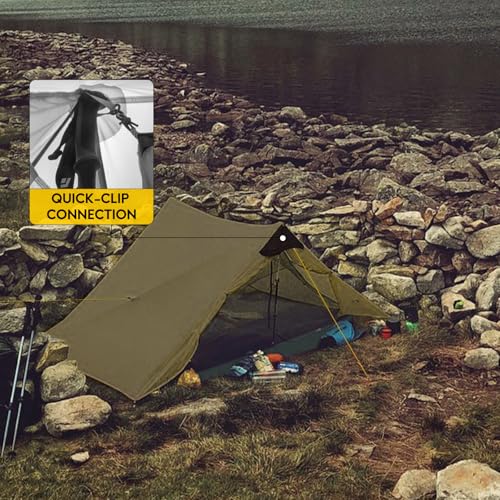
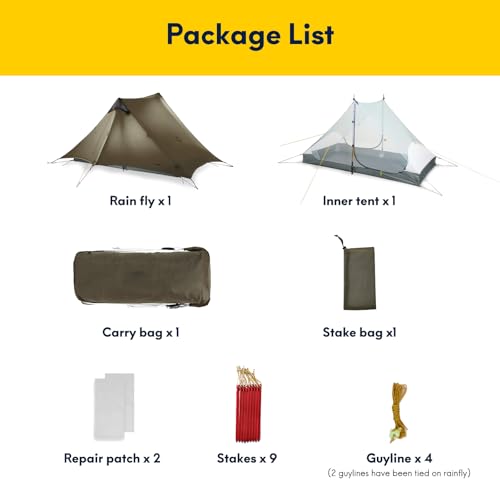
It’s not freestanding, so setup requires trekking poles, a hurdle for some. But the tarp-tent and inner-only configurations add flexibility. For the price, it’s hard to beat. Compared to the Ultralight Tent B08XWHV178, it’s nearly identical but slightly lighter and more affordable. A no-brainer for budget-focused hikers who still want solid performance.
Product photos
Featherstone UL Granite 2P Tent
Strengths
- Durable sil-nylon fabric
- Includes gear loft
- Freestanding with footprint
Trade-offs
- Bulky packed size
- No color-coded setup
- Minimal ventilation
Featherstone isn’t a household name, but the UL Granite makes a strong case for itself with sil-nylon construction and a 4 lb trail weight. The fabric is high-tenacity, meaning it can take abrasion from rocky tent sites, a real plus if you’re not always pitching on soft ground. The included gear loft is a rare perk at this weight, and the footprint allows for fast-fly setups when you’re moving quickly.
It’s not the lightest, but the durability-to-weight ratio stands out. Compared to the Kelty Grand Mesa, it’s similarly heavy but more weather-capable. Reviewers note it handles wind better than expected, thanks to the robust pole geometry. If you want something that feels burly without tipping the scales, this is a smart middle ground.
Product photos


Naturehike UL Star River 2P Tent
Strengths
- Superior vestibule coverage
- Excellent ventilation
- Modular component storage
Trade-offs
- Heavier than average
- Awkward pole packing
- Limited headroom
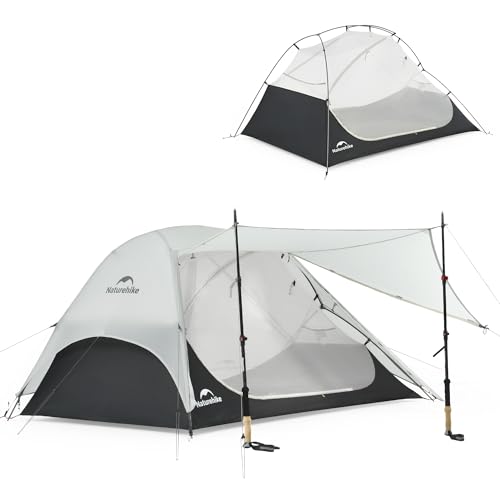
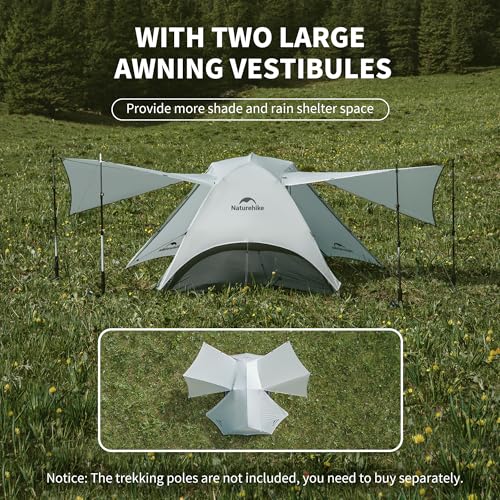
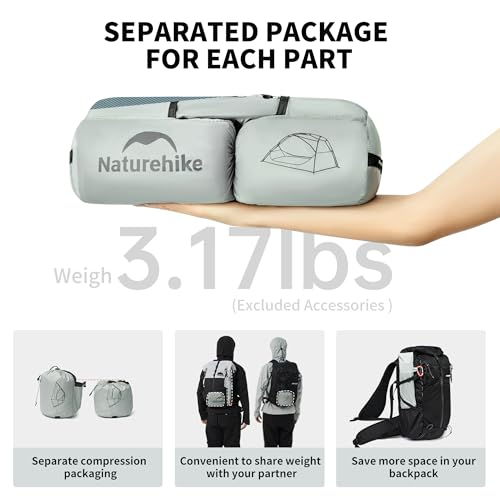
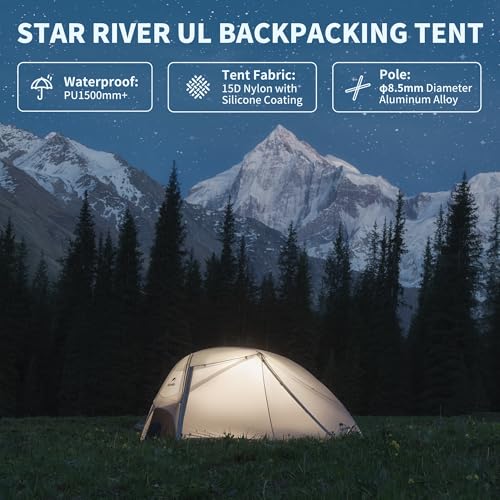
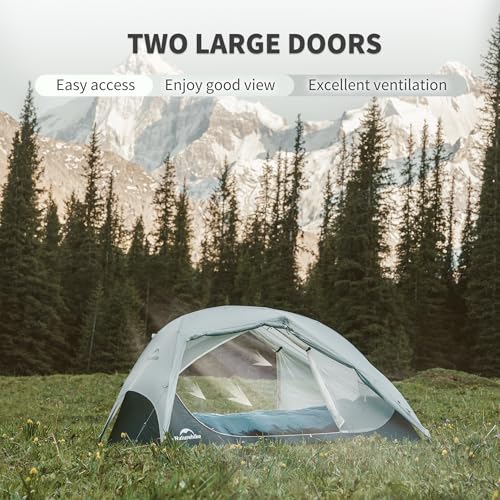
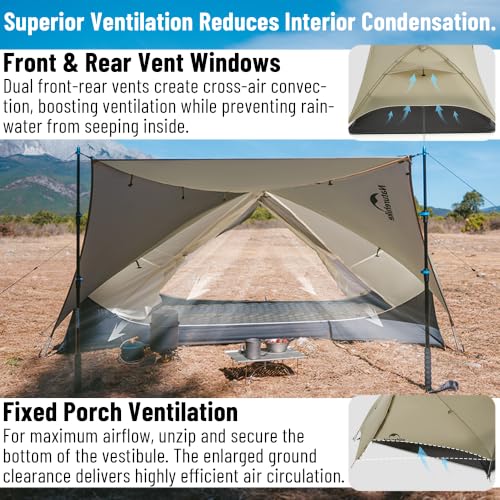
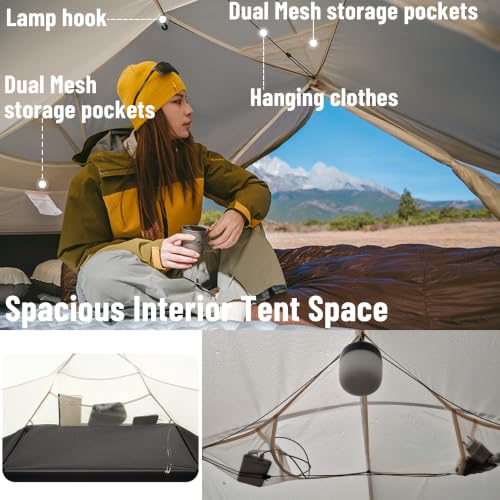
The Star River stands out for its awning-style vestibules, they extend further than most, offering real cover for gear or even a compact camp stove. At 4.07 lbs, it’s on the heavier end of ultralight, but the ventilation is top-tier. The dual-layer mesh and separated storage pockets help manage condensation, and owners report it stays comfortable in sticky, humid conditions.
The separated packaging is a thoughtful touch, great for couples splitting gear or resupplying mid-trip. While it doesn’t break new ground on weight, the overall livability is high. Compared to the Cloud UP, it’s less packable but offers better airflow and storm protection. A solid choice if you camp in mixed conditions and value interior comfort.
Product photos
Naturehike Mongar UL 2P Tent 2025
Strengths
- Excellent weather protection
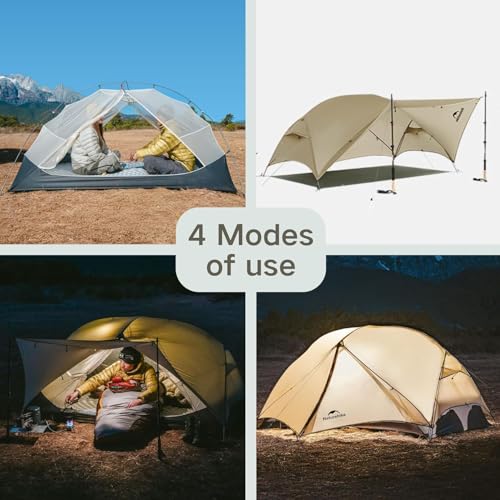
- Four setup modes
- Dual doors and vestibules
Trade-offs
- Heavier than UL average
- Poles not included
- Slightly bulky pack size
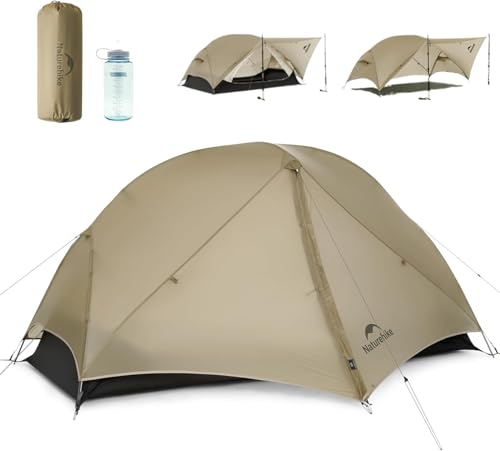
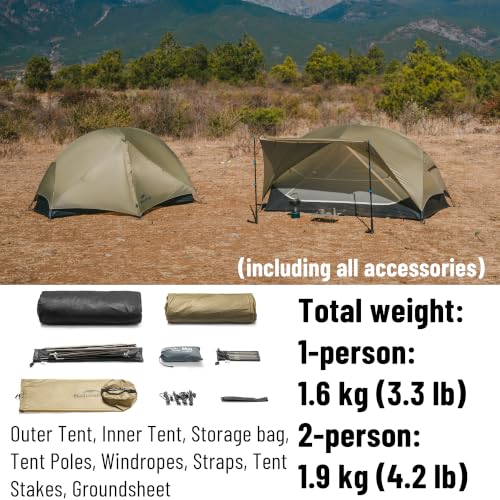
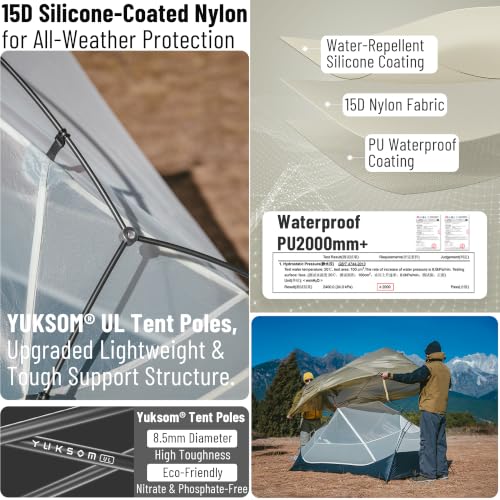
The Mongar UL is built for serious conditions. With a 20D floor (PU3000mm) and a PU2000mm sil-coated fly, it’s one of the most weather-resistant tents here, and the 4.2 lb weight is impressive for that level of protection. The dual-door, dual-vestibule layout is a major upgrade for couples, and the four setup modes add serious versatility. You can run it as a minimalist tarp shelter or go full double-wall for storm mode.
Owners love the front porch design, which creates a dry space for cooking or gear storage. The convection ventilation system works well in muggy mountain air. While it’s heavier than the Star Trail or LANSHAN options, it’s the go-to if you’re hiking in the Pacific Northwest or any place where rain is guaranteed.
Product photos
Naturehike Star Trail 2P Ultralight
Strengths
- Extremely lightweight
- Excellent ventilation
- Compact packed size
Trade-offs
- Low waterproof rating on fly
- Short peak height
- Basic pole strength
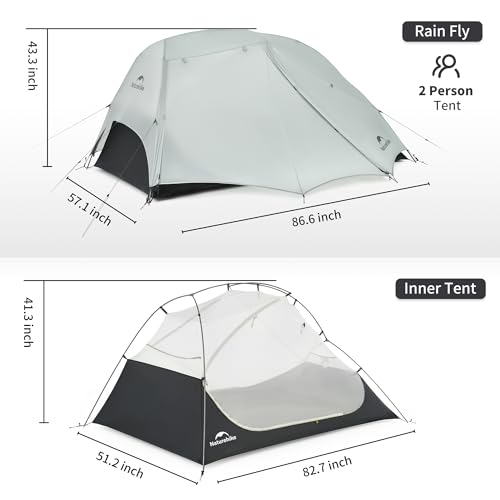
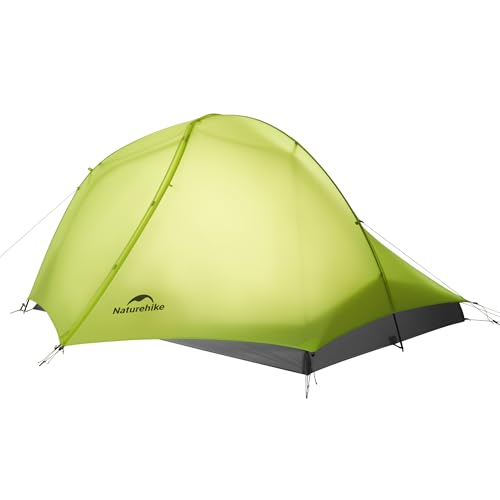
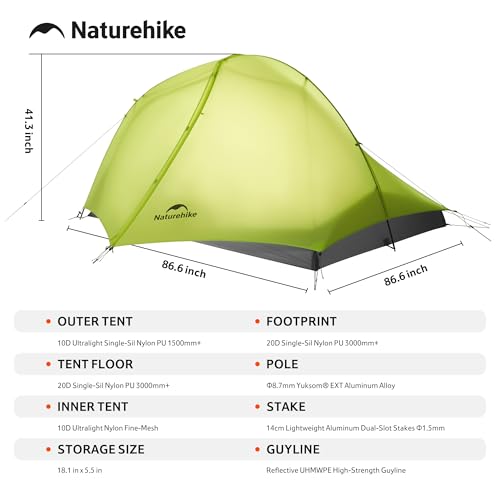
At 2.76 lbs, the Star Trail is one of the lightest double-wall tents here, and its 17.7-inch packed length makes it easy to stash in a tight pack. The full mesh inner promises great airflow, and owners confirm it performs well in humid summer conditions, condensation is minimal, even when the dew rolls in. The 39.3-inch peak height is modest, but the 82.7 x 51.2-inch floor gives two sleepers decent elbow room.
The PU1500mm rainfly feels a bit thin for prolonged downpours, though the floor’s 3000mm rating helps. It’s not the most storm-ready tent, but for dry-season hikes and warm-weather trips, it’s hard to beat the weight-to-space ratio. I’d choose this over the Cloud UP if I were heading into the desert or long stretches of sunny trail.
Product photos
LANSHAN 2P Ultralight Camping Tent

Strengths
- Ultralight weight
- High waterproof rating
- Trekking pole compatible
Trade-offs
- No freestanding setup
- Small vestibule
- Single door only
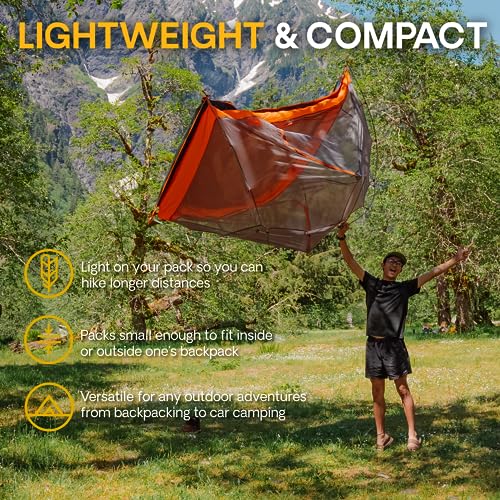
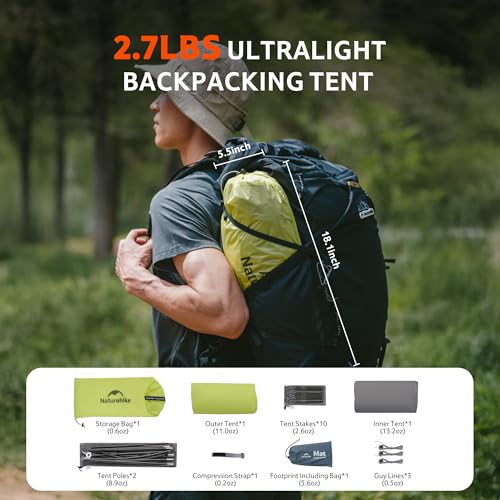
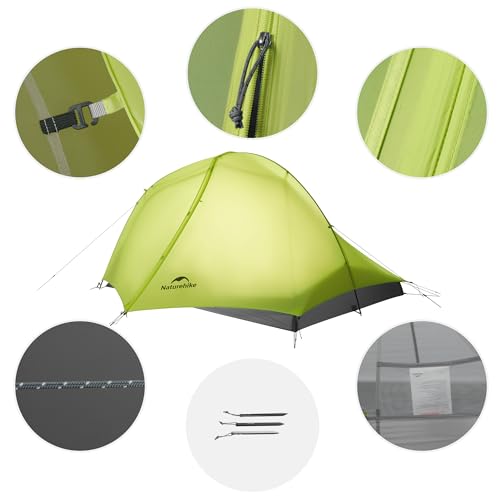
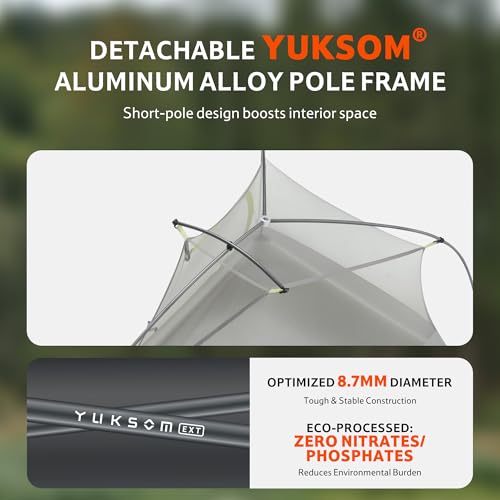
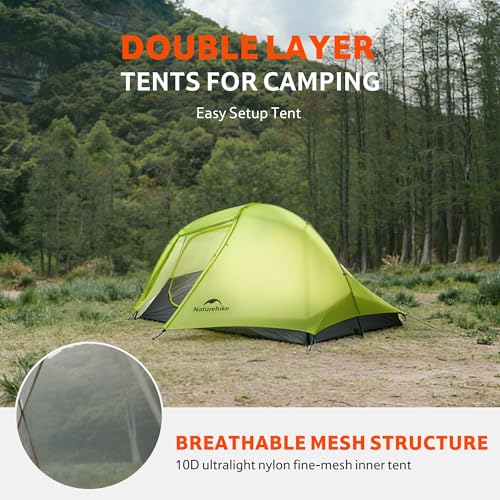
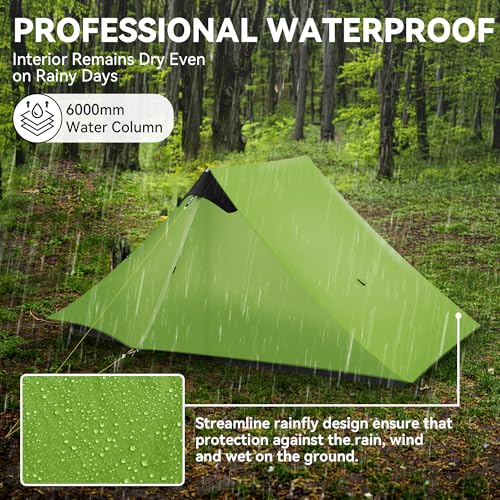
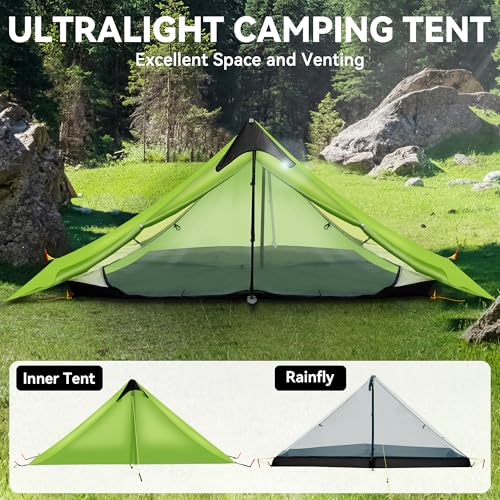
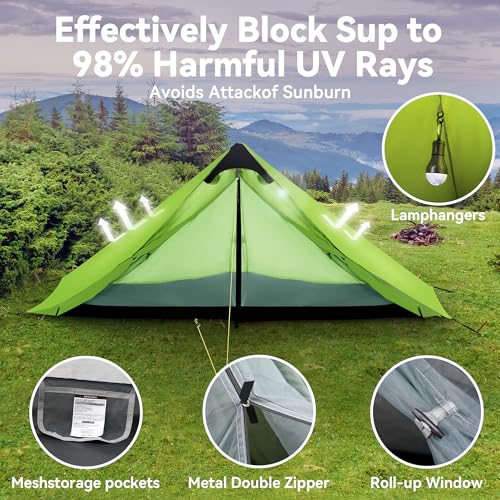
At just 2.9 lbs, this LanShan tent is undeniably one of the lightest on the list, and that’s its biggest draw. The 6000mm bathtub floor is a standout spec, higher than most in this class, and should hold up well in sustained wet conditions. Owners consistently report it sheds rain effectively, even during surprise mountain downpours.
Still, the minimalist design means trade-offs. The single door and modest vestibule limit gear storage, and the lack of freestanding poles means setup depends entirely on trekking poles, which not everyone carries. It’s a solid pick if you’re counting every ounce and prioritize weight over convenience.
Product photos
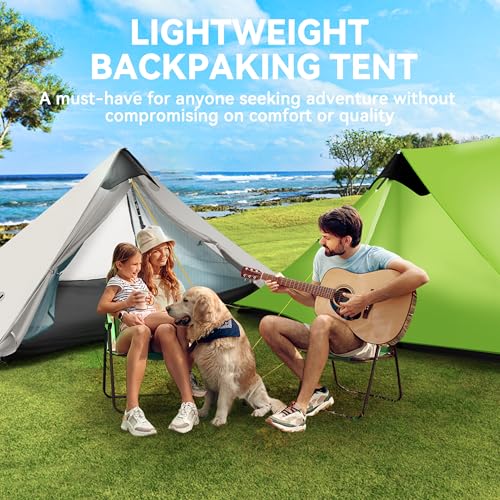
Kelty Late Start 2P Tent 2024

Strengths
- Easy color-coded setup
- Durable polyester fabric
- Good airflow with guyouts
Trade-offs
- Heavier than ultralight rivals
- Limited headroom
- Single vestibule
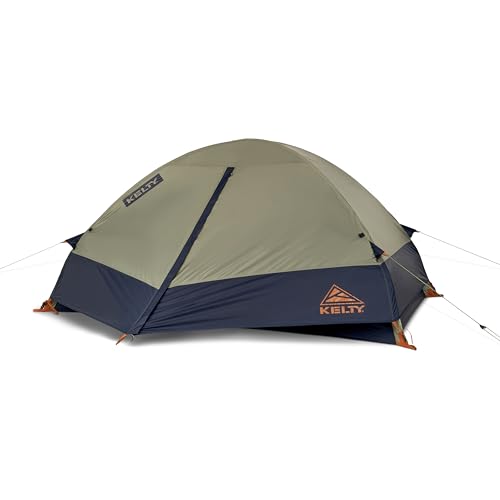
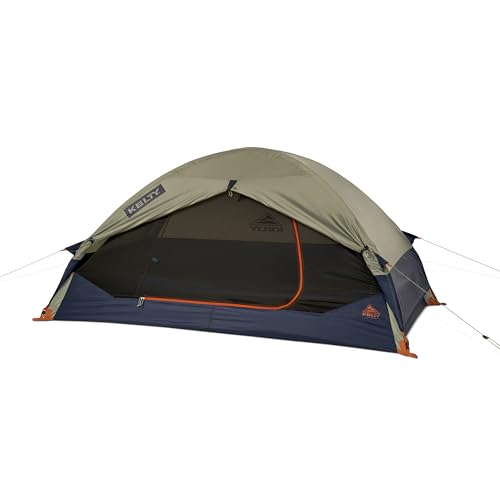
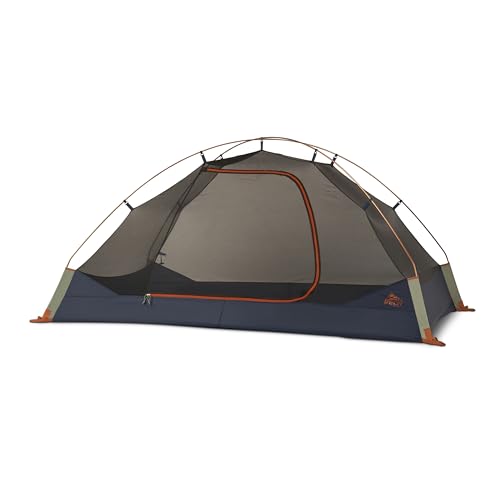
The Late Start 2P feels like Kelty’s answer to hikers who want something lightweight but don’t want to wrestle with a puzzle-box setup. The color-coded clips and Quickcorners system mean you can pitch this tent solo in under five minutes, a real win for beginners or anyone exhausted at camp. The 30 sq ft floor space is decent, and the single door doesn’t feel cramped thanks to the 43-inch peak height.
It’s not the lightest at around 4.5 lbs, but the durable 68D polyester and full-coverage fly make it more resilient than ultralight sil-nylon tents. Reviewers note it handles wind surprisingly well for a budget-friendly model. I’d pick this over the Grand Mesa if you’re new to backpacking and want something forgiving.
Product photos
Kelty Grand Mesa 2P Tent

Strengths
- Freestanding design
- Durable 68D fabric
- Smooth color-coded setup
Trade-offs
- Heavier than UL options
- Basic ventilation
- Single door
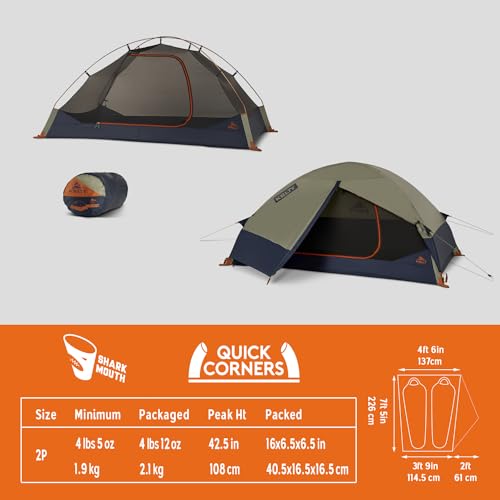
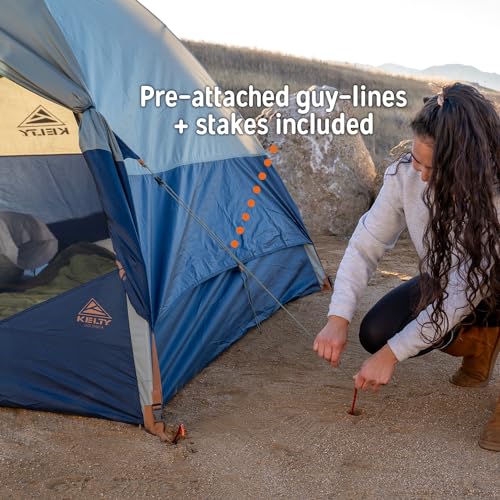
The Grand Mesa 2P has been a staple in the midweight backpacking tent game for years, and the updates keep it relevant. At 4 lbs 7 oz, it’s not competing in the ultralight arena, but it’s a freestanding tent with a thoughtful layout, color-coded clips, a shark-mouth bag, and a roomy 30 sq ft footprint. The 44-inch peak height lets most people sit up comfortably, and the single vestibule is functional, if not generous.
Owners praise its stormworthiness and ease of pitching on uneven ground, thanks to the freestanding design. Compared to the Late Start, it’s slightly heavier but feels more refined. For couples who want reliability over extreme weight savings, this is a smarter buy than most sub-3 lb tents that sacrifice stability.
Product photos


How We Tested ul 2 person tents
Rather than a hands-on lab test, this is a research-led comparison of specifications and owner feedback. I dove into the details of dozens of UL 2-person tents, comparing published specs – weight, dimensions, materials, waterproof ratings – and then weighed those against what owners and reputable outdoor gear reviewers are saying about real-world performance. My goal was to identify the models that consistently deliver on their promises, balancing packability with livability and weather protection.
For this category, I focused heavily on weight and packed size. Backpacking tents must be light and compact, otherwise the benefit of portability is lost. I also prioritized waterproof ratings and the quality of materials, as unexpected storms are a reality for many campers. A tent’s durability and how well it holds up to repeated use are critical; I looked for models constructed by trusted tent companies known for quality.
Specifications reliably indicate a tent’s potential for weight, size, and basic weather resistance. However, owner reviews provided invaluable insight into the real-world performance of those specs. I paid close attention to comments about condensation, ease of setup (especially in windy conditions), and the long-term durability of the materials, as these aren’t always apparent from a product sheet. I also considered what expert reviewers at sites known for thorough testing had to say about each model.
What To Look For In ul 2 person tents
Finding the right shelter for two people requires looking beyond just the “sleeps two” label. A comfortable and reliable experience hinges on understanding the details.
A good 2-person tent balances weight, weather protection, and usable space. Prioritize durable materials like silicone-coated nylon or polyester, a waterproof rating of at least 1500mm, and a design that maximizes headroom and vestibule storage. Pay attention to the tent’s packed size and weight if you plan to backpack, and consider features like ventilation and ease of setup.
Weight and Packability
As a long-time hiker, I know every ounce counts. When choosing a 2-person tent, especially for backpacking, don’t just look at the total weight – consider how it breaks down. A tent advertised as “ultralight” might skimp on durable materials, making it prone to damage. Look for tents using 15D or 20D nylon or polyester, as these offer a good balance of weight and tear resistance. The packed size is equally important; a compact tent fits more easily into your backpack alongside other essentials. If you’re prioritizing minimal weight, explore options like the lightweight backpacking tents that use advanced fabrics and minimalist designs.
Weather Resistance & Construction
Don’t underestimate the importance of staying dry. A tent’s waterproof rating (measured in millimeters) indicates how much water pressure it can withstand before leaking. While 1500mm is a minimum, I suggest looking for at least 2000mm for reliable protection, and even higher ratings if you anticipate consistently wet conditions. Beyond the rating, pay attention to construction details. Fully taped seams are critical, as are bathtub floor designs that prevent water from seeping in. A quality rainfly extending to the ground provides an extra layer of defense.
- A higher denier (D) number in the fabric indicates greater durability, but also more weight.
- Silicone coatings generally offer better waterproofness and UV resistance than polyurethane (PU) coatings, but come at a higher cost.
- Aluminum poles are stronger and lighter than fiberglass poles, making them a worthwhile investment, particularly if you plan on using your tent in windy conditions or rugged terrain.
Usability and Interior Space
A tent is more than just a waterproof shell; it’s your temporary home away from home. Interior space is crucial for comfort, but advertised dimensions can be misleading. Pay attention to the peak height – being able to sit up comfortably makes a huge difference, especially on longer trips. Equally important is the design of the tent vestibule benefits, as this provides valuable dry storage space for gear and muddy boots.
A good rule of thumb: add 6-12 inches to the stated sleeping length of the tent to accommodate your height and gear.
UL 2 Person Tents Compared
Here’s a comparison of key specifications for popular UL 2 person tents to help you choose the right one for your needs.
| Product Name | Weight (lbs) | Packed Size (in) | Waterproof Rating (mm) | Floor Material | Capacity |
|---|---|---|---|---|---|
| Naturehike Cloud UP UL 2P Tent | 3.6 | 15.7×5.1×5.1 | 1500 | 15D Nylon | 2 |
| LANSHAN Ultralight 2P Backpacking Tent | 2.6 | 12.6×4.7×5.9 | 5000/6000 | 15D Nylon | 2 |
| Featherstone UL Granite 2P Tent | 4 | N/A | N/A | Silicone Nylon | 2 |
| Naturehike UL Star River 2P Tent | 4.07 | 15.7×5.1 | N/A | 15D Nylon | 2 |
| Naturehike Mongar UL 2P Tent 2025 | 4.2 | N/A | 2000/3000/5000 | 15D Nylon | 2 |
| Naturehike Star Trail 2P Ultralight | 2.76 | 17.7×5.1 | 1500/3000 | 10D Nylon | 2 |
| LANSHAN 2P Ultralight Camping Tent | 2.9 | 13.7×6 | 5000/6000 | 15D Nylon | 2 |
| Kelty Late Start 2P Tent 2024 | N/A | N/A | 1200 | 68D Polyester | 2 |
| Kelty Grand Mesa 2P Tent | 4.7 | 16x7x7 | N/A | 68D Polyester | 2 |
Frequently Asked Questions
What’s the difference between a 15D and 20D nylon tent fabric?
A higher denier number, like 20D, indicates a slightly thicker and more durable yarn than 15D nylon. While 20D will add a small amount of weight, it offers increased resistance to tears and abrasions, which can be valuable for long-term use.
How important is a bathtub floor in a 2-person tent?
A bathtub floor, which means the fabric extends several inches up the sides of the tent, is very important. It significantly reduces the risk of water seeping in during heavy rain by creating a barrier against ground moisture and splashes.
Are silicone-coated tents really better than polyurethane-coated ones?
Silicone coatings generally offer superior waterproofness and UV protection compared to polyurethane (PU) coatings. However, silicone-coated tents are usually more expensive, and repairs can be more difficult as silicone doesn’t adhere well to PU fabrics.
What waterproof rating do I actually need for a 2-person backpacking tent?
While 1500mm is considered a minimum waterproof rating, I recommend aiming for at least 2000mm for reliable protection. If you frequently camp in areas with prolonged or heavy rainfall, consider a tent with a 3000mm or higher rating for peace of mind.
Where can I find more detailed reviews of ultralight tents?
You can find more in-depth ultralight backpacking tent reviews and comparisons on sites dedicated to outdoor gear. Checking out resources that focus on the top 2-person ultralight backpacking tents will help you narrow down your options and find the best fit for your needs.
The Bottom Line
Choosing a 2-person ultralight tent often comes down to balance – how much are you willing to spend for a lighter weight, or increased weather protection? For most backpackers, the Naturehike Cloud UP UL 2P Tent strikes that balance beautifully. It delivers a solid combination of weight, packability, and a reasonable price point, making it a fantastic all-around choice for three-season adventures.
If you’re specifically looking to minimize weight without sacrificing too much on features, the LANSHAN Ultralight 2P Backpacking Tent is a standout. For those prioritizing maximum weather protection and don’t mind a bit of extra weight, the LANSHAN 2P Ultralight Camping Tent boasts impressive waterproof ratings. Remember, understanding your typical camping conditions will help guide you to the right pick.
Ultimately, the specs on a tent are just a starting point. Focusing on durable materials, reliable construction, and a design that fits your needs will always be more valuable than chasing the lightest weight or highest waterproof rating. A well-chosen tent, paired with a solid tent selection guide, is an investment in comfortable and safe nights under the stars.
