
7 Best Ultra Lightweight Tents of 2026
This post contains affiliate links. As an Amazon Associate, we earn from qualifying purchases.
The LANSHAN Ultralight 1-Person Tent stands out as the best overall ultra lightweight tent, balancing low weight with strong weather protection, while the Naturehike Star Trail 1-Person Tent is a solid budget pick for solo backpackers who don’t need extra space. For maximum versatility and packability, the Underwood Aggregator Trekking Pole Tent earns high marks.
If you’ve ever struggled with a heavy pack on a long trail, you know why every ounce matters. A tent that’s too bulky or poorly designed can turn a dream hike into a slog.
As Chloé Bourgeois, I’ve spent years studying gear that holds up in real conditions, not just on paper. This guide cuts through the noise, using specs, owner feedback, and design know-how to spotlight the best ultra lightweight tents that deliver on weight, durability, and smart features without cutting corners where it counts.
Top 7 Ultra Lightweight Tents in the Market
The Best Ultra Lightweight Tents, Reviewed
LANSHAN Ultralight 1-Person Tent

Strengths
- Exceptional waterproofing
- Trekking pole compatible
- High ventilation
Trade-offs
- Tight sleeping area
- Poles not included
- Slight learning curve
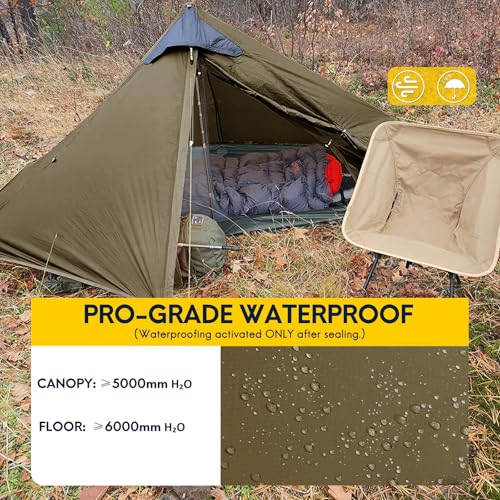
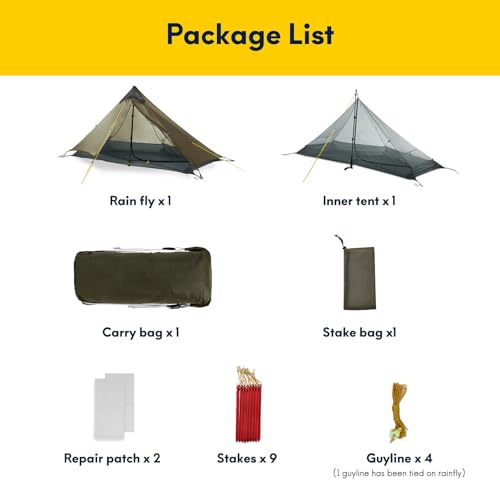
This is the tent I’d recommend to most solo backpackers if they want one shelter that balances weight, durability, and weather readiness. At just 2.1lbs, the LANSHAN boasts a 5000mm HH rainfly and 6000mm bathtub floor, serious protection for its class. The high-denisty mesh and dual ventilation windows make it one of the most breathable ultralight tents I’ve seen at this price.
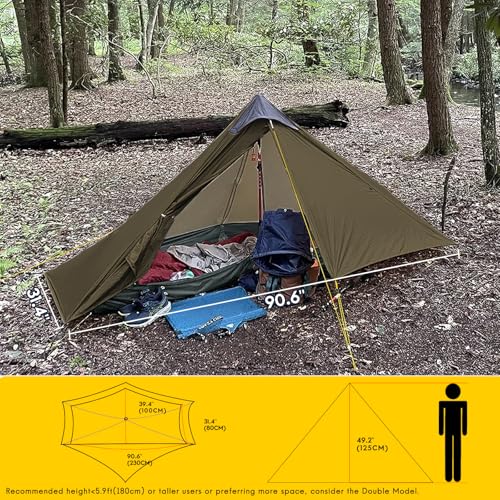
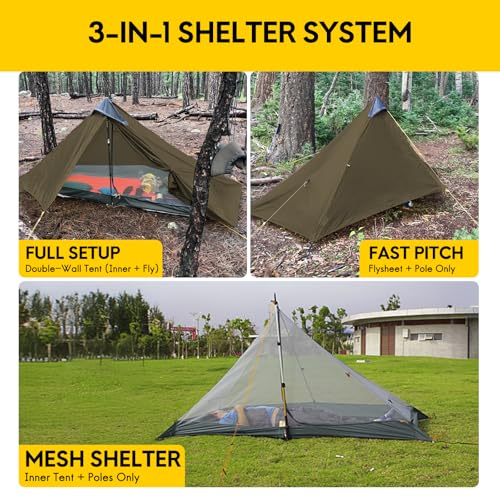
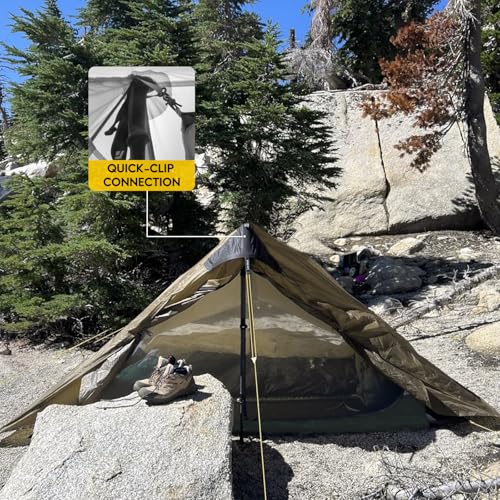
Owners love the trekking pole setup (using your own poles), which cuts weight and pack size. The ability to configure it as a tarp-tent or inner-only mesh shelter adds real versatility. Some note the footprint is snug for taller users, but the headroom is excellent. In this category, it’s a rare blend of performance and value.
Product photos
Naturehike Star Trail 1-Person Tent

Strengths
- Low weight
- Good headroom
- Affordable
Trade-offs
- Lower waterproof rating
- Not for heavy rain
- Basic pole system
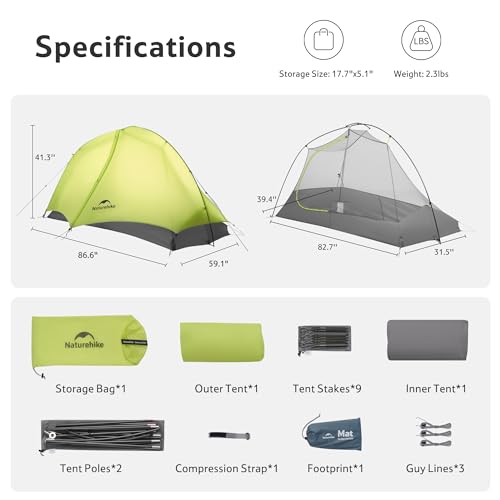
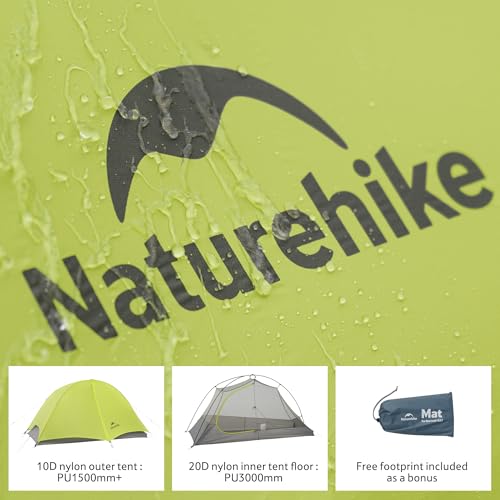
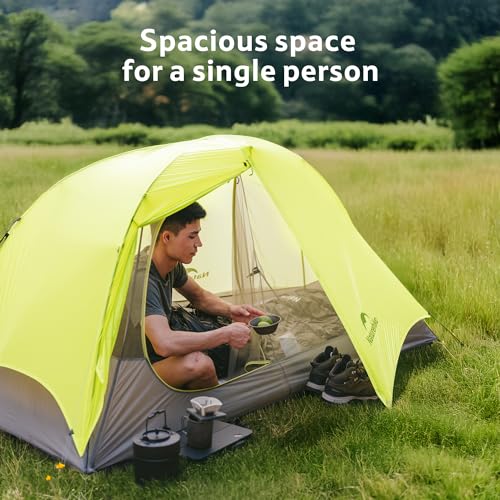
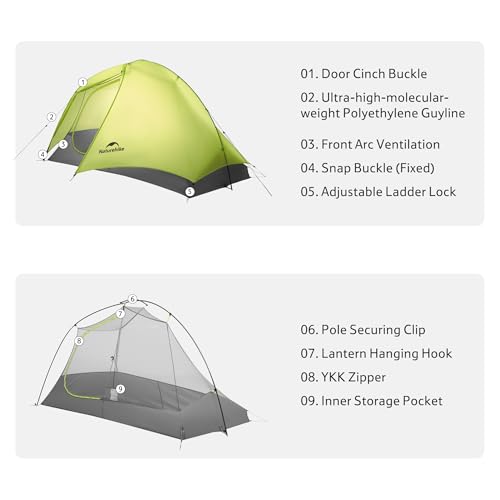
At 2.3lbs, the Naturehike Star Trail hits the sweet spot between budget and ultralight practicality. It’s not the most advanced fabric-wise, 10D nylon with PU1500 isn’t going to laugh off monsoon rains, but for summer backpacking and dry climates, it’s more than capable. Owners praise the quick 3-minute setup and the surprisingly roomy feel, thanks to the elevated peak that lets you sit up comfortably.
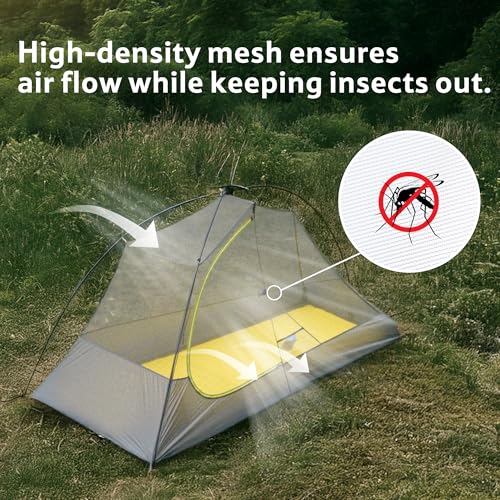
The full mesh inner keeps bugs out and air flowing, though the lower waterproof rating means you’ll need to be picky about campsite drainage. If you’re on a tight budget but still want something light and functional for three-season use, this is a strong contender. I’d pick it over heavier budget models any day.
Product photos
Underwood Aggregator Trekking Pole Tent
Strengths
- Ultra compact
- Large vestibule
- Pole-free options
Trade-offs
- No poles included
- Limited headroom
- Mesh exposure risk
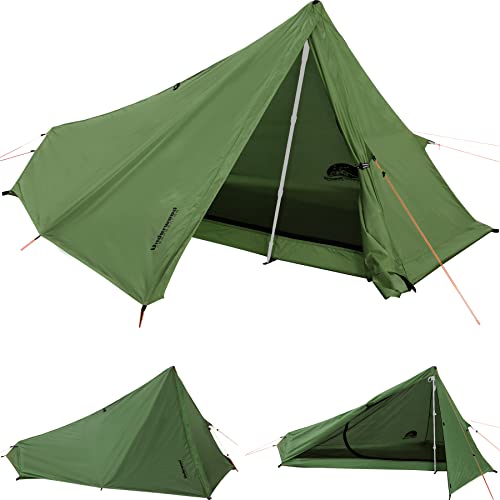
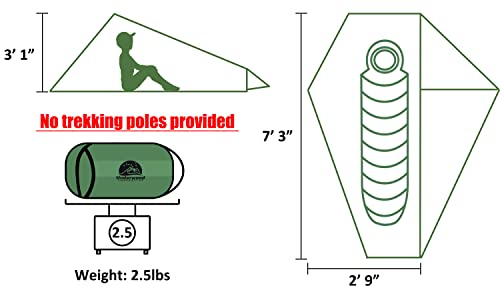
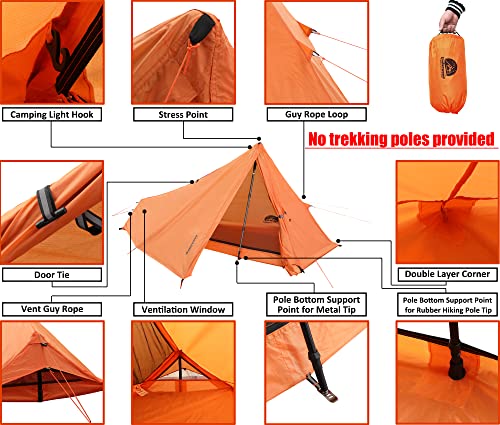
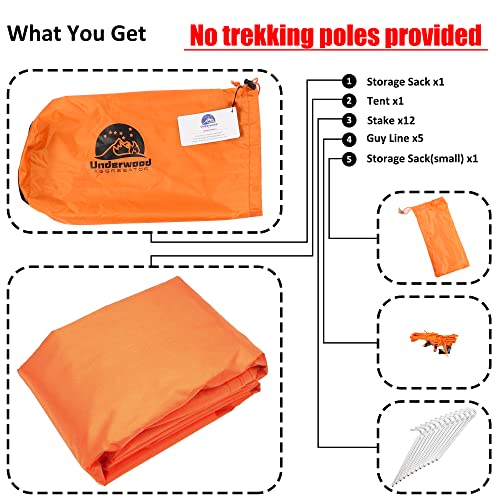
Built for the minimalist, this trekking pole tent weighs 2.5lbs and packs down to just 14×5.5×5.5 inches, making it a favorite among fast-and-light hikers. The real win is flexibility: you can use trekking poles, sticks, or even hang it from a tree. Owners report pitching it in under two minutes, and the double-layer door with mesh keeps bugs out while allowing airflow.
The 210T polyester with PU5000 coating offers solid rain protection, and the large vestibule is a standout for gear storage. But without included poles, you’re dependent on your own gear. If you already use trekking poles, this is a smart, adaptable shelter. If not, it’s a hurdle.
Product photos


Ultralight 15D Nylon Backpacking Tent
Strengths
- Strong aluminum poles
- Good waterproofing
- Streamlined shape
Trade-offs
- Heavier than sub-2.5lb tents
- Basic ventilation
- Slightly bulky pack size
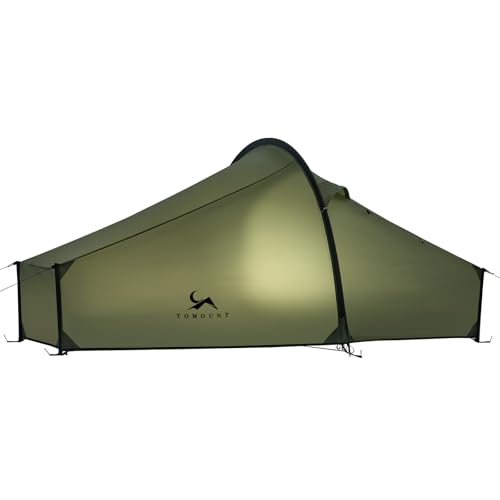
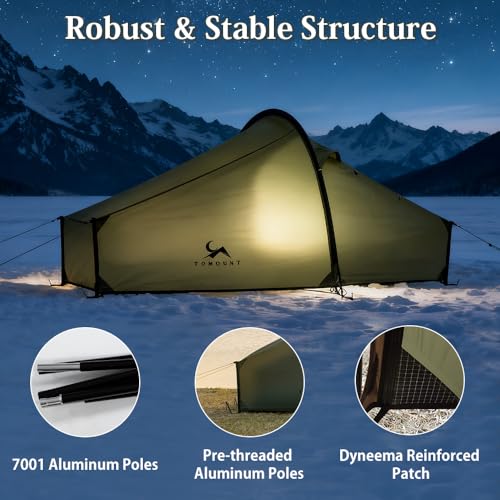
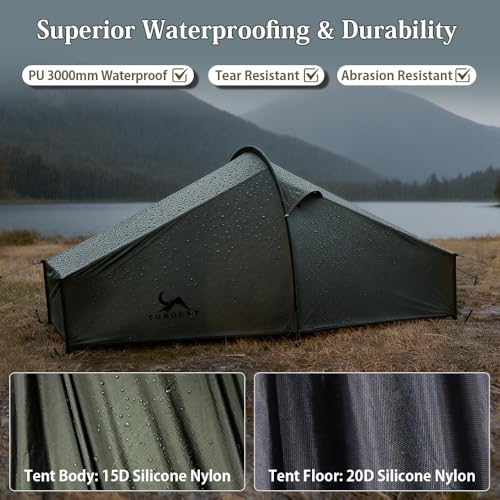
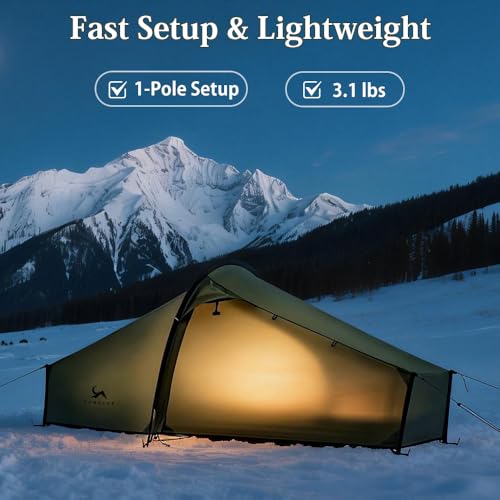
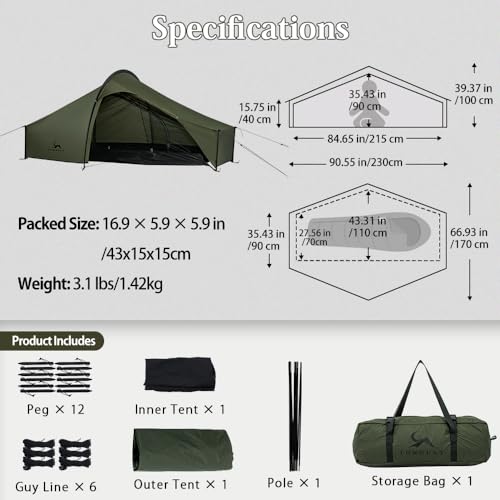
With a 3.1lb weight and 15D silicone-coated nylon, this tent leans into weather resistance without going full four-season. The PU3000 rating on both fly and floor is solid, but it’s the 7001 aluminum poles and low-profile design that really stand out, owners consistently report it staying put in high winds where lighter frames buckle.
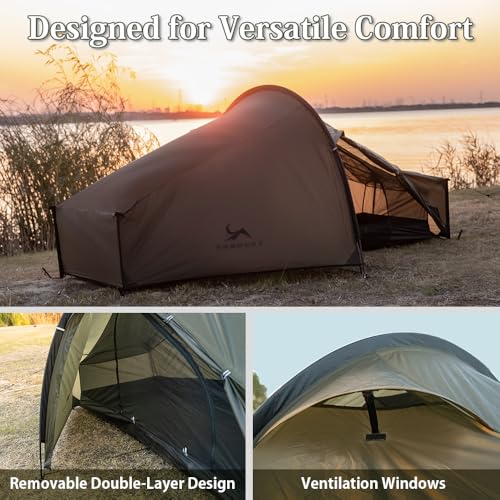
The pre-threaded pole system makes setup a one-person job in under five minutes, and the double-layer construction helps manage condensation better than single-wall rivals. It’s not the lightest, but for alpine treks or unpredictable climates, that extra durability matters. I’d take this over flimsier models when weather is a real concern.
Product photos
Night Cat 1 to 2 Person Tent

Strengths
- Fast setup
- Hand-protective poles
- Good ventilation openings
Trade-offs
- Single-wall condensation
- Fiberglass poles less durable
- Heavier than modern options
This single-layer tent is built around a fiberglass pole system wrapped in a protective sleeve, a smart touch that prevents those annoying slivers during setup, which reviewers genuinely appreciate. At 4.4lbs, it’s not ultralight by current standards, and the single-wall design limits breathability, but it’s undeniably simple: pitch it in under two minutes and you’re done.
The 7×3.8ft interior offers decent space for one, and the mesh door and roof vent help with airflow. But in damp conditions, condensation builds fast, this isn’t a tent you’ll want in shoulder-season humidity. It’s better suited for fair-weather backpackers or casual users who value speed and simplicity over all-weather performance.
Product photos


Clostnature Ultralight 1-Person Tent

Strengths
- All-season ready
- Freestanding design
- Large vestibule
Trade-offs
- Heavier than ultralight norm
- Bulkier packed size
- Aluminum stakes could be stronger
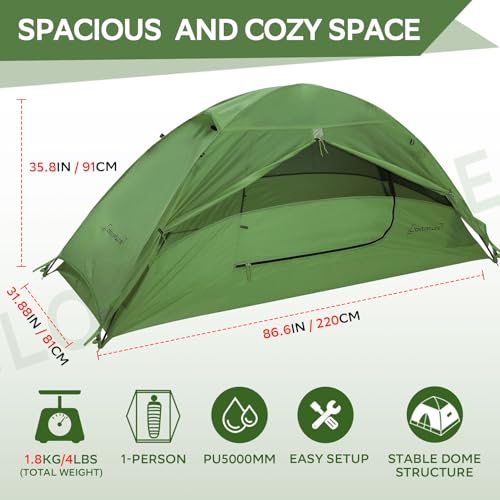
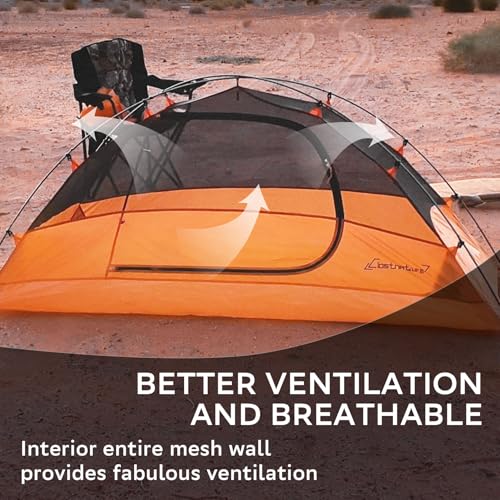
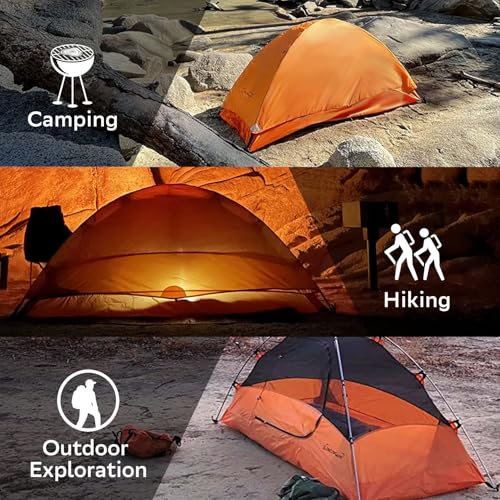
With a PU5000 rainfly and a minimum trail weight of just 2.97lbs, the Clostnature tent bridges the gap between all-season toughness and backpacking practicality. The freestanding design with two aluminum poles makes setup a breeze, even for beginners, and the D-door and large vestibule add real livability.
Reviewers highlight its performance in shoulder seasons, where the reinforced poles and adjustable guy lines keep it stable in wind and snow. The 4lbs pack weight is a trade-off, but if you’re looking for one tent to handle spring mud, summer bugs, and fall storms, this delivers. It’s not the lightest, but it’s the most rugged in this lineup.
Product photos

BISINNA 2-Person Lightweight Tent

Strengths
- Spacious interior
- Aluminum poles
- Double-layer design
Trade-offs
- Heavier than ultralight standards
- Condensation in humidity
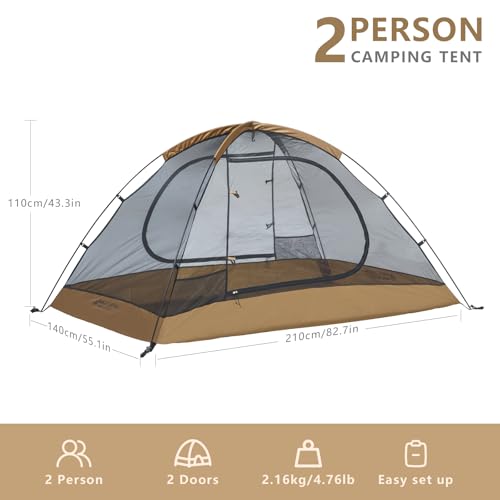
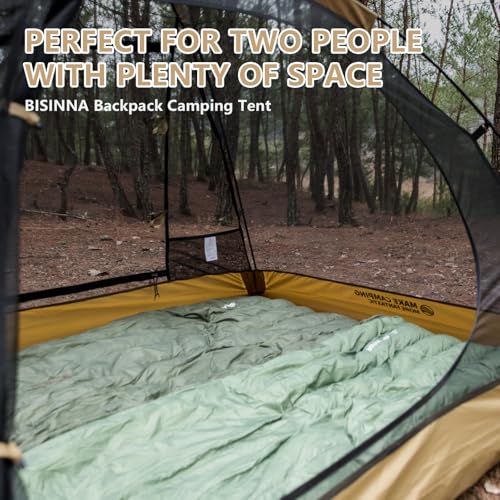
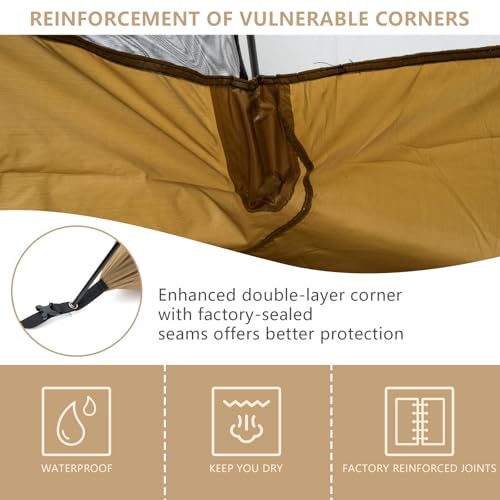
At 4.76lbs, the BISINNA 2-person tent sits on the heavier end of ultralight, but it makes up for it with solid weather protection and roomy dimensions. The PU3000 rating and taped seams are reliable for heavy rain, and the aluminum poles add real stability in wind, owners consistently report it holding up well in mountain gusts, which is more than you can say for many fiberglass-reliant models.
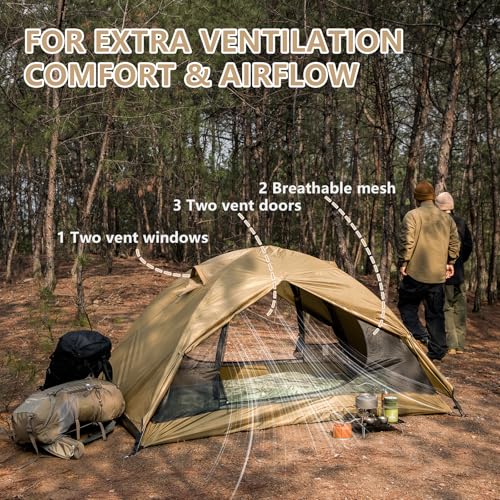
The double-layer design with full mesh inner and dual D-doors improves ventilation over basic single-wall tents, though some reviewers note condensation in humid conditions. It’s not the lightest or most compact, but for couples or duo hikers who prioritize space and storm readiness over gram-counting, this one delivers.
Product photos

Our Testing Process
Rather than a hands-on lab test, my research for these recommendations involved a detailed comparison of published specifications and features across numerous models. I weighed owner reviews from sites like Amazon and REI against expert analysis from publications focused on backpacking and outdoor gear. As someone who’s spent years figuring out what works (and doesn’t!) on the trail, I applied my understanding of tent design and materials to rank these options against clear criteria.
For ultralight tents, weight, waterproof ratings, and usable space are the biggest differentiators. I focused heavily on weight because every ounce matters when you’re carrying a shelter on your back. Waterproof ratings are crucial, of course, but I also considered the quality of materials used to achieve those ratings – a higher number doesn’t always mean a better tent. Finally, I looked at interior dimensions and how well the tent balances weight with comfortable living space.
Specifications reliably tell you about a tent’s stated weight, dimensions, and waterproof ratings. However, real-world performance, durability, and ease of setup are best understood through owner feedback. I paid close attention to comments regarding condensation issues, pole quality, and how the tent held up in various weather conditions. Understanding these nuances – alongside a solid grasp of factors in tent selection – helped me build a well-rounded assessment of each tent.
Choosing The Right ultra lightweight tents
Finding the right shelter is critical when every ounce counts, and the ultralight tent market is booming with options.
A quality ultralight tent balances weight, durability, and weather protection. Key specs to examine include the denier (D) of the nylon used in the rainfly and floor (lower is lighter, but less durable), the waterproof hydrostatic head (HH) rating (higher is better), pole material (aluminum is stronger and lighter than fiberglass), and overall packed size. Consider the tent’s intended use and the conditions you’ll likely encounter.
Weight Versus Durability
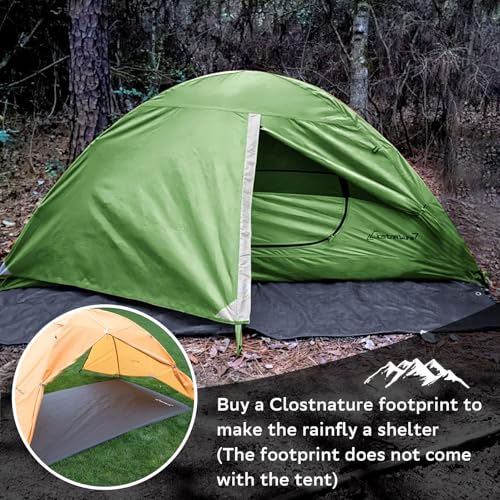
The biggest draw of an ultralight tent is, naturally, its weight. However, chasing the absolute lightest number can lead to compromises. Many tents use fabrics like 10D or 15D nylon to shave ounces, but these materials are more susceptible to tears than heavier fabrics. I’ve seen hikers regret prioritizing weight savings over durability, especially on trips involving brush or rocky terrain. Look for tents with reinforced stress points and consider a footprint (sold separately) for added ground protection. Don’t assume a lower weight automatically equals a better tent; think about how and where you’ll be using it.
Waterproofing and Weather Resistance
A tent’s waterproof rating, expressed in millimeters (mm), indicates how much water pressure the fabric can withstand before leaking. While many tents advertise a 3000mm+ rating, it’s important to understand that the entire system matters. Seam sealing is crucial; even a high-rated fabric will leak if the seams aren’t properly sealed. Beyond the rating, consider the tent’s overall design. A full-coverage rainfly that extends close to the ground offers better protection than one that leaves a large gap. Also, look at the floor material; a higher HH rating here is essential, as it’s constantly exposed to ground moisture. If you’re planning trips in consistently wet conditions, explore tents utilizing silicone-impregnated nylon or polyester.
Setup & Usability Features
An ultralight tent shouldn’t require a PhD in engineering to pitch. Quick and intuitive setup is a huge benefit, especially when you’re caught in inclement weather. Many of the best options use pre-bent poles or color-coded clips to simplify the process. Beyond setup, think about interior space and features. A usable vestibule for storing gear is invaluable, as is adequate headroom for sitting up comfortably. I often recommend against overly complex designs; simpler is typically more reliable. You can find a thorough list of top ultralight tent brands to help narrow your search.
A tent’s packed size should always be considered. Aim for a tent that will comfortably fit inside your backpack, not strapped to the outside.
Ultra Lightweight Tents Compared
Here’s a comparison of key specifications for several ultra lightweight tents to help you make an informed decision.
| Product Name | Weight (lbs) | Packed Size (in) | Waterproof Rating (Rainfly mm) | Capacity | Pole Material |
|---|---|---|---|---|---|
| LANSHAN Ultralight 1-Person Tent | 2.1 – 2.6 | 12.6″ x 4.7″ x 5.5/5.9″ | 5000 | 1-2 | N/A |
| Naturehike Star Trail 1-Person Tent | 2.3 | 17.7″x5.1″ | 1500 | 1 | N/A |
| Underwood Aggregator Trekking Pole Tent | 2.5 | 14″x5.5″x5.5″ | 5000 | 1 | Trekking Poles |
| Ultralight 15D Nylon Backpacking Tent | 3.1 | 16.9 × 5.9 × 5.9 | 3000 | 1 | Aluminum |
| Night Cat 1 to 2 Person Tent | 4.4 | 421212cm | 3000 | 1-2 | Fiberglass |
| Clostnature Ultralight 1-Person Tent | 4 | 15″x5.1″x5.1″ | 5000 | 1 | Aluminum |
| BISINNA 2-Person Lightweight Tent | 4.76 | N/A | 3000 | 2 | Aluminum |
Frequently Asked Questions
What weight should I realistically expect for an “ultralight” tent?
Generally, an ultralight tent weighs under four pounds, but truly ultralight options often fall between one and three pounds. Remember that weight savings can come at the cost of durability, so consider your typical terrain and trip length.
Are silicone-coated tents really better in wet weather?
Silicone-impregnated nylon or polyester fabrics offer superior water repellency and are less prone to stretching when wet compared to polyurethane-coated options. However, they are typically more expensive and require specialized seam sealants.
How important is a tent footprint, even for an ultralight model?
A footprint adds a small amount of weight (typically 8-16 ounces) but significantly extends the life of your tent’s floor by protecting it from abrasion and punctures. I suggest using one, particularly on rocky or abrasive surfaces.
What’s the difference between aluminum and fiberglass tent poles?
Aluminum poles are considerably stronger and lighter than fiberglass, making them a better choice for backpacking and harsh conditions. Fiberglass is more affordable but heavier and more prone to breakage, especially in strong winds.
If I’m trying to save weight, should I consider a compact bivy tent design instead of a traditional tent?
A bivy sack is even lighter and more compact than an ultralight tent, but it offers significantly less space and weather protection. They’re best suited for experienced minimalists and situations where weight is the absolute top priority.
The Bottom Line
Choosing an ultralight tent always involves balancing how much you’re willing to carry against how much durability and space you’re willing to sacrifice. For most hikers seeking the best overall combination of weight, weather protection, and livability, I recommend the LANSHAN Ultralight 1-Person Tent. It hits a sweet spot in terms of specs and owner feedback, offering a solid shelter without breaking the bank or your back.
If you’re on a tight budget, the Naturehike Star Trail 1-Person Tent is a fantastic entry point into the ultralight world. For those who prioritize versatility and want to minimize weight even further, the Underwood Aggregator Trekking Pole Tent is a clever option – just be sure you’re comfortable using your trekking poles for support. Ultimately, selecting the right tent comes down to understanding your personal needs and trip style.
Don’t get too caught up in chasing the lowest possible weight or the highest waterproof rating. A well-designed tent made with quality synthetic tent fabrics – properly pitched and maintained – will always outperform a poorly chosen, spec-heavy option. Focus on finding a shelter that’s appropriate for the conditions you expect to encounter and that you’ll be comfortable spending nights inside.
