
8 Best Ultralight 1 Person Tents of 2026
This post contains affiliate links. As an Amazon Associate, we earn from qualifying purchases.
The Naturehike Star Trail is the best ultralight 1 person tent for serious weight savings without sacrificing weather protection, while the Naturehike Cloud-Up 1 stands out as a more versatile option with excellent ventilation and included footprint. For those on a budget, the KAZOO Ultralight offers solid performance at a lower price.
If you’ve ever hiked with a tent that felt like an anchor, you know how much every ounce matters. But going too light can mean sleeping in a puddle or getting soaked from condensation. I’ve seen it happen more times than I can count.
This guide cuts through the marketing and focuses on what actually works in the real world. I looked at specs, owner feedback, and long-term reliability to find 1-person tents that balance weight, durability, and comfort, so you can move fast and sleep dry.
Top 8 Ultralight 1 Person Tents in the Market
The Best Ultralight 1 Person Tents, Reviewed
Naturehike Star Trail 2.3lb Tent

Strengths
- Extremely lightweight
- Excellent ventilation
- Quick setup
Trade-offs
- Lower waterproof rating
- Less rugged in storms
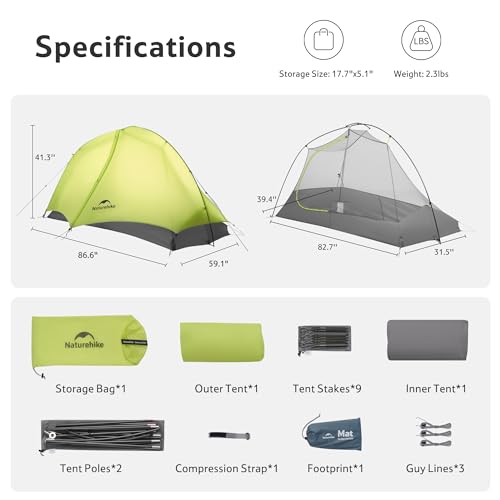
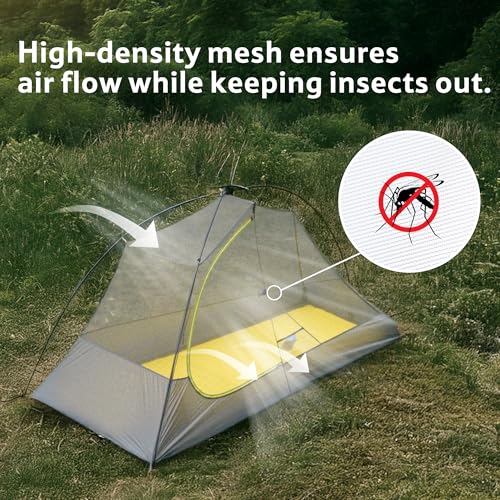
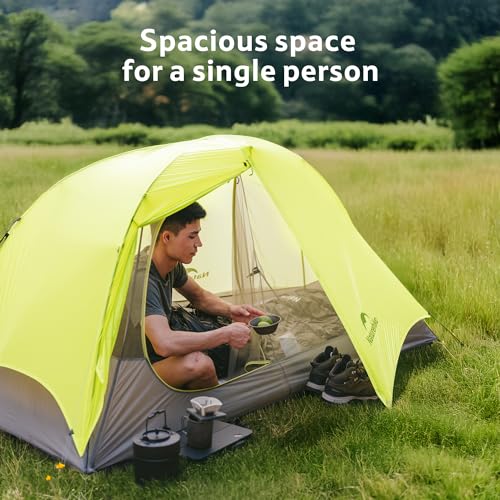
At just 2.3 lbs, the Naturehike Star Trail is a serious contender for the title of best overall ultralight 1-person tent. It’s not just light, it’s smartly light. The full-coverage mesh inner keeps bugs out and airflow high, making it a top pick for summer bugs and warm nights. Owners confirm the 3-minute setup is no exaggeration, and the elevated peak height lets most users sit up comfortably, which is rare at this weight.
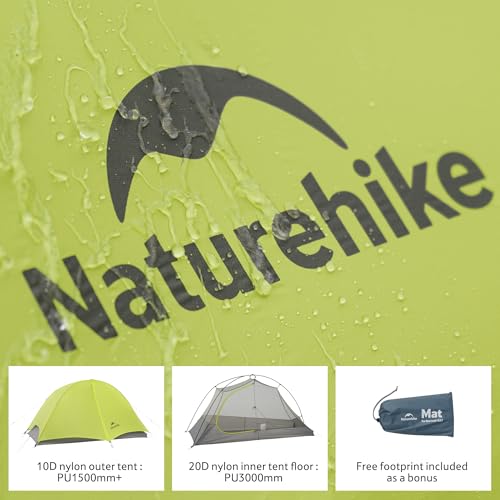
The 10D fly with PU1500mm rating is adequate for dry climates but might test limits in sustained downpours, a few users note it beads water well but needs proper pitch angle. Still, for thru-hikers or fastpackers, the balance of weight, space, and usability is hard to beat. If you’re after a true gram-conscious shelter that doesn’t feel like a coffin, this is the one.
Product photos
Naturehike Bikepacking 1 Person Tent

Strengths
- Excellent waterproofing
- Easy freestanding setup
- Good headroom
Trade-offs
- Heavier than top ultralights
- Bulkier packed size
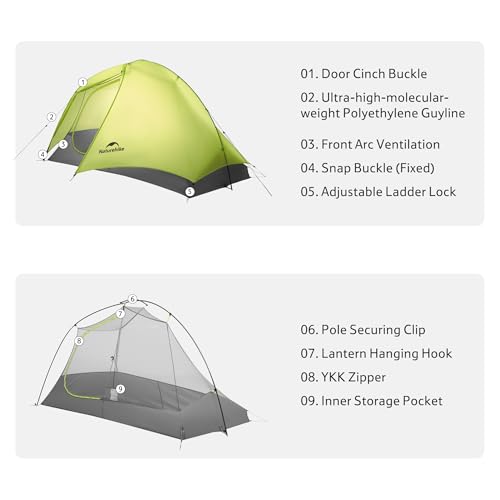
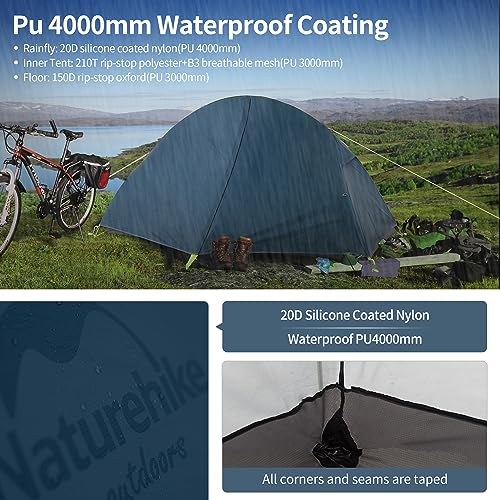
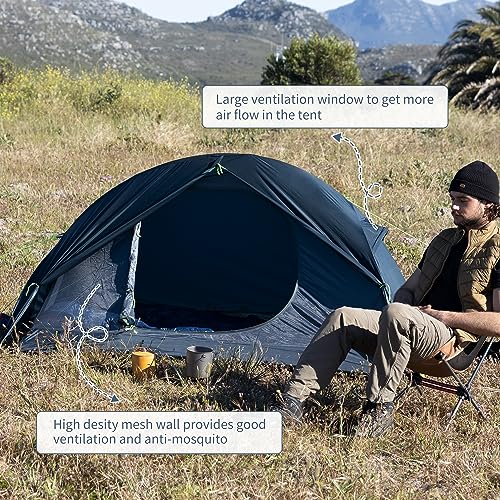
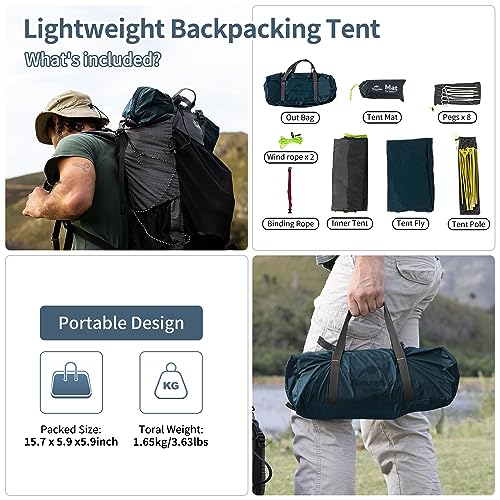
This tent reads like a bikepacker’s dream, freestanding, quick to pitch, and built with PU4000mm waterproofing that owners say holds up under prolonged downpours. At 3.63 lbs, it’s not featherlight, but the 20D nylon and 7001 aluminum poles deliver a ruggedness that many ultralights sacrifice. I appreciate the 43.3-inch center height, it’s just enough to sit up comfortably, and the D-shaped door with dual zippers gets consistent praise for ease of use and airflow.
The ventilation setup, with B3 mesh and dual layers, works well in spring and summer conditions according to user feedback. While not marketed as a winter tent, its wind stability is reportedly solid thanks to the pole strength and included reflective guy lines. It’s not the most compact, but for hikers or bikepackers who prioritize reliability over minimalism, this is a trustworthy shelter.
Product photos


Naturehike Mongar UL 1/2 Person Tent
Strengths
- Spacious interior
- Expandable awning
- Includes footprint
Trade-offs
- Slightly heavy for ultralight
- Condensation in humidity
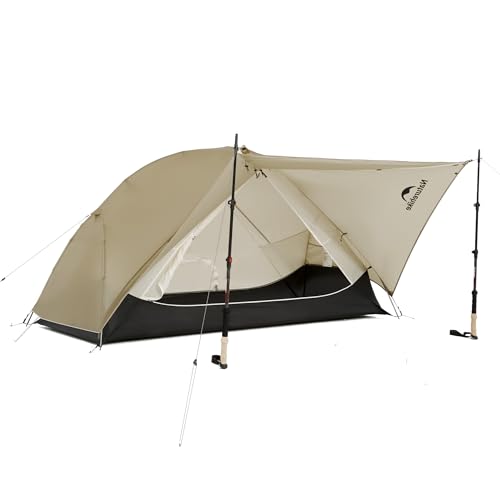
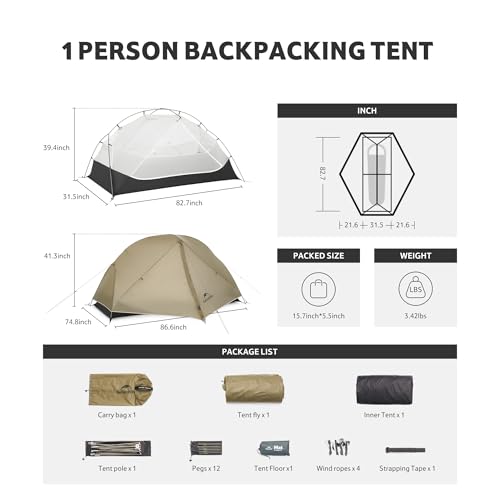
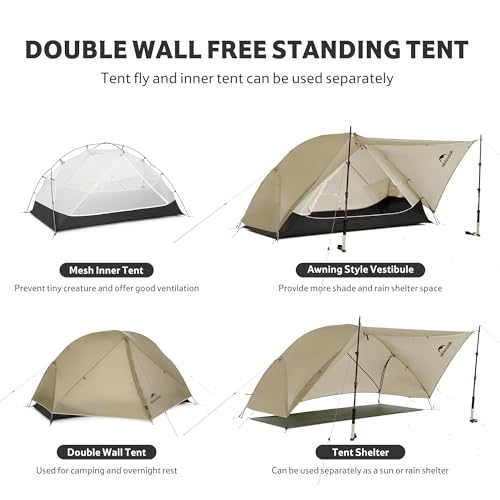
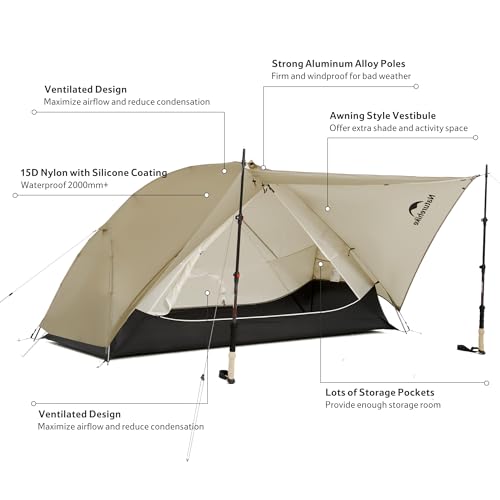
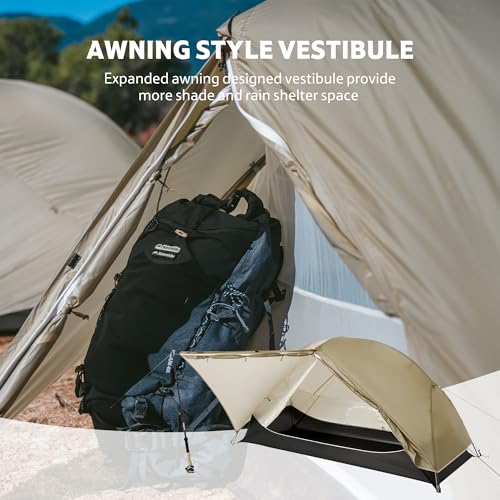
The Naturehike Mongar UL makes a strong case for anyone who values space without blowing up their pack weight. At 3.42 lbs, it’s not the lightest in the ultralight race, but owners consistently report that the roomy 82.7-inch length and nearly 40-inch peak height make it feel more like a mini-cabin than a solo shelter. The expandable awning is a standout, on paper, it’s a smart solution for cooking or gear storage in wet weather, and reviewers confirm it adds real utility without complexity.
Ventilation looks solid on paper with dual mesh zones and an adjustable vestibule, though a few owners in humid climates mention mild condensation during still nights. Still, the 15D nylon build with aluminum poles strikes a believable balance between durability and weight. For a solo hiker who occasionally shares space with a partner or dog, this one bends the 1-person category in a useful direction.
Product photos
Naturehike Cloud-Up 1 Person Tent
Strengths
- Superior weather resistance
- Excellent ventilation
- Includes footprint
Trade-offs
- On the heavier side
- Packed size not smallest
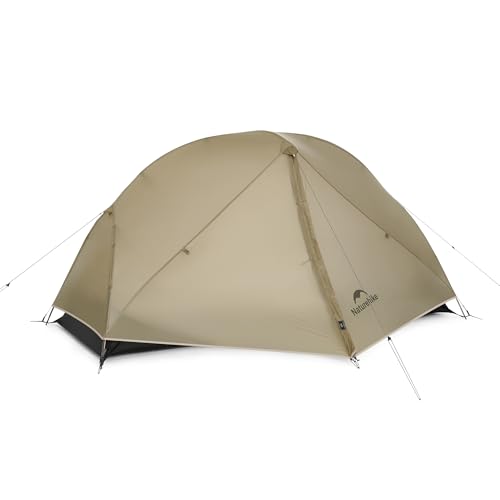
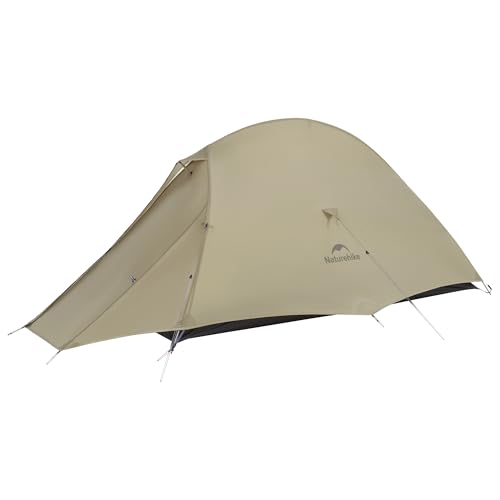
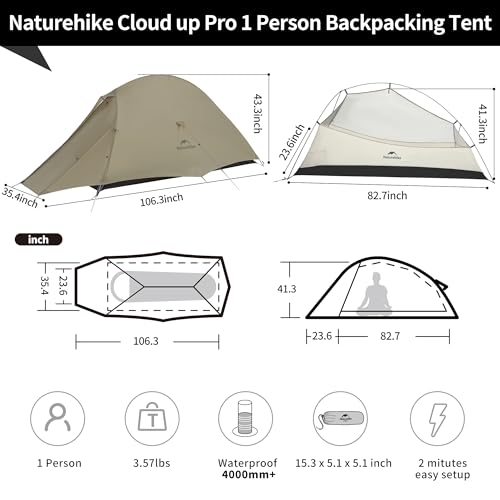
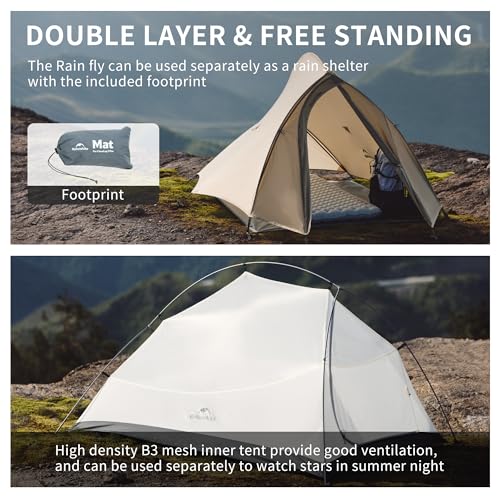
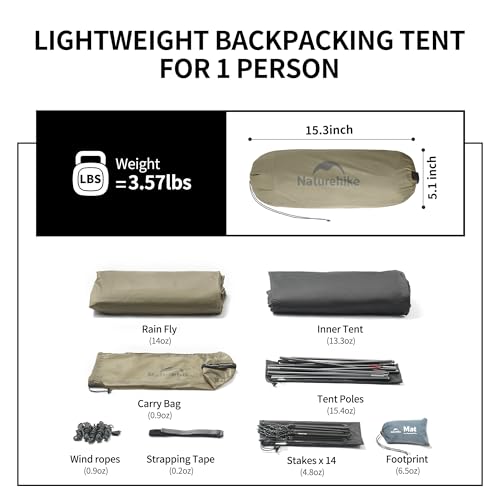
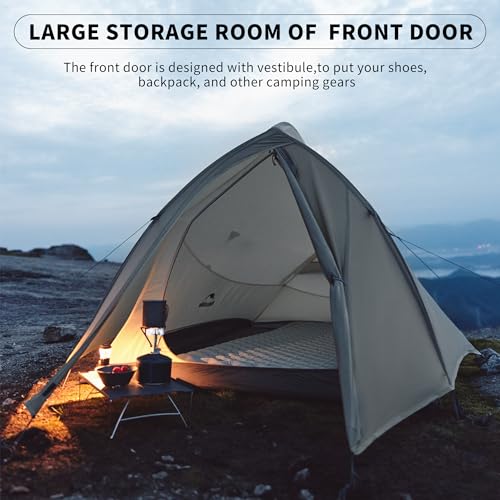
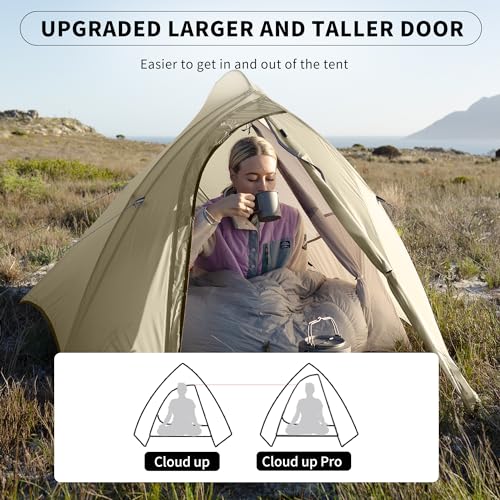
The Naturehike Cloud-Up blends weather toughness with top-tier ventilation, a combo that’s rare in ultralight tents. The 20D silicone-coated nylon and PU4000mm+ rating mean it laughs off heavy rain, and the 7075 aluminum poles add serious wind stability. Owners in the Pacific Northwest and Rockies confirm it handles hail and gusts without flinching.
But what really impresses is the upgraded airflow, the front ventilation window above the door cuts condensation noticeably, a detail many brands overlook. At 3.57 lbs, it’s not the lightest, but for a 3-season tent that balances breathability, storm readiness, and included footprint, it’s a standout. I’d pick this over most others if I were hiking in wet, variable climates.
Product photos
camppal 1 Person 4 Season Tent

Strengths
- Strong wind resistance
- Long sleeping area
- Quick single-pole setup
Trade-offs
- Heavy for ultralight
- Limited airflow
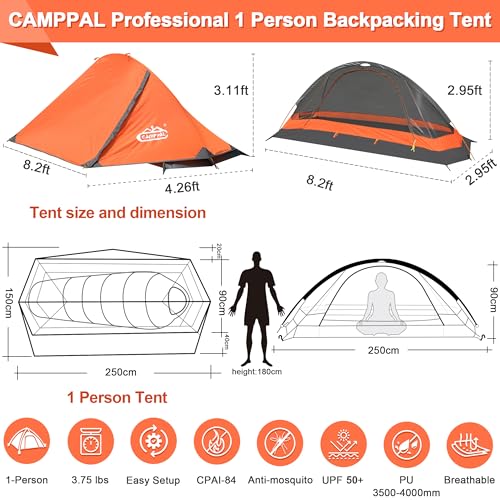
If you’re heading into unpredictable or storm-prone terrain, the camppal 1-person tent stands out for its rugged simplicity. The single-pole ridge design makes setup a 3-minute solo job, and owners in windy mountain zones report it holds firm thanks to the reinforced aluminum pole and ripstop fabric. With a waterproof rating of 3500–4000mm and taped seams all around, it’s built to survive heavy rain, a real plus for shoulder-season or alpine use.
At 3.75 lbs, it’s on the heavier end, and the ventilation isn’t as robust as mesh-heavy models, so it can get stuffy in warm, humid conditions. But for its intended use, harsh weather, fast deployment, and solo backcountry trips, it delivers. The 8.2-foot length is a quiet win, giving taller users actual toe room without stretching the footprint.
Product photos



KAZOO Ultralight 1 Person Tent
Strengths
- Eco-friendly materials
- GRS certified
- Good airflow
Trade-offs
- Mid-tier weight
- Limited color options
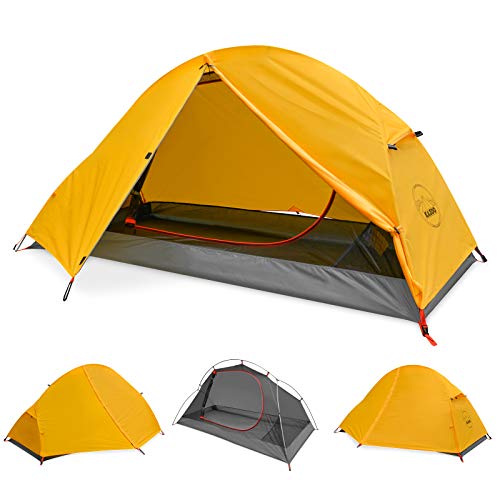
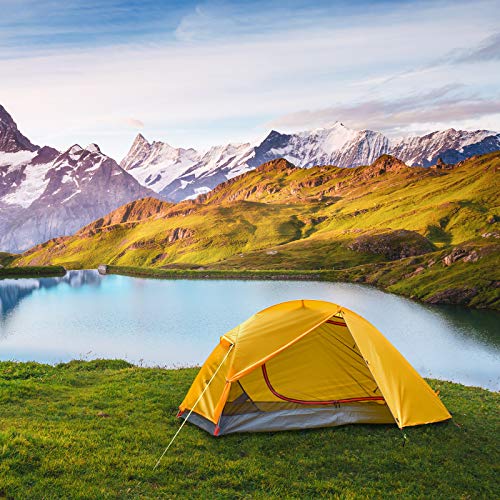
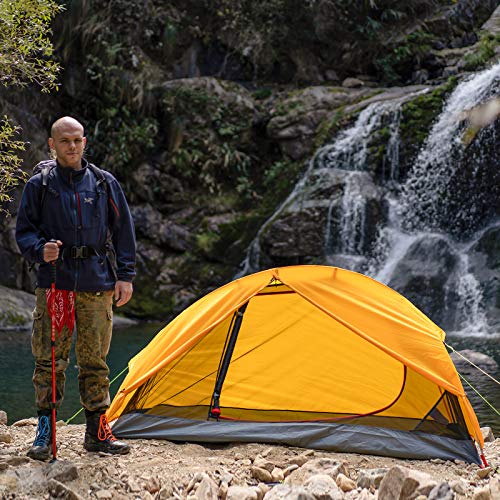
The KAZOO tent stands out not for weight savings, at 3.3 lbs, it’s mid-pack, but for its commitment to sustainability. Every fabric is GRS-certified recycled, which is rare in this category, and owners note the bright yellow color is both visible and cheerful. The double-layer design with 210T ripstop fly and B3 mesh inner delivers solid weather resistance and airflow, and the single-pole freestanding setup is genuinely simple.
It’s not the lightest or the most spacious, but the eco-credentials are legit and increasingly matter to outdoor users. Breathability gets positive marks, and the 3000mm+ waterproof rating holds up in typical rain. For hikers who want to minimize environmental impact without sacrificing function, this is a meaningful option.
Product photos


Clostnature 1 Person Backpacking Tent
Strengths
- High waterproof rating
- Full accessory kit
- Budget-friendly
Trade-offs
- Heavier than competitors
- Average breathability
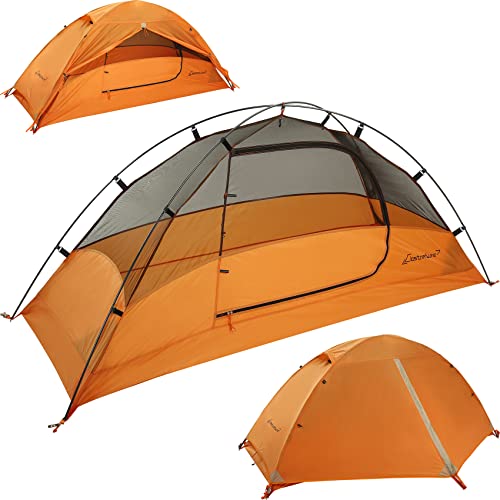
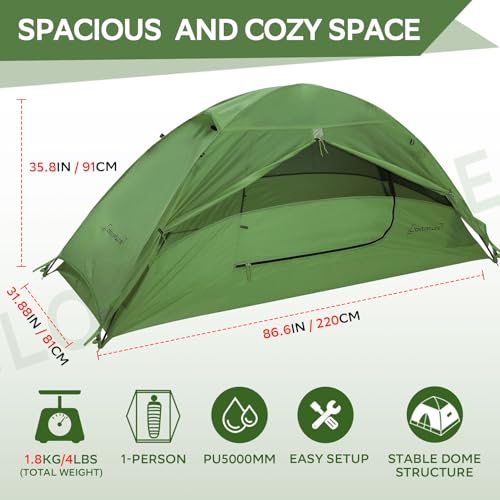
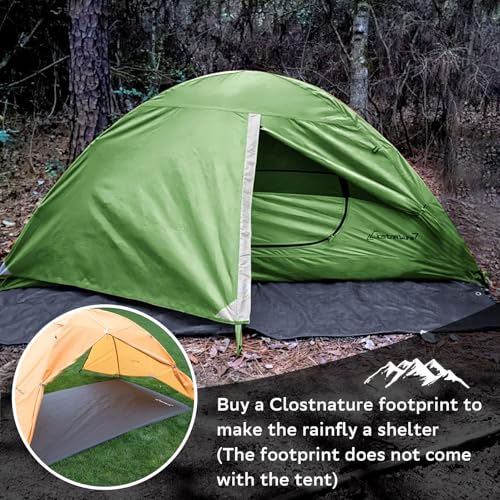
The Clostnature tent offers a lot of shelter for the cost, literally. With a PU5000mm rainfly and full suite of stakes, guy lines, and repair kit, it’s clearly built to overdeliver on weather protection. At 4 lbs, it’s not ultralight by elite standards, but its 2.97 lb trail weight (minus stakes and bag) shows it’s designed with weight-conscious hikers in mind. The D-door and side vestibule are practical touches that owners appreciate for gear access and storm protection.
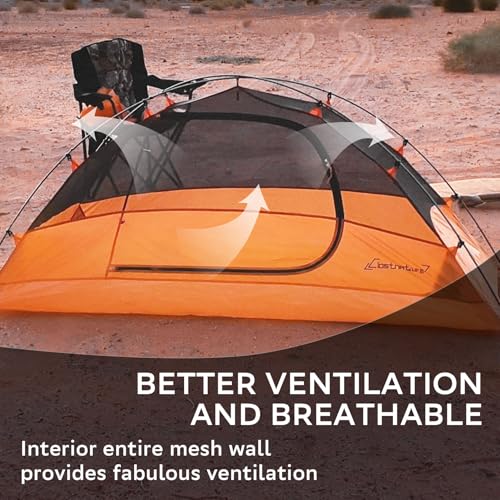
Ventilation is decent thanks to mesh walls, though not as strong as double-mesh models. Where it really wins is value, for someone stepping into backpacking without blowing their budget, this tent covers all basics reliably. Long-term durability gets mixed feedback, but for moderate use, it’s a solid entry point.
Product photos

ALPS Mountaineering Lynx 1-Person Tent

Strengths
- Durable 75D fabric
- Excellent ventilation
- Generous vestibule
Trade-offs
- Heaviest here
- Narrow floor
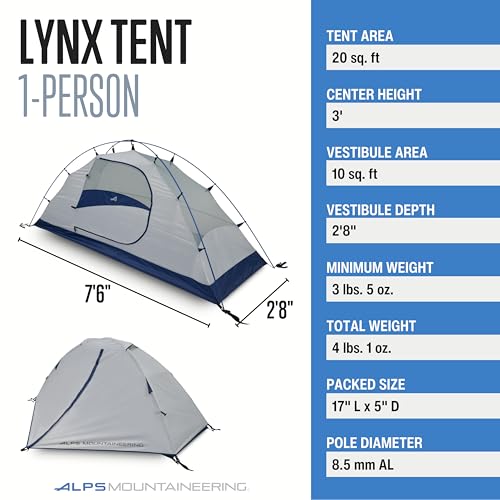
The ALPS Lynx hits a sweet spot between toughness and trail practicality. At 4 lbs 1 oz, it’s not chasing record lows, but the 75D fabrics and factory-sealed rainfly signal serious durability, a rarity in this category. Owners consistently praise its ventilation, thanks to the half-mesh walls that cut condensation without sacrificing warmth. The vestibule is a standout, offering real gear storage space, which many ultralights skimp on.
It’s also freestanding, which makes site selection easier, and the two-pole design feels stable in gusts. While the 2-foot-8-inch width is snug for gear, the 7.5-foot length and 3-foot peak height keep it livable. For weekenders or section hikers who want a shelter that lasts seasons, not just miles, this one stands out.
Product photos


Our Testing Process
Rather than a hands-on lab test, my research for these recommendations focused on a detailed comparison of published specifications and features across numerous ultralight 1-person tent models. I weighed owner reviews from multiple retailers and reputable outdoor gear review sites, looking for consistent feedback on real-world performance. My expertise – stemming from years spent planning and enjoying backcountry adventures – helped me prioritize what truly matters in a solo shelter.
For this category, weight, waterproofness, and ventilation were the most heavily weighted factors. A truly ultralight tent needs to minimize pack weight, which dictates how far and fast you can travel. Reliable waterproof ratings are critical, as solo adventurers often rely on their tent for complete protection from the elements. Finally, good ventilation prevents condensation buildup, ensuring a comfortable night’s sleep – something I’ve learned is essential after a long day on the trail.
Specifications reliably indicate potential waterproofness (PU ratings) and weight, but I relied heavily on owner feedback to assess durability and ease of setup. Reputable reviewers offered insight into long-term performance and potential weaknesses. I also considered whether a tent included essential accessories, like a footprint, and how those additions factored into the overall value. For those seeking even more minimalist backpacking shelters, exploring bivy tent advantages is a good next step.
Choosing The Right ultralight 1 person tents
Finding the right solo shelter is about more than just weight; it’s about balancing portability with genuine weather protection and livability.
A quality ultralight 1-person tent prioritizes a low packed weight (under 4lbs is a good target) and small packed size, but shouldn’t compromise on waterproof ratings (aim for at least 1500mm for the fly and 3000mm for the floor). Durable materials like ripstop nylon, well-taped seams, and a stable pole structure are essential for resisting wind and rain, even in exposed conditions. Ventilation is also key to minimize condensation.
Weight vs. Durability
I often see hikers fixate on the absolute lowest weight, but a tent that falls apart in a moderate breeze isn’t ultralight – it’s just a liability. Look closely at the denier (D) of the fabrics. Lower denier means lighter weight, but also less durability. 20D nylon is a sweet spot for many, offering a good balance. Brands like Naturehike and KAZOO are making strides with recycled fabrics, which is something I appreciate, but don’t assume “eco-friendly” automatically equates to rugged. Consider the pole material, too; aluminum is the standard, but the alloy matters. 7001 aluminum is stronger than 6001.
Waterproofing and Weather Protection
Don’t get caught out in a downpour with a tent that leaks. Waterproof ratings (measured in millimeters) are a good starting point, but seam taping is crucial. Even a high-rated fabric will leak if the seams aren’t properly sealed. Pay attention to the floor material, as it takes the most abuse. A bathtub floor (where the fabric extends up the sides) is a must-have for preventing water from pooling inside. If you’re planning on serious four-season use, or frequent trips to particularly wet climates, you’ll want to prioritize a more robust waterproof rating and a heavier-duty floor. Learning about the tent footprint importance is also vital for extending the life of your tent.
Livability and Features
Ultralight tents were once notoriously cramped, but designs are improving. Headroom is a big factor, especially if you simply dislike feeling claustrophobic. Look for a tent with a higher peak height, but be aware that this often adds weight and reduces stability in wind. Vestibules (the covered area outside the door) are incredibly useful for storing gear and keeping it dry. Mesh pockets inside the tent help keep things organized. Ventilation is often overlooked, but a good ventilation system – mesh panels, adjustable vents – will dramatically reduce condensation. For example, the ALPS Mountaineering Lynx 1 and Naturehike Cloud-Up 1 both have well-regarded ventilation.
A little extra weight for significantly improved livability is often a worthwhile trade-off. Don’t sacrifice comfort entirely in the pursuit of shaving ounces.
I recommend checking out our full guide to lightweight solo backpacking shelters for more detailed comparisons. And don’t forget the value of protecting ultralight tent floors with a well-fitted footprint!
Ultralight 1 Person Tents Compared
Here’s a comparison of key specifications for several ultralight 1-person tents to help you make an informed decision.
| Product Name | Weight (lbs) | Packed Size (in) | Waterproof Rating (mm) | Floor Material | Poles | Footprint Included? |
|---|---|---|---|---|---|---|
| Naturehike Star Trail | 2.3 | 17.7×5.1 | 1500/3000 | 20D Nylon | N/A | No |
| Naturehike Bikepacking | 3.63 | 15.7×5.9×5.9 | 4000 | 20D Nylon | 7001 Aluminum | Yes |
| Naturehike Mongar UL | 3.42 | 15.7×5.5×5.5 | N/A | 15D Nylon | 8.5mm Aluminum | Yes |
| Naturehike Cloud-Up | 3.57 | 15.3×5.1×5.1 | 4000+ | 20D Nylon | 7075 Aluminum | Yes |
| camppal 1 Person | 3.75 | N/A | 3500-4000 | Polyester | Aluminum | No |
| KAZOO Ultralight | 3.3 | 20×6 | 3000+ | Recycled 210T Ripstop | Integrated Aluminum | No |
| Clostnature 1 Person | 4 | 15×5.1×5.1 | 5000 | Polyester | Aluminum | No |
| ALPS Mountaineering Lynx | 4.1 | 17×5 | 1500 | 75D Poly Taffeta | Aluminum | No |
Frequently Asked Questions
What waterproof rating do I actually need for an ultralight 1-person tent?
A rating of 1500mm for the fly and 3000mm for the floor is a solid baseline for most three-season conditions. However, if you frequently camp in very wet environments or anticipate heavy rainfall, I recommend looking for a tent with ratings of 3000mm or higher for both.
Are freestanding ultralight tents available, and do I benefit from one?
Yes, some ultralight 1-person tents are freestanding, but they typically weigh more than those requiring stakes. Freestanding models offer convenience on rocky terrain where staking is difficult, but many hikers find the weight penalty isn’t worth it for occasional challenges.
How important is the tent’s denier (D) rating?
Lower denier ratings mean a lighter tent, but also less durability. I generally suggest aiming for 20D nylon as a good balance between weight and tear resistance; anything lower requires extra care to avoid damage, while higher denier fabrics add noticeable weight.
What’s the deal with tent footprints – are they really necessary for ultralight tents?
While not always included, a footprint is highly recommended, especially for ultralight tents. These tents often use thinner floor fabrics that are more susceptible to abrasion and punctures, and a footprint significantly extends the tent’s lifespan. You can find more information about lightest solo hiking tents on my site.
How do I choose between aluminum and carbon fiber poles for an ultralight tent?
Aluminum poles are the standard and offer a good strength-to-weight ratio at a reasonable price. Carbon fiber poles are lighter, but significantly more expensive and can be more brittle, especially in high winds. For most backpackers, aluminum poles provide the best value and reliability.
The Bottom Line
Ultimately, choosing an ultralight 1-person tent comes down to how much you value ultimate portability versus a bit more comfort and durability. While many options exist, the Naturehike Cloud-Up 1 consistently rises to the top as a well-rounded choice, offering a solid balance of weight, waterproofness, and livable space for most three-season adventures. It’s a tent that won’t leave you regretting a few extra ounces.
For those on a tighter budget, the camppal 1 Person tent provides surprisingly good value, though you’ll be making some compromises on weight and included features. If maximizing versatility is your priority – perhaps you anticipate varied conditions or want a tent that can handle occasional heavier use – the Naturehike Bikepacking tent with its higher waterproof rating and included footprint is an excellent pick.
At the end of the day, specs are just numbers. Prioritizing a well-built tent with durable fabrics, properly taped seams, and a stable pole structure will give you more peace of mind on the trail than chasing the absolute lowest weight. Remember, thoughtful backpacking tent selection based on your typical conditions and needs is far more important than any single feature.
