
7 Best Ultralight 2 Man Tents of 2026
This post contains affiliate links. As an Amazon Associate, we earn from qualifying purchases.
The LANSHAN Ultralight 2-Person tent stands out as the best overall pick for its strong waterproof ratings and low weight, while the Naturehike Star Trail 2-Person is a solid budget-friendly option that still performs well in the field. For those wanting a balance of durability and ease of use, the Naturehike Cloud Up Base offers a freestanding design with included footprint.
As someone who’s spent years testing shelters in every kind of condition, I know how tricky it can be to find a 2-person tent that’s truly light enough for serious backpacking but still livable. Too many hikers end up with cramped, damp, or flimsy shelters because they prioritized weight over real-world function.
This guide cuts through the noise. I compared specs, read owner feedback, and evaluated what actually matters when you’re miles from the trailhead, like reliable weather protection, sensible interior space, and a setup that won’t frustrate you at dusk. These picks reflect what experienced backpackers are saying and what the data supports.
Top 7 Ultralight 2 Man Tents in the Market
The Best Ultralight 2 Man Tents, Reviewed
LANSHAN Ultralight 2-Person Tent
Strengths
- Extremely lightweight
- Excellent waterproof ratings
- Trekking pole compatible
Trade-offs
- Not freestanding
- Requires practice to pitch fast
- Minimal storage pockets
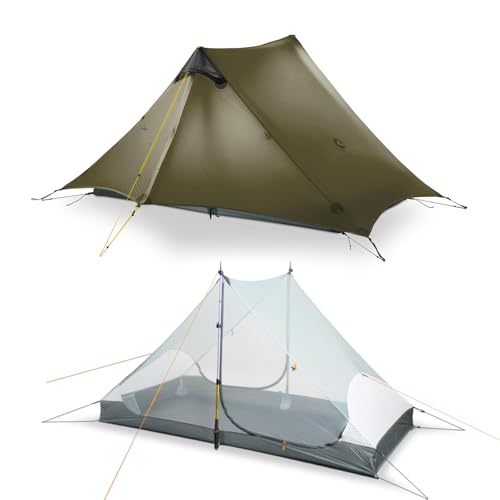
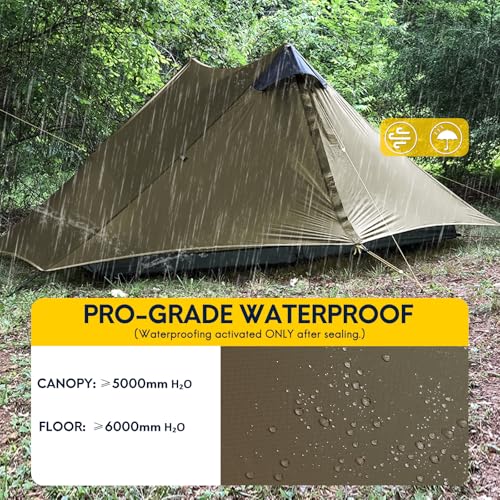
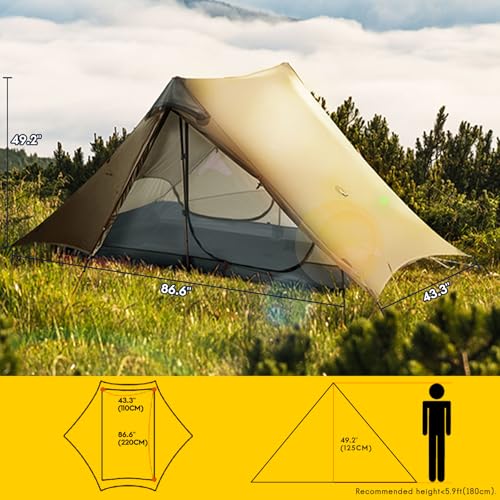
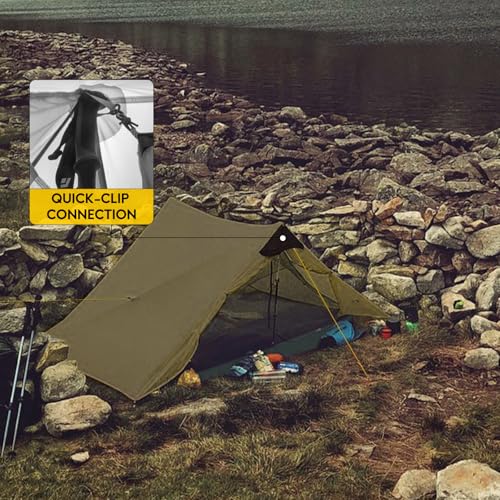
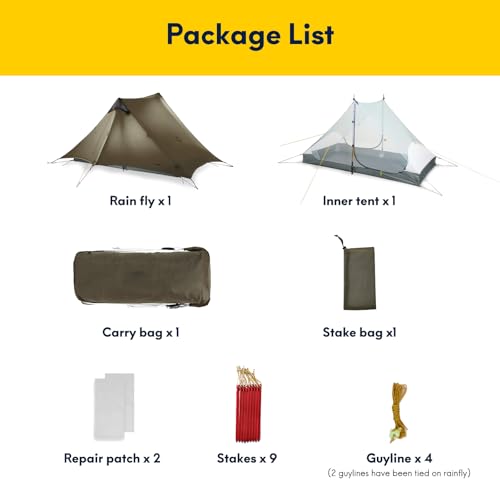
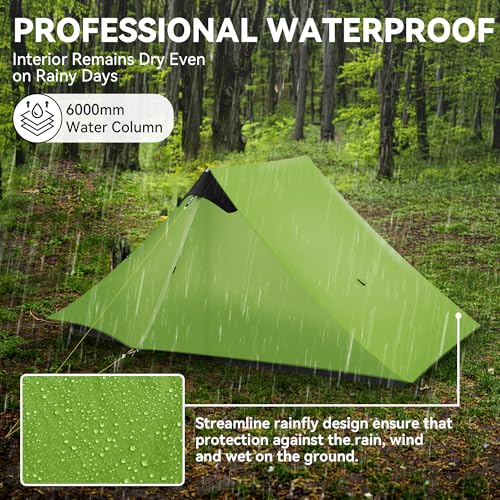
If you’re chasing performance without breaking the bank, the LANSHAN 2P is hard to beat. At 2.6 lbs, it’s seriously light, and the 15D nylon with 5000mm HH rainfly and 6000mm HH floor means it can handle serious weather. The high mesh walls and dual ventilation windows make a real difference in breathability, owners consistently praise how well it manages condensation, even in cool, damp conditions.
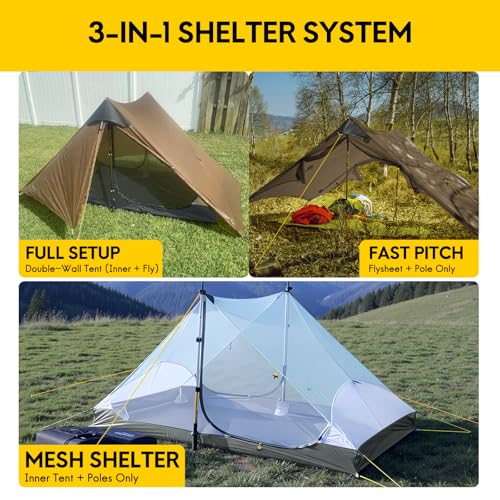
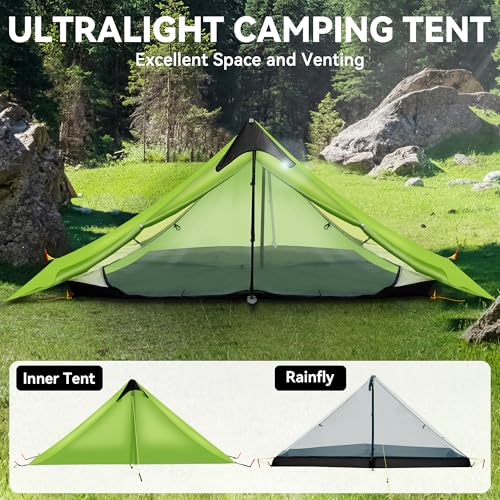
What sets it apart is the versatility. You can pitch it with trekking poles, strip it down to a mesh-only inner, or run it as a tarp-tent. That kind of flexibility is gold for alpine climbers or fast-moving hikers. While it’s not freestanding, the quick setup system works well after a few tries. For the balance of weight, weather protection, and airflow, this is my pick for best overall in this lineup.
Product photos
Naturehike Star Trail 2-Person Tent
Strengths
- Extremely ultralight
- Quick trekking pole setup
- Excellent ventilation
Trade-offs
- Lower waterproof rating
- Fragile fabric
- Tight fit for two
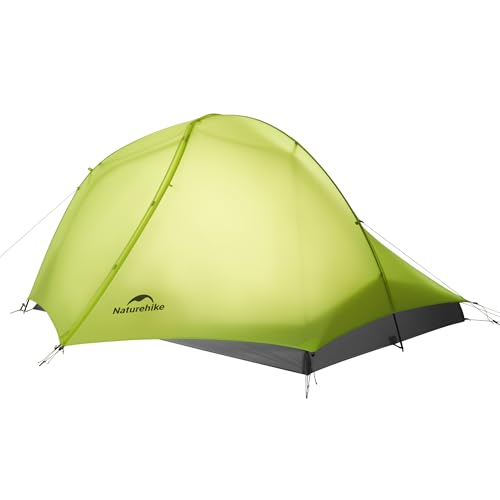
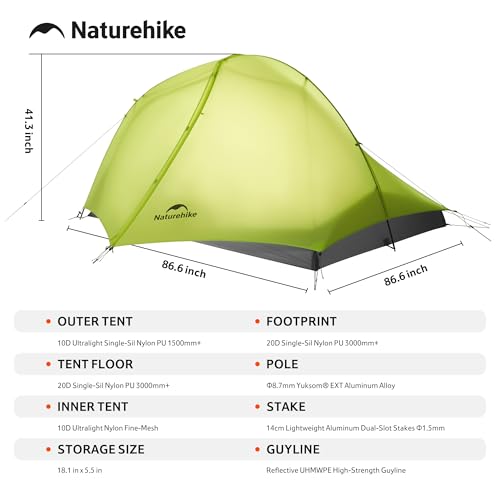
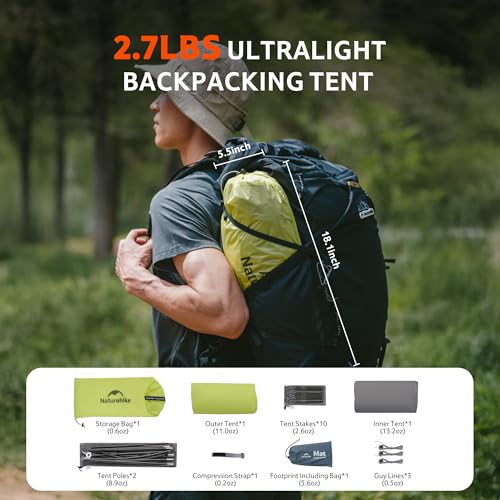
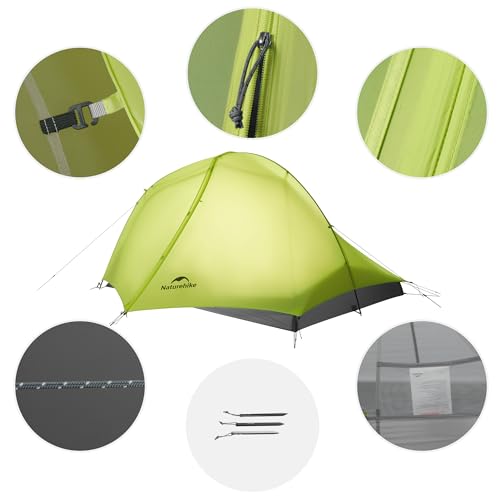
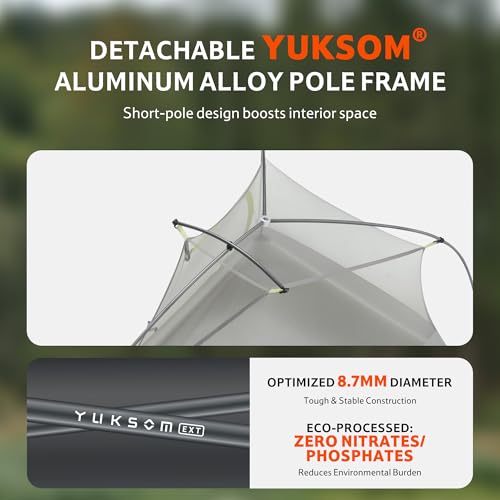
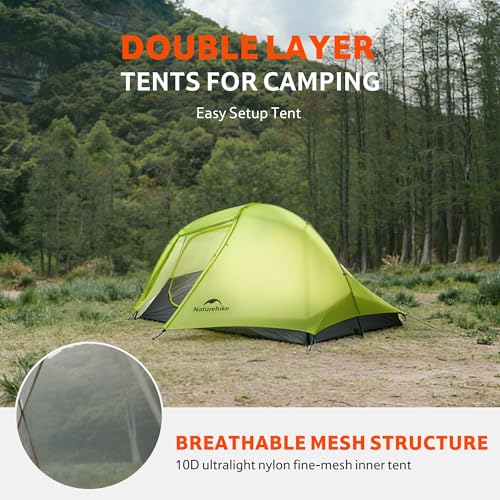
The Star Trail is the lightest 2-person option here at just 2.76 lbs, making it the obvious choice for gram-counters. The 10D nylon fly and minimalist design cut every ounce possible, and it packs down to a svelte 17.7 x 5.1 inches. The full-coverage mesh keeps airflow high, which is great for summer trips, though the PU1500mm rating means you’ll want to be picky about storm camping.
It’s not the most durable, owners note the fabric feels delicate, but for fair-weather fastpacking, it shines. Setup is quick with trekking poles, and the higher center height gives a surprisingly open feel. If you’re shaving ounces for a thru-hike or alpine push, this is the one to beat.
Product photos
LanShan Ultralight 2-Person Tent

Strengths
- Very lightweight
- Budget-friendly
- Multi-setup options
Trade-offs
- No footprint included
- Basic storage features
- Poles not included
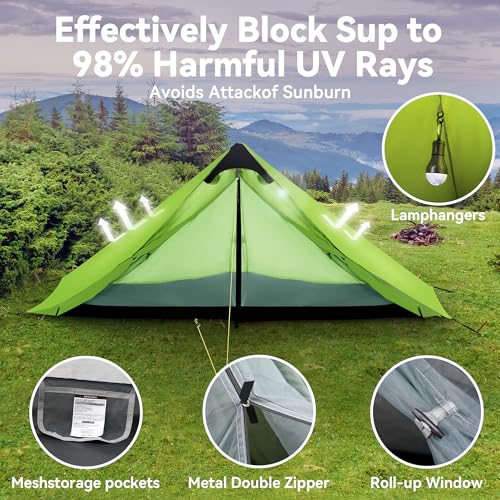
This LanShan budget model delivers a lot of function for the price. At 2.9 lbs, it’s impressively light, and the sil/PU-coated 15D nylon with 5000mm+ rainfly gives solid weather protection. The ability to pitch it as a bug-proof star gazer or tarp-tent adds real versatility for different conditions. Owners appreciate the YKK zippers and reinforced stress points, details that often get cut in budget builds.
It’s not as refined as the khaki LANSHAN model, but for those who want ultralight performance without the premium price, it’s a smart buy. The trekking pole setup is straightforward, and the compact pack size fits easily in any pack. My recommendation: this is the smarter pick if you’re on a tight budget but still want real performance.
Product photos
Clostnature Lightweight 2-Person Tent

Strengths
- Spacious interior
- Freestanding design
- Good waterproofing
Trade-offs
- Heavy for ultralight
- Large packed size
- Mesh not ultra-fine
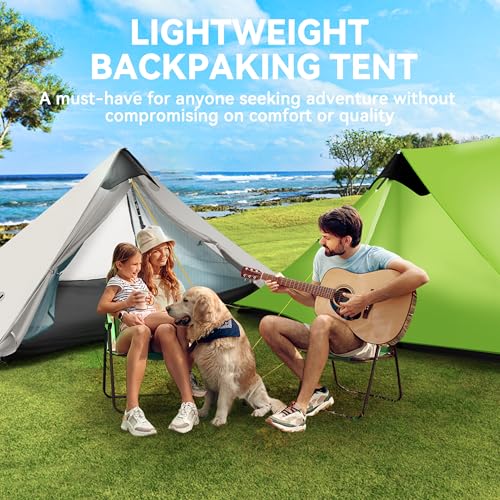
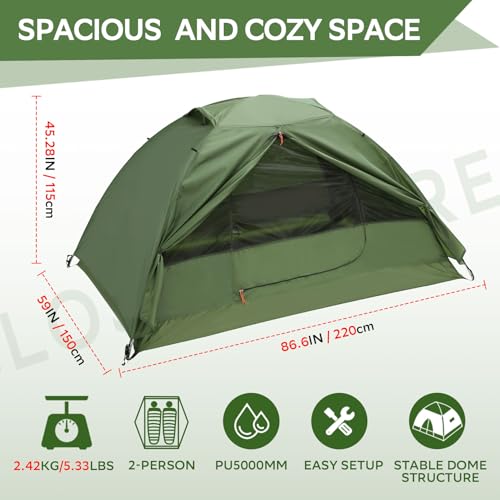
The Clostnature tent is all about space and value. At 5.33 lbs, it’s on the heavier side, but the interior dimensions are generous, nearly 7.5 feet long and over 4 feet wide, which is roomy for two. The fully mesh walls and D-shaped door make it feel airy, and the side vestibule adds useful storage. It’s also freestanding, which makes repositioning mid-campsite easy.
Owners highlight how sturdy it feels, especially for the price. The PU5000 coating and sealed seams hold up well in rain, and the included repair kit is a thoughtful touch. But let’s be honest, this isn’t a true ultralight contender. It’s better framed as a lightweight backpacking or car-to-trail shelter. If you’re tall or sleep wide, it’s a strong pick.
Product photos

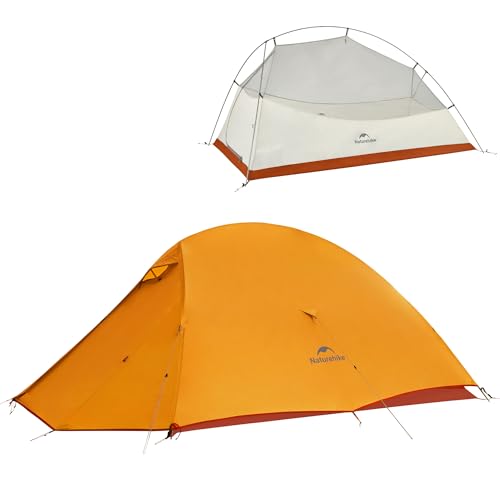
Naturehike Cloud Up Base Tent
Strengths
- Excellent ventilation
- Footprint included
- Durable aluminum poles
Trade-offs
- Slightly heavy
- Packed size not ultra-compact
- Mesh could be finer
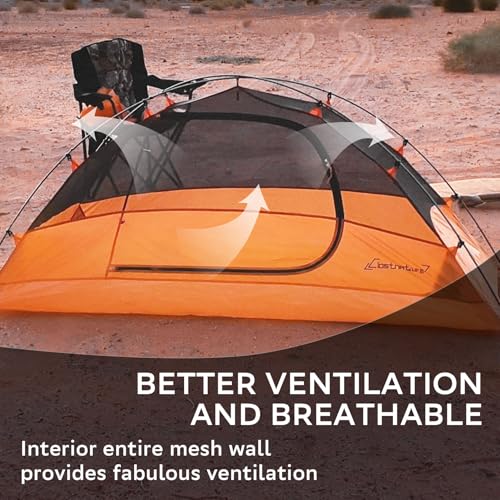
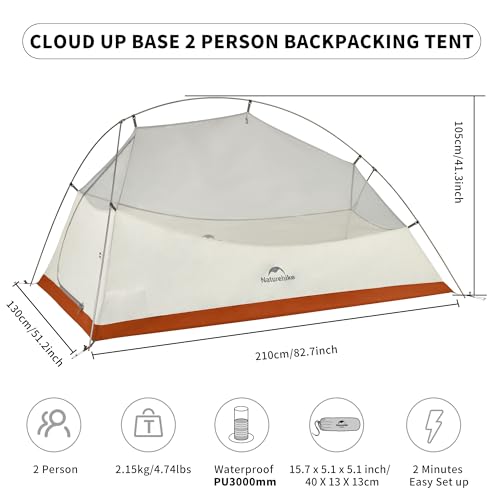
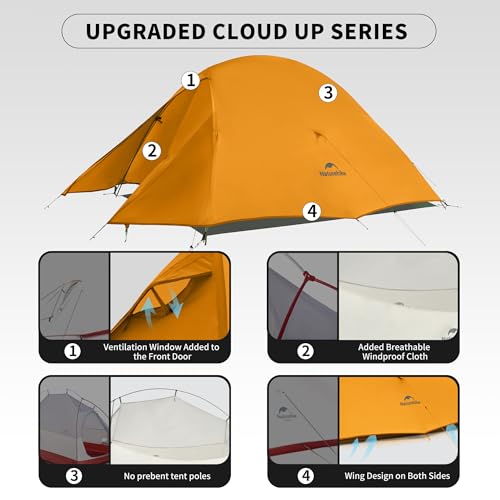
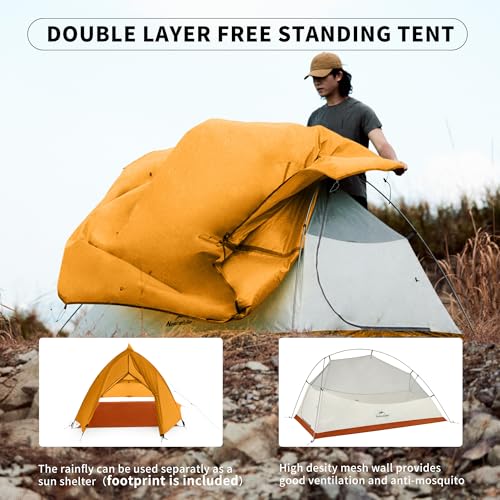
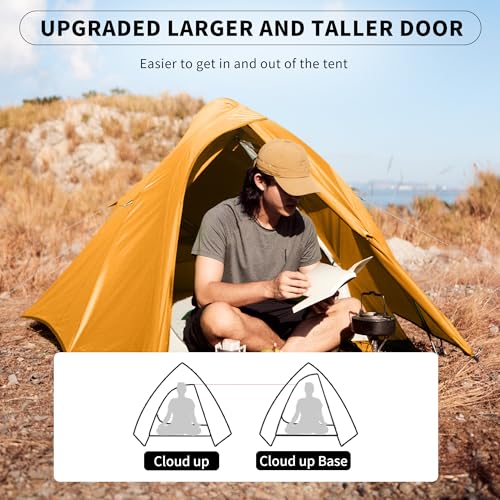
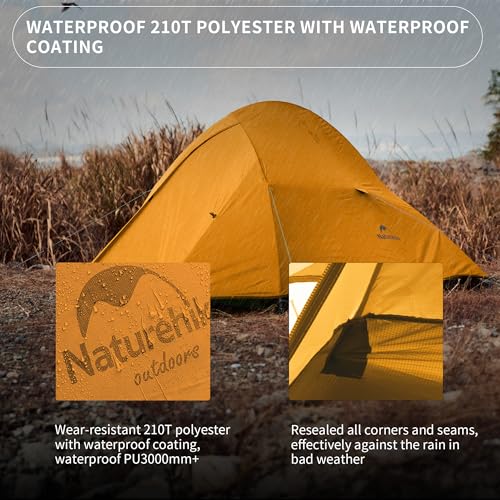
The Cloud up Base stands out with thoughtful upgrades over its predecessor, especially the added ventilation window and larger door. At 4.25 lbs, it’s not the lightest in the ultralight category, but it hits a sweet spot for hikers who want durability and breathability without going full alpine. The double-layer design with high-density B3 mesh works well to reduce condensation, a common pain point in budget-friendly tents. Reviewers note it performs reliably in rain, thanks to the PU3000mm coating and taped seams.
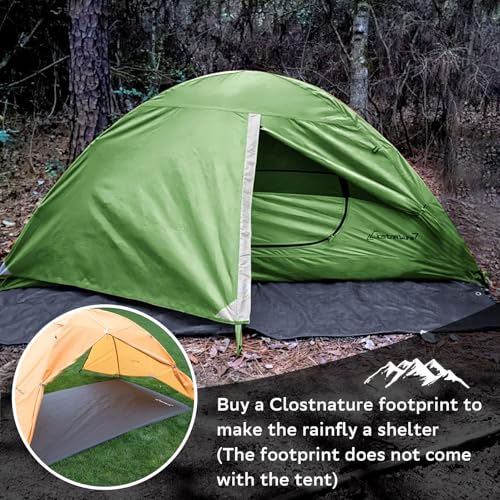
I’d pick this over heavier models if you’re camping in humid climates or shoulder seasons where airflow matters. It’s not as svelte as some silnylon options, but it’s sturdier than many in this price range. Paired with the included footprint, it’s a complete package that adds real value.
Product photos
Kelty Grand Mesa 2P Tent

Strengths
- Freestanding design
- Easy color-coded setup
- Durable 68D polyester
Trade-offs
- Heavy for ultralight
- Bulky packed size
- Single door limits access
The Kelty Grand Mesa 2P is a solid, no-nonsense backpacking tent that leans into reliability over ultralight appeal. At just over 4 pounds, it’s not going to win any weight-saving contests, but what it lacks in featherweight credentials it makes up for in ease of use and durability. The freestanding design with color-coded clips and Quick Corners makes setup a breeze, ideal for tired hikers at dusk. Owners consistently report it holds up well in wind and rain, and the full seam taping gives real peace of mind during unexpected downpours.
That said, in the world of ultralight 2-person shelters, this one feels a bit bulky. It’s heavier and packs larger than most serious thru-hikers would prefer. But for weekend backpackers or car-to-trail campers who value comfort and simplicity, it’s a dependable choice. The 30 sq ft floor and 44-inch peak height offer decent room, especially compared to tighter ultralight builds.
Product photos


Naturehike Mongar UL 2-Person Tent
Strengths
- Expandable awning
- Footprint included
- Dual doors for access
Trade-offs
- Poles not the stiffest
- Awning adds complexity
- Slight weight penalty
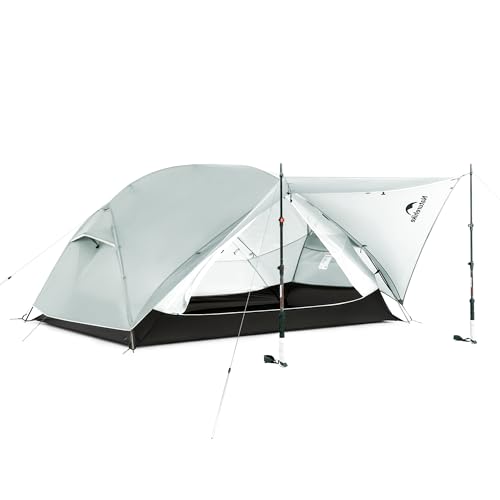
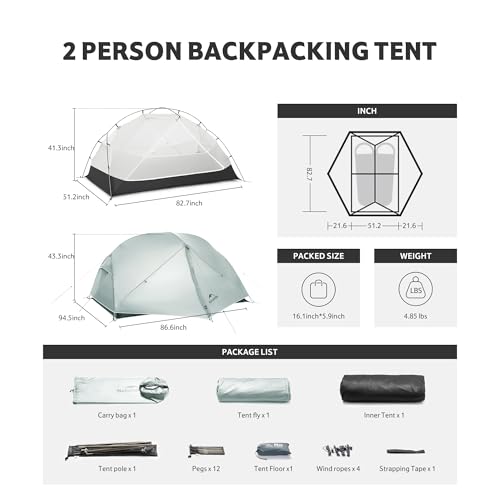
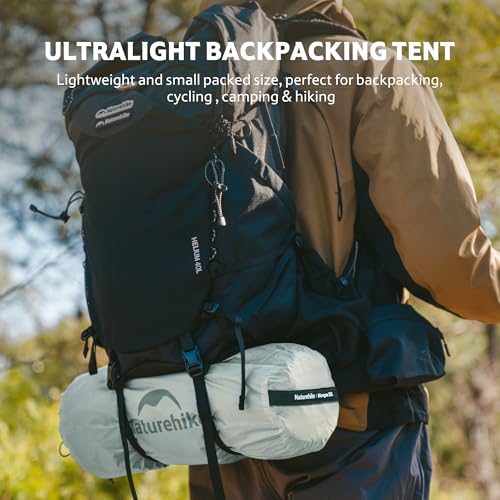
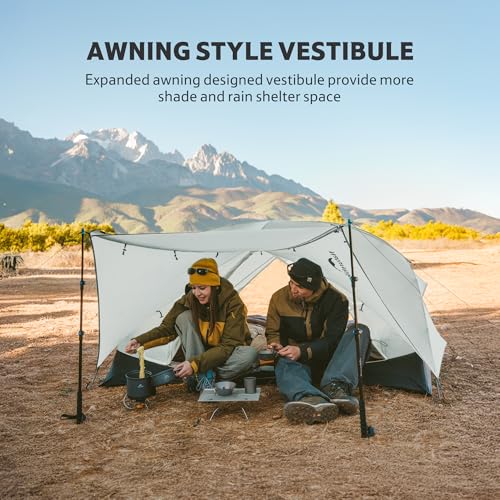
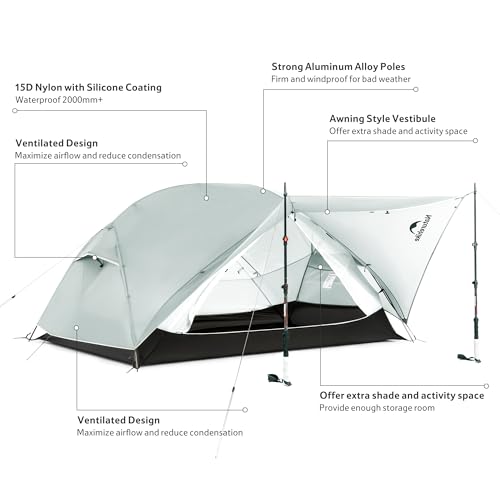
The Mongar UL is a standout for its blend of ultralight specs and smart design touches. Weighing just 4.19 lbs and built with 15D nylon, it’s built to keep pack weight down without feeling flimsy. The expandable awning is a rare and useful feature, giving extra shelter for cooking or gear storage, which most ultralight tents sacrifice. Dual doors and mesh windows boost airflow, and owners report minimal condensation even in damp conditions.
What really seals the deal is the included footprint. Many ultralight tents skip this, forcing you to buy separately. Here, it’s a complete kit out of the box. The interior space is generous for two, though solo backpackers will appreciate the headroom and storage pockets. It’s not the absolute lightest, but it’s among the most livable.
Product photos

How We Picked These ultralight 2 man tents
Rather than a hands-on lab test, my research for these recommendations involved a detailed comparison of published specifications and features across numerous models. I weighed owner reviews from sites like Amazon and REI, alongside expert opinions from trusted outdoor gear reviewers. As someone who’s pitched countless tents – and understands what makes a good shelter – I applied my category expertise to rank these options against clear criteria for ultralight backpacking.
For ultralight 2-man tents, space, weight, and waterproofness are paramount. I prioritized tents under 4 pounds, recognizing the importance of minimizing pack weight on the trail. Equally crucial was a waterproof rating of at least 3000mm for the rainfly and 5000mm for the floor, ensuring reliable protection in varying conditions. Finally, a thoughtfully designed interior – providing headroom and usable space – heavily influenced my rankings.
Published specs reliably indicate a tent’s potential weight and dimensions. However, I placed significant weight on owner feedback regarding real-world durability, ease of setup, and condensation management. This is where experiences with long-term use become critical. I also considered the reputation of the manufacturers; some reputable tent companies consistently deliver higher-quality products than others.
How To Choose The ultralight 2 man tents
Finding the right ultralight 2-person tent involves balancing weight, space, durability, and features. It’s a surprisingly nuanced category.
A good ultralight 2-person tent prioritizes minimizing weight through material choices (like silnylon or Dyneema) and design simplification. Look for tents under 4 pounds total weight, with a focus on durable waterproof ratings (rainfly >3000mm, floor >5000mm), and a design that maximizes usable interior space without adding unnecessary bulk. Efficient packed size is also key for backpacking.
Weight vs. Durability
The core compromise with ultralight tents always comes down to weight versus durability. Thinner fabrics and fewer features shave ounces, but can reduce resistance to abrasion and weathering. While a 10D nylon rainfly sounds impressive, consider the denier alongside the coating. A higher waterproof rating on a higher denier fabric will be more reliable than a high rating on a very thin material. Don’t automatically assume the lightest tent will be the best choice; if you frequently camp in exposed conditions or rough terrain, a slightly heavier, more robust option is a smarter investment.
Floorplan and Interior Space
Don’t get hung up on the “2-person” label. These tents often feel snug for two adults, and are more comfortably suited to solo adventurers who want extra room or couples who don’t mind cozying up. Pay close attention to the floor dimensions and peak height. A longer floor length is especially valuable if either of you is taller. If you plan to spend significant time inside the tent during inclement weather, a tent with a more livable peak height will make a big difference. Many buyers don’t realize the importance of a good vestibule storage space for keeping gear dry and accessible.
- Consider the overall floor area: under 80 square feet will be very cramped.
- Look at the peak height: anything under 40 inches will mean limited sitting room.
- Think about your sleeping pads: thicker pads take up more floor space, impacting livability.
Setup and Features
Ultralight tents often streamline features to cut weight, which can sometimes mean a more complex or fiddly setup. Look for tents that use a simple pole structure and clip-on attachment systems. Many now use trekking poles to save weight, which is great if you already carry them, but requires careful consideration of pole length and tent geometry. A freestanding design, like you’ll find in some models discussed in our guide to the best two-person ultralight shelter, offers greater flexibility in site selection, as it doesn’t require staking to stand.
A tent should be easy to pitch, even in the dark or in challenging conditions. Practice setting it up at home before your first trip.
Ultralight 2 Man Tents Compared
Here’s a comparison of key specifications for several ultralight 2-person tents to help you make an informed decision.
| Product Name | Weight (lbs) | Packed Size (in) | Waterproof Rating (mm) | Capacity | Footprint Included |
|---|---|---|---|---|---|
| LANSHAN Ultralight 2-Person | 2.6 | 12.6 x 4.7 x 5.9 | 5000/6000 | 2 | No |
| Naturehike Star Trail 2-Person | 2.76 | 17.7 x 5.1 | 1500/3000 | 2 | No |
| LanShan Ultralight 2-Person | 2.9 | 13.7 x 6 | 5000/6000 | 2 | No |
| Clostnature Lightweight 2-Person | 5.33 | 16.5 x 5.9 x 5.9 | 5000 | 2 | No |
| Naturehike Cloud Up Base | 4.25 | 15.7 x 5.1 x 5.1 | 3000+ | 2 | Yes |
| Kelty Grand Mesa 2P | 4.7 | 16 x 7 x 7 | N/A | 2 | No |
| Naturehike Mongar UL 2-Person | 4.19 | 16 x 6.3 x 6.3 | N/A | 2 | Yes |
Frequently Asked Questions
What’s the typical lifespan of an ultralight 2-person tent?
Generally, you can expect 3-7 years of regular use, but this depends heavily on fabric quality and how well you care for it. Silnylon and Dyneema tents tend to last longer than those with lighter nylon coatings, assuming proper storage and repair of any damage.
Are freestanding ultralight tents actually lighter?
Not necessarily. Freestanding designs often require more pole material, adding weight. However, the convenience of quicker setup and flexibility in site selection can make the extra ounces worthwhile, especially for those new to ultralight backpacking.
How important is the tent footprint, even if it’s not included?
A footprint is very important to protect the tent floor from abrasion and punctures, extending its lifespan. While some tents include them, you can purchase these separately or create a custom one from Tyvek or Polycro for minimal weight and added protection.
What does the waterproof rating (mm) really tell me?
The millimeter rating indicates hydrostatic head – the amount of water pressure the fabric can withstand before leaking. A rating of 3000mm for the fly means it can handle 3000mm of water column, but remember that factors like seam taping and fabric condition also play a role in actual waterproofness. For more options, check out these ultralight backpacking tents for two.
How do I prevent condensation inside my ultralight tent?
Good ventilation is key. Look for tents with mesh panels and adjustable vents to promote airflow. Avoid pitching your tent in low-lying areas where moisture accumulates, and consider using a footprint to reduce ground moisture transfer.
The Bottom Line
Ultimately, choosing an ultralight 2-person tent is about deciding how much you value absolute minimalism versus a bit of extra comfort and durability. For most backpackers, I believe the LANSHAN Ultralight 2-Person strikes the best balance – it’s impressively light, well-regarded for its weather protection, and offers a good amount of space for the weight. It represents a sweet spot for those wanting to go light without sacrificing too much in terms of livability or reliability.
If budget is your primary concern, the Naturehike Star Trail 2-Person is an excellent starting point. For adventurers needing a versatile option that includes a footprint, the Naturehike Cloud Up Base offers great value. And for those prioritizing a little extra space and don’t mind a slightly higher weight, the Kelty Grand Mesa 2P is a solid choice.
Remember, the specifications on a tent are just a starting point. What truly matters is finding a shelter that suits your typical camping style and conditions. Don’t get lost in the details of denier counts or waterproof ratings; focus on getting a well-made tent that fits your needs and will keep you comfortable and dry on the trail. A smart tent selection guide can help you prioritize what’s most important for your adventures.
