
7 Best Ultralight 3 Person Tents of 2026
This post contains affiliate links. As an Amazon Associate, we earn from qualifying purchases.
The MSR Freelite 3-Person Tent stands out as the best overall ultralight 3-person tent for its exceptional weight savings and reliable performance, while the Clostnature 3 Person Tent offers a solid budget-friendly alternative without sacrificing too much on durability or weather resistance.
If you’re packing light for a long trail, every ounce counts, and most so-called “ultralight” 3-person tents still feel heavy or cramped. After comparing the field, I focused on models that balance low weight with real livability and proven weather protection.
This guide cuts through the marketing by ranking tents based on specs, owner feedback, and what actually matters when you’re miles from the trailhead: weight, space, and durability.
Top 7 Ultralight 3 Person Tents in the Market
The Best Ultralight 3 Person Tents, Reviewed
MSR Freelite 3-Person Tent
Strengths
- Ultra-lightweight
- Spacious floorplan
- DAC aluminum poles
Trade-offs
- Higher price
- Smaller vestibules
- Not freestanding
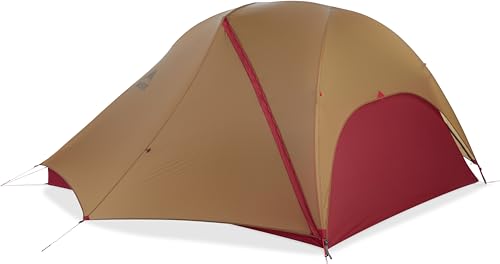
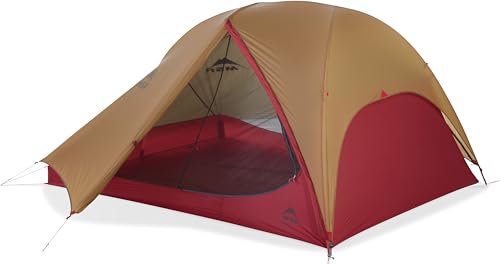
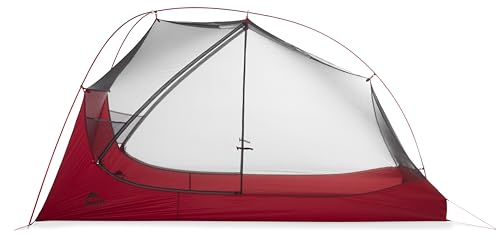
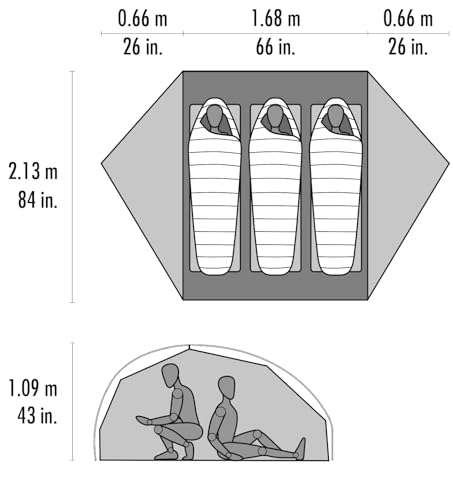
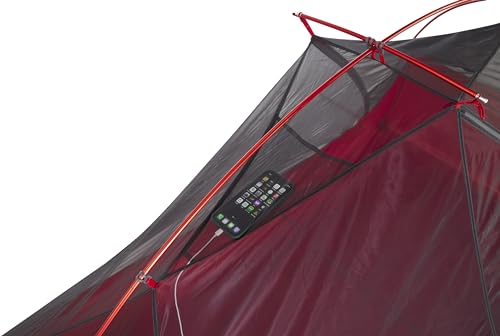
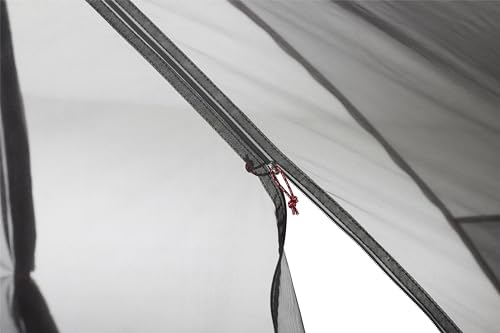
The MSR Freelite hits that sweet spot where ultralight meets livable, something I’ve seen few 3-person tents pull off without compromise. At just over 2 pounds, it’s exceptionally light for a semi-freestanding tent that still gives you vertical walls, 43 inches of headroom, and two full side-entry vestibules. Owners consistently report it standing up well in shoulder-season storms, thanks to the PFAS-free DuraShield coating and DAC NFL poles that are both strong and featherlight.
On paper, it’s built like a premium alpine shelter, and reviewers note the thoughtful details, like tech-friendly pockets with cable ports and anodized grommets, that make it feel dialed for serious backpackers. Compared to heavier models like the Elixir, the Freelite sacrifices a bit of durability for weight savings, but for those prioritizing packability without losing comfort, it’s hard to beat.
Product photos
Naturehike Cloud Up 3 Tent
Strengths
- Footprint included
- Freestanding design
- Good ventilation
Trade-offs
- Heavier than ultralight
- Poles not as strong
- Zippers can snag
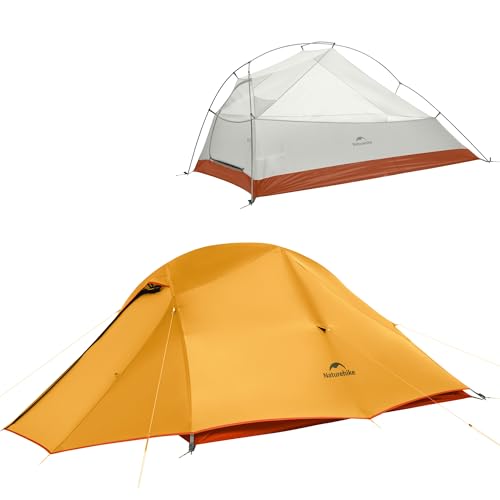
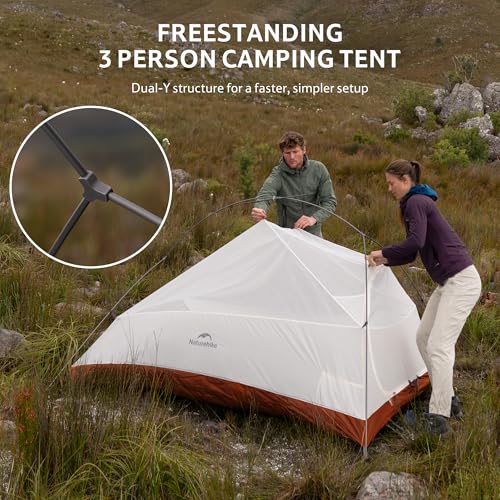
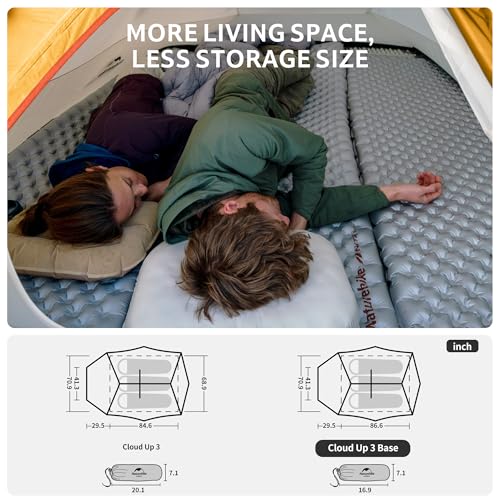
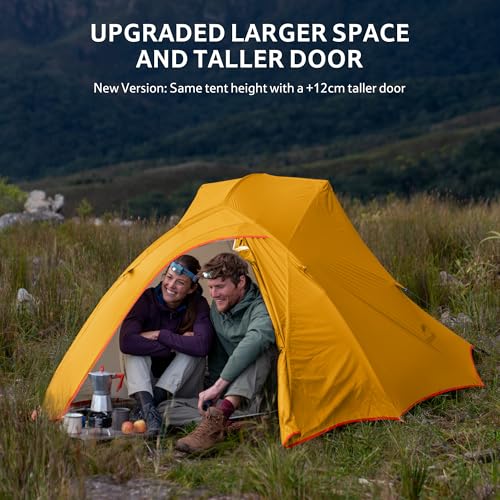
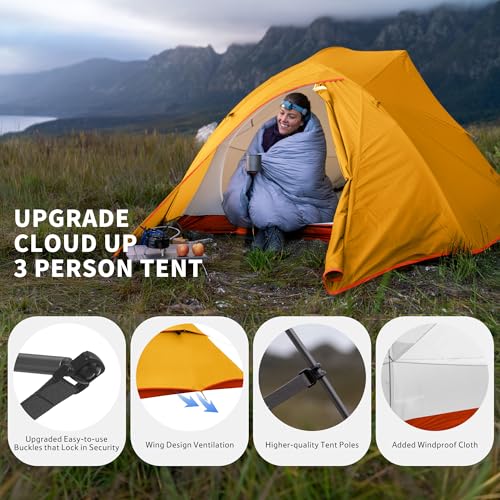
If you’re watching your budget but don’t want to skimp on space or weather protection, the Naturehike Cloud Up 3 is a standout. It’s not the lightest at 6.3 pounds, but what you get is a fully freestanding dome tent with a footprint included, a rare bonus at this price. The upgraded buckles and dual-Y pole system make setup a one-person job, and owners praise how stable it feels in wind, even with that tall 45-inch peak height.
The double-wall design with increased gap between fly and inner tent cuts down on condensation, a real pain point in cheaper models. While it doesn’t match the MSR or Marmot builds in long-term durability, for weekend warriors and casual backpackers, it delivers solid performance. I’d pick this over the Clostnature if you value included extras and easier pitching.
Product photos
Clostnature 3 Person Backpacking Tent

Strengths
- Excellent waterproofing
- Spacious layout
- Good ventilation
Trade-offs
- Mid-tier pole strength
- Heavier than ideal
- Stakes could be better
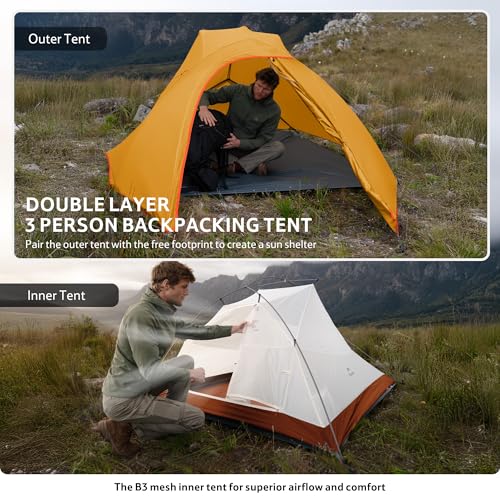
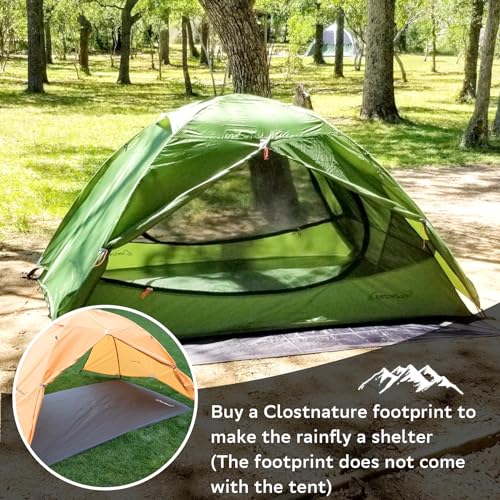
The Clostnature tent leans hard into weather protection with its PU 5000 coating, a spec that stands out in this category. That level of waterproofing, combined with sealed seams and a welded floor, makes it one of the more storm-ready options under $200. It’s not ultralight at 5.3 lbs trail weight, but for mountaineering or shoulder-season trips where rain and snow are real threats, that extra insurance matters.
Reviewers note the interior mesh walls offer solid airflow, and the dual D-shaped doors make entry easy without sacrificing structure. Compared to the Forceatt, it feels more rugged and better sealed, though not quite as quick to set up. The compact pack size helps, but the aluminum poles aren’t DAC-grade, so I wouldn’t push this in sustained high winds.
Product photos



MSR Elixir 3-Person Tent
Strengths
- Spacious interior
- Durable hardware
- Gear loft included
Trade-offs
- Heavy for ultralight
- Bulky packed size
- Higher price
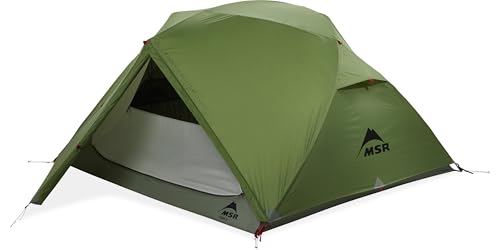
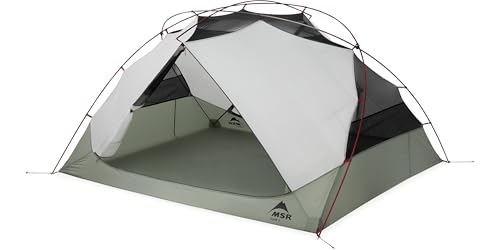
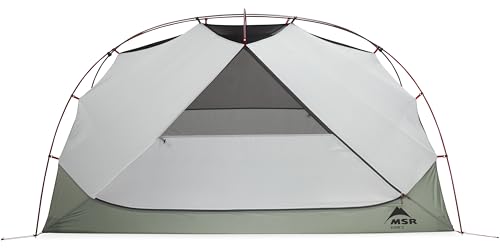
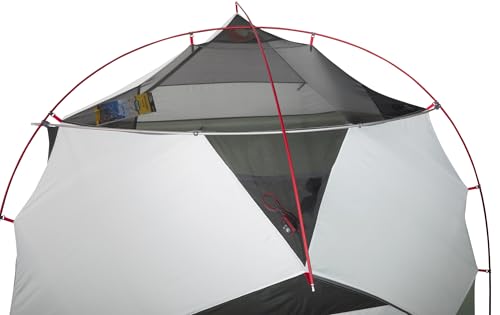
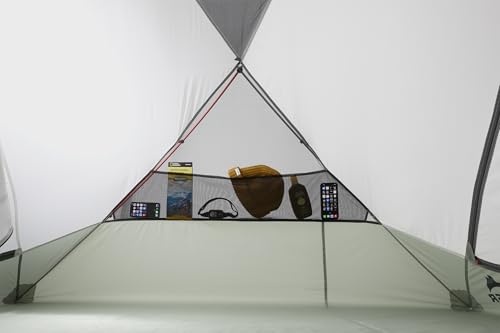
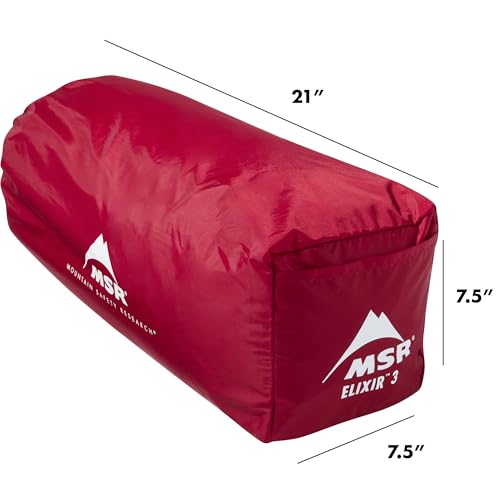
The MSR Elixir isn’t trying to win a weight race, it’s built for comfort, durability, and long-term trail use. At 6.1 lbs, it’s one of the heavier picks here, but that comes with trade-offs worth considering: near-vertical walls, a full rectangular floor, and all-metal hardware that won’t strip after two seasons.
Owners love the interior layout, it fits wide sleeping pads without crowding, and the mesh panels do a great job managing condensation. It’s also one of the few with a compatible gear shed, which adds serious utility for family or basecamp use. Compared to the Freelite, it’s overbuilt for fastpacking but perfect for those who want a do-it-all tent that won’t quit. My pick for multi-season family backpacking.
Product photos
Forceatt 3 Person Ultralight Tent

Strengths
- Blazing fast setup
- Smooth zippers
- Good headroom
Trade-offs
- Poor ventilation
- Mid-grade waterproofing
- Average stake quality
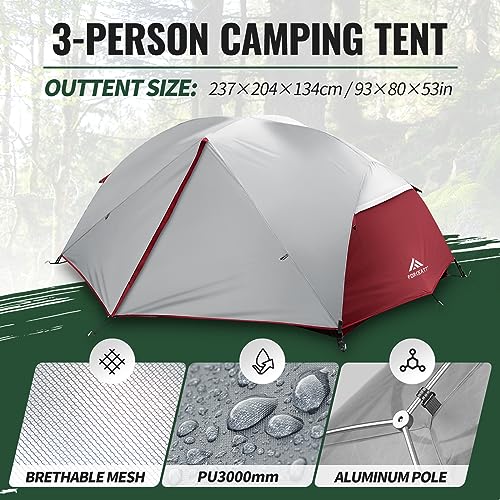
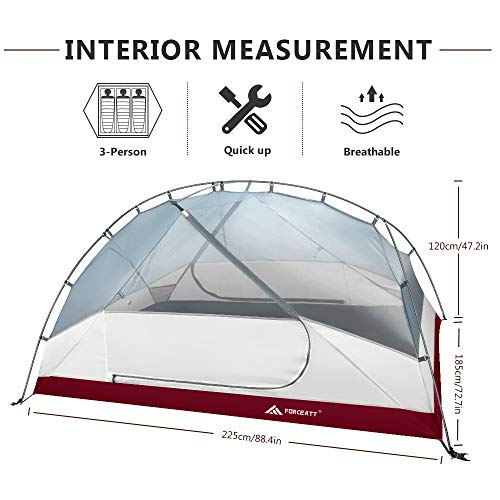
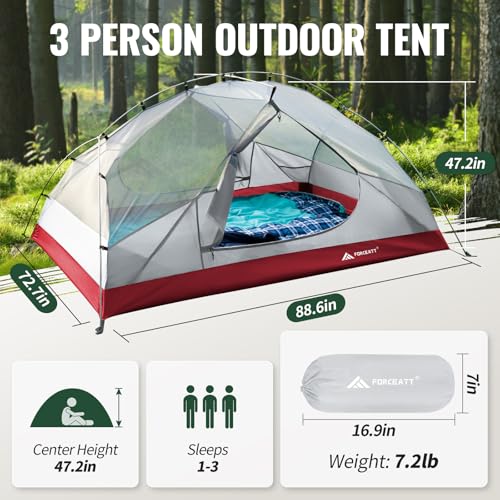
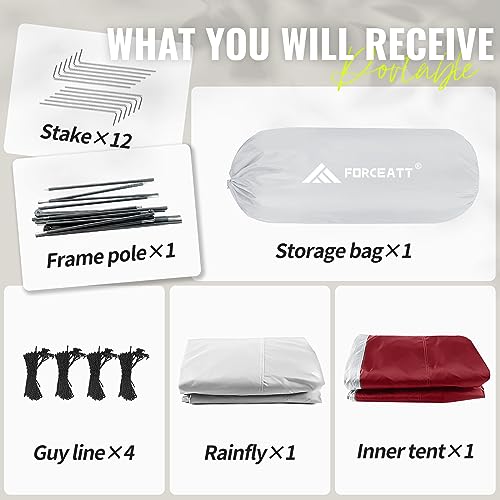
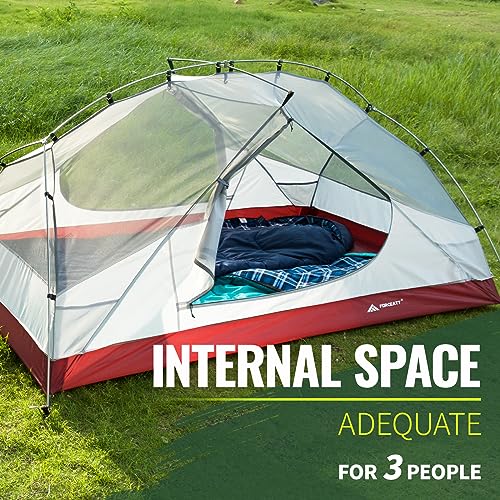
The Forceatt 3-person tent markets itself on speed, 3-minute setup, and for car campers or fair-weather backpackers, that’s a legit win. It’s not the lightest or most weatherproof, but owners consistently say it’s the tent they grab when they want to pitch and forget about it. The smooth #8 zippers and simple pole design make it idiot-proof, which matters after a long day on the trail.
Where it falls short is in airflow and long-term durability. The mesh is limited, so condensation builds up faster than in models like the Cloud River or Elixir. And while the 70D polyester holds up fine in light rain, it’s not built for prolonged downpours. Compared to the Marmot Crane Creek, it lacks the premium materials and wind stability. But for quick trips and beginner campers, it gets the job done.
Product photos
Naturehike Cloud River 3 Tent
Strengths
- Outstanding airflow
- 360° visibility
- UV-protective fly
Trade-offs
- Lower waterproof rating
- Not for cold weather
- Vestibules are small
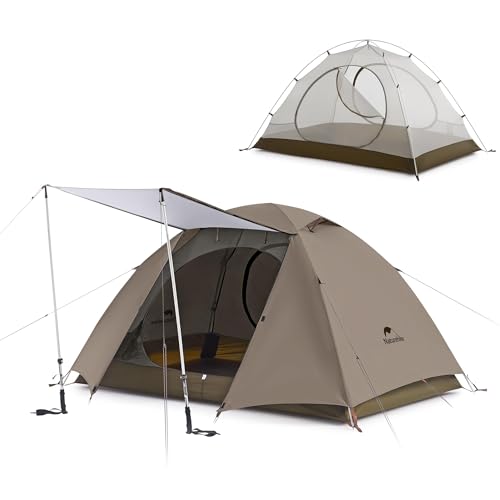
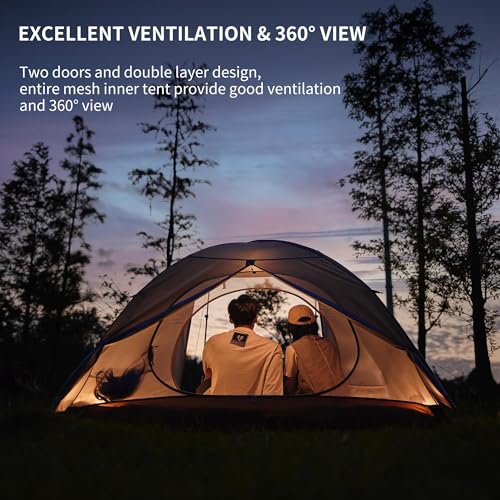
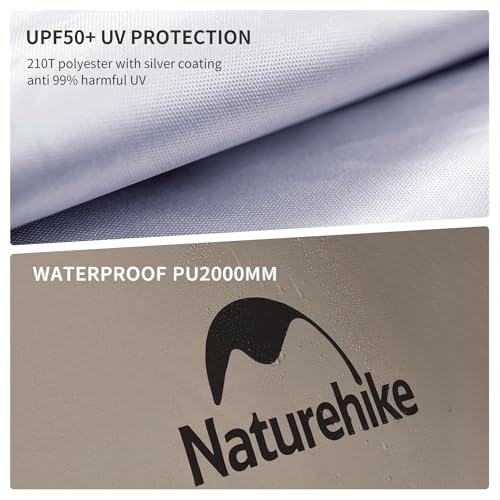
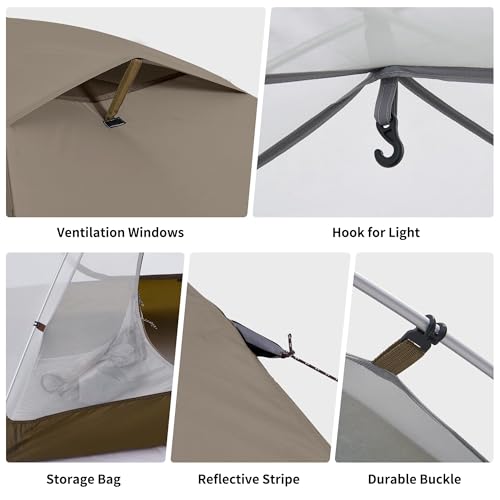
The Cloud River shines where most tents struggle: ventilation and visibility. With nearly all-mesh walls and two doors plus two roof vents, it moves air like a screen house, making it ideal for humid or buggy conditions. Owners consistently praise how little condensation builds up, even in cool, damp weather.
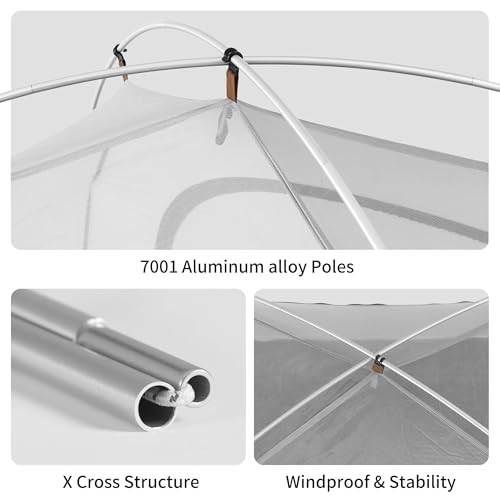
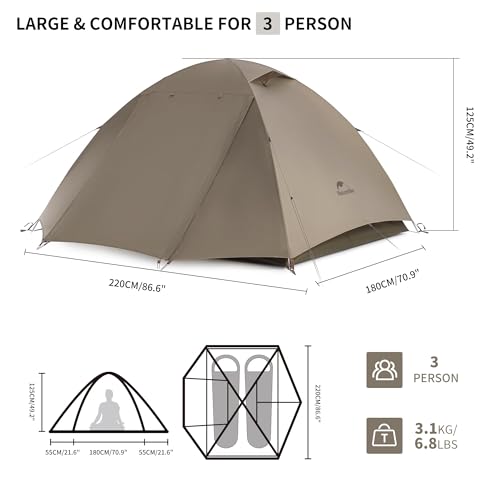
At 6.8 lbs, it’s not ultralight, but the X-cross pole design and 7001 aluminum alloy make it sturdy and quick to pitch, closer to the Forceatt in speed but far better ventilated. The silver-coated fly offers UPF50+ protection, a nice bonus for sunny climates. Compared to the Cloud Up, it trades a bit of weather resistance (2000mm vs 3000mm) for breathability and view. I’d choose it for summer trips in the Southeast or Pacific Northwest.
Product photos
Marmot Crane Creek 3P Tent
Strengths
- Excellent wind stability
- Durable pole construction
- PFAS-free materials
Trade-offs
- No footprint included
- Heavier than ultralight
- Smaller floor space
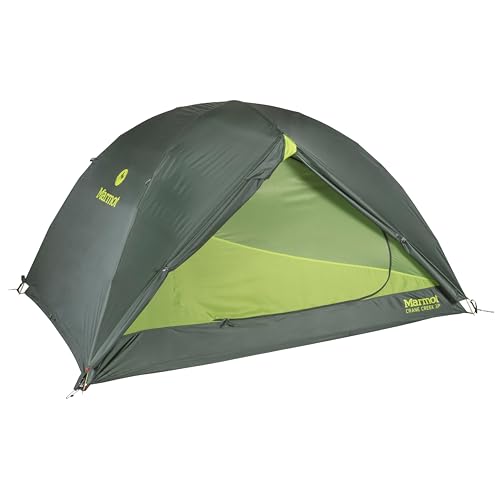
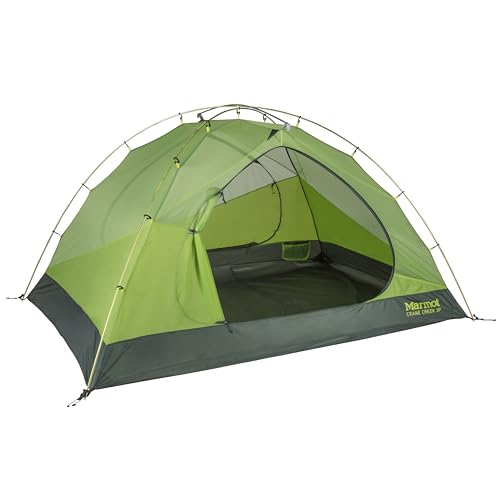
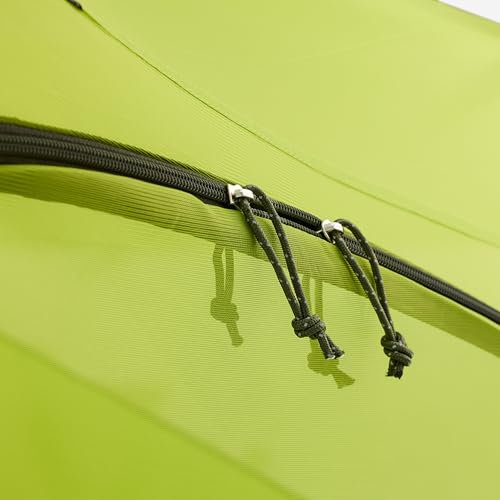
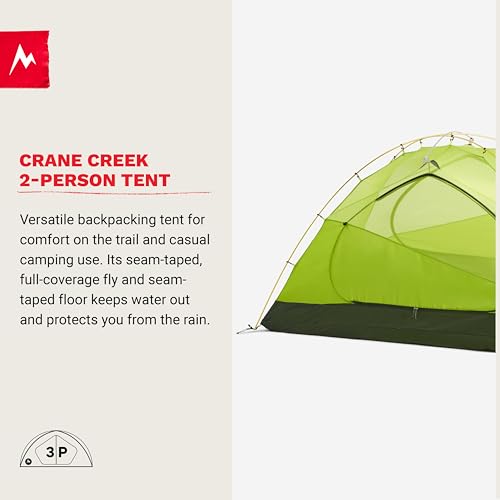
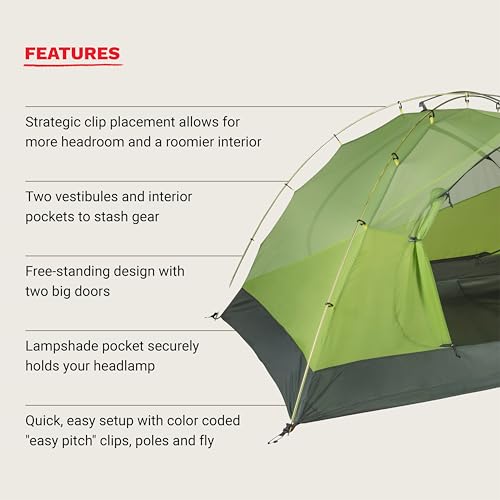
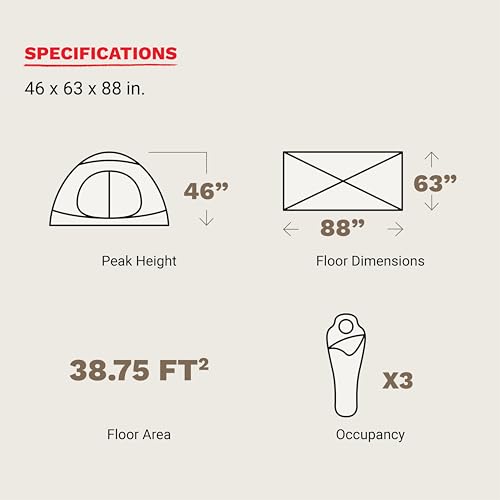
When wind is in the forecast, the Marmot Crane Creek stands out. Its 7000-series aluminum poles are a major stability upgrade over standard alloys, and owners report it shrugging off gusts that flattened lighter domes. At 41.5 sq ft, it’s not the roomiest, but the two D-doors and dual vestibules make living in it feel efficient.
The build is straightforward, no frills, but no weak points either. It’s PFAS-free, which aligns with cleaner outdoor gear trends, and the seam-taped fly keeps moisture out. However, the footprint is sold separately, which stings a little at this price tier. Compared to the MSR Freelite, it’s heavier and less packable, but I’d still pick the Crane Creek for exposed alpine ridges or shoulder-season trips where wind is the real enemy.
Product photos
How We Chose These ultralight 3 person tents
Rather than a hands-on lab test, this is a research-led comparison of specifications and owner feedback from across the market. I dove into the details of each tent – floor area, packed weight, materials used – alongside carefully reading through hundreds of owner reviews and professional assessments. This allowed me to build a ranking based on real-world performance as reported by those who actually use these tents, combined with my own understanding of what makes for a good shelter in varied conditions.
For ultralight 3-person tents, weight, waterproofness, and usable space were the factors I weighted most heavily. Keeping the pack weight down is crucial for backpacking, and a tent’s ability to withstand rain and wind is paramount for comfort and safety. Finally, a spacious interior makes a big difference on longer trips, so I prioritized designs that maximize livable area without a significant weight penalty.
Specifications reliably indicate a tent’s potential weight and dimensions. However, owner reviews and reputation proved invaluable for assessing real-world waterproofness, durability, and ease of setup. I paid close attention to recurring complaints or praise regarding condensation, pole failures, or zipper issues. You’ll find many of these tents are produced by top ultralight tent brands, and understanding their overall quality control is important.
What To Look For In ultralight 3 person tents
Finding the right shelter for three people without breaking your back is a balancing act. I’ve seen plenty of tents marketed as “ultralight” that feel anything but when you’re actually on the trail.
A truly good ultralight 3-person tent prioritizes minimizing weight through material selection (think nylon and polyester denier), pole construction (aluminum alloys are key), and streamlined designs. Look for tents under 4 pounds total weight, with a focus on durable waterproof coatings (PU ratings of 3000mm or higher are a good starting point) and effective ventilation to manage condensation. Pay attention to the packed size as well – a compact footprint is crucial for backpacking.
Weight Versus Livability
The core trade-off with ultralight tents is always space for weight. Many manufacturers shave ounces by sacrificing headroom or floor area. I generally advise prioritizing a usable floor area over a few extra inches of height; you’ll spend more time lying down than standing up in a tent. Consider your group’s size and typical sleeping arrangements. If you’re consistently squeezing three larger individuals into a cramped tent, you’ll quickly regret skimping on interior space. Don’t assume bigger is always better, though. More fabric equals more weight, so finding that sweet spot is essential.
Waterproofing and Fabric Denier
Waterproofing is obviously critical, but it’s not just about the PU (polyurethane) coating number. The fabric itself matters. A higher denier (D) number indicates a thicker, more durable fabric, which will generally withstand abrasion better and last longer. However, higher denier also adds weight. Many modern ultralight tents are employing ripstop nylon or polyester, which offer a good balance of weight and tear resistance. I always recommend looking into tent fabric materials explained to understand the pros and cons of each.
- A 20D nylon or polyester fly offers excellent weight savings, but may be more susceptible to damage.
- A 30D fabric provides a noticeable increase in durability without a huge weight penalty, and is a solid choice for frequent use.
- Anything above 40D starts to feel heavy for an ultralight tent, but offers significant peace of mind if you anticipate rough conditions or are hard on your gear.
A well-maintained rainfly and properly seam-sealed tent will protect you far better than a high PU coating on flimsy fabric.
Setup and Features
Ease of setup can be a lifesaver after a long day of hiking. Look for tents with a simple, intuitive design and a color-coded pole system. Freestanding tents are generally easier to pitch than semi-freestanding or non-freestanding models, especially on uneven ground. Beyond that, consider features like vestibule space (for storing gear), interior pockets (for organization), and ventilation options (mesh panels, adjustable vents) to enhance your comfort. If you’re seeking a particularly lightweight setup, explore backpacking 3-person tents that prioritize minimalism. I also suggest checking out some of the top lightweight 3-person shelters available this year.
Ultralight 3 Person Tents Compared
Here’s a comparison of key specifications for popular ultralight 3-person tents to help you make an informed decision.
| Product Name | Min Trail Weight | Packed Size | Floor Area (sq ft) | Waterproof Rating (mm) | # Doors |
|---|---|---|---|---|---|
| MSR Freelite 3-Person Tent | 2 lbs 6 oz | N/A | N/A | N/A | 2 |
| Naturehike Cloud Up 3 Tent | 6.3 lbs | 16.9″ x 6.7″ | N/A | 3000 | 2 |
| Clostnature 3 Person Tent | 5.29 lbs | 16.5″x6.3″x6.3″ | 43.6 | 5000 | 2 |
| MSR Elixir 3-Person Tent | 6 lbs 1 oz | N/A | 70 | N/A | 2 |
| Forceatt 3 Person Tent | 2.98 kg (6.5lbs) | 43 x 18 cm | N/A | 2000 | 1 |
| Naturehike Cloud River 3 Tent | 3.1kg (6.8lbs) | 52 x 16 x 16cm | N/A | 2000 | 2 |
| Marmot Crane Creek 3P Tent | N/A | N/A | 41.5 | N/A | 2 |
Frequently Asked Questions
What’s the realistic lifespan of an ultralight tent?
Generally, an ultralight tent will last 3-5 years with consistent use, but this heavily depends on fabric quality and how well you maintain it. More durable fabrics like 40D nylon will last longer than thinner 20D materials, and regular cleaning and proper storage are crucial for extending its life.
Are freestanding ultralight tents actually lighter?
Freestanding tents often weigh a bit more(around .5 to 1 lb) than non-freestanding models because they require more poles and a more complex structure. However, the convenience of quick, easy pitching on various terrains is a worthwhile trade-off for many backpackers, especially if you frequently camp on rocky or uneven ground.
What does a high PU coating really tell me?
A higher PU coating (above 3000mm) indicates greater water resistance, but it’s not the whole story. The quality of the fabric itself, the tent’s seam sealing, and the rainfly’s coverage are all equally important. A well-designed tent with a lower PU coating can outperform a poorly constructed tent with a very high rating.
If I’m often camping with just two people, is a 3-person tent overkill?
While you can certainly use a 3-person tent for two people, it’s not necessarily overkill. The extra space allows for more comfortable lounging and gear storage, which is especially nice on longer trips. If you prioritize pack weight above all else, consider looking at best 3-person backpacking tents designed specifically for minimalist adventurers.
What’s the best way to prevent condensation inside my tent?
Good ventilation is the key. Look for tents with mesh panels in the fly and body, and always ensure adequate airflow by opening vents whenever possible. Positioning your tent in a well-ventilated spot, away from sheltered areas, and avoiding camping near water sources can also help minimize condensation buildup.
The Bottom Line
Choosing an ultralight 3-person tent always comes down to how much you value weight versus comfort and durability. You can chase the absolute lightest numbers, but you’ll likely sacrifice space and potentially weather protection. For the best overall balance of these factors, I consistently recommend the MSR Freelite 3-Person Tent. It strikes a solid middle ground, offering a respectable weight with a reputation for quality construction and livability.
If you’re on a tighter budget, the Clostnature 3 Person Tent delivers a surprising amount of space and weather protection for the price. For those who prioritize versatility and are willing to carry a slightly heavier load, the MSR Elixir 3-Person Tent provides a very comfortable and well-featured shelter. Understanding key factors in tent selection will help you narrow down what really matters to you.
Ultimately, the specs on a tent are just numbers. Focusing on solid construction, a dependable rainfly, and a design that suits your typical camping style will serve you far better than obsessing over a few extra ounces. Remember, a good night’s sleep in the backcountry is priceless, and that starts with choosing a shelter you can rely on.
