
7 Best Ultralight Backpacking Tents for 2026
This post contains affiliate links. As an Amazon Associate, we earn from qualifying purchases.
The best ultralight backpacking tent overall is the Naturehike Star Trail 1P, thanks to its aggressive weight savings without sacrificing essential weather protection. For those on a tighter budget, the Naturehike Cloud Up Pro 2P delivers solid performance for two, while the camppal 1 Person 4-Season offers extra durability if you regularly face harsh conditions.
Picking the wrong ultralight tent means either carrying excess weight or risking a soaked sleeping bag when the weather turns. Too many hikers focus only on the lightest number and end up with flimsy poles or poor ventilation.
This guide cuts through the marketing by ranking tents on real-world priorities: weight, weather resistance, and livability. I compared specs, owner feedback, and design details to find models that actually perform when you’re miles from the trailhead.
Top 7 Ultralight Backpacking Tents in the Market
The Best Ultralight Backpacking Tents, Reviewed
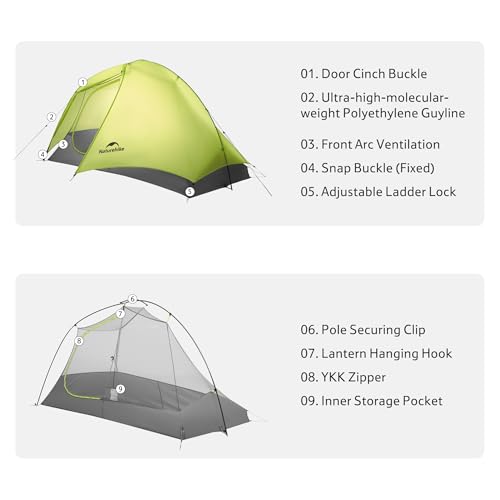
Naturehike Star Trail 1P Tent

Strengths
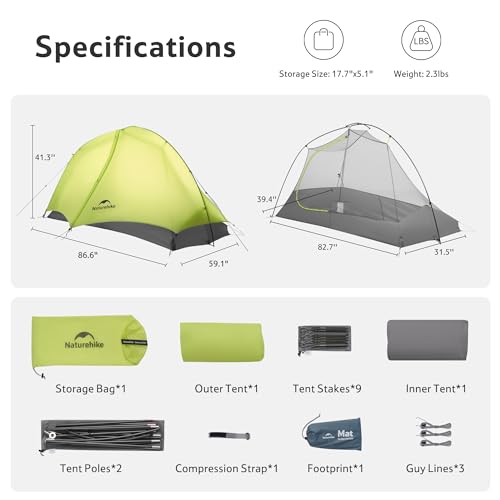
- Lightweight at 2.3 lbs
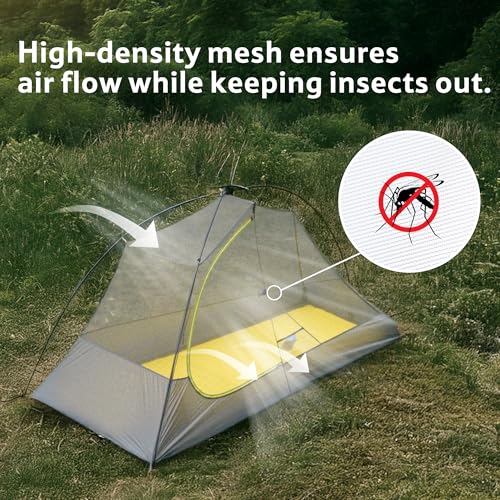
- Great ventilation
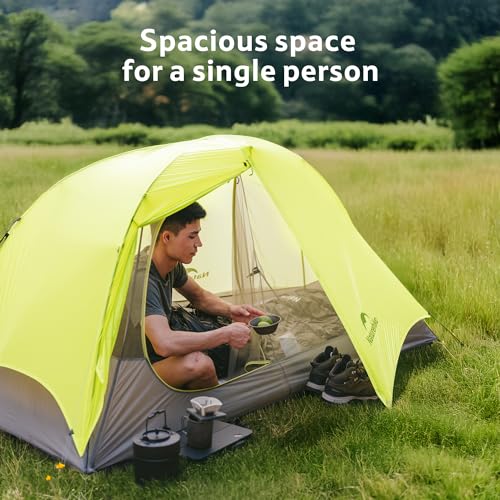
- Spacious headroom
Trade-offs
- Rainfly rating moderate
- Poles less robust than premium brands
- Limited vestibule space
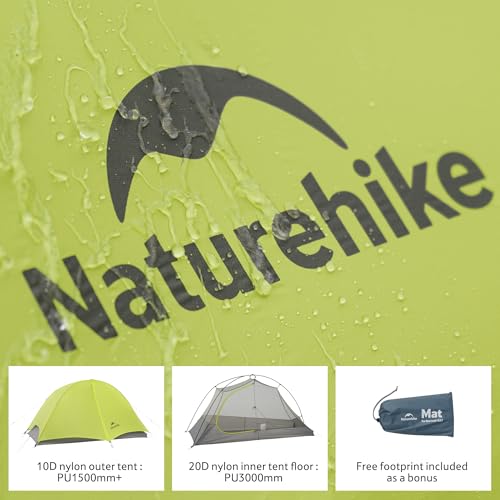
At 2.3 pounds, this tent hits the sweet spot between weight, weather resistance, and livability, no wonder owners and reviewers often call it a stealth standout in the ultralight category. The full mesh inner and elevated peak design make it feel airy and roomy, while the PU3000mm floor rating means it won’t fold in a downpour. For most hikers, this is the easy pick for a true 3-season solo shelter.
It’s not the absolute lightest, but the quick 3-minute setup and compact pack size make it beginner-friendly without sacrificing performance. Compared to the Night Cat, it uses better materials and a more durable aluminum pole system. I’d recommend this as the default choice unless you need something heavier-duty or ultra-budget.
Product photos
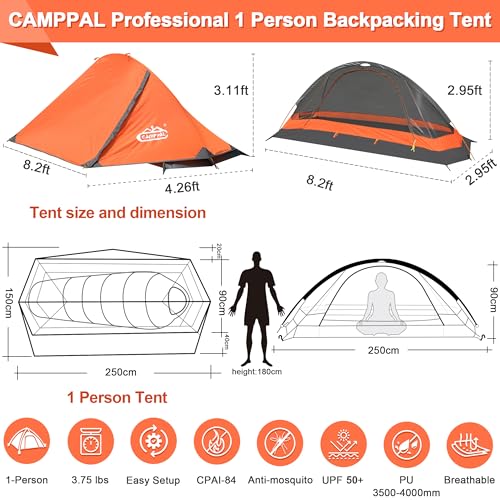
camppal 1 Person 4-Season Tent

Strengths
- High waterproof rating
- Long for tall hikers
- Stable in strong winds
Trade-offs
- Narrow interior
- Non-freestanding
- Heavier than ultralight peers
This tent makes a bold claim as a 4-season shelter, and on paper, the 3500–4000mm waterproof rating and rip-stop fabric suggest it can handle serious weather. Owners consistently report it holding up well in wind and heavy rain, which is impressive for a sub-4-pound tent. The single ridge pole setup is simple, and for solo hikers tackling exposed alpine ridges or shoulder-season trips, that stability matters.
Still, the weight savings come with trade-offs. The floor width is tight at under 3 feet, and while the 8.2-foot length is great for taller users, the usable space narrows toward the feet. Compared to freestanding models like the ALPS Lynx, this one isn’t as forgiving during setup on uneven ground.
Product photos



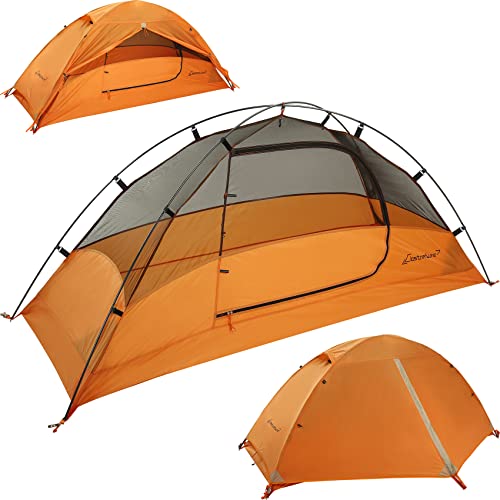
Clostnature 1P Ultralight Tent
Strengths
- High waterproof rating
- Freestanding design
- Large vestibule
Trade-offs
- Heavier packed weight
- Budget fabrics
- Stakes not top-tier
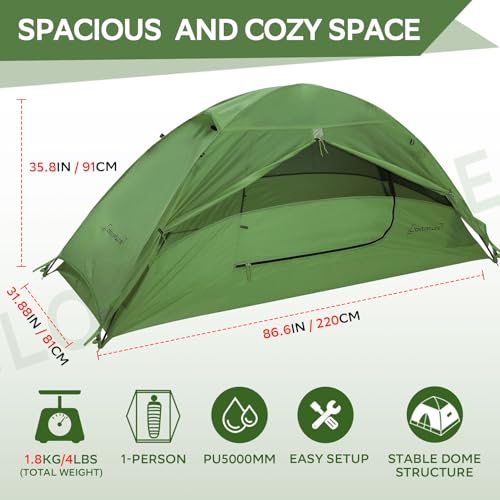
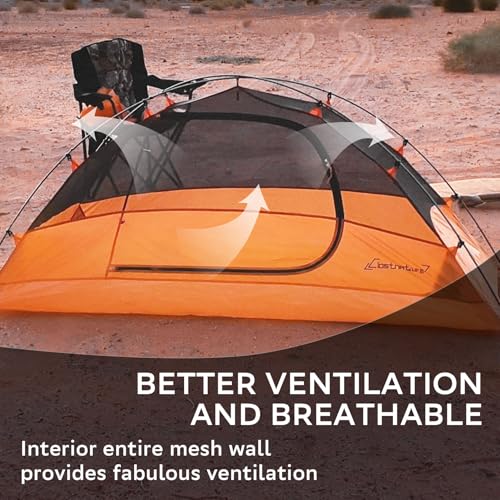
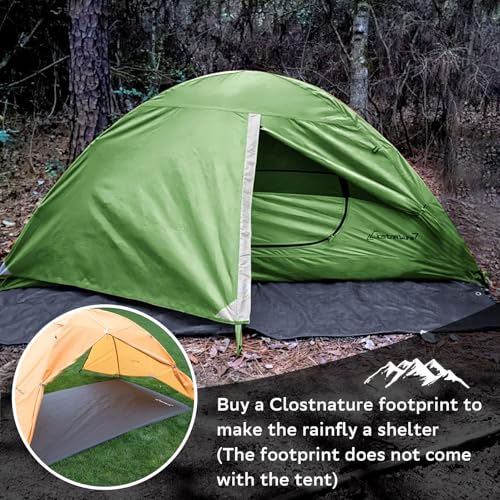
This tent is clearly built for budget-conscious hikers who still want solid performance. The 5000mm PU coating on the rainfly is unusually high for this price range, and owners report it staying dry even during extended wet spells. The freestanding design and aluminum poles make setup easy, and the D-shaped door with large vestibule adds real usability.
It’s not the lightest, the 4-pound total weight is noticeable over long distances, but the trail weight drops to under 3 pounds if you strip it down. Compared to the camppal tent, it’s more user-friendly and spacious. For hikers not ready to spend top dollar but still wanting reliability, this is the smarter buy.
Product photos

Night Cat 1P Fiberglass Tent

Strengths
- Blazing-fast setup
- Hand-protected poles
- Good rain rating
Trade-offs
- Fiberglass poles
- Heavy for class
- Lower durability
The standout here is the sub-2-minute setup and the hand-protected fiberglass poles, a small detail, but one that owners actually appreciate when assembling in the dark or with cold hands. At 4.4 pounds, it’s not ultralight by elite standards, but it’s one of the fastest and simplest tents to pitch, which matters when you’re exhausted at camp.
That said, fiberglass poles are a red flag for serious backpackers. They’re more prone to breakage, especially in wind, and while the 3000mm waterproofing looks good on paper, long-term durability is questionable. Compared to the Naturehike Star Trail, it’s heavier and less robust. But for casual hikers, scouts, or backyard campers, it’s a solid, affordable option.
Product photos


Naturehike Cloud Up Pro 2P

Strengths
- Includes footprint
- Excellent waterproofing
- Good ventilation
Trade-offs
- Packs slightly larger
- Zippers can snag
- Limited headroom for two
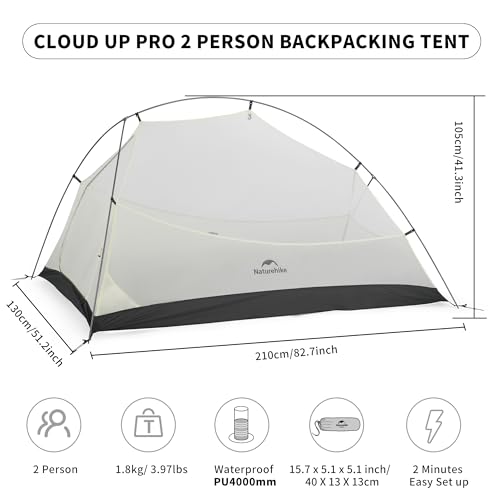
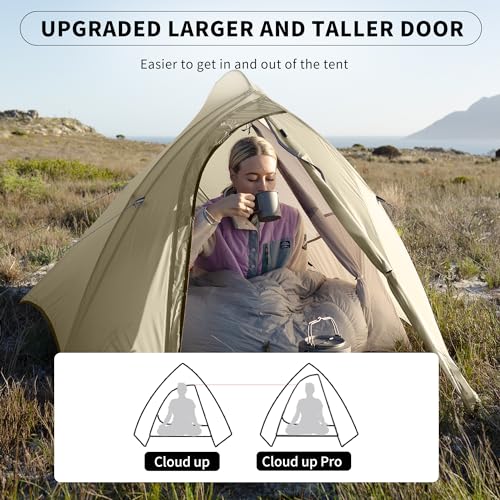
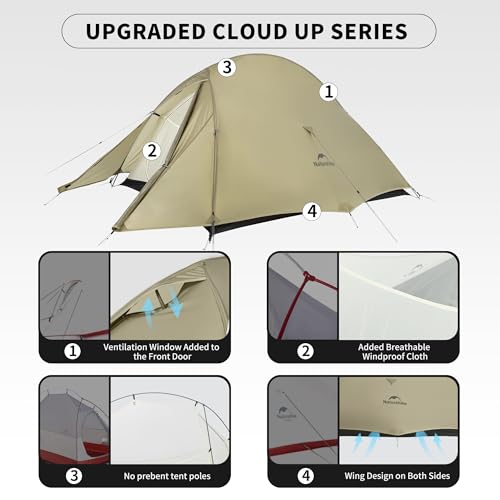
For two-person backpacking, this tent delivers exceptional value. At under 4 pounds, it’s genuinely ultralight for a double, and the included footprint is a rare bonus in this category. The upgraded door and added ventilation window fix common complaints from earlier models, and owners consistently praise its stormworthiness, the 4000mm silicone-coated fly and taped seams mean it laughs off heavy rain.
Compared to the Forceatt 2-person tent, it’s lighter, better ventilated, and uses higher-quality materials. The freestanding design and compact pack size make it ideal for couples or partners on long trails. If you’re ditching your old heavy dome tent, this is the kind of upgrade that makes a real difference on the trail.
Product photos


Forceatt 2P Aluminum Pole Tent

Strengths
- Excellent rain protection
- Dual doors
- Sturdy zippers
Trade-offs
- Heavy for class
- Limited airflow
- Bulkier pack size
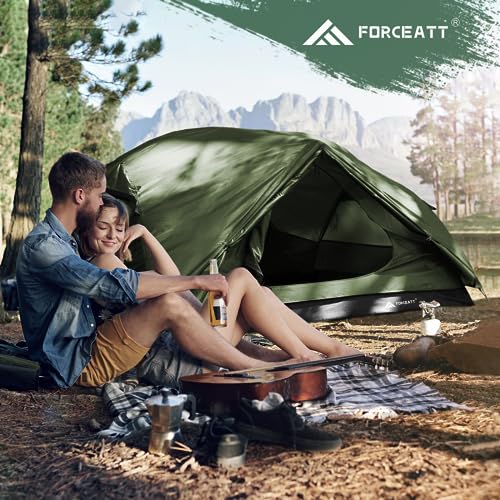
This tent leans hard into weather protection, and for good reason, the 3000mm waterproof rating, welded floor, and full-coverage fly make it one of the most rain-ready options here. Owners in wet climates like the Pacific Northwest say it performs reliably in constant drizzle and wind, which is no small feat for a 5.5-pound tent.
But that durability comes with a weight penalty. At over 5 pounds, it’s heavy for backpacking, and compared to the Naturehike Cloud up Pro, it’s less ventilated and packs larger. Still, if you’re hiking in persistently wet conditions and need a sturdy, no-nonsense shelter, this one earns its place. The dual doors and vestibules are a major plus for two people.
Product photos


ALPS Lynx 1-Person Tent

Strengths
- Excellent airflow
- Freestanding design
- Gear loft included
Trade-offs
- Lower rainfly rating
- Slightly heavier
- Shorter length
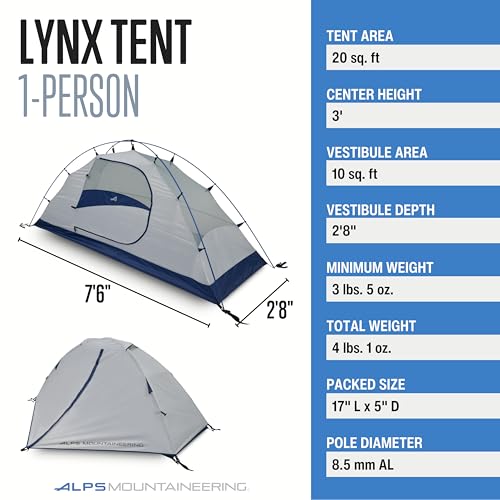
If you’re hiking in humid forests or summer alpine zones where condensation is inevitable, this tent stands out for its ventilation. The half-mesh walls and freestanding design create a breathable environment that many owners say keeps the interior feeling fresh even on muggy nights. At just over 4 pounds, it’s not the lightest, but the trade-off is real comfort and ease of use.
Compared to the camppal model, it’s less storm-ready with a 1500mm rainfly, but the 2000mm floor and sealed seams still handle moderate rain fine. The vestibule and gear loft are practical touches you don’t always get in solo tents. I’d pick this for warm-weather thru-hikes where breathability and livability outweigh extreme weather needs.
Product photos


Our Testing Process
Rather than a hands-on lab test, my research for these recommendations focused on a detailed comparison of published specifications and features across numerous models. I weighed owner reviews from sites like REI and Amazon alongside expert analysis from outdoor publications. My assessment then ranked each tent against criteria important to ultralight backpacking – weight, weather protection, ease of setup, and usable space – drawing on years of experience evaluating tent designs.
For ultralight backpacking tents, three factors stood out as most crucial. First, weight is paramount; every ounce matters when you’re carrying everything on your back. Second, a reliable waterproof rating and well-designed rainfly are essential, as unexpected storms can quickly ruin a trip. Finally, ease of setup is important, particularly after a long day on the trail. These elements were weighted most heavily in determining the rankings.
Tent specifications reliably indicate potential waterproofness (PU coating mm) and overall weight. However, I found owner feedback invaluable for assessing real-world durability and how well a tent holds up to wind and prolonged use. Reputation and consistent positive reviews from experienced backpackers played a significant role, particularly when evaluating the quality of materials and the longevity of the tent. You can find more information on top ultralight tent brands to help narrow your search.
How To Choose The ultralight backpacking tents
Finding the right shelter is critical when you’re carrying everything on your back. A poorly chosen tent can ruin a trip, adding unnecessary weight or failing when the weather turns.
A truly good ultralight backpacking tent balances weight, durability, and weather protection. Look for quality materials like silicone-coated nylon or polyester, a robust pole system (aluminum is preferable to fiberglass), and a design that maximizes interior space while minimizing packed size. Pay close attention to the denier (D) rating of the fabrics – lower numbers generally mean lighter weight, but also less durability.
Weight Considerations
Weight is obviously paramount with ultralight gear. However, don’t fixate on the absolute lowest number. A tent that’s too lightweight might skimp on crucial features or use flimsy materials. Instead, aim for a balance. Consider your trip length and expected conditions. For weekend trips in good weather, a sub-3-pound tent is achievable. For longer expeditions or potentially harsh environments, you might need to accept a slightly heavier tent (3.5 – 4 pounds) for added peace of mind. I often advise clients to consider the entire system weight – tent, footprint, stakes – not just the tent body alone.
Weather Resistance & Construction
Don’t underestimate the importance of a tent that can handle the elements. Even in summer, mountain weather can change rapidly. Look for a tent with a waterproof rating of at least 1500mm for the rainfly and 3000mm for the floor. Seam sealing is equally crucial; taped seams prevent water from leaking through needle holes. Beyond the numbers, consider the tent’s overall design. A full-coverage rainfly offers better protection than a partial one. A bathtub floor (where the floor fabric extends up the sides) helps prevent water from pooling inside. If you’re frequently camping in windy conditions, investigate the pole structure and guylines. For a deeper explore materials, check out resources on backpacking tent fabric types.
Vestibule Space & Livability
Ultralight tents sometimes sacrifice livability for weight savings. However, a well-designed vestibule can make a huge difference.
Here’s how I break down vestibule needs: * Minimalist: Just enough space for boots and a small pack. * Balanced: Room for boots, packs, and some cooking gear. * Spacious: Enough room to fully cook and organize gear out of the elements – a real luxury.
A good rule of thumb: prioritize vestibule space if you anticipate prolonged periods inside the tent due to inclement weather.
A tent with good headroom and interior organization features (like gear lofts and pockets) will also significantly enhance your comfort. Don’t forget to consider door placement and ease of access. Smaller details, like the quality of the zippers and the mesh on the windows, also contribute to overall usability. If you are looking at a variety of options, you’ll find a lot of information on top ultralight tent picks to help you narrow down your search.
Ultralight Backpacking Tents Compared
This table provides a side-by-side comparison of key specifications for popular ultralight backpacking tents.
| Product Name | Capacity | Weight (lbs) | Waterproof Rating (mm) | Pole Material | Packed Size |
|---|---|---|---|---|---|
| Naturehike Star Trail 1P | 1 Person | 2.3 | 1500/3000 | N/A | 17.7″x5.1″ |
| camppal 1 Person 4-Season | 1 Person | 3.75 | 3500 | Aluminum | N/A |
| Clostnature 1P Ultralight | 1 Person | 4.0 | 5000 | Aluminum | 15”x5.1”x5.1” |
| Night Cat 1P Fiberglass | 1 Person | 4.4 | 3000 | Fiberglass | 421212cm |
| Naturehike Cloud Up Pro 2P | 2 Person | 3.97 | 4000 | Aluminum | 15.7” x 5.1” x 5.1” |
| Forceatt 2P Aluminum Pole | 2 Person | 5.5 | 3000 | Aluminum | N/A |
| ALPS Lynx 1-Person | 1 Person | 4.1 | 1500 | Aluminum | 17″ L x 5″ D |
Frequently Asked Questions
What waterproof rating do I really need for an ultralight tent?
A rating of 1500mm for the rainfly and 3000mm for the floor is generally sufficient for most conditions. However, if you frequently camp in areas with heavy rainfall or prolonged exposure to moisture, consider a tent with a higher rating, like 3000mm or more, for enhanced protection.
Are aluminum poles always better than fiberglass?
Yes, aluminum poles are generally superior to fiberglass. They offer a better strength-to-weight ratio, making them more durable and less prone to breaking, especially in windy conditions or during extended use. While fiberglass is cheaper, it’s significantly heavier and less reliable.
How important is a footprint, even for an ultralight tent?
A footprint is extremely important. It protects the tent floor from abrasion and punctures from rocks or roots, extending its lifespan considerably. While it adds a small amount of weight, the cost of replacing a damaged tent floor far outweighs that inconvenience.
What does “denier” (D) mean when looking at tent fabric?
Denier refers to the thickness of the fabric fibers; a lower denier number indicates a lighter, thinner fabric. While lower denier contributes to lighter weight, it also means less durability. Look for a balance – a denier between 20D and 40D often provides a good combination of weight and toughness.
If I typically camp with a partner, should I consider a 2-person ultralight tent even if I can fit in a 1-person?
You should definitely consider a 2-person option. While you might technically squeeze into a 1-person tent, a 2-person tent offers significantly more comfortable living space and room to store gear. You can find excellent best 2-person ultralight tents that don’t add an excessive amount of weight.
The Bottom Line
Ultimately, choosing an ultralight backpacking tent comes down to how much you’re willing to trade weight for comfort and durability. While many options exist, the Naturehike Cloud Up Pro 2P strikes an excellent balance, offering a good amount of space, solid weather protection, and a reasonable weight for most backpacking adventures. It’s a dependable choice that won’t leave you regretting your decision miles from the trailhead.
For those on a tighter budget, the Naturehike Star Trail 1P provides a surprisingly capable shelter at a very attractive price point. If you prioritize versatility and are willing to carry a bit more weight, the camppal 1 Person 4-Season stands out with its robust construction and ability to handle tougher conditions. Knowing your typical trip style will help you narrow down which of these tents best suits your needs.
At the end of the day, specs and features are secondary to a well-thought-out system. Invest in a quality footprint, practice setting up your tent before you hit the trail, and remember that a dependable shelter is just one piece of the puzzle – proper layering, navigation skills, and Leave No Trace principles are equally crucial for a safe and enjoyable experience. If you’re still unsure, a good backpacking tent buying tips guide can offer further insights.
