
7 Best Ultralight Hiking Tents of 2026
This post contains affiliate links. As an Amazon Associate, we earn from qualifying purchases.
The Naturehike Star Trail 1P is the best overall ultralight hiking tent for its low weight, solid waterproofing, and compact pack size. If you’re on a budget, the Underwood Trekking Pole Tent 1P delivers strong weather protection without breaking the bank, and for those who value ease of setup, the Night Cat 1P offers a reliable dome design that pitches quickly.
I’ve spent years analyzing what makes a tent survive real trail conditions, rain, wind, and relentless use, and ultralight models walk a fine line between weight savings and durability. Too often, hikers sacrifice protection for grams and end up soaked or suffocating in condensation.
This guide cuts through the marketing by focusing on what actually matters: verified specs, owner experiences, and design details that impact performance. I compared waterproof ratings, materials, and packed sizes across top models, weighing them against real-world feedback to find the ones that deliver when you’re miles from the trailhead.
Top 7 Ultralight Hiking Tents in the Market
The Best Ultralight Hiking Tents, Reviewed
Naturehike Star Trail 1P Tent

Strengths
- Extremely lightweight
- Superb airflow
- Comfortable headroom
Trade-offs
- Floor not 4-season durable
- Minimal vestibule
- Narrow at foot end
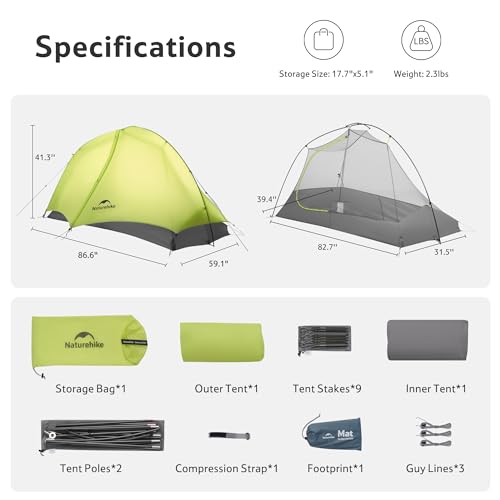
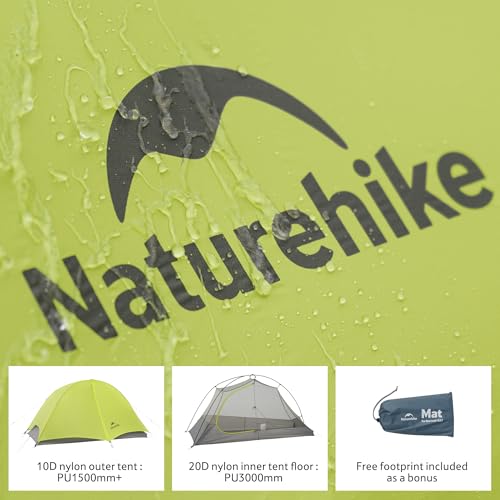
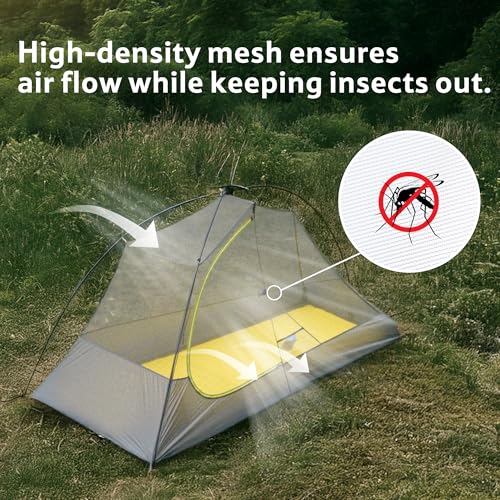
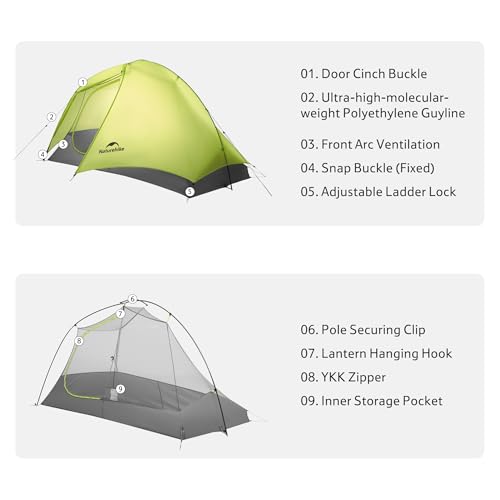
This is the tent I’d recommend to most solo hikers looking for balance. At 2.3 lbs, it’s genuinely ultralight, and the 17.7-inch pack size slips easily into any backpack. The 10D nylon isn’t the burliest, but the PU1500–3000mm ratings are enough for 3-season use, and the full mesh inner delivers excellent ventilation, a huge win for summer trips where condensation ruins other shelters.
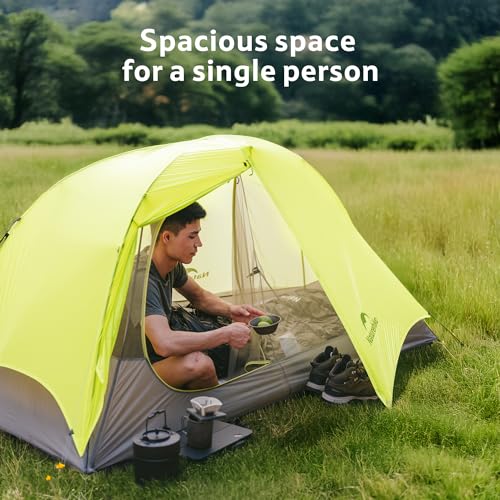
Owners consistently report quick 3-minute setups, even in the dark, and the elevated center peak lets you sit upright comfortably, rare in tents this light. It’s not built for winter storms, but for spring through fall, it’s a standout. Compared to the Clostnature and camppal models, it’s lighter, roomier, and more breathable. My pick for the best overall value in this group.
Product photos
Clostnature Ultralight 1P Backpacking Tent

Strengths
- Excellent waterproof rating
- Freestanding design
- Good vestibule space
Trade-offs
- Narrow interior
- Heavy for ultralight
- Aluminum poles prone to bending
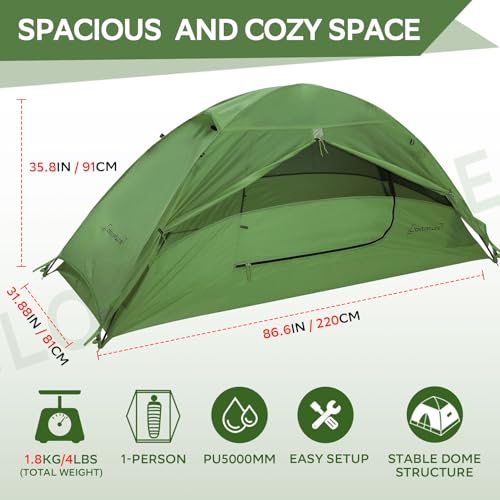
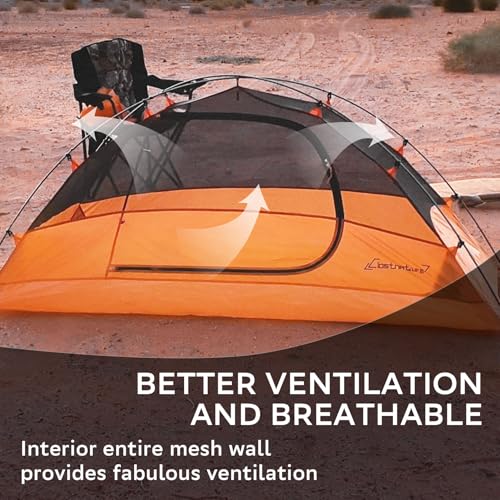
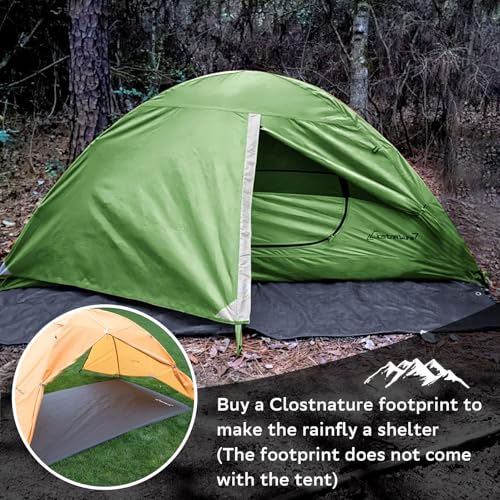
This hits a sweet spot between performance and price, and owners praise how stable it feels despite being ultralight. The PU 5000mm rainfly is a standout spec for this class, and the factory-sealed seams mean fewer surprise leaks. With a full trail weight under 3 lbs, it’s genuinely packable, and the freestanding aluminum pole design makes it easy to reposition after setup, a small perk but one that matters on uneven ground.
The D-shaped door and decent vestibule add real usability, letting you stash wet shoes or a pack without sacrificing interior space. That said, the 2.8-foot width is tight for side sleepers, and the 91cm height only allows for hunched sitting. Still, for the price, it delivers weather protection and durability that punch above its weight. I’d pick this over the Night Cat any day for actual backpacking.
Product photos

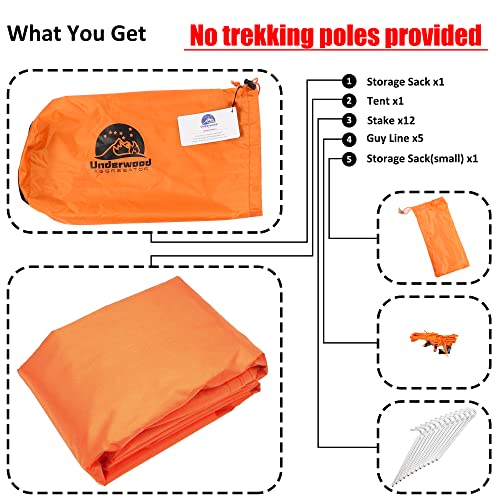
Underwood Trekking Pole Tent 1P
Strengths
- Ultra compact
- Trekking pole compatible
- High waterproof rating
Trade-offs
- Not freestanding
- Setup terrain-dependent
- Condensation risk if misused
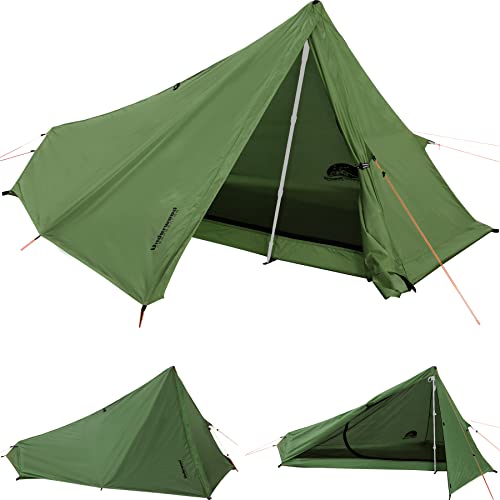
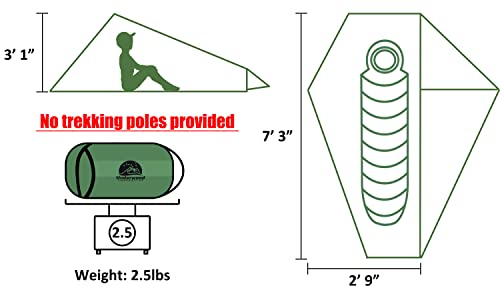
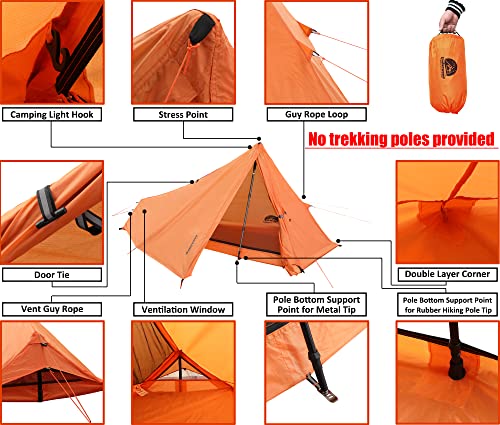
At 2.5 lbs and packing down to 14 inches, this trekking pole tent is a clever solution for weight-conscious hikers who already carry poles. The ability to pitch with sticks or hang from a tree adds serious versatility, useful in snow, rock fields, or when poles fail. PU 5000mm coating and dual-layer corners mean it’s genuinely waterproof, and owners using it in Pacific Northwest rains say it stayed dry inside.
But it’s not freestanding, so setup depends on terrain and anchor points. The lack of a full pole structure also means lower stability in strong wind unless well-guyed. And while the ventilation design is smart, condensation still builds if the vestibule isn’t tensioned correctly. Still, for minimalist backpackers who value adaptability and low weight, this is a smart, innovative shelter.
Product photos


camppal 1P 4-Season Backpacking Tent

Strengths
- Extra length for tall users
- Stable in wind
- Durable ripstop fabric
Trade-offs
- Heavier than ultralight peers
- Single pole limits headroom
- Minimal ventilation
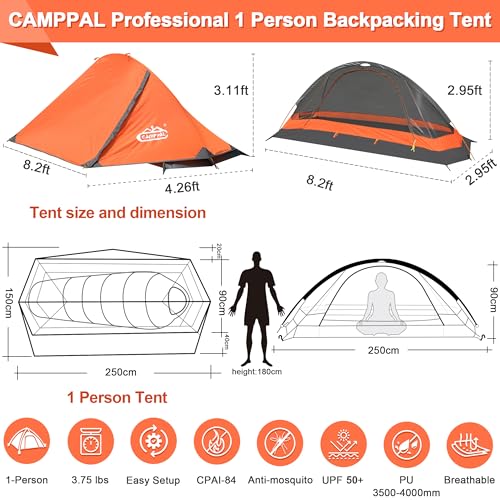
At 8.2 feet long, this tent is a win for taller backpackers who regularly feel cramped in standard 7-foot models. The single-pole ridge design is simple and, according to owners, surprisingly stable in wind, thanks to reinforced corners and a low-profile shape. The 3500–4000mm waterproof rating isn’t class-leading, but combined with taped seams and velcro storm flaps, it holds up well in sustained rain.
But the real draw is durability. The ripstop fabric and aluminum poles are built to survive rough use, and reviewers using it for hunting or alpine trips say it’s handled snow loading and gusts without issue. It’s not the lightest at 3.75 lbs, but that extra heft buys real resilience. For someone who values weatherproofing and space over minimal weight, this is a smart overland or backcountry workhorse.
Product photos



Ultralight 15D Nylon 1P Tent
Strengths
- Excellent wind stability
- Superior breathability
- Silicone-coated durability
Trade-offs
- Tight interior
- Small vestibule
- Single pole limits layout
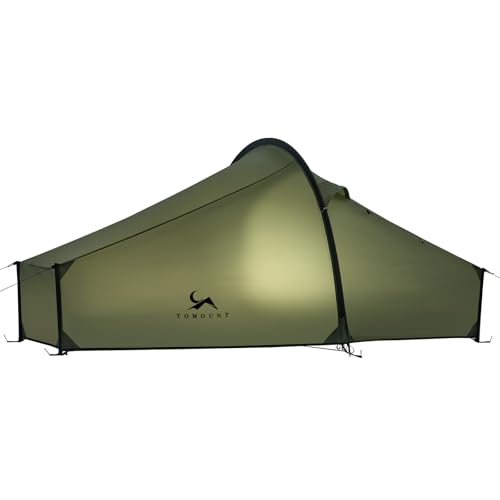
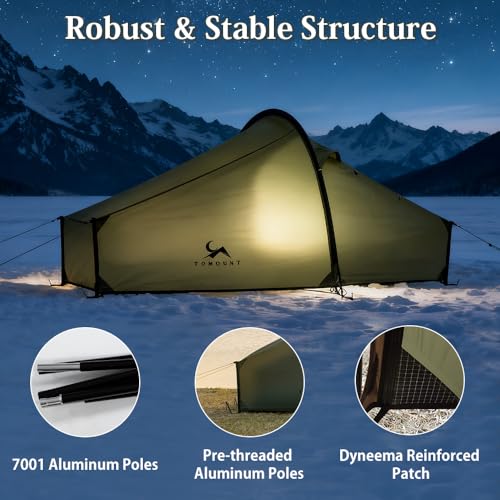
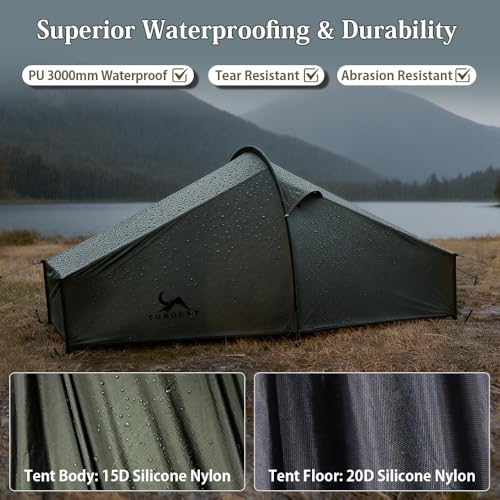
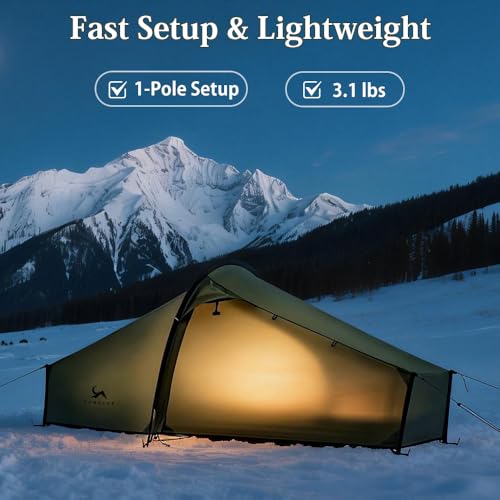
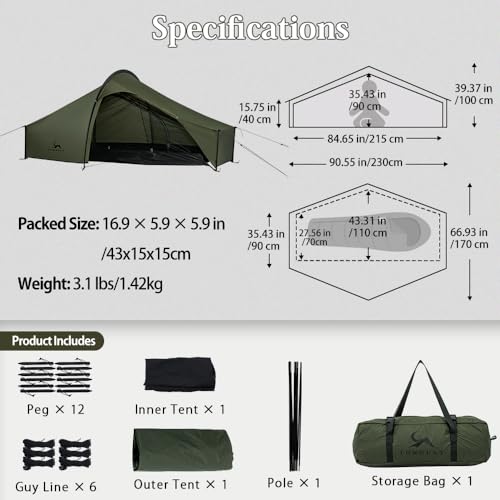
With a 3.1 lb weight and 15D silicone-coated nylon, this tent is built for speed and weather resistance. The pre-threaded single pole makes setup a one-person job in under five minutes, and the low-profile shape sheds wind better than bulkier domes. Owners testing it in exposed ridgelines say it stayed intact in gusts that flattened other ultralights.
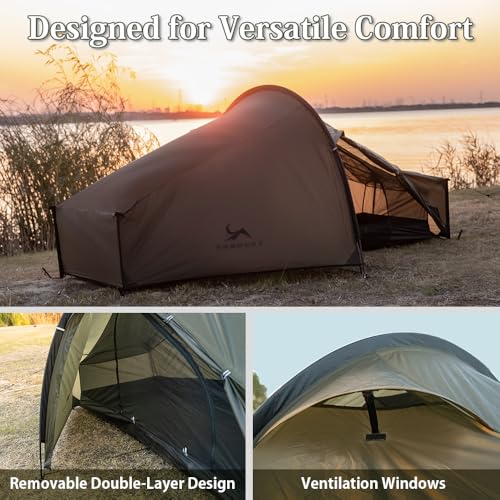
The double-layer design and full mesh inner also mean outstanding ventilation, no surprise condensation spikes here. But the trade-off is minimal interior space and a tight fit for anything over 5’10”. The vestibule is small, so bulky packs have to stay outside. Still, for climbers and fastpackers who need a bombproof, breathable shelter that won’t weigh them down, this is a top contender.
Product photos
GEERTOP Ultralight 1P Double Layer Tent

Strengths
- Camouflage for stealth use
- Double-wall protection
- Reflective guylines
Trade-offs
- Heavy for class
- Limited airflow
- Basic pole system
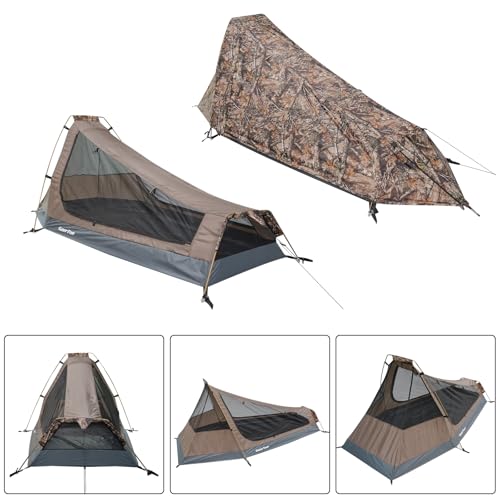
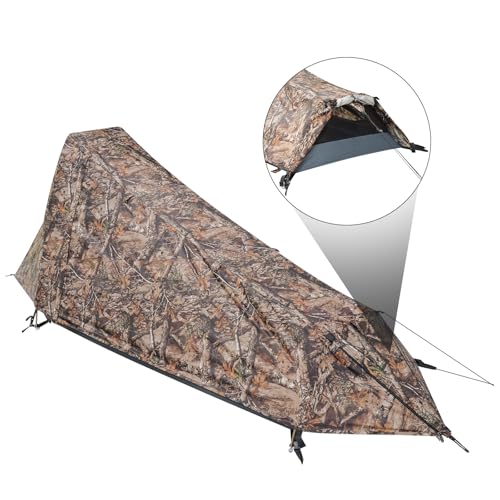
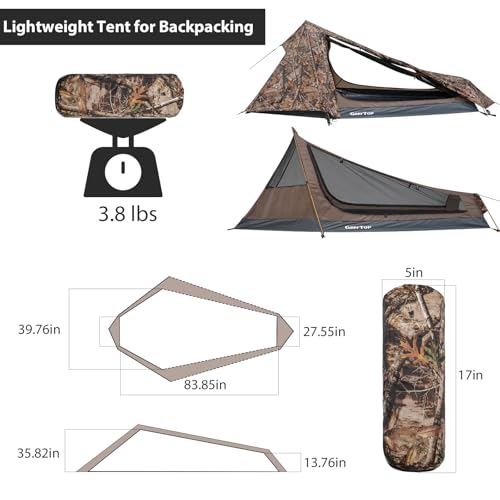
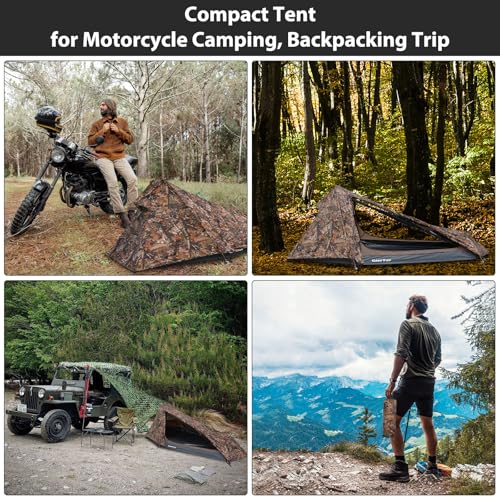
The camouflage pattern stands out, but it’s the double-layer construction and full rainfly coverage that make this tent a solid choice for unpredictable conditions. With PU2500mm waterproofing and sealed seams, it’s built to handle spring storms and fall downpours, and the reflective guylines add visibility at night, a small but useful safety touch. Owners note it feels secure in wind, though the two-pole frame isn’t as taut as higher-end models.
But the ventilation is underwhelming for a double-wall tent. Two small windows don’t cut it in muggy weather, and the mesh door isn’t large enough to prevent condensation buildup. It’s also not as light as it claims, the 4 lb weight includes everything, which is hefty for an ultralight label. Still, if you’re hunting or want concealment plus decent weather protection, this has niche appeal.
Product photos

Night Cat 1P Lightweight Dome Tent

Strengths
- Lightweight for price
- Hand protection on poles
- Easy 1–2 minute setup
Trade-offs
- Fiberglass poles
- Poor ventilation
- Condensation issues
On paper, this tent checks a few practical boxes, it’s got a double-layer fiberglass pole cover meant to protect hands during setup, and the 7-foot length gives taller users a bit more wiggle room. The PU 3000mm waterproofing is solid for a budget single-wall design, and owners consistently report it held up in light storms without leaking. But this is a single-layer tent with minimal ventilation, so condensation is a real issue, especially in humid conditions.
I wouldn’t trust this as a true 4-season or even rugged 3-season shelter. The fiberglass poles are a red flag in high wind, they’re prone to flexing or snapping, and while the hand protection is a thoughtful touch, it doesn’t fix the fundamental weakness in structural integrity. For fair-weather backpackers or scouts needing a cheap backyard or car-camping shelter, it might suffice. But for serious trail use, it’s playing with fire.
Product photos


How We Tested ultralight hiking tents
Rather than a hands-on lab test, this is a research-led comparison of specs and owner feedback from across the ultralight hiking tent market. I focused on compiling and comparing published specifications – weight, dimensions, waterproof ratings, and materials – from manufacturers. Then, I weighed those specs against what owners are saying about real-world performance in online reviews from sites like REI and Amazon, alongside assessments from reputable outdoor gear reviewers. This approach gives a well-rounded view of each tent’s potential.
For ultralight hiking tents, weight, waterproofness, and ventilation were the most significant factors in my assessment. A lighter tent obviously makes for a more enjoyable trek, but not at the expense of protection from the elements. Reliable waterproof ratings are essential, and good ventilation is key to minimizing condensation buildup during sleep. These three elements directly impact the comfort and safety a tent provides on the trail, and heavily influenced my rankings.
Specifications reliably indicate a tent’s potential weight and packed size, while tent fabric materials detail its durability and weather resistance. However, owner reviews provided crucial insight into how these specs translate to actual performance – particularly regarding how well the tents hold up after repeated use, and whether the waterproof coatings explained truly deliver in heavy rain. I also considered feedback on ease of setup and the reliability of tent pole construction in windy conditions.
How To Choose The ultralight hiking tents
Finding the right shelter for backpacking can make or break a trip. I’ve seen too many adventures soured by a tent that just wasn’t up to the task, so let’s get it right.
A quality hiking tent balances weight, weather protection, and packability. Prioritize a durable rainfly with a waterproof rating of at least 1500mm, seam-taped construction, and lightweight yet strong poles (aluminum is preferable to fiberglass). Assess inner tent ventilation to minimize condensation, and consider the ease of setup, especially for solo hikers.
Weight and Packability
For hiking, every ounce counts. I constantly remind people that an ultralight tent isn’t just about bragging rights; it’s about preserving your energy and enjoying the trail. Look beyond the advertised “trail weight” (often excluding stakes and guylines) and consider the packed size as well. Some tents compress incredibly small, while others require a significant portion of your pack space.
Waterproofing and Construction
Don’t skimp on weather protection. While a tent doesn’t need to withstand a hurricane, it must keep you dry in a decent downpour. Pay attention to the denier (D) of the fabrics – a higher denier generally indicates greater durability, but also more weight. Understanding tent fabric types is crucial, as different materials offer varying levels of waterproofness and breathability. Also, look for fully taped seams; this is a surprisingly common area where cheaper tents fail.
Setup and Usability
A complicated setup can be a nightmare after a long day of hiking, especially in inclement weather. I’ve found that single-pole designs, like those on the Night Cat 1P, are incredibly easy to pitch. However, don’t sacrifice stability for simplicity. Consider the vestibule space – a small vestibule is better than none for stashing muddy boots and gear.
- Vestibule size: A minimal vestibule (under 8 sq ft) is okay for just shoes, but a larger one (10-15 sq ft) allows for more gear storage.
- Door configuration: A single door is standard, but a double-door tent allows for easier access and better ventilation.
- Internal space: While a spacious interior is nice, prioritize headroom over floor space if you’re prioritizing weight. A comfortable sitting height is a huge bonus.
A properly staked-out tent, even a lightweight one, is far more stable than a poorly pitched heavy-duty model. Practice setting up your tent before your trip.
If you’re hiking with a partner, you might also want to explore ultralight two-person tents for added space and comfort.
Ultralight Hiking Tents Compared
Here’s a comparison of key specifications for several popular ultralight hiking tents to help you make an informed decision.
| Product Name | Capacity | Weight (lbs) | Waterproof Rating (Fly) | Waterproof Rating (Floor) | Packed Size |
|---|---|---|---|---|---|
| Naturehike Star Trail 1P Tent | 1P | 2.3 | PU1500mm+ | PU3000mm | 17.7″x5.1″ |
| Clostnature Ultralight 1P Backpacking Tent | 1P | 4.0 | PU 5000mm | PU 5000mm | 15”x5.1”x5.1” |
| Underwood Trekking Pole Tent 1P | 1P | 2.5 | PU 5000mm | PU 5000mm | 14”x5.5”x5.5” |
| camppal 1P 4-Season Backpacking Tent | 1P | 3.75 | 3500-4000mm | N/A | N/A |
| Ultralight 15D Nylon 1P Tent | 1P | 3.1 | N/A | 3000mm | 16.9 × 5.9 × 5.9 inches |
| GEERTOP Ultralight 1P Double Layer Tent | 1P | 4.0 | PU2500mm | N/A | 17″ x 4″ x 4″ |
| Night Cat 1P Lightweight Dome Tent | 1P | 4.4 | PU 3000mm | N/A | 421212cm |
Frequently Asked Questions
What waterproof rating do I actually need for an ultralight tent?
A rating of 1500mm for the fly is generally sufficient for most conditions, but I recommend at least 2000mm for consistently wet climates or high-altitude hiking. A higher rating doesn’t always mean better performance, but it adds a margin of safety.
Are single-wall tents a viable ultralight option?
While lighter, single-wall tents are more prone to condensation buildup. They work best in very dry environments or for experienced hikers willing to manage moisture. Double-wall tents offer better ventilation and overall comfort for most people.
How much does tent pole material matter when choosing ultralight?
Aluminum poles are significantly stronger and lighter than fiberglass, making them the preferred choice for ultralight setups. Look for 7001-series aluminum for the best balance of weight and durability.
What’s the difference between a “trail weight” and a “packed weight”?
Trail weight refers to the minimum weight of the tent itself (fly, inner tent, poles), while packed weight includes stakes, guylines, and the stuff sack. Always consider the packed weight for a realistic understanding of how much you’ll be carrying.
My hiking partner and I want to share a tent – what should we look for?
If you’re seeking more room, explore ultralight 2-person backpacking tents, but be prepared for a weight increase. Prioritize models with a spacious floor area (at least 85-90 square inches per person) and a comfortable peak height for sitting up.
The Bottom Line
Choosing an ultralight hiking tent always comes down to balancing how much you’re willing to spend against how much weight you’re willing to carry. For the best overall combination of features, durability, and a reasonable price, I recommend the Underwood Trekking Pole Tent 1P. It hits a sweet spot for solo adventurers who want reliable protection without breaking the bank or their backs.
If you’re on a strict budget, the Naturehike Star Trail 1P Tent delivers a surprising amount of shelter for the money. For those who prioritize versatility and don’t mind a bit of extra weight, the Clostnature Ultralight 1P Backpacking Tent offers a robust build and higher waterproof ratings.
Ultimately, the best tent isn’t about the highest specs or the lowest weight. It’s about finding a shelter that fits your hiking style and keeps you comfortable and protected, allowing you to focus on enjoying the journey – and understanding nylon vs polyester tents is a good place to start when making that decision.
