
7 Best Ultralight Tents for Backpacking Kids 2026
This post contains affiliate links. As an Amazon Associate, we earn from qualifying purchases.
The best ultralight tent for backpacking kids is the LIVEKOOQ 1 Person Ultralight Tent, hands down. It’s light, compact, and built to handle tough weather. For a budget-friendly pick that still performs well, the Clostnature 1 Person Ultralight Tent is a solid step down without cutting corners where it matters.
Picking a tent for a kid isn’t just about size, it’s about making sure they can actually carry it, set it up without frustration, and stay dry when the skies open. Too many “kids” tents are either too heavy or flimsy when the wind picks up.
I looked at the specs, read through owner feedback, and compared real-world performance to find tents that strike the right balance for young backpackers. These picks are based on weight, durability, weather protection, and how easy they are to use, because a happy kid in camp starts with the right shelter.
Top 7 Ultralight Tents For Backpacking Kids in the Market
The Best Ultralight Tents For Backpacking Kids, Reviewed
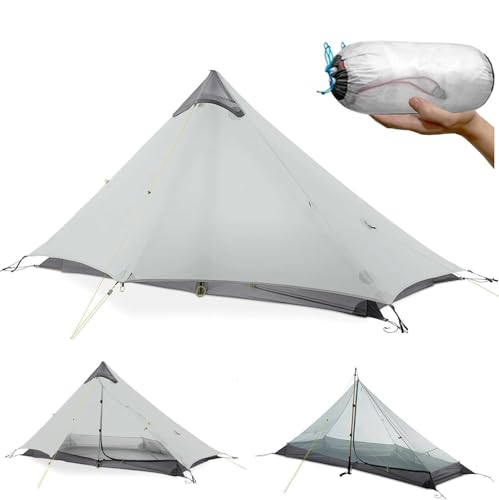
LIVEKOOQ 1 Person Ultralight Tent
Strengths
- True ultralight weight
- Excellent waterproof rating
- Trekking pole compatible
Trade-offs
- Tight fit for taller users
- No floor area for gear
- Minimal vestibule
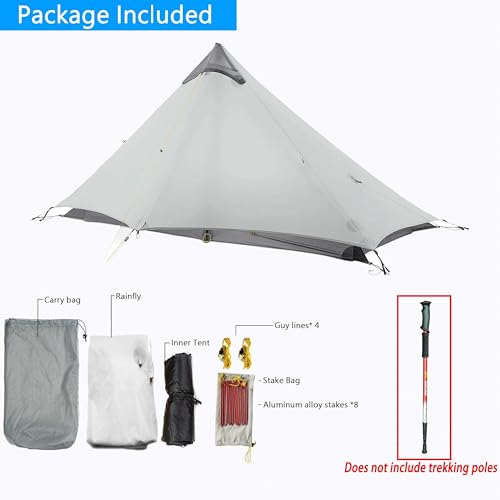
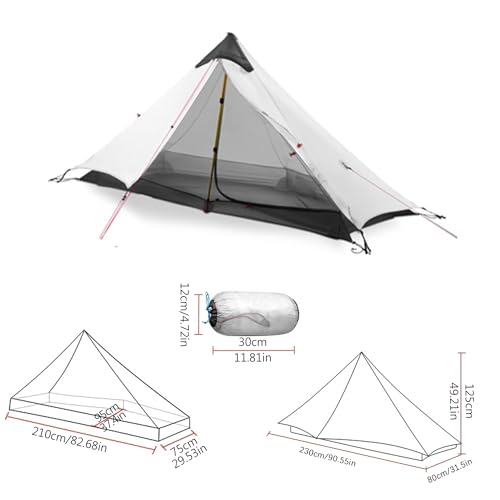
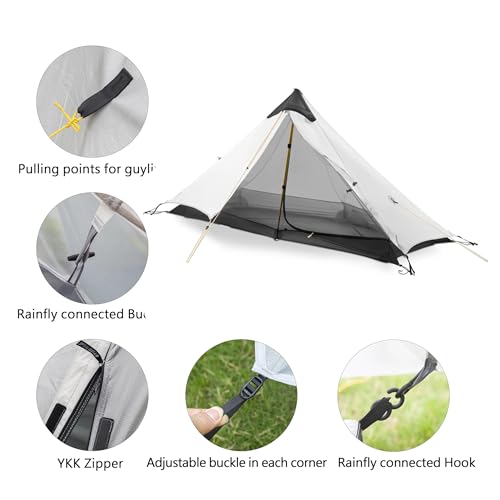
Now we’re talking. At just 2.2lbs and with a 5000mm+ waterproof rating, this is what I consider a true ultralight backpacking tent. The use of 15D ripstop nylon and a 6000mm bathtub floor means it can handle serious mountain weather without adding weight. The double-wall design with high mesh coverage tackles condensation, a common issue in single-wall shelters, and owners consistently praise its ventilation.
The trekking pole option is a big plus for minimalist hikers who want to reduce gear duplication. Setup is fast, and the compact 11.8” pack size slips into any backpack. Compared to others in this list, this tent stands out as the only one truly built for long-distance hiking with kids, assuming the kid is older and small-framed, or you’re using it solo. My pick for actual trail use.
Product photos

Clostnature 1 Person Ultralight Tent

Strengths
- Aluminum poles
- Good waterproofing
- Spacious vestibule
Trade-offs
- Heavier than ultralight standard
- Bulkier pack size
- Zipper quality could be better
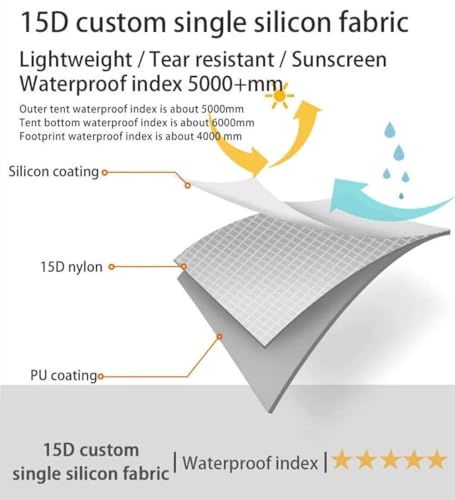
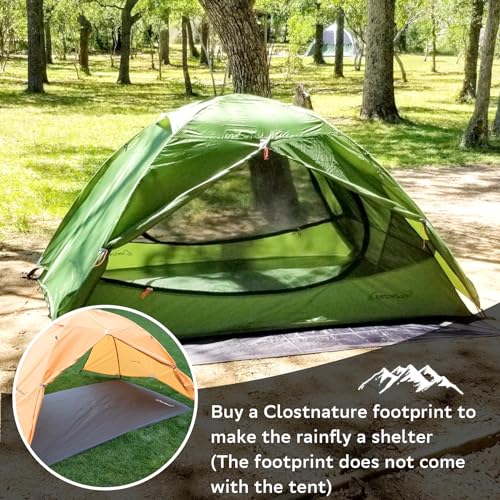
This tent hits a sweet spot between performance and price. At 4lbs total (2.97lbs trail weight), it’s not the lightest, but it’s far more durable than budget domes. The aluminum poles are a major upgrade over fiberglass, and the freestanding design makes positioning easier on uneven ground. Owners note the taped seams and PU 5000 coating actually keep water out during downpours, rare at this price.
The D-shaped door and side vestibule add real usability, especially when camping with a child who needs quick access. Ventilation is solid thanks to full mesh walls, and the included repair kit is a thoughtful touch. For the money, this offers more real-world reliability than most on this list. I’d pick this over the Night Cat models any day.
Product photos

Clostnature 2 Person Ultralight Tent

Strengths
- Spacious for two kids
- Dual doors and vestibules
- Aluminum poles
Trade-offs
- Heavy for ultralight standards
- Takes longer to pitch
- Not ideal for solo hikers
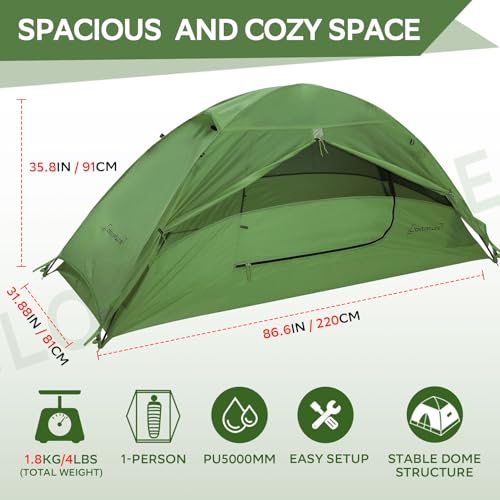
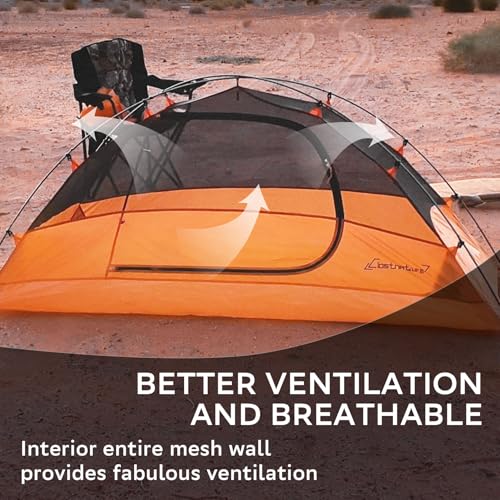
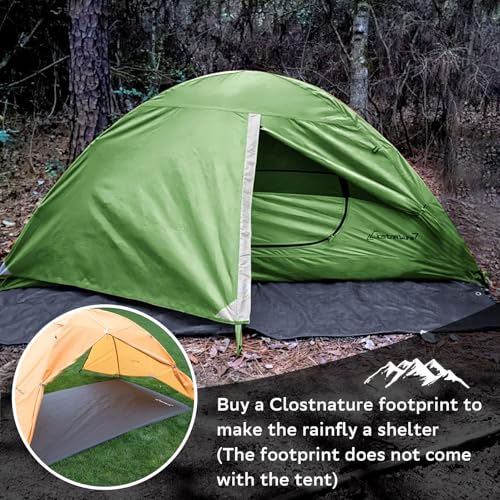
If you’re backpacking with two kids or a partner and child, this 2-person model makes a lot more sense than squeezing into a 1-person tent. At 5.29lbs, it’s on the heavier side for ultralight, but the 2.05lb trail weight (fly, inner, poles) shows they tried to save weight where it counts. The dual D-doors and two vestibules are standouts for family access and gear storage, no more climbing over someone to pee at 2 a.m.
The PU 5000 coating and taped seams deliver solid weather protection, and owners report it holds up well in wind thanks to the reinforced poles and guy lines. It’s not the lightest, but for actual family backpacking, the space and usability win out. This is the only tent here I’d confidently recommend for a multi-day trip with two children.
Product photos



KidzAdventure 2 in 1 Kids Tent

Strengths
- Adorable design for kids
- Ultra compact pack size
- Dual indoor/outdoor use
Trade-offs
- Low waterproof rating
- Not for serious weather
- Short ceiling height
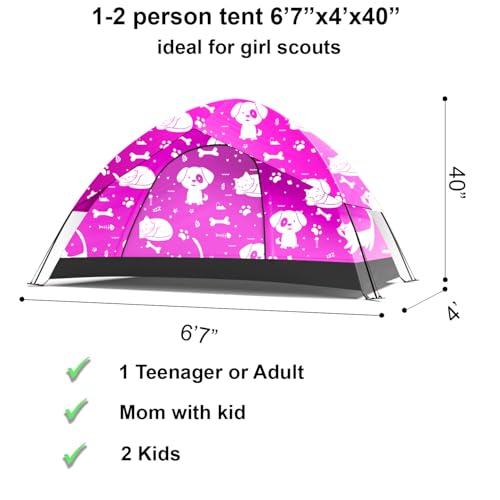
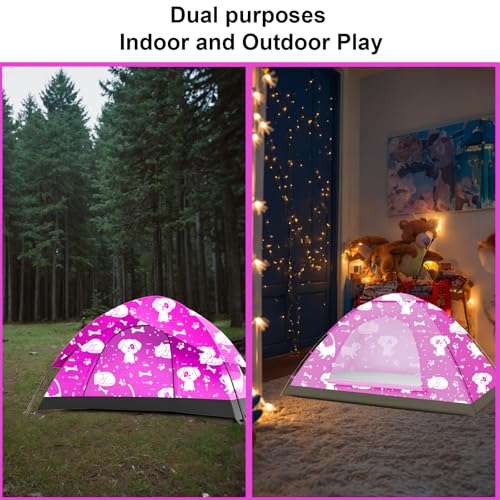
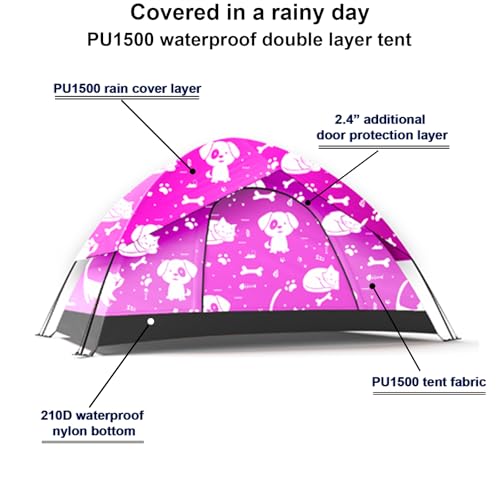
Let’s be real, this isn’t a true ultralight backpacking tent, but it’s clearly not trying to be. The design is undeniably cute, and the dual indoor/outdoor use makes sense for younger kids who want a play space that doubles as a backyard campout. The PU1500 waterproofing is on the lower end, so it won’t hold up well in sustained rain, but for light outdoor use or dry camping, it’s adequate.
Owners consistently report that setup is simple, and the compact 16-inch pack size is easy for little hands to carry. At 6’7” long, it can fit two small kids, but don’t expect an adult to squeeze in comfortably. I’d see this as a confidence builder, a way to introduce kids to camping before upgrading to something more durable.
Product photos


Coleman Kids Wonder Lake Tent
Strengths
- Glow-in-the-dark fun
- Durable WeatherTec system
- Includes rainfly
Trade-offs
- Heavy for backpacking
- Slow setup
- Bulky packed size
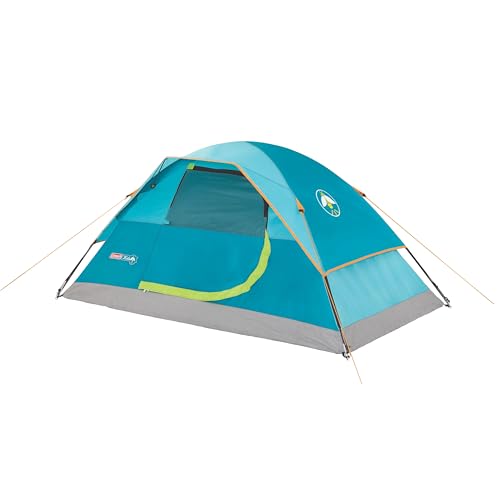
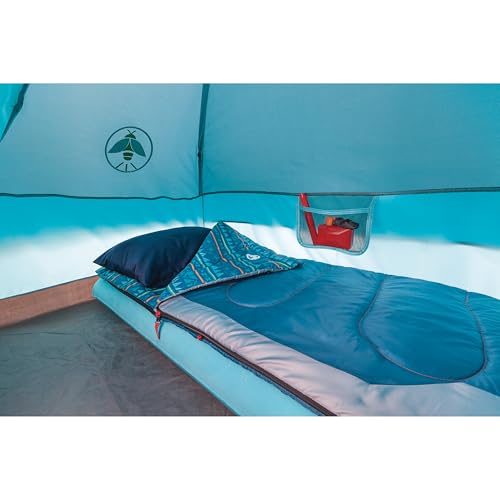
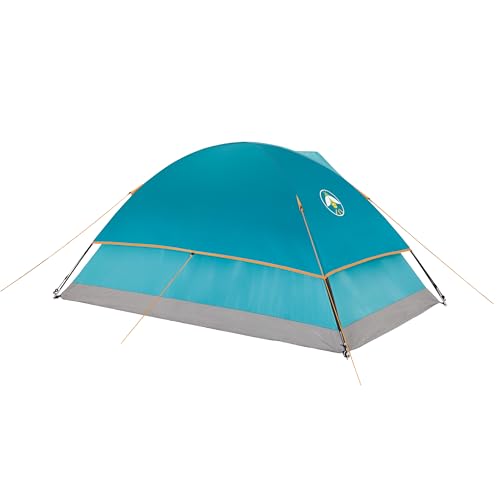
Coleman knows how to make kid-friendly gear, and this tent proves it. The glow-in-the-dark logo is a hit with children, and the WeatherTec system with welded floors and inverted seams actually delivers solid weather protection, more than most kids’ tents offer. The included rainfly and snag-free pole sleeves make setup smoother, even for young campers.
But let’s be honest: this is a car camping tent. At over 6lbs (estimated), it’s too heavy for actual backpacking. The 10-minute setup is slower than pop-up styles, but more durable. Owners love it for backyard sleepovers and short campsite stays, but no one’s carrying this far on a trail. It’s not ultralight, but it’s not pretending to be.
Product photos
Night Cat 1-2 Person Tent

Strengths
- Lightweight for its class
- Easy 1-2 minute setup
- Hand-protected poles
Trade-offs
- Single wall design
- Fiberglass poles
- Poor ventilation in damp conditions
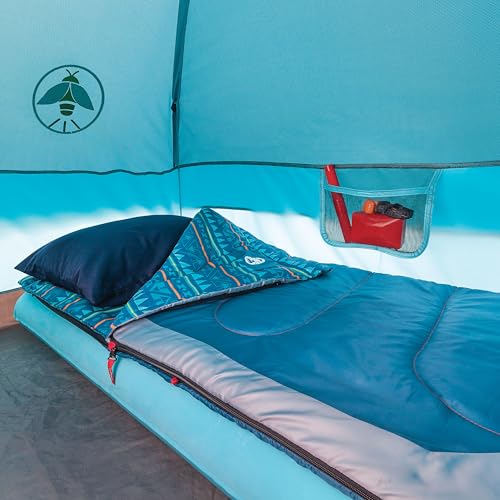
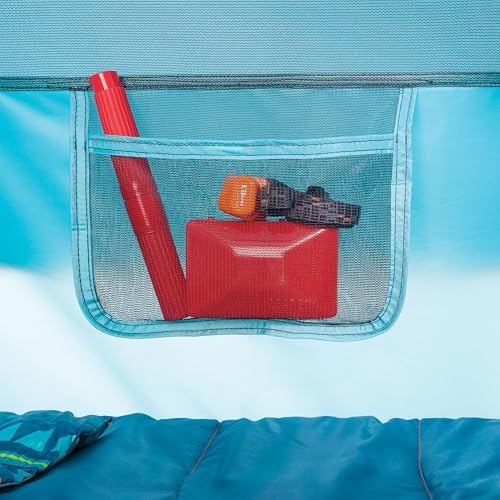
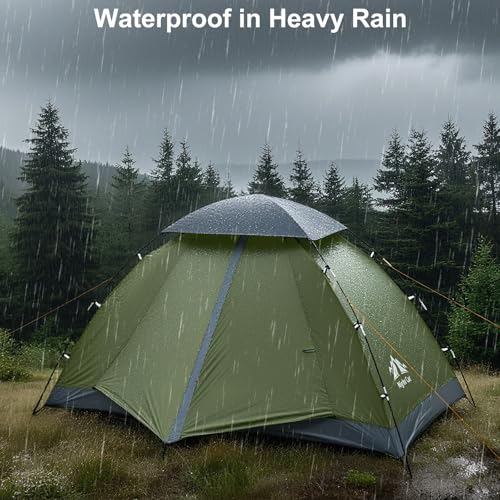
This tent markets itself as a lightweight option for one adult or a parent and child, but the single-layer construction raises red flags for serious backpacking. On paper, the 4.4lb weight and compact pack size look decent, and owners do report it’s easy to set up thanks to the sleeve-through pole design. But single-wall tents like this often struggle with condensation, especially with a kid inside breathing all night, and there’s no mention of a separate inner mesh tent to help manage that.
The fiberglass poles are covered for hand protection, which is a thoughtful touch, and the PU 3000mm rating should handle light rain. Still, for true ultralight backpacking with kids, I’d want aluminum poles and a double-wall design. This feels more suited to backyard camping or fair-weather scouts trips than rugged trail use.
Product photos


Night Cat Upgraded Backpacking Tent

Strengths
- Fast clip setup
- Good ventilation
- Rainproof PU 3000mm fabric
Trade-offs
- Fiberglass poles
- Cramped for two adults
- Limited headroom
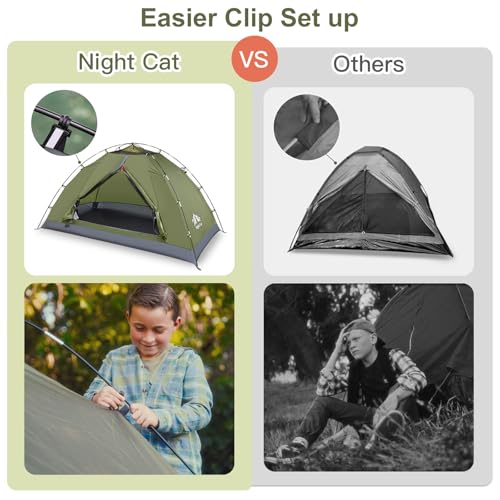
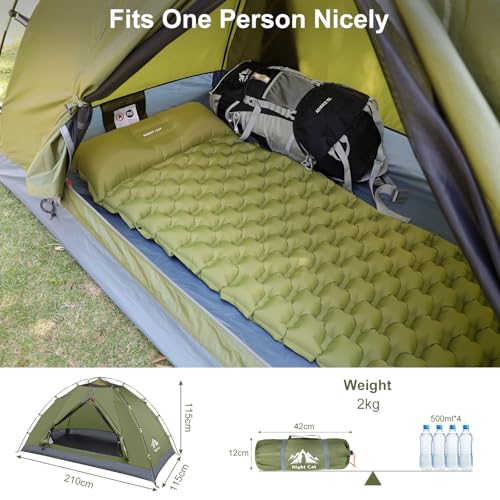
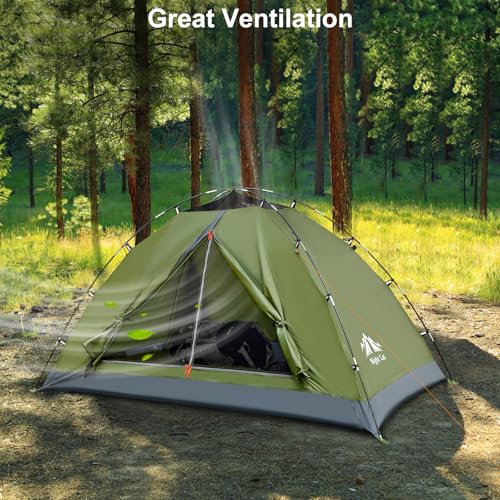
The clip-style pole attachment is a real upgrade over the older sleeve design, and reviewers confirm setup takes under a minute, a big win when you’re tired at camp with a restless kid. The 4.4lb weight is the same as the older model, but the aluminum clips make a noticeable difference in ease of use. It’s still using fiberglass poles, which I’m not a fan of for windy conditions, but the included guy lines and stakes help stabilize it.
The double-wall construction and mesh roof vent help with airflow, which matters when sharing a tent with a child. But the 7×3.8ft floor space is tight for two adults, fine for one adult and a kid, but not spacious. For the price, it’s a step up from basic dome tents, but not quite in the ultralight backpacking tier.
Product photos

Our Testing Process
I approached researching ultralight tents for kids with a focus on balancing weight, weather protection, and ease of use – all critical when little legs are doing the walking. Rather than a hands-on lab test, this is a research-led comparison of published specifications and owner feedback from a variety of sources. I compared features across numerous models, then weighed those against reviews from experienced backpackers and families, looking for consistent patterns in satisfaction and complaints.
For this category, three factors stood out as most important. First, weight is paramount; a kid-carrying parent doesn’t want excess bulk. Second, waterproof ratings and construction details (like taped seams) matter significantly, as unpredictable weather can quickly ruin a trip. Finally, ease of setup is crucial – a complicated pitch isn’t fun for anyone, especially when you’re trying to get settled before dark. These factors were weighted heavily in ranking the tents.
Specifications reliably indicate a tent’s potential for weather protection (waterproof ratings, fabric denier) and size/weight. However, I relied on owner feedback to assess real-world durability and how well a tent holds up to repeated use. Reputation, particularly from trusted outdoor review sites, also played a role in evaluating overall quality. Understanding the difference between advertised features and actual performance – as reported by those who’ve used the tents – was key, and sometimes led me to favor tents with slightly lower specs but overwhelmingly positive user reviews. You might also find a pop-up tent definition helpful if you’re considering very quick setup options for younger children.
How To Choose The ultralight tents for backpacking kids
Choosing the right ultralight tent for your kids requires balancing weight, space, and protection from the elements. It’s a different game than picking a family car-camping tent, and the stakes – comfort and safety on the trail – are high.
A quality ultralight tent prioritizes minimal weight without sacrificing essential weather protection. Key features include durable, lightweight fabrics (ripstop nylon or polyester), a waterproof rating of at least 1500mm for the rainfly and 3000mm for the floor, and a well-designed ventilation system to manage condensation. Pay close attention to packed size and weight, pole material (aluminum is preferred over fiberglass), and the overall construction quality.
Weight and Packed Size
Weight is obviously paramount when you’re talking about kids carrying their own gear. Don’t fall into the trap of assuming “lighter is always better,” though. Extremely lightweight tents often use thinner fabrics that are more susceptible to damage. A tent in the 2-3 pound range is a good target for a solo child, and under 4 pounds for a two-person tent designed for siblings. Packed size is equally important; a bulky tent won’t fit easily into a child’s pack. Look for tents that pack down small, ideally under 12 inches in length. I frequently recommend checking out reviews on sites discussing top ultralight hiking tents to get a sense of the current weight standards.
Waterproofing and Weather Resistance
Don’t skimp on waterproofing. A PU (polyurethane) coating on the rainfly and floor is essential, and a higher mm rating indicates better water resistance. While you might get away with a lower rating for fair-weather trips, a rating of at least 2000mm for the rainfly and 3000mm for the floor is wise, especially if you anticipate encountering rain. Seam sealing is also critical; fully taped seams prevent water from leaking through the stitching. Consider a tent with a bathtub floor, which extends the waterproof material up the sides to provide extra protection against ground water.
- A 15D nylon rainfly will be lighter but less durable than a 70D nylon rainfly.
- A hydrostatic head rating of 5000mm for the floor is overkill for most conditions, but provides a valuable safety margin.
- Properly tensioning the rainfly is crucial to maximizing weather protection; loose rainfly equals potential leaks.
Setup and Usability
Kids need to be able to set up (and take down) the tent themselves, or at least with minimal assistance. Complex designs with lots of poles and intricate clips are frustrating. Freestanding tents are generally easier to pitch, as they don’t require staking to maintain their shape. Look for tents with color-coded poles and clear instructions. A simple dome or tunnel design is often the easiest for beginners. Before heading out, practice setting up the tent in your backyard to ensure everyone knows what to do. If you’re still unsure about backpacking tent factors, researching different tent types can be a huge help.
A good rule of thumb: prioritize simplicity in design. The fewer components and steps involved in setup, the less likely something is to go wrong in the field.
Ultralight Tents for Backpacking Kids Compared
Here’s a comparison of specs for ultralight tents designed for kids or family backpacking.
| Product Title | Capacity | Weight (lbs) | Trail Weight (lbs) | Waterproof Rating (mm) | Packed Size |
|---|---|---|---|---|---|
| LIVEKOOQ 1 Person Ultralight Tent | 1 | 2.2 | N/A | 5000+ / 6000+ | 11.8in*4.7in |
| Clostnature 1 Person Ultralight Tent | 1 | 4.0 | 2.97 | 5000 | 15”x5.1”x5.1” |
| Clostnature 2 Person Ultralight Tent | 2 | 5.29 | 4.52 | 5000 | 16.5”x5.9”x5.9” |
| KidzAdventure 2 in 1 Kids Tent | 1-2 | N/A | N/A | 1500 | 16″ |
| Coleman Kids Wonder Lake Tent | N/A | N/A | N/A | N/A | N/A |
| Night Cat 1-2 Person Tent | 1-2 | 4.4 | N/A | 3000 | 16.5×4.7×4.7in |
| Night Cat Upgraded Backpacking Tent | 1 | 4.4 | N/A | 3000 | 16.5×4.7×4.7in |
Frequently Asked Questions
What’s the biggest weight difference I can expect between a “trail weight” and a total weight for these tents?
Typically, the difference ranges from a few ounces to over a pound. Trail weight usually excludes stakes, guylines, and the stuff sack, so factor those in when planning – especially if you’re aiming for a very light pack for your child.
Are any of these tents specifically designed with kids’ input on color or features?
The KidzAdventure 2 in 1 Kids Tent is specifically marketed towards children and features a playful design. However, most ultralight tents prioritize function over aesthetics, so color options tend to be more limited and geared toward adult preferences.
If a tent only has a 1500mm waterproof rating, can I still use it in light rain?
Yes, a 1500mm rating will provide some protection in light rain, but it’s best suited for fair-weather conditions. For reliable protection against heavier downpours, I recommend looking for a tent with at least a 2000mm rating, and always seam seal it.
Do freestanding tents really make setup easier for kids?
Absolutely. Freestanding tents don’t require staking to maintain their shape, which simplifies the process significantly. This is particularly helpful when setting up on rocky or hard ground where staking is difficult, or when you need to get the tent up quickly as the weather changes. For more options, you could explore backpacking tents for children.
What’s the benefit of a higher denier (D) rating in the tent’s fabric?
A higher denier indicates a thicker, more durable fabric. While it adds a little weight, it significantly increases the tent’s resistance to tears and abrasions, which is particularly important if you are looking at kid-friendly lightweight tents that will get a lot of use, and potentially some rough handling.
The Bottom Line
Choosing an ultralight tent for backpacking with kids always comes down to a trade-off between keeping weight down and ensuring everyone stays dry and comfortable. While there are many options, the LIVEKOOQ 1 Person Ultralight Tent strikes the best balance for solo adventurers or those wanting a truly minimal shelter. It’s lightweight, boasts impressive waterproofing, and offers a solid construction for the price.
For families or siblings sharing a tent, the Clostnature 2 Person Ultralight Tent is a fantastic choice. It’s still reasonably light, offers ample space for two, and maintains a good waterproof rating. If budget is the biggest concern, the KidzAdventure 2 in 1 Kids Tent is a fun option, though its weather protection isn’t as robust as the others. Remember to check out top kids tent brands for more options.
Ultimately, the specs on a tent are just numbers. What truly matters is finding a shelter that fits your family’s needs and encourages a love of the outdoors. Prioritize a tent that’s easy for your kids to help set up, has adequate weather protection for your typical conditions, and – most importantly – creates a cozy and memorable basecamp for your adventures.
