
8 Best Value Backpacking Tents of 2026
This post contains affiliate links. As an Amazon Associate, we earn from qualifying purchases.
The Clostnature 2-Person tent stands out as the best overall value, combining strong waterproofing and solid build quality for the price. If you’re hiking solo and watching your budget, the BISINNA 2-Person is surprisingly light and affordable, while the Clostnature 1-Person offers excellent weather protection in a compact package.
Most backpackers don’t need a luxury shelter, they need something that won’t leak, won’t weigh a ton, and won’t fall apart after two trips. Too many budget tents fail in wind or soak through in a light rain, leaving you miserable at camp.
As Chloé Bourgeois, I’ve spent years reviewing tents that hold up in real conditions, and this guide cuts through the hype. These picks are based on specs, owner feedback, and what actually matters when you’re miles from the trailhead: waterproofing, weight, and durability. I looked for tents that deliver performance without the premium price tag.
Top 8 Value Backpacking Tents in the Market
The Best Value Backpacking Tents, Reviewed
Clostnature 2-Person Backpacking Tent

Strengths
- Dual doors and vestibules
- Lightweight at 4.52 lbs
- Excellent ventilation
Trade-offs
- Zippers feel slightly flimsy
- Poles less rigid than premium brands
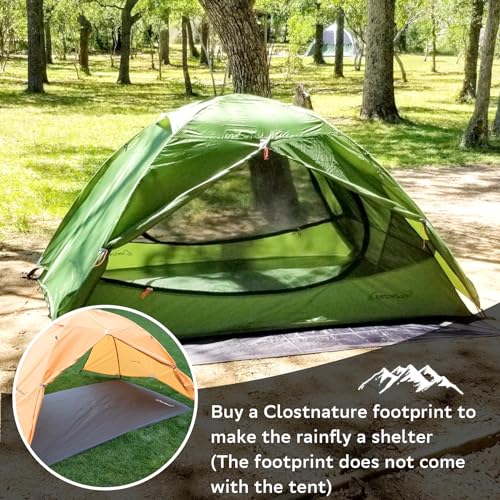
This Clostnature 2P hits a sweet spot, 4.52 lbs trail weight, PU5000 waterproofing, dual doors, and dual vestibules, all at a price that undercuts big brands. Owners love the ventilation from the full mesh walls, and the freestanding design makes site selection easy. For what it costs, it offers features usually found in pricier tents, like aluminum poles and sealed seams.
It’s not quite as durable as the Marmot or Kelty, and the poles aren’t quite as stiff, but for most backpackers, it’s more than enough. If you want the best balance of weight, space, and value in a 2-person tent, this one is hard to beat. My recommendation? This is the best overall budget performer.
Product photos



Clostnature 1-Person Ultralight Tent

Strengths
- Very light trail weight
- High waterproof rating
- Freestanding design
Trade-offs
- Narrow interior width
- Limited headroom
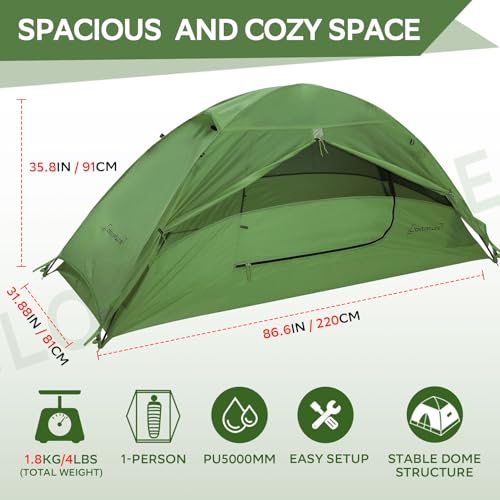
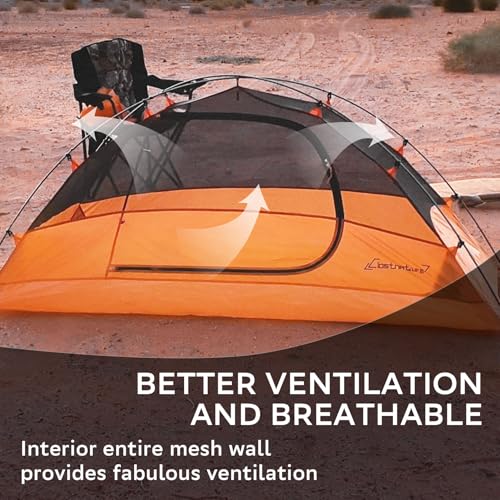
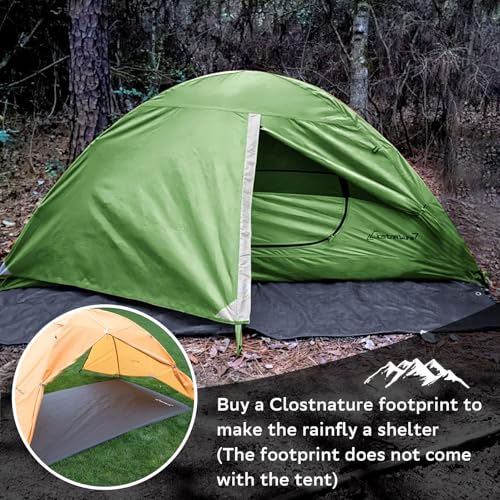
At just 2.97 lbs trail weight, this Clostnature 1P tent is one of the lightest true double-walls in its class, and the PU5000 coating gives it serious weather chops. For solo hikers counting every ounce, that’s a big deal, most budget tents sacrifice waterproofing to save weight, but this one keeps both. Owners say the freestanding design and two-pole setup make it fast to pitch, even on uneven ground.
It’s not perfect. The 2.8ft width is snug for taller or broader hikers, and ventilation is decent but not great in humid conditions. Still, compared to the camppal model, it’s more balanced, lighter, roomier in height, and better for 3-season use. If you want a no-frills solo shelter that’s genuinely packable and weather-ready, this is the smarter budget pick.
Product photos
Marmot Crane Creek 2P Tent
Strengths
- Premium 7000-series poles
- PFAS-free materials
- Dual doors and vestibules
Trade-offs
- Higher price point
- Slightly heavier than ultralight models
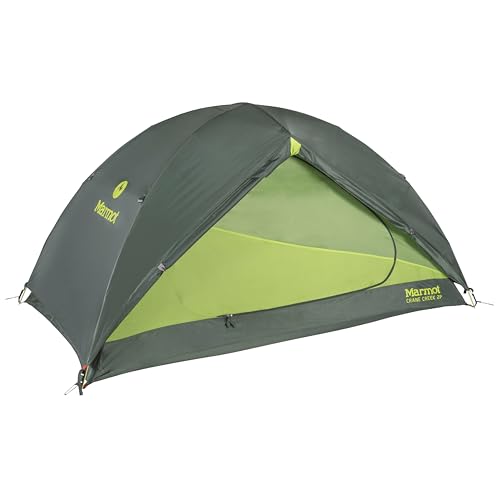
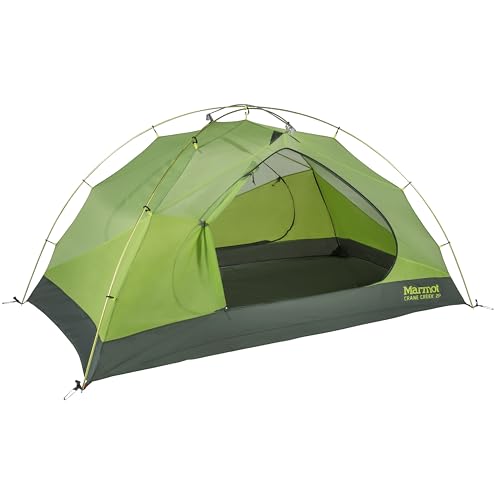
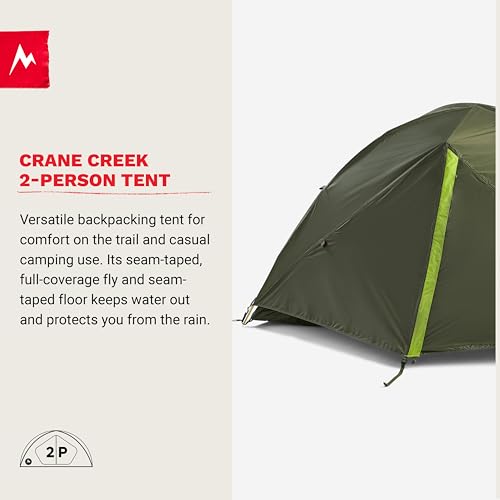
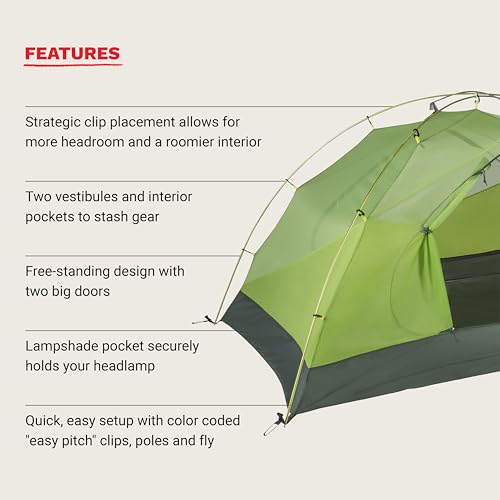
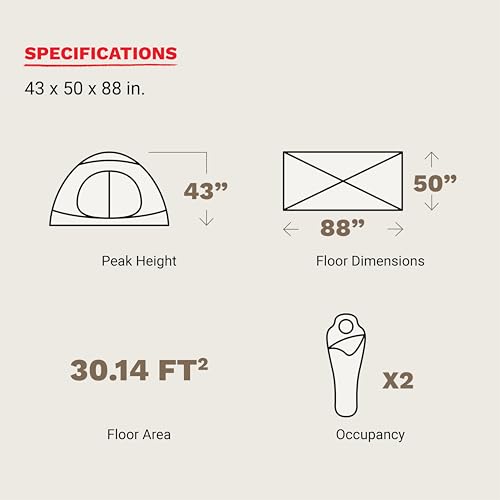
The Marmot Crane Creek 2P is what I’d call a “grown-up” tent, not the lightest, but built with serious materials: 7000-series aluminum poles, PFAS-free coatings, and a design that breathes well without sacrificing weather protection. At 32 sq ft, it’s spacious for two, and the dual D-doors with vestibules make nighttime exits far less awkward.
Owners consistently report it holds up over multiple seasons, even in wet, windy environments. It’s more expensive than the Clostnature or Kelty, but the durability and thoughtful details, like better airflow and stronger poles, justify it for serious hikers. If you’re planning long trips or tough conditions, this is the one I’d trust.
Product photos
Kelty Grand Mesa 2P Tent

Strengths
- Beginner-friendly setup
- Durable 68D fabric
- Color-coded attachments
Trade-offs
- Single door design
- Slightly heavier than competitors
The Kelty Grand Mesa 2P is the kind of tent I recommend when someone asks for “the one that just works.” At 4 lbs 7 oz, it’s not the lightest, but the freestanding design, color-coded clips, and Quick Corners make setup so easy that even a solo novice can pitch it in the dark. Owners love how durable it feels, 68D polyester fabric and pressfit poles aren’t flashy, but they survive year after year of trail use.
I’d pick this over the Clostnature 2P for reliability, even if it’s slightly heavier. It doesn’t have two doors, which is a trade-off, but the single vestibule is well-sized, and the Shark Mouth bag is a small joy, packing it up is actually easy. For beginners or those who value hassle-free camping, this is a smart, long-term buy.
Product photos


BISINNA 2-Person Lightweight Tent

Strengths
- Strong waterproof construction
- Stable pole-sleeve design
- Roomy interior height
Trade-offs
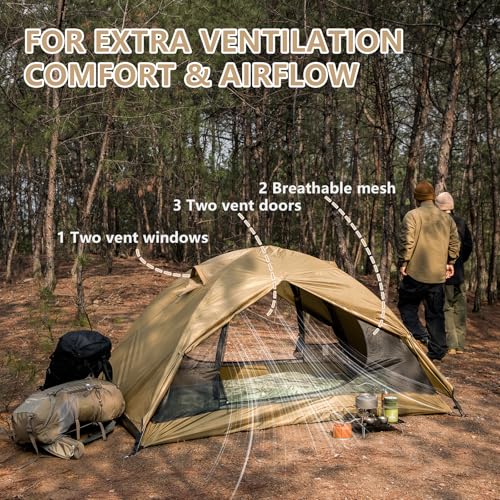
- Basic ventilation
- Heavier than ultralight options
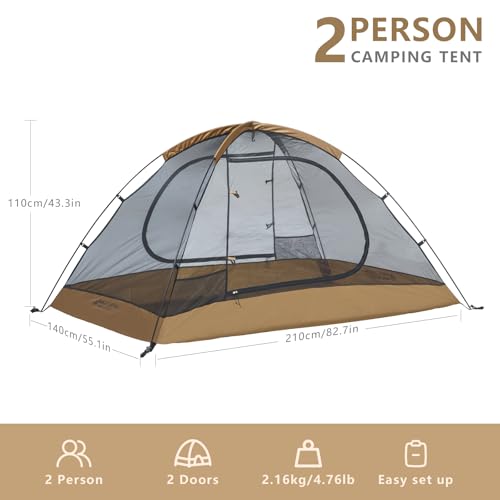
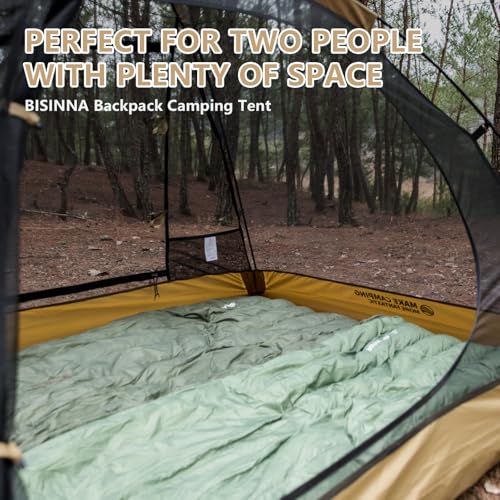
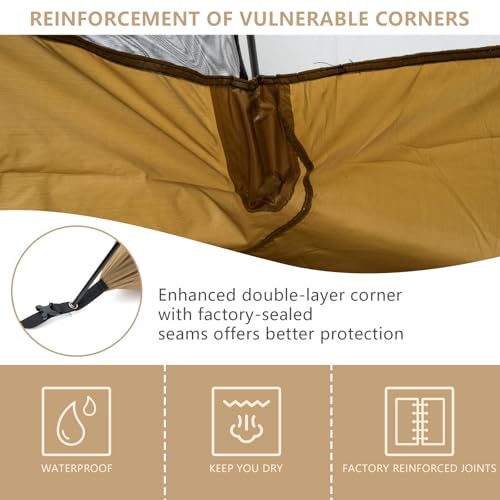
This BISINNA tent stands out for its PU3000 waterproof rating and 210D Oxford floor, specs that suggest real stormworthiness, and owners confirm it holds up well in heavy rain. The pole-sleeve design adds stability in wind, which is a plus over clip-style tents that can wobble in gusts. At 4.76 lbs, it’s competitive for a 2P, and the 110cm peak height is generous for moving around inside.
But the build feels utilitarian. While the materials are tough, the fit and finish aren’t as clean as the Kelty or Marmot. It’s a solid choice if you’re hiking in wet climates and need a dependable, roomy tent without spending premium prices. Just don’t expect refined details.
Product photos

camppal 1-Person 4-Season Tent

Strengths
- Lightweight at 3.75lb
- High waterproof rating
- Extended 8.2ft length
Trade-offs
- Vestibule space limited
- Pole connector durability concerns
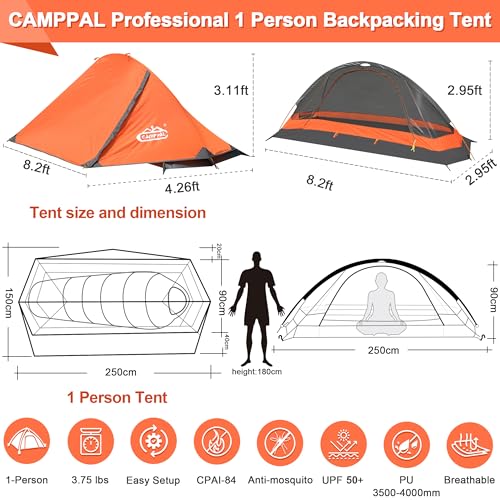
I see the appeal of a true 4-season solo tent under 4 pounds, and on paper, this camppal model promises a lot, high waterproofing at 3500–4000mm, rip-stop fabric, and a single-pole setup that owners say really does go up in under 3 minutes. For solo backpackers facing alpine storms or shoulder-season hikes, that level of weather resistance is rare at this weight and price tier.
But durability questions linger. While the aluminum pole is a strong point, some reviewers report that the pole connectors can loosen over repeated use, and the vestibule is on the small side, limiting gear storage. Still, if you’re a tall hiker needing extra length and want something that’s held up in wind and rain according to real-world feedback, this tent stands out in the budget 1P category.
Product photos



Night Cat Upgraded 1-2 Person Tent

Strengths
- Blazing-fast clip setup
- Compact packed size
- Good storm resistance
Trade-offs
- Fiberglass poles less durable
- Condensation in humid weather
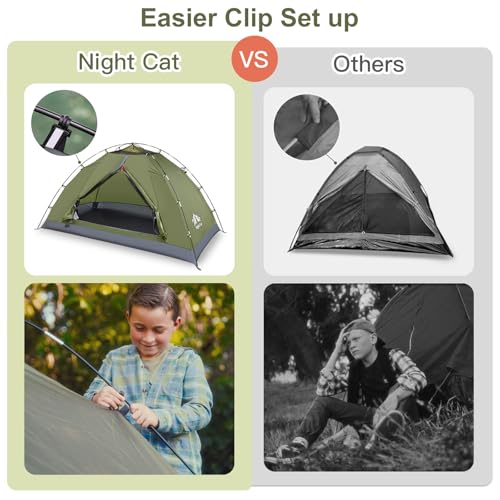
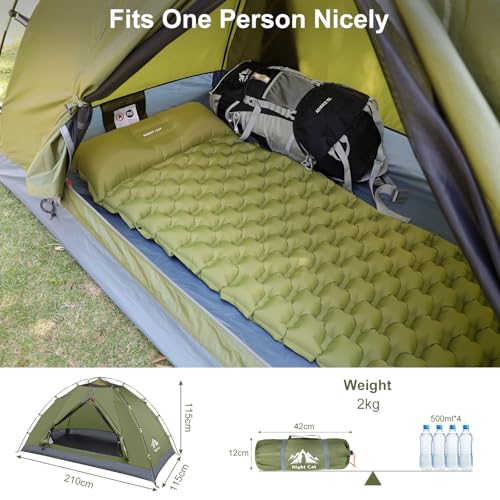
The 1-minute clip setup is not marketing fluff, owners consistently praise how fast and simple this tent goes up, thanks to the pole-and-clip system. For hikers tired of wrestling with pole sleeves, that’s a real win. It’s compact at 4.4 lbs and 42cm packed, making it a solid pick for motorcycle camping or fast-and-light trips where speed matters.
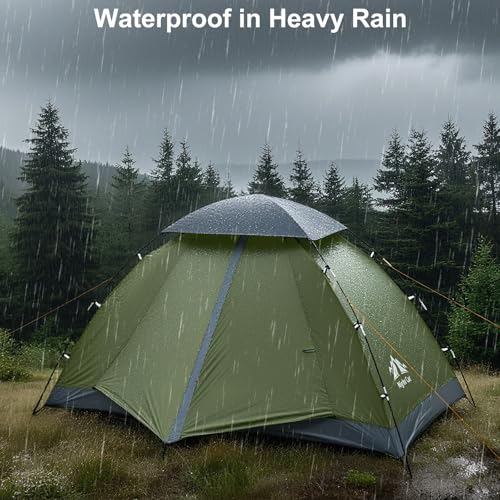
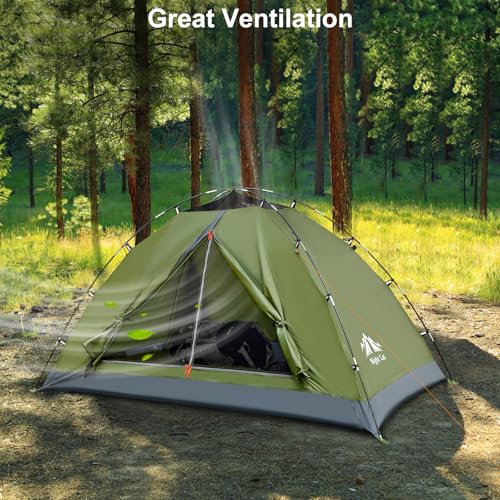
But the fiberglass poles are a red flag for serious backpackers. They’re heavier and less flexible than aluminum, which increases break risk in high winds. And while the PU3000 rating sounds good, some users report condensation issues due to limited mesh. It’s a fair budget option for fair weather, but I’d skip it for alpine or storm-prone areas.
Product photos

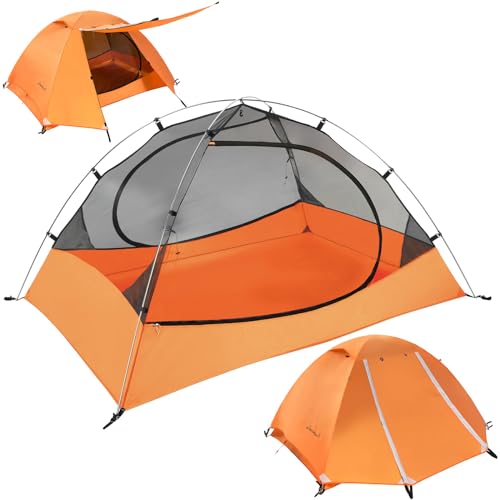
Clostnature 4-Person Ultralight Tent
Strengths
- Spacious 4-person layout
- Excellent waterproofing
- Dual vestibules
Trade-offs
- Heavier than ideal for long hikes
- Build quality varies
At just under 7.4 pounds, this 4-person tent punches above its weight class for group backpacking. The PU5000 coating and sealed seams are a real upgrade over cheaper models, and owners consistently report staying dry even during prolonged downpours. I appreciate the full mesh walls and dual vestibules, it’s a thoughtful design that balances breathability and storage, which is rare in budget-friendly group tents.
Still, “ultralight” is a stretch here. While the trail weight is respectable, it’s best for car camping or short hikes with kids or scouts rather than serious thru-hiking. Compared to the Kelty or Marmot options, it’s less refined, but for families or casual backpackers, it delivers a lot of shelter for the cost.
Product photos
How We Picked These value backpacking tents
Rather than a hands-on lab test, this selection is a research-led comparison of published specifications and owner feedback. I started by compiling a list of tents marketed as “value” options – meaning a balance of price and performance – and then dove into the details. We compared weight, dimensions, waterproof ratings, materials, and included features across each model. Alongside this, I carefully weighed owner reviews from multiple retailers and expert opinions from reputable outdoor gear sites.
For value backpacking tents, three factors stood out as most important: waterproofness, weight, and ease of setup. A tent’s ability to keep you dry is paramount, so PU coating ratings and seam sealing details received significant attention. Weight is critical for backpacking, naturally, and a quick, frustration-free setup is essential when you’re already tired from a day on the trail. Finding tents that excel in these areas, without breaking the bank, was the primary goal.
Specifications reliably indicate a tent’s potential for weather protection and its basic size and weight. However, I placed more weight on owner feedback regarding real-world durability and how well those specs translated to practical use. Reports on condensation buildup, pole strength in wind, and the accuracy of advertised weights were particularly influential. You’ll find many excellent options from top backpacking tent brands if you prioritize these factors as well.
How To Choose The value backpacking tents
Choosing a backpacking tent can feel overwhelming, but focusing on a few key areas will get you closer to finding the right shelter for your adventures.
A good backpacking tent balances weight, weather protection, and livability. Prioritize a durable waterproof rating (at least 1500mm for the fly and 3000mm for the floor), a lightweight design (under 4lbs per person is a good target), and a freestanding structure for flexible campsite options. Consider pole material – aluminum is stronger and lighter than fiberglass – and pay attention to vestibule space for gear storage.
Weight and Packability
Weight is paramount when you’re carrying everything on your back. Don’t fall into the trap of thinking you need the biggest tent; scale it to your party size. A two-person tent might feel luxurious for one person, but a four-person tent adds significant weight even when only occupied by two. Look for tents using lightweight materials like 20D or 30D nylon or polyester for the fly and floor. Consider the packed size too – a compact stuff sack makes a big difference in how your tent fits within your pack. I frequently recommend looking at top two-person backpacking tents for solo hikers who want extra space.
Waterproofing and Weather Resistance
Don’t assume all “waterproof” tents are created equal. The PU (polyurethane) coating number is your friend here – higher numbers mean better waterproofing. Aim for a fly with at least a 1500mm rating, and the floor should be at least 3000mm. But waterproofing isn’t just about the coating. Fully taped seams are crucial, as water will find its way through any unsealed stitch. Also, a bathtub floor (where the floor fabric extends up the sides) is a must-have for preventing water from pooling inside during heavy rain.
- A higher denier (D) rating in the fabric indicates greater durability, but also more weight.
- Vestibules are essential for keeping wet gear out of the main tent body – look for good coverage.
- Guy lines and strong stakes are often overlooked. Invest in a decent set of aluminum stakes, and practice setting them up correctly for maximum stability in wind.
A well-pitched tent is more important than an expensive one. Practice setting up and staking out your tent at home before heading into the backcountry.
Setup and Livability
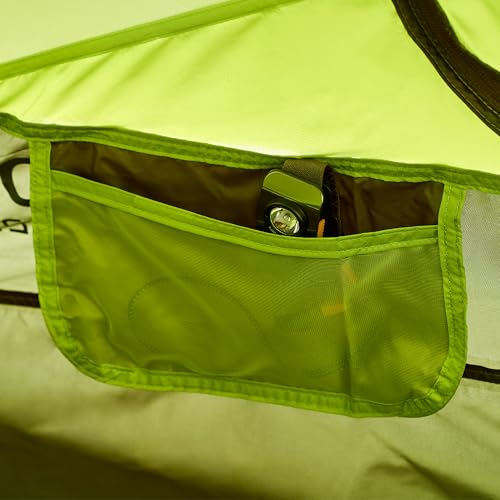
Ease of setup is a huge factor, especially if you’re often setting up camp after a long day of hiking. Freestanding tents are generally easier to pitch as they don’t require staking to maintain their shape, though staking is still recommended for stability. Look for color-coded poles and clips to simplify the process. Beyond setup, consider livability features like interior pockets, headroom, and door configuration. If you’re on a tight budget, you can still find solid options; checking out affordable backpacking tents will reveal some surprising finds.
Value Backpacking Tents Compared
Here’s a comparison of key specifications for several value backpacking tents to help you make an informed decision.
| Product Name | Capacity | Min Trail Weight (lbs) | Peak Height (in) | Waterproof Rating (PU mm) | Packed Size (in) |
|---|---|---|---|---|---|
| Clostnature 2-Person | 2 | 4.52 | 39 | 5000 | 16.5×5.9×5.9 |
| Clostnature 1-Person | 1 | 2.97 | 35 | 5000 | 15×5.1×5.1 |
| Marmot Crane Creek 2P | 2 | N/A | 44 | N/A | N/A |
| Kelty Grand Mesa 2P | 2 | N/A | 44 | N/A | 16x7x7 |
| BISINNA 2-Person | 2 | 2.16 | 39 | 3000 | N/A |
| camppal 1-Person | 1 | 3.75 | 29.5 | 3500-4000 | N/A |
| Night Cat Upgraded 1-2 Person | 1-2 | N/A | 38 | 3000 | 16.5×4.7×4.7 |
| Clostnature 4-Person | 4 | 6.54 | 47 | 5000 | N/A |
Frequently Asked Questions
What’s the biggest compromise I’ll make choosing a value tent?
You’ll likely sacrifice some weight compared to high-end models. Value tents often use slightly heavier materials to achieve a lower price point, but many options remain under 4lbs per person which is still very manageable for most backpackers.
Are PU coatings the only thing that matters for waterproofing?
No, seam sealing is equally crucial. A high PU coating is useless if water can seep through the needle holes, so always check that a tent has fully taped seams to prevent leaks during wet weather.
How important is a freestanding tent for backpacking?
Freestanding designs are very helpful, especially on rocky or challenging terrain where staking isn’t possible. They offer flexibility in campsite selection and make setup quicker and easier, though they may require more staking for optimal stability in wind.
What’s the difference between 20D and 70D nylon, and how does it affect my choice?
The ‘D’ stands for denier, which measures the fabric thickness. 20D nylon is lighter and more packable, but 70D is significantly more durable and resistant to abrasion – a good choice if you frequently camp in rough conditions.
Where can I find more options if I’m looking for a really affordable tent?
You can explore many backpacking tents with high value that provide a great balance of price and features, making them perfect for beginners or those on a tight budget.
The Bottom Line
Buying a backpacking tent always comes down to balancing what you’re willing to carry against how much comfort and protection you demand. For most hikers, the Clostnature 2-Person strikes that balance exceptionally well – it offers a solid waterproof rating, a reasonable weight, and a price point that won’t empty your wallet. It’s a fantastic all-rounder and a great place to start when building your kit.
If you have specific needs, though, there are other excellent choices. For solo adventurers focused on keeping weight down, the Clostnature 1-Person is a clear winner. And if you’re on a tight budget and still want reliable shelter, the BISINNA 2-Person delivers a surprising amount of value. Remember to consult a detailed backpacking tent buying guide to refine your search.
Ultimately, specs don’t tell the whole story. Focus on finding a tent that fits your body, your typical hiking style, and the kinds of conditions you expect to encounter. Prioritize a well-made, properly pitched tent over chasing the lightest weight or highest waterproof rating – a little practice and common sense will go much further in keeping you comfortable and dry on the trail.
