
7 Best Water Resistant Tents of 2026
This post contains affiliate links. As an Amazon Associate, we earn from qualifying purchases.
The EVER ADVANCED 4-Person Blackout Tent stands out as the best overall water resistant tent, thanks to its strong 4000mm rating and reliable design. For backpackers needing something lighter, the Forceatt 2-Person Backpacking Tent offers solid protection at a lower weight, while the EVER ADVANCED 6-Person Screen Room Tent adds serious versatility for group trips with its attached sheltered space.
Most campers don’t realize that a tent’s waterproof rating alone won’t keep them dry when the rain pours. Poor ventilation, flimsy zippers, or untaped seams can all lead to leaks, no matter what the label claims.
This guide cuts through the marketing by focusing on what actually matters, fully taped seams, smart geometry, and real-world feedback. I looked at specs, construction quality, and owner experiences to find tents that deliver true protection without surprises when the weather turns.
Top 7 Water Resistant Tents in the Market
The Best Water Resistant Tents, Reviewed
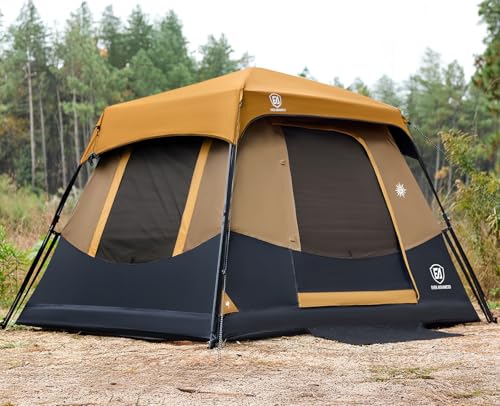
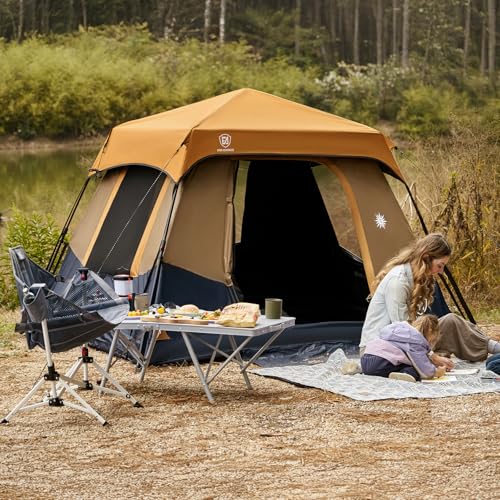
EVER ADVANCED 4-Person Blackout Tent
Strengths
- 4000mm water resistance
- True blackout fabric
- 60-second setup
Trade-offs
- Only 4-person size
- 59 inch height limits movement
- Less headroom
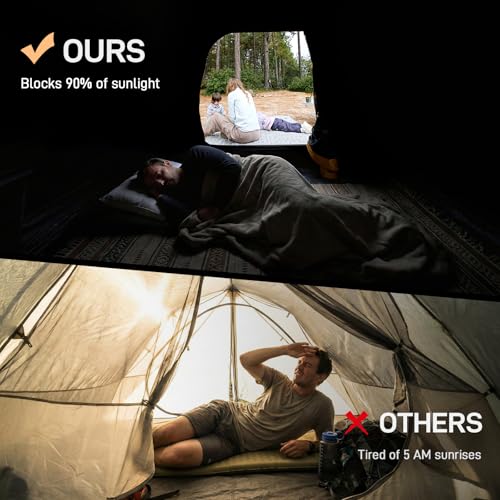
This is the tent I’d recommend to anyone who hates waking up at dawn. The blackout fabric actually works, owners say it blocks nearly all sunlight, making it perfect for shift workers or kids who need to sleep in. The 4000mm waterproof rating is where it really stands out in this group, offering real confidence in heavy rain.
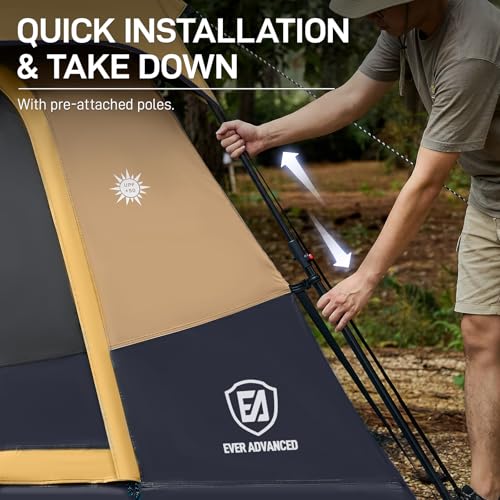
It’s also one of the few in this list with fully taped seams, which is a detail that matters when the rain starts pooling. Setup in 60 seconds is no exaggeration, color-coded poles and pre-attached frame make it idiot-proof. I’d pick this over the larger 6-person models if you’re camping with two or three and want reliability, privacy, and weather resistance in one tight package.
Product photos

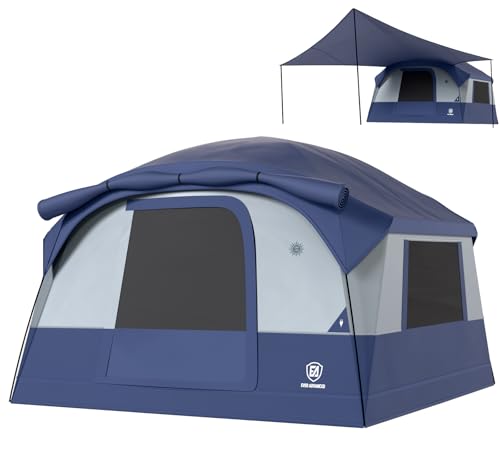
EVER ADVANCED 6-Person Screen Room Tent
Strengths
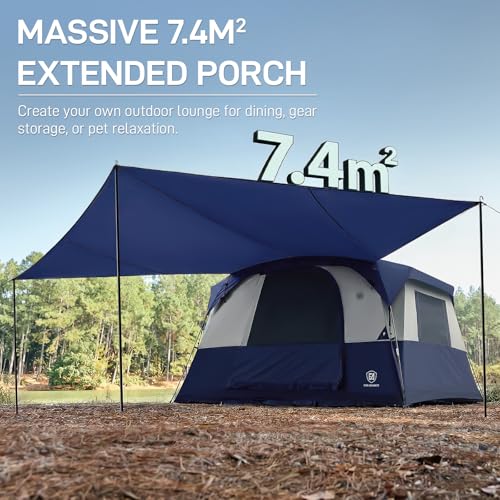
- Massive 80 sq.ft vestibule
- 4000mm water resistance
- 3-in-1 versatility
Trade-offs
- Heavier than average
- Takes longer to set up
- Higher price point
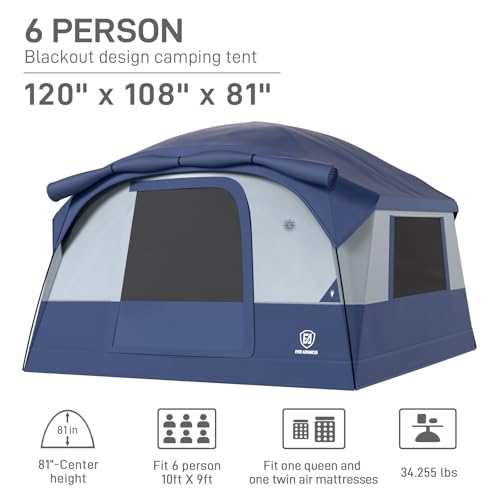
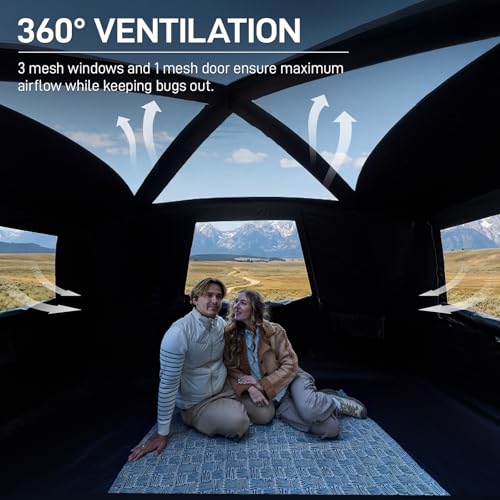
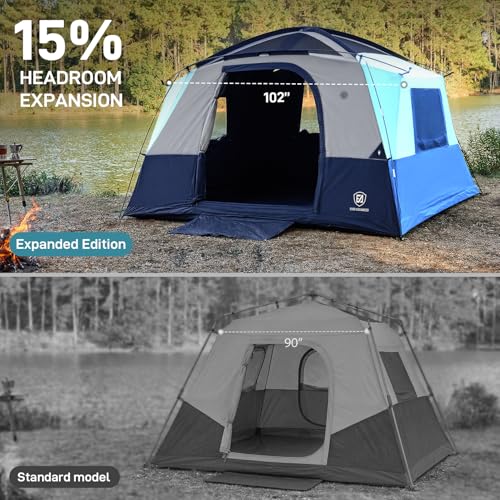
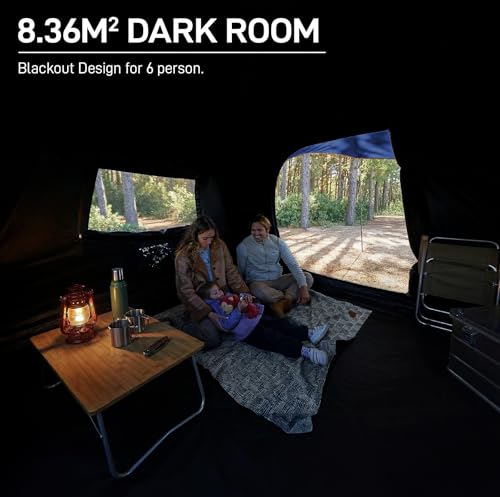
This is the king of versatility. The 80 sq.ft vestibule isn’t just big, it’s usable space for cooking, lounging, or storing muddy gear out of the rain. The 4000mm waterproof rating matches serious tents, and the blackout coating means you won’t be up at sunrise. I especially like the 3-in-1 design, remove the rainfly and you’ve got a sunshade or screen house, which owners use heavily in fair weather.
It’s not an instant tent, but setup is still straightforward, and the 81 inch height with vertical walls makes it feel like a tiny cabin. At 34.2 lbs, it’s not light, but it packs down smaller than you’d expect. For large families or those who want one tent for everything from festivals to basecamp trips, this is my top pick.
Product photos
Forceatt 2-Person Backpacking Tent

Strengths
- 3000mm waterproof
- Aluminum poles
- Dual vestibules
Trade-offs
- Low interior height
- Tight for 2 tall adults
- Not for car campers
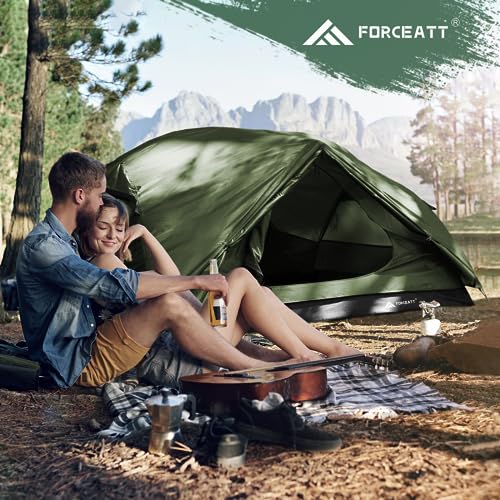
This is the kind of tent I trust in shoulder-season hikes. The 3000mm waterproof rating, taped seams, and welded bathtub floor mean it can handle wet ground and sustained rain, a rarity in this weight class. The 7001 aluminum poles are stiff and lightweight, and owners consistently report it holding up in wind when properly staked.
It’s not tall, 43 inches means you’re sitting or crawling, but for two hikers, the dual doors and vestibules are a luxury. Ventilation is excellent with ceiling vents and mesh panels, cutting down on condensation. If you’re hitting trails year-round and need something that won’t fold in a storm, this is the one I’d grab.
Product photos


EVER ADVANCED 6-Person Instant Cabin Tent

Strengths
- Affordable 6-person size
- Blackout fabric
- Quick setup
Trade-offs
- Basic waterproofing
- Heavy packed weight
- Condensation risk
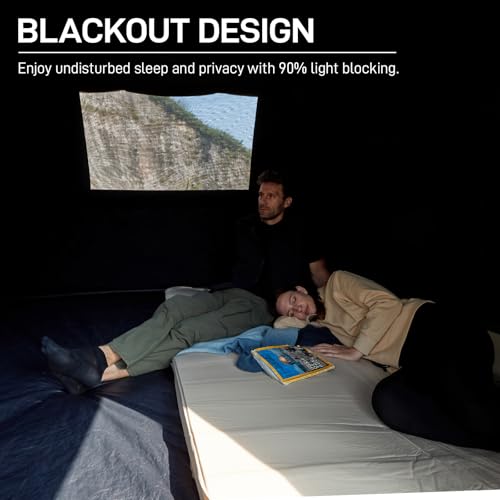
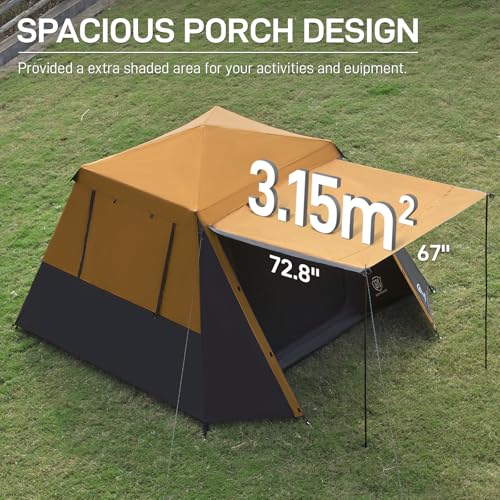
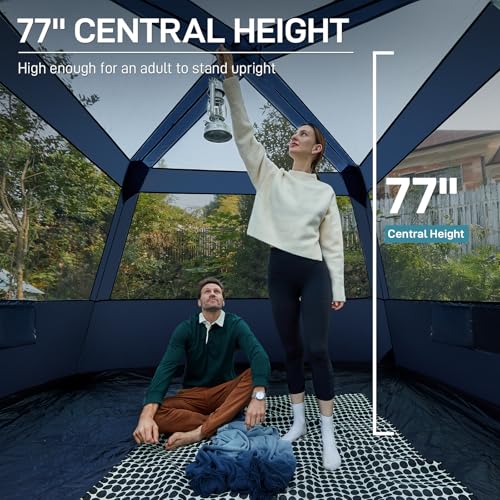
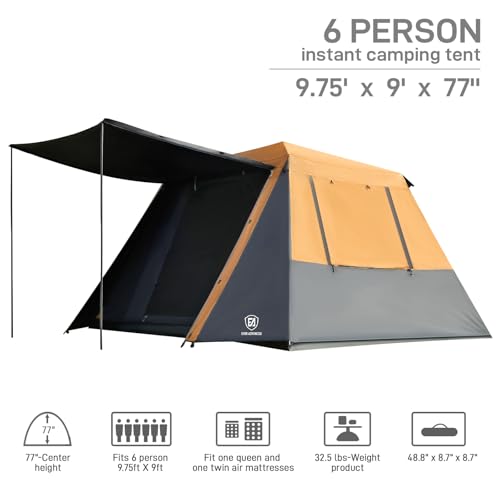
At this price, the 6-person layout with blackout fabric is a rare combo. The 77 inch center height and nearly 10×9 footprint give real room for a family, and the vestibule adds useful covered space for shoes or packs. It’s not the lightest or most storm-ready, but owners say it handles summer rain just fine thanks to the rainfly and decent coatings.
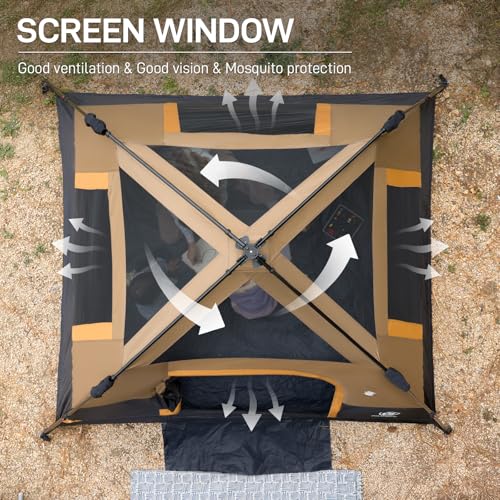
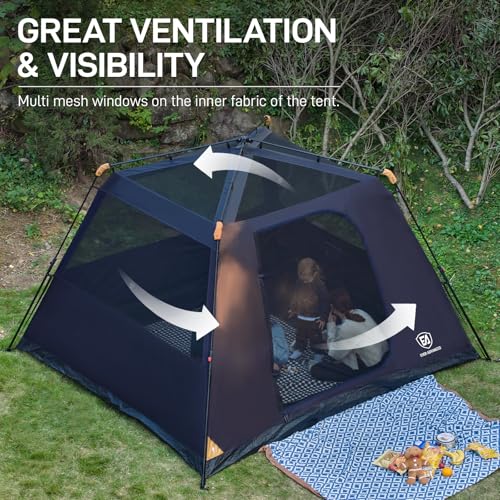
Where it wins is convenience, one-minute setup, no tools, and double zippers for privacy. The ventilation is solid with multiple mesh windows, though condensation can build up in humid weather if you don’t crack a window. For the budget-conscious buyer who still wants blackout perks and easy pitching, this punches above its weight.
Product photos
Portal 6-Person Tent with Screen Room
Strengths
- Large screen porch
- Excellent airflow
- User-friendly setup
Trade-offs
- Fiberglass poles
- Moderate water resistance
- Bulkier packed size
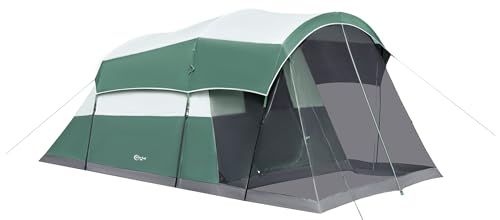
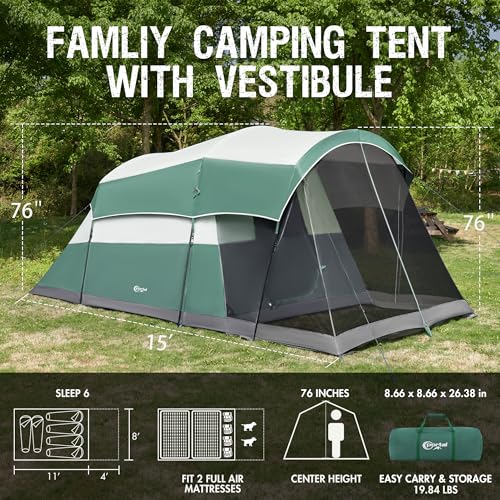
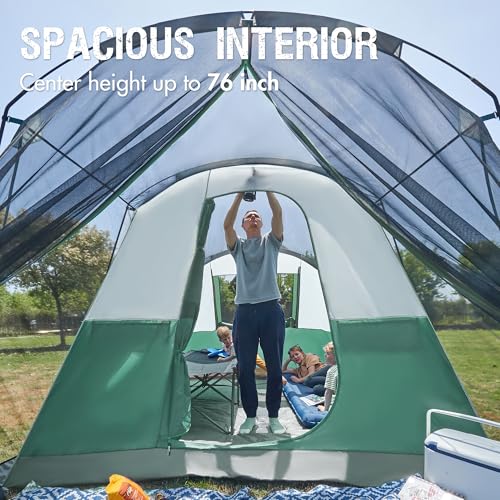
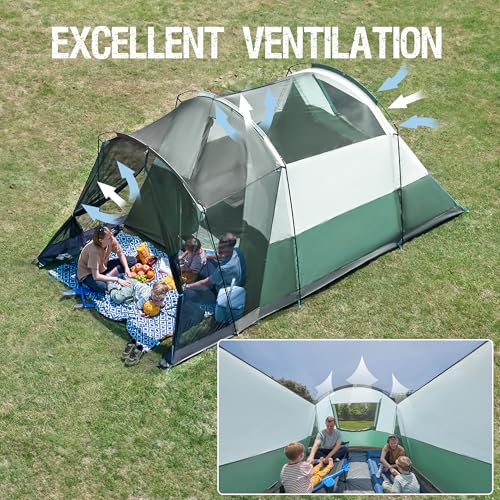
The standout here is the 4-foot-deep screen porch, it’s a standout for comfort. Owners love using it as a mud-free zone for gear or a bug-free hangout during evenings, and that extra space makes this tent feel more like a basecamp than a shelter. The 76 inch height helps, though it’s just shy of true walk-upright freedom.
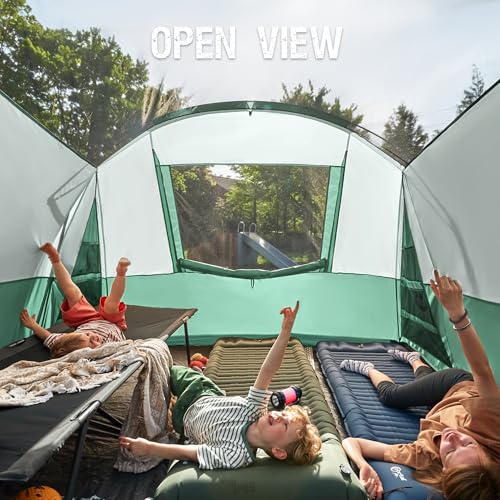
Ventilation is strong thanks to the mesh ceiling and dual doors, and the 66D fabric with removable rainfly holds up reasonably well in light rain. But the fiberglass poles, while sturdy enough for calm weather, aren’t my first choice for wind. For backyard stays or car camping in mosquito-heavy areas, this is a smart layout, just stake it well if the wind kicks up.
Product photos

Forceatt Lightweight 2-Person Tent

Strengths
- Ultra-compact packed size
- PU5000 waterproof floor
- Quick 3-minute setup
Trade-offs
- Minimal headroom
- Heavier than some 2-person tents
- Ventilation limits in humidity
Slightly heavier than the other Forceatt model, but still impressively compact. The 5.68 lb weight and 14cm packed diameter make it a strong contender for ultralight trips where space is tight. The PU5000 coating on the floor is overkill in a good way, this tent is built to survive wet alpine meadows and muddy riverbanks.
Owners praise how quickly it goes up and stays up, even in gusts, thanks to the aluminum poles and reinforced guylines. The dual D-doors and vestibules add livability, though condensation can be an issue in humid weather if you don’t open the vents. It’s not flashy, but for hikers who prioritize durability and packability, this is a quiet winner.
Product photos


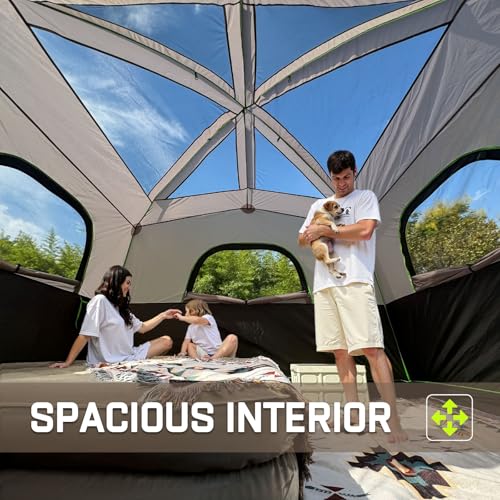
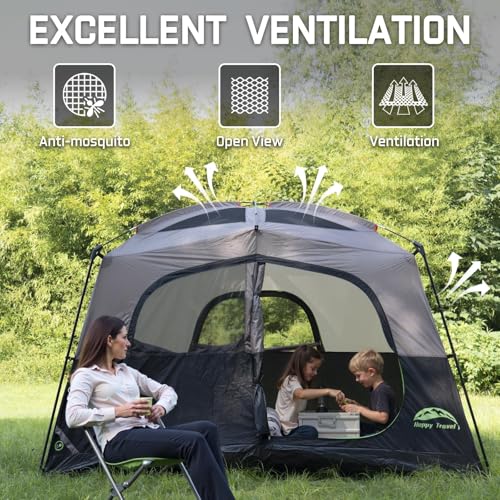
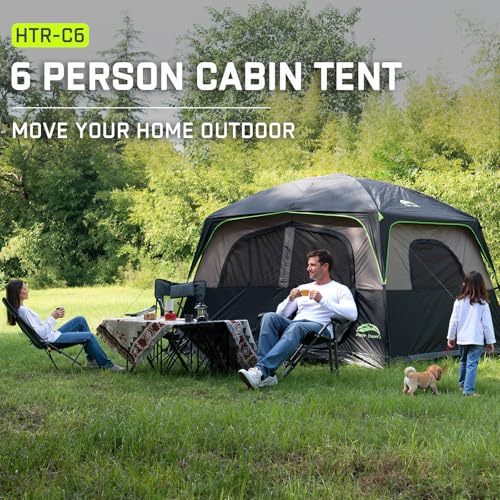
Happy Travel 6-Person Tall Tent
Strengths
- Spacious interior
- Tall center height
- Good ventilation
Trade-offs
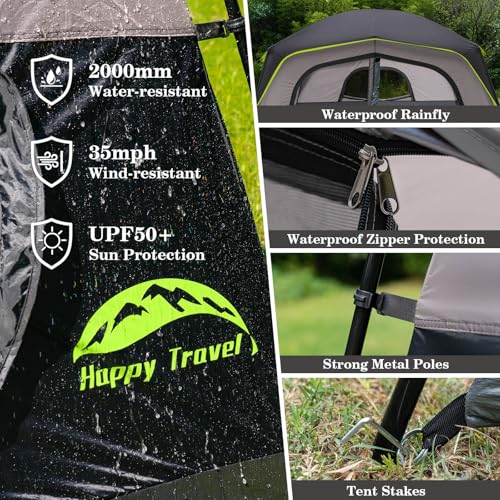
- 2000mm water resistance
- Basic floor material
- Not storm-rated
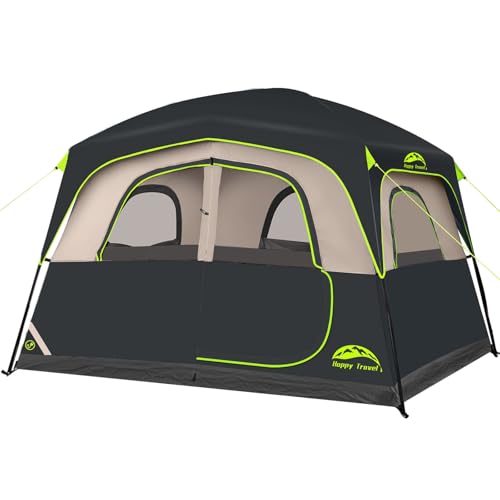
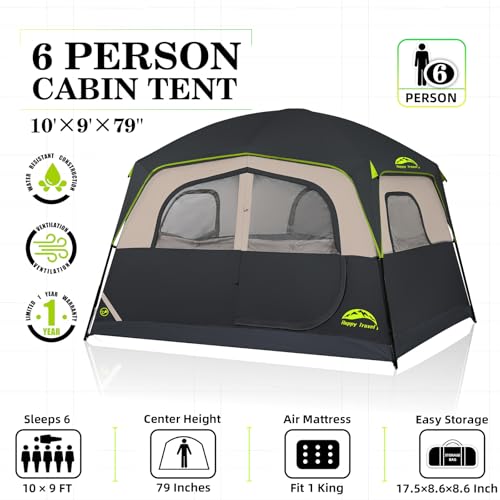
On paper, this tent delivers solid specs for a budget-friendly family shelter. The 79 inch center height is a real perk, few 6-person models let you stand upright without crouching, and owners consistently report that it feels roomier than expected. The 2000mm waterproof rating is decent for light to moderate rain, but I’d hesitate to trust it in a serious downpour or on a multi-day wet trip.
The large mesh windows and top ventilation are smart touches, and reviewers note good airflow when bugs aren’t a problem. Still, the PE floor, while waterproof, isn’t as durable as a welded bathtub floor you’d see in pricier models. For fair-weather camping or weekenders where rain isn’t guaranteed, this is a practical pick, just don’t push it in stormy conditions.
Product photos
How We Chose These water resistant tents
Rather than a hands-on lab test, my research for these recommendations centered on a detailed comparison of published specifications and features across numerous models. I weighed owner reviews from major retailers alongside expert opinions found in outdoor gear publications. Ultimately, I ranked these tents based on how well they met the needs of a variety of campers, considering both price and performance. This involved applying my experience with tent design and materials to assess real-world usability.
For water resistant tents, the most important factors are the rainfly’s waterproof rating and the quality of construction, specifically seam sealing. A higher waterproof rating (measured in millimeters) indicates better resistance to hydrostatic pressure, but it’s not the whole story. Equally crucial is tent geometry – how well the shape sheds water – and the durability of the floor material. I prioritized tents that balanced a good waterproof rating with thoughtful design features to prevent leaks and maintain dryness.
Specifications reliably tell you about a tent’s stated waterproof rating and materials used, but owner feedback and reputation provide insight into how those specs translate into real-world performance. I paid close attention to reviews mentioning leaks, condensation buildup, and durability issues. Understanding tent water resistance hydrostatic head tent guide was also essential in evaluating whether the stated ratings were appropriate for the tent’s intended use and price point.
Choosing The Right water resistant tents
Finding a truly water-resistant tent requires more than just looking at a waterproof rating. It’s about the entire system working together – the fabric, the construction, and even how you set it up.
A quality water-resistant tent prioritizes durable fabrics (typically polyester or nylon with a PU or silicone coating), fully taped seams to prevent leakage, a robust rainfly extending to the ground, and a bathtub floor design to elevate the tent base above moisture. Look for hydrostatic head ratings of at least 1500mm for the fly and 3000mm for the floor, and consider features like sealed zippers and effective ventilation to minimize condensation.
Fabric & Waterproof Rating
Don’t get hung up on chasing the highest waterproof rating possible. While a higher number sounds better, diminishing returns kick in quickly. Beyond 3000mm for the fly and 5000mm for the floor, you’re often paying for minimal extra protection. Instead, focus on the quality of the fabric and its coating. Polyester is generally more affordable and UV-resistant, while nylon is lighter and packs smaller. More importantly, look for tents that use a polyurethane (PU) or silicone coating, as these provide superior water resistance compared to cheaper alternatives. Also, remember that a tent’s waterproof coating will degrade over time, so regular re-waterproofing is essential if you want to extend its life, and you can find more information on tents with seam sealing.
Construction & Seam Sealing
A high waterproof rating is useless if water can seep in through the seams. This is where fully taped seams become crucial. These seams are sealed with a waterproof strip to prevent water from penetrating the stitch holes. Beyond taped seams, pay attention to the overall construction quality. Reinforced stress points, durable zippers, and a well-designed rainfly that extends all the way to the ground are all indicators of a well-made, water-resistant tent. A bathtub floor, where the fabric extends several inches up the sides, is another key feature as it prevents ground water from wicking up into the tent.
- A simple overlap of the rainfly isn’t enough – it needs to fully enclose the tent body.
- Look for tents with sealed zippers. Water can easily find its way through unsealed zippers.
- The quality of the stitching matters. Poorly sewn seams are more prone to leaks, even if they’re taped.
Ventilation & Condensation Management
Water resistance isn’t just about keeping rain out; it’s also about managing moisture inside the tent. Condensation builds up when warm, moist air inside the tent comes into contact with the cooler tent walls. Good ventilation is key to minimizing condensation. Look for tents with large mesh windows, adjustable vents, and a breathable inner tent fabric. Proper airflow prevents moisture buildup and keeps you comfortable, and understanding pitching a tent in wet weather is also vital in keeping your shelter dry.
Remember: a well-ventilated tent is a dry tent, even in damp conditions.
Ultimately, choosing a water-resistant tent is about finding the right balance between protection, weight, and features for your specific needs. Don’t underestimate the importance of proper setup and maintenance to ensure your shelter keeps you dry during your outdoor adventures. And if you’re anticipating particularly heavy downpours, consider investing in heavy rainfall tent designs for added peace of mind.
Water Resistant Tents Compared
Here’s a comparison of key specifications for several water resistant tents to help you find the best option for your needs.
| Product Title | Capacity | Waterproof Rating (mm) | Weight (lbs) | Packed Size | Special Features |
|---|---|---|---|---|---|
| EVER ADVANCED 4-Person Blackout Tent | 4 | 4000 | N/A | 7.48×7.48×36.22″ | Blackout, Instant Setup |
| EVER ADVANCED 6-Person Screen Room Tent | 6 | 4000 | 34.2 | 9.8×9.8×26.8″ | Screen Room, 3-in-1 |
| Forceatt 2-Person Backpacking Tent | 2 | 3000 | 5.5 | N/A | Backpacking, Lightweight |
| EVER ADVANCED 6-Person Instant Cabin Tent | 6 | N/A | N/A | 8.7×8.7×48.8″ | Blackout, Instant Setup |
| Portal 6-Person Tent with Screen Room | 6 | N/A | N/A | N/A | Screen Room, Tall |
| Forceatt Lightweight 2-Person Tent | 2 | 3000-5000 | 5.68 | 41x14cm | Lightweight, Compact |
| Happy Travel 6-Person Tall Tent | 6 | 2000 | 16.5 | 17.5×8.6×8.6″ | Tall, Stargazing |
Frequently Asked Questions
What waterproof rating is truly necessary for a water resistant tent?
A rating of at least 1500mm for the rainfly and 3000mm for the floor is a solid baseline for general camping. Beyond that, you’ll see diminishing returns; focusing on fabric quality and construction becomes more important than chasing extremely high numbers.
Does seam sealing degrade over time, and what can I do about it?
Yes, the sealant used for seams can break down with exposure to UV rays and weather. Regularly reapplying a seam sealer specifically designed for tents will help maintain water resistance and extend the life of your shelter.
What’s the difference between a PU coating and a silicone coating on tent fabrics?
Polyurethane (PU) coatings are more affordable and generally offer good water resistance, while silicone coatings are lighter, more durable, and provide better performance in wet conditions – but at a higher price point.
Can I make my tent more water resistant myself?
Absolutely. In addition to reapplying seam sealer, you can use a durable water repellent (DWR) spray on the rainfly to restore its water-repellent properties. This is especially helpful for tents that have been used frequently or exposed to harsh conditions.
Are dome tents or cabin tents better at shedding water?
Dome tents generally shed water more effectively due to their sloping sides, which prevent water from pooling. However, many modern cabin tents are designed with optimized rainfly geometry and bathtub floors that provide excellent water resistance, and you can find durable wet-weather tents in both styles.
The Bottom Line
Choosing a water-resistant tent always comes down to balancing how much protection you absolutely require with how much you want to spend and carry. For overall performance and peace of mind in consistently wet conditions, I believe the EVER ADVANCED 4-Person Blackout Tent strikes the best balance – its 4000mm rating and thoughtful design features offer excellent defense against the elements without a prohibitive price tag.
If you’re on a tighter budget or prioritize space and versatility, the EVER ADVANCED 6-Person Screen Room Tent is an excellent choice. Backpackers needing a lightweight and reliable shelter will appreciate the Forceatt 2-Person Backpacking Tent, providing a good 3000mm rating in a compact package. Maintaining your tent with tent seam sealing methods will extend the life of any of these options.
Ultimately, remember that no waterproof rating can compensate for a poorly pitched tent or neglected maintenance. Prioritize proper site selection, careful setup, and regular care – including a quality tent DWR treatment tips – and any well-made tent will keep you dry and comfortable for years to come.
