
8 Best Waterproof Backpacking Tents of 2026
This post contains affiliate links. As an Amazon Associate, we earn from qualifying purchases.
The Underwood 4-Season Backpacking Tent is the best overall waterproof backpacking tent for its rugged build and reliable 5000mm rating, while the Forceatt 2-Person All-Season Tent stands out as a smart budget pick with strong weather protection and durable 7001 aluminum poles. For those needing more room, the Clostnature 4-Person Ultralight Tent offers surprising versatility without sacrificing too much weight.
Most backpackers don’t realize how quickly a lightweight tent can turn into a damp, soggy mess when rain hits, especially if the seams aren’t sealed or the poles can’t handle wind. A truly dependable shelter needs to balance weather resistance, structural integrity, and packability.
As Chloé Bourgeois, I’ve spent years analyzing tents that claim to be waterproof, and this guide cuts through the marketing. These picks are based on specs, owner feedback, and real-world performance in wet conditions, focusing on what actually keeps you dry when it matters most.
Top 8 Waterproof Backpacking Tents in the Market
The Best Waterproof Backpacking Tents, Reviewed
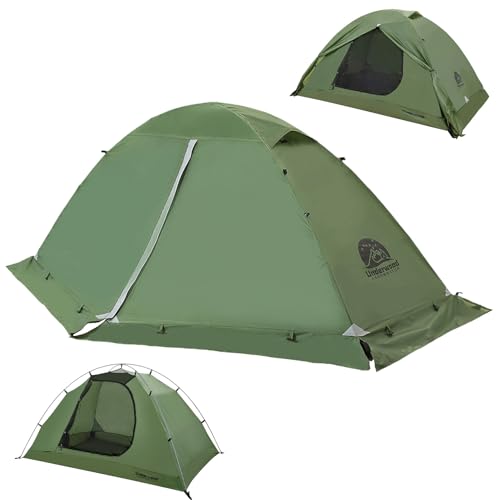
Underwood 4-Season Backpacking Tent
Strengths
- 4-season capable
- PU5000mm waterproofing
- Freestanding setup
Trade-offs
- Heavy for two
- Condensation issues
- Bulky packed size
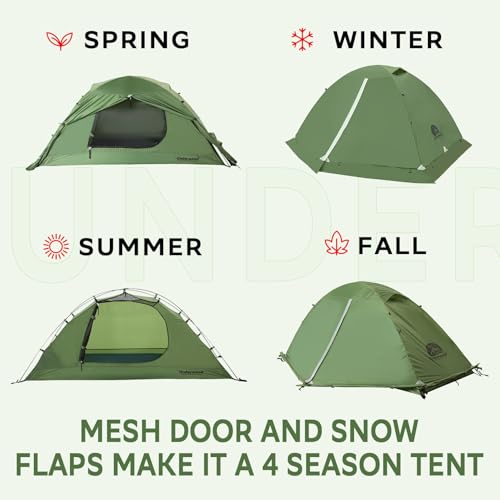
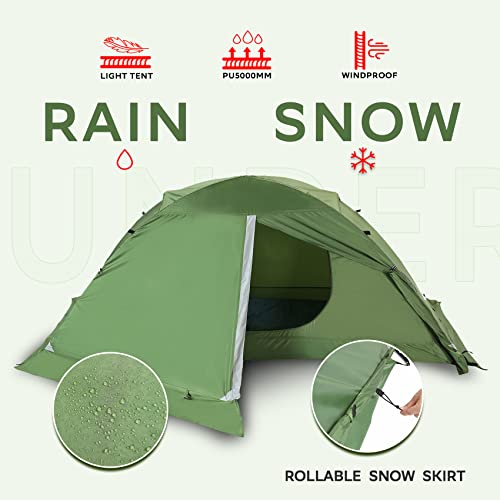
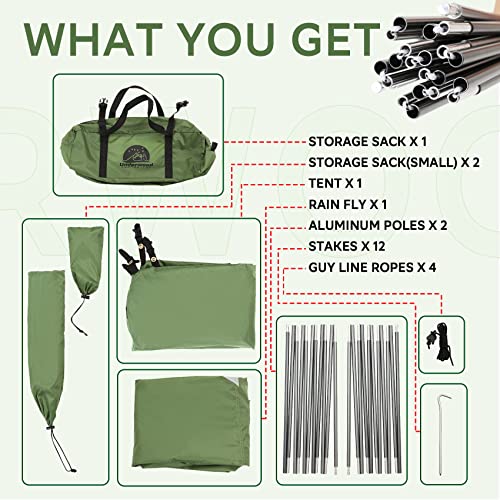
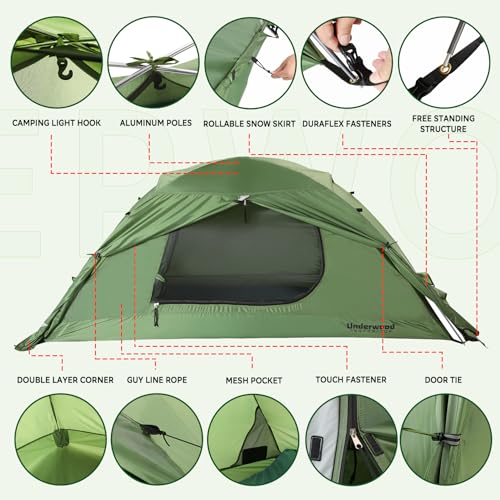
This Underwood Aggregator tent pitches itself as a true 4-season beast, and on paper, it delivers with a PU5000mm coating, snow skirt, and aircraft-grade aluminum poles. That level of weather resistance is rare at this price tier, and owners consistently report staying dry through sleet and sustained wind. The freestanding design with duraflex fasteners makes setup more forgiving than most non-freestanding models, which matters when you’re battling cold and fatigue.
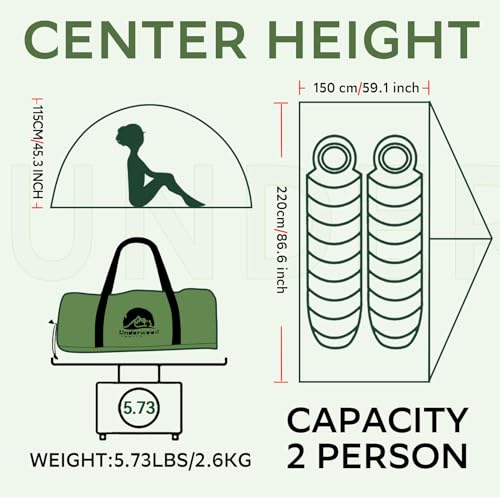
Still, at 5.73 pounds, it’s heavy for a 2-person backpacking tent, especially when compared to ultralight 3-season options. The mesh ventilation is decent but not great, so condensation can build up in humid conditions. I’d consider this a solid pick for winter backpackers or alpine trekkers who prioritize durability over pack weight.
Product photos
Clostnature 4-Person Ultralight Tent

Strengths
- Spacious for four
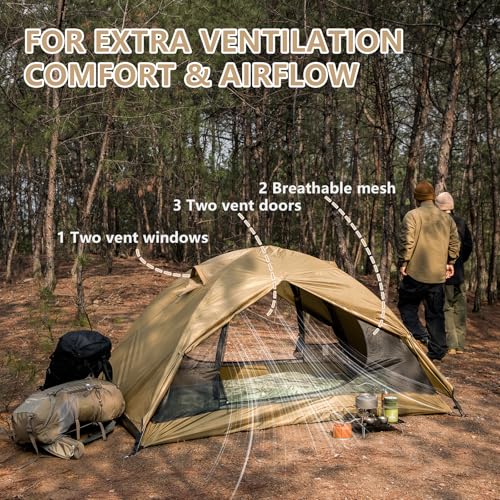
- Great ventilation
- Strong pole structure
Trade-offs
- Heavy for four
- Mesh attracts condensation
- Zippers can snag
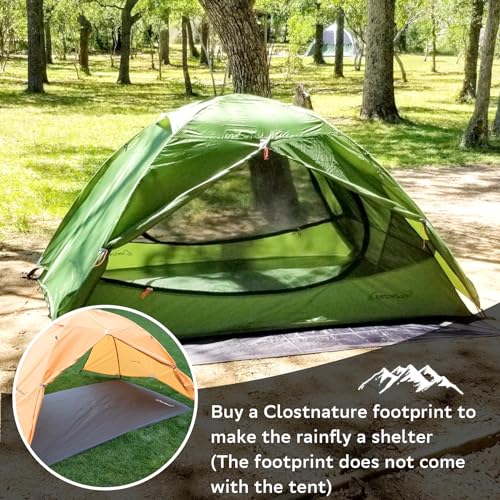
For groups of three or four, the Clostnature 4-person tent hits a sweet spot between weight and space. At 7.38 lbs (or 6.54 lbs trail weight), it’s not ultralight, but it’s reasonable for a family-sized shelter. Owners praise the dual vestibules and full mesh walls, which allow solid airflow while keeping bugs out, a big win in buggy summer campsites. The X-braced pole design adds real wind stability, and the PU5000 coating matches premium waterproofing standards.
Setup is consistently described as fast and intuitive, even for first-timers. The freestanding structure helps, and the included repair kit is a nice touch. While it’s technically 3-season, the build quality holds up well in light snow or shoulder-season storms. I’d pick this over bulkier cabin tents when backpacking with kids or friends who need room without total weight sacrifice.
Product photos



Marmot Crane Creek 2P Tent
Strengths
- Lightweight and tough
- PFAS-free materials
- Excellent weather sealing
Trade-offs
- Snug fit for two
- Higher price
- Footprint sold separately
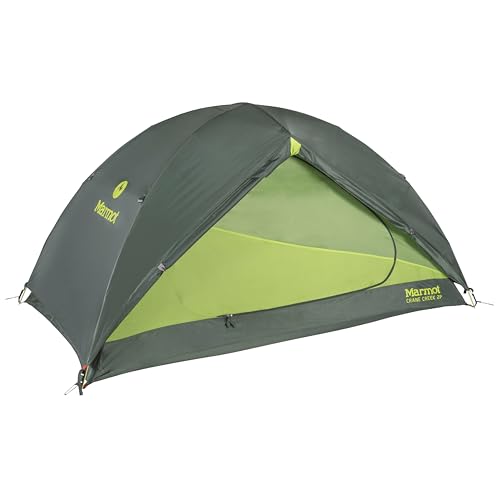
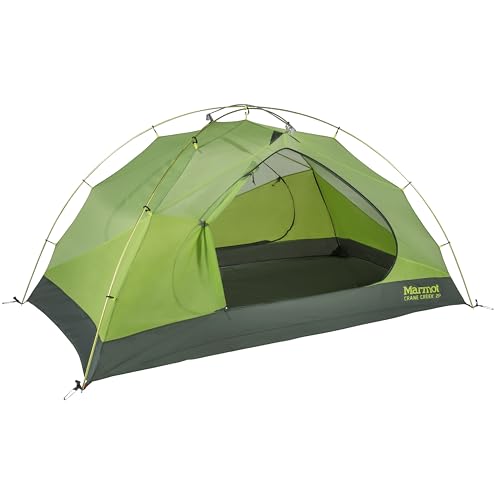
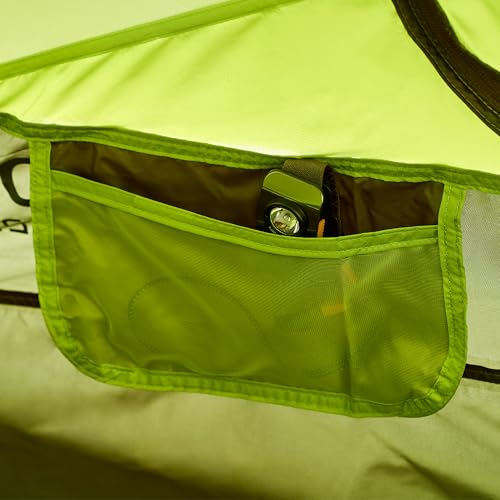
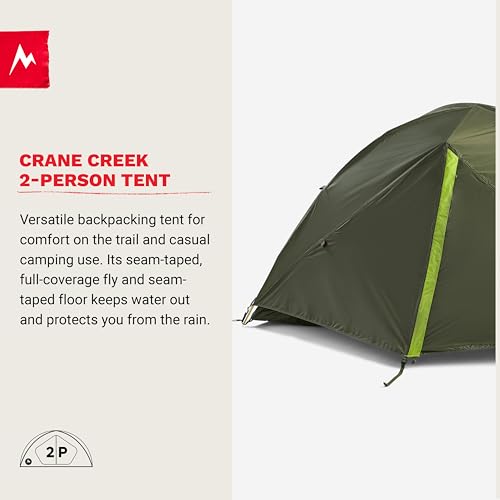
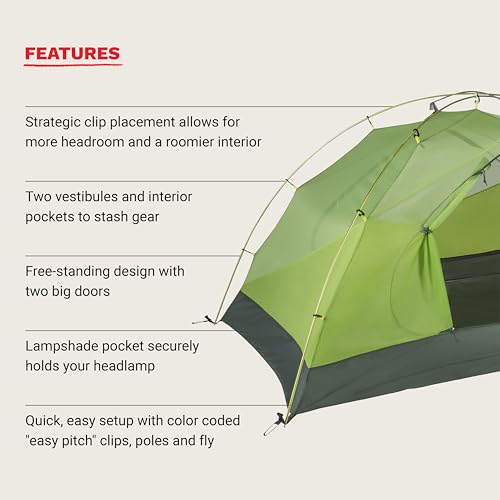
The Marmot Crane Creek 2P stands out for combining low weight with high durability, a rare balance in this category. At around 4.5 lbs (depending on configuration), it’s light enough for serious backpacking, yet built with 7000-series aluminum poles and PFAS-free, seam-taped fabrics that promise long-term trail use. Owners consistently praise its stormworthiness and the ease of access from two large D-doors and dual vestibules.
It doesn’t have the highest headroom or largest floor (225×135 cm), so it’s snug for two tall hikers. But for thru-hikers or mountaineers who need a reliable, lightweight shelter that won’t quit after a few seasons, this is a top contender. Compared to budget models, it costs more but delivers in longevity and eco-conscious materials. I’d pick it over heavier or less durable options for long-term investment.
Product photos
Clostnature 2-Person Ultralight Tent
Strengths
- Excellent weight-to-space ratio
- PU5000mm waterproofing
- Full mesh ventilation
Trade-offs
- Stakes are flimsy
- Fly doesn’t extend fully
- Zipper quality average
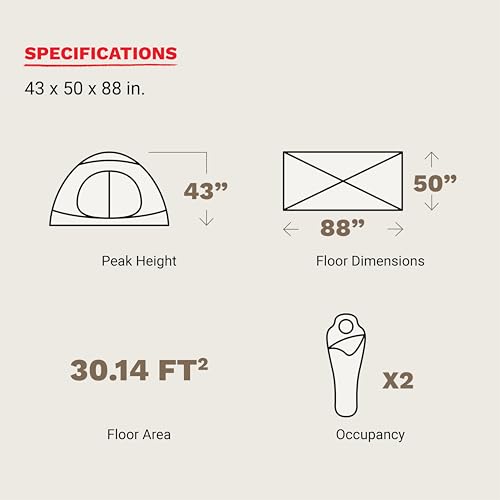
This 2-person model from Clostnature is one of the best values when you factor in weight, size, and weather protection. At just 5.29 lbs (4.52 lbs trail weight), it’s competitive with pricier ultralight tents, and the 220×150 cm floor gives more elbow room than many in this class. The PU5000 coating and sealed seams mean real waterproof performance, and owners confirm it stays dry in downpours.
The full mesh walls and dual D-doors make this one of the most breathable 2-person tents under 5.5 lbs. It packs down small and sets up fast, a big plus after a long day on trail. While it lacks the premium durability of a Marmot or Big Agnes, it offers 90% of the performance at half the price. My recommendation? This is the smarter buy if you want lightweight and waterproof without emptying your wallet.
Product photos
Forceatt 2-Person All-Season Tent

Strengths
- Budget-friendly
- Durable pole construction
- Quick setup
Trade-offs
- Basic ventilation
- Heavier than rivals
- Rainfly fit could be better
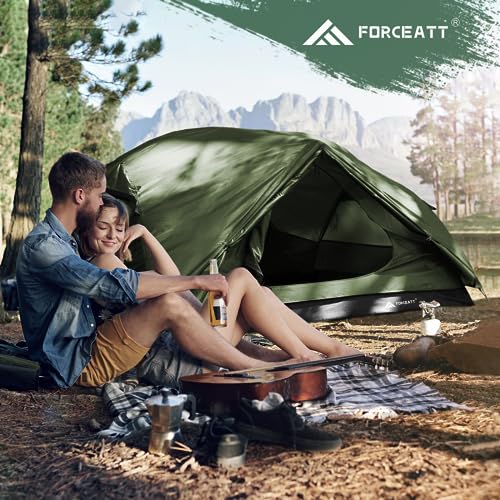
The Forceatt 2-person tent is a no-frills workhorse that punches above its price in durability and ease of use. At 5.5 lbs, it’s not breaking any weight records, but the 7001-series aluminum poles and welded floor add real resilience, reviewers say it shrugs off rocky terrain and heavy rain. The 3-minute setup is legit, thanks to intuitive pole routing and smooth #8 zippers that don’t snag.
Ventilation is decent with ceiling vents and mesh panels, though not as strong as the Purebox or Clostnature models. The PU3000mm rating keeps you dry in most storms, but don’t expect it to handle prolonged deluges like a PU5000 tent. Still, for beginners or occasional campers who want reliability without overspending, this is the smarter buy over pricier names that offer marginal gains.
Product photos


camppal 1-Person All-Weather Tent

Strengths
- Ultra-light for one
- Fast single-pole setup
- Extra length for tall users
Trade-offs
- Minimal interior space
- Limited ventilation
- Low headroom
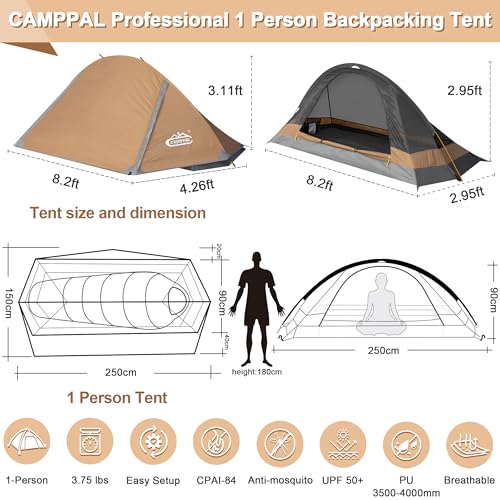
For solo hikers who move fast and light, the camppal 1-person tent is a compelling option. At just 3.75 lbs and with a single-pole design, it’s one of the quickest to pitch, owners confirm setup in under 3 minutes, even with cold hands. The 8.2-foot length is a standout, giving taller hikers room to stretch out without kicking the ends. The 3500-4000mm waterproof rating isn’t class-leading, but combined with taped seams and ripstop fabric, it holds up well in real-world storms.
It’s not the most breathable, and the small footprint means zero room for gear inside. But for thru-hikers or alpine scramblers who want a storm-ready cocoon they can toss in a pack, this delivers. I’d recommend it over bulkier 2-person tents when you’re truly solo and weight matters.
Product photos



Purebox 2-3 Person Dome Tent
Strengths
- Excellent airflow
- Spacious interior
- Easy clip setup
Trade-offs
- Heavier than ideal
- Rainfly fit issues reported
- Not ultralight
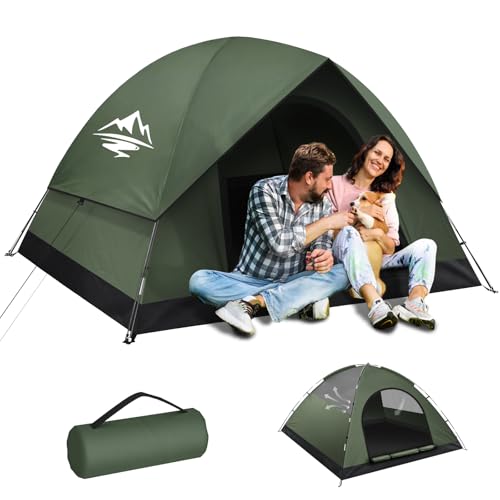
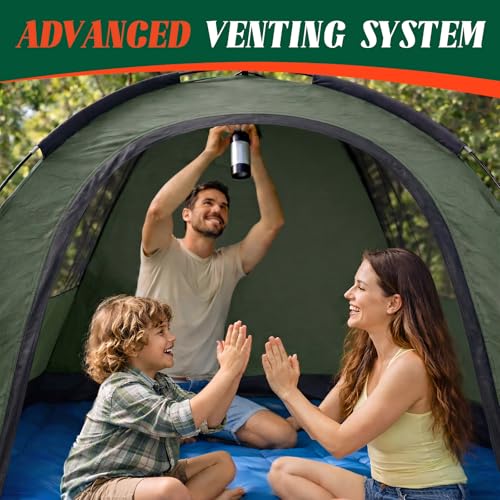
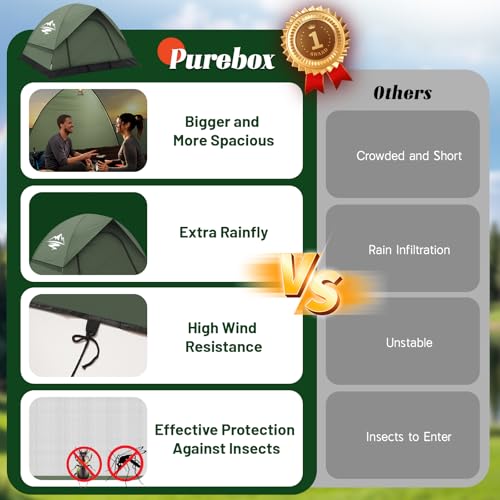
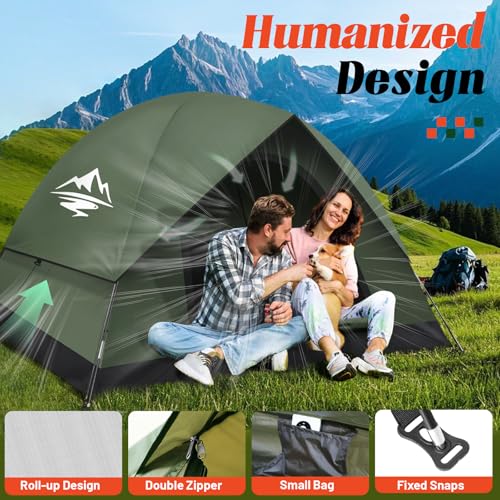
The Purebox 2026 tent stands out for its thoughtful ventilation design, three-sided mesh panels and dual ceiling vents go a long way in reducing condensation, a common flaw in budget domes. At 84 x 84 inches, it’s genuinely spacious for three adults, and the 51-inch center height lets most people sit up comfortably. Reviewers note the setup is intuitive thanks to color-coded clips and flexible poles, making it a solid choice for novice campers or families who hate wrestling with tent poles.
It’s not the lightest at 6.2 lbs, so it skews more toward car camping or short hikes, but the versatility is strong. The removable blackout rainfly adds flexibility, use it for full weather protection or leave it off for stargazing. Compared to similarly priced models, this one balances airflow, space, and weather resistance better than most.
Product photos
BISINNA 2-Person Aluminum Pole Tent

Strengths
- Excellent wind stability
- Lightweight build
- Pole-sleeve structure
Trade-offs
- Lower waterproof rating
- Inconsistent seam sealing
- Limited vestibule space
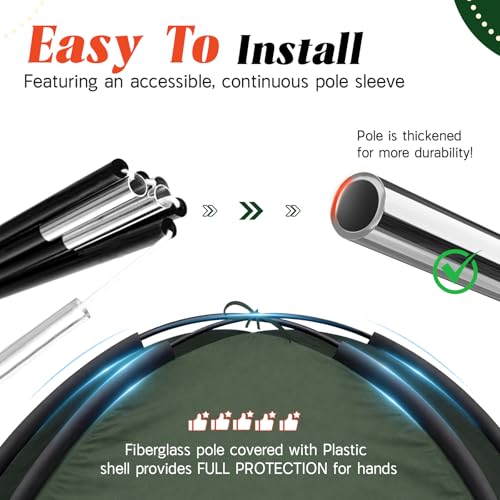
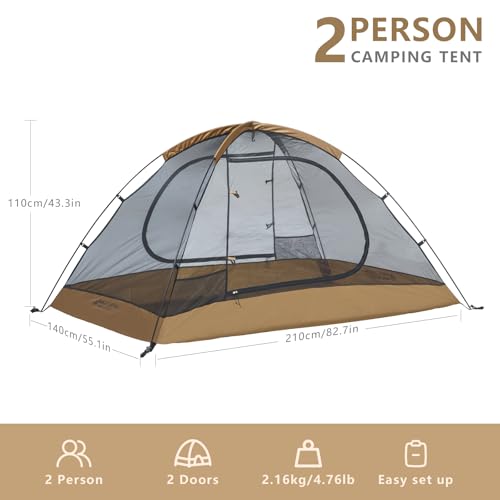
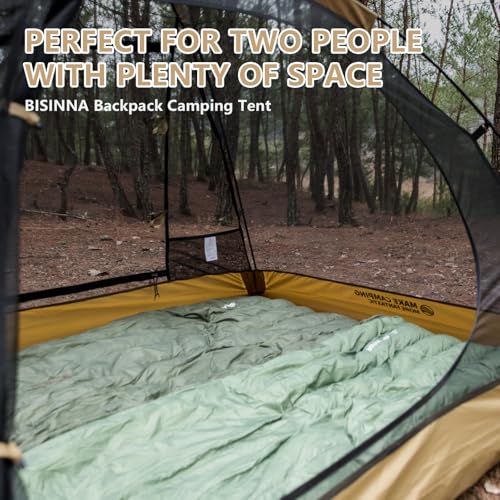
The BISINNA tent earns its ‘Best Wind Resistance’ tag thanks to its pole-sleeve design and sturdy aluminum poles, a setup that holds taut in gusts better than most clip-in models in this range. At 4.76 lbs, it’s light enough for serious backpacking, and the 220×140 cm interior fits two sleepers with minimal squeeze. The double-layer design with full mesh inner keeps condensation lower than expected, and the D-shaped doors make midnight exits less of a contortion act.
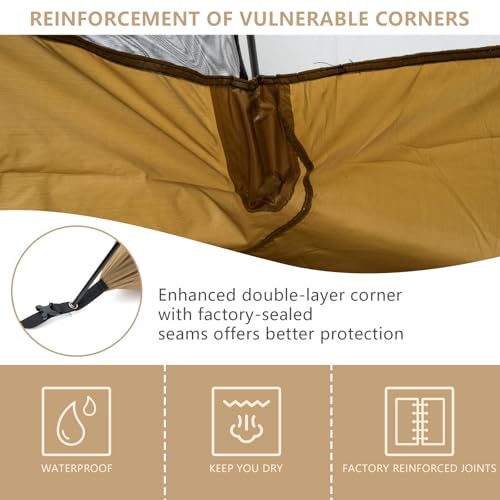
That said, the PU3000mm rating is solid but not exceptional, it’ll handle rain, but not prolonged monsoon-level storms as well as PU5000 models. Some owners report minor seam sealing gaps out of the box. Still, for windy ridge lines or exposed campsites, this tent’s stability gives real peace of mind. I’d pick it over lighter options when wind is the bigger threat than weight.
Product photos

How We Evaluated waterproof backpacking tents
I approached this guide by researching the specifications and features of numerous waterproof backpacking tents, then weighing those details against owner reviews and input from trusted outdoor publications. Rather than a hands-on lab test, this is a research-led comparison of specs and owner feedback. My goal was to identify tents that consistently deliver on their promise of keeping campers dry and comfortable in varying conditions.
For waterproof backpacking tents, three factors stood out as particularly important: the rainfly material and coating (specifically PU coating), pole strength and design, and the overall tent construction (seam sealing, bathtub floor). A durable rainfly is essential, and understanding tent hydrostatic head ratings helps determine how effectively it will resist water pressure. Pole strength impacts how well a tent withstands wind, which can compromise waterproofing.
Specifications reliably indicate a tent’s potential for waterproofing (PU coating, denier of fabrics) and weight. However, I placed significant weight on owner feedback regarding real-world performance – particularly how well the tent held up in heavy rain and wind. Reputation and longevity also played a key role, and understanding the difference between truly waterproof fabrics and merely waterproof vs water-resistant tents is crucial when interpreting manufacturer claims.
How To Choose The waterproof backpacking tents
Finding the right waterproof backpacking tent is about balancing weight, durability, and protection from the elements. It’s a deeply personal choice, but some factors are universally important.
A quality backpacking tent prioritizes lightweight materials (aluminum poles, ripstop nylon) without sacrificing weather resistance (high waterproof ratings for the fly and floor – PU3000mm or higher is a good baseline). Look for fully taped seams, a robust pole structure, and a design that maximizes usable space while minimizing packed size and weight. Good ventilation is also crucial to minimize condensation build-up.
Understanding Waterproof Ratings & Materials
Waterproof ratings are the first thing I look at. A tent isn’t truly waterproof – it’s water resistant to a degree. The PU (polyurethane) coating on the fly and floor is measured in millimeters (mm). While marketing will tout huge numbers, anything over 2000mm is generally sufficient for most conditions. More important than the raw number is the quality of the fabric and, crucially, whether the seams are properly sealed. Many tents claim waterproofness, but will leak if you don’t seal tent seams effectively. Beyond the coating, the fabric itself matters. Ripstop nylon and polyester are common; polyester tends to stretch less when wet, which is a plus.
Pole Material & Tent Stability
Don’t skimp on the poles. Aluminum poles are the standard for backpacking tents, offering a significant strength-to-weight advantage over fiberglass. 7000-series aluminum is the gold standard – it’s lighter and stronger than lower series alloys. Pay attention to the pole structure too. A tent with multiple crossing points will be far more stable in wind than a simple A-frame design. If you anticipate consistently windy conditions, or if you’re planning a trip in a particularly exposed area, prioritizing a tent with a robust pole system is essential.
Here’s what I look for when evaluating pole quality: * Diameter: Larger diameter = stronger (generally). * Wall Thickness: Thicker walls resist bending and breaking. * Pole Sleeves vs. Clips: Sleeves offer more stability in high winds, while clips are faster for setup.
Balancing Weight, Space & Value
Backpacking is all about compromises, and tent selection is no exception. A lighter tent will always be appealing, but you need to consider whether the weight savings come at the expense of livability or durability. For solo hikers, the camppal 1-Person All-Weather Tent provides a reasonable weight and price. For couples, you really need to consider the trade-offs. If you’re frequently hiking with a partner, investing in a slightly heavier, more spacious tent like the Clostnature 4-Person Ultralight Tent might be worthwhile. If you’re serious about minimizing weight, explore lightweight two-person backpacking tents – but expect to pay a premium. A solid option for a balance of value and weight is the Forceatt 2-Person All-Season Tent.
A good rule of thumb is to aim for a tent weight of no more than 2-3 pounds per person. Beyond that, you’re likely carrying unnecessary weight.
Waterproof Backpacking Tents Compared
Here’s a comparison of key specifications for several waterproof backpacking tents to help you make an informed decision.
| Product | Capacity | Weight (lbs) | Waterproof Rating (mm) | Floor Size (in) | Packed Size (in) | Pole Material |
|---|---|---|---|---|---|---|
| Underwood 4-Season Backpacking Tent | 2 | 5.73 | 5000 | 59.1″ x 86.6″ | 5.9″ x 16.54″ | Aluminum |
| Clostnature 4-Person Ultralight Tent | 4 | 7.38 | 5000 | 7’3″ x 7’8″ | N/A | Aluminum |
| Marmot Crane Creek 2P Tent | 2 | N/A | N/A | 32 sq ft | N/A | Aluminum |
| Clostnature 2-Person Ultralight Tent | 2 | 5.29 | 5000 | 7’3″ x 4’11” | 16.5″ x 5.9″ x 5.9″ | Aluminum |
| Forceatt 2-Person All-Season Tent | 2 | 5.5 | 3000 | 88.6″ x 53.1″ | N/A | 7001 Aluminum |
| camppal 1-Person All-Weather Tent | 1 | 3.75 | 3500-4000 | 8.2′ x 2.95′ | N/A | Aluminum |
| Purebox 2-3 Person Dome Tent | 2-3 | 6.2 | N/A | 84″ x 84″ | N/A | N/A |
| BISINNA 2-Person Aluminum Pole Tent | 2 | 4.76 | 3000 | 220x140cm | N/A | Aluminum |
Frequently Asked Questions
What hydrostatic head rating should I really look for in a waterproof backpacking tent?
A rating of 1500mm is the absolute minimum for staying dry, but I recommend aiming for 2000mm or higher for the fly and floor. Higher numbers offer more protection, but remember the quality of the fabric and seam sealing are just as crucial as the raw number.
How important is the pole material – is aluminum really better than fiberglass?
Yes, aluminum is significantly better for backpacking. It offers a much better strength-to-weight ratio than fiberglass, meaning you get a sturdier tent without a massive weight penalty, particularly if you look for 7000-series aluminum.
What does “fully taped seams” mean, and why is it important for waterproofing?
Fully taped seams mean all the seams in the tent fly and floor have been sealed with waterproof tape. This prevents water from leaking through the needle holes created during the sewing process, which is a common entry point for water even with a high PU coating.
If a tent is labeled as “3-season,” can I still use it in light snow?
Generally, yes, but with caution. A 3-season tent is designed for spring, summer, and fall conditions. While it can handle light snow, the tent’s structure may not be strong enough to withstand heavy snow loads, and condensation can become a bigger issue.
I’m hiking with a partner – should I prioritize a lighter tent or more space?
That depends on your hiking style. If you’re covering long distances and every ounce counts, a lighter tent (even if it’s a bit cramped) is a good choice. However, if you value comfort and anticipate spending more time in camp, consider investing in a slightly heavier tent with more room – you might even find the best two-person backpacking tents offer a good balance.
The Bottom Line
Choosing a waterproof backpacking tent always comes down to a trade-off between carrying weight and having a comfortable, reliably dry shelter. While specs are important, don’t get lost in the numbers. For overall performance and peace of mind in a variety of conditions, I consistently find the Underwood 4-Season Backpacking Tent to be a strong contender – it balances weight, durability, and a high waterproof rating well.
If you’re on a tighter budget, the camppal 1-Person All-Weather Tent provides a good level of protection for solo adventures, and the Forceatt 2-Person All-Season Tent offers a compelling balance of price and features for couples. Those prioritizing spaciousness will be happier with the Clostnature 4-Person Ultralight Tent, even if it means a few extra pounds in your pack. Remember to also consider tent seam sealing methods to enhance the tent’s overall waterproofness.
Ultimately, the best waterproof backpacking tent isn’t the one with the highest PU coating or the lightest weight. It’s the one that fits your needs, your typical terrain, and your hiking style. Prioritize a solid pole structure, fully taped seams, and a well-designed rainfly – those fundamentals will serve you far better than chasing the latest buzzwords or highest numbers.
