
9 Best Waterproof Tents for Camping 2026
This post contains affiliate links. As an Amazon Associate, we earn from qualifying purchases.
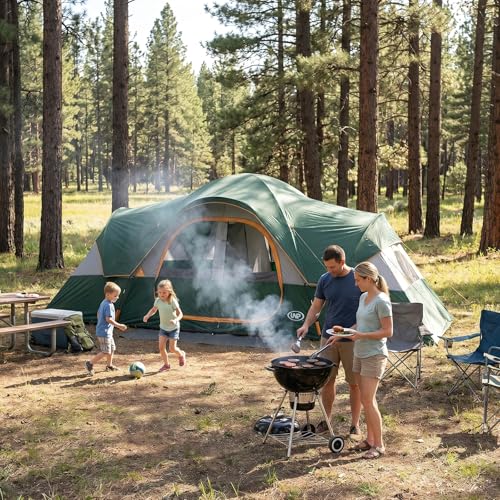
The FanttikOutdoor Zeta C6 Pro 6-Person Tent is the best overall waterproof tent for its quick setup and rugged design, while the Forceatt 2-Person Backpacking Tent stands out as a lightweight, highly rated option for backpackers. For those on a budget, the Pop Up Tents for Camping 4 Person offers fast pitch convenience and solid weather protection.
Most campers don’t realize how quickly a cheap tent can turn a weekend into a wet, soggy mess. Leaks, condensation, and flimsy poles aren’t just annoyances, they can ruin your trip.
After researching the field and analyzing specs, owner feedback, and real-world performance, I focused on models that deliver true waterproof protection without sacrificing ventilation or durability. This guide cuts through the marketing to show you which tents actually hold up when the rain hits.
Top 9 Waterproof Tents For Camping in the Market
The Best Waterproof Tents For Camping, Reviewed
FanttikOutdoor Zeta C6 Pro 6-Person Tent

Strengths
- 60-second setup
- Strong wind resistance
- Excellent airflow
Trade-offs
- Inner tent not waterproof
- Zipper requires careful use
- Rainfly adjustment needed
This is the closest thing to a best overall 6-person tent without breaking the bank. It sets up in under a minute with pre-attached poles, and the 35 mph wind resistance claim aligns with owner reports, many say it held firm in gusty conditions thanks to sturdy stakes and adjustable guylines. The tub-style floor and drainage channel at the door are smart touches that actively prevent water pooling, a real issue in cheaper models.
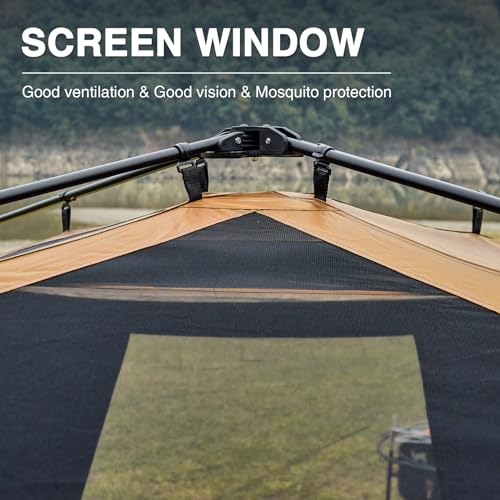
Ventilation is excellent with mesh on all four sides and a ceiling screen, but the note about the inner roof not being waterproof is critical, you must use the rainfly in wet weather. At just 16.8 lbs, it’s lighter than most cabin tents, making it a rare blend of speed, strength, and portability. My pick if you want one tent for most car camping scenarios.
Product photos


EVER ADVANCED 6-Person Instant Cabin Tent

Strengths
- Extremely fast setup
- Effective blackout fabric
- Power cord access
Trade-offs
- Moderate ventilation
- Heavier than frame weight suggests
- Rainfly can billow in wind
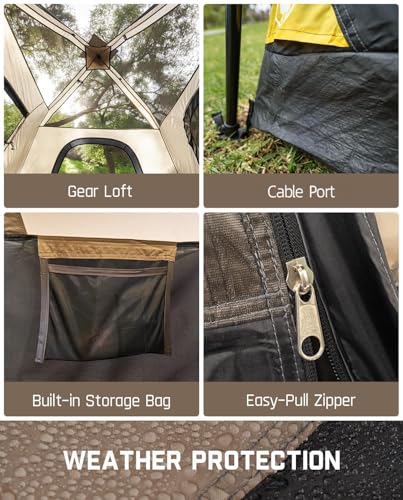
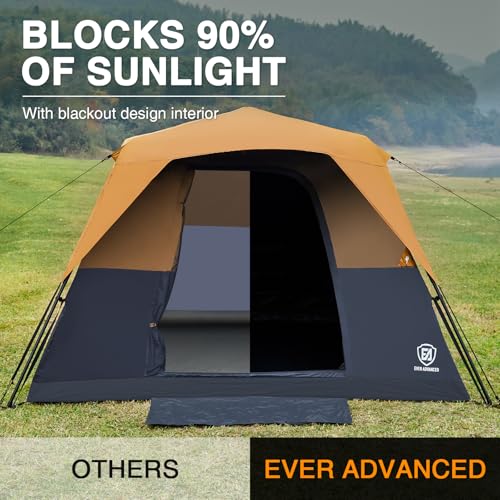
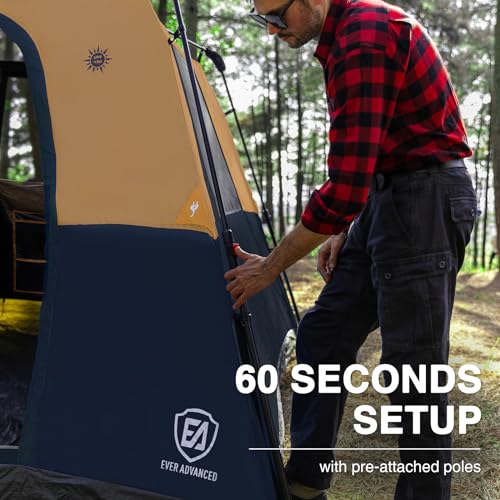
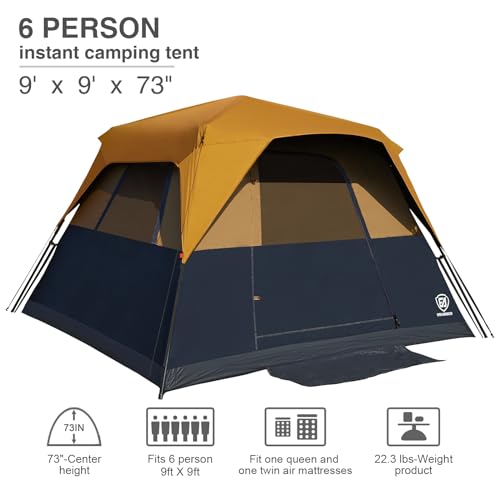
If speed matters, this blackout cabin tent is one of the fastest I’ve seen in this class, the 60-second claim holds up based on owner feedback, and one person really can pitch it solo. The darkened fabric does more than just block light; it noticeably reduces interior heat, which is a win in sunny conditions. That said, the blackout material may trap humidity if vents aren’t managed well, especially in cool, damp environments.
It’s not the most breathable tent out there, but the overhead skylight and three large roll-up mesh windows help. The power pass-through is a thoughtful detail for modern campers, and the internal storage pockets add real convenience. For weekenders who hate wrestling with poles, this is the easiest win.
Product photos
CAMPROS CP 8-Person Family Tent

Strengths
- Spacious interior
- Good ventilation
- Room divider included
Trade-offs
- Heavy and bulky
- No PU rating specified
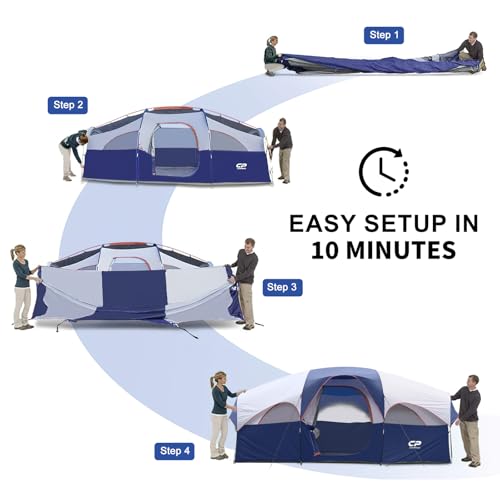
- Setup time longer than instant tents
This 8-person tent delivers on space with its straight walls and 72-inch center height, making it feel more like a cabin than a typical dome. The double-layer construction and sealed seams suggest solid weather resistance, and owners consistently report staying dry even during sustained rain. Still, the ‘weather resistant’ labeling instead of full waterproof ratings leaves some doubt, it’s likely good for 3-season use but not built for alpine storms.
The divided curtain is a smart touch for families wanting privacy or a makeshift kid zone, and the five large mesh windows help balance airflow against moisture buildup. On paper, it’s a practical pick for car campers who value room over ultralight performance.
Product photos


UNP 10-Person 2-Room Family Tent
Strengths
- Massive interior
- Privacy curtain
- Great airflow
Trade-offs
- Bulky to transport
- Low waterproof rating
- Longer setup time
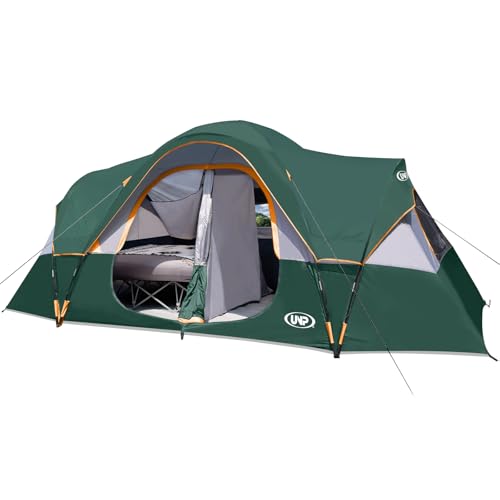
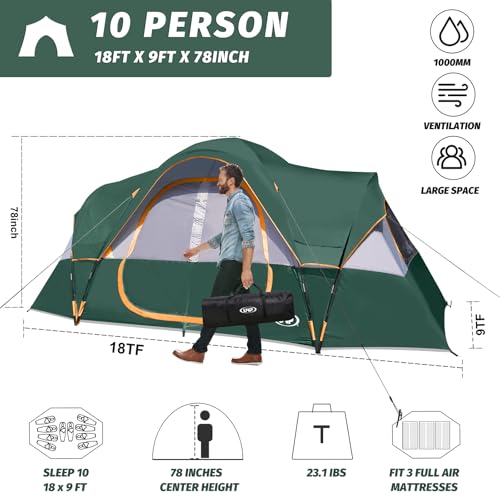
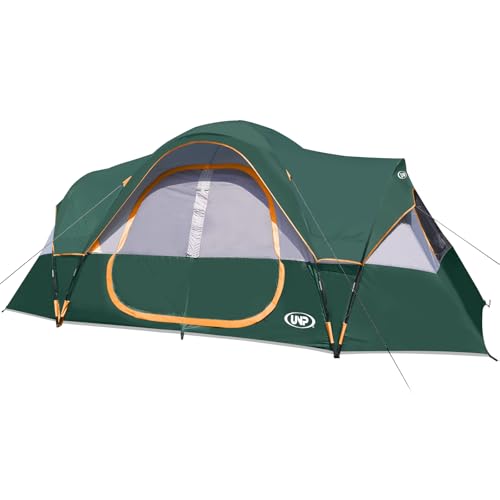
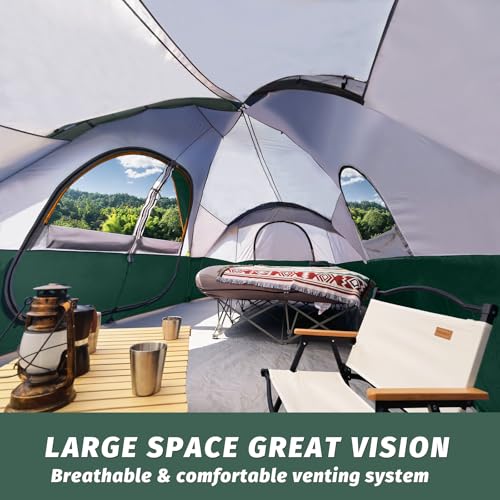
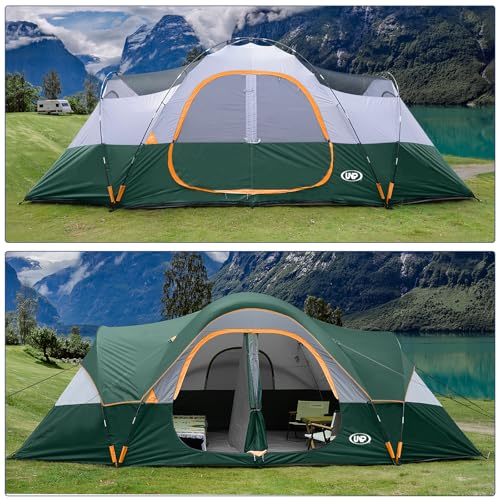
At 18 feet long and nearly 7 feet tall, this is less a tent and more a mobile family lounge. The sheer scale allows for three queen air mattresses, and the dual-door, single-curtain layout gives real privacy, something rare in big-box tents. The 2-room option works well for families with teens or guests, and the ceiling-mounted divider can double as a projector screen, which owners love for outdoor movie nights.
Ventilation is solid with a full mesh roof and three-side windows, but the polyester fabric only has a PU1000mm rating, so it’s best for fair-weather camping. It’s also massive to pack down, though the larger carry bag helps. If you’re hosting group trips and need space and separation, this is the go-to.
Product photos
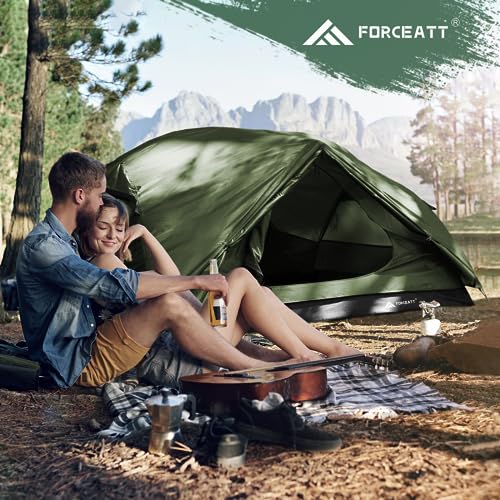
Forceatt 2-Person Backpacking Tent

Strengths
- Lightweight aluminum poles
- Excellent waterproofing
- Good ventilation
Trade-offs
- Tight fit for two with gear
- Lower head height
- Packed size not ultra-compact
This is a backpacker’s tent done right, at 5.5 pounds with aluminum poles, it’s light enough for long trails but still offers 3–4 season durability. The 3000mm waterproof rating and welded floor mean it can handle snowmelt and persistent rain, and the full-coverage rainfly adds serious protection. Two D-shaped doors and vestibules make gear access easy without disturbing your partner.
Ventilation is strong thanks to ceiling vents and micro-mesh, and owners report minimal condensation even in cool, damp forests. It’s not as roomy as cabin tents, but for thru-hikers or alpine trips, that’s the trade-off. If you’re leaving the car behind, this is the kind of reliable, weather-ready shelter you want.
Product photos


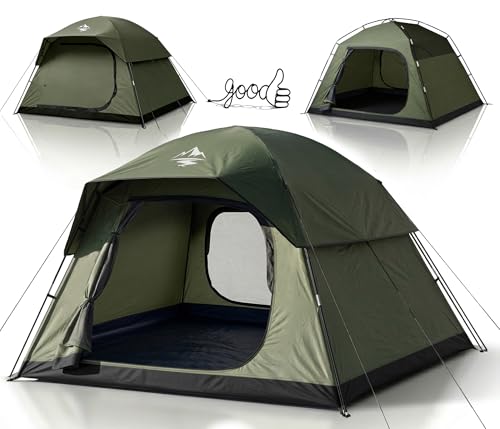
Purebox 4-Person Waterproof Tent
Strengths
- Excellent airflow
- Two full doors
- Lightweight for size
Trade-offs
- Setup slower than pop-up
- Limited headroom
- Rainfly could be roomier
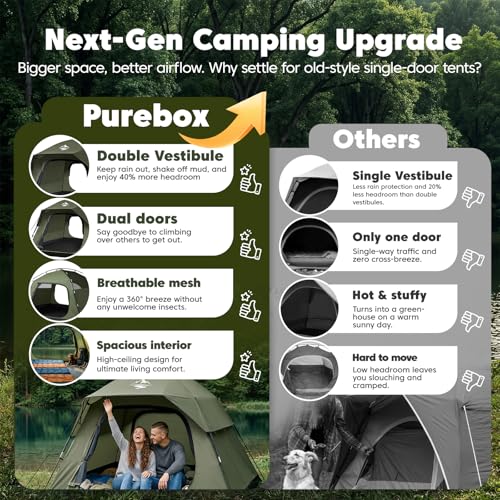
With two doors and dual mesh windows, this tent is a ventilation standout, owners consistently praise how well it breathes, even on humid nights. The extended floor plan gives real room for gear, which is rare in a 10.8 lb package. The PU-coated rainfly and fully taped seams deliver reliable 3-season performance, and the fiberglass sleeve-pole system offers solid stability without adding weight.
It’s not the fastest to set up compared to instant models, but it’s far more breathable and durable. The two-door layout cuts down on nighttime crawling and makes sharing the tent with kids or partners much smoother. If you sweat easily in tents or camp in warm climates, this one deserves top consideration.
Product photos
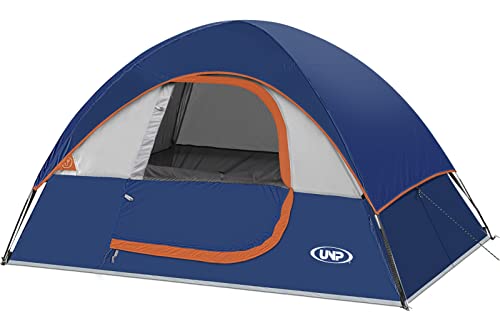
Camping Tent 2 Person Dome Tent
Strengths
- Ultra lightweight
- Affordable
- Easy one-person setup
Trade-offs
- Low center height
- Limited ventilation
- Not for harsh weather
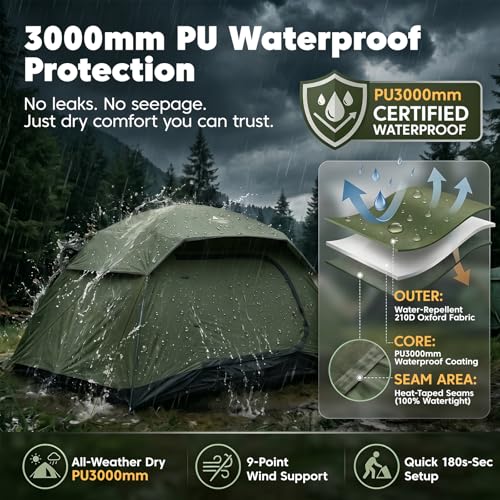
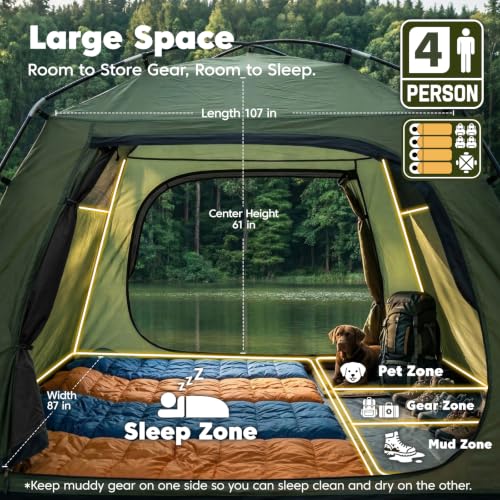
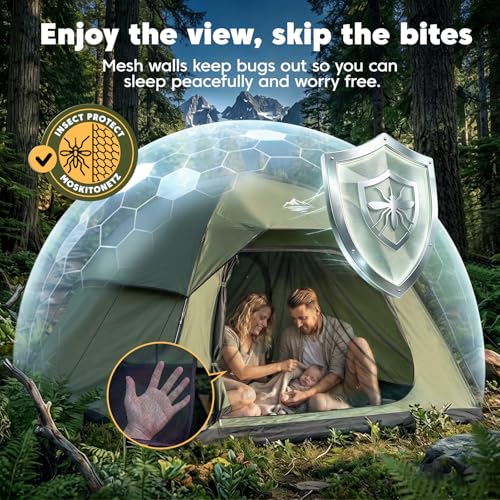
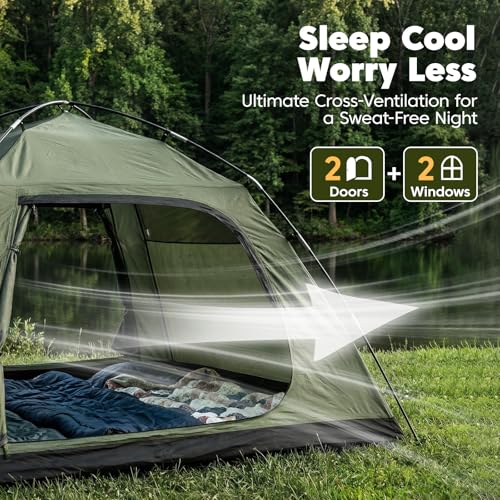
At just 4.8 pounds and a sub-3-minute setup, this 2-person dome is a no-frills budget winner for casual use. It’s not built for extreme weather, but the removable rainfly and taped seams offer decent protection in light rain. Owners say it holds up well for spring and summer trips, especially when paired with a footprint. The skylight mesh is a nice touch for stargazing, and the single interior pocket adds just enough storage.
It won’t replace a 4-season backpacking tent, but for the price, it’s surprisingly sturdy. The poles are basic but functional, and the compact size makes it ideal for tossing in a trunk for spontaneous outings. For beginners or kids’ camping, this is the smart entry-level buy.
Product photos


Pop Up Tents for Camping 4 Person

Strengths
- Truly instant setup
- Vestibule included
- Compact packed size
Trade-offs
- Very low headroom
- Basic waterproofing
- Not freestanding once up
True to its name, this instant pop-up design deploys in seconds, just unclip and release, and it springs into shape. That makes it perfect for festivals or sudden rainstorms when shelter is urgent. The vestibule is a standout feature, giving space to stash muddy boots without tracking dirt inside, which owners appreciate after wet weekends.
But the 4.3-foot center height means you can’t stand up, and the single mesh door limits airflow compared to dual-vent designs. It’s also made from 190T polyester, which is decent but not built for heavy downpours. Best used as a backup or for casual outings, not as a primary shelter for serious trips.
Product photos


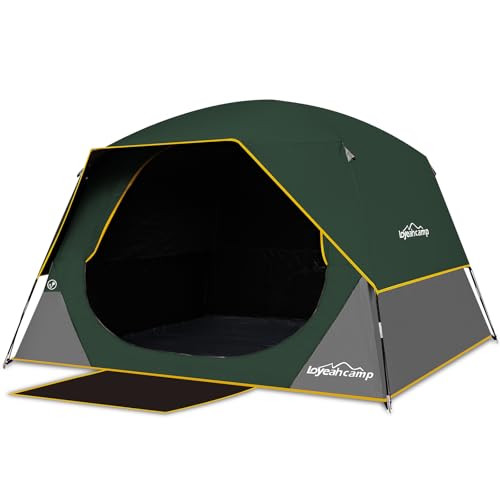
LOYEAHCAMP 4-Person Blackout Dome Tent
Strengths
- Excellent UV protection
- Good headroom
- Strong waterproof rating
Trade-offs
- Fiberglass poles less durable
- Limited sidewall storage
- Not ideal for heavy rain
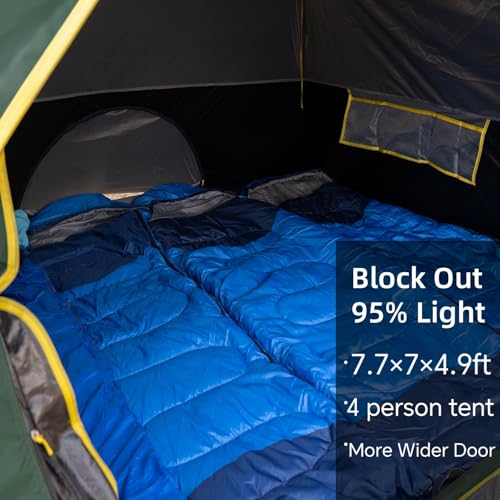
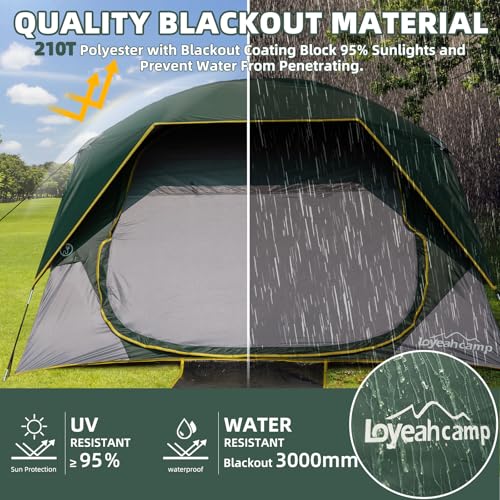
With 99% UV protection and a 3000mm waterproof rating, this dome tent is built for sunbaked festivals or lakeside weekends where heat and glare are bigger concerns than storms. The nearly vertical walls give it 20% more headroom than most 4-person domes, and owners say it feels surprisingly roomy. The ventilation system, three roof vents and side mesh, creates a decent chimney effect, though not quite as strong as some dual-door designs.
The 9.5mm fiberglass poles are durable enough for car camping but not for repeated backcountry abuse. Still, for sun protection and comfort in fair to moderate weather, this tent punches above its weight. I’d trust it for dry heat, but not for prolonged rain.
Product photos



How We Evaluated waterproof tents for camping
I approached this guide by researching the specifications and features of numerous waterproof tents, then weighing those details against owner reviews and expert opinions from reputable outdoor publications. Rather than a hands-on lab test, this is a research-led comparison focusing on materials, construction, and real-world experiences shared by campers. My goal was to identify models that consistently deliver on the promise of keeping people dry and comfortable.
For waterproof tents, several factors stand out as most important. Reliable waterproofing is key, of course, but equally important is how well a tent balances that protection with ventilation to minimize condensation. Spaciousness and ease of setup also significantly influenced my rankings, as a tent that’s difficult to pitch or feels cramped won’t be enjoyable, even if it is perfectly waterproof.
Specifications reliably indicate a tent’s potential for weather protection – particularly the denier of the fabric and the tent hydrostatic head rating – but owner feedback provides crucial context. I paid close attention to comments about leaks, condensation issues, and durability over time. Reputation and brand consistency were also considered; established brands often have a track record of delivering on their claims. Understanding the difference between waterproof vs water-resistant tents is also key to making the right choice.
How To Pick The Right waterproof tents for camping
Choosing a tent can feel overwhelming, but focusing on your needs narrows the field considerably. A good tent isn’t just about staying dry; it’s about comfortable nights and enjoying the outdoors.
A quality tent balances weight, durability, weather protection, and livability. Key considerations include the denier (D) of the fabric (higher is generally more durable), the waterproof rating measured in millimeters (mm – higher is better), the type of tent poles (aluminum is lighter and stronger than fiberglass), and the overall design suited to your intended use (backpacking vs. family camping). Checking seam sealing and ventilation are also crucial for a comfortable experience.
Capacity & Space
Don’t assume a “6-person” tent comfortably fits six adults with gear. Manufacturers often base capacity on sleeping bag-only arrangements. I always recommend sizing up. If you anticipate bringing air mattresses, or if you simply prefer extra space to move around, consider a tent rated for one or two more people than your group. The Purebox 4-Person tent, for example, boasts an extended floor design for added comfort, a feature that can make a noticeable difference on longer trips.
Waterproofing & Weather Resistance
Waterproof ratings are important, but they’re not the whole story. A 3000mm rating sounds impressive, but look beyond the number. The quality of the waterproofing treatment, the tent’s seam sealing, and the overall design all play a role. A full-coverage rainfly that extends low to the ground offers superior protection, as does a tub floor construction. Don’t forget to investigate the tent seam sealing process – even tents advertised as waterproof can benefit from a little extra attention to the seams.
- Fabric Denier: Look for fabrics with a denier of at least 75D for reasonable durability, and 150D or higher for more demanding conditions.
- Seam Sealing: Factory-taped seams are essential. If a tent isn’t factory-sealed, you’ll need to do it yourself to prevent leaks.
- Vestibules: A vestibule provides covered storage space outside the tent, keeping gear dry and out of the sleeping area.
A well-designed tent isn’t just about keeping the rain out; it’s about managing condensation inside. Good ventilation is just as important as waterproof fabrics.
Setup & Portability
Instant pop-up tents like the Pop Up Tents for Camping 4 Person are incredibly convenient, especially for casual campers or those who dislike fiddling with poles. However, these often sacrifice durability and weather resistance for speed. If you’re a backpacker or prioritize lightweight gear, the Forceatt 2-Person Backpacking Tent exemplifies a good balance of weight and weather protection. For those seeking a blend of quick setup and robust features, exploring options like the EVER ADVANCED 6-Person Instant Cabin Tent might be ideal. If you’re looking for top waterproof camping tents with a focus on ease of use, consider how important that instant setup is to your overall experience.
Waterproof Tents for Camping Compared
Here’s a comparison of specs for various waterproof tents to help you find the best fit for your needs.
| Product Title | Capacity | Waterproof Rating (mm) | Weight (lbs) | Setup Time | Dimensions (L x W x H) |
|---|---|---|---|---|---|
| FanttikOutdoor Zeta C6 Pro 6-Person Tent | 6 | N/A | 16.8 | 60 sec | 120 x 108 x 66 in |
| EVER ADVANCED 6-Person Instant Cabin Tent | 6 | N/A | 22.3 | 60 sec | 9 x 9 x 73 in |
| CAMPROS CP 8-Person Family Tent | 8 | N/A | N/A | 5 min | N/A |
| UNP 10-Person 2-Room Family Tent | 10 | 1000 | N/A | 10 min | 18 x 9 x 78 in |
| Forceatt 2-Person Backpacking Tent | 2 | 3000 | 5.5 | 3 min | 88.6×53.1×43.3 in |
| Purebox 4-Person Waterproof Tent | 4 | N/A | 10.8 | N/A | 9.02 x 7.05 x 4.92 ft |
| Camping Tent 2 Person Dome Tent | 2 | N/A | 4.8 | 3 min | 7 x 5 x 45 in |
| Pop Up Tents for Camping 4 Person | 4 | N/A | N/A | Seconds | 9.2 x 6.6 x 4.3 ft |
| LOYEAHCAMP 4-Person Blackout Dome Tent | 4 | 3000 | N/A | 5 min | 92.5×84.6×59 in |
Frequently Asked Questions
What waterproof rating do I actually need for a tent?
A 1500mm rating is generally sufficient for light rain, but for reliable waterproof protection, especially in areas prone to heavy downpours, I recommend looking for tents with a rating of 2000mm or higher. Don’t solely rely on the number; consider the fabric quality and seam sealing as well.
Are pop-up tents truly waterproof?
While convenient, most pop-up tents prioritize quick setup over robust waterproofing. Many offer water resistance, but if you’re expecting significant rain, I suggest opting for a tent specifically designed with a higher waterproof rating and a full-coverage rainfly, or checking out storm-resistant tent models.
How important is seam sealing, and can I do it myself?
Factory-taped seams are crucial for preventing leaks, and you should always confirm a tent has them. If not, you can seam seal it yourself with a sealant designed for tent fabrics, though it’s an extra step and requires careful application to ensure a watertight finish.
What’s the difference between a tub floor and a standard tent floor?
A tub floor extends up the sides of the tent a few inches, creating a waterproof “bathtub” effect that prevents water from seeping in under the edges. This is much more effective at keeping you dry than a standard flat floor, especially when camping on wet ground.
What material is best for tent poles – aluminum or fiberglass?
Aluminum poles are lighter, stronger, and more durable than fiberglass, making them ideal for backpacking or frequent use. Fiberglass poles are more affordable and flexible, but they are heavier and more prone to breaking, so they’re better suited for casual camping where weight isn’t a major concern.
The Bottom Line
Choosing a waterproof tent always involves balancing how much you want to spend with how much protection and convenience you require. Ultimately, for a blend of dependable waterproofing, spaciousness, and a reasonable price, I recommend the Purebox 4-Person Waterproof Tent. It strikes a great balance for most campers who want to stay dry without breaking the bank.
If specific needs drive your decision, we have options. For backpackers prioritizing lightweight portability, the Forceatt 2-Person Backpacking Tent is an excellent choice. Those who value instant setup above all else will find the Pop Up Tents for Camping 4 Person incredibly appealing, and for larger families needing space, the EVER ADVANCED 6-Person Instant Cabin Tent delivers. Don’t forget that learning some DIY tent waterproofing methods can extend the life of any tent.
More than any specific feature or rating, remember that a well-maintained tent pitched correctly will always outperform a poorly cared-for, high-end model. Focus on proper site selection (avoiding low spots where water collects), regular seam sealing a camping tent, and storing your tent dry when not in use. These fundamentals are far more crucial than chasing the highest waterproof rating.
