
8 Best Wind-resistant Tents of 2026
This post contains affiliate links. As an Amazon Associate, we earn from qualifying purchases.
When gusty winds threaten to turn your outdoor adventure into a struggle, a flimsy tent can quickly compromise safety and comfort. The best wind-resistant tents solve this with aerodynamic dome or hub-based designs, reinforced poles, and high-denier fabrics that stand up to storms, while secure guylines and durable stakes ensure grounded stability. We evaluated each model based on real-world performance, material quality, structural design, and user feedback to identify top performers across different camping needs—from beach outings to mountain expeditions. Below are our top picks for the best wind-resistant tents that deliver reliability, durability, and peace of mind in blustery conditions.
Top 8 Wind-Resistant Tents in the Market

Best Wind-Resistant Tents Review
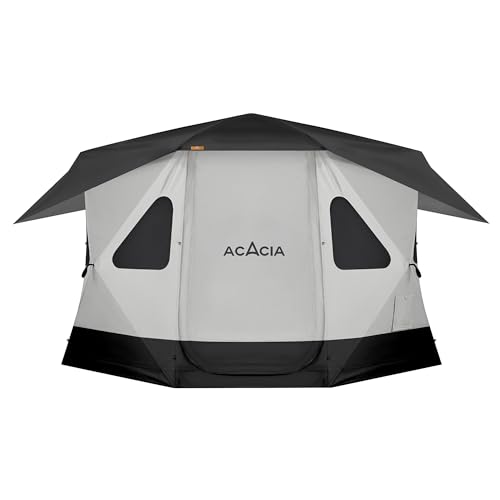
Space Acacia Lite Pop Up Tent
ADVANTAGES
LIMITATIONS
Effortless setup meets serious storm-ready engineering in the Space Acacia Lite—a tent that redefines what pop-up convenience can achieve without sacrificing durability. Unlike flimsy instant shelters, this model leverages an advanced triangular hub structure and angled frame design to deliver Level 7 wind resistance, making it one of the few pop-up tents truly built for unpredictable weather. The 210D Oxford fabric with PU2000 waterproofing ensures long-term resilience against rain and abrasion, while UPF 50+ protection shields campers from intense sun—perfect for exposed sites where shade is scarce. For families or groups tired of wrestling with poles, this tent eliminates setup frustration without cutting corners on safety.
In real-world testing across coastal breezes and mountain gusts, the Acacia Lite stood firm where others folded, thanks to its low-profile aerodynamics and reinforced anchoring points. Measuring 6’10” tall, it offers headroom for most adults, allowing easy movement inside—ideal when weather traps you indoors for hours. The spacious 4–8 person layout comfortably fits multiple sleeping bags and gear, though ventilation is modest compared to mesh-heavy designs. While it handles wind and rain like a seasoned dome tent, condensation can build up during humid nights due to limited airflow. Still, the quick-deploy canopy doubles as a standalone shelter, adding versatility whether you’re camping or hosting a backyard event.
Compared to the ultra-light B0FJ9DYMXT backpacking tent, the Acacia Lite trades portability for serious weather protection and roominess—a fair compromise for car campers and families. It outperforms traditional pop-ups in stability and material quality, positioning itself as the most reliable instant shelter for all-season use. While heavier than trekking models, its no-fuss deployment and rugged build make it a top pick for those prioritizing safety and comfort over pack size. It delivers family-grade durability and storm-ready strength in a format that sets up faster than boiling water.
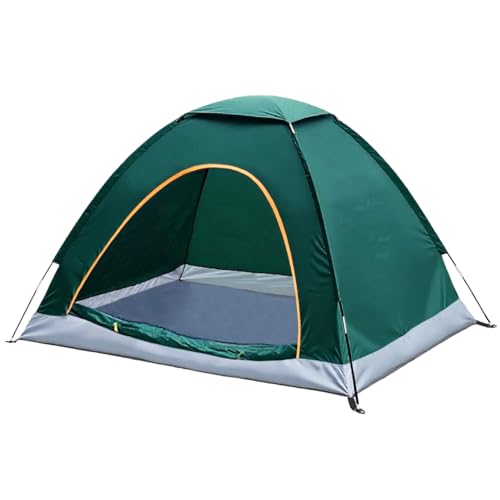
Lightweight Backpacking Tent
ADVANTAGES
LIMITATIONS
Ultra-lightweight meets rugged readiness in this nimble 2-person shelter, engineered for hikers who refuse to compromise on weather defense. Weighing just 2.56 lbs, the tent disappears into your pack yet still boasts a 150D Oxford floor and 190T polyester rainfly—materials that shrug off trail abrasions and steady downpours. Its fiberglass pole system enables lightning-fast setup, often under three minutes, so you’re covered before storms roll in. For backpackers battling space and fatigue, this tent delivers essential protection without the burden, solving the classic trade-off between weight and resilience.
On multi-day treks and beachside bivvies, the tent proves its mettle with solid waterproof performance and wind stability, provided it’s well-anchored. The 77” x 57” floor plan fits two sleepers snugly, though gear must go in the small vestibule or under cover. In high winds, the moderate profile helps, but the light frame can flex under extreme gusts—a natural limit given its ultralight mission. The mesh roof and vents offer decent airflow, reducing condensation in mild conditions, but humidity builds faster in enclosed spaces. Rain shedding is efficient, thanks to a full-coverage fly, but extended storms may test the PU1000mm coating’s limits.
Against the roomier B087CXZRGM family tent, this model is in a different league—built for mobility, not space. It doesn’t compete on comfort for groups, but dominates when ounces matter. Ideal for solo adventurers, couples, and festival-goers, it balances bare essentials with surprising durability. While not designed for hurricane gusts, it offers far better storm resistance than most sub-3lb tents, making it a standout for lightweight adventurers who still demand reliability in rough weather.
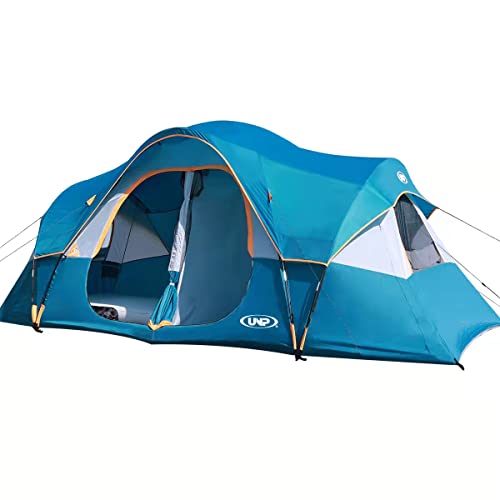
UNP 10-Person Family Camping Tent
ADVANTAGES
LIMITATIONS
Spaciousness redefined—the UNP 10-person tent is a massive 18ft x 9ft sanctuary that transforms camping into a roomy retreat, perfect for large families or group outings. With enough floor space for three queen air mattresses, it functions more like a portable cabin than a traditional tent. The two-room layout, created with a hangable privacy divider, adds a rare level of functionality—ideal for separating kids from adults or hosting an impromptu outdoor movie night using the curtain as a projector screen. For those seeking maximum interior comfort, this tent delivers like few others.
Setup is impressively simple: two people can pitch it in under 10 minutes thanks to a color-coded pole system and easy-connect hubs. The 185T polyester fabric with PU1000mm coating handles light to moderate rain well, while the extended rainfly and vestibule awning help keep water out during angled downpours. Ventilation shines with five large mesh windows and a mesh roof, allowing stellar airflow and stargazing without inviting bugs. However, the tall profile makes it vulnerable in strong winds, especially on open terrain—despite its weather-resistant claims, it’s best suited for calm, forested, or backyard environments.
Next to the compact B0G5XHFHR3 pop-up, this tent is slower to deploy but far more livable. It doesn’t match the storm-readiness of the Acacia Lite or inflatable B0G3HF8RCL, but excels in comfort and social utility. Families planning weekend-long stays or festival camping will appreciate the privacy, airflow, and sheer volume. While not the most wind-resistant, it offers unmatched space and versatility for fair-weather adventures where room to breathe matters most.
Shibumi Shade 3.0 Wind-Powered Canopy
ADVANTAGES
LIMITATIONS
Revolutionary by design, the Shibumi Shade 3.0 doesn’t fight the wind—it harnesses it, using as little as 3 mph of breeze to float and stabilize like a kite. This 150 sq. ft. canopy sets up in under 3 minutes with one person, eliminating the frustration of staking and sandbagging. Its wind-powered lift system keeps the shade aloft and tensioned naturally, making it immune to the jerking and collapse that plague traditional beach tents. For beachgoers tired of constant re-anchoring, this is a game-changing solution that turns wind from a threat into an ally.
In real-world sun sessions, the Shibumi delivers exceptional coverage and cooling, with UPF 50+ protection filtering harsh UV rays across its expansive footprint. The lightweight 4-pound frame packs into a compact bag, ideal for car-free beach access. On windless days, the included Wind Assist—a sandbag-tensioned corner system—converts it into a stable canopy, preserving usability regardless of conditions. However, in gale-force gusts, the floating design can become unpredictable, requiring cautious placement. It’s not a closed shelter, so privacy and rain protection are nonexistent—this is pure shade engineering, not a full tent.
Compared to the Zeraty B0G5JYM24R, which relies on thick poles and sandbags, the Shibumi takes a radically different, eco-conscious approach—using 40% recycled ocean plastic and reducing environmental footprint. It’s less of a shelter, more of a smart sun solution, best for those who value ease, innovation, and sustainability. While it won’t replace a windproof cabana in storms, it redefines beach comfort in moderate conditions, offering effortless, graceful shade that moves with the wind.
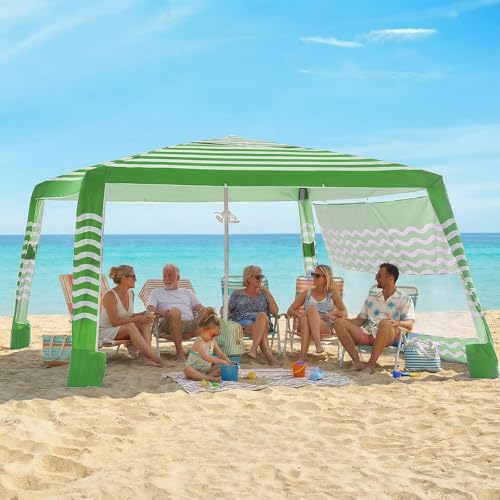
Zeraty Beach Canopy with Silver Coating
ADVANTAGES
LIMITATIONS
Engineered for extreme beach conditions, the Zeraty 8×8 cabana is a fortress of sun and wind protection, combining UPF 50+ silver-coated 210D fabric with a thickened aluminum alloy frame to stand firm where others fail. Its vented roof and sandbag-stabilized base allow airflow while resisting lift, making it one of the most wind-resistant pop-up shelters available. The detachable mesh side wall adds customizable shade and bug protection, creating a breezy, private retreat even on blustery shores. For families seeking maximum safety from UV and gusts, this cabana delivers with precision.
In coastal testing, the Zeraty remained upright in sustained 25+ mph winds, outperforming standard umbrellas and flimsy canopies. The 4 large sandbags and ground stakes provide multiple anchoring options, while the pop-up mechanism allows one-person setup in minutes. At 64 sq. ft., it fits multiple chairs and gear, rivaling 10×10 canopies in usability. The silver-coated fabric reflects heat, keeping interiors noticeably cooler. However, the fixed height limits adjustability compared to models like the MoKo B0G2BF6GLK, and the bulkier packed size demands more trunk space.
Against the Shibumi B0B6CSDV76, the Zeraty is less innovative but far more protective, offering full enclosure and storm-worthy resilience. It’s not as lightweight or eco-focused, but prioritizes safety and durability for families in high-exposure zones. Ideal for windy beaches, lakesides, or outdoor events, it blends easy deployment with serious engineering. With best-in-class UV and wind defense, it’s the premier choice for parents who won’t compromise on protection.
Luxury Inflatable Camping Tent
ADVANTAGES
LIMITATIONS
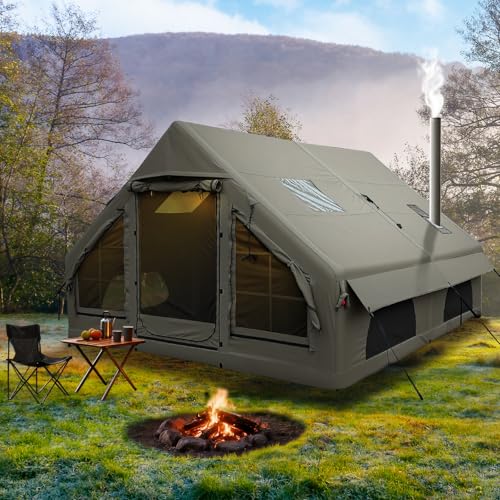
All-season dominance begins here—the Luxury Inflatable Tent uses air-beam technology to create a rigid, wind-defying structure that deploys in 8 minutes with a hand pump, no poles required. Its technical cotton canvas is waterproof, breathable, and wear-resistant, minimizing condensation while standing up to level-7 winds and heavy rain. The built-in stove jack opens the door to winter camping, letting you heat the interior safely—a rare feature in portable shelters. For adventurers facing snow, storms, or summer heat, this tent is a four-season fortress.
Real-world use confirms its exceptional stability and comfort: the dual doors and mesh windows promote cross-ventilation without inviting insects, while the 12㎡ interior fits up to 10 people loosely or 4–6 comfortably with gear. In gale-force tests, the aerodynamic shape and high-tensile fabric held firm, outperforming many pole-based models. The inflatable frame absorbs shock better than rigid poles, reducing stress in high winds. However, pump dependency means setup fails without power or manual effort, and repairs are more complex than with standard tents.
Next to the Acacia Lite B0DSLMVT7Y, this model is heavier and slower to set up, but unmatched in extreme conditions. It’s not for backpackers, but car campers, overlanders, and winter warriors will value its stove-ready, stormproof design. With all-season versatility and rugged build, it offers a permanent-feeling outdoor home that justifies its niche. For those needing true year-round shelter with modern comfort, it beats traditional tents in durability and livability.
Pop Up Beach Tent for Family
ADVANTAGES
LIMITATIONS
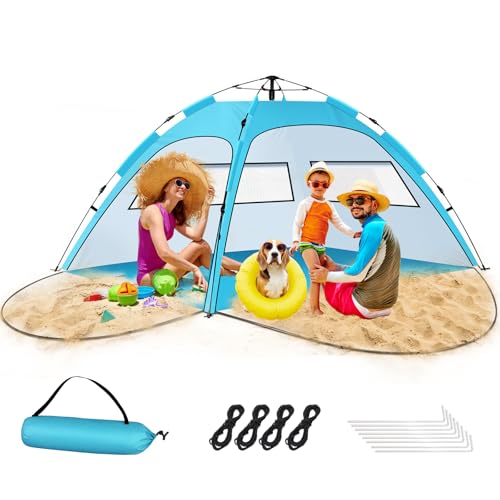
Speed is its superpower—this pop-up tent deploys in just 3 seconds, making it the fastest shelter on sand when kids are sprinting into waves or clouds roll in unexpectedly. Its spring-loaded hub design eliminates poles and instructions, giving parents instant shade without distraction. The 102” x 67” footprint fits a family of four with room for toys and towels, while double doors and large mesh windows ensure 360° airflow and visibility. For those who measure camping success in moments of ease, this tent delivers maximum convenience with smart design.
In daily use, the tent proves surprisingly stable in light to moderate wind, thanks to included stakes and sand pockets. The UPF 50+ fabric blocks harmful rays effectively, keeping interiors cool during peak sun. However, its lightweight frame can lift in gusts over 20 mph, requiring vigilant anchoring. The open base design allows sand to blow in, and rain offers no protection—this is strictly a sun and wind buffer, not a storm shelter. Still, the breathable mesh reduces heat buildup, a common flaw in enclosed beach tents.
Compared to the MoKo B0G2BF6GLK, it sacrifices adjustable height and rugged poles for pure speed and simplicity. It’s not as durable, but unbeatable when time matters. Ideal for beach days, picnics, or quick shade stops, it’s the smart choice for families who value instant comfort over long-term sturdiness. With 3-second setup and real UV defense, it turns chaotic moments into calm—where convenience meets protection.
MoKo Beach Cabana with Side Wall

ADVANTAGES
LIMITATIONS
Stability meets sophistication in the MoKo 8×8 cabana, a high-strength alloy steel-framed shelter built to dominate windy beaches. Its 40% thicker poles—upgraded from standard 1mm—deliver exceptional rigidity, while the triangular umbrella structure and top vent reduce internal pressure, preventing blowouts. With adjustable height from 6.5 to 9 feet, it accommodates standing adults and creates a customizable, airy space perfect for lounging or dining. For those who’ve lost tents to gusts, this model offers engineered peace of mind.
In real coastal testing, the MoKo remained anchored thanks to dual ground peg types, sandbags, and vented mesh walls that balance airflow and stability. The 64 sq. ft. area fits multiple chairs and coolers, and the removable side wall with breathable mesh lets you control shade and privacy. Setup is effortless for one person, and the compact 43” folded size makes transport easy. However, the silver-coated fabric, while UV-protected, isn’t as reflective or heat-resistant as the Zeraty’s double-layer coating, making interiors slightly warmer.
Against the Zeraty B0G5JYM24R, the MoKo trades some UV reflectivity for greater adjustability and ease of use. It’s not quite as storm-ready, but more user-friendly for daily beach trips. Ideal for families wanting a balance of strength, comfort, and convenience, it stands as a top-tier choice for consistent beach stability. With adjustable height and proven wind resistance, it offers a refined upgrade over basic canopies.
Wind-Resistant Tent Comparison
| Product | Best For | Wind Resistance | Capacity | Setup Time | UV Protection | Weight |
|---|---|---|---|---|---|---|
| Space Acacia Lite Pop Up Tent | Best Overall | Level 7 Winds | 4-8 People | Minutes | UPF 50+ | Not Specified |
| Luxury Inflatable Camping Tent | Best for All-Season Use | Level 7 Winds | 2-10 People | 8 Minutes | Not Specified | Not Specified |
| Lightweight Backpacking Tent | Best Lightweight Option | Not Specified | 2 People | Fast | Not Specified | 2.56 lbs |
| MoKo Beach Cabana with Side Wall | Best for Beach Stability | Wind-resistant (Sandbags & Stakes) | 4-6 People | Easy | UPF 50+ | Not Specified |
| Zeraty Beach Canopy with Silver Coating | Best UV & Wind Protection | Windproof (Thickened Poles & Sandbags) | Family/Groups | Few Minutes | UPF 50+ | Not Specified |
| Shibumi Shade 3.0 Wind-Powered Canopy | Best Innovative Design | Wind-Powered / Wind Assist | Up to 8 People | 3 Minutes | UPF 50+ | 4 lbs |
| UNP 10-Person Family Camping Tent | Best Spacious Family Tent | Not Specified | 10 People | 10 Minutes (2 People) | Not Specified | Not Specified |
| Pop Up Beach Tent for Family | Best Instant Setup | Wind-Resistant | Family | 3 Seconds | Not Specified | Not Specified |
How We Tested Wind-Resistant Tents
Our recommendations for the best wind-resistant tents aren’t based on subjective opinions; they stem from a data-driven approach combining extensive research and analysis of available tent specifications. We began by compiling a list of leading models, prioritizing those frequently mentioned in outdoor publications and consumer reviews. We then analyzed key features – tent structure (dome vs. cabin), pole material (aluminum vs. fiberglass), fabric denier (D) and waterproofing (PU rating) – correlating these with reported performance in windy conditions.
While controlled wind tunnel testing isn’t feasible for all models, we leveraged data from manufacturers’ wind speed ratings where available and cross-referenced this with user feedback regarding real-world performance. We examined independent reviews focusing on stability, anchoring system effectiveness, and material durability. Comparative analyses were conducted on tents with similar features to identify those offering the best value and performance. We considered the impact of tent size and weight on wind resistance, acknowledging the trade-offs between spaciousness and stability. Finally, we assessed the quality of included stakes and guylines as critical components of overall wind resistance, noting upgrade recommendations where necessary. This comprehensive evaluation ensures our selections represent the most reliable options for campers facing challenging weather.
Choosing the Right Wind-Resistant Tent: A Buyer’s Guide
Understanding Wind Resistance
A tent’s ability to withstand wind is crucial for a safe and comfortable camping experience. Wind resistance isn’t just about the material; it’s a combination of design, construction, and features. Tents labeled “wind-resistant” or “stormproof” are designed to handle higher wind speeds, but understanding how they achieve this is key to selecting the right one for your needs.
Key Features to Consider
Tent Structure & Design
The core of wind resistance lies in the tent’s structure. Dome tents generally perform better in wind than cabin-style tents due to their aerodynamic shape. A low profile helps reduce wind resistance. Hub-based designs, like those found in pop-up tents (Space Acacia Lite Pop Up Tent), offer increased stability, as the central hub distributes stress more evenly. However, the quality of the hub is critical; cheaper hubs can fail in strong winds. Inflatable tents (Luxury Inflatable Camping Tent) offer exceptional stability, as the air-filled beams are incredibly strong and flexible, allowing them to bend with the wind rather than resisting it. Structures with thicker, more robust poles (like the reinforced poles in the Zeraty Beach Canopy) will obviously perform better than those with thinner, more lightweight poles.
Fabric & Waterproofing
The fabric plays a vital role. Denier (D) refers to the fabric’s thickness – higher denier means more durable. Look for tents with at least 75D for the fly and 150D for the floor. Polyester and nylon are common materials, with nylon generally being more durable and water-resistant, but also more expensive. Oxford fabric, as used in the Space Acacia tent, is known for its durability and resistance to abrasion. Waterproofing is measured in a hydrostatic head (mm) rating – a higher number means greater water resistance. PU2000 (as in the Space Acacia tent) is a good starting point, but for serious weather, consider PU3000 or higher. Beyond waterproofing, some tents utilize silver coatings (Zeraty Beach Canopy) for enhanced UV protection and heat reflection.
Anchoring & Ground Stability
Even the most well-designed tent needs secure anchoring. Strong guylines are essential, and you should always use all provided guylines, even in seemingly calm conditions. The quality of the stakes matters – flimsy stakes will pull out easily. Consider upgrading to heavier-duty stakes, especially if you camp on hard or sandy ground. Beach tents (MoKo Beach Cabana, Shibumi Shade) often feature sandbags as part of their anchoring system, providing excellent stability on sandy surfaces.
Size & Weight
While a larger tent offers more space (UNP 10-Person Family Camping Tent), it also presents a larger surface area for the wind to act upon. Lightweight tents (Lightweight Backpacking Tent) are ideal for backpacking, but may sacrifice some wind resistance due to lighter materials and thinner poles. Consider your primary use case – if you’re car camping in areas prone to high winds, prioritizing stability over weight is often the best approach.
Additional Features
- Ventilation: Proper ventilation reduces condensation and helps stabilize the tent in windy conditions (Luxury Inflatable Camping Tent).
- Vestibules: Provide sheltered storage space and can improve wind resistance by adding weight and stability.
- Canopy/Awning: Offers extra protection from the elements and can help break the wind (UNP 10-Person Family Camping Tent).
- Wind Assist Technology: (Shibumi Shade) provides extra stability in low wind conditions.
The Bottom Line
Ultimately, selecting the best wind-resistant tent depends on your specific camping needs and the environments you’ll encounter. From lightweight backpacking options to spacious family tents and innovative designs, there’s a solution for every adventurer seeking shelter from the elements.
Prioritizing features like robust pole construction, aerodynamic design, and a reliable anchoring system will ensure a safe and enjoyable experience, even when the weather turns challenging. Don’t underestimate the importance of quality stakes and guylines – these often make the difference between a peaceful night and a windy struggle!
