
What Did The Tent Of Meeting Look Like
This post contains affiliate links. As an Amazon Associate, we earn from qualifying purchases.
The Tent of Meeting was a rectangular structure measuring 30 cubits long, 10 cubits wide, and 10 cubits high. It was built with 20 gold-plated acacia wood boards, including a distinctive trapezoidal shape at the back. Inside, it was divided into two sections: the Holy Place, where priests performed rituals, and the Most Holy Place, which housed the Ark of the Covenant. This design symbolized God’s presence among the Israelites. Further details about its significance and features are provided later in the article.
Essential Facts in 30 Seconds
- The Tent of Meeting measured 30 cubits long, 10 cubits wide, and 10 cubits high with a trapezoidal shape.
- It was made of acacia wood and covered with pure gold.
- The Tent had two sections: the Holy Place and the Most Holy Place.
- The Holy Place contained three main furnishings.
- The Most Holy Place housed the Ark of the Covenant.
- The outer courtyard measured 150 feet by 75 feet and was enclosed by fine linen curtains on acacia wood pillars.
- A colorful entrance curtain of blue, purple, and scarlet yarn marked the entrance.
Dimensions and Structure of the Tent
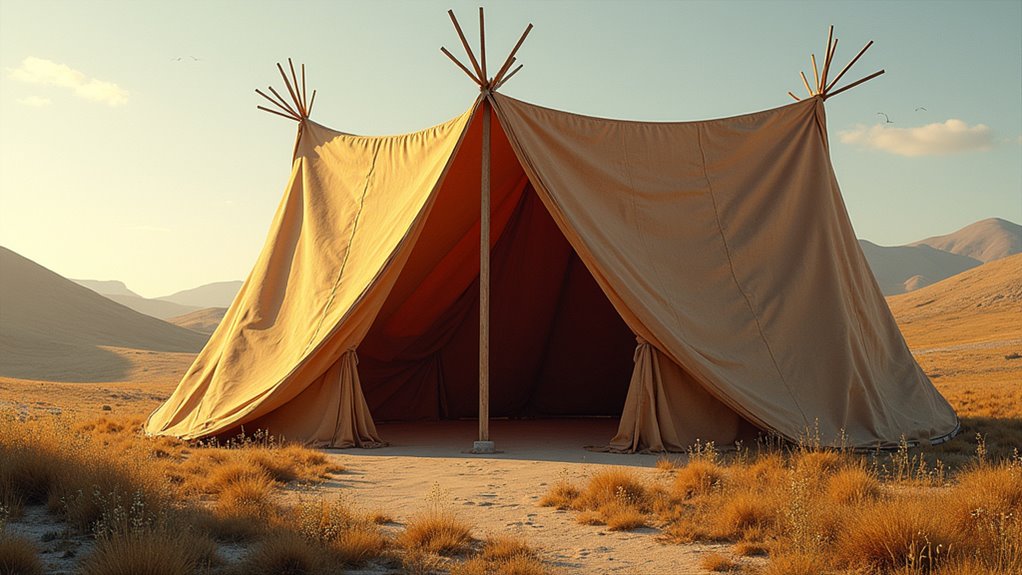
The Tent of Meeting, also called the Tabernacle, had clear and exact measurements. It was 30 cubits long, 10 cubits wide, and 10 cubits high. These sizes made sure the tent worked well and stayed holy. The length came from 20 side boards, each 1.5 cubits wide. This made the tent strong and steady. The width was half as wide as Solomon’s Temple. This created a balanced and pleasing design.
The frame used 48 pieces of acacia wood. Each piece stood 15 feet tall. These frames kept the tent stable with strong vertical arms and crosspieces.
Inside, the tent had two parts: the Holy Place and the Most Holy Place. A veil hung on four gold-plated pillars split these two rooms. This made the tent feel very sacred.
The tent’s shape was a little trapezoid because of special frames at the back. This gave the tent a unique look.
Every part worked together. The tent was both useful and full of respect.
Materials and Construction Techniques
The Tent of Meeting used acacia wood for its strong frame. Each board stood about fifteen feet tall.
Craftsmen covered the boards with gold to make them look special. This mix of strong wood and shiny gold made the tent both beautiful and tough. It could last through many different weather conditions.
The design showed care and skill, making the tent sacred and sturdy.
Acacia Wood Framework
The acacia wood framework for the Tent of Meeting needed careful planning and skill. Twenty acacia boards made the south and north sides. Each board measured 10 cubits long and 1.5 cubits wide.
The west end had six boards plus two corner boards. These corner boards were thicker for extra strength. Every board had two tenons. These tenons fit tightly into silver bases. This design kept the wood strong and steady.
Crossbars slid through gold rings on the boards. This locked the frame in place. The design allowed easy assembly and disassembly. This was important because the tent had to be portable.
Acacia wood resists rot and damage. It stays strong for a long time. This made it perfect for the sacred tent.
Gold-Plated Boards
Gold-plated boards made the Tent of Meeting both beautiful and strong. Craftsmen used acacia wood covered with pure gold. This showed holiness and God’s presence. Each board fit perfectly with no gaps. They stood straight in silver bases. Gold-plated bars held them tight.
The edges had gold crowns for protection and shine. Gold made the tent look sacred and bright. It also reflected God’s glory. These boards helped create a special place. Gold symbolized the tabernacle’s holy purpose.
Interior Layout and Furnishings
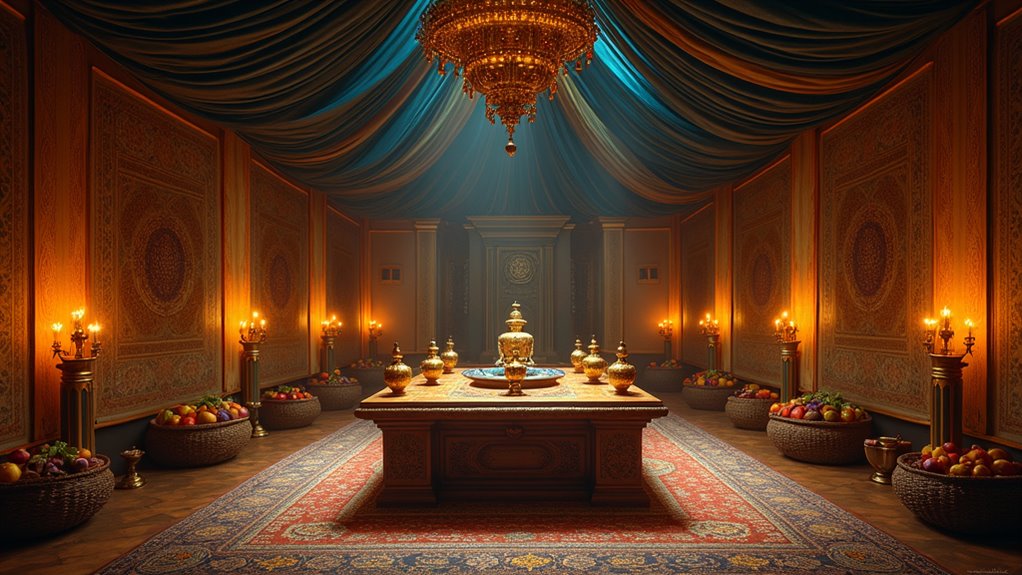
The Tent of Meeting has two main parts: the Holy Place and the Most Holy Place.
The Holy Place is bigger and open to priests. It holds three important items: the Golden Lampstand, the Table of Showbread, and the Altar of Incense. These items stand for light, food, and prayer. They help keep the space holy.
Inside, the Most Holy Place holds the Ark of the Covenant. This ark shows God’s presence and mercy. The furniture inside forms a cross shape. This shape shows their deep spiritual meaning. Only a few people can enter this area. This rule helps keep the space very sacred.
The layout and the items inside work together. They make worship feel special. They help people feel close to God through their strong meanings.
Features of the Outer Courtyard
The outer courtyard of the Tent of Meeting is rectangular. It measures about 150 feet long and 75 feet wide.
Two main items stand here: the Brazen Altar and the Bronze Laver. The Brazen Altar is used for sacrifices. The Bronze Laver holds water for priests to wash their hands and feet.
Strong acacia wood pillars support the fine linen curtains around the courtyard. Each part helps prepare for sacred rituals. This space is both practical and holy.
Courtyard Dimensions and Layout
The outer courtyard of the Tent of Meeting is large. It measures 100 cubits long and 50 cubits wide. This equals about 150 feet by 75 feet. The area is surrounded by fine twisted linen curtains.
These curtains stand 5 cubits tall. They provide privacy and mark the sacred space. The entrance is on the east side. It has a curtain 20 cubits wide, made from blue, purple, and scarlet yarn.
This colorful curtain shows the boundary of the holy area. The courtyard layout fits many priestly tasks and sacrifices. It helps keep order and respect during worship. The space feels special and important.
Altar and Washing Basin
The outer courtyard of the Tent of Meeting holds key items for Israelite worship. The bronze altar measures about 7.5 feet square and 4.5 feet high. It stands for atonement and worship. Daily burnt offerings happen here. The altar’s horns allow priests to tie sacrificial animals. This shows its strong importance in rituals.
Between the altar and the Tent sits the bronze basin. This basin stands for spiritual cleansing. Made from women’s mirrors, it shows community strength and holiness. Priests wash their hands and feet here. This washing prepares them for holy duties. It keeps them ceremonially clean and safe from defilement. Washing marks the move from ordinary to sacred before meeting God.
Symbolism and Religious Significance
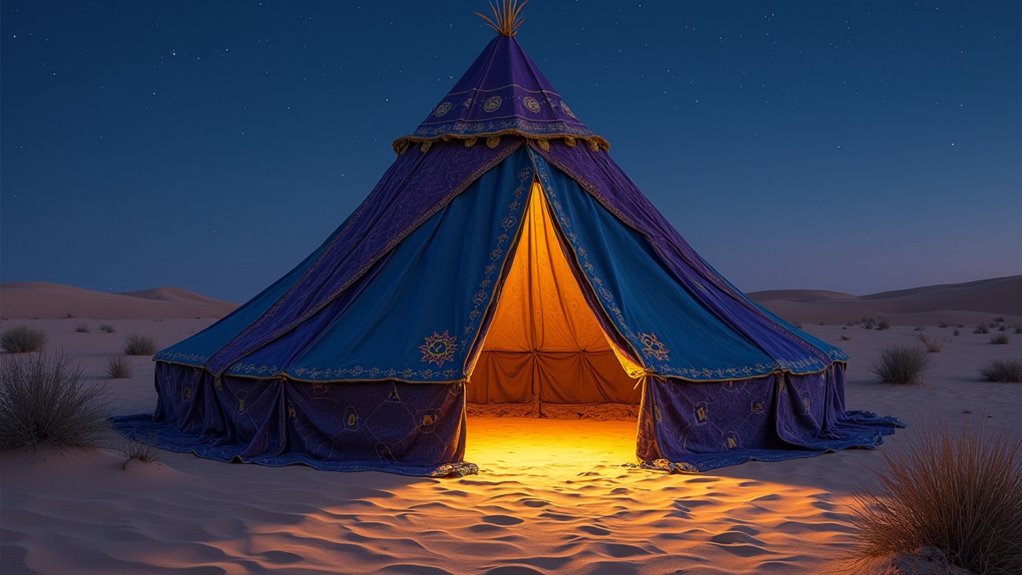
The Tent of Meeting showed how God stayed close to the Israelites. This tent stood as a sign of God’s holy presence in their camp. A cloud covered the tent. This cloud showed God’s glory and how He spoke to Moses and the High Priest.
The tent stood in the middle of the camp. It reminded the people that God led their journey and cared for their community. Inside the tent, a special veil separated the Holy Place from the Most Holy Place. This veil marked the line between God and people. Only priests could pass through it.
The Ark of the Covenant sat inside. It held the stone tablets with God’s Law and the mercy seat. These items showed God’s power and kindness. The Tent of Meeting stood as a strong symbol of God’s connection and care for His people.
Measurements in Biblical and Modern Units
The Tent of Meeting had clear and important measurements. It was about 15 feet wide, 45 feet long, and 15 feet high. Inside, the Holy of Holies was a perfect cube, 15 feet on each side. The Holy Place measured 15 feet by 30 feet.
These sizes show how carefully the tent was built. The biblical cubit equals about 18 inches. Using cubits, the courtyard was 100 cubits long and 50 cubits wide, or 150 by 75 feet.
These exact numbers helped make the Tent a special place for worship. Its design influenced later buildings, like Solomon’s Temple. The careful measurements show how important the tent was for the Israelites.
Frequently Asked Questions
Who Constructed the Tent of Meeting?
Skilled artisans built the Tent of Meeting. Moses gave clear instructions. Bezalel led the work. God gave him special skills. Oholiab helped with the fine details. Every part matched God’s plan exactly. This tent was very special to the people. It was a place to meet and worship God. The careful work showed deep respect and faith.
How Was the Tent Transported During Travels?
Levites moved the tent with great care. They used ox carts and carried parts by hand. They took the tent down quickly and packed it carefully. The group followed special signs from God. This way, the Tent of Meeting stayed safe during travel. The process was fast and organized. Everyone knew their role well. This helped the people move through the wilderness smoothly.
What Rituals Were Performed Inside the Tent?
The Tent of Meeting held important rituals. People made sacrifices to ask God for forgiveness. Priests burned incense every day to honor God. These actions showed respect and kept the bond with God strong. The rituals helped remind everyone about God’s promises to Israel. Each step had deep meaning and brought people closer to God’s presence.
How Often Was the Tent Used for Worship?
The Tent of Meeting held worship every day. People gathered there for prayers and sacrifices. Special festivals came each year, bringing many together. This place stayed busy with worship and community. It was the heart of their connection to God. Everyone knew it as a sacred space for holy meetings.
What Happened to the Tent After the Israelites Settled?
The tent moved several times after the Israelites settled. It first stayed at Gilgal, an important camp. Then it moved to Shiloh, where people worshiped for many years. Later, the tent’s role changed. It became the Temple in Jerusalem. This change made worship more fixed and formal. The Temple stood as a lasting place for prayers and sacrifices. It marked a new chapter in Israel’s religious life. People gathered there to honor their faith. The tent’s journey shows how worship grew and changed over time.
Conclusion
The Tent of Meeting was a holy place for the Israelites. It looked like a large, rectangular tent made with fine cloth and wood. The size and materials followed exact instructions from God. Inside, the tent had special areas for worship and prayer. It held the Ark of the Covenant, a sacred chest. The tent’s design helped people feel close to God. It acted like a guide during their travels. This tent showed the deep connection between God and His people. Knowing its shape and meaning helps us understand ancient worship better. It reminds us to find quiet places for our own spiritual moments.
