
What Is A Bivy Tent
This post contains affiliate links. As an Amazon Associate, we earn from qualifying purchases.
A bivy tent is a lightweight, compact shelter that combines the portability of a bivy sack with the structural support of a tent. Typically weighing between 1.5 and 3 pounds, it provides more space and comfort than a bivy sack, featuring mesh panels for ventilation and sturdy poles to allow you to sit up and change clothes. Further explanation and detailed comparisons will be provided later in the article for those interested in learning more.
Essential Facts in 30 Seconds
- A bivy tent is a lightweight shelter combining a bivy bag with a tent frame.
- It weighs between 1.5 and 3 pounds, suitable for ultralight backpacking.
- Mesh panels enhance airflow and reduce condensation.
- Offers more space and headroom than bivy sacks for comfort.
- Made from durable, weather-resistant materials like silnylon or polyester.
Definition and Purpose of a Bivy Tent
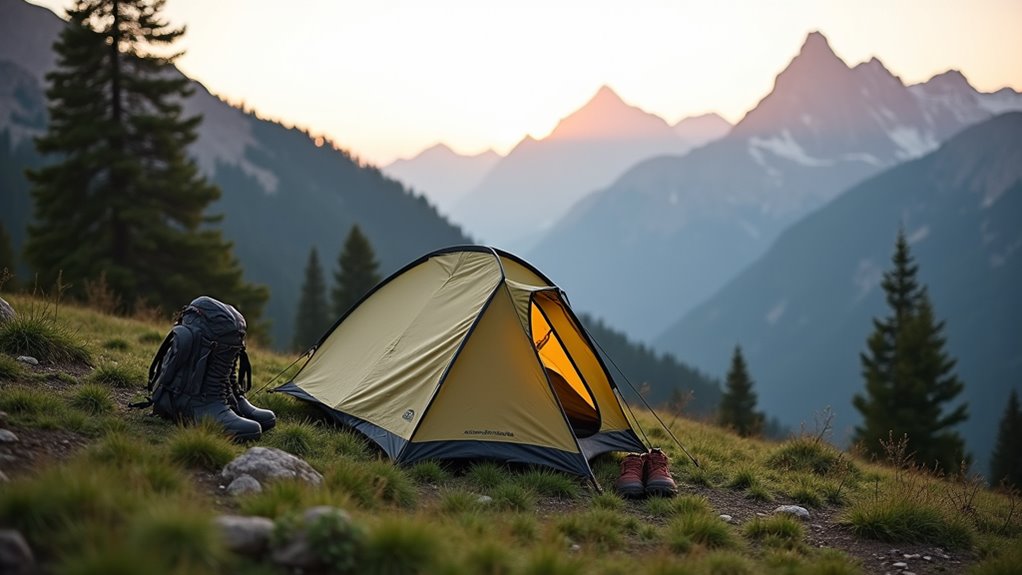
A bivy tent is a small shelter that combines a bivy bag with a tent frame. It weighs between 1.5 and 3 pounds, making it perfect for ultralight backpacking. This shelter offers more comfort than a simple bivy bag. Its low frame uses two or three poles for support. Mesh panels help with air flow and reduce condensation.
This tent has two layers. One layer is a rain fly, which keeps you dry during bad weather.
Climbers first made bivy tents for quick emergency shelter. The design comes from military bivouacs, where soldiers camped with minimal gear.
Bivy tents suit people who want a lightweight but strong shelter. They work well for backcountry trips and mountain climbing. A bivy tent can make your outdoor trips safer and more comfortable.
Comparison: Bivy Tent vs. Bivy Sack
Bivy tents give more space and comfort. You can sit up and change clothes inside.
Bivy sacks are lighter and better for ultralight travel. Bivy tents weigh more but have extra features. They offer better ventilation and keep gear dry.
Bivy sacks can feel tight and less comfy for long use. Choose based on your need for space or weight.
Structure and Space
Bivy tents and bivy sacks both offer lightweight shelter for outdoor use. They differ a lot in structure and space.
Bivy tents have poles that lift the fabric up. This gives more headroom and comfort inside. Bivy sacks fit tightly around your sleeping bag. This makes them feel small and tight.
Bivy tents let you sit up or change clothes inside. They provide useful space for activities. Bivy sacks don’t have storage space. You must keep your gear outside. This limits how well you can use space.
Choose a bivy tent for comfort and extra room. Pick a bivy sack for quick, simple shelter. Think about what matters most before you decide.
Weight and Portability
Bivy tents and bivy sacks both provide lightweight shelter for outdoor trips. Weight and portability make a big difference in your choice. Bivy sacks like the MSR Pro Bivy weigh as little as 170 grams (6 ounces). This makes them perfect for ultralight travel. One-person tents usually weigh over a pound, including poles and stakes.
Here is a quick comparison:
| Feature | Bivy Sack | Bivy Tent |
|---|---|---|
| Weight | 170g – 283g | 1 to 2 pounds |
| Packed Size | Fits in a pocket | Needs more space |
| Portability | Very easy to carry | Less easy to carry |
Lightweight gear saves energy and space in your backpack. Bivy sacks shine in weight and size but offer less room. Bivy tents weigh more but give extra shelter and comfort. Your choice depends on what matters most: light travel or more space.
Comfort and Features
Bivy tents give extra space and headroom inside. You can sit up, change clothes, or eat inside easily. They offer good airflow with mesh panels, so you stay cool and dry.
Bivy sacks feel tight and cramped. You can only lie down inside. They trap heat and moisture, which can feel uncomfortable.
For comfort and room to move, bivy tents work best. For light and simple shelter, a bivy sack might work. Think about what matters most for your trip.
Construction and Design Features
Bivy tents use strong, lightweight poles to build a small shelter. The outer layer often uses silnylon or thick polyester fabric. These materials keep out rain and wind well.
Good design and quality fabrics make bivy tents tough and easy to carry. They protect you from weather while staying light and comfy. Many hikers trust bivy tents for quick, simple shelter.
Durable parts and smart shapes help them last on rough trips.
Structural Components Overview
Bivy tents have strong parts that keep you safe outside. They use light frames to carry easily. Waterproof cloth stops rain and has tough holes for ropes. Vents open and close to let fresh air in. Zippers or flaps keep wind and rain out.
Some bivy tents use poles made from fiberglass or aluminum. These poles make more space inside. Stakes or cords hold the tent tight in wind.
This mix of parts makes a simple, strong tent. It protects well and stays easy to use. You stay dry and safe in many weather types.
Material and Durability Insights
Selecting a bivy tent means checking the materials carefully. Silnylon and ripstop nylon are popular. They resist water well—3000mm for rainflies, 5000mm for floors.
Strong fabrics like 40D nylon handle rough ground. Some ultralight tents use Dyneema, which is very tough and light. Gore-Tex fabric lets air pass but stops water and sweat.
Most bivy tents have no poles. This means fewer parts that can break. Pick a tent with strong fabric. It will last through tough weather and keep you safe outdoors.
Durable gear means peace of mind on every trip.
Typical Use Cases and Advantages
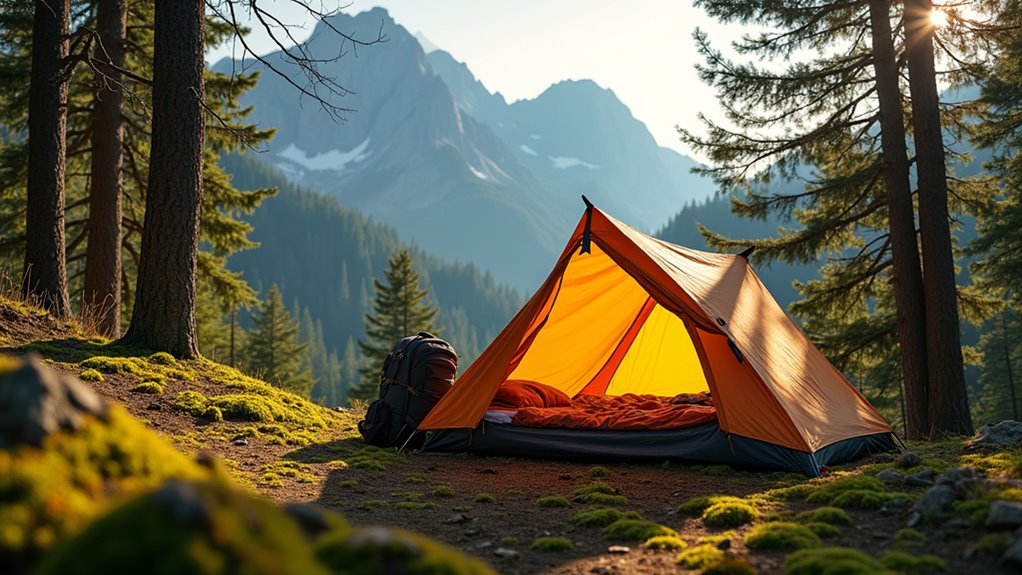
Bivy tents fit many outdoor activities well. These small shelters work best for one person. They offer many benefits:
- Ultralight backpacking: Great for carrying less weight but staying dry.
- Emergency shelter: Set up fast for unexpected stays.
- Harsh environments: Protects more than just a sleeping bag in tough places.
- Tight spots: Fits narrow ledges or thick forests where big tents won’t.
Their light weight and small size make them easy to carry. Move fast and travel light.
Mountaineers, bikepackers, and outdoor lovers find bivy tents helpful. They stay ready for many outdoor adventures.
Limitations and Considerations
Bivy tents bring many benefits for outdoor lovers. Yet, they’ve some clear limits.
Condensation builds up fast because these tents have little ventilation. Moisture inside can make sleeping bags wet and uncomfortable, especially in cold or wet weather.
Space is tight. You can’t change clothes or arrange gear easily. Sitting or reading feels cramped and can cause claustrophobia.
Most bivy sacks resist water but aren’t fully waterproof. An extra tarp helps keep you dry.
Visibility is low, making it hard to see your surroundings. This can raise safety concerns.
Think carefully about these points before choosing a bivy tent for your trip.
Historical and Etymological Context
Bivy tents have strong ties to military history. The word “bivy” comes from “bivouac,” a French word meaning “night guard.” Soldiers used bivouacs as quick, temporary camps. During World War I, troops slept in makeshift bivvies. These shelters offered just enough cover to stay alert. They kept soldiers ready and armed through the night.
Soldiers needed shelters that were fast, light, and easy to carry. Bivy tents evolved from these needs. Today’s bivy tents are compact and simple. Climbers and backpackers use them for quick shelter. They protect from wind and rain without heavy weight.
This history shows why bivy tents focus on practicality. Their design grew from tough military demands. Now, they meet outdoor lovers’ needs for small, portable shelters. Bivy tents blend old military wisdom with modern outdoor gear.
Frequently Asked Questions
Can a Bivy Tent Accommodate Two People?
A bivy tent can fit two people, but it gets tight quickly. These tents stay small and light for one person. Adding a second person means less space for gear. You might feel cramped and less comfortable. Most bivy tents measure about 3 feet wide. Two adults need about 4 to 5 feet for comfort. Think about your gear size too. Bulky bags take up more room. For two people, a small two-person tent works better. It offers more space and comfort. Bivy tents shine in light weight and small size for solo use. Using one for two means trading off these benefits. Choose based on your space and comfort needs.
How Do I Properly Care for My Bivy Tent?
Caring for your bivy tent keeps it strong and ready. Clean it with a soft brush or cloth. Use mild soap and water to remove dirt. Let it dry completely outside in the shade. Avoid direct sunlight, which can weaken fabric. Store your tent loosely in a cool, dry place. Tight packing can damage the material. Check your tent for holes or tears before each trip. Small fixes now prevent big problems later. Proper care helps your bivy last many adventures.
What Are the Best Brands for Bivy Tents?
Aqua Quest and Winterial make top bivy tents. These tents keep water out and use strong materials. They balance light weight, toughness, and space well. Such tents make outdoor trips better and more comfortable. Many campers trust these brands for good shelter.
Is a Bivy Tent Suitable for Winter Camping?
A bivy tent works well for winter camping with good insulation. Keep it ventilated to stop moisture buildup. Moisture can make your gear wet and cold. Using a sleeping bag rated for cold weather helps a lot. Add an insulated sleeping pad beneath you to block the cold ground. These steps keep you warm and dry all night. Small size means less heat loss inside the bivy. Perfect for solo campers who want light gear.
How Do I Pack a Bivy Tent Efficiently?
Packing a bivy tent fits like puzzle pieces. Fold the fabric neatly to avoid wrinkles. Roll the tent tight to save space. Use a compression strap to keep it small. Pack the poles separately to make the load lighter. Keep things organized to find them quickly later. This method shrinks your tent size by up to 40%. Easy to carry. Ready for your next adventure.
Conclusion
A bivy tent provides a small, light shelter for outdoor lovers. It looks like a bivy sack but offers extra protection and flexibility. This shelter sets up fast and is easy to carry. Space inside is limited, so it fits one person best. Knowing these facts helps you pick the right gear. A bivy tent suits short trips or long adventures well. It keeps you safe from wind and rain without heavy weight. Perfect for hikers and campers who want simple, quick shelter.
