
What Is Skin Tenting
This post contains affiliate links. As an Amazon Associate, we earn from qualifying purchases.
Skin tenting is a quick way to assess hydration by pinching the skin and observing how fast it returns to its normal position. If the skin takes longer to bounce back, it indicates dehydration, which can result from not drinking enough water or conditions like fever and diarrhea. Aging also reduces skin elasticity, affecting this test’s accuracy. Further explanation and details about causes, risks, and management strategies for dehydration are provided later in the article for those seeking a deeper understanding.
Essential Facts in 30 Seconds
- Skin tenting is a clinical sign of dehydration observed by pinching the skin and noting delayed return to normal.
- Slow skin return indicates decreased hydration and loss of skin elasticity.
- Causes include inadequate fluid intake, illness, and certain medications.
- Older adults, infants, and children are more susceptible to skin tenting.
- Treatment focuses on rehydration and may require medical care for severe cases.
Definition and Mechanism of Skin Tenting
Skin tenting shows how hydrated your body is. Pinch your skin. If it stays up or moves back slowly, this means your skin lacks moisture.
Healthy skin bounces back fast. This happens because of proteins called collagen and elastin. They keep skin stretchy and soft. When your body loses water, skin cells lose pressure. This makes skin less flexible.
Even a little dehydration can cause skin tenting. To check, pinch skin on your hand or shoulder. Watch how fast it returns to normal.
Good hydration helps skin stay healthy and elastic. Drinking enough water keeps skin strong and stops tenting.
Causes of Skin Tenting
Dehydration causes skin tenting. Not drinking enough water makes skin dry and less stretchy. Losing just 2-3% of body weight through fluids can cause this.
Common reasons aren’t drinking enough, vomiting, diarrhea, fever, and sweating a lot. Medicines like diuretics also lead to fluid loss.
Heat exhaustion and diseases like diabetes can make dehydration worse. Persistent skin tenting might signal kidney or metabolic problems.
Aging changes skin too. Less collagen and elastin make skin weaker and skin tenting easier to see.
Knowing these causes helps keep your skin healthy and elastic. Drink water and take care of your body to avoid skin tenting.
Populations at Risk for Skin Tenting

Certain groups face higher risks for skin tenting.
Older adults often have dry, less stretchy skin. Skin loses water and tightness with age.
Babies, especially those born early, have very soft skin. Their skin barrier isn’t fully formed yet. This makes their skin more likely to tent.
Gentle care helps protect these delicate skin types.
Elderly Individuals’ Vulnerability
Elderly people have weaker skin. Their skin loses stretch and feels loose. This makes skin tenting happen easily.
Drinking enough water helps, but aging still causes problems. Many older adults forget to drink water. Memory problems like dementia cause this.
Dehydration affects up to 60% of older people living at home. Some seniors can’t move easily. This makes it hard to get drinks.
Caregivers must make water easy to reach. Setting drinking times helps a lot. Drinking with meals also works well.
Reminders encourage seniors to drink more. These steps reduce risks from skin tenting.
Children and Infants
Skin tenting shows skin loses its stretchiness. It signals dehydration in children and babies. Quick action is important to avoid serious health problems.
Doctors check skin tenting by pinching the skin on the belly or leg. If the skin stays lifted, the child may be dehydrated. Babies can lose fluids very fast. This makes them more at risk than adults.
Other signs to watch for include dry mouth and tiredness. The longer the skin stays up, the worse the dehydration. Treating dehydration early helps children feel better fast and stops complications.
Knowing these signs can save lives. Keep a close eye on young kids, especially in hot weather or during illness.
Clinical Significance and Assessment
Skin tenting shows how hydrated the body is. Pinch the skin and watch how fast it goes back. If the skin stays up longer, it can mean dehydration.
This test gives quick clues but doesn’t tell the whole story. Age and skin type can change results. Use it with other signs like dry mouth or tiredness.
Sometimes, a doctor needs to check further. Knowing these details helps find dehydration early and act fast.
Hydration Level Indicator
Hydration keeps the body healthy.
Skin tenting shows how much water your body has. When you pinch the skin, it should snap back fast. Slow return means you might be dehydrated.
Kids get tired and weak if they lack water. Older people’s skin is less stretchy, so tests might be tricky.
Check other signs like how often you pee. Combining these signs helps find real hydration needs. This way, you stay healthier every day.
Assessment Limitations Explained
Skin tenting helps check hydration, but it has limits.
Doctors may see different results because this test depends on their judgment. No clear rules exist to tell true skin tenting from other skin changes. Age, weight, and skin health can also change the test results.
Pinching skin by hand isn’t always done the same way, causing mixed outcomes. New tools like suction devices need more proof to work well.
Use skin tenting with other signs and tests for a better hydration check.
Physiological and Structural Factors Affecting Skin Tenting
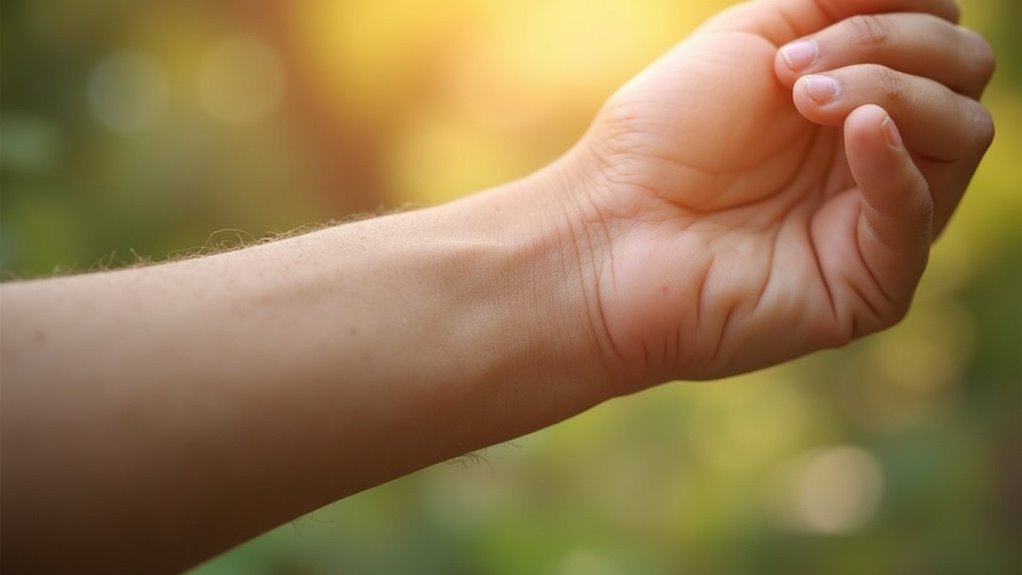
Skin tenting shows how well your skin holds water. It depends on many body and skin factors. Dehydration lowers skin’s stretchiness. Age reduces collagen and elastin, key proteins for skin strength. Dry air and hot or cold weather dry out the skin. Diseases affecting connective tissue can change skin’s feel and look.
Your body’s water balance affects skin tenting a lot. Even slight dehydration can make skin look tight and slow to bounce back. Older skin loses hyaluronic acid, which helps keep moisture inside. Low humidity makes skin dry and rough. Some health problems change skin structure and can confuse hydration checks.
Knowing these facts helps you care for your skin better. Watch your water intake. Protect skin from harsh weather. Understand that skin changes with age and health. This way, you keep skin healthy and soft.
Treatment and Management of Skin Tenting
Skin tenting needs quick action, especially with fractures. Skin pulls tight over a broken bone. Surgery can fix this fast. Doctors use a method called open reduction and internal fixation (ORIF). This puts bones back in place and stops skin damage.
Mild skin tenting without big bone moves can heal without surgery. Use an arm sling to keep the arm still. Take pain medicine like acetaminophen to feel better. Physical therapy helps keep joints moving and stops stiffness.
Dehydration also causes skin tenting. Drink plenty of water to fix this. Watch your health closely.
After surgery, clean wounds well to avoid infection. Checkups with your doctor ensure you heal well and return to normal life safely.
Frequently Asked Questions
Can Skin Tenting Be a Sign of Serious Health Issues?
Skin tenting often shows your body lacks enough water. This happens when you pinch your skin, and it stays up like a tent. It can mean serious health problems such as dehydration. Dehydration happens when your body loses too much water. This can cause dizziness, dry mouth, and tiredness. If skin tenting lasts long, it means you need to drink water fast. Severe dehydration needs a doctor’s help right away. Drinking fluids helps your body work well and avoids harm. Always check your skin if you feel weak or thirsty. Don’t wait; quick action keeps you healthy.
How Can I Improve My Skin Elasticity?
Good skin elasticity means your skin stays firm and smooth. Drink plenty of water every day. Water keeps your skin soft and stretchy. Use creams with retinoids or hyaluronic acid. These help your skin repair and stay elastic. Eat foods rich in antioxidants like berries and nuts. Antioxidants fight damage inside your skin. Always wear sunscreen outside. Sun rays break down skin fibers and make skin sag. A healthy diet, sun protection, and good skincare work together. Your skin will look younger and feel stronger. Simple steps, big results.
Is Skin Tenting Reversible With Hydration?
Skin tenting can improve with proper hydration. Drinking enough water helps your skin regain its stretch. Using creams rich in vitamins also supports skin health. Studies show that even mild dehydration causes skin to lose elasticity. Simple actions like drinking water and moisturizing daily can make a big difference. Your skin will look firmer and feel healthier over time. Keep hydrated to keep your skin strong.
What Are the Long-Term Effects of Skin Tenting?
Skin tenting shows signs of aging and loss of collagen. Your skin may look dry and feel weak. It loses its stretchiness and can tear more easily. Wounds take longer to heal. These changes harm your skin’s health over time. Studies show collagen drops by about 1% each year after age 20. This makes skin thinner and less firm. Keeping skin hydrated and healthy helps slow these effects.
Can Nutrition Impact Skin Tenting?
Nutrition plays a big role in skin tenting. Skin tenting happens when your skin stays lifted after you pinch it. This shows how much water your skin holds. Vitamins like A, C, and E help keep skin soft and elastic. Minerals like zinc and copper also support skin health. Drinking enough water and eating fruits and vegetables keeps your skin hydrated. Good nutrition keeps skin firm and less likely to tent. Poor diet can make skin dry and loose. Healthy skin needs both water and nutrients.
Conclusion
Skin tenting shows how healthy your skin is. It measures skin’s stretch and moisture. Healthy skin snaps back quickly after pinching. Slow return means skin may lack water or elasticity. This can signal dehydration or health problems. Checking skin often helps catch these signs early. Your skin tells a lot about your body’s condition. Persistent skin tenting needs a doctor’s check-up. Good care keeps skin firm and fresh. Drink water, eat well, and protect skin from sun. Strong skin stays lively and healthy as you age.
