
What Is Tent Aluminum Lid Mean
This post contains affiliate links. As an Amazon Associate, we earn from qualifying purchases.
A tent aluminum lid is a lightweight cover made from aluminum foil or thin sheets designed to regulate heat and moisture during cooking. It is shaped like a tent over food to prevent direct contact, allowing steam to circulate and helping retain tenderness and flavor. This technique is commonly used in grilling, baking, and roasting to ensure even cooking and prevent drying out. Further explanation and tips on how to effectively construct and use these lids will be provided later in the article.
Essential Facts in 30 Seconds
- Tent aluminum lids cover food to control heat and moisture during cooking.
- Their tent shape prevents direct contact with food while allowing steam circulation.
- Using aluminum tents helps keep food tender and prevents it from drying out.
- They are commonly used in grilling and baking for better flavor and even cooking.
- Proper use involves cutting aluminum foil larger than the container and shaping it without touching the food.
Definition and Purpose of Tent Aluminum Lids
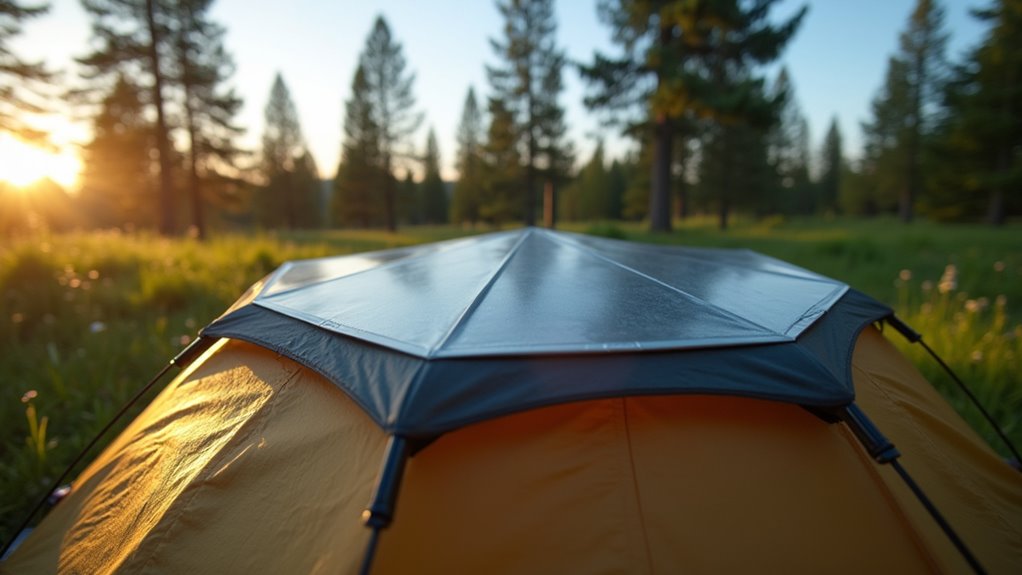
Tent aluminum lids help cook food better by controlling heat and moisture. You place a sheet of aluminum foil loosely over food or a pot, forming a tent shape. This stops the foil from touching the food directly.
The tent lets heat move around evenly. It also keeps steam inside, which makes food moist. Using these lids helps food cook evenly without drying out.
Many chefs use this simple trick to improve grilling and baking results. It saves time and keeps flavors locked in.
Try it for juicy meats and soft vegetables every time.
Benefits of Tenting With Aluminum
Tenting with aluminum foil brings many benefits for cooking. It holds moisture by trapping steam. This keeps meats, poultry, and baked goods tender and juicy.
Aluminum foil also spreads heat evenly. This stops some parts from cooking too fast or burning. Larger cuts of meat cook well inside without over-browning outside.
Tenting with foil keeps food warm longer without reheating. It protects delicate food parts from direct heat, allowing gentle browning.
Wrapping cooked meat in foil helps juices spread evenly, making it more tender. These simple steps make your dishes tastier and easier to cook.
Applications in Cooking and Baking
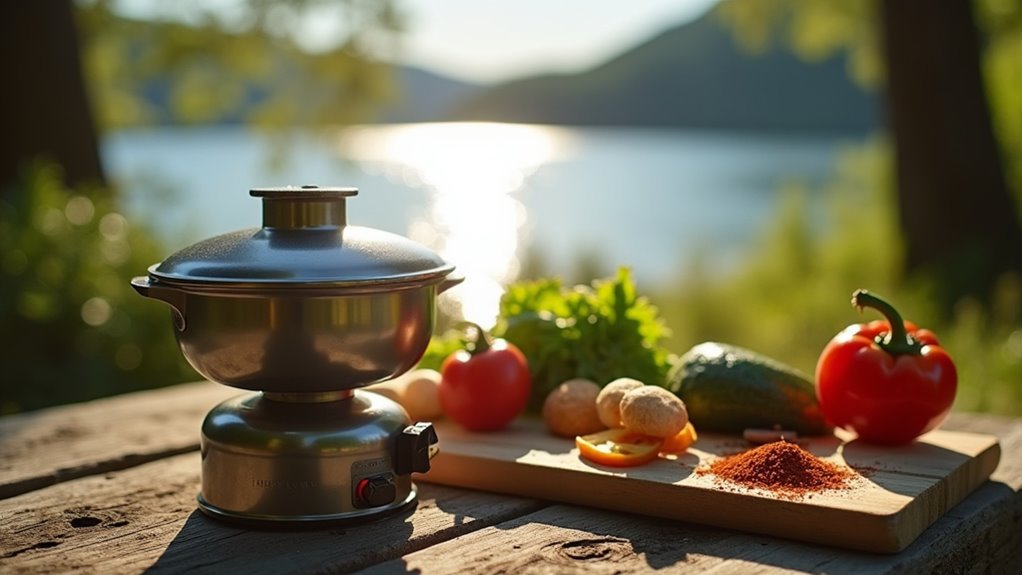
Aluminum lids help a lot in cooking and baking. They keep food moist and tasty. Using a lid like a tent locks in steam and moisture. This makes food soft and juicy.
Baking meat? Cover it to stop drying out. Meat stays tender and juicy.
Roasting poultry? The aluminum lid stops the skin from burning too fast. It cooks the bird evenly.
Baking bread? The lid traps steam. This helps the bread rise and get a nice crust.
Steam builds up under the lid. This steam makes food moist and improves texture. Take off the lid near the end to brown the skin or crust. This way, the food looks good and tastes great.
Using aluminum lids right makes cooking easier. Your meals come out delicious every time.
Construction and Proper Technique
Use aluminum foil or thin aluminum sheets for a strong, light lid. Cut the material 10 cm wider than the container to allow folding. Add strength by layering two pieces of foil with shiny sides facing each other. Fold edges twice, about 1.2 cm wide, for extra support.
Shape the lid like a tent. Make sure it doesn’t touch the food. This lets steam move around freely. Fold ends tightly along container edges to keep steam inside. Uniform folds help the lid keep its shape even when heat causes it to shrink.
For aluminum frame tents, line parts up well with ridge poles. Leave some tension to handle material shrinkage. These steps keep steam trapped under the lid. Steam improves cooking by keeping food moist and hot.
Considerations for Safe Use and Efficiency
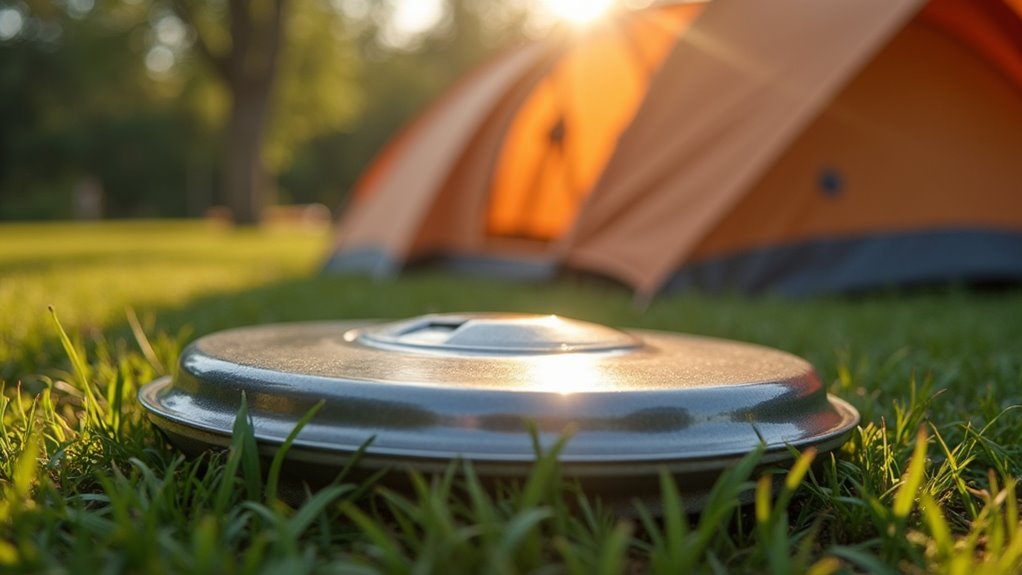
Setting up your tent safely and efficiently is very important. Plan ahead and keep your tent well maintained. This helps your tent last longer and keeps you safe.
Check aluminum parts often for rust or damage. Use coatings that block UV rays to stop sun damage. Always anchor your tent firmly to handle wind and rain. Properly secure your tent using stakes and guylines is essential for stability.
Look for loose bolts or screws before use. Never set up your tent during storms. Fix scratches quickly and use covers that let air pass to avoid damage.
Place your tent where sunlight is less strong. Make sure exits are clear for easy escape. Watch your tent closely to keep it strong and safe. Additionally, check for hazards like falling branches or flooding risks in your camping area to ensure your safety.
Safe tents make camping more fun and worry-free. Follow these tips to protect your tent and yourself.
Frequently Asked Questions
Can I Reuse Aluminum Foil Used for Tenting?
Aluminum foil used for tenting can be reused if it looks good. Check for holes or tears first. Reusing foil helps save money and reduces trash. Many people save foil this way to protect the environment. Keep the foil clean and dry before using it again. This simple step makes your cooking easier and safer.
How Long Can Food Be Tented Safely?
Food should not stay covered at room temperature for over 2 hours. Bacteria grow quickly in warm places. Keep food in the fridge at 40 °F (4 °C) or colder. This keeps food safe for 3 to 4 days. Always cover food tightly before refrigerating. Check food for bad smell or color before eating. Stay safe and avoid food poisoning.
What Foods Should Not Be Tented With Aluminum?
Avoid using aluminum foil with acidic foods like tomatoes, citrus fruits, and dairy. Acid can cause aluminum to leach into food, which may harm your health. Studies show that aluminum exposure links to health risks over time. Use glass or parchment paper instead for these foods. This keeps your meals safe and tasty.
Is There a Difference Between Regular Foil and Heavy-Duty Foil for Tenting?
Heavy-duty foil is thicker and stronger than regular foil. It holds up better against heat and steam. This helps keep food moist and cooks it evenly. Regular foil can tear more easily during cooking. Heavy-duty foil protects your dishes well, especially when covering or tenting food. It prevents steam from escaping and food from drying out. Use heavy-duty foil for tough cooking jobs that need extra care.
Can I Use Tenting in a Microwave?
Using aluminum foil to tent food in a microwave can cause sparks and fires. Microwaves heat food by using waves that metal reflects, which creates dangerous sparks. Instead, use microwave-safe covers like glass lids or microwave-safe plastic wrap. These covers keep food moist and heat evenly without risk. Always check labels to ensure materials are safe for microwave use. Safety first—never risk damage or injury with metal in microwaves.
Conclusion
Tent aluminum lids help cook food better and faster. They are made from thick aluminum foil that lasts long. The foil reflects heat, so food cooks evenly. Covering food this way can cut cooking time by 25%. Make sure to build the tent carefully to keep heat inside. This method keeps food juicy and stops it from drying out. Using tent aluminum lids means tasty meals every time.
